Skip to content
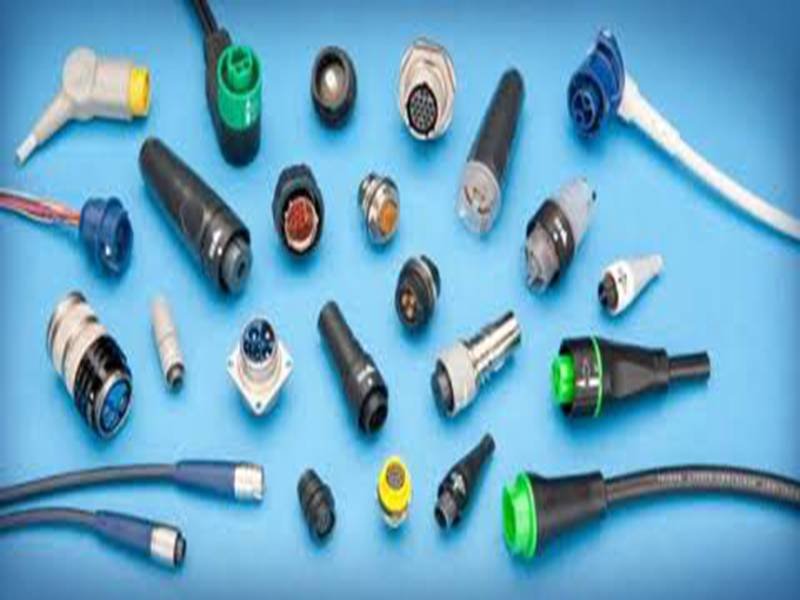
Choosing medical connector manufacturers is not only about finding a connector that fits. For many medical device companies, the real problem starts after the connector looks correct. The sample can connect smoothly, but the cable may be too stiff for daily use. The pinout may work during bench testing, but the signal may become unstable after the device is assembled. A connector may look identical to the original brand part, but the material, plating, mating force, locking structure, or shielding method may create hidden risk during long-term use.
A good medical connector manufacturer should help you answer practical questions before production starts. Can this connector handle repeated plugging and unplugging? Is the cable flexible enough for the device movement? Can the material support the required cleaning or sterilization process? Is the shielding structure strong enough to protect medical signals? Can the supplier provide drawings, specifications, photos, test records, and certificates before you commit to an order?
The right medical connector manufacturer is a supplier that can support connector selection, cable design, drawing confirmation, sample production, testing, and batch delivery. For medical devices, the best choice is usually not the cheapest connector alone, but the supplier that can reduce design risk, shorten development time, and provide stable quality from the first sample to mass production.
At Sino-Conn, many medical connector and cable assembly projects start with incomplete information. Some customers send a connector model. Some send a drawing. Some only send a photo and ask, “Can you make something like this?” In these situations, the manufacturer’s engineering ability becomes more important than a catalog. A connector is small, but if it fails, the whole medical device may stop working. That is why choosing the right manufacturer deserves careful attention.
What Are Medical Connector Manufacturers?
Medical connector manufacturers are companies that design, produce, customize, and assemble connectors used in medical devices and healthcare equipment. However, for most medical device companies, the manufacturer is not simply supplying a connector. They are often providing a complete connectivity solution that includes connector selection, cable design, shielding structure, pin assignment, overmolding, testing, documentation, and long-term production support.

This distinction is important because a connector rarely works alone inside a medical device.
A patient monitor may require a shielded cable assembly connected to multiple sensors. An ultrasound system may require high-frequency signal transmission with strict impedance control. A surgical device may require hundreds or thousands of mating cycles without degradation. In these situations, choosing the right medical connector manufacturer becomes part of the product development process rather than a purchasing decision.
Many medical device engineers discover that connector-related problems account for a surprisingly high percentage of product failures. Industry reliability studies often show that electrical interconnections represent one of the most common failure points in electronic systems, particularly in applications involving movement, vibration, repeated mating cycles, or frequent cleaning.
This is why experienced medical connector manufacturers focus on much more than producing a connector body. They focus on ensuring that the entire connection system performs reliably throughout the device’s lifecycle.
What Do Medical Connector Manufacturers Produce?
When people hear the term “medical connector,” they often imagine a circular push-pull connector found on a patient monitor or imaging device. In reality, the product range is much broader.
Modern medical connector manufacturers may supply:
| Product Category | Typical Medical Application |
|---|---|
| Circular Connectors | Patient monitoring systems |
| Push-Pull Connectors | Surgical equipment |
| RF Connectors | MRI systems, imaging devices |
| Micro Connectors | Wearable medical devices |
| Waterproof Connectors | Portable healthcare equipment |
| USB Connectors | Diagnostic instruments |
| Medical Cable Assemblies | Monitoring and treatment systems |
| Wire Harnesses | Internal medical device wiring |
| Sensor Cables | Diagnostic and detection equipment |
| High-Flex Cable Assemblies | Robotic surgery systems |
For many customers, the connector itself represents less than 30% of the final solution.
The remaining work often includes:
- Cable selection
- Wire gauge calculation
- Shielding design
- Pin assignment verification
- Connector termination
- Overmolding design
- Mechanical strain relief
- Functional testing
- Documentation preparation
For example, a medical monitoring cable may require:
- 26 AWG conductors
- Double shielding structure
- TPU medical-grade jacket
- Specific connector orientation
- Custom pinout
- 2-meter length
- White color coding
- Serialized labeling
A standard catalog connector alone cannot solve these requirements.
This is one reason why many medical OEMs prefer working directly with manufacturers capable of producing complete medical cable assemblies rather than purchasing individual components from multiple suppliers.
At Sino-Conn, it is common for customers to initially request a connector model but later discover they also need cable recommendations, shielding improvements, custom lengths, or engineering drawings. Supporting these additional requirements often creates more value than supplying the connector itself.
Why Are Medical Connector Manufacturers Different?
Medical applications impose requirements that are significantly more demanding than many industrial or consumer electronics applications.
A consumer device may be replaced after two or three years.
A medical device may remain in service for five, ten, or even fifteen years.
A consumer cable failure may create inconvenience.
A medical cable failure can interrupt patient monitoring, delay diagnosis, or force equipment downtime.
Because of these differences, medical connector manufacturers pay closer attention to several critical factors.
| Design Requirement | Medical Importance |
|---|---|
| Contact Reliability | Prevent signal interruption |
| EMI Shielding | Protect sensitive signals |
| Long Mating Life | Frequent connection cycles |
| Material Stability | Long service life |
| Cleaning Resistance | Daily sanitization |
| Flexibility | Repeated movement |
| Traceability | Regulatory support |
| Consistency | Stable production quality |
Medical customers also tend to require more documentation than customers in other industries.
Common requests include:
- Connector specifications
- Cable specifications
- 2D drawings
- 3D models
- Material declarations
- RoHS reports
- REACH reports
- UL documentation
- COC
- COO
Many suppliers can manufacture a cable assembly.
Far fewer can provide complete engineering documentation, rapid design support, and stable production quality at the same time.
This is often where medical connector manufacturers separate themselves from general-purpose cable suppliers.
Which Industries Use Medical Connector Manufacturers?
The customer base for medical connector manufacturers has expanded significantly in recent years.
Traditionally, medical connectivity products were primarily used in large hospital equipment.
Today, medical connectors can be found in:
| Industry Segment | Example Products |
|---|---|
| Patient Monitoring | ECG, EEG, vital sign monitors |
| Medical Imaging | Ultrasound, MRI, CT systems |
| Surgical Equipment | Electrosurgical devices |
| Laboratory Equipment | Diagnostic analyzers |
| Rehabilitation Devices | Therapy systems |
| Wearable Healthcare | Portable monitoring devices |
| Home Healthcare | Remote patient monitoring |
| Medical Robotics | Surgical robotic systems |
| Dental Equipment | Imaging and treatment devices |
| Biotechnology | Analytical instruments |

Among these groups, purchasing behavior differs significantly.
Engineering teams typically focus on:
- Technical feasibility
- Signal performance
- Connector size
- Cable flexibility
- Shielding effectiveness
- Reliability
Procurement teams usually prioritize:
- Price
- Lead time
- Supplier stability
- Quality consistency
- Documentation availability
OEM manufacturers often evaluate:
- Production capacity
- Process control
- Inspection procedures
- Supply chain stability
Understanding these priorities helps manufacturers provide better support.
At Sino-Conn, medical device engineers frequently approach us with detailed technical questions regarding connector compatibility, shielding performance, cable flexibility, or sterilization concerns.
Purchasing teams often ask different questions:
- Can you provide a specification sheet?
- Do you have UL certification?
- Can you support annual demand of 10,000 units?
- Can you shorten lead time?
- Do you offer alternative connector options?
Both groups are important, but their concerns are very different.
Successful medical connector manufacturers must be able to communicate effectively with both technical and commercial decision-makers.
How Do Medical Connector Manufacturers Support Product Development?
One of the biggest misconceptions is that medical connector manufacturers only become involved after the design is complete.
In reality, many successful projects involve supplier participation much earlier.
A medical device development cycle often follows a path similar to this:
| Development Stage | Manufacturer Support |
|---|---|
| Concept Design | Connector recommendations |
| Prototype Stage | Drawings and samples |
| Engineering Validation | Design optimization |
| Compliance Testing | Material documentation |
| Pilot Production | Small batch manufacturing |
| Mass Production | Stable supply support |
The earlier a manufacturer becomes involved, the more opportunities there are to prevent costly design mistakes.
For example, a European medical startup recently approached Sino-Conn with a prototype monitoring device.
The original design specified a connector that was difficult to source and required a minimum order quantity far beyond the project’s needs.
After reviewing the application, our engineering team recommended an alternative solution that:
- Reduced lead time by approximately 40%
- Lowered prototype costs
- Improved cable flexibility
- Maintained identical functionality
Most importantly, the customer avoided redesigning the device after validation testing had already begun.
This type of engineering support is increasingly becoming one of the most valuable services provided by medical connector manufacturers.
The reality is simple: customers are not purchasing a connector. They are purchasing confidence that their device will function reliably, pass testing, meet production schedules, and remain supported throughout its lifecycle.
That is why the best medical connector manufacturers focus not only on products, but also on engineering expertise, communication speed, customization capability, and long-term partnership.
Which Medical Connector Manufacturers Are Best?
There is no single “best” medical connector manufacturer for every project.
A supplier that works perfectly for a multinational imaging equipment company may not be suitable for a startup developing a wearable medical device. Likewise, a connector manufacturer that excels at producing millions of standard connectors may struggle to support low-volume prototypes, custom cable assemblies, or rapid engineering changes.
The better question is:
Which medical connector manufacturer is best for your specific project requirements?
Most medical device companies evaluate suppliers based on price first. However, experienced engineers often learn that connector cost is only a small part of the overall project cost.
A cable assembly that arrives two weeks late can delay product validation.
An incorrect pinout can delay software testing.
A poor shielding design can create EMI failures during compliance testing.
A connector with unstable supply can force a redesign after product approval.
These hidden costs often exceed the difference between supplier quotations.
When evaluating medical connector manufacturers, it is usually more effective to compare their engineering capability, customization flexibility, quality control system, responsiveness, and production stability rather than focusing solely on unit price.
What Makes Medical Connector Manufacturers Reliable?
Reliability starts long before production begins.
One of the easiest ways to evaluate a supplier is by observing how they handle your inquiry.
When a customer sends a drawing, sample, or specification, an experienced manufacturer typically asks additional questions.
For example:
- What medical device will this be used in?
- Is signal integrity critical?
- Does the cable move frequently?
- Is shielding required?
- Will the device be cleaned regularly?
- Is the connector original or compatible?
- What is the target production volume?
A supplier that immediately sends a price without reviewing technical requirements may not fully understand the application.
The most reliable medical connector manufacturers usually provide support in five key areas.
| Evaluation Area | Why It Matters |
|---|---|
| Engineering Support | Prevents design mistakes |
| Drawing Capability | Confirms manufacturing details |
| Quality Control | Reduces field failures |
| Production Stability | Supports long-term supply |
| Technical Communication | Accelerates development |
Many medical projects involve dozens of revisions before final approval.
A supplier must be capable of supporting these changes efficiently.
At Sino-Conn, engineering drawings are prepared for every custom project before production begins. Depending on project complexity, drawings can often be completed within 24 hours, and simple projects can sometimes be reviewed and drawn within 30 minutes.
This process helps customers identify potential issues before materials are ordered or production begins.
Many customers discover pinout errors, connector orientation issues, or dimensional conflicts during drawing review, saving significant time and cost later.
Which Medical Connector Manufacturers Offer Custom Solutions?
Customization is one of the biggest reasons customers switch suppliers.
Many global connector brands offer excellent products but are optimized for standard part numbers and high-volume production.
Medical devices rarely fit into a standard catalog.
A typical custom medical cable assembly may require:
- Specific cable length
- Custom pin assignment
- Unique connector orientation
- Special shielding structure
- Reduced cable diameter
- Soft jacket materials
- Custom labeling
- Overmolded strain relief
The more specialized the device becomes, the more important customization becomes.
Consider a wearable medical monitor.
The engineering team may require:
| Requirement | Reason |
|---|---|
| Small connector size | Limited enclosure space |
| Lightweight cable | Patient comfort |
| Flexible jacket | Daily movement |
| Shielded conductors | Signal stability |
| Custom pinout | Device architecture |
Very few off-the-shelf products meet all of these requirements simultaneously.
This is where custom medical connector manufacturers create value.
At Sino-Conn, many medical cable assembly projects begin with incomplete information.
Customers often provide:
- Existing cable samples
- Product photos
- Hand sketches
- Connector pictures
- Device images
Our engineering team then helps identify connector types, cable structures, shielding requirements, and manufacturing options before preparing drawings for customer approval.
This collaborative approach is particularly useful for startups, R&D teams, and companies replacing obsolete cable assemblies.
Are Global Medical Connector Manufacturers Better?
Many buyers automatically assume larger brands are always the safest choice.
In reality, the answer depends heavily on project goals.
Large connector manufacturers have clear advantages:
| Strength | Benefit |
|---|---|
| Brand Recognition | Easier internal approval |
| Large Product Portfolio | More standard options |
| Established Documentation | Simplified compliance review |
| Global Distribution | Wider availability |
However, these advantages can sometimes create challenges.
Large manufacturers often operate around standard products.
As a result:
- Custom modifications may be limited
- Prototype support may be slower
- Lead times may be longer
- Minimum order quantities may be higher
- Engineering changes may require lengthy approval processes
For medical device startups and low-volume projects, these limitations can become problematic.
A smaller, specialized manufacturer may offer:
| Advantage | Benefit |
|---|---|
| Faster response | Shorter development cycle |
| Lower MOQ | Reduced development cost |
| Flexible customization | Better product fit |
| Direct engineering access | Faster problem solving |
| Faster samples | Accelerated validation |
This is one reason many European and North American medical device companies source cable assemblies from specialized manufacturers in China and Taiwan.
They gain access to stronger customization capability while maintaining competitive pricing and shorter lead times.
Sino-Conn supports both original connector solutions and compatible alternatives, giving customers flexibility based on project requirements, budget, and supply chain considerations.
How Do Medical Connector Manufacturers Compare?
Comparing suppliers based only on quotation price often leads to poor decisions.
A more effective evaluation method is to score suppliers across multiple categories.
The table below reflects factors commonly used by medical OEMs during supplier selection.
| Evaluation Factor | Importance |
|---|---|
| Product Quality | Very High |
| Engineering Capability | Very High |
| Customization Support | High |
| Documentation | High |
| Lead Time | High |
| Communication | High |
| Production Capacity | Medium |
| Pricing | Medium |
Notice that price is not at the top.
This reflects the reality of medical product development.
For example:
Imagine two suppliers quote the same project.
Supplier A:
- Price: $12 per assembly
- Lead Time: 8 weeks
- No drawing review
- No engineering support
Supplier B:
- Price: $13 per assembly
- Lead Time: 3 weeks
- Drawing support included
- Engineering review included
The 8% price difference appears significant initially.
However, if Supplier B helps prevent a design mistake or reduces development time by several weeks, the total project savings can be much greater.
This is why experienced procurement teams evaluate total project value rather than unit cost alone.
What Do Medical Device Companies Actually Look For?
Medical device manufacturers generally fall into three groups.
Each group evaluates suppliers differently.
R&D Engineers
Engineers focus heavily on technical capability.
They typically ask:
- Can this design be manufactured?
- Will the shielding perform adequately?
- Can the connector fit inside the enclosure?
- Is the cable flexible enough?
- Can drawings be provided quickly?
Price is usually not the primary concern during development.
Successful validation is.
OEM Manufacturers
OEM factories tend to focus on:
- Cost
- Production capacity
- Lead time
- Quality consistency
Once a design is approved, production efficiency becomes extremely important.
Procurement Teams
Purchasing departments often prioritize:
- Supplier stability
- Delivery reliability
- Documentation
- Price competitiveness
The best medical connector manufacturers understand how to communicate with all three groups.
At Sino-Conn, it is common for engineering teams to discuss connector design and cable structures with our engineers during the early stages of development. Once the design is approved, procurement teams typically take over pricing, forecasting, and production planning discussions.
Supporting both technical and commercial requirements is one reason long-term customer relationships are built.
A Real Example of Supplier Selection
A European medical device company contacted Sino-Conn while developing a portable diagnostic system.
Their existing supplier had three major limitations:
- Minimum order quantity of 1,000 units
- Long engineering response times
- Limited cable customization options
The customer initially required only 20 prototypes.
The project also required:
- Custom connector orientation
- Flexible medical-grade cable
- Shielded signal pairs
- Unique pin assignments
After reviewing the application, Sino-Conn provided:
- Engineering review
- Connector recommendations
- Production drawings
- Prototype samples
- Full inspection before shipment
The first prototypes were delivered and approved for testing.
Several design changes were later implemented before moving into production.
For the customer, the biggest advantage was not price.
It was flexibility.
The ability to iterate quickly during development shortened the project timeline and reduced engineering risk.
That is often the characteristic shared by the best medical connector manufacturers.
They do not simply sell connectors.
They help customers move from concept to production with fewer obstacles, faster decisions, and more predictable results.
How Do Medical Connector Manufacturers Ensure Quality?
Quality is one of the first topics discussed when medical device companies evaluate connector suppliers. Price differences between suppliers may only be 10%–20%, but a single connector-related failure can cost thousands of dollars in engineering time, delayed testing, product recalls, or customer complaints.
For medical equipment manufacturers, quality is not simply about whether a connector works when it arrives. The real question is whether it will continue to perform after months or years of use.
A patient monitor may operate 24 hours a day.
A surgical device may be connected and disconnected hundreds of times per month.
A portable diagnostic system may be dropped, moved, cleaned, and transported daily.
Under these conditions, quality becomes much more than a factory inspection report.
The best medical connector manufacturers build quality into every stage of the project, from engineering review and material selection to assembly processes, testing procedures, and final inspection.
Customers should understand that quality problems rarely originate from one major defect. Most failures occur because of several small issues that were never discovered before shipment.
For example:
- A crimp force that is slightly below specification
- An incorrectly terminated shield
- An overmold that creates excessive cable stress
- A connector sourced from an unverified supplier
- A cable jacket that becomes brittle after repeated cleaning
Individually, these issues may appear minor.
Combined together, they can significantly reduce product reliability.
This is why experienced medical connector manufacturers focus on prevention rather than correction.
What Standards Do Medical Connector Manufacturers Follow?
Many customers begin supplier evaluations by asking about certifications.
Certifications are important because they indicate that a manufacturer follows documented processes and quality management systems.
However, certifications alone do not guarantee product quality.
A supplier may hold certifications while still lacking the engineering expertise required for complex medical cable assemblies.
The most commonly requested certifications and compliance documents include:
| Standard | Purpose |
|---|---|
| ISO 9001 | Quality management system |
| ISO 13485 | Medical device manufacturing quality system |
| UL | Product safety compliance |
| RoHS | Restriction of hazardous substances |
| REACH | Chemical substance compliance |
| PFAS Declaration | Material transparency |
| COC | Certificate of Conformity |
| COO | Certificate of Origin |
Medical OEM customers frequently request multiple documents simultaneously.
For example, before approving a supplier, a customer may ask for:
- Connector specification
- Cable specification
- Material declaration
- RoHS report
- REACH report
- Product drawing
- Inspection report
Some projects require even more documentation.
Particularly in Europe and North America, customers often need documentation packages for internal approval processes before purchasing can release an order.
At Sino-Conn, supporting documentation requests is a routine part of medical projects. Many customers request specifications and drawings before they even review pricing because they first need to verify technical suitability.
A supplier’s ability to provide complete and accurate documentation often reflects the maturity of its engineering and quality systems.
How Do Medical Connector Manufacturers Test Products?
Testing is where many suppliers begin to separate themselves from competitors.
Some factories only perform basic continuity testing before shipment.
Others perform comprehensive inspections throughout the manufacturing process.
Medical device companies should understand exactly what tests are included before selecting a supplier.
A properly manufactured cable assembly may undergo several inspections before reaching the customer.
Common tests include:
| Test Type | Purpose |
|---|---|
| Continuity Test | Verify correct electrical connections |
| Short Circuit Test | Detect unintended connections |
| Insulation Resistance Test | Verify conductor isolation |
| Contact Resistance Test | Measure connection quality |
| High Voltage Test | Confirm electrical safety |
| Pull Force Test | Verify mechanical strength |
| Shield Continuity Test | Validate EMI protection |
| Dimensional Inspection | Verify physical accuracy |
| Visual Inspection | Detect assembly defects |
Many customers mistakenly believe that passing a continuity test guarantees quality.
Unfortunately, this is not true.
A cable assembly can pass continuity testing while still containing:
- Weak crimp connections
- Poor solder joints
- Incorrect shielding
- Connector damage
- Excessive strain on conductors
For example, a medical imaging customer once experienced intermittent signal issues after installation.
Initial electrical testing showed no obvious problem.
Further investigation revealed that the shield termination inside the connector was inconsistent. Under certain cable positions, signal quality degraded significantly.
The assembly passed continuity testing but failed real-world operation.
This example highlights why multiple inspection methods are necessary.
At Sino-Conn, custom medical cable assemblies typically undergo:
- In-process inspection during assembly
- Finished product inspection after completion
- Final inspection before shipment
This multi-stage inspection approach helps identify issues before products leave the factory.
How Do Medical Connector Manufacturers Control Quality?
The most effective quality control system begins before production starts.
One of the biggest causes of manufacturing errors is misunderstanding customer requirements.
This is why professional medical connector manufacturers place significant emphasis on engineering review and drawing confirmation.
Before production begins, several critical elements must be verified.
| Review Item | Risk if Incorrect |
|---|---|
| Connector Model | Incorrect device interface |
| Pin Assignment | Functional failure |
| Connector Orientation | Mechanical interference |
| Cable Length | Installation problems |
| Wire Gauge | Current capacity issues |
| Shielding Structure | EMI failures |
| Label Information | Identification errors |
Many customers approach suppliers with incomplete information.
Common situations include:
- Only a photo is available
- Original drawings are missing
- Existing supplier is unavailable
- Product is being reverse engineered
In these cases, drawing review becomes extremely important.
At Sino-Conn, every custom order is supported by an engineering drawing before production begins.
This step allows customers to verify:
- Connector type
- Pin definition
- Cable structure
- Length
- Material
- Orientation
before any materials are consumed.
Some customers discover wiring errors or dimensional conflicts during this stage, avoiding expensive rework later.
Quality control also extends to material management.
Reliable manufacturers maintain records for:
- Connector suppliers
- Cable batches
- Terminal lots
- Production dates
- Inspection records
This traceability becomes valuable if future investigations are required.
Why Do Medical Connector Manufacturers Focus on Reliability?
Medical devices often remain in service much longer than consumer electronics.
A smartphone may be replaced after several years.
Medical equipment may remain operational for a decade or longer.
Because of this, reliability becomes one of the most important purchasing criteria.
Medical connector manufacturers evaluate reliability from several perspectives.
Mechanical reliability includes:
- Connector retention force
- Cable flexibility
- Strain relief effectiveness
- Mating cycle durability
Electrical reliability includes:
- Contact resistance stability
- Signal integrity
- Shield effectiveness
- Insulation performance
Environmental reliability includes:
- Temperature resistance
- Chemical resistance
- Cleaning compatibility
- Aging performance
The following factors often influence long-term reliability.
| Design Factor | Reliability Impact |
|---|---|
| Gold-Plated Contacts | Stable electrical connection |
| Flexible Cable Jacket | Reduced mechanical stress |
| Proper Strain Relief | Longer cable life |
| Double Shielding | Better EMI protection |
| Quality Termination | Improved durability |
| Correct Wire Gauge | Reduced voltage drop |
A practical example involved a portable healthcare device manufacturer.
The customer experienced repeated cable failures approximately six months after deployment.
The original assumption was connector failure.
However, analysis revealed the actual issue was cable stiffness.
Each time users moved the device, stress concentrated near the connector exit point.
The connector itself remained functional.
The cable structure did not.
The solution included:
- Softer cable material
- Improved strain relief
- Modified overmold geometry
The updated design significantly extended service life without changing the connector model.
This example demonstrates an important reality.
Medical connector reliability is rarely determined by a single component.
The connector, cable, shielding, termination method, strain relief, and manufacturing quality all work together.
The best medical connector manufacturers understand this relationship and evaluate the entire interconnect system rather than focusing only on the connector.
How Does Sino-Conn Maintain Consistent Quality?
For many customers, consistency is even more important than initial quality.
A prototype that works perfectly has little value if the production version performs differently.
This is why Sino-Conn follows a quality approach built around process control and verification.
Key practices include:
| Quality Activity | Purpose |
|---|---|
| Drawing Confirmation | Prevent specification errors |
| Material Verification | Ensure correct components |
| Process Inspection | Detect issues during assembly |
| Finished Product Inspection | Verify assembly quality |
| Final Inspection | Confirm shipment readiness |
| Documentation Control | Maintain traceability |
Every custom cable assembly is produced according to an approved drawing.
Inspection is performed during assembly, after assembly, and before shipment.
For many medical customers, product photos, inspection records, and supporting documentation are also provided before delivery.
This approach helps ensure that the product received by the customer matches the product approved during the sample stage.
Ultimately, quality is not determined by a certificate, a test report, or a marketing statement.
Quality is reflected in whether the cable assembly performs reliably during development, validation, production, and years of field operation.
That is the standard medical device manufacturers expect, and it is the standard that leading medical connector manufacturers strive to achieve every day.
How Can Medical Connector Manufacturers Customize Connectors?
Customization is one of the main reasons medical device companies work directly with specialized medical connector manufacturers instead of purchasing standard products from distributors.
Most medical devices are designed around specific performance requirements, mechanical constraints, and regulatory considerations. Even when a standard connector appears suitable, the final assembly often requires modifications to fit the actual application.
For example, two patient monitoring systems may use the same connector series, but one device requires a 300 mm cable with a right-angle connector, while another requires a 2-meter shielded cable with a straight connector and custom pin assignment.
Both devices perform similar functions.
Neither can use exactly the same cable assembly.
This is why customization has become a critical capability for medical connector manufacturers.
Many customers initially believe customization means changing cable length.
In reality, connector customization can involve dozens of engineering variables that directly affect performance, usability, reliability, and production cost.
The best manufacturers do not simply modify products. They help customers optimize the entire connection system for their specific medical application.
What Can Medical Connector Manufacturers Customize?
Modern medical connector manufacturers can customize almost every component of a connector assembly.
The level of customization depends on the project requirements, production volume, and application environment.
The most frequently customized items include:
| Customization Area | Typical Options |
|---|---|
| Connector Type | Circular, push-pull, RF, waterproof |
| Connector Size | Miniature to large-format |
| Pin Count | 2-pin to 100+ pin configurations |
| Cable Length | 50 mm to 20 m+ |
| Wire Gauge | 36 AWG to 10 AWG |
| Connector Orientation | Straight, right-angle, panel mount |
| Pin Assignment | Standard or custom wiring |
| Shielding Structure | Foil, braid, double shield |
| Cable Jacket Material | PVC, TPU, TPE, Silicone |
| Cable Color | White, gray, blue, black, custom colors |
| Overmolding | Custom strain relief design |
| Labeling | Barcode, serial number, logo |
| Packaging | Individual or bulk packaging |
Many of these modifications directly affect device performance.
For example:
A surgical equipment manufacturer may require:
- Soft cable jacket
- Small connector footprint
- Lightweight construction
- Excellent flexibility
A medical imaging system may require:
- Controlled impedance
- Double shielding
- Low signal loss
- High-frequency performance
A portable diagnostic device may require:
- Compact connector
- Frequent mating durability
- Flexible cable routing
- Lightweight assembly
The connector may appear similar from the outside, but the internal design requirements can be completely different.
At Sino-Conn, customers frequently request modifications to existing assemblies. Some projects begin with a sample cable that is almost correct but requires adjustments in length, shielding, connector orientation, or material selection.
These seemingly small changes often improve usability, reliability, and manufacturing efficiency.
How Do Medical Connector Manufacturers Create Drawings?
One of the most important steps in customization is engineering drawing development.
Unfortunately, many customers underestimate the importance of drawings until problems occur.
A connector assembly may appear straightforward, but even small misunderstandings can lead to production delays.
Consider the following examples:
| Missing Information | Potential Consequence |
|---|---|
| Connector orientation | Connector cannot fit device |
| Pin assignment | Device malfunction |
| Cable length | Installation difficulty |
| Shield connection | EMI problems |
| Wire gauge | Current capacity issues |
| Overmold dimensions | Mechanical interference |
A professional drawing serves as a common reference for both customer and manufacturer.
Most medical cable assembly drawings include:
- Connector model numbers
- Pin definitions
- Cable specifications
- Wire colors
- Length tolerances
- Shielding details
- Label information
- Mechanical dimensions
Many medical device companies contact suppliers with only:
- Product photos
- Existing samples
- Hand sketches
- Basic descriptions
This situation is more common than many people realize.
In fact, a large percentage of custom projects begin without complete engineering documentation.
Sino-Conn frequently assists customers by reverse-engineering existing assemblies and creating manufacturing drawings for review.
Depending on project complexity, drawings can often be completed within 24 hours. For straightforward assemblies, engineering review and drawing preparation may be completed much faster.
This process helps identify issues before production begins and reduces the likelihood of costly revisions later.
Can Medical Connector Manufacturers Build Complete Cable Assemblies?
For many medical OEMs, purchasing connectors alone creates unnecessary complexity.
The connector still needs to be:
- Terminated
- Wired
- Tested
- Shielded
- Labeled
- Packaged
As a result, many medical companies prefer suppliers capable of delivering complete cable assemblies.
A complete assembly typically includes:
| Component | Function |
|---|---|
| Connector | Device interface |
| Cable | Signal or power transmission |
| Shielding | EMI protection |
| Termination | Electrical connection |
| Strain Relief | Mechanical protection |
| Overmolding | Durability enhancement |
| Testing | Quality verification |
| Documentation | Traceability support |
This approach offers several advantages.
First, compatibility issues are reduced.
When connectors and cables come from different suppliers, responsibility for performance problems often becomes unclear.
Second, engineering communication becomes simpler.
Customers only need to communicate with one supplier rather than coordinating multiple vendors.
Third, production quality becomes easier to control.
At Sino-Conn, most medical projects involve complete cable assemblies rather than individual connector sales. This allows our engineering team to evaluate the entire system rather than focusing on a single component.
For example, connector selection may influence cable diameter, which influences flexibility, which influences strain relief design.
Looking at the entire assembly often leads to better overall performance.
How Fast Can Medical Connector Manufacturers Deliver Samples?
Sample speed is one of the most important factors during medical device development.
A delayed cable assembly can impact multiple project stages.
Examples include:
- Mechanical verification
- Functional testing
- EMC testing
- Software integration
- Customer demonstrations
- Regulatory preparation
Many development teams operate on aggressive schedules.
A delay of several weeks can affect an entire product launch timeline.
Typical medical project timelines often look like this:
| Activity | Typical Duration |
|---|---|
| Requirement Review | 1–2 Days |
| Engineering Discussion | 1–3 Days |
| Drawing Creation | Same Day to 3 Days |
| Customer Approval | Customer Controlled |
| Sample Production | Around 2 Weeks |
| Urgent Samples | 2–3 Days Possible |
| Production Orders | 3–4 Weeks |
The ability to support rapid prototyping becomes especially important for startups and R&D teams.
Many customers initially require:
- 1 sample
- 5 samples
- 10 engineering units
before committing to production quantities.
Suppliers with high minimum order requirements may not be suitable for these projects.
One reason many medical device companies choose Sino-Conn is flexibility.
There is no MOQ requirement.
Customers can begin with a single prototype if necessary and increase quantities after validation is complete.
This approach reduces risk and avoids unnecessary inventory during development.
What Information Should Customers Provide for a Custom Project?
The more information a manufacturer receives, the faster and more accurately a project can move forward.
However, many customers worry they must provide complete documentation before requesting a quotation.
In reality, experienced manufacturers can often work with limited information.
Helpful information includes:
| Information Type | Why It Helps |
|---|---|
| Connector Model | Identifies interface requirements |
| Photos | Assists product identification |
| Existing Samples | Reveals construction details |
| Drawings | Accelerates engineering review |
| Pin Definitions | Ensures correct wiring |
| Device Application | Supports design recommendations |
| Cable Length | Determines material requirements |
| Quantity Forecast | Supports sourcing decisions |
Even when complete information is unavailable, suppliers can often assist.
At Sino-Conn, customers frequently provide only a photo and a brief description of the application.
Our engineering team then evaluates:
- Connector type
- Cable construction
- Shielding requirements
- Material options
- Production feasibility
before creating drawings for customer approval.
This approach is particularly useful when replacing obsolete assemblies, developing prototypes, or sourcing products from unavailable suppliers.
How Does Customization Reduce Project Risk?
Many customers initially view customization as an additional cost.
In reality, proper customization often reduces total project cost.
A connector assembly designed specifically for the application can improve:
| Benefit | Impact |
|---|---|
| Reliability | Fewer field failures |
| Ease of Installation | Faster assembly |
| Signal Integrity | Improved performance |
| Durability | Longer service life |
| Manufacturability | Lower production risk |
| User Experience | Better device operation |
A practical example involved a medical monitoring device manufacturer.
The original cable assembly used a standard straight connector.
During testing, users reported excessive cable stress during operation.
Instead of redesigning the device enclosure, the connector was changed to a right-angle configuration, and the strain relief geometry was modified.
The result:
- Improved ergonomics
- Reduced cable stress
- Longer service life
- Lower maintenance requirements
The cost increase was minimal compared to the benefit.
This example highlights an important reality.
The best medical connector manufacturers do not simply build what customers request.
They help customers identify better solutions based on application experience, engineering knowledge, and manufacturing expertise.
That collaborative approach often leads to more reliable medical devices, faster development cycles, and lower long-term costs.
Why Choose Sino-Conn Among Medical Connector Manufacturers?
Medical device companies rarely change suppliers without a reason.
In many cases, customers start looking for a new medical connector manufacturer because they are facing one or more of the following problems:
- Engineering support is too slow.
- Drawings take weeks to receive.
- Sample lead times are too long.
- Minimum order quantities are too high.
- Product costs exceed the project budget.
- Existing suppliers cannot support customization.
- Quality consistency becomes unstable.
- Certain connector models become difficult to source.
For medical device companies, every delay can impact project schedules, customer deliveries, regulatory testing, and product launches.
Choosing the right supplier is not simply about buying connectors. It is about finding a partner that can help solve engineering and manufacturing challenges throughout the product lifecycle.
This is where Sino-Conn provides value.
Rather than focusing only on connector supply, Sino-Conn specializes in custom cable assemblies and connectivity solutions that help customers move from concept development to production with fewer obstacles and shorter development cycles.

How Does Sino-Conn Support Medical Projects?
Medical projects often begin with incomplete information.
Some customers provide complete engineering drawings.
Others provide only:
- A connector model number
- A rough sketch
- A cable sample
- A device photograph
- A hand-drawn pinout
- A description of the application
All of these situations are common.
In fact, many custom medical cable assembly projects start long before the final design is complete.
For this reason, Sino-Conn focuses heavily on early-stage engineering support.
When evaluating a project, our team typically reviews:
| Engineering Factor | Why It Matters |
|---|---|
| Device Application | Determines performance requirements |
| Signal Type | Influences shielding design |
| Voltage & Current | Affects conductor selection |
| Installation Space | Influences connector choice |
| Cable Movement | Determines flexibility requirements |
| Cleaning Environment | Impacts material selection |
| Production Quantity | Affects sourcing strategy |
| Regulatory Needs | Determines documentation requirements |
This review process often identifies potential issues before prototypes are built.
For example, an engineer may select a connector based on size, only to discover later that the cable bend radius exceeds the available installation space.
Identifying these issues early saves both time and money.
Many customers tell us that the engineering discussion itself is one of the most valuable parts of the project.
What Makes Sino-Conn Different from Other Medical Connector Manufacturers?
There are thousands of connector suppliers worldwide.
However, many suppliers fall into one of two categories:
- Connector distributors
- Standard cable assembly factories
A distributor can supply components.
A cable assembly factory can manufacture products.
But many medical projects require much more than either of these services individually.
Customers often need:
- Connector recommendations
- Cable recommendations
- Shielding advice
- Drawing support
- Rapid prototypes
- Engineering modifications
- Testing support
- Documentation
This combination of services is where Sino-Conn differs.
We combine connector sourcing, engineering support, cable assembly manufacturing, and quality control into a single workflow.
The result is a simpler development process for customers.
The table below highlights several common differences.
| Capability | General Supplier | Sino-Conn |
|---|---|---|
| Custom Drawings | Limited | Supported |
| Prototype Quantities | Often Restricted | No MOQ |
| Engineering Discussion | Basic | Detailed Technical Support |
| Connector Options | Limited | Original & Compatible |
| Custom Cable Assemblies | Limited | Core Expertise |
| Drawing Approval Before Production | Not Always | Standard Process |
| Rapid Samples | Varies | Available |
| Medical Project Experience | Varies | Extensive |
Many medical device companies are not looking for the largest supplier.
They are looking for the supplier that can respond quickly and solve problems effectively.
How Fast Is Sino-Conn Engineering Support?
Speed is one of the most common reasons customers switch suppliers.
Product development schedules continue to shrink.
Engineering teams are expected to move from concept to prototype faster than ever before.
A delayed cable assembly can affect:
- Mechanical testing
- Software development
- EMC validation
- Clinical evaluation
- Customer demonstrations
- Product launch schedules
For many projects, the cable assembly is one of the last components finalized before testing begins.
This means delays often occur at the worst possible time.
Sino-Conn has developed an engineering workflow focused on responsiveness.
Typical project timelines include:
| Activity | Typical Time |
|---|---|
| Initial Review | Same Day |
| Technical Discussion | Same Day |
| Drawing Preparation | 30 Minutes to 3 Days |
| Sample Production | Around 2 Weeks |
| Urgent Samples | 2–3 Days |
| Production Orders | 3–4 Weeks |
| Expedited Production | Approximately 2 Weeks |
While timelines vary depending on connector availability and project complexity, the goal remains the same:
Reduce waiting time and keep development moving forward.
Many customers are surprised by how quickly drawings can be prepared once the application requirements are understood.
Why Do Customers Choose Sino-Conn for Custom Medical Connectors?
Most medical cable assemblies are not standard products.
They require some level of customization.
The challenge is finding a supplier capable of implementing those changes efficiently.
Customers typically choose Sino-Conn because of four key strengths.
Flexible Customization
Nearly every component of a medical cable assembly can be customized.
Examples include:
- Cable length
- Connector orientation
- Pin assignment
- Cable jacket material
- Shielding structure
- Overmold design
- Labeling
- Packaging
This flexibility allows engineers to optimize assemblies for their specific device rather than adapting their design around available products.
No MOQ Requirement
Many medical development projects start with very small quantities.
A startup company may need:
- 1 prototype
- 5 engineering samples
- 10 validation units
Large manufacturers often prefer higher-volume projects.
Sino-Conn supports low-volume requirements without MOQ restrictions.
This allows customers to validate designs before committing to larger production quantities.
Original and Compatible Connector Solutions
Medical customers often ask whether they should choose original connectors or compatible alternatives.
The answer depends on project requirements.
Original connectors may provide:
- Established validation history
- Strong brand recognition
- Familiarity for end users
Compatible connectors may provide:
- Faster availability
- Lower cost
- Greater flexibility
- Easier sourcing
Sino-Conn supports both approaches and helps customers evaluate the trade-offs based on budget, lead time, and application requirements.
Full Cable Assembly Expertise
Medical connectors rarely operate alone.
They are part of larger systems that include:
- Cable structures
- Shielding systems
- Strain reliefs
- Overmolds
- Labels
- Testing requirements
Because Sino-Conn specializes in complete cable assemblies, customers receive support for the entire connectivity solution rather than individual components.
What Medical Cable Assembly Capabilities Does Sino-Conn Offer?
Medical devices use a wide variety of cable types.
Over the years, Sino-Conn has supported projects involving:
| Product Category | Typical Applications |
|---|---|
| Medical Cable Assemblies | Patient monitoring |
| Micro Coaxial Assemblies | Medical imaging |
| RF Cable Assemblies | Diagnostic equipment |
| USB Cable Assemblies | Medical electronics |
| Waterproof Cable Assemblies | Portable devices |
| Circular Connector Assemblies | Treatment systems |
| High-Flex Cable Assemblies | Medical robotics |
| Wire Harnesses | Internal medical equipment |
Customers frequently request assistance with:
- Shielding improvements
- Cable flexibility
- Space-saving designs
- Connector substitutions
- Obsolete cable replacements
- Prototype development
Many of these projects require close collaboration between engineering teams and manufacturing teams.
This is one reason long-term customer relationships often develop.
A Medical Device Customer Case
A European healthcare equipment company approached Sino-Conn while developing a new portable monitoring device.
The project faced several challenges:
- Limited internal space
- Frequent cable movement
- Strict cost targets
- Short development timeline
The customer’s original supplier could provide the connector but could not support the required cable customization.
The engineering team needed:
- A more flexible cable
- Improved strain relief
- Modified connector orientation
- Low-volume prototypes
After reviewing the application, Sino-Conn proposed several design changes.
These included:
- Alternative cable construction
- Updated strain relief design
- Optimized connector configuration
The customer received prototypes for testing and later implemented additional refinements before production.
The most significant benefit was not cost reduction.
It was reducing development risk.
Potential issues were identified before mass production rather than after product launch.
Why Do Many Customers Continue Working with Sino-Conn?
Most long-term partnerships are built on consistency.
Customers want confidence that future orders will match approved samples.
The factors customers most frequently mention include:
| Customer Priority | Sino-Conn Approach |
|---|---|
| Fast Response | Dedicated project communication |
| Technical Support | Engineering involvement |
| Quality Stability | Multi-stage inspection |
| Drawing Accuracy | Approval before production |
| Flexible Quantities | No MOQ |
| Lead Time | Fast sample and production options |
| Customization | Broad modification capabilities |
Medical device development is rarely a straight line.
Design changes happen.
New requirements emerge.
Timelines shift.
The supplier that succeeds is often the one that can adapt quickly while maintaining quality and communication.
That philosophy guides how Sino-Conn approaches every medical cable assembly project.
Whether a customer needs a single prototype, a customized medical connector assembly, or long-term production support, the objective remains the same:
Help customers develop reliable medical devices faster, with fewer engineering challenges and greater confidence throughout the process.
Ready to Discuss Your Medical Connector Project?
Whether you are developing a new medical device, replacing an existing cable assembly, searching for a compatible connector, or looking for a manufacturing partner capable of supporting both prototypes and production, selecting the right medical connector manufacturer can significantly influence your project’s success.
At Sino-Conn, we work with medical device startups, OEM manufacturers, engineering teams, procurement specialists, and distributors worldwide. From simple replacement cables to highly customized medical cable assemblies, our team supports customers with connector selection, engineering drawings, rapid prototyping, cable assembly manufacturing, and full production.
If you have a drawing, connector model, specification sheet, sample cable, or even just a product photo, send it to our engineering team.
We can help evaluate your requirements, recommend suitable solutions, prepare drawings for review, and provide a quotation based on your specific project needs.
Many successful medical connectivity projects begin with a simple question:
“Can you make something like this?”
In many cases, the answer is yes—and often with more options than you initially expected.