Skip to content
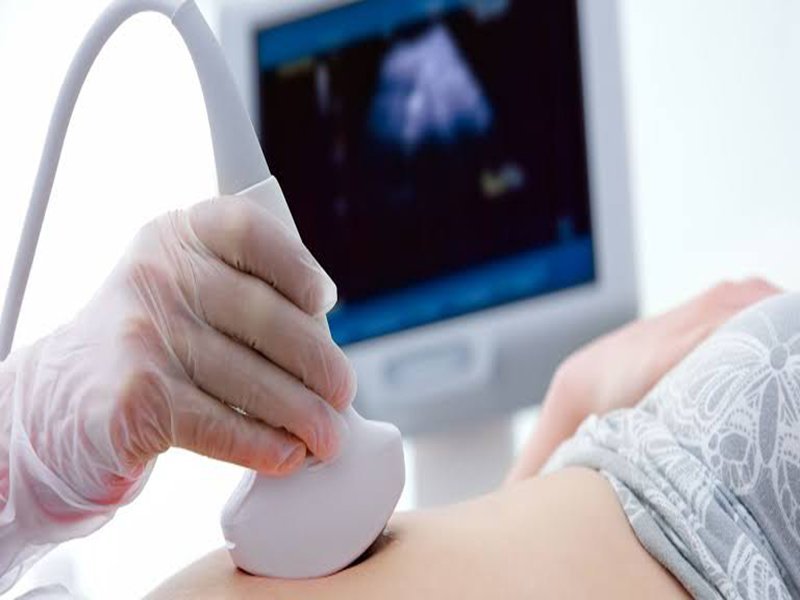
A medical cable assembly may look like a simple connection between a device and a sensor, probe, monitor, handle, or control unit. In reality, it often carries signals, power, data, and sometimes all three at the same time. When the cable works well, nobody notices it. When it fails, the whole device may stop working correctly.
For medical device manufacturers, this is a serious issue. A cable failure can interrupt patient monitoring, reduce image quality, cause unstable readings, delay diagnosis, increase after-sales service costs, or damage the reputation of the final equipment. In many cases, the electronic system is not the problem. The failure starts from the cable jacket, conductor, shield, connector, strain relief, or assembly process.
Medical cable assemblies reliability depends on material selection, mechanical design, shielding, connector quality, testing, and production control. A reliable medical cable assembly should resist repeated bending, cleaning chemicals, sterilization, EMI interference, connector wear, and daily handling while keeping stable signal and power transmission throughout the device’s service life.
This is why reliability should be considered before the first sample is made. A cable that passes a simple continuity test today may still fail after 20,000 bends, 200 cleaning cycles, or repeated pulling at the connector end. One medical customer once came to Sino-Conn with a portable diagnostic cable that failed after several months of use. The cable looked normal outside, but the internal conductor had broken near the strain relief area. After redesigning the jacket material, bend area, and connector protection, the customer received a much more durable assembly. That kind of issue is exactly what this article will help you prevent.
What Is Medical Cable Assemblies Reliability?
Medical cable assemblies reliability refers to the ability of a cable assembly to maintain stable electrical, mechanical, and environmental performance throughout its entire service life. A reliable medical cable assembly continues to transmit power, signals, and data accurately even after thousands of bending cycles, repeated cleaning procedures, sterilization exposure, connector mating cycles, and years of daily operation.
For medical device manufacturers, reliability is not simply a quality target. It directly affects equipment uptime, maintenance costs, user satisfaction, regulatory compliance, and ultimately the reputation of the medical device itself.
A common misconception is that reliability only means a cable works when it leaves the factory. In reality, reliability is measured by how the cable performs after months or years of real-world use.
A cable that passes electrical testing today may still fail prematurely if:
- The jacket material hardens after cleaning cycles
- The conductor fatigues after repeated bending
- The shielding degrades under continuous movement
- The connector loses retention force after frequent mating
- The strain relief cannot absorb mechanical stress
This is why leading medical OEM manufacturers evaluate reliability as a long-term performance metric rather than a one-time inspection result.
Why Does Medical Cable Assemblies Reliability Matter?
Medical devices operate in environments where failure is expensive and often unacceptable.
Unlike consumer electronics, medical equipment frequently remains in service for many years and is expected to operate consistently every day.
Examples include:
- Patient monitoring systems
- ECG equipment
- EEG equipment
- Ultrasound systems
- Endoscopy devices
- Surgical systems
- Infusion pumps
- Rehabilitation equipment
- Diagnostic analyzers
In these applications, cable assemblies are among the most heavily used components.
A cable may be:
- Plugged and unplugged multiple times daily
- Bent hundreds of times per week
- Cleaned after every patient interaction
- Transported between rooms
- Stored under mechanical stress
- Exposed to disinfectants and cleaning agents
The consequences of failure extend far beyond the cost of the cable itself.
| Failure Result | Potential Impact |
|---|---|
| Signal interruption | Inaccurate patient data |
| Device downtime | Delayed diagnosis |
| Connector failure | Equipment unavailable |
| EMI interference | Unstable readings |
| Cable replacement | Increased maintenance cost |
| Field service visit | Higher operational expense |
| Product recall risk | Brand reputation damage |
According to service reports from many medical equipment manufacturers, cable assemblies and connectors are among the most frequently replaced external components because they experience far more mechanical stress than internal electronics.
A patient monitor may operate continuously for years, yet the cable assembly attached to it may experience tens of thousands of handling cycles during the same period.
This explains why reliability is often a major focus during medical device development.
What Causes Medical Cable Assemblies Failure?
Medical cable failures rarely occur because of a single defect.
Most failures result from accumulated stress over time.
The following table summarizes common failure mechanisms observed in medical cable applications:
| Failure Mode | Primary Cause | Typical Location |
|---|---|---|
| Conductor fatigue | Repeated bending | Near connector exit |
| Shield breakage | Continuous flexing | Dynamic bend area |
| Jacket cracking | Chemical exposure | Outer cable surface |
| Connector wear | Frequent mating cycles | Contact interface |
| Pin damage | Misalignment or misuse | Connector contacts |
| Overmold separation | Mechanical stress | Connector transition area |
| Insulation degradation | Sterilization or heat | Internal conductors |
| Signal instability | EMI exposure | Entire cable assembly |
One of the most common failure areas is the first 30-50mm behind the connector.
This area experiences concentrated mechanical stress during:
- Bending
- Pulling
- Twisting
- Storage
- Transportation
If the cable structure is not optimized, conductor strands begin to fatigue.
Eventually, intermittent electrical failures appear.
Interestingly, many field failures initially appear as software or device problems.
Engineers may investigate:
- Firmware
- Sensors
- Circuit boards
- Power supplies
before discovering that the actual root cause is a partially broken conductor hidden inside the cable assembly.
At Sino-Conn, medical cable projects often begin with failure analysis of existing assemblies. Understanding how and where the original cable failed helps identify improvements in materials, strain relief, shielding, and connector design.
How Does Medical Cable Assemblies Reliability Protect Patients?
Reliable cable assemblies help ensure medical devices provide consistent performance.
While cable assemblies are only one part of a medical system, they often serve as the physical pathway for critical information.
Examples include:
| Medical Function | Cable Responsibility |
|---|---|
| ECG Monitoring | Signal transmission |
| Ultrasound Imaging | High-frequency signal integrity |
| Infusion Systems | Power and control signals |
| Diagnostic Equipment | Sensor communication |
| Surgical Systems | Data and power transfer |
| Rehabilitation Devices | Feedback and control signals |

Signal interruptions can create several problems:
- Inaccurate measurements
- Device alarms
- Data corruption
- Reduced image quality
- Communication loss
For example, ECG signals are extremely low-level electrical signals.
Without proper shielding and stable conductor performance, electromagnetic noise may affect signal quality.
Similarly, ultrasound systems depend on stable transmission of high-frequency signals. Even small variations in shielding effectiveness or impedance consistency can influence imaging performance.
Reliability therefore contributes directly to:
- Device accuracy
- Clinical efficiency
- User confidence
- Maintenance reduction
- Long-term performance stability
Many medical device companies view reliability improvements as a way to reduce service costs while improving customer satisfaction.
What Reliability Requirements Do Medical OEMs Expect?
Medical OEM manufacturers typically evaluate reliability from multiple perspectives.
Electrical performance alone is not enough.
A cable assembly may meet electrical requirements while still failing mechanically after several months of use.
Common reliability requirements include:
| Requirement | Importance |
|---|---|
| Flex life | Very High |
| Connector durability | Very High |
| EMI shielding effectiveness | Very High |
| Signal stability | Very High |
| Sterilization resistance | High |
| Cleaning resistance | High |
| Material traceability | High |
| Mechanical durability | High |
| Regulatory compliance | High |
| Production consistency | High |
Medical engineering teams frequently request:
- Material specifications
- Connector specifications
- Cable drawings
- Test reports
- Compliance documents
- Reliability validation data
Many projects also require evaluation of:
- Expected service life
- Number of mating cycles
- Cleaning frequency
- Sterilization method
- Operating temperature
- Movement frequency
For example, a portable ultrasound probe cable may require significantly different reliability targets compared with a stationary laboratory analyzer cable.
At Sino-Conn, these discussions typically occur before production begins.
Engineering reviews often focus on:
- Application environment
- Cable movement
- Connector stress
- Shielding requirements
- Material compatibility
- Expected lifecycle
This early-stage evaluation helps identify potential reliability risks before the cable enters production.
How Is Medical Cable Assemblies Reliability Measured?
Reliability is ultimately measured by long-term performance.
The most reliable medical cable assembly is not necessarily the most expensive or the most complex. It is the cable that consistently performs its intended function throughout the entire product lifecycle.
Medical OEM manufacturers often evaluate reliability using metrics such as:
| Reliability Metric | Typical Evaluation |
|---|---|
| Flex cycles | Thousands to millions |
| Connector mating cycles | Hundreds to thousands |
| Pull strength | Mechanical retention |
| EMI performance | Signal stability |
| Environmental exposure | Temperature and humidity |
| Sterilization resistance | Multiple cycles |
| Cleaning resistance | Repeated disinfection |
| Field failure rate | Real-world performance |
The strongest medical cable assemblies share several characteristics:
- Appropriate materials
- Robust strain relief
- Stable shielding
- Reliable connectors
- Consistent manufacturing
- Thorough testing
When these factors are properly balanced, the result is a cable assembly capable of supporting years of dependable operation in demanding medical environments.
This is the foundation of medical cable assemblies reliability and the reason why experienced medical device manufacturers invest heavily in reliability from the earliest stages of product development.
How Do Materials Improve Medical Cable Assemblies Reliability?
Materials are one of the most important factors affecting medical cable assemblies reliability. In many failure investigations, the root cause is not poor assembly workmanship or connector quality, but an incorrect material choice made during the early design stage.
A medical cable assembly may look identical externally while using completely different materials internally. Two cables with the same connector and similar appearance can have dramatically different service lives depending on the jacket material, insulation, shielding, conductor structure, and overmold design.
For medical OEM manufacturers, material selection directly affects:
- Cable lifespan
- Flexibility retention
- Sterilization resistance
- Cleaning resistance
- Signal stability
- EMI performance
- Patient safety
- Maintenance frequency
- Warranty costs
A common mistake is selecting materials based primarily on cost or appearance. In real medical environments, cables are exposed to repeated movement, disinfectants, temperature changes, and mechanical stress. Materials that perform well in laboratory conditions may deteriorate much faster during daily hospital use.
This is why experienced medical device engineers usually begin reliability discussions with materials rather than connectors.
Which Materials Improve Medical Cable Assemblies Reliability?
Medical cable assemblies contain far more materials than most people realize.
A typical medical cable assembly may include:
- Cable jacket
- Wire insulation
- Shielding foil
- Braided shield
- Drain wire
- Connector housing
- Contact plating
- Overmold material
- Strain relief material
- Adhesives
- Potting compounds
- Sealing components
- Labels and marking inks
Each material influences reliability differently.
The table below summarizes the major material categories and their impact on reliability.
| Material Area | Reliability Impact |
|---|---|
| Cable Jacket | Flexibility, durability, cleaning resistance |
| Insulation | Electrical stability, safety |
| Shielding | EMI performance, signal quality |
| Connector Housing | Mechanical strength |
| Overmold | Strain protection |
| Potting Compound | Environmental protection |
| Contact Plating | Corrosion resistance |
| Adhesives | Structural integrity |
In many medical applications, the cable jacket receives the most attention because it is the component most exposed to daily handling.
However, reliability often depends on how all materials work together as a system.
A high-quality TPU jacket cannot compensate for poor shielding. Likewise, excellent shielding cannot overcome a conductor structure that fails under repeated bending.
This system-level approach is commonly used in Sino-Conn medical cable projects when evaluating reliability requirements.
Which Cable Jacket Materials Work Best?
The cable jacket is the first line of defense against physical and environmental stress.
Medical devices often encounter:
- Frequent handling
- Repeated bending
- Cleaning agents
- Hospital disinfectants
- Temperature variation
- Equipment transportation
Different materials respond differently to these conditions.
| Material | Flexibility | Abrasion Resistance | Chemical Resistance | Typical Medical Use |
|---|---|---|---|---|
| PVC | Moderate | Good | Moderate | Stationary equipment |
| TPU | Excellent | Excellent | Good | Portable devices |
| TPE | Excellent | Good | Good | Patient monitoring |
| Silicone | Outstanding | Moderate | Good | Surgical equipment |
| LSZH | Moderate | Good | Good | Hospital infrastructure |

Many engineers initially focus on flexibility.
While flexibility is important, durability is equally critical.
For example:
Silicone provides excellent softness and flexibility. It performs very well in applications requiring repeated movement and user comfort.
However, silicone may not always be ideal in environments where abrasion resistance is critical.
TPU often offers a better balance between flexibility and durability.
This is one reason why many portable medical devices use TPU-based cable structures.
Several years ago, a customer approached Sino-Conn regarding a portable diagnostic device.
Their existing cable became increasingly stiff after prolonged use and frequent cleaning.
Although the electrical performance remained stable, users complained about handling difficulties.
After reviewing the application, the jacket material was changed to a more suitable medical-grade formulation.
The result was improved flexibility retention and better long-term user experience.
Material selection should therefore consider not only performance on day one but also performance after hundreds of cleaning cycles and thousands of handling cycles.
How Do Medical-Grade Materials Reduce Risk?
Medical-grade materials are designed to meet more demanding requirements than standard industrial materials.
These requirements may include:
- Biocompatibility
- Low toxicity
- Sterilization compatibility
- Long-term durability
- Chemical resistance
- Reduced extractables
Medical-grade materials help reduce several risks:
| Risk | Material Contribution |
|---|---|
| Material cracking | Improved flexibility |
| Surface degradation | Chemical resistance |
| Signal instability | Better insulation performance |
| Premature aging | Enhanced durability |
| Patient exposure concerns | Material compliance |
Many medical OEM manufacturers require documentation regarding:
- Material composition
- Compliance status
- Regulatory information
- Environmental performance
This is especially important for devices that may come into direct or indirect contact with patients.
At Sino-Conn, customers frequently request supporting documentation for medical cable materials before approving production.
Providing material transparency early in the project often helps shorten engineering review cycles.
How Does Flexibility Improve Medical Cable Assemblies Reliability?
One of the largest contributors to cable failure is repeated bending.
Flexibility is not simply about user comfort.
It directly affects conductor life, shield durability, and connector stress.
A cable that bends easily distributes stress more effectively.
A cable that is too stiff tends to concentrate stress at specific points.
Common high-stress areas include:
- Connector exits
- Cable bends
- Storage loops
- Routing points
Flexibility depends on multiple design factors:
| Design Element | Influence on Flexibility |
|---|---|
| Conductor strand count | High |
| Strand diameter | High |
| Jacket material | High |
| Shield structure | Medium |
| Cable OD | Medium |
| Overmold geometry | Medium |
For example:
A conductor built with many fine strands usually survives more flex cycles than a conductor built with fewer large strands.
This principle is widely used in:
- Ultrasound probe cables
- Patient monitoring cables
- Rehabilitation equipment
- Wearable medical devices
Some portable medical cables may experience tens of thousands of movement cycles during their service life.
Without appropriate flexibility, conductor fatigue becomes much more likely.
How Does Sterilization Affect Medical Cable Assemblies Reliability?
Sterilization is one of the most demanding environmental challenges for medical cable assemblies.
Not all medical devices require sterilization, but those that do often place significant stress on cable materials.
Common sterilization methods include:
| Method | Typical Impact on Materials |
|---|---|
| EtO | Moderate aging over time |
| Gamma Radiation | Potential brittleness |
| Autoclave | Heat and moisture stress |
| Hydrogen Peroxide | Chemical exposure |
| Repeated Disinfection | Surface degradation |
Different materials respond differently.
For example:
Some materials maintain flexibility after repeated EtO exposure.
Others may gradually harden or discolor.
Autoclave environments are especially challenging because they combine:
- Heat
- Pressure
- Moisture
These conditions can accelerate material aging.
Medical OEMs should therefore specify:
- Sterilization method
- Number of cycles
- Temperature range
- Exposure duration
before selecting materials.
One common project issue occurs when sterilization requirements are discussed only after the prototype stage.
This often results in redesign work that could have been avoided through earlier material evaluation.
At Sino-Conn, sterilization conditions are typically discussed during the material selection phase because they directly affect long-term reliability.
How Do Shielding Materials Improve Reliability?
Many medical signals operate at low amplitudes and are highly sensitive to interference.
Shielding materials play a critical role in maintaining signal quality.
Common shielding structures include:
| Shield Type | Reliability Benefit |
|---|---|
| Foil Shield | High-frequency protection |
| Braided Shield | Mechanical durability |
| Foil + Braid | Improved EMI performance |
| Double Shield | Maximum protection |
Hospital environments contain numerous EMI sources:
- MRI systems
- X-ray equipment
- Surgical generators
- Wireless networks
- Power systems
Without proper shielding, signal degradation may occur.
Potential consequences include:
- Unstable readings
- Signal noise
- Reduced image quality
- Communication errors
Shield reliability depends not only on shield material itself but also on:
- Coverage percentage
- Shield termination quality
- Flex durability
- Connector integration
A well-designed shield system can significantly improve cable reliability over the entire product lifecycle.
How Do Materials Affect Long-Term Ownership Cost?
Many purchasing decisions focus heavily on initial cable cost.
However, medical OEM manufacturers increasingly evaluate total ownership cost.
The true cost of a cable assembly includes:
- Initial purchase price
- Service replacement costs
- Device downtime
- Warranty expenses
- Engineering support
- Customer satisfaction impact
The comparison below illustrates the concept:
| Factor | Lower-Cost Material | Optimized Medical Material |
|---|---|---|
| Initial Cost | Lower | Higher |
| Flex Life | Lower | Higher |
| Cleaning Resistance | Lower | Higher |
| Service Life | Shorter | Longer |
| Replacement Frequency | Higher | Lower |
| Long-Term Cost | Higher | Lower |
For many medical devices, improving material quality produces one of the highest returns on investment because it reduces field failures and maintenance requirements.
This is why material selection should be viewed as a reliability investment rather than simply a purchasing decision.
The most reliable medical cable assemblies are rarely built around the cheapest materials. They are built around materials that match the actual operating environment, movement requirements, sterilization conditions, and expected service life of the device.
How Does Design Improve Medical Cable Assemblies Reliability?
In medical cable assemblies, materials determine the potential reliability of a cable, but design determines whether that reliability can actually be achieved.
Many medical cable failures are not caused by poor materials. They are caused by poor design decisions made early in product development.
Examples include:
- Strain relief that is too short
- Connector selection that does not match the application
- Inadequate shielding structure
- Excessive cable weight
- Improper conductor arrangement
- Incorrect bend radius design
- Poor cable routing inside the device
A cable may pass all electrical tests when it leaves the factory and still fail prematurely if these design issues are not addressed.
For medical device manufacturers, cable design directly affects:
- Service life
- Signal quality
- Device uptime
- User experience
- Maintenance frequency
- Warranty costs
- Regulatory approval risk
In many projects supported by Sino-Conn, reliability improvements come not from changing materials but from optimizing the cable assembly design itself.
How Does Strain Relief Improve Medical Cable Assemblies Reliability?
If there is one area where medical cable assemblies fail most frequently, it is the connector exit area.
The first 20-50mm behind the connector experiences the highest mechanical stress during normal use.
Every time the cable is:
- Bent
- Pulled
- Twisted
- Wrapped
- Stored
stress concentrates in this region.
Without proper strain relief, conductors gradually fatigue and eventually break.
This is particularly common in:
- Patient monitor cables
- Ultrasound probe cables
- ECG lead wires
- Surgical handpiece cables
- Portable diagnostic equipment
A well-designed strain relief functions as a mechanical transition zone.
Instead of allowing the cable to bend sharply at one point, the strain relief gradually distributes bending stress over a larger area.
Key design considerations include:
| Design Factor | Impact on Reliability |
|---|---|
| Strain relief length | Longer designs reduce stress concentration |
| Material hardness | Softer materials improve bend distribution |
| Transition geometry | Smooth transitions improve durability |
| Cable OD matching | Prevents excessive movement |
| Overmold bonding | Improves mechanical stability |
One portable medical monitor manufacturer approached Sino-Conn after experiencing field failures approximately six months after deployment.
Failure analysis revealed that conductor breakage consistently occurred within 15mm of the connector exit.
The solution did not require changing the cable material.
Instead:
- Strain relief length increased by 40%
- Bend transition was redesigned
- Overmold geometry was optimized
The revised assembly significantly improved service life without changing the electrical design.
This example illustrates why mechanical stress management is often one of the largest contributors to cable reliability.
How Does Shielding Improve Medical Cable Assemblies Reliability?
Many medical devices operate in environments filled with electromagnetic noise.
Modern hospitals contain numerous sources of interference, including:
- MRI systems
- CT scanners
- X-ray equipment
- Electrosurgical generators
- Wireless networks
- High-current power systems
Sensitive medical signals can be affected by this interference.
Examples include:
- ECG signals
- EEG signals
- Sensor outputs
- Ultrasound data
- Diagnostic communications
Poor shielding may result in:
- Signal instability
- Data corruption
- Reduced imaging quality
- False alarms
- Intermittent device behavior
Effective shielding design involves more than simply adding foil or braid.
Factors influencing shielding performance include:
| Design Element | Reliability Contribution |
|---|---|
| Shield coverage | EMI protection |
| Shield material | Signal integrity |
| Shield termination | Noise reduction |
| Grounding strategy | Stable performance |
| Shield flexibility | Long-term durability |
Many engineers focus heavily on cable specifications while overlooking shield termination.
In practice, a poorly terminated shield can significantly reduce shielding effectiveness.
One medical imaging project reviewed by Sino-Conn experienced intermittent image noise despite using a shielded cable.
The problem was eventually traced to incomplete shield termination inside the connector assembly.
After redesigning the shield termination method, signal quality improved substantially.
This demonstrates that shielding reliability depends on the entire shield system rather than shielding material alone.
How Do Connectors Improve Medical Cable Assemblies Reliability?
The connector is often the most visible and most heavily used part of the cable assembly.
Medical connectors may experience:
- Thousands of mating cycles
- Frequent cleaning
- Accidental impacts
- Continuous handling
- Mechanical vibration
Even the most reliable cable structure can fail if the connector is not properly selected.
Key connector design considerations include:
| Factor | Reliability Impact |
|---|---|
| Contact material | Signal stability |
| Contact plating | Corrosion resistance |
| Retention force | Connection security |
| Mechanical durability | Service life |
| Environmental sealing | Moisture protection |
| Locking mechanism | Prevents accidental disconnects |
Different applications require different connector priorities.
Patient Monitoring Equipment:
- Lightweight connectors
- Frequent mating capability
- Comfortable handling
Surgical Systems:
- Strong locking mechanisms
- Sterilization compatibility
- High reliability
Portable Devices:
- Compact size
- Robust retention
- Reduced weight
Many OEM customers initially focus on connector cost.
However, connector-related failures often generate much higher downstream costs through:
- Service calls
- Device downtime
- Replacement parts
- Customer complaints
This is why connector selection should be based on operating conditions rather than price alone.
How Does Customization Improve Medical Cable Assemblies Reliability?
Off-the-shelf cable assemblies are designed to serve a broad range of applications.
Medical devices often require much more specific solutions.
Customization allows engineers to optimize:
- Cable length
- Connector orientation
- Shielding configuration
- Strain relief design
- Cable flexibility
- Jacket material
- Internal conductor arrangement
One of the most common reliability improvements comes from optimizing cable length.
Excess cable length creates:
- Additional stress
- Cable entanglement
- Larger bend loops
- Increased handling damage
Custom lengths eliminate unnecessary cable movement and improve device usability.
Custom connector orientations can also improve reliability.
Examples include:
| Connector Style | Typical Benefit |
|---|---|
| Right-angle | Reduced cable stress |
| Left-angle | Better space utilization |
| Straight | Simpler routing |
| Custom overmold | Improved strain management |
Several Sino-Conn medical projects have involved redesigning cable routing paths within the device enclosure.
In many cases, reliability improved because the cable was no longer forced through sharp bends or confined spaces.
These changes often cost very little while significantly improving product durability.
How Does Cable Structure Improve Medical Cable Assemblies Reliability?
The internal cable structure determines how the assembly behaves under real-world conditions.
A medical cable is much more than a collection of conductors.
Internal design elements include:
- Conductor arrangement
- Twist construction
- Shield layout
- Fillers
- Drain wires
- Insulation thickness
- Jacket thickness
Each element influences reliability.
For example:
A cable designed for flexibility may use:
- High strand-count conductors
- Flexible shielding
- Smaller conductor bundles
A cable designed for signal integrity may prioritize:
- Controlled impedance
- Precise conductor spacing
- Enhanced shielding
Hybrid medical cables present additional challenges because they often combine:
- Power transmission
- Signal transmission
- Data communication
inside a single assembly.
Proper internal separation helps prevent:
- Crosstalk
- Signal interference
- Heat concentration
- Performance degradation
The table below illustrates how structural decisions affect reliability.
| Structural Element | Reliability Benefit |
|---|---|
| Fine-stranded conductor | Improved flex life |
| Twisted pairs | Better signal integrity |
| Foil shield | EMI reduction |
| Braided shield | Mechanical durability |
| Fillers | Shape stability |
| Balanced construction | Reduced internal stress |
At Sino-Conn, medical cable structure is frequently customized according to:
- Device type
- Signal requirements
- Flex-life expectations
- Sterilization requirements
- Installation environment
This approach helps create cable assemblies that are optimized for actual use conditions rather than generic specifications.
How Does Design Reduce Long-Term Failure Rates?
Reliability is often measured by how well a cable performs after years of use rather than during initial testing.
Well-designed medical cable assemblies typically show improvements in:
| Performance Area | Result |
|---|---|
| Flex life | Longer service life |
| Connector durability | Fewer service issues |
| Signal integrity | Stable device performance |
| EMI resistance | Improved data accuracy |
| Mechanical robustness | Reduced field failures |
| User handling | Better customer satisfaction |
Medical device manufacturers increasingly evaluate total lifecycle cost rather than component cost alone.
A cable assembly that costs slightly more but lasts significantly longer often provides better overall value.
This is particularly true for medical equipment where service visits, device downtime, and warranty replacements can be far more expensive than the cable itself.
The most reliable medical cable assemblies are rarely the simplest designs. They are the result of careful engineering decisions that balance flexibility, signal integrity, shielding effectiveness, connector durability, environmental resistance, and user experience.
When these factors are considered together from the beginning of the design process, reliability becomes significantly easier to achieve.
How Is Medical Cable Assemblies Reliability Tested?
Medical cable assemblies reliability cannot be judged by appearance alone.
A cable assembly may look perfect when it leaves the factory. It may pass continuity testing, insulation testing, and visual inspection. However, the real challenge begins after the cable enters daily medical use.
In hospitals and healthcare environments, cable assemblies are exposed to:
- Continuous movement
- Frequent plugging and unplugging
- Cleaning chemicals
- Disinfectants
- Temperature changes
- Mechanical stress
- Electromagnetic interference
A cable that survives these conditions for years is considered reliable.
This is why medical device manufacturers invest heavily in validation testing before approving a cable assembly for production.
Testing helps answer important questions:
- Will the conductor survive repeated bending?
- Will the shield maintain signal quality?
- Will the connector remain reliable after thousands of mating cycles?
- Will the jacket resist cleaning chemicals?
- Will sterilization affect performance?
- Will the cable continue functioning after years of use?
Many cable failures discovered during field use could have been identified much earlier through proper reliability testing.
For medical OEM manufacturers, testing is often far less expensive than dealing with:
- Product recalls
- Warranty claims
- Service visits
- Device downtime
- Customer complaints
This is why reliability testing has become a critical part of medical cable development.
Which Tests Verify Medical Cable Assemblies Reliability?
Medical cable assemblies are typically evaluated through a combination of electrical, mechanical, environmental, and functional tests.
Each test focuses on a different aspect of reliability.
| Test Category | Purpose |
|---|---|
| Continuity Test | Verify electrical connection |
| Insulation Resistance Test | Verify insulation integrity |
| Hi-Pot Test | Verify dielectric strength |
| Flex Test | Verify bending durability |
| Pull Test | Verify mechanical retention |
| Connector Cycle Test | Verify mating durability |
| EMI Test | Verify shielding effectiveness |
| Environmental Test | Verify durability under conditions |
| Sterilization Test | Verify material compatibility |
| Visual Inspection | Verify workmanship |
No single test can predict long-term reliability.
Instead, engineers evaluate multiple test results together to understand how the cable is likely to perform throughout its service life.
For example:
A cable may pass electrical testing but fail after repeated flexing.
A cable may pass flex testing but degrade after repeated sterilization cycles.
This is why comprehensive testing is essential.
At Sino-Conn, customers frequently request different testing protocols depending on:
- Device type
- Medical application
- Expected service life
- Regulatory requirements
- Environmental conditions
The testing strategy should always match the actual application.
How Does Flex Testing Verify Medical Cable Assemblies Reliability?
Flex testing is one of the most important evaluations for medical cable assemblies.
In many medical applications, movement is unavoidable.
Examples include:
- Ultrasound probes
- ECG lead wires
- Patient monitoring cables
- Rehabilitation equipment
- Portable diagnostic devices
- Surgical instruments
Every movement introduces mechanical stress.
Over time, repeated bending can cause:
- Conductor fatigue
- Shield damage
- Insulation cracking
- Signal interruptions
Flex testing simulates years of use within a controlled testing environment.
The cable is repeatedly bent while electrical continuity is monitored.
Typical flex test variables include:
| Test Variable | Description |
|---|---|
| Bend Angle | Amount of cable movement |
| Bend Radius | Curvature of bend |
| Cycle Count | Number of repetitions |
| Test Speed | Movement frequency |
| Test Temperature | Environmental condition |
Different applications require different performance levels.
| Application | Typical Flex Requirement |
|---|---|
| Stationary Equipment | Low |
| Patient Monitor | Medium |
| Portable Device | High |
| Ultrasound Probe | Very High |
| Surgical Handpiece | Very High |
One portable medical device manufacturer approached Sino-Conn after experiencing field failures approximately eight months after deployment.
The cables passed initial electrical testing but eventually developed intermittent signal interruptions.
Failure analysis showed conductor fatigue near the connector exit.
The redesigned cable assembly incorporated:
- Improved strain relief
- Higher strand-count conductors
- Optimized cable structure
Subsequent flex testing demonstrated significantly improved durability.
The project highlighted a common lesson:
Electrical performance alone does not guarantee long-term reliability.
Mechanical performance must be verified as well.
How Does EMI Testing Verify Medical Cable Assemblies Reliability?
Signal quality is critical in many medical devices.
Sensitive medical signals can be affected by electromagnetic interference from surrounding equipment.
Hospitals contain numerous EMI sources, including:
- MRI systems
- CT scanners
- X-ray machines
- Electrosurgical units
- Wireless communication systems
- Power distribution equipment
Poor EMI performance can lead to:
- Signal noise
- Data corruption
- False readings
- Reduced image quality
- Communication instability
EMI testing evaluates how effectively the cable assembly protects signals from external interference.
Several factors influence EMI performance:
| Factor | Influence |
|---|---|
| Shield Coverage | Noise protection |
| Shield Material | EMI resistance |
| Shield Termination | Ground continuity |
| Connector Design | Shield integrity |
| Cable Structure | Signal stability |
One medical imaging customer experienced intermittent image artifacts during operation.
Initial investigation focused on software and imaging electronics.
After extensive troubleshooting, the issue was traced to shielding performance within the cable assembly.
A redesigned shield structure significantly reduced signal noise and improved image consistency.
This example demonstrates why EMI testing is particularly important for:
- Medical imaging equipment
- Diagnostic instruments
- Sensor systems
- Patient monitoring devices
Reliable signal transmission often depends as much on shielding quality as on the electronic system itself.
How Does Connector Testing Verify Medical Cable Assemblies Reliability?
Connectors are among the most heavily used components in a medical cable assembly.
A cable may survive years of operation, but if the connector fails, the assembly becomes unusable.
Medical connectors often experience:
- Frequent mating cycles
- Cleaning procedures
- Mechanical impacts
- Vibration
- User handling
Connector testing evaluates:
| Test Item | Purpose |
|---|---|
| Mating Cycles | Contact durability |
| Retention Force | Connection security |
| Contact Resistance | Signal stability |
| Mechanical Durability | Long-term performance |
| Environmental Resistance | Corrosion protection |
Many medical connectors are expected to survive hundreds or thousands of mating cycles.
Applications involving portable equipment may exceed these requirements.
One rehabilitation device manufacturer found that connector wear became a major maintenance issue.
Although the cable itself remained functional, the connector contacts degraded after repeated use.
A revised connector design improved durability and reduced replacement frequency.
Connector testing helps identify these issues before production deployment.
How Do Environmental Tests Verify Medical Cable Assemblies Reliability?
Medical cable assemblies operate in a wide range of environments.
Testing often includes exposure to:
- Heat
- Cold
- Humidity
- Cleaning chemicals
- Mechanical stress
- UV exposure
- Corrosive agents
Environmental testing evaluates whether materials maintain performance under these conditions.
Examples include:
| Environmental Factor | Potential Failure |
|---|---|
| High Temperature | Material aging |
| Low Temperature | Brittleness |
| Humidity | Corrosion |
| Chemicals | Surface degradation |
| UV Exposure | Discoloration |
| Mechanical Wear | Abrasion damage |
Many field failures occur because environmental conditions were underestimated during development.
A material that performs well in laboratory conditions may behave differently after years of exposure to disinfectants or temperature fluctuations.
Environmental testing helps identify these risks early.
How Does Sterilization Testing Verify Medical Cable Assemblies Reliability?
Sterilization compatibility is a major concern for many medical devices.
Common sterilization methods include:
- EtO
- Autoclave
- Gamma radiation
- Hydrogen peroxide systems
Each method affects materials differently.
Testing evaluates:
- Material flexibility
- Surface condition
- Mechanical strength
- Electrical performance
- Appearance retention
For example:
Repeated autoclave cycles combine:
- Heat
- Moisture
- Pressure
These conditions can accelerate material degradation.
Similarly, gamma radiation may cause:
- Brittleness
- Discoloration
- Mechanical changes
Sterilization testing helps determine whether a cable assembly can maintain performance after repeated processing.
For reusable medical devices, this testing is often critical.
How Do Production Inspections Improve Reliability?
Reliability is not created by testing alone.
It also depends on manufacturing consistency.
Even the best design can produce unreliable results if production quality varies.
At Sino-Conn, medical cable assemblies typically undergo multiple inspection stages.
| Inspection Stage | Purpose |
|---|---|
| Incoming Material Inspection | Verify material quality |
| Process Inspection | Verify assembly consistency |
| Electrical Testing | Verify functionality |
| Visual Inspection | Verify workmanship |
| Final Inspection | Verify shipment readiness |
Many medical customers specifically require:
- 100% electrical testing
- Visual inspection records
- Dimensional verification
- Drawing compliance checks
This approach helps ensure that every cable assembly matches the approved design.
Why Is Reliability Testing Worth the Investment?
Some companies initially view testing as an additional development cost.
However, the financial impact of field failures is usually far greater.
A single cable failure can lead to:
- Equipment downtime
- Service engineer visits
- Product replacement
- Customer dissatisfaction
- Regulatory concerns
The comparison below illustrates the difference:
| Stage | Cost Impact |
|---|---|
| Design Improvement | Low |
| Prototype Testing | Low |
| Validation Testing | Moderate |
| Field Failure | High |
| Product Recall | Very High |
This is why experienced medical OEM manufacturers treat reliability testing as a preventive investment rather than an expense.
The most reliable medical cable assemblies are not simply those that pass inspection on the day they are produced. They are the assemblies that continue performing consistently after thousands of flex cycles, hundreds of cleaning procedures, repeated sterilization exposure, and years of real-world operation.
Reliability testing provides the evidence that a cable assembly is capable of meeting those expectations.

Why Choose Sino-Conn for Medical Cable Assemblies Reliability?
For medical device manufacturers, choosing a cable assembly supplier is not simply about finding a factory that can build a cable. The real challenge is finding a partner that can help reduce development risk, improve product reliability, support regulatory requirements, and maintain consistent quality from prototype to mass production.
A medical cable assembly often represents a very small percentage of the total device cost. However, it is frequently one of the most exposed and heavily used components in the entire system.
A failed cable can lead to:
- Device downtime
- Service calls
- Customer complaints
- Warranty replacements
- Product launch delays
- Increased validation costs
Because of this, many medical OEMs evaluate suppliers based on reliability support rather than price alone.
At Sino-Conn, medical cable assembly projects are approached from the perspective of long-term performance. The goal is not simply to manufacture a cable that passes inspection today, but to help customers develop a cable assembly that continues performing reliably throughout the product lifecycle.
How Does Sino-Conn Ensure Medical Cable Assemblies Reliability?
Reliability begins before production starts.
Many suppliers only focus on manufacturing according to a drawing. The challenge is that drawings do not always reveal potential reliability risks.
For example:
- Is the cable expected to move continuously?
- Will it be exposed to sterilization?
- Will it be cleaned several times per day?
- Does it carry sensitive signals?
- Is the connector subjected to frequent mating cycles?
- Will users bend the cable repeatedly near the connector?
These questions often determine whether a cable survives for months or for years.
Before production begins, Sino-Conn typically reviews:
| Evaluation Area | Reliability Impact |
|---|---|
| Cable Structure | Mechanical durability |
| Jacket Material | Flexibility and cleaning resistance |
| Connector Design | Long-term connection stability |
| Shielding Structure | Signal integrity |
| Strain Relief | Bend-life performance |
| Pinout Design | Functional reliability |
| Application Environment | Material compatibility |
This review process helps identify potential weaknesses before tooling, samples, or production begin.
In many projects, small design adjustments significantly improve service life without increasing manufacturing complexity.
For example:
- Extending strain relief length
- Improving shield termination
- Changing conductor structure
- Adjusting cable OD
- Optimizing connector orientation
These modifications often prevent problems that would otherwise appear months later in the field.
How Does Sino-Conn Control Medical Cable Assembly Quality?
Even the best design can fail if production quality is inconsistent.
This is especially important in medical applications because customers expect every cable assembly to perform the same way.
Sino-Conn follows a multi-stage quality control process.
| Quality Stage | Objective |
|---|---|
| Incoming Inspection | Verify materials and connectors |
| Process Inspection | Verify assembly consistency |
| Electrical Testing | Verify continuity and pinout |
| Visual Inspection | Verify workmanship |
| Final Inspection | Verify shipment quality |
Medical cable assemblies typically undergo:
- Continuity testing
- Open-circuit testing
- Short-circuit testing
- Pinout verification
- Visual inspection
- Dimensional verification
For many projects, 100% electrical testing is performed before shipment.
This approach helps ensure:
- Correct wiring
- Stable electrical performance
- Consistent assembly quality
Many customers discover that cable reliability issues originate from process variation rather than design flaws.
Examples include:
- Inconsistent solder joints
- Improper crimping
- Shield termination variation
- Connector assembly errors
Process control helps eliminate these risks before products leave the factory.
How Does Sino-Conn Support Custom Medical Cable Assemblies?
Medical devices rarely use completely standard cable assemblies.
Each device has unique requirements involving:
- Space limitations
- Signal types
- Connector interfaces
- Sterilization methods
- User handling
- Regulatory requirements
This is why customization plays a major role in medical cable reliability.
Common customization options include:
| Feature | Available Options |
|---|---|
| Length | Custom lengths |
| Connector Type | Original or compatible |
| Pinout | Standard or custom |
| Jacket Material | TPU, TPE, Silicone, PVC |
| Shielding | Single or double shield |
| Overmold | Custom geometry |
| Color | Custom colors |
| Labels | Custom identification |
Many projects begin with very limited information.
Customers often provide:
- A cable sample
- A device photo
- A hand sketch
- A connector picture
Rather than requiring complete documentation from the beginning, Sino-Conn can help convert these concepts into production-ready cable assemblies.
Support often includes:
- Drawing creation
- CAD-to-PDF conversion
- Connector recommendations
- Material recommendations
- Cable structure suggestions
Many medical customers appreciate this approach because it accelerates development while reducing engineering workload.
How Fast Can Sino-Conn Support Medical Development Projects?
Medical device development schedules are often aggressive.
A delayed cable assembly can affect:
- Engineering validation
- Clinical testing
- Certification activities
- Product launch schedules
For this reason, responsiveness is often as important as manufacturing capability.
Sino-Conn supports projects from concept through production.
Typical project timelines include:
| Project Stage | Lead Time |
|---|---|
| Drawing Preparation | Approximately 3 days |
| Urgent Drawing Support | Sometimes within hours |
| Prototype Samples | Around 2 weeks |
| Urgent Samples | 2-3 days depending on materials |
| Production Orders | 3-4 weeks |
| Expedited Production | Around 2 weeks |
Unlike suppliers focused only on large-volume production, Sino-Conn also supports:
- Single prototypes
- Engineering samples
- Pilot production
- Low-volume medical projects
This flexibility is especially valuable for:
- Startups
- R&D teams
- New product programs
- Clinical evaluation projects
Many successful production projects begin with only one sample assembly.
What Medical Cable Reliability Challenges Has Sino-Conn Helped Solve?
One of the best ways to evaluate a supplier is by examining the types of problems they help customers solve.
Portable Diagnostic Equipment Project
A medical device manufacturer experienced cable failures approximately six to eight months after deployment.
Symptoms included:
- Intermittent signal loss
- Connector-side failures
- Increased service requests
Investigation revealed:
- Excessive bending stress
- Insufficient strain relief
- Conductor fatigue
The revised cable assembly incorporated:
- Longer strain relief
- Improved conductor structure
- Enhanced flexibility
The customer reported a significant reduction in cable-related failures after implementation.
Medical Imaging System Project
A customer developing imaging equipment experienced inconsistent signal quality.
Initial troubleshooting focused on:
- Electronics
- Firmware
- Sensor performance
The actual issue was shielding effectiveness within the cable assembly.
The updated design included:
- Improved shield coverage
- Better shield termination
- Enhanced cable structure
The resulting improvement helped stabilize signal performance during operation.
Home Healthcare Equipment Project
A home healthcare manufacturer needed a cable assembly that could withstand:
- Frequent user handling
- Repeated cleaning
- Long service life
The original cable became stiff after extended use.
A revised material selection improved:
- Flexibility retention
- User comfort
- Appearance durability
The updated assembly provided a better balance between reliability and user experience.
These projects demonstrate a common pattern.
Reliability improvements are often achieved through engineering optimization rather than simply using more expensive materials.
How Does Sino-Conn Support Medical Documentation Requirements?
Medical device manufacturers frequently require documentation during supplier qualification.
Depending on project requirements, Sino-Conn can support:
| Documentation | Purpose |
|---|---|
| Cable Specifications | Technical verification |
| Connector Specifications | Interface verification |
| Drawings | Production approval |
| RoHS | Environmental compliance |
| REACH | Material compliance |
| UL Materials | Safety compliance |
| PFAS Documentation | Material disclosure |
| COC | Product conformity |
| COO | Origin verification |
Providing documentation early helps customers:
- Accelerate internal approvals
- Simplify supplier qualification
- Reduce engineering review time
- Improve project traceability
For many medical OEMs, documentation quality is nearly as important as product quality.
Why Do Medical OEMs Continue Working with Sino-Conn?
Long-term partnerships are usually built on consistency.
Medical device manufacturers often return because they value:
| Customer Priority | Sino-Conn Support |
|---|---|
| Reliability | Engineering review and optimization |
| Quality | Multi-stage inspection process |
| Customization | Application-specific solutions |
| Speed | Rapid drawing and sample support |
| Communication | Technical discussions and project support |
| Flexibility | No MOQ requirement |
| Documentation | Compliance and technical records |
| Production | Prototype to mass production capability |
Many customers initially contact Sino-Conn because they need a cable assembly.
They continue working with Sino-Conn because they find a supplier that helps solve engineering problems, improve reliability, shorten development cycles, and support long-term production.
Medical cable assemblies reliability is not achieved through one material, one connector, or one test. It is the result of dozens of engineering decisions working together throughout the product lifecycle. Choosing a supplier with experience in those decisions can significantly reduce risk and improve the success of a medical device program.
For medical OEM manufacturers looking to improve cable reliability, reduce field failures, and accelerate development, Sino-Conn provides engineering support, custom design capability, fast prototyping, and production expertise from concept through volume manufacturing.
Medical Cable Assemblies Reliability FAQs
What Is the Biggest Cause of Medical Cable Failure?
Repeated mechanical stress is one of the most common causes.
Frequent bending, twisting, pulling, and handling can gradually damage conductors, shielding, and connector terminations.
Many failures occur near the connector exit where stress is concentrated.
Proper strain relief and flexible cable construction help reduce this risk.
How Long Should Medical Cable Assemblies Last?
Service life depends on:
- Application
- Usage frequency
- Environmental conditions
- Cleaning procedures
- Cable design
Some stationary medical cables may operate reliably for many years.
Portable devices subjected to daily movement require more robust designs and may require periodic replacement schedules.
Can Sterilization Reduce Medical Cable Assemblies Reliability?
Yes.
Repeated sterilization cycles can affect:
- Jacket flexibility
- Mechanical strength
- Appearance
- Insulation properties
Material selection should always consider the intended sterilization method and expected number of cycles.
How Do You Choose a Reliable Medical Cable Supplier?
Evaluate suppliers based on:
- Medical project experience
- Engineering support
- Drawing capability
- Quality control processes
- Documentation support
- Customization capability
- Production consistency
Price should not be the only consideration.
A lower-cost cable that fails prematurely often creates significantly higher long-term costs.
Can Medical Cable Assemblies Be Fully Customized?
Yes.
Common customization options include:
- Length
- Connector type
- Pin assignments
- Shielding structure
- Jacket material
- Color
- Labeling
- Overmolding
Customization often improves reliability because the cable assembly can be optimized for the specific device rather than adapted from a generic product.
What Is the Best Way to Improve Reliability?
The most effective approach combines:
- Proper material selection
- Strong strain relief design
- Effective shielding
- Reliable connectors
- Appropriate testing
- Consistent manufacturing
Reliability should be considered from the earliest design stage rather than after problems appear in the field.
Conclusion
Medical cable assemblies reliability is not determined by a single factor. It is the result of careful material selection, intelligent mechanical design, effective shielding, rigorous testing, and disciplined manufacturing processes.
The most reliable medical cable assemblies are designed around the real application. They account for how the device will be used, cleaned, moved, sterilized, and maintained throughout its service life.
For medical device manufacturers, investing in reliability early often reduces warranty costs, minimizes service issues, improves user experience, and strengthens product reputation.
At Sino-Conn, we work closely with medical OEMs, engineers, and purchasing teams to develop custom medical cable assemblies tailored to their specific applications.
Whether you need:
- Medical signal cable assemblies
- Medical power cable assemblies
- High-flex medical cables
- Sterilization-resistant cable assemblies
- Shielded medical cables
- Custom connector solutions
- Prototype samples
- Volume production
our engineering team can help turn your requirements into a reliable production-ready solution.
Send us your drawing, specification, sample, or even a product photo. We can review the application, recommend suitable materials and structures, prepare drawings for approval, and provide a customized quotation based on your project requirements.
The earlier reliability is considered, the easier it becomes to build a medical device that performs consistently for years to come.