Skip to content
Android Charger Cable Types:A Complete Guide
- andy
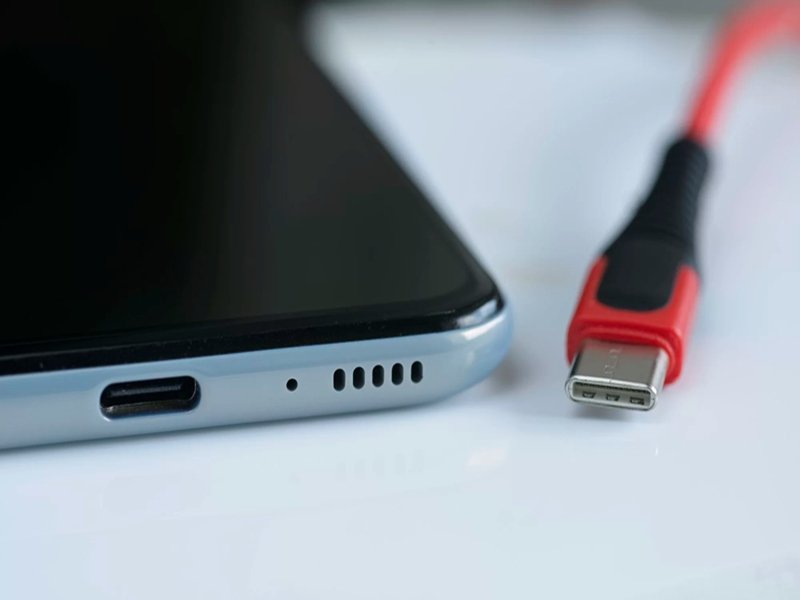
Most Android charging problems are blamed on phones, chargers, or software updates—but in reality, the cable is often the weakest link. Users experience slow charging, overheating, intermittent disconnection, or complete charging failure, even when using a “compatible” charger. For engineers and OEM buyers, the consequences go further: unstable power delivery, safety compliance risks, and high return rates caused by cable inconsistency rather than device defects.
As Android devices evolve toward higher power levels, faster charging protocols, and thinner form factors, the charging cable is no longer a passive accessory. It has become an active electrical component that directly affects power efficiency, thermal behavior, EMI performance, and long-term durability. Yet many projects still treat Android charger cables as interchangeable items—selected late, copied from reference products, or sourced purely on price.
Android devices primarily use USB-based charging cables, with USB-C being the dominant standard in modern Android phones and tablets. Older devices may still use Micro USB. The cable type used for Android charging depends on connector type, wire gauge, power rating, and data support. Choosing the right Android charger cable requires evaluating current capacity, voltage drop, cable length, shielding, and manufacturing quality to ensure safe and reliable charging.
Behind this simple question—“What type of cable is used for Android?”—lies a complex set of engineering trade-offs. In the sections below, we break down Android charger cable types from a technical, manufacturing, and OEM decision-making perspective, so you can choose correctly rather than by assumption.
What Is an Android Charger Cable Type?
An Android charger cable is a USB-based power cable designed to deliver controlled voltage and current from a charger or power source to an Android device. Modern Android devices predominantly use USB-C charging cables, while older models may use Micro USB. The cable type is defined not only by the connector but also by conductor size, insulation, shielding, power rating, and mechanical durability.
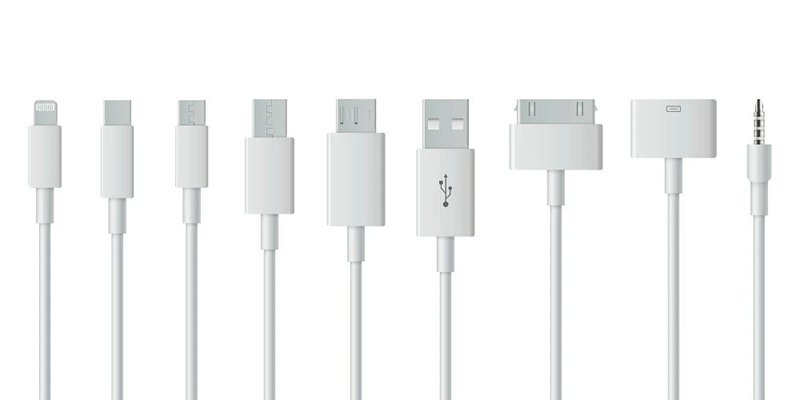
What type of cable is used for Android devices?
At a fundamental level, Android devices rely on USB power delivery architecture. This means the cable must comply with USB electrical standards while also meeting Android-specific charging behaviors. Today, the most common cable used for Android devices is USB-C, which supports higher power, reversible orientation, and advanced charging negotiation.
However, the phrase “USB-C cable” is often misunderstood. Not all USB-C cables are equal. Some are designed only for low-current charging, others support fast charging, and some are built for data-heavy applications. For Android devices, the correct cable type must match both device capability and charger output.
Older Android phones and legacy devices may still use Micro USB cables, which are electrically simpler but limited in current capacity and durability. These cables are increasingly phased out in modern designs but still appear in industrial or cost-sensitive products.
What connectors are used in Android charging cables?
Android charger cables typically use one of the following connector combinations:
- USB-A to USB-C
- USB-C to USB-C
- USB-A to Micro USB (legacy)
The connector choice affects charging speed, compatibility, and mechanical life. USB-C to USB-C cables enable higher power negotiation, while USB-A to USB-C cables are constrained by older USB standards.
What makes Android charger cables different from generic USB cables?
While many USB cables look similar externally, Android charger cables differ in internal construction. Factors such as conductor gauge, insulation thickness, shielding layers, and strain relief design directly impact charging efficiency and safety. A visually identical cable may perform very differently under load.
Which Types of Android Charger Cables Are Most Common?
In today’s Android ecosystem, charger cables are far more standardized than they were a decade ago—but that does not mean they are interchangeable. The most common Android charger cable types are determined by connector interface, power capability, and backward compatibility, rather than by brand or device model. Understanding these common cable types helps buyers avoid compatibility issues, performance bottlenecks, and unnecessary redesigns.
From a market perspective, USB-C has become the dominant charging interface for modern Android devices, while USB-A to USB-C cables remain widely used for legacy chargers. Micro USB, once the default Android standard, is now largely limited to older or cost-sensitive devices. Each of these cable types exists for a reason—and each carries different electrical and mechanical implications.
USB-C to USB-C Cables (Modern Standard)
USB-C to USB-C cables are now the most common and most capable Android charger cables in new devices. They are designed to support higher current levels, more stable voltage negotiation, and bidirectional power delivery. This makes them suitable for fast-charging smartphones, tablets, and Android-based embedded systems.
From an engineering standpoint, USB-C to USB-C cables enable advanced charging protocols because both ends of the cable support active communication. However, performance still depends heavily on internal construction—wire gauge, conductor quality, and thermal design—not just the USB-C connector itself.
These cables are most often used in modern consumer electronics, automotive infotainment systems, industrial handhelds, and POS devices, where higher charging efficiency and future compatibility are required.
USB-A to USB-C Cables (Backward Compatibility)
USB-A to USB-C cables remain extremely common, especially in markets where older chargers and power adapters are still widely used. Electrically, these cables are constrained by the USB-A side, which limits available current and charging negotiation.
In practice, USB-A to USB-C cables are often sufficient for standard charging, but they may not fully support fast-charging performance even if the phone itself is capable. This mismatch is a common source of user confusion and perceived “slow charging” issues.
From a manufacturing perspective, these cables are attractive because of lower cost and broad compatibility, making them popular in bundled accessories and price-sensitive products.
Micro USB Cables (Legacy and Cost-Sensitive Devices)
Micro USB cables were once the default Android charging solution. Today, they are primarily found in older devices, entry-level products, and long-lifecycle industrial equipment where redesign costs outweigh performance benefits.
While Micro USB cables are simple and inexpensive, they suffer from lower durability, limited current capacity, and asymmetric insertion, which increases wear over time. As a result, they are gradually disappearing from new Android product designs.
Common Android Charger Cable Types at a Glance
| Cable Type | Typical Android Usage | Power Capability | Market Trend |
|---|---|---|---|
| USB-C to USB-C | Modern phones, tablets, embedded systems | High | Rapidly increasing |
| USB-A to USB-C | Legacy chargers, bundled accessories | Medium | Stable |
| USB-A to Micro USB | Older or cost-sensitive devices | Low | Declining |
Why “Most Common” Does Not Mean “Best for Every Project”
A common mistake among buyers is assuming that the most widely used Android charger cable is automatically the right choice for every application. In reality, the “most common” cable type reflects market adoption—not application suitability.
For example, USB-C to USB-C cables dominate modern smartphones, but they may be unnecessary or over-specified for low-power embedded devices. Conversely, using USB-A to USB-C cables in high-current applications can lead to performance limits and thermal issues.
This is why experienced OEMs and engineers evaluate Android charger cable types not only by popularity, but by power requirements, routing space, mechanical durability, and long-term reliability.
Key Takeaway for Buyers and Engineers
The most common Android charger cables—USB-C to USB-C, USB-A to USB-C, and Micro USB—exist to serve different generations of devices and different cost-performance trade-offs. Understanding why each type is common helps teams choose the right solution instead of defaulting to what is most familiar.
For custom Android charging projects, selecting the correct cable type early can reduce charging complaints, improve safety margins, and simplify mass production—especially when cable design is aligned with the device’s real electrical and mechanical needs.
How Do Android Charger Cable Types Differ in Performance?
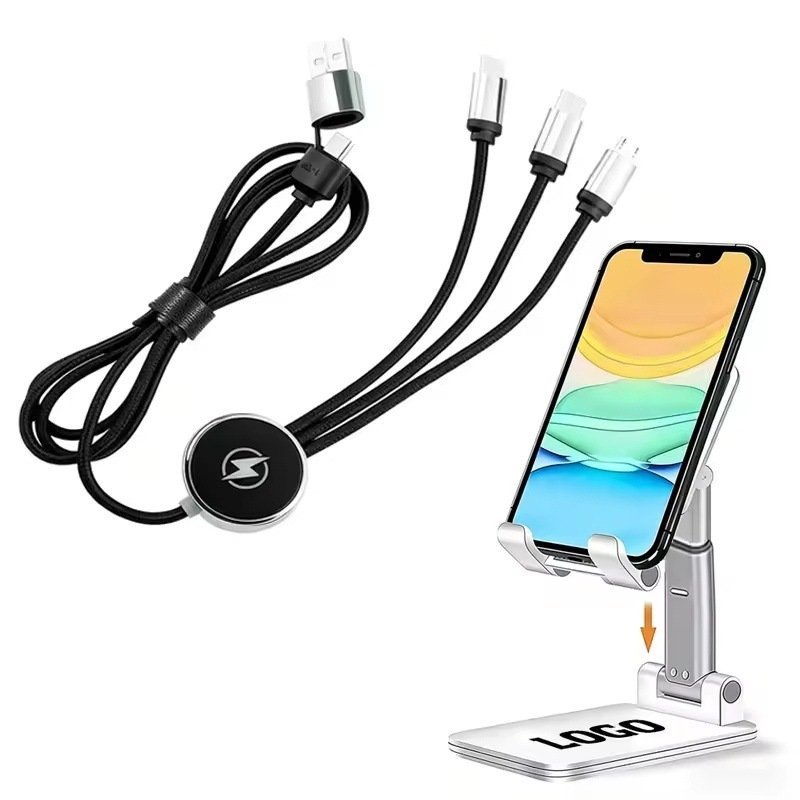
Android charger cable performance varies based on wire gauge, cable length, shielding, and materials. Thicker conductors reduce voltage drop, shorter cables improve efficiency, and proper shielding minimizes EMI and heat buildup. Performance differences become more significant at higher charging currents and longer cable lengths.
How does wire gauge affect charging speed?
Thicker conductors allow higher current with less resistance. Thin cables may technically “charge” a device but at reduced speed and higher heat.
How does cable length impact voltage drop?
Longer cables increase resistance, leading to voltage loss at the device end. This often triggers slower charging modes.
How does shielding affect charging stability?
Shielding reduces electromagnetic interference, especially in industrial or automotive environments where power noise is common.
Which Android Charger Cable Supports Fast Charging?
Fast charging on Android devices requires USB-C cables with adequate conductor size and thermal design. Not all USB-C cables support fast charging. The cable must safely carry higher current while maintaining low resistance and stable temperature.
What cable specifications are required for fast charging?
Fast charging cables typically use lower-resistance conductors, reinforced insulation, and robust strain relief.
Do all USB-C cables support fast charging?
No. Many USB-C cables are designed only for basic charging. Using an under-rated cable can limit charging speed or cause overheating.
How Do Engineers and OEMs Choose Android Charger Cable Types?
In real-world Android projects, charger cable selection is rarely a simple matter of picking “USB-C” from a catalog. Engineers and OEMs choose Android charger cable types through a multi-stage decision process that balances electrical performance, mechanical reliability, manufacturing feasibility, cost targets, and long-term supply stability. The importance of each factor shifts as a project moves from early development to mass production.
At the engineering stage, the primary concern is whether the cable can safely and efficiently deliver power under real operating conditions. As the design progresses toward production, OEMs focus more on repeatability, quality consistency, and total cost of ownership. Successful projects align these perspectives early, rather than treating the cable as a last-minute accessory.
How Do Engineers Evaluate Android Charger Cables During Design?
Engineers start by defining electrical requirements, not connector names. This includes maximum charging current, voltage stability, acceptable temperature rise, and expected cable length. A USB-C connector alone does not guarantee fast or safe charging—the internal conductor size and construction matter just as much.
Mechanical factors are evaluated in parallel. Engineers look at connector orientation, bending radius, strain relief effectiveness, and how the cable will be routed inside the product enclosure. In compact Android devices, poor routing or insufficient strain relief can lead to early failures even if the electrical design is correct.
At this stage, engineers often work with drawings, samples, and small-batch prototypes. The ability to adjust wire gauge, jacket material, or connector style is often more valuable than minimizing unit cost. Flexibility reduces the risk of redesign once the enclosure or PCB layout is fixed.
Typical Engineering Evaluation Priorities
| Focus Area | Why It Matters |
|---|---|
| Current capacity | Prevents overheating and voltage drop |
| Cable length & routing | Affects efficiency and reliability |
| Connector orientation | Impacts assembly and durability |
| Thermal behavior | Ensures safe fast charging |
How Do OEM Factories and Buyers Make Cable Decisions?
Once a design is validated, OEM factories and purchasing teams take the lead. Their focus shifts toward scalability and consistency. A cable that performs well in prototypes may still be unsuitable if it cannot be produced reliably at volume.
OEM buyers evaluate lead time, material availability, process stability, and quality history. They are less concerned with peak performance margins and more concerned with predictable results across thousands or millions of units. Even small variations in crimp quality, conductor resistance, or molding consistency can translate into higher defect rates and returns.
Cost is important, but experienced OEMs look beyond unit price. They consider rework risk, inspection effort, warranty exposure, and supplier responsiveness. In many cases, a slightly higher-cost cable with stable quality results in a lower overall project cost.
Engineering vs OEM Decision Focus
| Aspect | Engineers | OEM Buyers |
|---|---|---|
| Main goal | Performance & feasibility | Cost & consistency |
| Design flexibility | High | Limited |
| Risk tolerance | Technical | Operational |
| Key concern | “Will it work?” | “Will it scale?” |
How Do Power Level and Fast-Charging Requirements Influence Choice?
Android fast-charging protocols place much higher stress on cables than standard charging. Engineers and OEMs must ensure the cable can carry higher current without excessive resistance or heat buildup. This often leads to thicker conductors, improved insulation, and more robust strain relief.
OEMs also consider misuse scenarios, such as users charging in high ambient temperatures or using third-party adapters. A well-designed charger cable provides a safety margin that protects both the device and the brand reputation.
Why Customization Matters in OEM Android Projects
Off-the-shelf Android charger cables are designed to meet average use cases. OEM projects rarely operate at “average.” Differences in enclosure design, cable routing, power targets, and regulatory requirements often make customization necessary.
Customization allows OEMs to optimize cable length, conductor size, jacket material, and connector configuration for their specific product. This improves charging stability, reduces failure rates, and simplifies compliance testing. For OEMs, customization is not about complexity—it is about risk control.
Key Takeaway for Engineers and OEMs
Engineers and OEMs choose Android charger cable types by evaluating the entire power path, not just the connector. Electrical performance, mechanical durability, manufacturability, and supply stability must all align. Projects that treat cable selection as a system-level decision experience fewer late-stage changes, smoother production ramps, and better long-term reliability.
For Android devices moving toward higher power and tighter integration, early collaboration with an experienced cable assembly manufacturer can significantly reduce both technical and commercial risk.
Can Android Charger Cables Be Customized?
Yes. Android charger cables can be customized in length, connector configuration, wire gauge, materials, shielding, and mechanical design. Custom cable assemblies allow better integration, improved reliability, and optimized cost for specific applications.
What parts of an Android charger cable can be customized?
| Custom Element | Impact |
|---|---|
| Cable length | Voltage drop, usability |
| Wire gauge | Charging speed |
| Jacket material | Flexibility, durability |
| Connector style | Compatibility |
How does a custom USB cable manufacturer support Android projects?
Custom manufacturers provide drawings, samples, fast iteration, and compliance support—reducing risk and accelerating development.

Ready to Customize Your Android Charger Cable?
Choosing the correct Android charger cable type is not about picking a connector—it is about engineering the entire power path. Whether you are validating a prototype, optimizing mass production, or replacing an unreliable supplier, working with an experienced cable assembly manufacturer makes the difference.
Sino-Conn supports Android charger cable projects with rapid drawings, fast samples, flexible customization, and strict quality control. If you are evaluating cable types, performance limits, or custom USB charging solutions, we are ready to support your next step—from concept to production.
Related Keywords :android charger cable type, android charging cable, usb c cable android, fast charging cable android, custom usb cable assembly, android power cable, usb c charger cable, android cable specifications, oem usb cable, charging cable manufacturer

With over 18 years of OEM/ODM cable assemblies industry experience, I would be happy to share with you the valuable knowledge related to cable assemblies products from the perspective of a leading supplier in China.
manufacturer catalogue
Get A Sample Now From Factory→
Get a quote quickly
Here, developing your OEM/ODM custom cable assemblies collection is no longer a challenge—it’s an excellent opportunity to bring your creative vision to life.