Skip to content
Speaker Cable Plug Types: What They Are, Which to Use, and How to Choose
- andy

Choosing the right speaker cable plug type appears simple—until you connect new speakers and realize the plug doesn’t fit, the wire slips out, or the amplifier terminal looks nothing like what you expected. Across home audio, studio monitors, PA systems, guitar amps, and live-sound equipment, manufacturers use very different connector styles. These variations exist for electrical, mechanical, and safety reasons—and understanding them can significantly affect your system’s performance and reliability.
Speaker cable plug types include bare wire, banana plugs, spade connectors, Speakon connectors, RCA plugs, and audio jacks. Each plug type has different mechanical strength, current-handling capability, installation convenience, and compatibility with amplifier and speaker terminals. The right choice depends on your equipment design, connection environment, cable gauge, and required durability.
This topic matters because speaker cables carry high current, unlike signal cables. A wrong connector may loosen, oxidize, overheat, or fail in critical applications such as touring audio or studio monitoring. Many Sino-Conn customers—especially engineers and audio integrators—send photos asking which plug their speaker uses or whether we can build the same cable with different connectors. These questions highlight how essential connector choice is to system reliability.
Now let’s explore the major speaker plug types and how to select the right one.
What Are the Main Speaker Cable Plug Types?
Speaker cable plug types refer to the different connector styles used to terminate and attach speaker cables to amplifiers, speakers, or audio equipment. The most common types include bare wire, banana plugs, spade connectors, Speakon connectors, and RCA or audio jack plugs. These plug types differ in mechanical strength, current-handling capability, compatibility with terminals, and typical application environments. Selecting the right plug ensures stable electrical contact, prevents signal loss, and reduces the risk of overheating or loose connections.
In practice, bare wire remains the universal option, banana and spade connectors are widely used in home and studio audio, Speakon dominates professional PA systems, and RCA or 3.5/6.35 mm plugs are only suitable for powered speakers or line-level signals—not for traditional speaker-level power transmission.
Bare Wire
Bare wire refers to a stripped copper conductor inserted directly into a binding post or spring clip. Because it requires no connector, it is the most universal and cost-efficient option for consumer speakers.
Pros:
- Fits nearly all binding posts and spring terminals
- No special connector required
- Easy to modify, extend, or repair
Cons:
- Copper oxidizes over time, increasing resistance
- Can loosen under vibration or repeated movement
- Not ideal for high-power or professional environments
Bare wire is best used when simplicity and compatibility matter more than long-term durability. It is still the dominant choice in budget systems and wall-mounted speaker installations where cables do not move.
Banana Plug
Banana plugs are cylindrical connectors designed to fit into compatible binding posts using spring tension. They provide a clean and convenient connection for home audio and studio environments.
Pros:
- Fast insertion and removal
- Professional, tidy appearance
- Stable for stationary home-audio setups
Cons:
- Can loosen in high-vibration environments
- Not locking, so not used in touring systems
Banana plugs are ideal for users who frequently reconfigure gear or want easy installation without exposed wire strands.
Spade Connector
A spade connector slides under a binding post screw and is tightened for a highly secure mechanical connection.
Pros:
- Very strong, vibration-resistant connection
- Excellent conductivity due to firm clamping surface
- Suitable for thick, low-gauge speaker cables
Cons:
- Requires a screwdriver for installation
- Less convenient than banana plugs for quick adjustments
Spade connectors are common in hi-fi and studio applications where consistency and mechanical stability matter.
Speakon Connector
Speakon connectors (commonly NL2 or NL4) are locking, high-current connectors designed specifically for professional PA, touring, and live-sound systems.
Pros:
- Locking mechanism prevents accidental disconnection
- Very high current capacity
- Contact surfaces are enclosed—safer than metal-exposed plugs
- Durable for stage and road use
Cons:
- Rarely found on consumer home-audio equipment
Speakon is considered the safest and most reliable connector for high-power amplifiers and large speaker systems.
RCA / 3.5 mm / 6.35 mm Plugs
These plug types are typically associated with line-level signals, not speaker-level outputs. But they appear in certain contexts:
- Powered speakers with built-in amplifiers
- Subwoofers with RCA inputs
- Small multimedia speakers
- Guitar/bass amplifiers (6.35 mm TS speaker outputs—but not RCA/3.5 mm)
These connectors are not designed to carry high speaker current, so they should never be used as substitutes for banana, spade, bare wire, or Speakon in passive speaker systems.
Overview Table of Speaker Cable Plug Types
| Plug Type | Typical Use | Current Capacity | Pros | Cons |
|---|---|---|---|---|
| Bare Wire | Home audio | Medium | Universal, low cost | Oxidation, loosens |
| Banana Plug | Home theater | Medium | Clean, easy | Not locking |
| Spade Connector | Hi-fi systems | Medium–High | Secure connection | Requires tools |
| Speakon | Pro audio | Very high | Locking, safe | Not for consumer gear |
| RCA | Powered speakers | Low | Simple | Not for speaker power |
How Do Different Speaker Plug Types Work Electrically and Mechanically?
Speaker plug types differ in contact surface, mechanical retention, and ability to handle current. Bare wire relies on direct copper contact; banana and spade plugs use metal terminals to improve conductivity; Speakon connector systems use locking internal contacts; RCA/jack connectors are for low-power signals, not high-current speaker-level applications.
Contact Surface and Conductivity
Different connectors provide different levels of contact quality:
- Bare wire has large contact area but oxidizes easily.
- Banana plugs rely on spring tension and offer consistent contact but limited surface area.
- Spade connectors provide the strongest clamping force and excellent conductivity.
- Speakon connectors have large, stable contact surfaces designed for high current.
Material choices such as copper purity and plating (gold or tin) influence resistance and corrosion resistance.
Mechanical Stability and Safety
Mechanical behavior varies significantly:
- Bare wire can loosen from spring clips.
- Banana plugs may fall out if the binding post fit is loose.
- Spade connectors stay firmly secured under a tightened screw.
- Speakon connectors lock in place, eliminating accidental disconnects.
Speakon connectors are also designed to prevent exposed metal, reducing the risk of short circuits.
Does Connector Type Affect Audio Quality?
In typical consumer setups, the audible impact is minimal. However:
- Bad connections can increase resistance.
- Oxidation on bare wire degrades signal quality over time.
- Loose connectors cause intermittent sound or distortion.
- High-power systems require low-resistance, stable connections for optimal performance.
Which Speaker Plug Type Is Best for Home, Studio, and Live Sound?
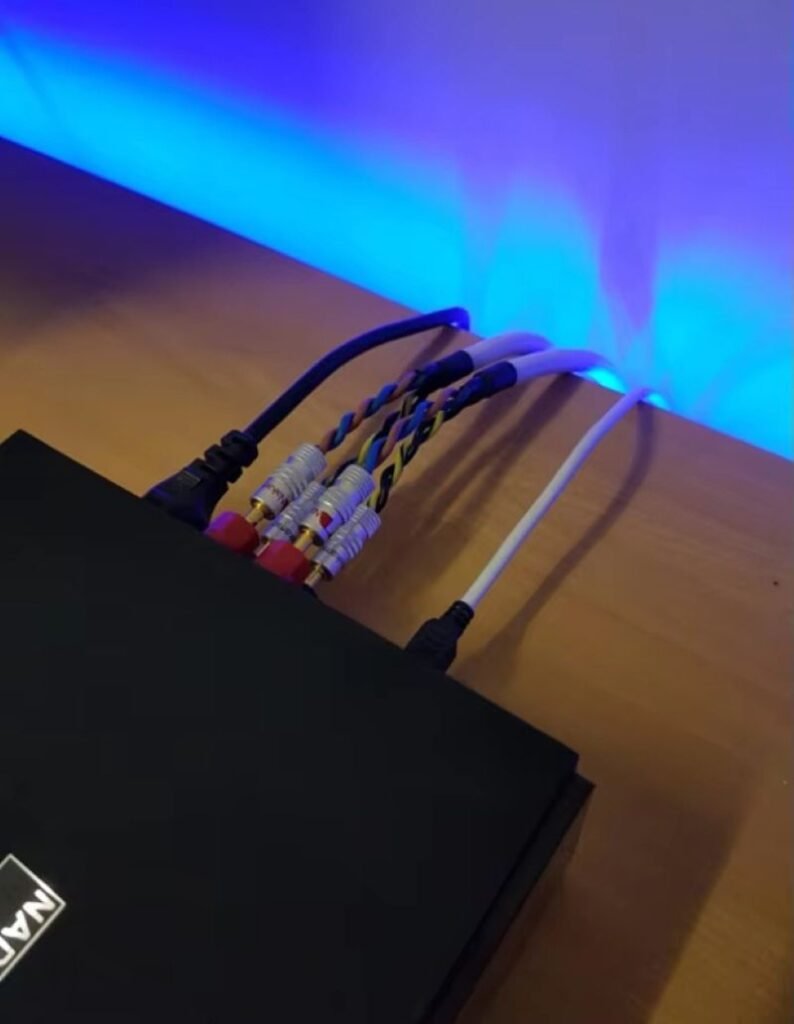
Home audio uses bare wire, banana plugs, or spade connectors. Studios prefer spade or banana connectors for stability and repeatable performance. Live sound systems almost always use Speakon connectors because they are locking, durable, and capable of carrying high current safely.
Home Audio / Home Theater
Common options:
- Bare wire for universal compatibility
- Banana plugs for quick installation
- Spade connectors for long-term, stable connections
Recording Studios
Studios prioritize:
- Low resistance
- Mechanical stability
- Consistent, repeatable setups
Spade connectors are often preferred.
Live Sound / PA Systems
Speakon connectors dominate because:
- They lock securely
- They support high power levels
- They avoid exposed metal
- They handle vibration and rough handling
How Do You Choose the Right Speaker Cable Plug Type?
Define your equipment terminals, power level, cable gauge, installation environment, and durability requirements. Banana plugs offer convenience; spade connectors offer strong mechanical stability; Speakon is best for high-current professional systems.
Factors to Consider
Equipment Terminals
Binding posts accept banana plugs, spades, or bare wire.
Spring clips accept bare wire only.
Speakon jacks accept Speakon connectors exclusively.
Cable Gauge (AWG)
Heavy-gauge cables (12–14 AWG) require plugs that can accept thick conductors.
Power Level
High-power amplifiers benefit from connectors with low resistance and tight mechanical retention.
Environment
Home setups prioritize aesthetics; studios prioritize precision; stage environments require rugged and locking connectors.
Recommended Plug Types by Application
| Application | Recommended Plug Type | Reason |
|---|---|---|
| Home Theater | Banana Plug | Easy installation |
| Hi-Fi Audio | Spade Connector | Best contact |
| Bookshelf Speakers | Bare Wire | Universal compatibility |
| Studio Monitors | Banana/Spade | Stability |
| PA Systems | Speakon | High current + locking |
| Powered Subwoofers | RCA | Line-level input |
Are There Safety, Compliance, and Durability Issues?
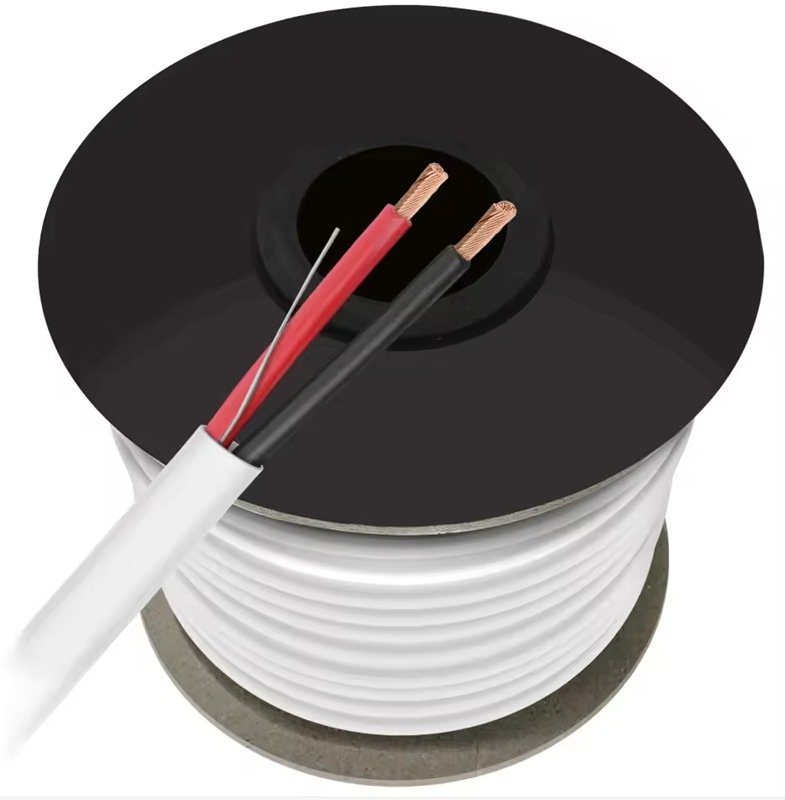
Speaker plugs must support proper current flow, resist oxidation, and avoid accidental shorts. Bare wire and banana plugs expose metal, while spade connectors offer stronger connections. Speakon provides the safest and most durable connection due to enclosed contacts and locking mechanisms.
Material and Heat Considerations
Poor-quality connectors can increase resistance, generate heat, or fail. Plated materials help prevent corrosion and maintain conductivity.
Voltage and Current Requirements
Professional audio requires connectors capable of carrying high current safely, making Speakon essential.
Certifications
UL, ISO, RoHS, and REACH ensure safety and compliance with international standards.
How Sino-Conn Supports Custom Speaker Cable and Plug Assemblies
Sino-Conn supports custom speaker cable assemblies with options such as:
- Banana, spade, Speakon, RCA, TRS, or hybrid connectors
- Custom cable lengths, jacket materials, OD options
- High-current copper conductors or OFC
- Custom molding or overmolding
- Connector brand options (original or compatible alternative)
- Fast drawings and prototype samples
- No MOQ and flexible lead times
All cable assemblies undergo complete inspection, including process checks, final testing, and pre-shipment verification.

Ready to Build a Custom Speaker Cable?
Whether you need banana, spade, Speakon, RCA, or custom-built speaker cables, Sino-Conn can design and manufacture assemblies tailored to your specifications. Send your drawing, model number, or even a photo, and we will provide detailed specifications, drawings, and a competitive quote.
Related Keywords :speaker cable plugs, banana plug, spade connector, Speakon, bare wire, RCA speaker cable, audio connectors, speaker terminals, custom audio cable, Sino-Conn

With over 18 years of OEM/ODM cable assemblies industry experience, I would be happy to share with you the valuable knowledge related to cable assemblies products from the perspective of a leading supplier in China.
manufacturer catalogue
Get A Sample Now From Factory→
Get a quote quickly
Here, developing your OEM/ODM custom cable assemblies collection is no longer a challenge—it’s an excellent opportunity to bring your creative vision to life.