Skip to content
Industrial Fiber Optic Cable Price: What Affects Cost and How to Choose the Right Cable
- andy
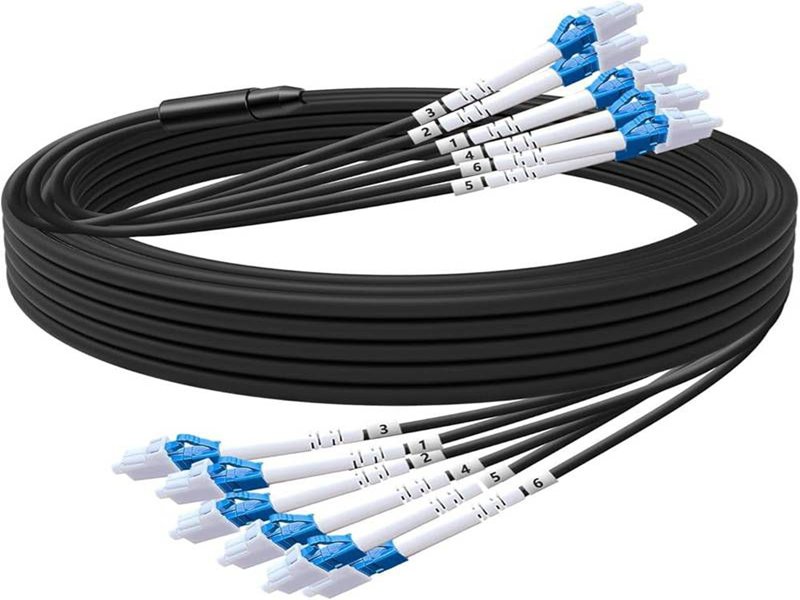
Industrial fiber optic cables are used in harsh environments—factories, outdoor networks, energy installations, automation systems, chemical plants, and military-grade applications. Unlike consumer fiber cables, industrial versions must withstand temperature shifts, vibration, UV exposure, crushing forces, oils, chemicals, fire, rodents, and long transmission distances. Because of these strict requirements, customers often discover that industrial fiber cable pricing varies dramatically, even when the cables “look similar” on the outside.
Many OEM buyers, engineers, and procurement teams send Sino-Conn cable photos expecting a simple quote—only to learn that the price depends on dozens of hidden factors: fiber count, jacket material, fire rating, reinforcement structure, connector type, waterproof levels, testing standards, and customization needs. Fiber optic pricing is never a single number; it is a combination of design, environment, materials, and manufacturing complexity.
Industrial fiber optic cable price is determined by fiber type, cable construction, jacket material, environmental rating, mechanical strength, and connector requirements. Costs typically range from low-cost indoor PVC cables to high-performance armored, waterproof, or LSZH industrial cables. Prices increase with higher fiber counts, stricter standards, and custom engineering. Choosing the right cable requires evaluating installation environment, performance requirements, durability, and compliance certifications.
In this guide, we will break down what affects industrial fiber cable cost, compare price ranges, explain how to choose the right cable, and show when customization is necessary. Many engineers find that understanding these factors prevents over-paying and significantly reduces long-term failure risks.
What Determines Industrial Fiber Optic Cable Price?
Industrial fiber cable price is determined by fiber type, cable structure, materials, environmental rating, fiber count, and connector requirements. High-performance designs with armored protection, waterproof sealing, LSZH jackets, or high-temperature materials cost more, while simple PVC indoor cables sit at the low end. Additional factors—including certifications, testing, and customization—also affect cost.
The Major Cost Drivers Behind Fiber Cable Pricing
Industrial fiber cables vary widely in price because each industry imposes different safety, durability, and performance requirements. Below are the six main cost components.
1. Fiber Type and Mode (Single-Mode vs. Multi-Mode)
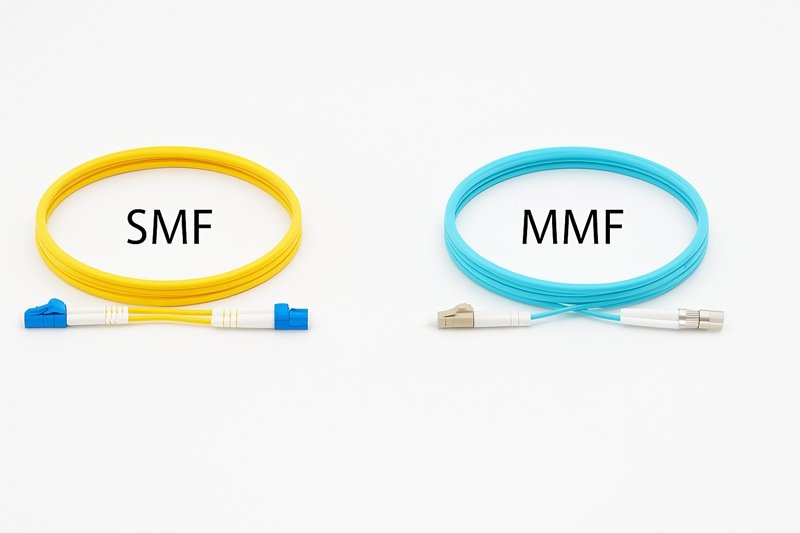
The optical core type significantly affects cost.
| Fiber Type | Cost Level | Typical Use Case | Notes |
|---|---|---|---|
| Single-Mode (OS1/OS2) | Medium–High | Long-distance, telecom, outdoor networks | Lower loss, higher bandwidth |
| Multi-Mode (OM1–OM5) | Low–High | Data centers, short–medium links | OM4/OM5 are premium grades |
- Single-mode is more expensive over long distances due to stricter manufacturing tolerances.
- OM5 is the highest-cost multimode, used for 100–400G systems.
2. Fiber Count (Number of Cores)
More fibers = higher price.
Typical industrial fiber counts:
| Fiber Count | Cost Impact | Applications |
|---|---|---|
| 2–12 cores | Low | Sensors, small networks |
| 24–48 cores | Medium | Enterprise + factory backbones |
| 72–144+ cores | High | Large plants, telecom, power grids |
As fiber count increases, so does:
- Cable diameter
- Strength member requirements
- Manufacturing complexity
3. Cable Construction and Strength Elements
Industrial cables must survive tough environments, so construction matters.
Common structures:
| Cable Structure | Typical Price Level | Advantages |
|---|---|---|
| Simple Tight-Buffered | Low | Flexible, indoor routing |
| Loose Tube Outdoor Cable | Medium | Moisture blocker, long-distance |
| Armored Cable (Steel / Kevlar) | High | Crush resistance, rodent-proof |
| Double-Armored | Very High | Oil rigs, mining, military |
The more protection layers, the higher the cost.
4. Jacket Material and Environmental Rating
Jacket materials dramatically influence cost because they determine where the cable can be used.
| Jacket Material | Cost | Environment |
|---|---|---|
| PVC | Low | Indoor routing |
| LSZH (Low Smoke Zero Halogen) | Medium–High | Buildings, transportation, safety-critical sites |
| PE / HDPE | Medium | Outdoor, UV-resistant |
| TPU | High | Abrasion, oil, chemical environments |
| Fire-Resistant / Plenum | Very High | Tunnels, airports, medical |
LSZH and TPU versions often cost 2×–5× more than basic PVC.
5. Certifications and Compliance Requirements
Industrial industries often require:
- UL
- ISO
- RoHS
- REACH
- PFAS compliance
- Halogen-free
- Oil-resistant rating
- Flame test reports
More certifications → higher cost, but fewer risks for OEMs.
6. Connectors and Assembly Requirements
Connector type heavily influences cable assembly price.
| Connector Type | Cost Level | Notes |
|---|---|---|
| SC / LC | Low | Common, inexpensive |
| ST / FC | Medium | Industrial stability |
| MPO/MTP | High | High-fiber-count systems |
| Ruggedized / Waterproof Connectors | Very High | Outdoor and military |
Custom overmolded assemblies increase durability—and pricing.
What Are the Typical Price Ranges for Industrial Fiber Cables?
Industrial fiber optic cable prices typically range from $0.20/m for basic PVC indoor cables to $6–$15/m for armored, LSZH, chemical-resistant, or waterproof outdoor cables. Cable assemblies with connectors increase the price depending on connector type and environmental sealing.
Price Benchmarks for Different Cable Categories
To help engineers quickly evaluate budgets, here are realistic industry pricing brackets.
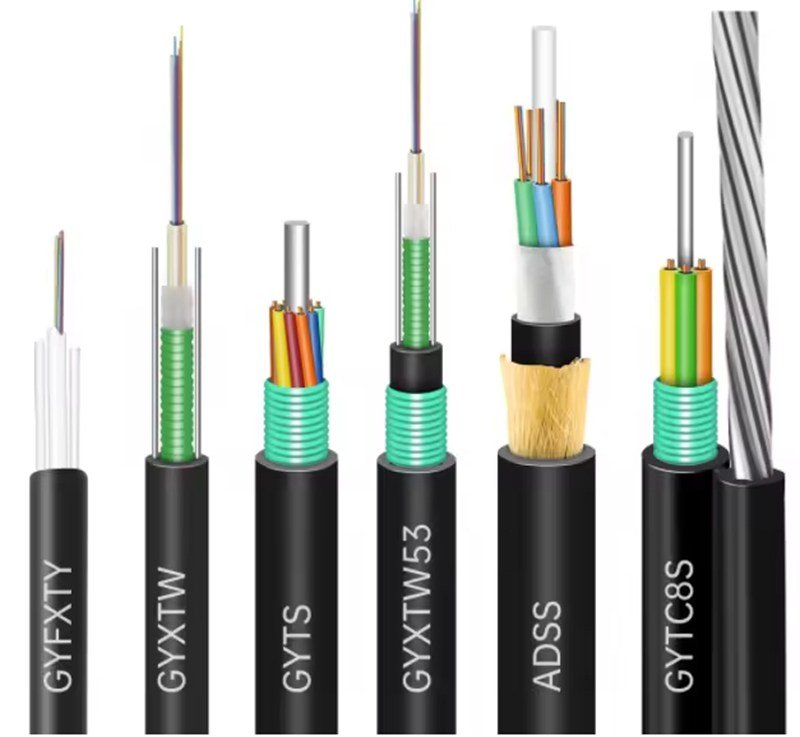
1. Indoor Fiber Cable Pricing
| Cable Type | Approx. Price (per meter) | Notes |
|---|---|---|
| PVC Tight-Buffered | $0.20–$0.50 | Cheapest |
| LSZH Indoor Cable | $0.40–$1.20 | Safety-rated |
| Plenum-Rated Cable | $1.50–$3.50 | Fire-resistant |
Plenum cables are expensive due to strict flame and smoke testing.
2. Outdoor Fiber Cable Pricing
| Cable Type | Approx. Price | Notes |
|---|---|---|
| Loose Tube Outdoor | $0.60–$1.80 | UV-resistant |
| Gel-Filled Outdoor | $0.80–$2.20 | Moisture blocking |
| Aerial Self-Supporting (ADSS) | $2.00–$5.00 | Tension-rated |
| Waterproof IP67/IP68 Cable | $2.50–$6.00 | Harsh environment |
Outdoor installations generally cost more because of UV, water, and mechanical stress.
3. Armored Industrial Fiber Cable Pricing
| Armoring Level | Approx. Price | Environment |
|---|---|---|
| Single Armored Steel Tape | $3–$7 | Rodent-proof |
| Double Armored | $5–$12 | Mining, marine |
| Kevlar Reinforced | $2–$5 | Impact resistance |
Armored cables are often the most expensive category due to material and labor intensity.
4. Fiber Cable Assembly Pricing (With Connectors)
| Connector Type | Approx. Price (per end) |
|---|---|
| SC / LC | $0.50–$2 |
| ST / FC | $1–$3 |
| Industrial Waterproof | $4–$12 |
| MPO/MTP | $20–$60 |
Assemblies that require custom overmolds, strain relief, or waterproof seals cost more.
Which Factors Increase Fiber Cable Costs the Most?
The biggest cost drivers for industrial fiber cables are environmental protection, mechanical reinforcement, fiber count, and special compliance ratings. Factors like LSZH jacket, armoring, waterproofing, and tight manufacturing tolerance significantly increase cost.
High-Impact Cost Multipliers
Here are the most influential cost multipliers engineers should consider.
1. LSZH, Plenum, and Fire-Safe Requirements
Safety regulations dramatically increase cost because:
- LSZH compounds are expensive
- Testing requirements are strict
- Manufacturing requires specialized equipment
Indoor public facilities must often comply, leaving no alternative.
2. Heavy Duty Armoring
Steel, Kevlar, or double-armored layers increase:
- Material cost
- Labor time
- Manufacturing steps
- Shipping weight
These cables are chosen for mining, offshore energy, and military.
3. Harsh-Environment Rating
IP67/IP68 waterproofing, oil resistance, chemical resistance, and UV stability all require upgraded jackets or sealing.
Common environments requiring high-cost cables:
- Automation lines with oil mist
- Chemical plants
- Solar farms
- Marine networks
- Heavy machinery
4. High Fiber Count Cables
24, 48, 96, or 144+ core cables require:
- Complex fiber arrangement
- Stronger support elements
- Higher precision manufacturing
Telecom-grade cables cost significantly more than simple industrial links.
How Do Connector Types and Assembly Methods Affect Overall Price?
Connector type, polishing method, assembly precision, and waterproof design all increase the final cost of an industrial fiber cable assembly. Complex connectors such as MPO/MTP and IP-rated outdoor connectors add the highest cost.
1. Connector Grade (Standard vs Industrial)
- LC/SC = low-cost
- FC/ST = medium
- IP67/IP68 waterproof connectors = high
- MTP/MPO = very high-price due to 12–96 fibers in one connector
Connector labor is often more expensive than the cable itself.
2. Polishing and Performance Grade
Higher performance → higher cost.
| Polish Type | Return Loss | Cost |
|---|---|---|
| UPC | -50 dB | Low |
| APC | -60 dB | Medium |
| High-Precision APC | -65–70 dB | High |
APC is required for telecom and outdoor long-distance links.
3. Overmold, Strain Relief, and Waterproofing
Industrial cable assemblies often require:
- TPU overmold
- Compression sealing
- Waterproof backshells
- Anti-corrosion connectors
This raises cost but ensures long-term durability.
How to Choose the Right Industrial Fiber Cable (Without Overpaying)
Selecting the right industrial fiber cable requires evaluating the installation environment, fiber type, mechanical stress, fire-safety requirements, and expected lifetime. The best cable balances cost, durability, and performance.
A Practical Selection Framework
1. Start With Environment Requirements
Ask:
- Indoor or outdoor?
- Exposure to UV, oil, chemicals, or water?
- Risk of crushing or rodent damage?
- Temperature extremes?
This determines jacket type and armoring.
2. Determine Fiber Type and Bandwidth Needs
- Short range → multimode
- Long range → single-mode
- High-speed data centers → OM4/OM5
3. Evaluate Mechanical Requirements
Examples:
- Tight routing → flexible cable
- Aerial installation → tension-rated cable
- Underground → waterproof + armored
4. Consider Safety and Compliance
Industries often require:
- LSZH
- Fire-retardant
- Halogen-free
- High-temperature ratings
Skipping these may cause compliance failure.
5. Choose Assembly and Connector Type
Match:
- LC/SC for standard industrial
- IP-rated connectors for outdoor
- MPO for high-density data
When Do You Need a Custom Industrial Fiber Cable Assembly?
Custom fiber assemblies are needed when standard cables cannot meet environmental, mechanical, or device-specific requirements.
When customization is necessary:
- Unique connector combinations
- Special lengths or routing paths
- Waterproof or chemical-resistant design
- High-flex robotic applications
- Armored + LSZH combined requirements
- OEM equipment integration
- Custom pin-out or multi-core fusion
Why Engineers and OEMs Choose Sino-Conn for Industrial Fiber Assemblies
Sino-Conn supports full customization with:
- Drawings in 30 minutes–3 days
- Urgent samples in 2–3 days
- 100% inspection (process + final + pre-shipment)
- UL, ISO, RoHS, REACH, PFAS compliance
- Flexible options: original-brand connectors or equivalent alternatives
- NO MOQ
Whether you need armored fiber, LSZH cable, outdoor waterproof assemblies, or telecom-grade multi-core fiber cables, Sino-Conn provides reliable engineering support and competitive pricing.
Conclusion:
Industrial fiber optic cable pricing is shaped by fiber type, construction, materials, environmental rating, and assembly complexity. Choosing the right cable requires understanding the installation environment and performance needs—not simply comparing photos or basic specifications.
Sino-Conn helps engineers, OEMs, and global distributors choose or customize the right fiber cable with fast drawings, rapid sampling, and reliable manufacturing.
If you need a quote or want to customize an industrial fiber optic cable, contact Sino-Conn to discuss your project today.
Related Keywords :industrial fiber optic cable, fiber optic cable price, fiber cable cost factors, fiber optic cable types, armored fiber cable, outdoor fiber cable, LSZH fiber cable, custom fiber assemblies, fiber optic OEM, Sino-Conn fiber cable

With over 18 years of OEM/ODM cable assemblies industry experience, I would be happy to share with you the valuable knowledge related to cable assemblies products from the perspective of a leading supplier in China.
manufacturer catalogue
Get A Sample Now From Factory→
Get a quote quickly
Here, developing your OEM/ODM custom cable assemblies collection is no longer a challenge—it’s an excellent opportunity to bring your creative vision to life.