Skip to content
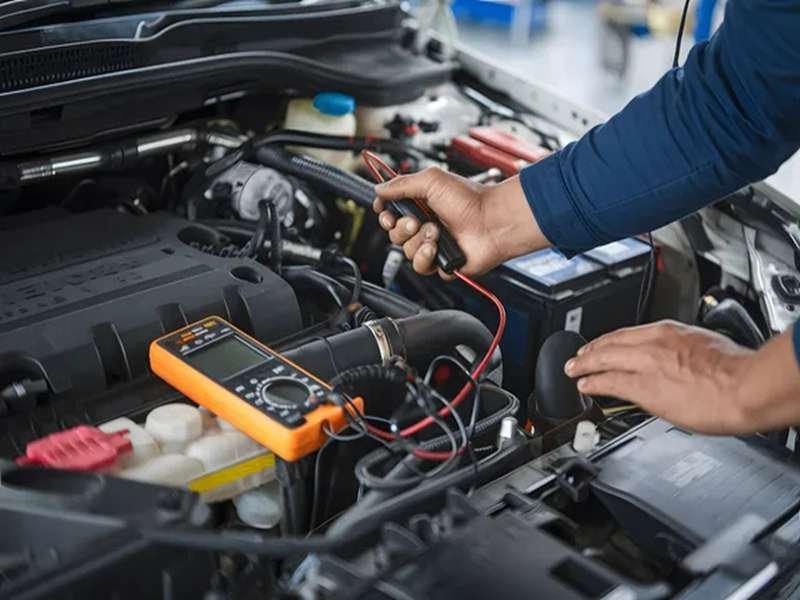
A modern vehicle is no longer just an engine, wheels, lights, and a battery. It is a moving electrical system. Power seats, cameras, radar, lighting modules, infotainment screens, battery packs, charging ports, GPS antennas, ADAS sensors, and control units all depend on stable electrical connections. When one connector is loose, poorly sealed, wrongly specified, or not matched to the working environment, the whole system can become unreliable.
Automotive electrical connector types include sealed connectors, unsealed connectors, sensor connectors, RF connectors, circular connectors, and high-voltage EV connectors. Each type is designed for different vehicle areas, electrical loads, signal requirements, temperature ranges, vibration levels, and sealing needs. Choosing the right connector helps reduce failures, improve assembly efficiency, and extend vehicle system life.
For engineers and purchasing teams, the real question is rarely “Can I buy this connector?” The more useful question is “Will this connector still work after heat, vibration, water, oil, dust, bending, and years of vehicle operation?” That is why connector selection should not be treated as a small detail at the end of a project. It should be discussed early, together with cable type, pinout, shielding, material, current rating, installation space, and production volume.
At Sino-Conn, many automotive connector projects start from a simple photo, a partial part number, or a rough cable drawing. Some customers know the exact connector model. Some only know where the cable will be used. Some need an original connector. Others prefer a compatible connector to reduce lead time and cost. The best result usually comes from matching engineering requirements with practical manufacturing options.
What Are Automotive Electrical Connector Types?
Automotive electrical connector types are the connection systems used to transfer power, signals, and data between different electrical and electronic components inside a vehicle. They are found in almost every part of a vehicle, from the engine compartment and lighting systems to battery packs, radar sensors, infotainment displays, charging systems, and autonomous driving modules.

Many people think connectors are simply plastic housings with metal terminals inside. In reality, they are highly engineered components designed to maintain stable electrical performance under harsh operating conditions. A vehicle may experience constant vibration, sudden temperature changes, moisture, dust, road salt, oil contamination, UV exposure, and repeated mechanical movement throughout its service life. Automotive connectors are specifically designed to withstand these challenges while maintaining reliable electrical contact.
The importance of connectors has grown significantly over the past decade. Traditional vehicles may contain between 1,000 and 2,000 electrical connection points. Modern electric vehicles and advanced driver assistance systems (ADAS) can contain more than 3,000 connection points. As vehicle electronics continue to increase, connector reliability becomes even more critical.
A connector failure can create problems far beyond a simple electrical interruption. Depending on the application, it can lead to communication errors, sensor failures, charging issues, battery management faults, lighting malfunctions, or even vehicle safety concerns.
Basic Structure
Every automotive connector consists of multiple components that work together to create a reliable connection. While designs vary depending on the application, most connector systems contain the same fundamental elements.
| Component | Primary Function |
|---|---|
| Housing | Protects terminals and provides mechanical support |
| Terminal | Conducts electrical current or signal |
| Seal | Prevents moisture and dust ingress |
| Locking Mechanism | Secures connector mating |
| Secondary Lock | Prevents terminal movement |
| Wire Seal | Protects cable entry points |
| Shielding Structure | Controls EMI and signal integrity |
| Strain Relief | Reduces mechanical stress |
The housing is usually manufactured from engineering-grade thermoplastics such as PA66, PBT, PPS, or LCP. These materials are selected based on operating temperature, chemical resistance, flame-retardant requirements, and mechanical durability.
Terminal materials are equally important. Most automotive terminals use copper alloy with tin, nickel, silver, or gold plating depending on the electrical performance required.
The connector housing often receives the most attention because it is visible. However, long-term reliability is usually determined by the quality of the terminal system inside the connector.
For example, two connectors may appear nearly identical externally, but differences in contact design, plating thickness, retention force, and sealing structure can create substantial differences in lifespan and performance.
This is one reason why experienced automotive engineers rarely evaluate a connector based solely on appearance.
Main Functions
Automotive connectors perform several critical functions simultaneously.
Their primary responsibility is electrical transmission, but modern connectors must also provide mechanical protection and environmental resistance.
Key functions include:
- Power distribution
- Signal transmission
- Data communication
- EMI protection
- Waterproof sealing
- Vibration resistance
- Cable retention
- Assembly efficiency
Different vehicle systems place different demands on connectors.
| Vehicle System | Primary Requirement |
|---|---|
| Engine Control | Heat resistance and reliability |
| Lighting | Waterproof protection |
| Sensors | Signal stability |
| Battery Systems | Current capacity |
| ADAS Modules | High-speed data transmission |
| GPS Systems | RF performance |
| Charging Systems | High voltage safety |
| Displays | Compact size and signal integrity |
For instance, a wheel speed sensor connector may only carry a low-current signal, but it must survive constant vibration, water exposure, mud, and temperature fluctuations.
An EV battery connector may carry hundreds of amps and must maintain safe operation under demanding thermal conditions.
A camera connector used in an ADAS system may carry high-speed data signals that require precise shielding and impedance control.
Although these connectors serve very different purposes, they all contribute to the overall reliability of the vehicle.
Why They Matter
Connector selection directly affects vehicle reliability, manufacturing efficiency, service life, and maintenance costs.
Industry experience shows that many electrical failures are not caused by electronic components themselves. Instead, they originate from connection problems.
Some of the most common connector-related issues include:
| Failure Mode | Typical Cause |
|---|---|
| Corrosion | Water ingress or poor sealing |
| Intermittent Signals | Loose terminals or vibration |
| Overheating | Undersized terminals |
| Voltage Drop | High contact resistance |
| Communication Errors | Poor shielding |
| Terminal Back-Out | Insufficient retention force |
| Connector Cracking | Incorrect material selection |
Many of these failures are preventable through proper connector selection during the design stage.
A practical example involved an automotive electronics customer who approached Sino-Conn with a connector assembly used inside a vehicle-mounted communication device. The original assembly experienced intermittent communication issues after several months of field operation.
The problem was eventually traced to insufficient strain relief combined with repeated cable movement. The connector itself was not defective. However, mechanical stress gradually affected the termination area.
After reviewing the application, Sino-Conn recommended a revised cable structure, improved strain relief, and a modified overmold design. Subsequent testing demonstrated significantly improved durability under repeated flexing conditions.
This illustrates an important point: connector reliability is not determined by the connector alone. The complete cable assembly design matters.
Connector vs Harness
A common misunderstanding among purchasing teams and non-technical buyers is treating connectors and cable assemblies as the same product.
They are related, but they are not the same.
A connector is a single interconnection component.
A cable assembly or wire harness is a complete solution that includes connectors, wires, protective materials, labeling, and testing.
| Feature | Connector | Cable Assembly |
|---|---|---|
| Housing | Yes | Yes |
| Terminal | Yes | Yes |
| Wire | No | Yes |
| Pinout Configuration | Limited | Fully Customized |
| Shielding | Limited | Fully Customized |
| Overmolding | Rare | Common |
| Electrical Testing | Limited | Complete |
| Ready for Installation | Usually No | Yes |
This distinction becomes important when requesting quotations.
At Sino-Conn, a large percentage of automotive inquiries begin with a connector photo or a connector part number. Customers often ask whether an identical assembly can be manufactured.
In many cases, identifying the connector is only the first step.
Additional information is usually required, including:
- Cable length
- Wire gauge
- Pin assignment
- Voltage requirements
- Current requirements
- Shielding requirements
- Installation environment
- Flexibility requirements
- Operating temperature
- Production quantity
Without this information, two assemblies using the same connector can differ significantly in cost, performance, and reliability.
For example:
| Parameter | Assembly A | Assembly B |
|---|---|---|
| Connector | Same | Same |
| Cable Type | Standard PVC | High-Flex TPE |
| Shielding | None | Foil + Braid |
| Temperature Rating | 80°C | 125°C |
| Expected Life | Standard Use | Continuous Flexing |
| Cost | Lower | Higher |
This is why engineering review remains a critical part of custom automotive cable assembly manufacturing.
To help customers avoid costly mistakes, Sino-Conn provides engineering support before production. Depending on project complexity, drawings can typically be prepared within a few days after requirements are confirmed. For urgent projects, engineering evaluations and preliminary drawings can often be completed much faster.
Customers can provide:
- Connector part numbers
- Existing samples
- CAD drawings
- PDF drawings
- Wiring diagrams
- Product photos
Even when only limited information is available, it is often possible to identify the connector family, recommend suitable cable options, prepare drawings, and develop a manufacturable solution.
As vehicle electrical systems continue to become more complex, understanding automotive electrical connector types is no longer only an engineering concern. It has become an important factor affecting product reliability, manufacturing efficiency, maintenance costs, and long-term project success.
Which Automotive Electrical Connector Types Are Most Common?
The most common automotive electrical connector types include sealed connectors, unsealed connectors, sensor connectors, RF connectors, EV high-voltage connectors, and circular connectors. Each connector type is designed for a specific operating environment and electrical requirement. A connector used inside a dashboard may only carry a few milliamps of signal current, while a battery connector in an electric vehicle may carry hundreds of amps continuously.
Understanding the differences between these connector types helps engineers avoid over-designing or under-designing a system. It also helps purchasing teams compare quotations more accurately because connectors that look similar externally may have completely different performance capabilities.
One of the most common mistakes in automotive projects is selecting a connector based only on appearance or part number similarity. Two connectors may fit physically but differ significantly in current capacity, sealing performance, vibration resistance, temperature rating, and service life.
The following connector categories account for the majority of automotive electrical connections used in passenger vehicles, commercial vehicles, EV platforms, agricultural equipment, construction machinery, and specialty vehicle systems.
Sealed Connectors
Sealed connectors are among the most widely used automotive connectors today. Their primary purpose is to prevent water, dust, oil, chemicals, and road contaminants from reaching the electrical contacts.

Modern vehicles contain many electrical systems mounted outside the passenger cabin where environmental exposure is unavoidable.
Common installation locations include:
- Engine compartments
- Exterior lighting systems
- Chassis electronics
- Door modules
- Mirror assemblies
- Battery compartments
- Underbody sensors
- Trailer connections
A sealed connector usually incorporates:
- Interface seals
- Wire entry seals
- Silicone gaskets
- Secondary locking structures
The effectiveness of a sealed connector is commonly measured through IP ratings.
| Protection Level | Environmental Protection |
|---|---|
| IP54 | Splash protection |
| IP65 | Water jets |
| IP67 | Temporary immersion |
| IP68 | Continuous immersion |
| IP69K | High-pressure washdown |
For automotive applications, IP67 is often considered the minimum requirement for connectors exposed directly to weather.
However, sealing alone does not guarantee reliability.
Many field failures occur because the cable outer diameter does not match the wire seal design. Even a small mismatch can create leakage paths.
At Sino-Conn, when customers request waterproof cable assemblies, engineering reviews typically verify:
- Connector sealing structure
- Cable OD compatibility
- Wire seal compression
- Overmolding requirements
- Environmental exposure level
One customer developing outdoor vehicle monitoring equipment initially selected a connector rated for outdoor use. After reviewing the cable specifications, it became clear that the selected cable OD was too small for the connector seal. A simple change in cable selection significantly improved waterproof performance without changing the connector itself.
This illustrates why connector selection should always be evaluated together with the cable assembly design.
Unsealed Connectors
Although sealed connectors receive a lot of attention, unsealed connectors actually account for a large percentage of the connectors found inside a vehicle.

Many interior vehicle systems operate in relatively protected environments where waterproofing is unnecessary.
Common applications include:
- Instrument clusters
- Dashboard electronics
- HVAC systems
- Audio systems
- Display modules
- Interior lighting
- Seat control systems
- Central control units
The main advantages of unsealed connectors include:
| Advantage | Benefit |
|---|---|
| Lower cost | Reduced system cost |
| Smaller size | Better packaging |
| Lower insertion force | Easier assembly |
| Faster production | Improved manufacturing efficiency |
| Lower weight | Supports vehicle weight reduction |
Vehicle manufacturers continuously look for ways to reduce weight and assembly complexity. In protected environments, unsealed connectors often provide the most efficient solution.
However, they still require strong mechanical retention.
Even connectors mounted inside the dashboard may experience years of vibration exposure. Weak terminal retention can lead to intermittent electrical faults that are difficult to diagnose.
Many OEM customers focus heavily on connector cost during procurement. While cost is important, long-term reliability should remain the priority.
Replacing a failed connector after vehicle production can be significantly more expensive than selecting the correct connector from the beginning.
At Sino-Conn, customers often request compatible connector solutions for interior vehicle applications. Compatible connectors can provide shorter lead times, lower cost, and greater flexibility for custom cable assembly projects while maintaining functional compatibility.
Sensor Connectors
Sensors have become one of the fastest-growing connector applications in modern vehicles.
A basic passenger vehicle may contain dozens of sensors. Advanced electric and autonomous vehicles can contain well over 100 sensors monitoring various operating conditions.
Common automotive sensors include:
- Temperature sensors
- Pressure sensors
- Oxygen sensors
- Position sensors
- Wheel speed sensors
- Radar sensors
- LiDAR sensors
- Battery monitoring sensors
- Steering angle sensors
Each sensor relies on stable signal transmission.
Unlike power connectors, sensor connectors typically carry very low current levels. This makes contact quality particularly important because even minor resistance changes can affect signal accuracy.
Key requirements for sensor connectors include:
| Requirement | Importance |
|---|---|
| Compact size | High |
| Signal stability | Very High |
| Environmental sealing | High |
| Vibration resistance | High |
| Contact reliability | Very High |
A common misconception is that sensor failures are always caused by the sensor itself.
In practice, connection issues frequently contribute to sensor-related problems.
Examples include:
- Corroded terminals
- Poor crimps
- Loose contacts
- Damaged seals
- Cable fatigue
One automotive customer approached Sino-Conn after experiencing intermittent communication errors within a vehicle-mounted sensor network. The sensors themselves passed testing, but investigation revealed that repeated cable movement was affecting the termination area near the connector.
After improving strain relief and cable flexibility, the issue was eliminated.
This type of problem highlights the importance of evaluating the entire assembly rather than focusing solely on the sensor component.
RF Connectors
RF connectors play an increasingly important role in modern vehicles.
Twenty years ago, many vehicles contained only basic radio antennas. Today’s vehicles support multiple wireless communication systems simultaneously.
These may include:
- GPS
- LTE
- 5G
- Wi-Fi
- Bluetooth
- Vehicle-to-Everything (V2X)
- Satellite radio
- Telematics systems
Automotive RF systems require specialized connector families capable of maintaining signal integrity at high frequencies.
Common RF connector types include:
| RF Connector Type | Typical Application |
|---|---|
| FAKRA | GPS and telematics |
| Mini FAKRA | ADAS systems |
| SMA | Testing and communication |
| SMB | Compact RF systems |
| MCX | Space-constrained applications |
Unlike standard power connectors, RF connectors must control impedance very precisely.
Most automotive RF systems use:
- 50Ω impedance
- Controlled shielding
- Specialized coaxial cables
Even small assembly errors can affect performance.
Important RF assembly considerations include:
- Shield termination quality
- Connector alignment
- Cable stripping dimensions
- Bend radius control
- Crimp quality
Sino-Conn manufactures RF cable assemblies using various coaxial cable types including RG174, RG316, low-loss coaxial cables, and micro coaxial cables depending on application requirements.
Customers frequently provide connector part numbers, photos, or application details, allowing engineering teams to recommend suitable cable and connector combinations.
EV Connectors
The rapid growth of electric vehicles has introduced a completely new category of automotive connectors.
Unlike traditional vehicle connectors that often operate below 48V, EV systems regularly involve:
- 400V architectures
- 800V architectures
- High-current charging systems
- Battery management networks
Connector performance requirements become significantly more demanding at these voltage levels.
Common EV connector applications include:
- Battery packs
- Motor controllers
- Charging systems
- Battery management systems
- Thermal management systems
- High-voltage distribution units
Typical operating ranges include:
| Parameter | Common Range |
|---|---|
| Voltage | 400V–1000V |
| Current | 50A–500A+ |
| Temperature | -40°C to 125°C+ |
Key design requirements include:
- Touch-safe construction
- Arc prevention
- High insulation resistance
- Secure locking systems
- Flame-retardant materials
- Waterproof protection
High-voltage connectors often use bright orange housings or cable jackets to improve safety identification during vehicle service.
For EV projects, connector selection affects more than electrical performance. It also impacts thermal management, serviceability, safety compliance, and manufacturing efficiency.
As EV adoption continues to expand globally, high-voltage connector demand is expected to grow significantly across passenger vehicles, commercial vehicles, charging infrastructure, and energy storage systems.
Circular Connectors
Circular connectors remain extremely popular in heavy-duty vehicle applications where mechanical reliability is a top priority.
Unlike many compact automotive connectors designed for mass production, circular connectors are often selected for demanding environments where durability matters more than minimizing size.
Common applications include:
- Commercial trucks
- Agricultural machinery
- Construction equipment
- Mining vehicles
- Military vehicles
- Utility vehicles
- Specialty EV platforms
Circular connectors offer several advantages:
| Feature | Benefit |
|---|---|
| Threaded locking | Excellent retention |
| Circular geometry | Strong sealing capability |
| Metal shell options | Mechanical protection |
| Multi-pin layouts | Flexible configurations |
| High vibration resistance | Long-term reliability |
Several locking methods are commonly used:
- Threaded locking
- Bayonet locking
- Push-pull locking
- Snap locking
Each approach balances assembly speed and retention strength differently.
One customer developing vehicle-mounted industrial control equipment required connectors capable of surviving constant vibration and outdoor exposure. Standard automotive connectors initially considered for the project showed insufficient retention during testing.
A circular connector solution combined with reinforced cable strain relief ultimately provided the durability required for long-term operation.
Circular connectors may not be necessary for every vehicle application, but they remain one of the most reliable solutions available for harsh operating environments.
As vehicle electronics continue to expand, connector selection becomes increasingly application-specific. The most common automotive electrical connector types all serve different purposes, and no single connector family is suitable for every situation.
The best approach is to evaluate the operating environment, electrical requirements, installation constraints, expected service life, and production goals before selecting a connector. This process helps avoid costly redesigns later and ensures the final cable assembly performs reliably throughout the vehicle’s lifespan.
For customers who are unsure which connector family is most suitable, Sino-Conn can assist with connector identification, cable recommendations, engineering drawings, material selection, prototype development, and complete custom cable assembly manufacturing based on project requirements.
How Do You Choose Automotive Electrical Connector Types?
Choosing automotive electrical connector types is one of the most important decisions during vehicle electrical system development. A connector may account for only a small percentage of the total project cost, but it can have a major impact on reliability, maintenance costs, assembly efficiency, warranty claims, and product lifespan.
Many connector failures are not caused by manufacturing defects. Instead, they occur because the connector was not properly matched to the application. A connector designed for a protected dashboard environment may fail quickly when installed in an engine compartment. A connector designed for low-current signal transmission may overheat when used in a high-current circuit.
For this reason, experienced engineers rarely start connector selection by asking, “Which connector is cheapest?” Instead, they start by asking:
- Where will the connector be installed?
- What current will it carry?
- What temperature will it experience?
- Will it be exposed to water or oil?
- Does it require shielding?
- How often will it be connected and disconnected?
- Does the cable need to flex repeatedly?
Answering these questions early can prevent expensive redesigns later.
Current Rating
Current carrying capacity should always be evaluated before selecting a connector.
Every connector terminal generates a small amount of resistance. When current passes through that resistance, heat is generated. If the terminal is undersized, excessive heat can build up inside the connector.
Potential consequences include:
- Terminal discoloration
- Increased contact resistance
- Plastic housing deformation
- Voltage drop
- Electrical failure
The relationship between wire size and current capacity is often overlooked.
| Wire Size | Typical Current Range |
|---|---|
| 26 AWG | 1A–3A |
| 24 AWG | 2A–5A |
| 22 AWG | 3A–7A |
| 20 AWG | 5A–11A |
| 18 AWG | 7A–16A |
| 16 AWG | 10A–22A |
| 14 AWG | 15A–32A |
These values vary depending on:
- Terminal design
- Ambient temperature
- Cable insulation
- Duty cycle
- Connector material
For example, a connector carrying 15A continuously in a 25°C laboratory may behave very differently inside an engine compartment operating at elevated temperatures.
One automotive equipment customer approached Sino-Conn with a cable assembly intended for a power distribution module. The original design used a connector family commonly found in lower-current applications. After reviewing the actual operating current and environmental conditions, a larger terminal system was recommended. The revised design reduced connector heating and improved long-term reliability.
This type of review often prevents problems that would otherwise appear only after field deployment.
Temperature Range
Automotive connectors operate in environments far more demanding than typical consumer electronics.
Vehicle systems routinely experience:
- Summer heat
- Winter cold
- Rapid thermal cycling
- Engine heat
- Battery heat
- Solar loading
Temperature exposure varies dramatically depending on installation location.
| Installation Area | Typical Temperature Range |
|---|---|
| Passenger Cabin | -20°C to 85°C |
| Dashboard | -30°C to 95°C |
| Engine Compartment | -40°C to 125°C |
| Turbocharger Area | Up to 150°C+ |
| EV Battery Pack | -40°C to 125°C |
| Exterior Lighting | -40°C to 105°C |
Connector materials react differently under thermal stress.
Important considerations include:
- Housing material stability
- Seal performance
- Terminal retention force
- Cable flexibility
- Plastic aging characteristics
A common mistake is selecting connectors based only on nominal operating temperature.
In reality, thermal cycling often creates more stress than steady temperatures.
For example, a connector mounted near an engine may repeatedly cycle between ambient temperature and elevated operating temperature every day. Over time, expansion and contraction can affect seals, terminal retention, and cable performance.
Sino-Conn frequently reviews application temperatures before recommending cable materials. In some cases, upgrading the wire insulation material provides a larger reliability improvement than changing the connector itself.
IP Protection
Water ingress remains one of the most common causes of automotive electrical failures.
As vehicles become more electronically complex, protecting connectors from moisture becomes increasingly important.
Different installation locations require different levels of protection.
| Environment | Recommended Protection Focus |
|---|---|
| Dashboard | Dust protection |
| Interior Electronics | Condensation protection |
| Doors | Water resistance |
| Engine Bay | Water and oil resistance |
| Chassis | Waterproofing |
| Battery Systems | Moisture protection |
| Exterior Sensors | High waterproof rating |
Common IP ratings include:
| Rating | Protection Level |
|---|---|
| IP54 | Dust and splash protection |
| IP65 | Water jet protection |
| IP67 | Temporary immersion |
| IP68 | Extended immersion |
| IP69K | High-pressure cleaning |
Many customers focus on connector IP ratings without considering cable compatibility.
A waterproof connector only performs properly when:
- Wire seals match cable diameter
- Connector mating is correct
- Seals are undamaged
- Cable jackets are properly specified
A real-world example involved a vehicle camera system intended for outdoor use. The selected connector had sufficient waterproof capability, but the cable diameter was smaller than the sealing specification. The result was reduced sealing effectiveness.
By selecting a cable with the correct outer diameter, the issue was resolved without changing the connector family.
This is why connector and cable selection should always be evaluated together.
Vibration Resistance
Few products experience as much continuous vibration as automotive electrical systems.
Every vehicle generates vibration from:
- Engine operation
- Road surfaces
- Suspension movement
- Braking events
- Vehicle acceleration
- Off-road conditions
Over thousands of operating hours, vibration can gradually affect:
- Terminal contact force
- Connector retention
- Cable terminations
- Strain relief structures
The severity depends heavily on application location.
| Application | Vibration Level |
|---|---|
| Dashboard | Low |
| Seat Systems | Moderate |
| Door Modules | Moderate |
| Engine Area | High |
| Chassis Systems | Very High |
| Heavy Equipment | Extreme |
Several connector features help improve vibration resistance:
- Positive locking systems
- Secondary locks
- Terminal retention features
- Strain relief designs
- Overmolding structures
One customer developing communication cable assemblies for moving-axis equipment reported repeated field failures despite passing initial electrical testing.
The root cause was not electrical at all.
Repeated cable movement gradually stressed the termination area near the connector.
The final solution included:
- Improved cable flexibility
- Enhanced strain relief
- Better connector retention
After implementation, durability improved significantly.
This example demonstrates why understanding the actual operating environment is essential during connector selection.
EMI Shielding
Modern vehicles contain a growing number of high-speed communication systems.
Examples include:
- Ethernet networks
- Radar systems
- Cameras
- GPS modules
- Telematics units
- Battery management systems
- Infotainment systems
These systems generate and receive sensitive signals that can be affected by electromagnetic interference.
Poor shielding can create:
- Communication errors
- Video distortion
- Signal loss
- Reduced antenna performance
- Diagnostic faults
Shielding solutions commonly include:
| Shield Type | Typical Use |
|---|---|
| Foil Shield | Signal cables |
| Braided Shield | Harsh EMI environments |
| Foil + Braid | Maximum protection |
| Shielded Connector Shell | RF systems |
| Grounded Metal Housing | High-performance applications |
Many customers assume selecting a shielded cable automatically solves EMI problems.
In reality, shielding effectiveness depends on the complete assembly.
Important factors include:
- Shield termination quality
- Connector grounding
- Cable routing
- Shield continuity
- Connector shell design
Sino-Conn manufactures numerous RF, coaxial, and high-speed communication cable assemblies where maintaining shielding continuity is critical.
For applications involving GPS, FAKRA, Mini FAKRA, Ethernet, camera systems, or automotive communication networks, shielding should always be considered during the design stage.
Material Selection
Material selection often determines how long a connector assembly will survive in real-world operation.
Different environments place different demands on cable and connector materials.
Important material properties include:
- Heat resistance
- Oil resistance
- Chemical resistance
- UV resistance
- Flame resistance
- Flexibility
- Abrasion resistance
Common cable jacket materials include:
| Material | Primary Advantage |
|---|---|
| PVC | Cost-effective |
| TPU | Excellent abrasion resistance |
| TPE | High flexibility |
| Silicone | Extreme temperature resistance |
| XLPE | Automotive power systems |
| FEP | High-performance environments |
Environmental conditions should drive material selection.
For example:
| Environment | Recommended Focus |
|---|---|
| Engine Bay | Heat and oil resistance |
| Outdoor Vehicle Systems | UV resistance |
| Moving Assemblies | Flexibility |
| Battery Systems | Flame resistance |
| Heavy Equipment | Abrasion resistance |
Material compliance requirements have also become increasingly important.
Many automotive customers now request:
- UL-compliant materials
- RoHS compliance
- REACH compliance
- PFAS compliance
- COC documentation
- COO documentation
At Sino-Conn, material specifications can be provided as part of the engineering review process. Customers frequently request detailed information regarding:
- Voltage rating
- Current rating
- Material type
- Shielding structure
- Cable OD
- Temperature resistance
- Flame resistance
- Oil resistance
- UV resistance
- Halogen-free options
This information helps ensure that the selected connector assembly matches both technical requirements and regulatory expectations.
OEM vs Compatible Connectors
One of the most common questions customers ask is whether they should use original connectors or compatible alternatives.
The answer depends on project priorities.
Original connectors typically offer:
- Brand recognition
- OEM continuity
- Existing approvals
- Customer preference
Compatible connectors often provide:
- Lower cost
- Better availability
- Faster delivery
- Greater customization flexibility
- Easier sourcing for small quantities
| Factor | Original Connector | Compatible Connector |
|---|---|---|
| Price | Higher | Lower |
| Lead Time | Often Longer | Usually Shorter |
| MOQ Flexibility | Limited | More Flexible |
| Customization | Limited | Easier |
| Availability | Dependent on Manufacturer | Usually Better |
Many engineering customers prioritize performance and availability rather than brand name.
In contrast, some end users specifically require original components due to internal standards or certification requirements.
At Sino-Conn, both original and compatible connector solutions are available depending on project needs. Engineering teams evaluate the application, production volume, lead-time expectations, and budget targets before recommending the most suitable approach.
Ultimately, choosing automotive electrical connector types is not about selecting the most expensive connector or the lowest-cost connector. It is about selecting the connector system that best matches the application’s electrical, mechanical, environmental, and manufacturing requirements.
When connector selection is handled correctly, the result is a more reliable vehicle, fewer field failures, smoother production, and lower total ownership cost over the life of the product.
Where Are Automotive Electrical Connector Types Used?
Automotive electrical connector types are used throughout every vehicle electrical system. In a modern vehicle, connectors are no longer limited to basic power distribution and lighting circuits. They are now responsible for transmitting power, signals, video data, RF communication, Ethernet communication, battery monitoring information, charging current, and safety-related control signals.
A typical passenger vehicle may contain over 1,500 electrical connection points. Premium electric vehicles and autonomous driving platforms can exceed 3,000 connection points. As more electronic systems are added, the number of connectors continues to increase.
The challenge is that different vehicle systems operate under completely different conditions. A connector mounted behind a dashboard experiences a relatively controlled environment. A connector installed underneath the vehicle may face water, road salt, mud, vibration, and extreme temperature changes every day.
This is why automotive connector selection always begins with understanding where the connector will be used.
Engine Systems
The engine compartment remains one of the harshest environments found in any vehicle.
Components located around the engine are exposed to:
- Continuous vibration
- High temperatures
- Oil contamination
- Fuel vapor
- Water splash
- Road dust
- Chemical exposure
A connector that performs well inside a cabin may fail quickly when exposed to engine compartment conditions.
Typical engine-related applications include:
- Fuel injectors
- Ignition coils
- Engine control units (ECUs)
- Turbocharger sensors
- Oil pressure sensors
- Coolant temperature sensors
- Air intake sensors
- Emissions control systems
The operating temperatures can vary significantly depending on installation location.
| Engine Area | Typical Temperature |
|---|---|
| Near ECU | 85°C–105°C |
| Cylinder Head Area | 105°C–125°C |
| Turbocharger Area | 150°C+ |
| Air Intake Area | 80°C–100°C |
For these applications, connector selection usually focuses on:
- High-temperature resistance
- Oil-resistant materials
- Strong locking systems
- Vibration resistance
- Waterproof sealing
One commercial vehicle customer approached Sino-Conn seeking a replacement cable assembly for an engine monitoring system. The original cable suffered cracking near the connector after long-term heat exposure.
After reviewing the installation environment, a higher-temperature cable jacket material and improved strain relief structure were introduced. The updated assembly provided significantly longer service life in field conditions.
For engine applications, temperature resistance often becomes more important than connector size or appearance.
Lighting Systems
Lighting systems account for a large number of connectors throughout a vehicle.
Modern vehicles use far more lighting than they did a decade ago.
Common lighting applications include:
- Headlights
- Tail lights
- Brake lights
- Daytime running lights
- Fog lamps
- Interior ambient lighting
- License plate lighting
- Signal indicators
Exterior lighting connectors face continuous environmental exposure.
Common threats include:
- Rain
- Snow
- UV radiation
- Road salt
- Dust
- Pressure washing
As LED technology becomes more common, electrical stability becomes increasingly important.
Unlike traditional bulbs, LED modules often rely on driver circuits and sensitive electronics that can be affected by poor electrical connections.
Important connector requirements include:
| Requirement | Importance |
|---|---|
| Waterproof sealing | Very High |
| UV resistance | High |
| Corrosion resistance | High |
| Vibration resistance | High |
| Compact packaging | Moderate |
One challenge frequently encountered in lighting projects is limited installation space.
Automotive lighting manufacturers often request:
- Smaller connector footprints
- Customized cable exits
- Low-profile overmolding
- Flexible wire routing
Sino-Conn regularly supports custom lighting cable assemblies where cable length, connector orientation, and pinout definitions are modified to simplify vehicle assembly and reduce installation time.
ADAS Systems
Advanced Driver Assistance Systems have become one of the fastest-growing connector application areas.
Modern vehicles increasingly rely on:
- Front cameras
- Rear cameras
- Surround-view cameras
- Radar sensors
- LiDAR sensors
- Ultrasonic sensors
- Central processing units
Unlike traditional automotive electrical systems, ADAS components often transmit large amounts of data continuously.
For example:
| ADAS Device | Data Requirement |
|---|---|
| Rear Camera | High-speed video |
| Front Camera | Continuous image processing |
| Radar Module | Signal transmission |
| LiDAR Module | High-volume data communication |
| Sensor Fusion Unit | Multi-channel communication |
The connectors used in these systems must maintain stable signal quality under all operating conditions.
Critical considerations include:
- Shielding effectiveness
- Signal integrity
- Connector retention
- EMI protection
- Waterproof performance
A poor connection in an ADAS system may not immediately stop vehicle operation, but it can affect camera performance, sensor communication, or driver assistance functionality.
One customer developing a vehicle-mounted vision system approached Sino-Conn seeking assistance with a camera cable assembly. The project required stable high-speed signal transmission while operating in a vibration-prone environment.
The final solution included:
- Shielded cable construction
- Improved strain relief
- Connector locking enhancement
- Controlled cable routing
The revised assembly improved signal stability during testing and field operation.
As autonomous driving technologies continue to evolve, connector requirements in ADAS systems will become increasingly demanding.
Infotainment Systems
Vehicle interiors have changed dramatically over the past decade.
Today’s infotainment systems often include:
- Touchscreen displays
- Digital instrument clusters
- Wireless charging modules
- USB hubs
- Audio amplifiers
- Navigation systems
- Rear-seat entertainment systems
- Bluetooth and Wi-Fi modules
These systems require a combination of:
- Power connectors
- Signal connectors
- RF connectors
- Data communication connectors
The installation environment is generally less demanding than under-hood applications, but other priorities become important.
These include:
- Compact packaging
- Assembly efficiency
- Cost control
- Connector density
- Ease of service
Vehicle manufacturers often seek ways to reduce assembly time on production lines.
Even a few seconds saved per vehicle can result in significant cost savings when production volumes reach hundreds of thousands of units per year.
This has led to increased demand for:
- Multi-function connectors
- High-density connectors
- Simplified harness designs
- Integrated cable assemblies
For infotainment applications, reducing installation complexity is often just as important as electrical performance.
Battery Systems
Battery systems represent one of the most critical connector application areas in modern electric vehicles.
Unlike traditional low-voltage vehicle systems, EV battery systems must handle:
- High voltage
- High current
- Thermal management
- Continuous monitoring
- Safety requirements
Common battery-related connector applications include:
- Battery management systems (BMS)
- Voltage sensing circuits
- Temperature monitoring systems
- Power distribution units
- Cell monitoring networks
Battery connectors often operate in environments requiring:
| Requirement | Importance |
|---|---|
| Electrical reliability | Very High |
| Moisture protection | Very High |
| Thermal stability | Very High |
| Vibration resistance | High |
| Safety compliance | Very High |
Even small increases in contact resistance can generate heat within battery systems.
This is why connector quality, terminal design, and assembly consistency become particularly important.
Many EV battery projects also require:
- Flame-retardant materials
- Orange cable identification
- Touch-safe designs
- Secondary locking systems
As electric vehicle production grows worldwide, battery-related connector demand continues to expand rapidly.
Charging Systems
Charging systems represent one of the most visible applications for automotive electrical connectors.
Unlike many internal connectors that remain untouched throughout vehicle life, charging connectors may be connected and disconnected thousands of times.
Charging system connectors are used in:
- AC charging systems
- DC fast charging systems
- Battery charging modules
- Charging station interfaces
- Power conversion systems
These connectors must withstand:
- Repeated mating cycles
- High current loads
- Outdoor exposure
- User handling
- Temperature fluctuations
Key performance requirements include:
| Requirement | Importance |
|---|---|
| Current capacity | Very High |
| Safety | Very High |
| Mechanical durability | Very High |
| Waterproofing | High |
| Heat management | Very High |
A charging connector may experience hundreds or thousands of mating cycles over its lifetime.
For this reason, terminal wear, contact resistance, and locking durability become major design considerations.
Vehicle manufacturers increasingly focus on charging efficiency as a competitive advantage.
Reliable charging connectors help ensure:
- Stable charging performance
- Reduced heat generation
- Improved user experience
- Lower maintenance costs
Communication and RF Systems
Modern vehicles communicate continuously with the outside world.
Common communication functions include:
- GPS navigation
- Cellular communication
- Wi-Fi connectivity
- Bluetooth communication
- Vehicle-to-Everything (V2X)
- Fleet management systems
- Remote diagnostics
These systems rely heavily on RF connectors and coaxial cable assemblies.
Common connector types include:
- FAKRA
- Mini FAKRA
- SMA
- SMB
Signal quality is critical because RF systems are highly sensitive to:
- Shielding quality
- Connector alignment
- Impedance matching
- Cable routing
Sino-Conn manufactures RF and coaxial cable assemblies for automotive communication systems where shielding performance and signal integrity are major priorities.
Customers often request:
- Custom cable lengths
- Connector alternatives
- Specific impedance requirements
- Shielding specifications
- RF testing support
As connected vehicles become more common, communication-related connector demand continues to grow.
Heavy-Duty and Specialty Vehicles
Not all automotive connectors are used in passenger vehicles.
Many are designed for:
- Agricultural machinery
- Construction equipment
- Mining vehicles
- Military vehicles
- Utility vehicles
- Industrial mobile equipment
These applications often experience harsher environments than passenger vehicles.
Common challenges include:
- Severe vibration
- Dust exposure
- Mud contamination
- Chemical exposure
- Continuous outdoor operation
Connector priorities shift toward:
| Requirement | Importance |
|---|---|
| Mechanical durability | Very High |
| Waterproofing | Very High |
| Corrosion resistance | Very High |
| Serviceability | High |
| Long operating life | Very High |
For these applications, circular connectors and sealed connector systems are frequently preferred due to their robust mechanical designs.
One customer developing control systems for off-road equipment approached Sino-Conn after repeated failures with standard connector assemblies. By upgrading the sealing structure, cable protection, and connector retention system, the revised assembly provided significantly improved durability in harsh field conditions.
Across all vehicle categories, connector requirements are becoming more demanding as vehicles become smarter, more connected, and more electrified. Understanding where automotive electrical connector types are used is the first step toward selecting a connector system that delivers reliable performance throughout the life of the vehicle.
Can Automotive Electrical Connector Types Be Customized?
Yes. In fact, a large percentage of automotive connector assemblies used in real-world vehicles are customized in some way. While connector manufacturers provide standard connector housings and terminal systems, vehicle manufacturers, Tier 1 suppliers, automotive electronics companies, and equipment manufacturers often require modifications to meet specific installation, electrical, environmental, or production requirements.
Many people assume customization means creating an entirely new connector from scratch. In reality, most automotive connector customization focuses on optimizing the cable assembly around an existing connector platform.
Typical customization requirements include:
- Custom cable lengths
- Custom pin assignments
- Custom wire types
- Connector orientation changes
- Waterproof enhancements
- EMI shielding improvements
- Overmolding structures
- Labeling systems
- Protective sleeving
- Connector substitutions
For engineers, customization improves system integration. For OEM manufacturers, it improves assembly efficiency. For purchasing teams, it often reduces lead times and lowers overall project costs.
At Sino-Conn, many automotive projects begin with a customer sending a connector model number, a drawing, a sample, or simply a photo. The final solution frequently includes multiple custom features designed specifically for the application.
Custom Lengths
Cable length is the most common customization request in automotive cable assemblies.
Using standard cable lengths may appear convenient, but it often creates installation challenges.
A cable that is too short can place stress on the connector.
A cable that is too long can create:
- Routing difficulties
- Excess cable loops
- Increased weight
- Higher material costs
- Longer installation times
Vehicle manufacturers often optimize cable lengths to improve assembly efficiency.
Consider the following example:
| Cable Length | Potential Impact |
|---|---|
| Too Short | Connector stress and difficult installation |
| Too Long | Excess material and poor cable management |
| Optimized Length | Faster assembly and cleaner routing |
For large-volume production, reducing cable length by only a few centimeters can generate significant material savings across thousands of vehicles.
Cable length also affects electrical performance.
Longer cables can introduce:
- Voltage drop
- Increased resistance
- Signal attenuation
- Additional weight
This becomes particularly important for:
- Battery systems
- Camera systems
- RF systems
- Ethernet networks
- High-current circuits
One automotive customer approached Sino-Conn with a standard cable assembly originally designed for multiple vehicle models. After evaluating the routing path, customized lengths were developed for each platform. The result was faster installation, improved cable management, and reduced material consumption.
This type of optimization is common in automotive production environments.
Custom Pinouts
A connector housing is only part of the final assembly.
The internal wiring configuration often determines how the assembly functions.
Two cable assemblies may use identical connectors but perform completely different tasks because the pin assignments differ.
Pinout customization allows engineers to define:
- Power distribution
- Signal routing
- Grounding schemes
- Communication channels
- Shield termination paths
- Safety circuits
A typical custom pinout project may involve:
Customization Item
Pin reassignment
Ground modifications
Signal separation
Shield integration
Redundant circuits
Connector orientation adjustments
One of the most expensive mistakes in automotive projects is an incorrect pin assignment.
The cost of discovering a wiring error after production can be significantly higher than the cost of engineering verification before manufacturing begins.
This is why drawing confirmation is such an important step.
At Sino-Conn, engineering drawings are provided before production starts. Customers review and approve:
- Connector models
- Pin definitions
- Wire colors
- Cable lengths
- Connector orientation
- Shielding structures
This process helps prevent assembly errors and reduces project risk.
Many customers initially provide only a connector photo or wiring diagram. Once the application requirements are understood, detailed drawings can be developed to ensure the final assembly matches the intended design.
Custom Materials
Material selection has a direct impact on cable assembly lifespan, flexibility, temperature resistance, and environmental durability.
Many automotive projects require materials that differ from standard commercial-grade products.
Common customization areas include:
- Wire insulation materials
- Cable jacket materials
- Connector housing materials
- Terminal plating
- Braiding materials
- Heat shrink materials
- Sealing materials
Different applications prioritize different material characteristics.
| Requirement | Typical Material Focus |
|---|---|
| Engine Bay | Heat and oil resistance |
| Outdoor Equipment | UV resistance |
| EV Systems | Flame resistance |
| Moving Assemblies | Flexibility |
| Heavy Equipment | Abrasion resistance |
| Communication Systems | Shielding performance |
Frequently requested cable jacket materials include:
- PVC
- TPU
- TPE
- Silicone
- XLPE
- FEP
For example, a standard PVC cable may perform well inside a dashboard.
The same cable installed near a vehicle engine may experience:
- Accelerated aging
- Reduced flexibility
- Jacket cracking
- Reduced service life
One vehicle-mounted monitoring equipment manufacturer approached Sino-Conn after experiencing premature cable failures in outdoor environments.
The root cause was not the connector itself.
Extended UV exposure gradually degraded the cable jacket.
After switching to a more suitable jacket material, service life improved significantly.
Material selection is especially important in projects involving:
- Electric vehicles
- Construction machinery
- Agricultural equipment
- Commercial vehicles
- Military vehicles
The operating environment should always drive material selection.
Overmolding Options
Overmolding is one of the most effective ways to improve cable assembly durability.
The area where the cable exits the connector often experiences the highest mechanical stress.
Repeated bending, vibration, and cable movement can gradually damage conductors near the connector termination area.
An overmold provides additional protection by creating a reinforced transition between the cable and connector.
Benefits include:
- Improved strain relief
- Better sealing
- Increased durability
- Cleaner appearance
- Enhanced cable support
Several overmolding configurations are commonly used.
| Overmold Type | Purpose |
|---|---|
| Straight | General protection |
| Angled | Space-saving installations |
| Extended Boot | High-flex applications |
| Waterproof Overmold | Outdoor environments |
| Custom Shape | Specialized equipment |
Overmolding is particularly valuable for:
- Camera systems
- Sensor systems
- Charging systems
- Communication systems
- Diagnostic equipment
- Vehicle-mounted electronics
One customer developing an outdoor vehicle communication system experienced repeated cable failures caused by constant movement near the connector exit.
Instead of changing the connector family, the solution involved:
- Enhanced overmolding
- Improved strain relief
- More flexible cable construction
The updated assembly achieved significantly longer operational life.
This demonstrates that durability improvements often come from assembly design rather than connector replacement.
Rapid Prototyping
Automotive development projects rarely move in a straight line.
Engineering teams frequently modify:
- Connector choices
- Cable lengths
- Pin assignments
- Installation routes
- Shielding requirements
Waiting weeks for every prototype revision can delay development schedules.
Rapid prototyping helps teams verify:
- Mechanical fit
- Connector compatibility
- Electrical performance
- Routing feasibility
- Assembly procedures
Common prototype stages include:
| Stage | Objective |
|---|---|
| Initial Prototype | Design verification |
| Engineering Sample | Functional testing |
| Validation Sample | Environmental testing |
| Pilot Build | Production evaluation |
At Sino-Conn, many automotive projects begin during early development stages.
Customers may provide:
- CAD files
- PDF drawings
- Existing samples
- Connector numbers
- Product photos
Some customers only provide a photo of an existing assembly and ask whether a similar solution can be manufactured.
After evaluating the requirements, engineering teams can recommend suitable connector families, cable types, and assembly structures.
Fast prototyping becomes particularly valuable when vehicle launch schedules are aggressive and engineering changes are frequent.
Quality Testing
Customization only creates value when quality remains consistent.
Every customized automotive cable assembly should be verified before shipment.
Testing requirements vary depending on application complexity.
Common inspection methods include:
| Test | Purpose |
|---|---|
| Visual Inspection | Workmanship verification |
| Continuity Test | Circuit confirmation |
| Insulation Test | Electrical safety |
| Pull Force Test | Mechanical strength |
| Dimensional Inspection | Drawing compliance |
| Shield Verification | EMI performance |
| Functional Test | Application validation |
For high-performance automotive systems, additional testing may be required.
Examples include:
- Waterproof testing
- Salt spray testing
- Temperature cycling
- Flex testing
- Vibration testing
At Sino-Conn, quality control is integrated throughout production rather than performed only at the end.
A typical project may include:
- In-process inspection
- Finished assembly inspection
- Final inspection before shipment
This multi-stage approach helps identify issues early and reduces the likelihood of defects reaching customers.
Documentation can also be provided depending on project requirements, including:
- Connector specifications
- Cable specifications
- Drawings
- Material certificates
- COC
- COO
- RoHS reports
- REACH reports
- PFAS information
For automotive customers, documentation is often just as important as the physical product.
OEM and Aftermarket Customization
Customization requirements often differ between OEM projects and aftermarket projects.
OEM customers typically focus on:
- Production efficiency
- Cost control
- Long-term reliability
- Supply chain stability
Aftermarket customers often prioritize:
- Compatibility
- Flexibility
- Lower MOQ
- Faster lead times
| Customer Type | Primary Focus |
|---|---|
| OEM Manufacturer | Production and reliability |
| Tier 1 Supplier | Engineering integration |
| Distributor | Availability and cost |
| Aftermarket Brand | Flexibility and compatibility |
| R&D Team | Technical performance |
This is one reason why there is rarely a single “best” connector solution.
The best solution depends on:
- Application requirements
- Production volume
- Budget targets
- Lead-time expectations
- Environmental conditions
A connector assembly designed for a prototype vehicle may differ significantly from one intended for annual production volumes of 100,000 units.
Understanding these differences early allows customization efforts to focus on the areas that create the greatest value.
Today, automotive connector customization is no longer limited to cable length changes. It includes electrical optimization, mechanical protection, environmental durability, production efficiency, and long-term reliability improvements. For many vehicle systems, customization is what transforms a standard connector into a complete automotive-ready interconnection solution.
Which Automotive Electrical Connector Types Supplier Is Best?
There is no single supplier that is the best choice for every automotive connector project. The right supplier depends on your product requirements, production volume, development stage, quality expectations, budget, and delivery schedule.
For example, an R&D engineer building five prototype units has completely different priorities than an OEM factory purchasing 50,000 cable assemblies annually. A purchasing manager may focus on cost reduction and lead time, while an engineer may care more about technical support, material selection, and design flexibility.
The best automotive electrical connector supplier is usually the one that can consistently provide the right combination of engineering support, quality control, manufacturing capability, responsiveness, and long-term supply stability.
Many companies focus heavily on connector pricing during supplier evaluation. However, the cost of a connector is often only a small portion of the total project cost.
Project delays, incorrect drawings, poor communication, inconsistent quality, long lead times, and engineering mistakes often cost far more than the connector itself.
Before selecting a supplier, customers should evaluate the entire support process, not just the quoted unit price.
Engineering Support
One of the biggest differences between suppliers is their engineering capability.
Many suppliers can manufacture a connector assembly if a complete drawing is provided.
Far fewer suppliers can help when the information is incomplete.
In the automotive industry, it is very common for customers to provide:
- A connector photo
- A partial part number
- A sample cable
- A hand sketch
- An old assembly
- A wiring diagram
In these situations, engineering support becomes extremely valuable.
A capable supplier should be able to assist with:
- Connector identification
- Cable selection
- Pinout verification
- Shielding recommendations
- Material recommendations
- Connector alternatives
- Cost optimization
Many automotive projects begin with uncertainty.
For example, customers frequently ask:
- Can this connector handle more current?
- Can this cable survive engine temperatures?
- Can we replace this original connector?
- Is a shielded cable necessary?
- Can this assembly pass outdoor testing?
A supplier that can answer these questions quickly helps reduce development time.
At Sino-Conn, many projects start with only a product photo or sample. The engineering team helps identify connector models, evaluate cable requirements, prepare drawings, and recommend solutions before production begins.
This level of technical support is particularly valuable for:
- New product development
- Prototype projects
- Product redesigns
- Obsolete connector replacement projects
Drawing Capability
Drawings are often the difference between a successful project and a costly mistake.
A surprising number of automotive cable assembly issues originate from misunderstandings rather than manufacturing defects.
Common problems include:
- Incorrect pin assignments
- Wrong connector orientation
- Incorrect cable length
- Reversed wiring
- Shielding misunderstandings
These issues can often be prevented through proper drawing review.
A professional supplier should provide:
| Drawing Type | Purpose |
|---|---|
| Assembly Drawing | Overall structure |
| Pinout Drawing | Wiring definition |
| Connector Drawing | Mechanical verification |
| Cable Specification | Material confirmation |
| Revision Drawing | Change management |
For automotive projects, drawings should clearly define:
- Connector models
- Pin assignments
- Wire colors
- Wire gauges
- Cable lengths
- Shielding structure
- Label positions
- Overmolding details
At Sino-Conn, engineering drawings are typically prepared before production and submitted for customer approval. This step helps ensure both parties have the same understanding of the final product.
Many customers consider this process one of the most valuable parts of project development because it reduces risk before manufacturing begins.
Production Capacity
Production capability should match the stage of your project.
A supplier that is excellent at large-volume manufacturing may not be flexible enough for prototype work.
Likewise, a supplier that focuses on prototypes may struggle with high-volume production.
Customers should evaluate:
| Capability | Why It Matters |
|---|---|
| Prototype Support | Faster development |
| Small Batch Production | Validation testing |
| Mass Production | Long-term supply |
| Custom Assembly Capability | Product flexibility |
| Connector Sourcing | Supply chain stability |
Many automotive projects follow a progression:
- Prototype stage
- Engineering validation
- Pilot production
- Volume production
Changing suppliers during this process often creates delays and qualification work.
A supplier capable of supporting the entire lifecycle can simplify project management.
One advantage many customers appreciate about Sino-Conn is flexibility.
Projects can start from:
- 1 piece prototype
- Small engineering quantities
- Pilot production runs
- Volume manufacturing
No MOQ requirements are particularly useful for development projects where designs are still evolving.
Lead Time
Lead time directly affects project schedules.
For many automotive companies, launching a product even one week late can have significant consequences.
A cable assembly is often required before:
- Functional testing
- Reliability testing
- Vehicle integration
- EMC testing
- Customer evaluation
- Certification work
This means cable assembly delays can affect the entire development timeline.
Customers should evaluate:
| Lead Time Factor | Importance |
|---|---|
| Drawing Response | High |
| Quotation Speed | High |
| Sample Production | Very High |
| Mass Production | Very High |
| Engineering Feedback | High |
At Sino-Conn, project timelines typically include:
| Stage | Typical Timing |
|---|---|
| Quotation | Fast response after requirements confirmation |
| Drawing Preparation | Usually within a few days |
| Standard Samples | Around 2 weeks |
| Urgent Samples | As fast as 2–3 days |
| Standard Production | Approximately 3–4 weeks |
| Urgent Production | Around 2 weeks for qualifying projects |
In practice, fast communication often saves more time than fast manufacturing.
A supplier that responds quickly to engineering questions can prevent days or weeks of unnecessary delays.
Quality Control
Quality is one of the most important supplier evaluation criteria.
Automotive connectors are expected to operate reliably for years under difficult conditions.
Poor quality can lead to:
- Warranty claims
- Field failures
- Production delays
- Vehicle recalls
- Customer dissatisfaction
A supplier should be able to clearly explain its quality process.
Customers should ask:
- How are assemblies inspected?
- What testing is performed?
- How are defects prevented?
- How is traceability maintained?
Common automotive cable assembly inspections include:
| Inspection Type | Purpose |
|---|---|
| Visual Inspection | Workmanship verification |
| Continuity Testing | Circuit verification |
| Insulation Testing | Electrical safety |
| Pull Force Testing | Mechanical verification |
| Dimensional Inspection | Drawing compliance |
| Functional Testing | Performance verification |
At Sino-Conn, quality control typically includes three inspection stages:
- In-process inspection
- Finished product inspection
- Final pre-shipment inspection
This approach helps identify issues before products leave the factory.
For many automotive customers, quality documentation is also important.
Common requests include:
- UL information
- RoHS reports
- REACH reports
- PFAS information
- COC
- COO
- Material specifications
A supplier that can provide both physical quality and supporting documentation is often easier to work with during audits and project approvals.
Custom Solutions
Very few automotive projects use completely standard cable assemblies.
Most require some level of customization.
Examples include:
- Custom lengths
- Custom pinouts
- Connector substitutions
- Shielded assemblies
- Waterproof assemblies
- Overmolding
- Labeling
- Protective sleeving
The ability to customize efficiently often separates strong suppliers from average suppliers.
Customers should evaluate whether a supplier can support:
| Customization Area | Importance |
|---|---|
| Length Modification | High |
| Pinout Modification | Very High |
| Material Selection | High |
| Connector Alternatives | High |
| Shielding Options | High |
| Overmolding | High |
A customer developing an automotive camera system approached Sino-Conn with a requirement for a cable assembly that combined:
- High-speed signal transmission
- Waterproof performance
- Custom routing length
- Compact installation space
Rather than modifying the vehicle design, the cable assembly was customized to fit the installation environment.
This reduced installation complexity and improved assembly efficiency.
Projects like this demonstrate why customization capability is often more important than simply stocking large quantities of standard products.
Original Connectors vs Compatible Connectors
Many automotive customers face a common decision:
Should they purchase original connectors or use compatible alternatives?
The answer depends on project priorities.
Original connectors are often preferred when:
- OEM specifications require them
- Existing approvals are needed
- Brand continuity is important
Compatible connectors are often selected when:
- Lead times are critical
- Costs need to be reduced
- Small quantities are required
- Design flexibility is important
| Factor | Original Connector | Compatible Connector |
|---|---|---|
| Price | Higher | Lower |
| Availability | Variable | Often Better |
| Lead Time | Longer | Shorter |
| MOQ Flexibility | Limited | More Flexible |
| Customization | Limited | Easier |
At Sino-Conn, customers can choose either approach depending on project requirements.
Some customers prefer original connectors for production programs.
Others select compatible alternatives during prototype development to reduce cost and accelerate testing.
Long-Term Partnership Value
The best supplier is not always the one offering the lowest quotation.
Long-term value comes from:
- Technical support
- Consistent quality
- Fast communication
- Reliable delivery
- Engineering assistance
- Problem-solving capability
A connector supplier should function as more than a manufacturer.
The most successful supplier relationships are built on collaboration throughout the project lifecycle.
For automotive companies, the ideal supplier can support:
- Initial concept development
- Prototype production
- Engineering revisions
- Product validation
- Mass production
- Ongoing product improvements
This approach reduces risk, shortens development cycles, and helps ensure long-term supply stability.
When evaluating automotive electrical connector suppliers, customers should look beyond connector pricing and consider the total value the supplier brings to the project. In many cases, strong engineering support, responsive communication, flexible manufacturing, and consistent quality contribute far more to project success than a small difference in unit price.
Final Thoughts
Automotive electrical connector types may appear to be small components, but they play a critical role in vehicle reliability, safety, performance, and manufacturability.
The right connector choice depends on much more than connector appearance. Current rating, temperature range, sealing requirements, vibration exposure, shielding needs, cable materials, installation space, and production requirements must all be considered together.
Whether you are developing a new EV platform, an ADAS system, a vehicle communication device, a charging system, a sensor network, or a custom automotive cable assembly, selecting the correct connector solution early can prevent costly problems later.
If you are looking for custom automotive cable assemblies, connector alternatives, prototype support, engineering assistance, drawings, or production-ready solutions, the Sino-Conn team can help evaluate your requirements and recommend the most suitable approach.
Simply send us your connector model, drawing, sample, photo, or project requirements. Even if you only have a picture of the existing assembly, our engineering team can help identify the connector, prepare drawings, recommend materials, and develop a solution tailored to your application.
Your next automotive project may start with a connector, but long-term reliability starts with choosing the right partner.