Skip to content
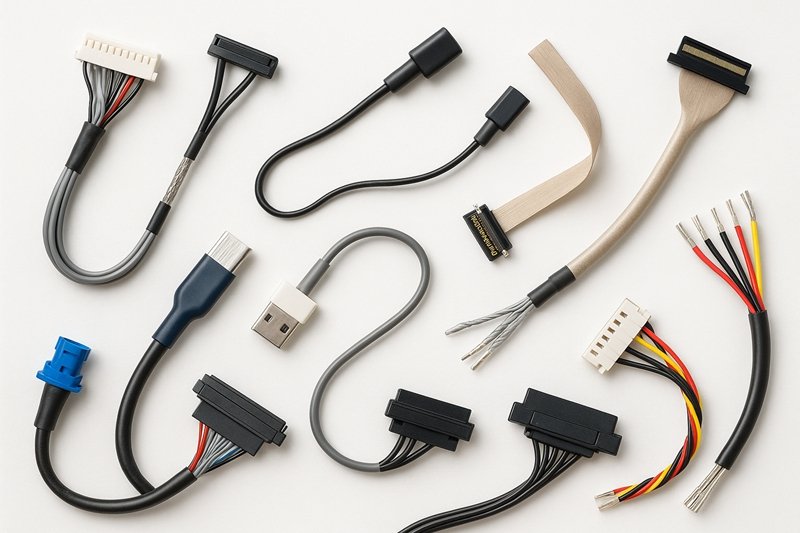
Choosing the right LVDS (Low Voltage Differential Signaling) cable is no longer just a technical decision—it’s a strategic move that directly impacts your product’s performance, reliability, and market success. As industries push for lighter, faster, and more energy-efficient designs, the humble cable becomes a vital backbone, quietly enabling stunning displays, real-time medical imaging, and precise industrial automation.
The main types of LVDS cables include standard twisted pair, micro-coaxial, flat flexible (FFC), shielded, and fully customized assemblies. Each type solves specific challenges like EMI reduction, high data rate transmission, and space constraints. Choosing the right LVDS cable depends on factors like device size, data speed needs, and application environment. Sino-conn specializes in providing tailored LVDS solutions for diverse industries worldwide.
Imagine a sleek automotive dashboard display that looks flawless even under heavy EMI, or a surgical monitor that streams crisp, real-time video without lag—these innovations wouldn’t exist without the right LVDS cables working behind the scenes. In this article, we’ll peel back the layers of LVDS cable types, their materials, signal challenges, and why customization is key to turning great product ideas into reality. Let’s dive deeper and see which cable type might be the unsung hero behind your next big project.
What materials are used in LVDS cables?
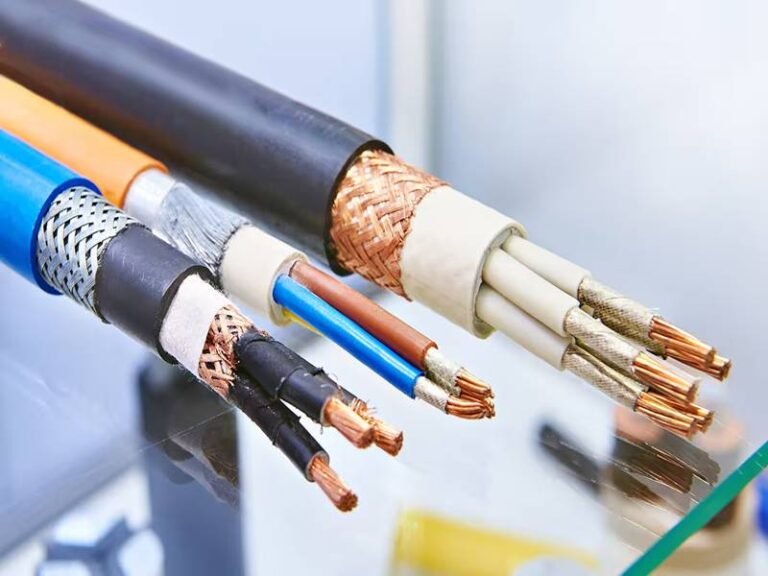
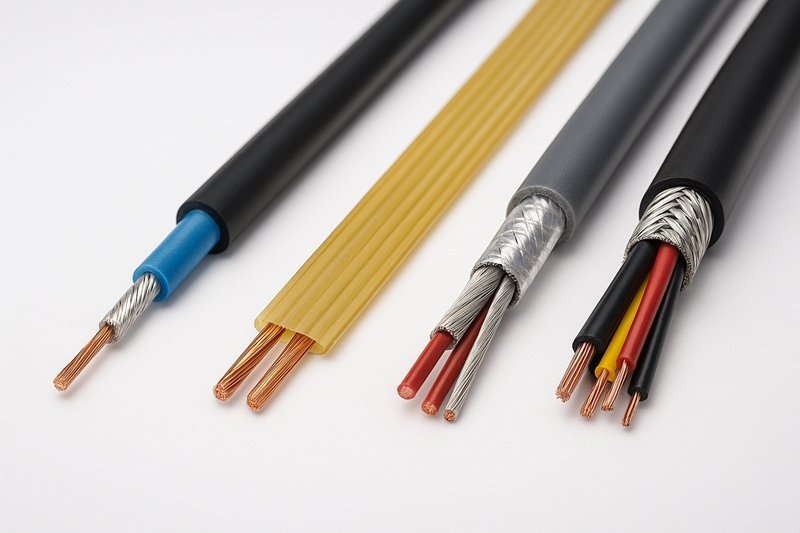
LVDS cables use high-purity copper for conductors, advanced insulation materials like PVC or PTFE for flexibility and heat resistance, and sophisticated shielding structures to minimize EMI. Their outer jackets often include TPU or halogen-free options to withstand harsh environments.
Choosing the right materials for LVDS cables is crucial because it determines how well signals are preserved and how robust the cables are in various environments. Sino-conn selects only high-purity copper, either bare or tinned, as the core conductor. Copper offers the best balance between conductivity and flexibility. Tinned copper adds corrosion resistance, making it ideal for applications exposed to moisture or extreme temperatures.
When it comes to insulation, different materials serve specific roles. PVC is widely used for its balance of cost-effectiveness and flexibility. However, for high-temperature or critical applications (like medical imaging or automotive displays), Sino-conn often uses PTFE (Teflon) or PU (polyurethane) for their superior heat resistance and mechanical strength.
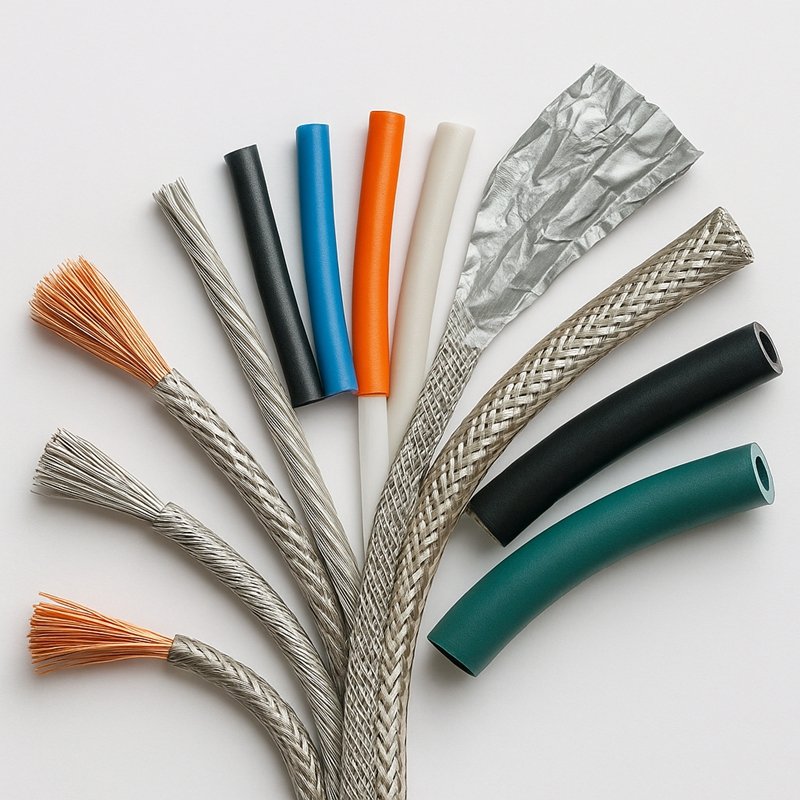
The shielding techniques used are a defining factor for LVDS performance. Typically, a combination of aluminum foil and braided copper shields is employed. The foil acts as a high-frequency barrier, while the braid provides additional mechanical protection and low-frequency EMI shielding. This dual-layer strategy greatly reduces the risk of signal degradation and crosstalk, ensuring clean and stable data transmission.
Outer jackets are another underappreciated component. While many choose PVC for standard use, TPU and halogen-free options are increasingly favored in industries where fire resistance and environmental safety are top priorities. For example, aerospace and medical clients prefer halogen-free jackets to minimize toxic gas emissions in case of fire.
Material Comparison
| Material | Function | Advantages |
|---|---|---|
| Copper | Conductor | High conductivity, flexibility |
| Tinned Copper | Conductor | Corrosion resistance |
| PVC | Insulation/Jacket | Cost-effective, flexible |
| PTFE | Insulation | High heat resistance, low friction |
| TPU | Jacket | Abrasion resistance, eco-friendly |
| Aluminum Foil + Braid | Shielding | Excellent EMI protection |
Choosing the right materials isn’t just a technical spec—it’s about understanding your specific product’s environment and user demands. Sino-conn works closely with engineers to select optimal materials, ensuring long-term reliability and compliance with global standards like RoHS, UL, and REACH.
Which LVDS cable types are most common?
The most popular LVDS cable types include standard twisted pair, micro-coaxial for ultra-thin devices, flat flexible for tight spaces, shielded versions for noisy environments, and fully custom assemblies designed for unique applications.
Choosing the right LVDS cable type can determine the success or failure of your final product. Each type is designed to address specific technical challenges, so let’s break down the most popular options that Sino-conn offers and explore what makes them special.
Type Performance Comparison
| Type | EMI Protection | Flexibility | Data Rate | Best For |
|---|---|---|---|---|
| Twisted Pair | Medium | Medium | Medium (~600 Mbps) | Basic displays, industrial |
| Micro-Coaxial | High | High | Very High (>1 Gbps) | Automotive, ultra-thin |
| FFC | Low-Moderate | Very High | Moderate | Tight spaces, medical |
| Shielded | Very High | Medium | High | Noisy environments |
| Custom Assemblies | Customizable | Customizable | Customizable | Special projects |
Standard Twisted Pair LVDS
This is the classic, cost-effective choice for many general-purpose applications. By twisting two signal wires together, they naturally cancel out electromagnetic noise from external sources. They’re widely used in standard monitors, basic LCD panels, and industrial HMI screens where space is less constrained and interference levels are moderate. However, their performance may not suffice in ultra-high-speed or ultra-thin designs.
Micro-Coaxial LVDS
When ultra-thin and high-resolution designs are needed, micro-coaxial LVDS cables shine. Each individual signal line is surrounded by a coaxial shield, providing exceptional EMI performance and higher data rate capabilities, often exceeding 1 Gbps. This makes them perfect for modern automotive dashboards, ultra-thin laptops, and foldable displays. Moreover, their flexibility allows for tight bending radii without compromising signal integrity — a huge plus for today’s compact designs.
Flat Flexible LVDS (FFC)
FFC LVDS cables look like ribbons and are especially popular in automotive screens, medical handheld devices, and consumer gadgets where space is extremely limited. Their parallel conductor design reduces crosstalk and simplifies cable routing inside small enclosures. While not as EMI-robust as micro-coaxial, their thinness and cost efficiency make them a great solution for low-to-moderate noise environments.
Shielded LVDS Cables
In environments with heavy electrical noise — such as factory automation lines or surgical operating rooms — shielded LVDS cables are critical. By adding additional aluminum foil and braid shielding layers, they protect signals against external interference and maintain data integrity. If your application requires reliable signal transmission in harsh conditions, this type is your safest bet.
Custom LVDS Assemblies
When none of the standard solutions fit perfectly, custom assemblies step in. Sino-conn can design cables with hybrid structures, mix multiple cable types in one harness, include special EMI shielding, or create ultra-compact solutions tailored for specific device geometries. From connector type to pinout configuration, every detail is designed to align with your exact requirements.
How do these LVDS types solve signal issues?
LVDS types reduce EMI, improve signal integrity, and support lightweight, compact designs. They enable reliable high-speed data transmission, even in noisy or space-constrained environments.
Signal integrity and electromagnetic interference (EMI) are among the biggest challenges in high-speed electronic designs. LVDS technology, especially when matched with the right cable type, addresses these issues head-on.
Sino-conn Signal Integrity Test Results
| Cable Type | Signal Accuracy | Recommended Max Data Rate |
|---|---|---|
| Twisted Pair | 92% | ~600 Mbps |
| Micro-Coaxial | 98% | >1 Gbps |
| Shielded LVDS | 96% | ~1 Gbps |
| FFC | 90% | ~500 Mbps |
LVDS employs differential signaling, meaning each signal is sent as a pair of opposite voltages. This naturally cancels out common-mode noise. Combined with advanced shielding (foil + braid), LVDS cables drastically reduce EMI. Micro-coaxial and shielded types push this even further, ensuring stable transmission in the most challenging environments.
High data rates can cause significant problems like signal degradation and timing errors. LVDS cables maintain strong signal integrity through controlled impedance, consistent materials, and shielding. In testing, Sino-conn’s micro-coaxial cables have shown over 98% signal accuracy at Gbps speeds—far beyond standard twisted pair cables.
Weight and space constraints are now critical in industries like automotive, medical, and consumer electronics. By using ultra-thin micro-coaxial or flat flexible designs, engineers can route signals through tight spaces without sacrificing performance. This allows for sleeker product designs and lighter overall weight, a crucial advantage for portable devices and EV displays.
Engineers today face a delicate balancing act: maximizing performance while reducing size and cost. By choosing the right LVDS type, projects can achieve both goals without compromise. Sino-conn assists clients with simulations, prototyping, and test data to validate signal performance before mass production.
Do LVDS cables support customized requirements?
Yes! LVDS cables can be fully customized for length, pin configuration, shielding, and connectors. Sino-conn provides rapid engineering support, drawings, and flexible solutions without strict MOQs.
Customization is increasingly a necessity. With devices becoming slimmer, faster, and more complex, off-the-shelf cable solutions rarely meet all requirements. Sino-conn ensures that each LVDS cable fits seamlessly into a client’s unique product design, from prototypes to mass production.
Standard cables often require extra routing or force design compromises due to length or connector constraints. Customizing lengths avoids unnecessary slack, reduces space occupation, and improves assembly efficiency. Pinouts can also be fully tailored to match exact signal layouts, ensuring smoother system integration.
Choosing the right connector can impact not only functionality but also production costs and long-term reliability. Some clients prefer original connectors for guaranteed performance and compatibility, while others may opt for high-quality alternative versions to reduce costs and speed up delivery. Sino-conn offers both options and guides customers in making informed decisions.
Time-to-market is critical. Sino-conn’s ability to deliver sample drawings within 30 minutes — and even physical samples in as little as three days — helps engineers test and validate quickly. All designs include detailed CAD or PDF drawings, so clients can review and approve before final production. Every order is confirmed with the customer’s signed drawings, ensuring zero surprises down the line.
Unlike many manufacturers who demand large initial orders, Sino-conn has no strict MOQ. Whether you need one sample for verification or thousands of units for mass production, Sino-conn supports all volumes. Their engineering team stands ready to guide you through design decisions, recommend materials, and optimize electrical performance.
Are LVDS cables right for my project?
LVDS cables fit projects needing high-speed, low-noise, compact designs. Sino-conn offers certified, customizable solutions ideal for medical, automotive, and consumer electronics.
Determining whether LVDS cables are right for your project depends on specific requirements: speed, noise immunity, space, and compliance.
Sino-conn supports diverse sectors:
- Medical: Patient monitoring and surgical displays demand stable, high-definition video with zero latency.
- Automotive: Advanced driver-assistance systems (ADAS) and infotainment screens need slim, robust cables.
- Industrial: Factory automation requires EMI-resistant, durable cables.
- Consumer Electronics: Thin, flexible cables power the latest lightweight laptops and tablets.
While LVDS cables, especially custom versions, can be more expensive upfront, they often reduce downstream costs by minimizing signal failures and product returns. Sino-conn accommodates everything from single prototypes to large OEM orders, with flexible payment terms.
Sino-conn guarantees stringent quality control: 100% in-process and final inspections, and up to three full QC checks before shipment. Certifications include UL, ISO 9001, RoHS, REACH, and others. This not only meets regulatory requirements but also reassures end customers about long-term reliability.
Let Sino-conn Support Your Custom LVDS Needs
Choosing the right LVDS cable can make or break your next product. With decades of experience, rapid design cycles, and no MOQ constraints, Sino-conn is ready to transform your concepts into production-ready, high-performance cables.
Whether you’re an R&D engineer refining a new device, an OEM needing reliable large-volume supply, or a trading company looking for flexible solutions, Sino-conn delivers cables that meet your exact demands.
Contact Sino-conn today to discuss your LVDS cable requirements and request a fast, customized quote. Let’s build your next breakthrough together.