Skip to content
USB Type-C vs Lightning Cable: What’s the Difference and Which Is Better?
- andy
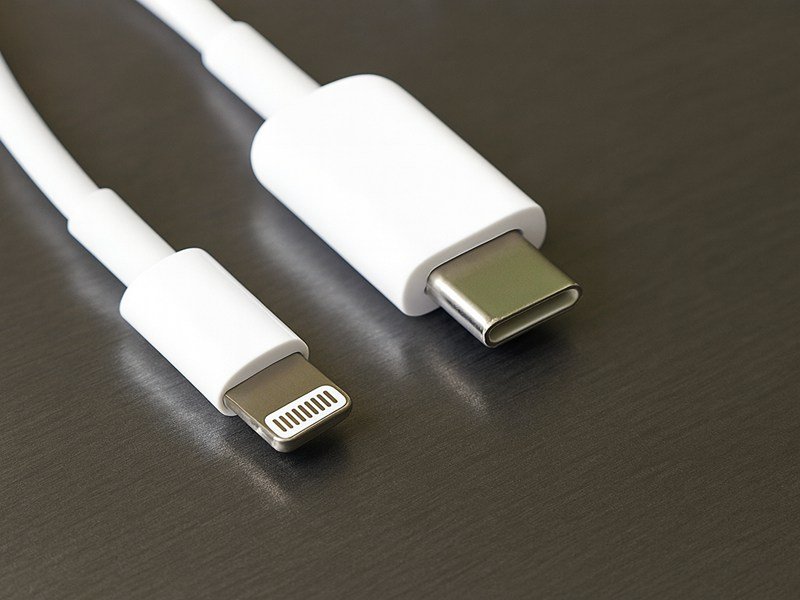
Choosing between USB Type-C and Lightning cables is not just a matter of which connector fits your device. These two standards represent very different philosophies: open vs proprietary, universal vs ecosystem-specific, and fast-evolving vs tightly controlled. Whether you’re an engineer designing a medical device, an OEM buyer sourcing cables in bulk, or an everyday user frustrated with slow charging, understanding the real difference between these connectors matters more than ever.
USB-C is a universal, reversible digital connector supporting high-speed data, fast charging, video output, and wide compatibility across devices. Lightning is Apple’s proprietary connector designed primarily for iPhones and older iPads, offering compact size and stable performance but generally slower speeds and lower power capability. USB-C is more powerful and versatile overall, while Lightning remains relevant within Apple’s ecosystem.
Customers often contact Sino-Conn asking: “Is USB-C better?” or “Can I switch Lightning to USB-C?” One client even sent us a picture of a charging port from a medical tablet and asked if a “USB-C to Lightning cable could increase speed.” The answer, like the standards themselves, depends on your device, ecosystem, and technical needs. Let’s dive deeper.
What Is USB Type-C?
USB Type-C is a reversible, universal connector designed for fast charging, high-speed data transfer, and video output. It supports USB 2.0, USB 3.x, Thunderbolt, DisplayPort, and USB Power Delivery up to 240W depending on configuration.

USB-C is now the global standard across smartphones, laptops, tablets, game consoles, routers, medical devices, and industrial electronics. Its 24-pin symmetrical design enables multiple protocols to run through one port, making it extremely flexible.
Compared with older USB types, USB-C supports:
- Up to 10–40Gbps data transfer
- Up to 100–240W fast charging (USB-PD)
- 4K–8K video output
- High compatibility across brands
This versatility is why engineers and OEM factories increasingly use USB-C in new products. Sino-Conn provides custom USB-C cables with:
- EMI-shielded designs
- High-flex and durable jackets
- Overmolded connectors
- Custom pinouts, lengths, and materials
- Original or cost-effective connector options
For industrial or medical devices, we can match specific OD, bending radius, heat resistance, oil resistance, halogen-free materials, and more.
What Is Lightning?
Lightning is Apple’s proprietary 8-pin connector used mainly on iPhones (up to iPhone 14), AirPods, and some accessories. It supports moderate charging and data speeds but lacks USB-C’s high-power and high-speed capabilities.

Lightning was introduced in 2012 and became popular for its compact size and reversible design—years before USB-C existed. But it is limited:
- USB 2.0 data speeds (480Mbps)
- Charging power typically 12–20W
- Used only on Apple devices
Still, Lightning retains advantages:
- Slim and durable structure
- Excellent mechanical reliability
- Strong accessory ecosystem (MFi-certified products)
For clients needing Lightning cables, Sino-Conn supports:
- MFi-compliant cable builds
- Custom molds and strain-reliefs
- Overmolded connectors
- Reinforced jackets for high cycle life
- Pin-defined cable harnesses for embedded systems
USB-C vs Lightning: What’s the Actual Difference?
USB-C is universal, faster, and more powerful, while Lightning is proprietary and limited to Apple devices. They are not the same connector and are not interchangeable without proper circuitry.
To help you quickly understand the core differences, here is a technical comparison table summarizing speed, power, compatibility, and core performance features:
USB-C vs Lightning Technical Comparison
| Feature | USB Type-C | Lightning |
|---|---|---|
| Connector Type | 24-pin, reversible | 8-pin, reversible |
| Data Speed | Up to 40Gbps (Thunderbolt 4) | ~480Mbps (USB 2.0) |
| Charging Power | Up to 100–240W (USB-PD) | Typically ~20W |
| Video Output | Supports DisplayPort / USB4 / TB4 | No native output |
| Compatibility | Universal across devices & industries | Apple ecosystem only |
| Use Cases | Smartphones, laptops, tablets, industrial devices | iPhones, AirPods, accessories |
This table makes it clear why USB-C is now adopted worldwide, while Lightning remains an Apple-only standard.
Speed, Power & Compatibility
USB-C supports:
- Up to 40Gbps (Thunderbolt 4)
- Up to 240W charging
- Data + video + power in one cable
Lightning supports:
- ~480Mbps
- ~20W charging
- No native video output
Are Lightning and Type-C the Same?
No.
USB-C is an international standard with 24 pins and multi-protocol support.
Lightning is Apple-specific with 8 pins.
They are electrically and structurally different.
Durability & EMI Performance
Lightning’s metal tongue can be more robust in some cases.
USB-C’s 24 pin contacts require high manufacturing precision—an area where Sino-Conn provides strict QC and 100% inspection.
Which Cable Is Better for Charging, Data Transfer, and Daily Use?
USB-C is generally better for fast charging, data transfers, video output, and overall compatibility. Lightning remains adequate for basic charging and syncing within Apple’s ecosystem.
To give users and engineers a clearer view of real-world performance, the table below summarizes the key differences in charging power, data speed, and versatility.
Charging & Data Capabilities Comparison
| Category | USB-C Cable | Lightning Cable |
|---|---|---|
| Fast Charging Support | Yes — USB-PD 18W / 30W / 60W / 100W / 240W | Limited — typically 12–20W |
| Data Transfer Speed | USB 2.0 → USB 3.x → up to 40Gbps (Thunderbolt 4) | USB 2.0 only — 480Mbps |
| Video Output Support | Yes, up to 4K–8K depending on protocol | Not supported natively |
| Ideal Applications | High-power devices, laptops, tablets, industrial or medical equipment | Basic charging & syncing within Apple ecosystem |
This comparison shows why USB-C is the preferred connector for fast charging, high-speed workflows, and demanding industrial or medical devices.
Fast Charging
USB-C (with USB-PD) supports a wide range of charging levels from 18W up to 240W, making it suitable for smartphones, tablets, laptops, portable power stations, and industrial handheld devices.
Lightning typically peaks at 20W, which is enough for iPhones but insufficient for high-power applications.
Data Transfer
USB-C supports multiple speed tiers—from 480Mbps to 40Gbps—depending on cable specification and device capability.
Lightning remains limited to USB 2.0 (480Mbps), which is noticeably slower for large files, backups, or industrial data logging.
Durability
Lightning’s simple 8-pin structure can be mechanically durable, but USB-C’s longevity depends heavily on manufacturing quality because of its 24 exposed contacts. Sino-Conn improves USB-C durability by offering:
- Reinforced overmolds
- High-flex jackets
- Thick strain relief designs
- Multi-layer shielding for EMI-intensive environments
These enhancements ensure reliable performance even in industrial, medical, or high-cycle OEM applications.
Do USB-C and Lightning Cables Affect Device Lifespan or Battery Health?
Yes. Cable quality affects heat generation, charging stability, and long-term battery health. Poor-quality cables cause overheating, inconsistent current delivery, and premature wear.
Battery wear accelerates when:
- Voltage fluctuates
- EMI interferes with charging
- Cable resistance is inconsistent
- Connectors loosen over time
This is why Sino-Conn uses:
- Tinned copper conductors
- Multi-layer shielding
- Reinforced strain reliefs
- UL/ISO/ROHS/REACH/PFAS-compliant materials
Cheap cables often skip these elements, increasing risk of battery swelling or port damage.
How to Choose Between USB-C and Lightning for Your Application?
Choose USB-C for modern devices, high-speed data, or fast charging. Choose Lightning only if your device requires it. For industrial use, prioritize durability, jacket material, and EMI shielding.
Consider:
- Device port type
- Power requirements
- Desired data speed
- Cable length & flexibility
- Environmental conditions (heat, oil, UV, bending cycles)
Sino-Conn offers:
- Original & alternative USB-C/Lightning connectors
- Custom lengths, colors, molds
- High-strength overmolds
- Special jackets for oil, heat, and UV exposure
- Rapid drawings (30 minutes–3 days)
- Samples within 2–3 days
- Volume production in 2 weeks
Do You Need a Custom USB-C or Lightning Cable?
You need a custom cable when your application requires non-standard lengths, special pinouts, stronger materials, or industrial-grade protection.
Common custom scenarios:
- Medical devices needing shielded USB cables
- Industrial tools requiring high-flex or durable jackets
- OEM products requiring overmolded connectors
- Specialized pinout or hybrid interfaces
- Harsh-environment charging systems
Sino-Conn provides:
- No MOQ (1 pc acceptable)
- Full drawings before production
- 100% inspection (process + final + pre-shipment)
- Options for premium or cost-effective connectors
- Strict quality control suited for OEM, medical, and industrial clients
Conclusion & How to Proceed
USB-C and Lightning may look similar, but they serve different purposes. USB-C is the faster, more universal, and more powerful connector, suitable for nearly every modern device. Lightning remains reliable within Apple’s ecosystem but is technically limited and slowly being replaced by USB-C.

If you need custom USB-C or Lightning cables—with specific lengths, pinouts, materials, overmolds, or industrial-grade durability—Sino-Conn can build exactly what your application requires.
Tell us your requirements or send us a picture of your connector—we’ll provide drawings, samples, and a fast quotation.
Related Keywords :USB Type-C vs Lightning, USB-C cable, Lightning cable, fast charging cable, USB cable comparison, custom USB cables, data cable types, MFi cable, USB-IF cable, Sino-Conn cable assemblies

With over 18 years of OEM/ODM cable assemblies industry experience, I would be happy to share with you the valuable knowledge related to cable assemblies products from the perspective of a leading supplier in China.
manufacturer catalogue
Get A Sample Now From Factory→
Get a quote quickly
Here, developing your OEM/ODM custom cable assemblies collection is no longer a challenge—it’s an excellent opportunity to bring your creative vision to life.