Skip to content
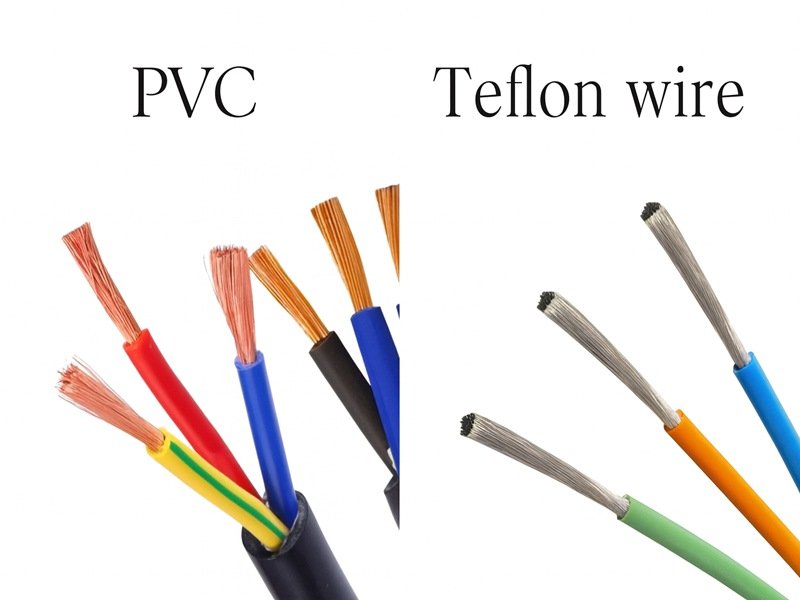
Wires are everywhere — inside cars, airplanes, electronics, and industrial systems — quietly transmitting power and signals that keep modern life moving. The insulation that surrounds these conductors is more than just a protective layer; it defines a wire’s temperature range, durability, and safety. Two of the most common insulation materials are PVC (Polyvinyl Chloride) and Teflon (PTFE or FEP), and choosing between them isn’t always straightforward.
PVC insulated wires are cost-effective, flexible, and suitable for general-purpose use up to 105°C, while Teflon (PTFE/FEP) wires offer superior high-temperature, chemical, and dielectric performance up to 250°C. PVC is ideal for consumer, commercial, and indoor applications; Teflon suits aerospace, medical, and industrial environments requiring extreme durability. The best choice depends on environmental stress, temperature, and long-term reliability needs.
Imagine this: a cable inside an aircraft engine bay must withstand 200°C and exposure to hydraulic oil, while another powering office lights never exceeds 60°C. The first needs Teflon; the second thrives on PVC. The insulation defines performance — and understanding these differences helps engineers, OEMs, and designers make smarter, safer choices.
What Is Insulated Wire?
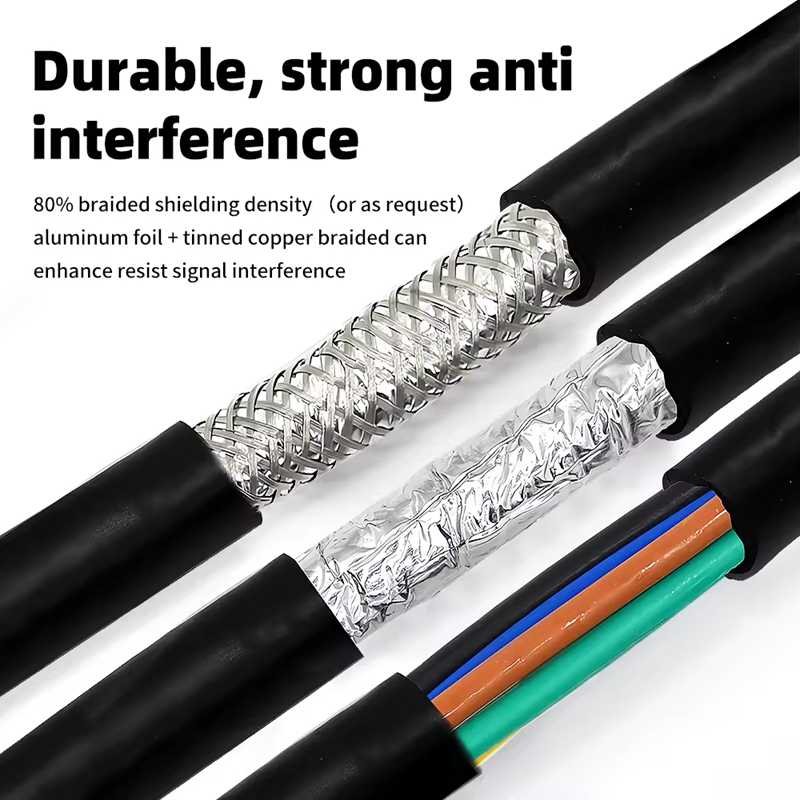
Insulated wire is a conductor covered with non-conductive material—called insulation—that protects against electric shock, short circuits, and environmental damage. The insulation defines how much heat, voltage, and mechanical stress a cable can handle. Choosing the right insulation, such as PVC for flexibility or Teflon for high-temperature endurance, determines a wire’s reliability, safety, and lifespan in demanding applications.
Electric wires are not just about copper or aluminum cores; their performance and safety depend heavily on what surrounds those conductors. Insulation — the protective outer coating — is what allows modern electrical and communication systems to function safely and efficiently. It’s the reason why thousands of volts can flow inside a compact cable without causing sparks, corrosion, or fire.
Every insulated wire is essentially a system of engineered layers, not just a plastic shell. The insulation material must balance dielectric strength, mechanical flexibility, temperature tolerance, and environmental resistance — all while remaining lightweight and easy to process during cable manufacturing. Whether it’s PVC, Teflon, silicone, or polyethylene, the insulation serves as both a shield and a design feature that influences cost, reliability, and long-term performance.
The Role and Function of Wire Insulation
Insulation performs three primary functions:
- Electrical Isolation: It prevents the conductive core from short-circuiting with nearby wires, metal surfaces, or human contact.
- Mechanical Protection: It resists abrasion, bending fatigue, and pressure during installation or operation.
- Environmental Resistance: It shields against temperature extremes, moisture, oil, chemicals, and UV radiation.
Without proper insulation, cables would degrade quickly or even pose serious fire and electrical hazards. In low-voltage applications like consumer appliances, insulation primarily serves as a safety barrier. In aerospace or medical cables, insulation becomes a performance-critical layer, preserving signal integrity under heat, vibration, or sterilization conditions.
Material Selection Defines Electrical and Mechanical Performance
The type of insulation determines a cable’s dielectric constant, thermal rating, chemical stability, and mechanical flexibility.
- PVC (Polyvinyl Chloride): Offers cost efficiency, flame resistance, and flexibility. Ideal for indoor, low- to mid-temperature use.
- Teflon (PTFE/FEP): Delivers exceptional high-temperature and chemical resistance with low dielectric loss, used in aerospace and RF cables.
- Silicone: Extremely flexible, maintains elasticity at low temperatures, ideal for robotics or movable systems.
- Polyethylene (PE): Has excellent dielectric properties for high-frequency data transmission.
Each insulation type introduces trade-offs. For instance, PVC is affordable but softens near 100°C, while PTFE endures 250°C but costs several times more. The correct choice minimizes risk while optimizing both cost and performance.
The Science Behind Insulation Efficiency
Two electrical properties are critical for insulation performance:
- Dielectric Strength: The maximum voltage the material can withstand without breakdown. PVC averages around 40 kV/mm, while PTFE reaches 60–70 kV/mm.
- Volume Resistivity: Indicates how well the material resists electrical leakage. Teflon’s resistivity (~10¹⁸ Ω·cm) is among the highest of all polymers, ideal for precision electronics and signal cables.
Mechanical performance is equally vital. High-flex PVC or cross-linked compounds resist fatigue from repeated bending, while fluoropolymers like FEP maintain form even in vibration-prone environments such as aircraft harnesses.
Environmental and Safety Considerations
Insulation is also about environmental compliance and safety. Halogenated materials like PVC can emit toxic gases when burned, while halogen-free alternatives such as FEP, LSZH (Low Smoke Zero Halogen), or cross-linked polyethylene reduce smoke and acid emissions. These are increasingly preferred in public spaces, transportation, and cleanroom industries.
Temperature tolerance dictates where a wire can be used:
| Material | Operating Range | Notable Traits |
|---|---|---|
| PVC | –20°C to +105°C | Flexible, economical, self-extinguishing |
| Teflon (PTFE/FEP) | –70°C to +250°C | Chemical inertness, heat resistance |
| Silicone | –60°C to +200°C | Extreme flexibility |
| Polyethylene | –50°C to +80°C | Low dielectric loss |
Insulation’s Role in Signal and Power Integrity
In high-frequency or data cables, insulation directly influences signal speed and loss. The dielectric constant (εr) controls capacitance — the lower it is, the faster signals travel with less distortion.
- PVC’s dielectric constant (3.5–5.0) is acceptable for power or control lines.
- PTFE’s dielectric constant (2.1) enables minimal signal attenuation, crucial for RF and data transmission.
This is why coaxial and high-speed cables often use PTFE or FEP insulation — they ensure consistent impedance and protect against EMI (Electromagnetic Interference).
What Is PVC Insulated Wire?
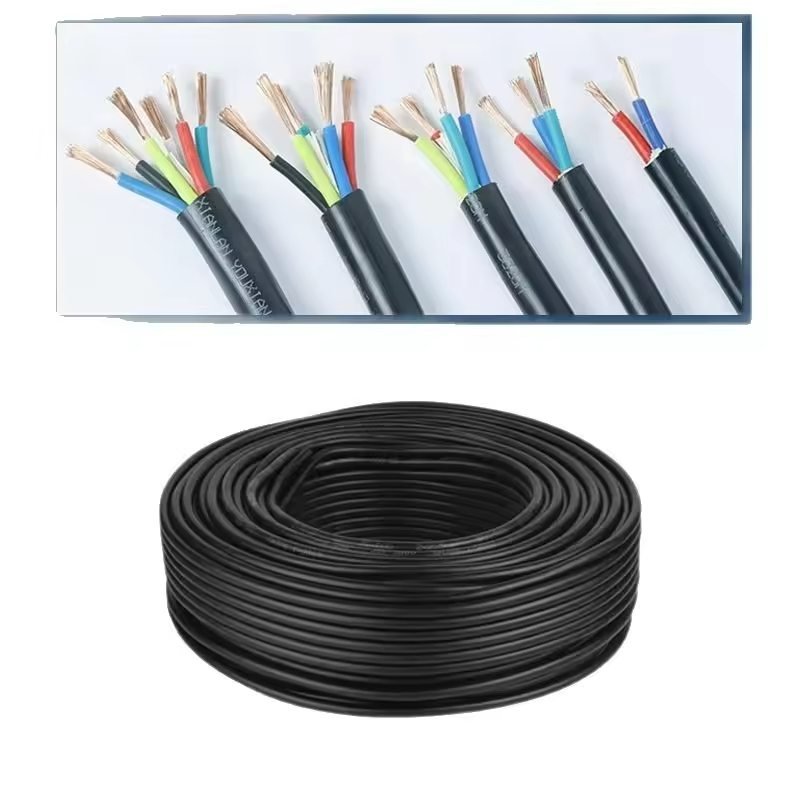
PVC insulated wire uses polyvinyl chloride as its protective coating, combining low cost, flame resistance, and good flexibility for everyday electrical and electronic applications. It’s the world’s most widely used insulation type, performing reliably from –20°C to +105°C. Though limited by moderate temperature and chemical tolerance, PVC offers excellent balance between performance and price — making it ideal for consumer, commercial, and light-industrial wiring.
The Chemical and Physical Composition of PVC Insulation
PVC is a thermoplastic polymer derived from the polymerization of vinyl chloride monomers (CH₂=CHCl). In its pure form, it’s rigid and brittle, but manufacturers introduce plasticizers (commonly phthalate-free or bio-based types today) to make it flexible and durable for wire coating. Additional ingredients include:
- Thermal stabilizers (e.g., calcium-zinc or tin compounds) to prevent degradation during extrusion.
- Flame retardants to enhance safety and meet UL or IEC flammability ratings.
- Pigments and UV stabilizers for color identification and outdoor durability.
This formulation flexibility allows Sino-Conn and similar manufacturers to tailor PVC jackets to meet specific dielectric strengths, tensile performance, and environmental compliance standards.
Electrical and Mechanical Performance Characteristics
| Property | Typical PVC Wire Value | Engineering Significance |
|---|---|---|
| Operating Temperature | –20°C to +105°C | Suitable for most indoor electrical systems |
| Dielectric Strength | 35–45 kV/mm | High insulation efficiency for low/medium voltage |
| Volume Resistivity | 10¹³–10¹⁵ Ω·cm | Excellent electrical resistance |
| Tensile Strength | 12–25 MPa | Withstands bending and pulling forces |
| Flame Resistance | Self-extinguishing | Meets UL VW-1, IEC 60332-1 |
| UV Resistance | Moderate | Enhanced with additives for outdoor use |
PVC’s dielectric and mechanical balance makes it a safe and durable choice for building wiring, lighting systems, and internal device connections. Its moderate hardness ensures easy stripping and termination while protecting conductors from abrasion.
Heat, Voltage, and Aging Behavior
PVC performs best in moderate heat and voltage conditions, typically rated up to 600 V. When exposed to sustained heat above 100–110 °C, the plasticizers begin to evaporate, causing hardening and surface cracking over time. This is why PVC is not recommended for continuous high-temperature or outdoor applications unless enhanced with heat-stabilized additives or dual-layer jacketing.
Thermal aging tests show that standard PVC insulation retains more than 70 % of its tensile strength after 168 hours at 100 °C, making it reliable for appliances and electrical panels. However, compared to high-performance polymers like Teflon (PTFE/FEP) or silicone rubber, PVC’s thermal window is narrower, which defines its application boundaries.
What Is a Disadvantage of Using PVC as a Cable Insulation Material?
Despite its wide use, PVC has limitations:
- Thermal constraints: It softens or degrades above 100–110 °C.
- Chemical reactivity: Poor resistance to solvents, oils, and certain acids.
- Environmental impact: Contains halogens; when burned, releases hydrogen chloride (HCl) and smoke.
- Aging in sunlight: Without UV stabilizers, PVC can become brittle in outdoor conditions.
Because of these factors, industries requiring high heat resistance, halogen-free compliance, or chemical inertness (such as aerospace or semiconductor sectors) tend to replace PVC with fluoropolymers, XLPE, or silicone.
Variants and Grades of PVC for Wire Insulation
PVC formulations can be tuned to achieve different balances of hardness, flexibility, and flame performance. The most common include:
| PVC Type | Characteristics | Typical Application |
|---|---|---|
| General-Purpose PVC | Soft, economical, moderate heat rating | Building wires, cords, control cables |
| Heat-Resistant PVC (HR-PVC) | Improved stabilizers for 90–105 °C operation | Industrial panels, appliances |
| Cold-Resistant PVC (CR-PVC) | Plasticizers for low-temp flexibility (–40 °C) | Refrigeration, automotive |
| UV-Resistant PVC | Enhanced outdoor durability | Solar and outdoor lighting systems |
| Halogen-Free PVC Alternatives | Reduced smoke and toxicity | Public buildings, tunnels |

Sino-Conn engineers often select or blend these grades to match each customer’s design environment — balancing cost, flexibility, and certification requirements.
Practical Advantages in Manufacturing and Installation
PVC’s processability is one of its strongest advantages. It can be extruded at relatively low temperatures (160–200 °C) using standard equipment, allowing high-speed production with tight dimensional control. This results in consistent insulation thickness and reliable concentricity — essential for quality assurance in mass production.
During installation, PVC’s smooth surface reduces friction, making cable pulling and routing easier in conduits. Its inherent self-extinguishing nature provides an extra safety margin for indoor wiring, especially where flame propagation must be controlled.
PVC insulation is also compatible with color coding, embossing, and surface printing — critical for complex wiring systems where traceability and phase identification are mandatory.
Common Applications Across Industries

Because of its balance of properties, PVC insulated wire is widely used in:
- Building and Residential Wiring: Power distribution, lighting circuits, and electrical outlets.
- Consumer Electronics: Internal harnesses in TVs, computers, and home appliances.
- Automotive Wiring: Secondary harnesses and dashboard connections (in non-engine compartments).
- Industrial Equipment: Control panels, conveyors, and low-voltage signal lines.
- Communication Systems: LAN cables and low-frequency signal cables.
PVC’s adaptability and cost efficiency make it the go-to material for applications where temperature and chemical exposure are moderate but consistency and affordability are crucial.
Environmental Compliance and Alternatives
To meet modern sustainability standards, many cable producers — including Sino-Conn — offer ROHS, REACH, and PFAS-free PVC formulations. These are free from lead stabilizers and phthalates, ensuring compliance with global regulations. For environmentally sensitive projects, LSZH (Low Smoke Zero Halogen) alternatives are available, providing PVC-like handling with safer fire behavior.
As industries move toward greener solutions, PVC remains relevant thanks to continuous material innovation, enabling halogen-free blends and recyclable compounds that minimize environmental footprint while retaining mechanical reliability.
What Is Teflon (PTFE/FEP) Insulated Wire?
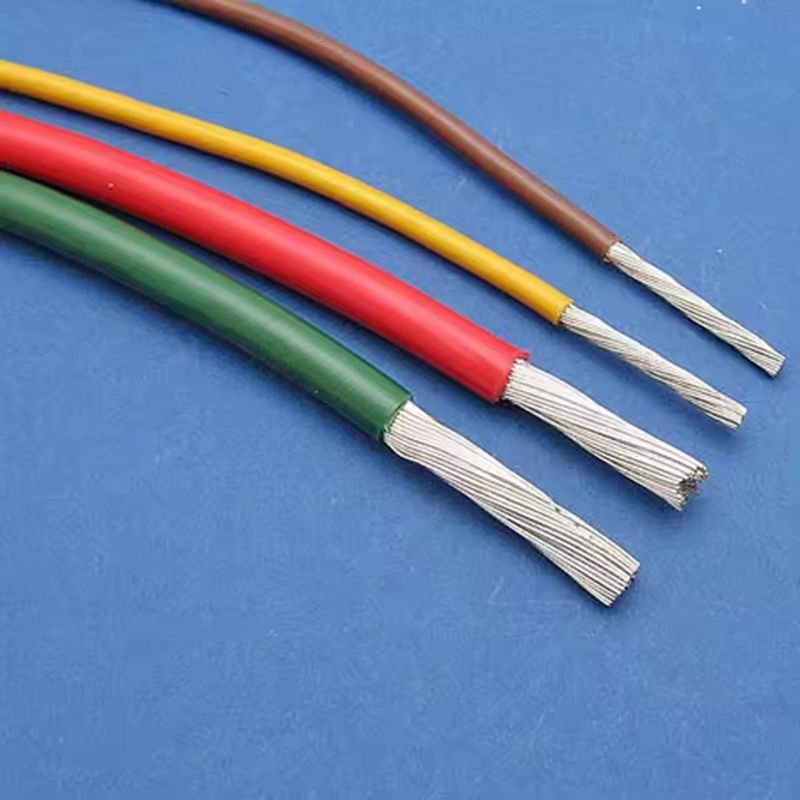
Teflon-insulated wire uses fluoropolymer materials such as PTFE (polytetrafluoroethylene) or FEP (fluorinated ethylene propylene) to achieve superior thermal, chemical, and electrical performance. It withstands temperatures from –70 °C to +250 °C, resists oils, solvents, and radiation, and maintains excellent dielectric properties even in extreme environments. Teflon wires are used where precision, reliability, and longevity matter most—such as aerospace, defense, medical, and high-frequency electronics.
Understanding Teflon and Its Variants
“Teflon” is a brand name originally trademarked by DuPont (now Chemours) and refers to a family of fluoropolymer resins. In electrical applications, two main variants dominate:
| Material | Full Name | Typical Temp Range | Key Traits |
|---|---|---|---|
| PTFE | Polytetrafluoroethylene | –70 °C to +250 °C | Highest temperature resistance; exceptional chemical inertness; low friction surface |
| FEP | Fluorinated Ethylene Propylene | –70 °C to +200 °C | Easier to process; transparent; smoother extrusion surface |
| PFA (optional variant) | Perfluoroalkoxy | –70 °C to +260 °C | Combines PTFE durability with FEP processability |
All fluoropolymers share carbon-fluorine bonds, among the strongest in chemistry, granting non-stick properties, hydrophobicity, and high chemical resistance. The result: insulation that lasts decades even under the most aggressive conditions.
How Teflon Wire Is Manufactured
The manufacturing process for Teflon insulation is more complex than for thermoplastics such as PVC.
- PTFE cannot be melted and extruded like conventional polymers; it is paste-extruded as a powder, sintered at ~370 °C, then cooled under precise conditions.
- FEP and PFA, however, can be melt-extruded, enabling smooth, consistent coatings ideal for fine-gauge conductors or coaxial cables.
Each conductor—often silver-plated copper, tinned copper, or nickel-plated wire—is coated with micron-level precision. The resulting insulation layer is uniform, pinhole-free, and extremely thin, ensuring high voltage endurance and minimal weight—critical in aerospace and instrumentation applications.
Electrical and Thermal Performance Characteristics
| Property | PTFE | FEP | Engineering Relevance |
|---|---|---|---|
| Dielectric Constant | 2.1 | 2.1 – 2.3 | Ensures minimal signal loss; excellent for RF and data transmission |
| Dielectric Strength | 60 – 70 kV/mm | 55 – 65 kV/mm | High insulation integrity under voltage stress |
| Temperature Range | –70 °C to +250 °C | –70 °C to +200 °C | Operates in harsh thermal conditions |
| Volume Resistivity | 10¹⁸ Ω·cm | 10¹⁷ Ω·cm | Extremely low electrical leakage |
| Friction Coefficient | 0.05 – 0.10 | 0.05 – 0.10 | Non-stick surface for easy routing |
| Chemical Resistance | Excellent | Excellent | Stable in acids, bases, and solvents |
PTFE’s outstanding dielectric stability makes it ideal for high-frequency coaxial and twisted-pair cables, while its heat endurance enables use near engines or heating elements.
In contrast, FEP’s optical clarity and smoother extrusion make it better for miniature data cables or medical sensor leads where visibility and tight tolerances matter.
Advantages of Teflon Insulated Wire

Teflon’s technical superiority comes from a combination of electrical, mechanical, and chemical properties rarely found in a single material:
- High Temperature Stability: Continuous operation up to 250 °C, far exceeding most plastics.
- Chemical Resistance: Impervious to oil, fuel, acids, and solvents—ideal for industrial plants and aerospace.
- Low Dielectric Loss: Maintains signal integrity in RF, microwave, and high-speed digital applications.
- Flame and Smoke Resistance: Self-extinguishing and non-combustible; produces minimal smoke.
- Non-Stick Surface: Resists dust and moisture buildup, preventing short circuits and arc tracking.
- Long Service Life: Exceptional aging resistance; does not brittle or crack over time.
These advantages explain why PTFE and FEP wires are standard in aerospace MIL-spec assemblies, semiconductor equipment, and mission-critical instrumentation.
What Are the Disadvantages of Teflon?
While Teflon offers unmatched performance, it isn’t perfect.
- High Cost: Raw material and processing expenses are significantly higher than for PVC or XLPE.
- Complex Manufacturing: PTFE’s non-melt nature requires special extrusion and sintering equipment, raising production time and cost.
- Rigidity and Cold Flow: Though chemically stable, PTFE can deform slowly under pressure (“creep”) and is less flexible than PVC at low temperatures.
- Environmental Considerations: Fluoropolymers require strict disposal and processing control to avoid fluoride emissions.
For this reason, designers must evaluate whether the added performance is necessary. In many cases, a hybrid approach—such as using FEP for signal pairs and PVC for power lines—can balance cost and performance.
Typical Applications of Teflon Insulated Wire
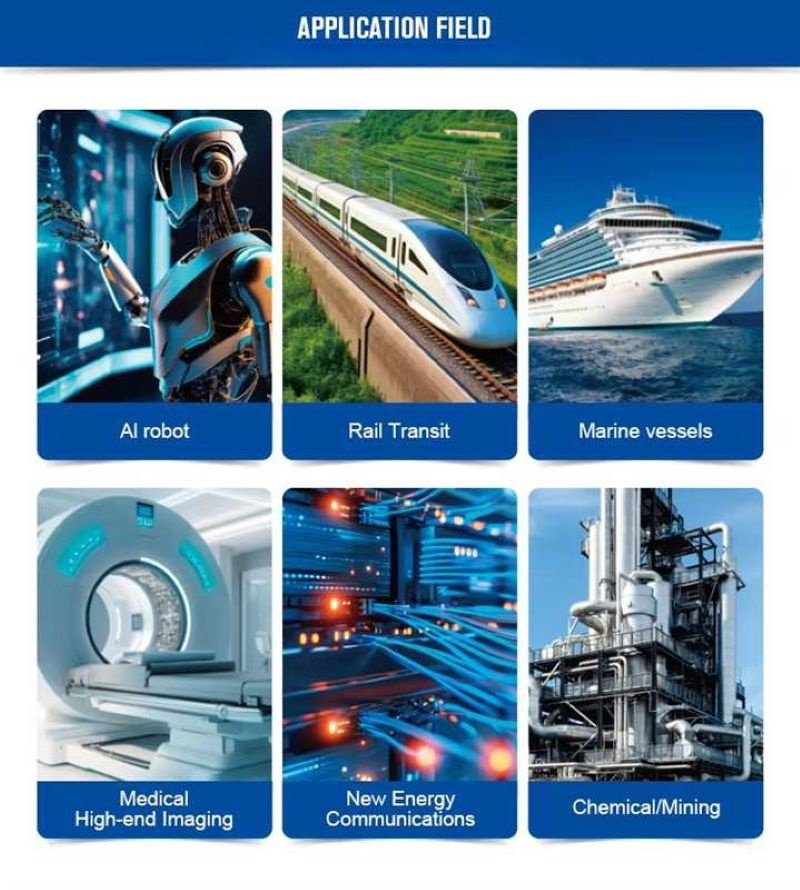
Because of its extreme resilience, Teflon wire is a preferred choice in applications where failure is not acceptable:
- Aerospace and Aviation: Harnesses for cockpit electronics, engine systems, and satellite payloads (MIL-W-22759 standards).
- Medical Equipment: Catheters, imaging devices, and surgical tools requiring sterilization and biocompatibility.
- Semiconductor and Cleanroom Systems: Chemical-resistant signal cables for etching and deposition equipment.
- Industrial Automation: High-temperature sensor leads and robotic cables subject to abrasion and chemical splash.
- Telecommunication and RF Systems: Coaxial and twisted-pair wires where low loss and impedance stability are critical.
Comparative Analysis: Teflon vs PVC
| Property | PVC Insulation | Teflon (PTFE/FEP) |
|---|---|---|
| Temp Range | –20 °C to +105 °C | –70 °C to +250 °C |
| Dielectric Constant | 3.5 – 5.0 | 2.1 – 2.3 |
| Chemical Resistance | Moderate | Excellent |
| Flame Resistance | Self-extinguishing | Superior (non-combustible) |
| Flexibility | High | Moderate (Rigid at low temp) |
| Cost | Low | High |
| Environmental Compliance | Halogenated (PVC) | Halogen-free |
Environmental and Safety Considerations
Modern PTFE and FEP formulations from reputable manufacturers like Chemours and Daikin meet strict environmental standards.
Sino-Conn sources only ROHS, REACH, and PFAS-compliant fluoropolymers, ensuring safe handling and traceability. Teflon’s inherent low smoke and toxicity make it especially valuable in confined spaces such as aircraft cabins, data centers, and submarines.
Additionally, Teflon insulation resists radiation and ozone, making it a suitable choice for nuclear and space applications where longevity and safety are critical.
Which Is Better: PVC or Teflon Wire?
PVC and Teflon wires serve different purposes. PVC is flexible, affordable, and ideal for general power or control wiring up to 105 °C. Teflon (PTFE/FEP) offers superior chemical resistance, temperature endurance up to 250 °C, and excellent dielectric stability for high-frequency or mission-critical systems. Choosing between them depends on the environment, temperature, voltage, and longevity required — not just price.
Let’s examine their differences in detail to understand where each material excels.
1. Comparative Guide: PVC vs Teflon
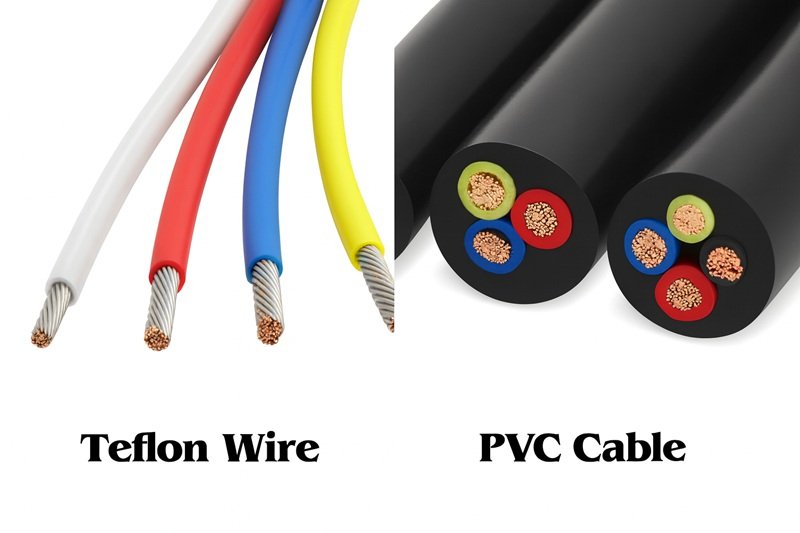
| Property | PVC Insulated Wire | Teflon (PTFE/FEP) Wire |
|---|---|---|
| Operating Temperature | –20 °C ~ +105 °C | –70 °C ~ +250 °C |
| Voltage Rating | Up to 600 V | Up to 1000 V |
| Dielectric Constant (εr) | 3.5 – 5.0 | 2.1 – 2.3 |
| Flame Resistance | Self-extinguishing | Non-combustible |
| Chemical Resistance | Moderate | Excellent |
| Flexibility | High | Moderate (rigid at low temp) |
| Density | 1.3–1.5 g/cm³ | 2.1–2.2 g/cm³ |
| Cost | Low | High |
| Environmental Impact | Contains halogen (chlorine) | Halogen-free |
| Common Standards | UL 1007, 1015 | MIL-W-22759, UL 1213 |
From this comparison, PVC leads in cost and processability, while Teflon dominates performance and endurance. Engineers should focus on application context — what temperature, voltage, and chemical exposure the cable will face over its service life.
2. Thermal and Electrical Performance
PVC begins to soften around 80–100 °C and may lose flexibility when cooled below –20 °C. For most consumer and commercial systems, that range is more than adequate.
Teflon, by contrast, remains stable from –70 °C up to +250 °C, with a dielectric constant of ~2.1 — meaning minimal energy loss during signal transmission. This makes it ideal for RF, data, and high-frequency power systems where every decibel of loss matters.
A study conducted by cable manufacturers shows that PTFE retains over 95 % of its dielectric strength after 10,000 hours at 200 °C, while PVC loses more than 30 % after only 1,000 hours at 100 °C. This longevity is why Teflon is used in aerospace harnesses, radar systems, and cleanroom sensors.
3. Flexibility and Mechanical Durability
PVC’s plasticizers make it soft and easy to handle — an advantage during installation, especially in tight conduit runs or dynamic robotic wiring. It can endure thousands of flex cycles before fatigue when formulated as soft or semi-rigid PVC.
Teflon, while naturally more rigid, compensates with mechanical strength and abrasion resistance. In industrial robotics or aerospace systems, where wires are subject to continuous vibration, Teflon insulation maintains integrity even after long-term stress. However, at sub-zero temperatures, it can stiffen, requiring specialized cable design (for example, FEP + silicone jacket composites).
4. Flame, Chemical, and Environmental Resistance
PVC is self-extinguishing but not non-combustible. When burned, it releases hydrogen chloride gas and dense smoke — a concern in confined environments such as aircraft cabins or tunnels.
Teflon, on the other hand, is naturally non-flammable and emits minimal smoke and toxicity, meeting stringent low-smoke standards (UL 910, ASTM E662). This makes it a preferred choice in aerospace, marine, and data-center wiring, where safety and air quality are critical.
Chemically, PVC is vulnerable to oils, fuels, and solvents, while Teflon remains inert in almost every chemical environment. In laboratories, fuel lines, or semiconductor fabs, only Teflon-insulated wires survive prolonged exposure to corrosive agents without degradation.
5. Longevity, Reliability, and Aging
Longevity is where Teflon truly stands out.
- PVC: Expected lifespan 10–20 years under normal service, depending on heat exposure.
- Teflon: Can last 40 + years with negligible mechanical or electrical decay.
Aging tests reveal that PTFE wires, after 20 years in service, still maintain dielectric breakdown voltages close to factory levels. In contrast, PVC’s mechanical softness and color stability often deteriorate after extended heat exposure.
This endurance explains why high-reliability industries (defense, aerospace, nuclear) specify fluoropolymer insulation exclusively, even for small signal circuits.
6. Standards and Certification Differences
PVC wires commonly follow UL 1007, UL 1015, or IEC 60227 standards — focused on low-voltage power and control circuits. They meet flammability test VW-1, sufficient for most commercial uses.
Teflon wires comply with MIL-W-22759, UL 1213, or SAE AS22759, addressing extreme-temperature and environmental conditions. They undergo voltage withstand, thermal shock, and chemical immersion tests under aviation and military standards.
| Industry | Preferred Type | Key Reason |
|---|---|---|
| Home / Building | PVC | Cost efficiency, easy installation |
| Automotive (interior) | PVC | Good flexibility |
| Aerospace / Defense | Teflon | Heat + chemical endurance |
| Medical / Laboratory | Teflon | Sterilization resistance |
| Industrial Control | PVC / Hybrid | Flexibility with moderate heat |
| Data & RF Transmission | Teflon | Low dielectric loss |
7. Cost, Availability, and Procurement Factors
Cost remains one of the strongest deciding factors.
- PVC wire can cost 60 – 80 % less than an equivalent Teflon wire.
- Teflon wire production requires specialized extrusion, testing, and sintering, which limits availability and increases lead time.
For OEM factories or distributors balancing budget and performance, a hybrid approach is often ideal — using PVC for low-temperature power lines and Teflon for high-precision signal paths.
Sino-Conn supports this by offering dual-insulated assemblies, combining PVC inner conductors with Teflon jackets or shielding, optimizing both cost and reliability.
8. Practical Selection Guide
To simplify decision-making, engineers can use the following guidelines:
| Condition / Requirement | Recommended Insulation | Reason |
|---|---|---|
| Temperature ≤ 105 °C | PVC | Adequate for power/control use |
| Temperature ≥ 150 °C | Teflon (PTFE/FEP) | Maintains integrity under heat |
| Chemical Exposure (oils/solvents) | Teflon | Resistant to corrosion |
| Tight Bend or Frequent Flexing | PVC / Silicone | High flexibility |
| High-Frequency or RF Signals | Teflon | Low dielectric loss |
| Indoor / Consumer Products | PVC | Cost-effective and safe |
| Aerospace / Defense Systems | Teflon | Meets MIL-spec standards |
9. Environmental and Regulatory Considerations
The global trend toward sustainability has also influenced insulation choice.
PVC formulations now include lead-free stabilizers and phthalate-free plasticizers, meeting ROHS and REACH directives. However, because PVC is halogenated, it can still release harmful gases when burned.
Teflon, being halogen-free and chemically inert, is safer in low-smoke applications but has its own PFAS-related regulatory scrutiny. Sino-Conn sources only PFAS-compliant fluoropolymers, ensuring that both environmental and performance requirements are met for international clients.
10. When Should You Choose PVC vs. Teflon?
In practice, choosing between PVC and Teflon depends on balancing environmental stress, cost, and lifetime requirements.
Choose PVC when:
- You need flexible, low-voltage, or indoor cabling.
- Cost and easy installation are top priorities.
- The environment is clean, dry, and temperature-controlled.
Choose Teflon when:
- The system operates at temperatures above 150 °C.
- Cables face chemical exposure, sterilization, or outdoor extremes.
- Signal precision or EMI control is critical (e.g., aerospace, RF).
For many customers, Sino-Conn provides custom hybrid designs that use PVC for primary conductors and Teflon for signal or high-temperature lines — combining affordability with technical robustness.

Conclusion
In the world of electrical engineering, insulation isn’t just a coating — it’s the defining factor between short-term performance and long-term reliability. Both PVC and Teflon insulated wires serve vital roles in modern systems, yet their strengths lie in entirely different domains.
PVC remains the global standard for everyday wiring: affordable, flexible, flame-retardant, and easy to process. It powers homes, appliances, and control systems across industries. Its balance of mechanical strength and cost efficiency makes it indispensable for high-volume applications.
Teflon (PTFE/FEP), on the other hand, stands as the benchmark for extreme performance — unmatched in chemical resistance, dielectric stability, and temperature endurance. It’s the go-to choice in aerospace, defense, medical, and industrial automation where every component must endure heat, vibration, and corrosive conditions without failure.
But deciding between the two isn’t about which is universally “better.” It’s about engineering optimization — finding the material that aligns with your project’s thermal, electrical, and environmental requirements. A cost-effective PVC solution may outperform an over-engineered Teflon cable when used in the right context. Likewise, in a mission-critical system, the durability and reliability of Teflon easily justify the higher investment.
Whether you need PVC control cables for commercial equipment or Teflon-insulated harnesses for aerospace-grade performance, Sino-Conn provides one-stop manufacturing and material engineering solutions that combine precision, speed, and flexibility.
Ready to discuss your requirements?
Contact Sino-Conn today to request a technical consultation, custom drawing, or quotation for PVC, Teflon, or hybrid wire assemblies.