Skip to content

When you’re sourcing electrical wiring for a project—whether it’s automotive, industrial, or consumer electronics—one of the first questions that comes up is whether to use stranded wire or solid wire. This choice matters because it affects performance, durability, installation ease, and even long-term safety. The debate isn’t just technical; it directly influences cost-efficiency, compliance with standards, and reliability in critical environments.

Stranded wire is made of multiple thin strands twisted together, making it more flexible and resistant to bending fatigue, while solid wire consists of a single solid conductor that offers better conductivity and lower cost. Stranded wire is preferred in environments requiring flexibility, while solid wire is ideal for fixed installations. Choosing the right type depends on factors like application, environment, and budget.
To illustrate, imagine wiring a robotic arm in a factory. Solid wire would snap after repeated bending, but stranded wire bends thousands of times without breaking. Conversely, in a household wall outlet, solid wire delivers reliable conductivity with less material cost. The real challenge is knowing which trade-offs apply to your project. Let’s break it down in detail.
What Is Solid Wire and How Does It Work?
Solid wire is a single, continuous metal conductor—usually copper or aluminum—that provides stable, low-resistance electrical pathways. Because it has no gaps between strands, it offers better conductivity and durability in fixed positions. Solid wire is best for permanent installations such as building wiring, underground systems, and power distribution, where wires remain static and long-term stability is more important than flexibility.
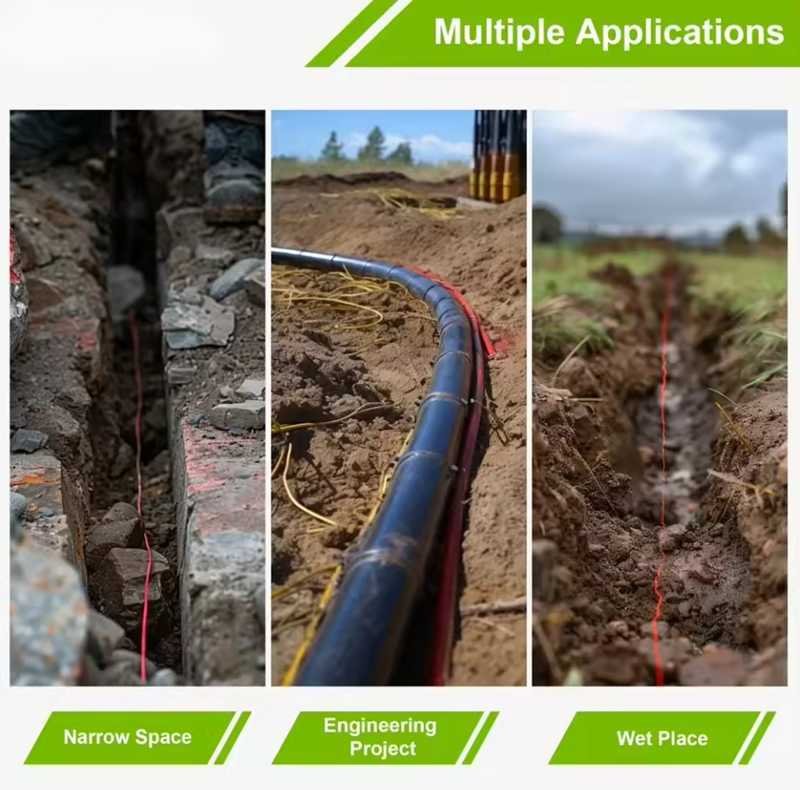
Solid wire is the oldest and simplest form of electrical conductor, designed around a straightforward principle: electricity flows more efficiently through a solid, uninterrupted piece of conductive metal. This simplicity brings advantages in performance, cost, and ease of installation in certain applications, but also introduces limits when flexibility is required.
Construction and Materials
Solid wires are typically made from copper or aluminum due to their high conductivity. A protective insulation layer (PVC, Teflon, XLPE, etc.) surrounds the conductor, offering electrical isolation and mechanical protection. Because the wire is a single piece of metal, it maintains its shape and rigidity, which makes it easier to route in straight paths and secure within terminals.

- Copper Solid Wire: High conductivity, corrosion resistance, and durability.
- Aluminum Solid Wire: Lighter and cheaper, but less conductive than copper.
Electrical Performance
One of the strongest attributes of solid wire is its low electrical resistance compared to stranded wire of the same gauge. Since there are no air gaps or multiple contacts between strands, current flows with minimal resistance. This means solid wire is more energy-efficient in terms of conduction and generates less heat.
For instance, in long-distance runs within buildings, solid wire ensures consistent current delivery without signal loss, making it the preferred choice for residential electrical circuits.
Mechanical Behavior
Solid wire is stiff, which is a benefit when pulling wire through conduits or when installing in places where it should hold shape. It can be bent once or twice during installation, but repeated bending leads to metal fatigue and eventual breakage. That’s why it’s not suitable for applications with vibration or frequent motion.
A practical example: solid wire works well inside wall sockets or electrical panels, but would fail in the engine bay of a car, where constant vibration would cause it to crack.
Advantages of Solid Wire
- Superior Conductivity – Fewer losses, stable electrical performance.
- Cost-Effective – Uses less complex manufacturing, making it cheaper.
- Simplicity in Terminations – Easier to secure under screw terminals.
- Long-Term Stability – Maintains shape and position in fixed wiring.
Limitations of Solid Wire
- Poor Flexibility – Not suitable for moving parts or bending environments.
- Prone to Fatigue – Cracks under repeated stress or vibration.
- Corrosion Risk – Any surface oxidation affects the entire conductor.
- Installation Challenges – Difficult to route in tight spaces due to stiffness.
Typical Applications
- Residential and Commercial Wiring – Power outlets, lighting circuits.
- Underground Systems – Buried cables that remain untouched for decades.
- Power Distribution – Panels and fixed conduits where current stability matters.
- Infrastructure Projects – Utility grids and long-distance low-frequency power transmission.
What Is Stranded Wire and Why Is It Different?
Stranded wire is composed of multiple thin metal strands twisted together to form a single conductor. Unlike solid wire, it is highly flexible, durable under bending, and ideal for environments with vibration or frequent movement. Its structure makes it slightly less conductive than solid wire of the same gauge, but its flexibility and resilience outweigh this limitation in applications such as automotive wiring, robotics, and portable devices.
Stranded wire was developed to solve one of the main drawbacks of solid wire—rigidity. By twisting together many thin strands of copper or aluminum, manufacturers created a conductor that could flex, bend, and withstand vibrations without breaking. This property has made stranded wire the go-to choice in industries where mobility, durability, and repeated handling are required.
Construction and Materials
Stranded wire consists of bundles of small-gauge wires helically twisted into a cohesive conductor. The number of strands and strand diameter varies depending on the wire’s intended application.
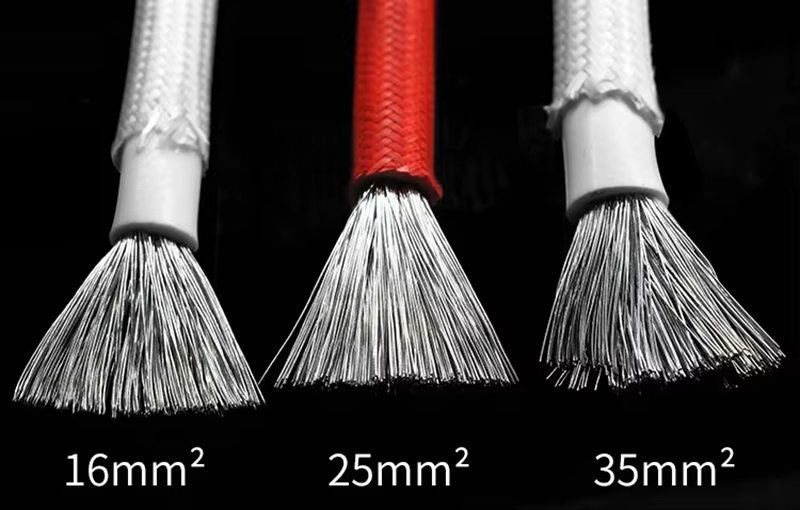
- Fewer, thicker strands: Offer moderate flexibility, common in household appliances.
- More, finer strands: Deliver extreme flexibility, used in robotics or high-end audio cables.
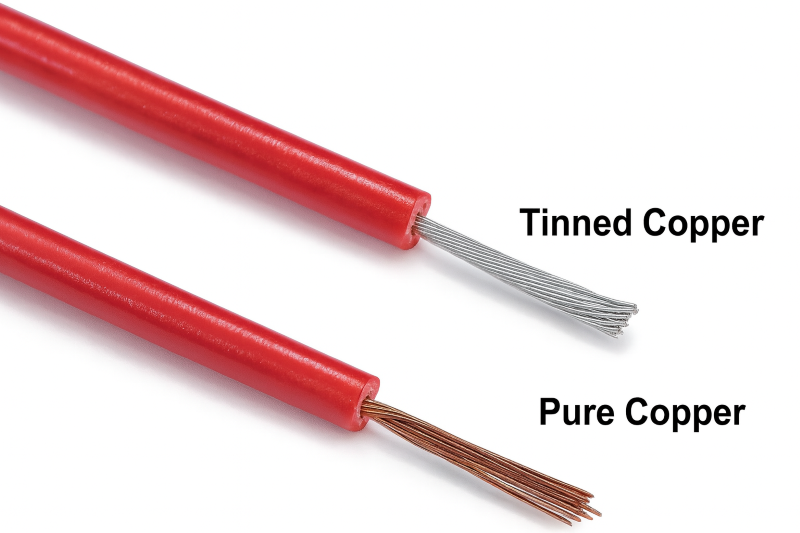
The conductor is usually copper, sometimes tinned copper for corrosion resistance, and insulated with materials like PVC, silicone, PTFE, or cross-linked polyethylene for thermal and chemical protection.
Electrical Performance
Compared to solid wire, stranded wire has slightly higher resistance because of tiny air gaps between strands and larger overall surface area. For the same gauge, current capacity is nearly identical, but stranded wire may generate marginally more heat.
In high-frequency applications, however, stranded wire can reduce skin effect losses, especially when designed as litz wire—a special type where individually insulated strands carry current more efficiently.
Flexibility and Durability
The standout feature of stranded wire is its ability to bend repeatedly without damage. Each thin strand shares mechanical stress, preventing cracks that would easily form in solid wire. This makes stranded wire essential in:
- Automotive Wiring Harnesses – Withstands engine vibrations.
- Portable Electronics – Survives constant handling and bending.
- Industrial Robots – Maintains performance under thousands of repetitive flexing cycles.
Advantages of Stranded Wire
- Superior Flexibility – Easily bends, routes, and coils.
- Resistance to Fatigue – Handles vibration and motion without cracking.
- Versatile Applications – Works in dynamic and portable environments.
- Improved Performance in Certain AC Uses – Especially when using fine, insulated strands.
Limitations of Stranded Wire
- Higher Cost – More complex manufacturing than solid wire.
- Slightly Higher Resistance – Less efficient conduction compared to solid wire.
- Less Compact in Terminals – Individual strands may spread unless crimped or soldered.
- Corrosion Risk – More surface area means faster oxidation if not properly coated.
Typical Applications
Stranded wire’s flexibility makes it a staple in industries where reliability under movement is critical:
- Automotive and Aerospace – Wire looms in vehicles and aircraft.
- Consumer Electronics – USB charging cables, headphone cords.
- Renewable Energy – Solar panel connections that must withstand outdoor flexing.
- Medical Equipment – Cables for handheld or mobile devices.
- Industrial Robotics – Power and control lines that flex thousands of times daily.
Which Key Differences Matter Between Stranded and Solid Wire?
The main differences between stranded and solid wire are flexibility, durability, conductivity, cost, and application suitability. Stranded wire is flexible and resists fatigue, making it ideal for moving parts and vibration-prone environments. Solid wire offers lower resistance, better long-distance stability, and lower cost, making it best for fixed installations. The choice depends on whether your project prioritizes mobility and flexibility or efficiency and long-term stability.
Comparing Stranded vs Solid Wire
Choosing between stranded and solid wire is not simply about cost or convenience—it directly impacts performance, safety, and longevity. Each type has unique properties that make it better suited for specific scenarios.
1. Conductivity and Electrical Resistance
- Solid Wire: Because it’s a single continuous conductor, solid wire provides slightly lower electrical resistance. This ensures minimal power loss, making it suitable for long-distance or high-current applications.
- Stranded Wire: Stranded wire has tiny air gaps between strands, creating slightly higher resistance. While negligible in short runs, this may matter in high-power transmission or ultra-precise circuits.
2. Flexibility and Mechanical Performance
- Stranded Wire: Known for its high flexibility, stranded wire withstands constant bending and movement. It distributes stress across multiple strands, reducing the risk of breakage. This makes it ideal for automotive wiring, robotics, or portable electronics.
- Solid Wire: Stiffer and more rigid, solid wire holds its shape, which helps in structured installations like inside walls or panels. However, it is prone to cracking under repeated bending.
3. Durability in Harsh Environments
- Solid Wire: Less exposed surface area means slower corrosion compared to stranded wire. This makes it more durable underground or in permanent, sealed systems.
- Stranded Wire: More exposed surface area increases susceptibility to corrosion, but coatings like tinned copper or insulation can offset this.
4. Installation and Handling
- Solid Wire: Easier to insert into screw terminals or connectors because it’s a single conductor. However, its stiffness makes routing in tight spaces harder.
- Stranded Wire: Easier to pull through complex paths and bends, but strands may fray unless crimped or soldered. Professional installers often use ferrules to avoid loose strands.

5. Cost and Manufacturing Considerations
- Solid Wire: Simpler to manufacture and cheaper per foot. Its cost-effectiveness makes it popular in large-scale projects like building wiring.
- Stranded Wire: More complex to produce, requiring additional processing. It tends to be slightly more expensive, especially in fine-strand configurations used in robotics or medical applications.
6. Applications That Define the Choice
- Use Solid Wire For: Permanent installations, power distribution, long-distance underground wiring.
- Use Stranded Wire For: Vibration-prone environments, flexible cables, robotics, automotive, aerospace, and consumer electronics.
Comparison Table: Stranded vs. Solid Wire
| Parameter | Solid Wire | Stranded Wire |
|---|---|---|
| Construction | Single continuous conductor | Multiple thin strands twisted together |
| Flexibility | Low – rigid, prone to fatigue | High – bends easily, resists vibration |
| Conductivity | Slightly higher (lower resistance) | Slightly lower (more resistance) |
| Durability | Less prone to corrosion, longer lifespan in static systems | Better in motion-heavy environments |
| Installation | Stable, holds shape, easy terminal connections | More difficult without crimping/soldering |
| Cost | Cheaper, simple to manufacture | More expensive, complex to produce |
| Best Applications | Residential wiring, power panels, underground | Automotive, robotics, portable electronics |
How Do You Decide Between Stranded and Solid Wire?
Deciding between stranded and solid wire depends on flexibility, environment, installation type, and budget. Stranded wire is best for dynamic, vibration-prone, or flexible applications, while solid wire suits long-distance, static, and cost-sensitive projects. Always match wire type to the operating conditions, connectors, and performance needs of your system.
Flexibility vs Rigidity
If your project involves frequent bending, vibration, or movement—such as in cars, robotics, or portable electronics—stranded wire is the safer choice. Its multiple thin conductors allow it to flex repeatedly without breaking. In contrast, solid wire is rigid and more likely to snap under stress, but its stiffness makes it ideal for structured, immobile installations like wall wiring.
Electrical Performance
For applications demanding low resistance and consistent conductivity, solid wire has the edge. Its single conductor minimizes signal loss, making it reliable for power distribution or long cable runs. Stranded wire has slightly higher resistance, but the difference is negligible in short runs or low-power circuits where flexibility is more important than efficiency.
Durability in Environment
If your wiring will be buried underground, sealed in walls, or exposed to corrosive conditions, solid wire tends to last longer. Its smaller surface area slows oxidation and moisture damage. On the other hand, stranded wire’s increased surface area makes it more prone to corrosion—unless it’s tinned or specially insulated.
Ease of Installation
For simple, permanent wiring, solid wire is easier to terminate in screw-type connectors because it doesn’t fray. However, its stiffness can make routing difficult in tight bends. Stranded wire excels in complex pathways where cables need to snake around corners or equipment, but its frayed ends often require crimping or soldering for reliable connections.
Cost and Project Scale
Solid wire is typically cheaper and easier to produce, making it the go-to for large projects like residential or commercial building wiring. Stranded wire is slightly more expensive, especially when using fine-strand configurations. That said, in high-value projects where failure could cause downtime, the extra cost of stranded wire may be justified.
Frequently Asked Questions
Q1: Is stranded or solid wire better for home wiring?
Solid wire is typically preferred for home wiring because it is cheaper, easier to terminate, and more durable in fixed installations like walls and ceilings. Stranded wire is rarely used in residential wiring, except for flexible appliance cords or areas requiring frequent movement.
Q2: Can stranded and solid wire be mixed in the same circuit?
Yes, but it’s not always recommended. While stranded and solid wires can carry the same voltage, mixing them in one circuit may complicate terminations and reduce reliability. If both must be used, proper connectors, ferrules, or soldering techniques should ensure safe and stable connections.
Q3: Which wire type is better for long-distance power transmission?
Solid wire is better for long-distance power runs because it has lower resistance and less voltage drop compared to stranded wire. It provides stable conductivity and is easier to install in structured, permanent layouts like underground or in-building wiring.
Q4: Does stranded wire carry current better than solid wire?
Both stranded and solid wire carry the same current capacity for the same gauge size. However, solid wire performs better in minimizing resistance over long runs, while stranded wire performs better mechanically in environments where cables bend or vibrate frequently.
Q5: Is stranded or solid wire easier to pull through conduit?
Stranded wire is generally easier to pull through conduit because it is more flexible and bends around corners more easily. Solid wire can be harder to route in tight spaces due to its rigidity, but once installed, it holds its shape better.
Conclusion
Choosing between stranded and solid wire is not a one-size-fits-all decision—it’s about balancing performance, environment, durability, and budget. Solid wire remains the reliable choice for fixed installations, long-distance power transmission, and cost-sensitive projects where rigidity and stability are valued. Stranded wire, on the other hand, shines in dynamic environments where flexibility, vibration resistance, and ease of handling are critical.
Ready to find the best wire for your project?
Contact Sino-conn today for a free consultation, fast prototyping, and fully customized wire assemblies—from low-MOQ samples to large OEM orders. Let us help you choose the perfect balance between stranded and solid wire, designed to meet your exact specifications.