Skip to content
Industrial Power Cable Types Explained: What They Are and How to Choose
- andy
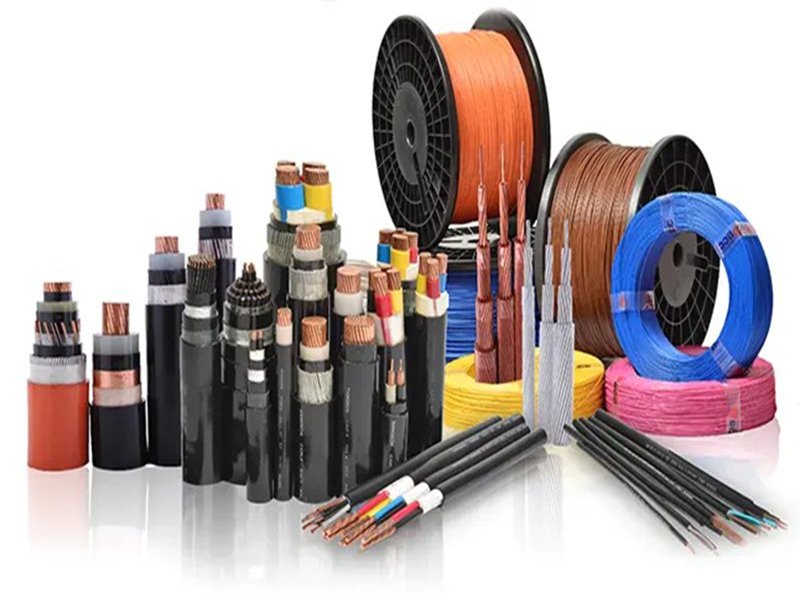
Industrial environments demand cables that can survive far more than basic power transmission. Machines vibrate, robots twist, factories expose cables to oil, heat, chemicals, water, UV light, and electromagnetic noise. Choosing the wrong power cable can lead to downtime, overheating, electrical noise failures, or disastrous safety issues. Yet many procurement teams, OEM factories, and even engineers quickly discover that “industrial power cable” is not a single category—it’s a highly diverse family requiring careful selection based on environment, voltage, movement, and safety standards.
Industrial power cable types include standard power supply cables, high-flex and drag-chain cables, shielded power cables, high-temperature cables, oil-resistant cables, chemical-resistant cables, and halogen-free LSZH cables. Each type differs in conductor structure, insulation material, jacket compound, flexibility, shielding, temperature range, and resistance to industrial hazards. Choosing the right cable depends on application, environment, voltage requirements, and mechanical movement.
Today’s buyers often approach cable suppliers with only a model number or a photo—yet industrial applications require deeper understanding. A cable used inside a CNC machine is nothing like a cable used outdoors on a solar inverter or one installed on an automotive robot arm. Selecting the correct type prevents costly failures. Years ago, an OEM factory contacted Sino-Conn after a machine shutdown caused by melted PVC cables exposed to cutting oils; a simple change to PUR-jacketed power cables solved the issue permanently. This story illustrates why understanding industrial power cable types is essential before purchasing or customizing the right assembly.
What Is an Industrial Power Cable?
An industrial power cable is a heavy-duty electrical cable designed to deliver power in harsh environments where standard cables would fail. Industrial power cables use reinforced conductors, specialized insulation, and durable outer jackets to resist heat, oil, chemicals, abrasion, UV exposure, and repeated mechanical stress. They must meet strict electrical, mechanical, and safety standards to operate reliably in machinery, automation equipment, robotics, and outdoor installations.
Industrial power cables differ from consumer-grade power cords because they must perform under extreme or continuous stress. Factories expose cables to vibration, repetitive bending, electrical noise, high temperatures, and chemicals, making engineering and material selection critical.
What Makes a Cable “Industrial Grade”?
Industrial-grade cables are defined by their durability and environmental tolerance. They use finely stranded copper conductors to improve flexibility, specialized insulation compounds such as XLPE or TPE for heat and moisture resistance, and rugged outer jackets such as PUR for abrasion and oil exposure. These materials allow the cable to withstand demanding use cases like drag chain motion, robotic twisting, or continuous heating next to machinery.
Where Are Industrial Power Cables Used?
Applications include CNC machines, automation lines, electric motors, sensors, power tools, robots, packaging machines, industrial heaters, pumps, conveyors, welding equipment, and outdoor power distribution. Because each environment has unique hazards, no single cable type fits all needs.
What Standards Apply to Industrial Power Cables?
Compliance requirements often include UL, ISO, ROHS, REACH, and in specific industries, PFAS-free or halogen-free standards. These certifications ensure material safety, stable electrical performance, and environmental protection. Engineers must confirm voltage rating, flame resistance, and temperature tolerance before selection.
Industrial power cables also must match connectors properly. Outer diameter (OD) tolerances determine whether sealing compression is adequate—especially in waterproof or EMI-sensitive assemblies. This is why Sino-Conn requires technical parameters or drawings from customers to ensure safe and accurate assembly.
What Are the Main Types of Industrial Power Cables?
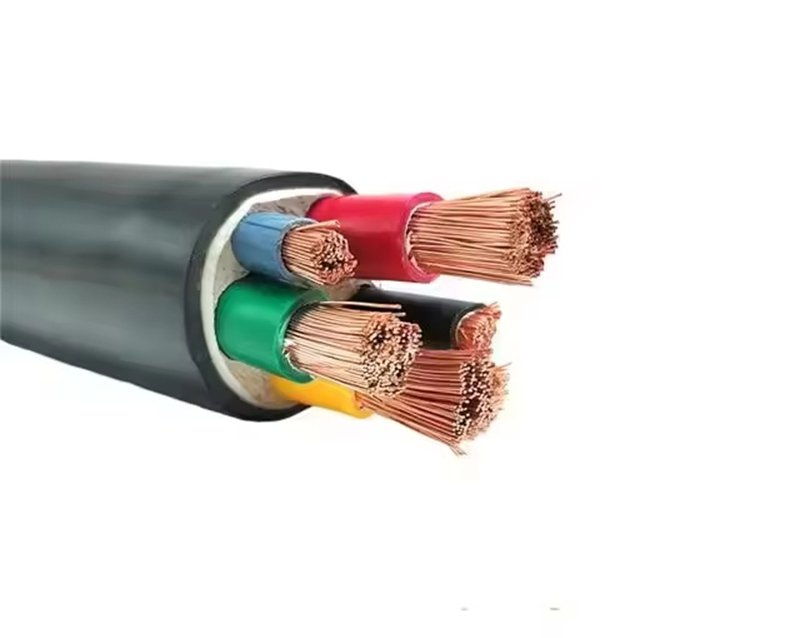
Common industrial power cable types include standard power supply cables, high-flex and drag-chain cables, shielded power cables, high-temperature cables, oil-resistant cables, chemical-resistant cables, and halogen-free LSZH cables. Each type is engineered for different environments—from automation lines to outdoor machinery.
Below is a breakdown of the most widely used industrial power cable types, with clear descriptions to help buyers and engineers identify the right option.
Standard Industrial Power Cables
These cables supply general power to industrial machines and equipment. They usually feature PVC or XLPE insulation, moderate flexibility, and voltage ratings suitable for motors, pumps, and control cabinets.
High-Flex / Drag-Chain Cables
Used in continuous-motion applications such as robotics or automated machinery, these cables feature finely stranded conductors and flexible outer jackets. They are engineered for millions of bending cycles without cracking or signal loss.
Shielded Industrial Power Cables
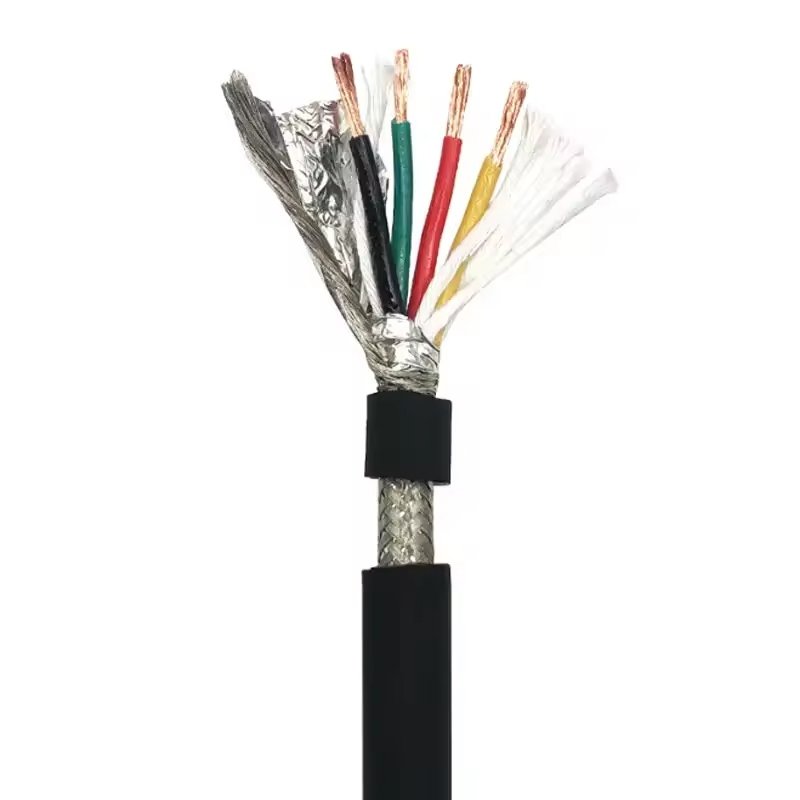
Shielding—braided, foil, or combined—protects equipment from EMI and prevents interference with sensors or control systems. Shielded power cables are essential in high-noise industrial environments such as welding, motors, and VFD drives.
High-Temperature & Fire-Resistant Cables
These cables use materials like silicone rubber or XLPE to withstand high heat. Fire-resistant versions use compounds that delay flame spread, making them suitable for industrial heating equipment and safety-critical systems.
Oil-Resistant and Chemical-Resistant Cables
Manufacturing often involves lubricants, coolants, and solvents. PUR-jacketed power cables provide superior chemical resistance and prevent swelling or cracking compared with PVC alternatives.
Halogen-Free / LSZH Power Cables
For medical, public buildings, and confined spaces, LSZH cables minimize toxic smoke during fire. They meet safety requirements and are preferred where human safety is critical.
Table: Common Industrial Power Cable Types
| Cable Type | Typical Material | Key Strengths | Main Applications |
|---|---|---|---|
| Standard Power Cable | PVC / XLPE | Cost-effective, basic durability | General machinery |
| High-Flex Cable | TPE / PUR | Millions of bends | Robotics, drag chain |
| Shielded Power Cable | Foil/Braid + PVC/XLPE | EMI protection | Motors, VFDs |
| High-Temp Cable | Silicone / XLPE | Heat-resistant | Industrial heaters |
| Oil/Chemical Resistant | PUR Jacket | Strong chemical durability | CNC, factory floors |
| LSZH Cable | LSZH Compound | Low smoke, halogen-free | Medical, public buildings |
How Do Industrial Power Cables Differ by Structure?
Industrial power cables differ by conductor design, insulation compound, jacket material, shielding method, and OD/flexibility. These structural differences determine durability, electrical performance, and suitability for different industrial environments.
Conductor Types
Industrial cables use solid or stranded copper, with fine-stranded copper preferred for flexibility. Tinned copper offers corrosion resistance. Multi-strand conductors reduce fatigue in moving applications.
Insulation Materials
PVC is common but limited in heat and chemical resistance. XLPE offers higher temperature tolerance and stronger electrical insulation. Silicone rubber withstands extreme heat. TPE provides flexibility and durability.
Jacket Materials
The jacket determines environmental resistance:
- PVC: economical but limited in oils/heat
- PUR: excellent for abrasion, oil, impact
- LSZH: ideal for safety-required environments
Shielding Structures
Foil shields are lightweight but less durable; braid shields offer stronger EMI protection; hybrid composite shielding balances both.
OD, Flexibility, Bending Radius
Cable OD must match connectors precisely. A mismatch causes sealing failure or improper strain relief. High-flex cables offer smaller bending radii and smoother motion.
Which Industrial Power Cable Type Fits Your Application?
The best industrial power cable depends on your environment: robotics require high-flex cables, CNC machines require oil-resistant PUR cables, outdoor machinery needs UV and weather-resistant options, and sensitive electronics may need shielded or LSZH cables.
Automation & Robotics
High-flex and drag-chain cables withstand continuous movement and prevent fatigue failures.
Industrial Machinery / Motors
Standard or shielded XLPE cables support stable power delivery for motors, compressors, and pumps.
Harsh Outdoor Environments
UV, rain, and temperature cycles require XLPE or TPE insulation with rugged jackets.
Medical or Clean-Room Applications
LSZH cables reduce smoke toxicity and meet stringent environmental standards.
Renewable Energy & EV Charging
High-current and outdoor-rated cables are required for solar inverters or chargers.
How to Evaluate a Power Cable Before Purchasing?
Evaluate industrial power cables by voltage/current rating, insulation material, jacket durability, EMI shielding, temperature range, chemical resistance, OD tolerance, and certification requirements.
Engineers must confirm electrical load, environmental conditions, and connector compatibility.
Key evaluation factors:
Voltage & Current Capacity
Choose cables rated above your system’s maximum load.
Environmental Resistance
Heat, oils, UV, abrasion, and chemicals directly affect cable lifespan.
EMI Shielding
Critical for VFDs, motors, and sensor-rich environments.
OD & Connector Compatibility
Improper OD leads to sealing failure—customers often send only pictures, but technical parameters are essential.
Certifications
UL, ROHS, REACH, ISO, PFAS compliance ensure safety and global acceptance.
When Should You Choose a Custom Industrial Power Cable Assembly?
Custom industrial power cable assemblies are ideal when you need specific lengths, connector types, pinouts, materials, overmolding, or environmental performance that standard cables cannot provide.
Industrial applications frequently require customization due to equipment layout, temperature, chemicals, voltage level, or connector compatibility. Custom assemblies ensure correct OD, strain relief, pin mapping, and environmental sealing. Sino-Conn provides fast drawings (30 minutes–3 days), detailed specifications, and supports both original and alternative connectors for customer flexibility.

Conclusion:
Choosing the correct industrial power cable type prevents failures, downtime, and safety hazards. Whether you need a standard XLPE cable, a drag-chain high-flex cable, a shielded heavy-duty cable, or a fully customized assembly with specific connectors and materials, Sino-Conn can provide accurate drawings, technical guidance, and reliable manufacturing with no MOQ.
Send us your drawing, specifications, or even a photo—we will help you build the right industrial power cable assembly for your application.
Related Keywords :industrial power cable, power cable types, industrial cable guide, high-flex power cables, XLPE cables, PUR jacket cable, shielded power cable, heavy-duty cables, custom power cable assembly, Sino-Conn

With over 18 years of OEM/ODM cable assemblies industry experience, I would be happy to share with you the valuable knowledge related to cable assemblies products from the perspective of a leading supplier in China.
manufacturer catalogue
Get A Sample Now From Factory→
Get a quote quickly
Here, developing your OEM/ODM custom cable assemblies collection is no longer a challenge—it’s an excellent opportunity to bring your creative vision to life.