Skip to content
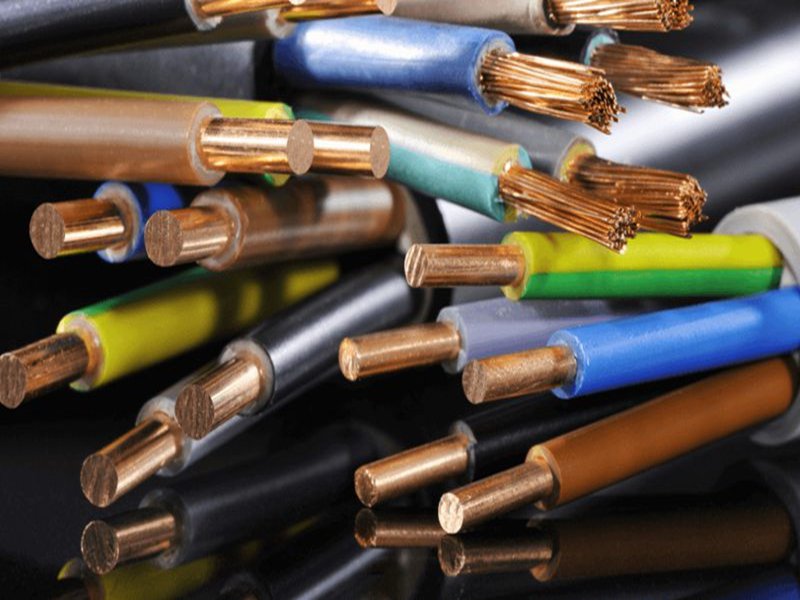
Custom cable assembly manufacturers operate at the core of modern electronics, supporting industries where precision, reliability, and electrical stability are non-negotiable. Whether powering a medical device, connecting a robot arm, transmitting RF signals in telecom equipment, or linking sensors in automotive systems, custom cable suppliers turn specifications—sometimes clear, sometimes vague—into functional, safe, and fully verified cable solutions.
Many customers approach manufacturers with complete drawings, but many others only have a model number or even a photo from an old device. A good manufacturer must bridge that gap. They interpret requirements, analyze connector families, recommend materials, solve EMI or environmental challenges, and deliver prototypes in days—not weeks. As products evolve toward higher speeds, smaller footprints, and harsher environmental demands, the role of the cable manufacturer becomes even more strategic.
Custom cable assembly manufacturers design and produce cables tailored to exact specifications, including pinouts, connectors, materials, shielding, and environmental performance. They provide drawings, datasheets, rapid samples, engineering support, and scalable production. Their role includes solving design challenges, optimizing cost, ensuring compliance, and delivering reliable signal or power transmission for industries such as medical, industrial automation, telecom, automotive, and consumer electronics.
A story familiar to many in the industry: a customer sends a blurry photo asking, “Can you make this cable?” If the supplier is experienced, the answer is almost always yes—and that moment often becomes the beginning of a long-term partnership.
What Is a Custom Cable Assembly Manufacturer?
A custom cable assembly manufacturer is a specialized engineering and production provider that designs, prototypes, and builds cable solutions tailored to a customer’s unique electrical, mechanical, and environmental requirements. Unlike distributors or off-the-shelf cable suppliers, these manufacturers do not simply sell standard products. Instead, they transform specifications—such as pin assignments, connector types, shielding structures, flexibility demands, and environmental constraints—into functional assemblies that meet exact performance criteria.
Custom cable manufacturers operate where standard cables are insufficient: high-flex robotics, medical devices requiring sterilization compatibility, RF transmission with controlled impedance, compact consumer electronics, or harsh industrial environments. Their work combines electrical engineering, materials science, connector technology, and precision manufacturing.
They Build a Wide Range of Cable Types
Because different applications require distinct performance characteristics, custom manufacturers support a broad range of cable families, including:
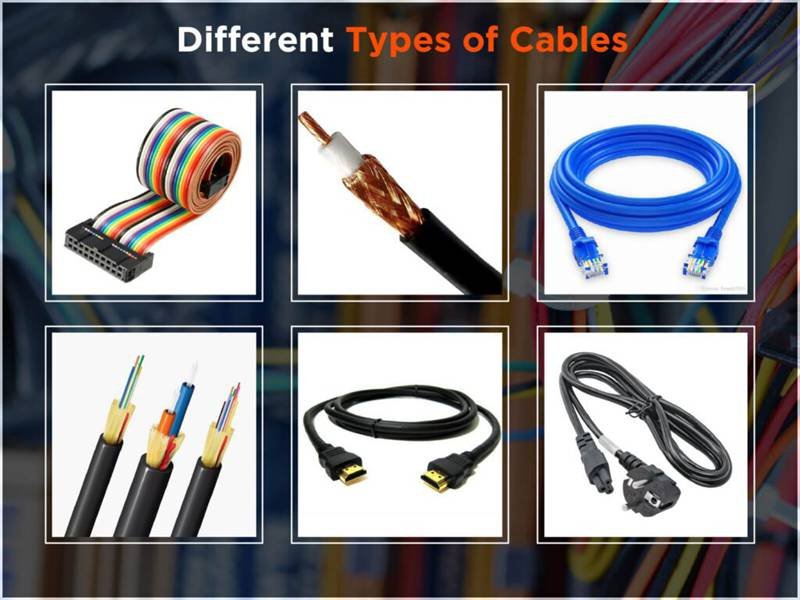
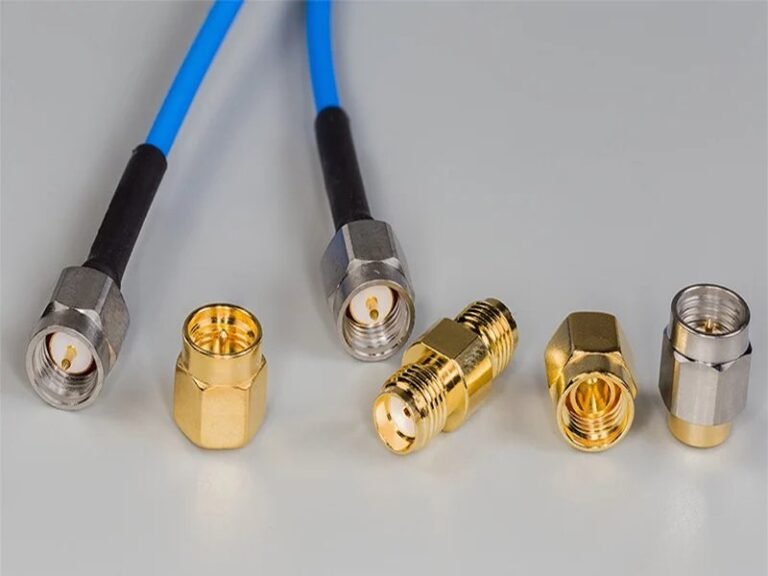
- Coaxial & micro-coax assemblies for RF, cameras, antennas, and high-frequency applications
- LVDS and other high-speed differential signal cables used in displays, automotive systems, and embedded electronics
- USB, Ethernet, and data cables where pin definitions or lengths differ from commercial versions
- Industrial wire harnesses designed for machines, automation systems, and control panels
- Medical assemblies that meet biocompatibility, sterilization, and mechanical durability requirements
- Overmolded and waterproof cables for outdoor or ruggedized environments
- Battery and power cables needing specific conductor sizes, insulation materials, and current ratings
Each cable category requires different tooling, materials, signal-handling methods, and quality-control techniques.
They Support Multiple Industries With Distinct Requirements
A key characteristic of custom manufacturers is the ability to interpret and comply with industry-specific constraints:
- Medical: reliability under repeated sterilization, biocompatible materials, precision tolerances
- Industrial automation: continuous flex cycles, EMI protection, chemical-resistant jackets
- Automotive: temperature extremes, vibration resistance, compliance with automotive safety norms
- Telecom and RF: impedance stability, low-loss signal paths, shielding effectiveness
- Consumer electronics: compact connectors, slim cables, cost-optimized structures
Understanding these requirements ensures the cable performs as intended throughout its operating life.
They Translate Concepts Into Manufacturable Designs
Not every customer provides perfect documentation. Manufacturers must often interpret incomplete or inconsistent information:
- Some customers provide a complete drawing with pinouts and dimensions.
- Others provide only a connector model number.
- Many provide only a photo of a cable and ask whether it can be replicated.
- Some supply a failed or damaged sample that needs to be reverse-engineered.
A mature manufacturer identifies connector families, evaluates conductor count, determines shielding strategy, and builds a correct structural design from limited input. This ability to bridge knowledge gaps is essential in custom manufacturing.
They Ensure Compliance and Production Feasibility
Before a design is approved, the manufacturer assesses:
- Electrical safety
- Material compatibility
- Assembly methods (crimping, soldering, overmolding)
- Bend radius and mechanical stresses
- Environmental limitations
- Applicable industry standards
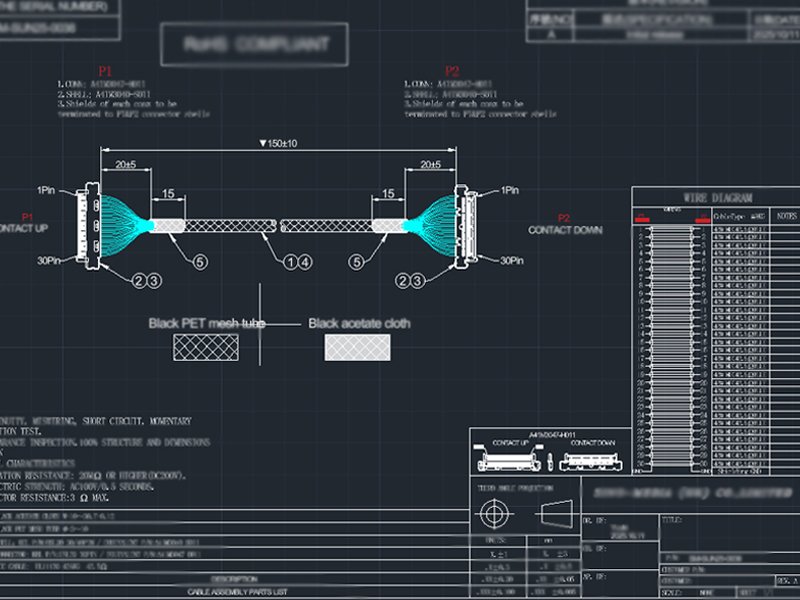
They then translate the validated concept into engineering drawings and work instructions, ensuring consistency from sample to mass production.
They Combine Engineering Expertise With Scalable Production
The defining characteristic of a custom cable assembly manufacturer is not simply building cables—it is the integration of:
- Engineering interpretation
- Material selection
- Connector technology knowledge
- Precise assembly processes
- Testing and validation
- Repeatable manufacturing
This combination ensures the final product reliably handles the electrical and mechanical demands of its application, even under continuous operation or harsh conditions.
What Specifications Do Manufacturers Provide?
Manufacturers offer a broad set of specifications that help engineers validate compatibility, performance, and regulatory compliance.
Manufacturers provide datasheets, drawings, and specifications covering voltage, current, impedance, wire gauge, shielding, jacket materials, temperature rating, mechanical dimensions, connector models, environmental durability, and certifications. These specifications help customers confirm compatibility and ensure the cable meets safety, performance, and industry requirements.
Key Specification Categories
| Category | Key Specifications Provided |
|---|---|
| Electrical | Voltage, current, impedance, signal integrity |
| Mechanical | Outer diameter, bending radius, tensile strength |
| Material | Jacket (PVC, TPU, TPE), insulation, conductor type |
| Shielding | Foil, braid, EMI resistance |
| Environmental | Temperature, flame rating, UV/oil/corrosion resistance |
| Compliance | UL, ISO, RoHS, REACH, PFAS-free |
| Connector | Model, pin count, orientation, plating |
| Custom | Length, pinout, labeling, overmold shape |
Why Drawings Matter
Drawings help verify pinouts, connector orientation, dimensions, and assembly notes before production. Sino-Conn delivers drawings in 30 minutes to 1 day, accelerating engineering timelines.
Customization Flexibility
Length, materials, connectors, shielding, overmold shapes, labeling, and strain-relief designs can all be customized based on application needs.
How Do Custom Cable Assembly Manufacturers Work With Customers?
Manufacturers collaborate closely with customers by clarifying requirements, offering alternatives, preparing drawings, producing samples, and confirming details before mass manufacturing.
Manufacturers work with customers by interpreting requirements, offering connector alternatives, creating drawings, providing product photos or samples, and confirming specifications before production. They support engineers, OEM buyers, and trade companies—whether a customer has detailed technical data or only a part photo. Their role includes communication, feasibility validation, cost estimation, and ensuring the final cable meets performance needs.
Serving Different Customer Types
- Trade companies seeking quotes and photos
- Engineers requesting technical validation
- OEM factories prioritizing pricing and lead time
- Procurement teams confirming drawings
Working With Limited Information
Customers often provide only photos or outdated samples. Skilled manufacturers reconstruct the cable through connector analysis, gauge estimation, and structural understanding.
Providing Visual Confirmation
Product photos help customers validate compatibility before sampling.
Genuine vs. Alternative Connectors
Manufacturers advise customers on pricing, availability, and performance differences between original-brand and third-party connector options.
Which Capabilities Should You Look For in a Reliable Manufacturer?
A reliable manufacturer must offer strong engineering support, quick response, flexible customization, strict quality control, and global certification compliance.
Look for manufacturers with fast response times, strong engineering support, accurate drawings, flexible customization, low MOQs, rapid sampling, certifications, and strict quality control. A reliable supplier must communicate clearly, offer alternative solutions, and meet tight deadlines while maintaining stable quality.
Speed and Engineering Strength
Fast drawings and quotations (Sino-Conn: 30 minutes) help prevent project delays.
Customization Capability
Reliable manufacturers support unique pinouts, lengths, materials, EMI shielding, overmolding, waterproofing, and strain relief designs.
Quality Control
Sino-Conn applies three-stage inspections:
- In-process
- Final
- Pre-shipment
Certifications
UL, ISO, RoHS, REACH, PFAS, COC, COO—all important for regulatory compliance.
How Much Do Custom Cable Assemblies Cost?
Costs depend on connectors, materials, complexity, volume, region, and industry-specific requirements.
Custom cable assembly prices depend on connector brand, materials, wire gauge, shielding, length, assembly complexity, certifications, and order quantity. Premium connectors cost more, while alternative versions reduce price. Pricing also varies by industry and country. Custom cables are typically made-to-order and rarely stocked.
Key Pricing Factors
- Original vs. alternative connectors
- Shielding and material types
- Overmolding complexity
- Labor and assembly difficulty
- Certification requirements
Customer Type Pricing Differences
| Customer Type | Price Level | Explanation |
|---|---|---|
| End customer | High | Strict requirements, low volume |
| OEM | Medium | Bulk orders, stable production |
| Distributors | Lower margin | Price competition |
| Engineers | Value over cost | Small quantities |
Regional Differences
- Higher pricing → U.S., Japan, Germany, France
- Lower pricing → India, Southeast Asia, Korea, Poland
Inventory Reality
Custom cables are rarely stocked; orders are produced based on confirmed drawings.
How to Choose the Right Custom Cable Assembly Manufacturer?
Selecting the right custom cable assembly manufacturer is a technical and strategic decision. Cables are often critical system components, affecting signal integrity, power delivery, mechanical reliability, and long-term device performance. A suitable manufacturer must demonstrate not only production capability but also engineering competence, documentation discipline, testing capability, and predictable supply-chain behavior. The evaluation should focus on measurable capabilities, not just price or promises.
Evaluate Engineering and Technical Competence
A strong manufacturer should be able to interpret drawings, understand signal requirements, and assess whether the proposed structure is electrically and mechanically appropriate. Key indicators include:
- Ability to understand pinouts, impedance requirements, EMI constraints
- Familiarity with connector families across multiple brands
- Capacity to advise on wire gauge, shielding, or jacket materials
- Experience in solving practical engineering issues such as noise immunity, bending fatigue, or heat resistance
Engineering capability is a major differentiator, especially when requirements are incomplete or when customers need guidance.
Assess Drawing Quality and Documentation Discipline
Reliable suppliers produce clear, standardized documentation:
- 2D drawings with dimensions and tolerances
- Pinout tables with explicit definitions
- Material specifications for cable and connectors
- Assembly notes and orientation details
- Revision control
- Readability suitable for production and inspection
Well-constructed documentation reduces misunderstandings and prevents variations between sample and mass production. Poor documentation is often correlated with unstable quality.
Review Manufacturing Processes and Customization Capabilities
Manufacturers should demonstrate that they can accommodate variations in:
- Cable length
- Pin configurations
- Jacket materials and insulation
- Shielding types
- Overmold structures or strain-relief requirements
- Waterproofing or environmental protection levels
Custom cable projects frequently evolve during development. The chosen manufacturer should have the flexibility—and the internal processes—to adapt without compromising quality or lead times.
Understand Their Quality-Control Approach
Quality assurance should not rely solely on final inspection. A good manufacturer integrates control at multiple stages:
- Incoming material verification
- Crimp or solder joint inspection
- Continuity and insulation resistance testing
- Visual inspection under magnification when required
- Functional or electrical testing for specific applications
- Final verification before packaging
Consistency in quality control is often more important than any single test method.
Check for Relevant Certifications and Compliance Knowledge
Depending on the end use, certifications may be mandatory:
- UL for wire and connectors
- ISO for factory systems
- RoHS and REACH for environmental compliance
- PFAS-free or halogen-free requirements
- Industry-specific standards (medical, automotive, industrial)
A capable manufacturer understands how these requirements influence materials, testing, and documentation.
Evaluate Lead-Time Reliability and Production Scalability
A supplier must be able to provide realistic and predictable timelines for:
- Sample preparation
- Drawing confirmation
- Mass production
- Special or urgent orders
Lead-time stability is especially important for OEMs with fixed production schedules. Manufacturers should also be able to scale from prototype quantities to consistent batch production without deviations in quality.
Observe Communication Clarity and Problem-Solving Ability
Communication style is a practical but often overlooked factor. Indicators of a dependable supplier include:
- Clear interpretation of requirements
- Ability to ask precise, relevant questions
- Technical explanations when design changes are necessary
- Transparent reasoning behind material or structural recommendations
Good communication reduces delays and prevents misunderstandings that could affect performance or safety.
Examine Their Experience With Your Industry Requirements
Cable performance criteria differ across sectors. A manufacturer experienced in your industry will better understand:
- Environmental conditions
- Electrical constraints
- Durability expectations
- Regulatory requirements
- Typical failure modes
Industry familiarity reduces the risk of selecting incorrect materials or insufficient shielding.
Consider Supply-Chain Stability and Long-Term Support
A reliable manufacturer should demonstrate:
- Stable sourcing of connectors and materials
- Alternatives available when original parts have long lead times
- Consistency in production lots
- Capacity for long-term supply for projects with multi-year lifecycles
Cable assemblies, once designed into equipment, often remain unchanged for years. Supply stability is therefore essential.
Conclusion:
Custom cable assembly manufacturers are not just suppliers—they are engineering partners who help bring ideas into reality. Whether you provide a detailed drawing, a part number, or even just a photograph, Sino-Conn can deliver a reliable and cost-effective custom cable solution.
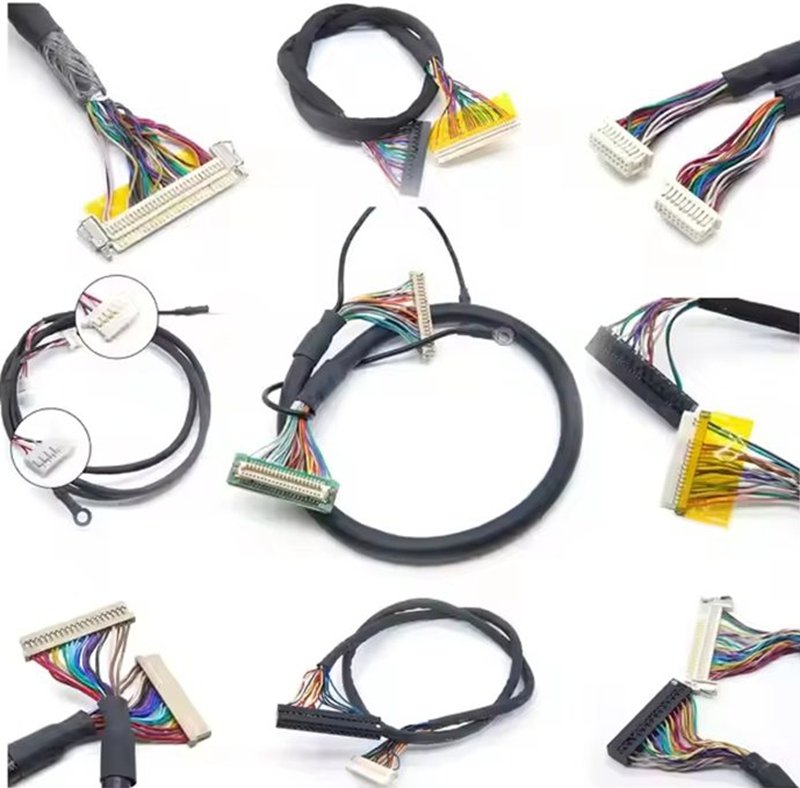
Why Choose Sino-Conn?
- Fast drawings & quotations (as little as 30 minutes)
- NO MOQ — supports 1pc prototypes
- Rapid samples (2–3 days when urgent)
- High engineering expertise
- 100% full inspection (in-process + final + pre-shipment)
- UL, ISO, RoHS, REACH, PFAS certifications
- Competitive pricing with premium or cost-optimized options
Contact Sino-Conn today to request a quote or discuss your custom cable assembly project. We’re ready to support you from concept to production.