Skip to content
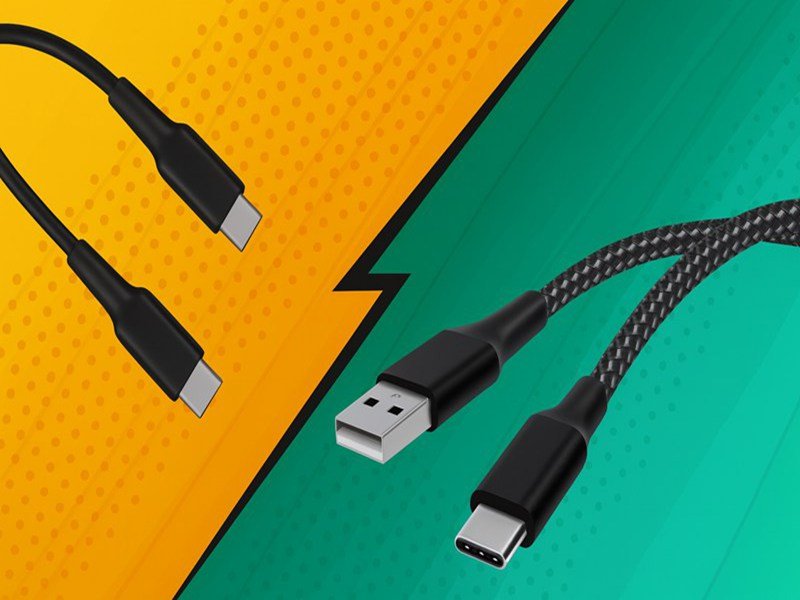
When you purchase a charging cable, Ethernet line, or audio connector, you may notice two main types: braided and non-braided. At first glance, it seems like just a design difference—one has a woven outer jacket while the other uses smooth plastic. But behind this appearance lie critical differences in durability, performance, and long-term cost-effectiveness. Consumers often wonder: Are braided cables actually better, or is it just marketing hype?
Braided cables differ from non-braided cables in durability, flexibility, and design. Braided cables use a woven nylon or polyester jacket that provides extra strength, better tangle resistance, and a premium look. Non-braided cables are typically lighter, cheaper, and easier to mass-produce. The best choice depends on your use case: choose braided for durability and aesthetics, non-braided for low cost and simple installations.
Now let’s dive deeper. To illustrate, imagine two friends: one buys a braided USB-C charging cable that survives years of daily twisting and travel. The other saves money with a standard plastic-coated cable, only to replace it three times in the same period. Which friend actually saved money in the end?
What Are Braided Cables and Non-Braided Cables?
Braided cables are wires protected by a woven outer jacket—usually nylon or polyester—that adds durability, flexibility, and a premium look. Non-braided cables use a smooth PVC, TPE, or rubber coating that is lighter, cheaper, and easier to manufacture. While braided cables resist fraying, tangling, and abrasion, non-braided cables remain practical for low-cost, fixed, or bulk installations. The choice depends on whether your project values durability and style or affordability and simplicity.
Basic Structure of Braided Cables
A braided cable has a woven textile layer wrapped around its insulated conductors. This braid is often made from nylon, polyester, or other synthetic fibers. Its purpose is twofold:
- Physical Protection — The tightly woven sheath prevents the inner insulation from tearing and shields against cuts, friction, and bending stress.
- Flexibility & Anti-Tangling — The woven structure allows the cable to bend naturally without creating sharp kinks. It also reduces tangling, a common frustration with smooth-coated wires.
- Aesthetic Appeal — Braided designs can be produced in multiple colors or patterns, making them popular for gaming setups, professional AV gear, or premium consumer electronics.
In many cases, braided cables also include additional shielding layers (like aluminum foil or copper mesh) to reduce electromagnetic interference (EMI), especially important for data cables such as Ethernet, HDMI, or USB.
Basic Structure of Non-Braided Cables
Non-braided cables rely on PVC (polyvinyl chloride), TPE (thermoplastic elastomer), or rubber jackets to cover the conductors. These materials are easy to mold, cost-efficient, and widely used in industries from residential wiring to consumer electronics.
- Affordability — Non-braided cables are cheaper to mass-produce, making them common in standard charging cords, Ethernet cables, and household wiring.
- Lightweight — Without the extra woven sheath, they’re thinner and lighter, which helps in large-scale installations like structured cabling systems.
- Limitations — They are more prone to tangling, cracking with age, or fraying under heavy use. Over time, exposure to UV, oil, or high heat can degrade non-braided jackets faster than braided alternatives.
Are Braided Cables Better Than Normal Cables?
Braided cables are generally considered “better” in durability, flexibility, and longevity, especially for portable or high-stress applications like mobile charging, automotive harnesses, or audio gear. That said, non-braided cables still dominate in cost-sensitive markets where cables are installed once and rarely moved—such as Ethernet cables inside office walls.
Think of it like this:
- Braided = long-lasting sneakers designed for daily wear.
- Non-braided = affordable sandals for short, occasional use.
Which Key Differences Between Braided and Non-braided Cables?
The most important differences between braided and non-braided cables are durability, flexibility, EMI shielding, aesthetics, and cost. Braided cables last longer, resist tangling, and offer premium design but are slightly more expensive. Non-braided cables are lighter, cheaper, and easier to mass-produce but can fray or crack faster under stress. The best choice depends on whether your application values long-term reliability and style or affordability and practicality.
Durability and Longevity
Durability is where braided cables truly shine. The woven nylon or polyester jacket provides a strong outer shell that prevents fraying, cracking, and abrasion. Many braided cables are tested for 15,000+ bend cycles, while typical PVC-jacketed non-braided cables often fail around 5,000 cycles. For high-use scenarios—like smartphone charging or industrial applications—this difference translates into fewer replacements and long-term savings. Non-braided cables, while cheaper, are more likely to suffer from split insulation or exposed conductors over time.
Flexibility and Handling
Braided cables are designed to flex. The woven exterior distributes stress evenly, which makes them bendable without kinking. This flexibility also helps them resist tangling, making them user-friendly in daily handling. Non-braided cables, on the other hand, tend to be stiffer. Once kinked, the PVC or rubber jacket may hold the crease permanently, leading to weak points that fail faster. For environments where cables are regularly coiled, uncoiled, or moved, braided cables clearly outperform.
EMI Shielding and Signal Integrity
Many braided cables incorporate an extra metal mesh or foil shield under the braided jacket. This additional layer significantly reduces electromagnetic interference (EMI), which is critical in high-speed data cables such as Ethernet, HDMI, or USB 3.0/4.0. Non-braided cables can include shielding too, but they are often thinner and less robust, especially in budget-friendly versions. The result? Braided cables maintain more stable data transmission and lower error rates, particularly in environments with lots of electronic devices.

Aesthetic and Design Preferences
One of the most noticeable differences is appearance. Braided cables come in a wide variety of colors, patterns, and textures, offering a premium, stylish look. This appeals to gamers, tech enthusiasts, and offices that want tidy, professional-looking setups. Non-braided cables usually come in basic black, white, or gray, making them less visually appealing. While aesthetics doesn’t affect performance, it can impact user satisfaction and perceived product quality—an important factor in consumer electronics.
Cost and Practicality
Non-braided cables are generally cheaper to manufacture, which makes them cost-effective for bulk orders, in-wall installations, or environments where cables won’t be handled often. Braided cables are more expensive due to additional materials and weaving processes, but the cost difference often pays off in reduced replacements and improved durability. For enterprise or industrial buyers, the decision often comes down to whether higher upfront costs are justified by lower long-term maintenance.
Comparison Table: Braided vs Non-Braided Cables
| Feature | Braided Cables | Non-Braided Cables |
|---|---|---|
| Durability | 15,000+ bend cycles, resistant to fraying and wear | 3,000–5,000 bend cycles, prone to cracking |
| Flexibility | High, resists tangling, bends naturally | Lower, stiff, permanent kinks possible |
| EMI Protection | Often includes extra shielding, stable data integrity | Basic shielding, more prone to interference |
| Appearance | Stylish, premium look with color/pattern options | Plain (black/white/gray), utilitarian |
| Cost | Higher upfront, longer lifespan | Lower upfront, higher replacement frequency |
| Best Use Cases | Mobile devices, gaming, industrial, heavy daily use | Bulk cabling, in-wall installations, cost-saving |
How Do Braided vs Non-Braided Cables Perform in Real Use?
In real-world use, braided cables outperform non-braided cables in durability, flexibility, and resistance to tangling, making them ideal for daily handling and mobile applications. Non-braided cables still perform well in static setups like Ethernet networks or behind-wall installations where they remain undisturbed. The choice comes down to environment: braided for portable, high-wear situations, non-braided for cost-effective, fixed cabling.
Do Braided Cables Last Longer in Daily Use?
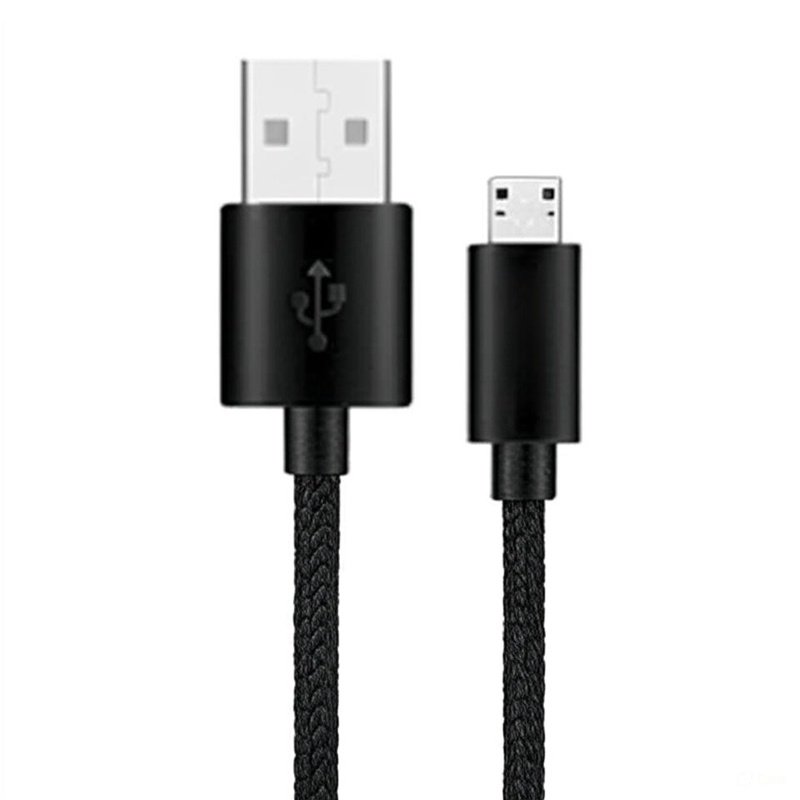
Yes. Braided cables are designed for constant bending, pulling, and coiling, which are common in charging cords, headphone cables, and portable power cords. The woven jacket distributes mechanical stress and prevents small cuts that would otherwise expose the inner conductor. Testing shows braided cables survive 2–3 times more bend cycles than PVC-jacketed cables. For a smartphone user who plugs in multiple times daily, this could mean years of use versus just months with a non-braided option.
Is Non-Braided More Cost-Effective?
For large-scale, low-movement installations, non-braided cables win on cost. Structured Ethernet cabling in office walls or server racks is rarely touched once installed, making the extra strength of braided jackets unnecessary. In such scenarios, non-braided Cat6 or Cat6a cables deliver the same data performance at a lower price point. Additionally, they are lighter and easier to bundle, which matters when deploying hundreds or thousands of feet of cabling.

User Experience with USB and Charging Cables
This is where users feel the difference most. Non-braided USB cables may tangle in bags, crack near the connector, or fray under stress. In contrast, braided USB-C and Lightning cables remain flexible, smooth to handle, and resistant to knots. Gamers, students, and frequent travelers often report fewer frustrations with braided cables, since they don’t twist into unusable shapes after months of use. For people who rely on fast charging or daily portability, braided cables clearly enhance user satisfaction.

Performance in Ethernet and Networking Applications
In networking, the braided jacket does not improve data transfer speeds directly, but it adds mechanical resilience. A braided Cat6a patch cable at a gamer’s desk might withstand chair wheels, sharp bends, or daily plugging better than a non-braided patch cord. However, for permanent in-wall Ethernet, non-braided cables remain the industry standard, as they are easier to route and terminate in keystone jacks and patch panels. Thus, the “better” choice depends heavily on whether the cable is static or mobile.
Power and Industrial Applications
In industrial or outdoor environments, braided cables excel. Their outer sheath resists abrasion, oil, UV exposure, and vibration, which are common in machinery, automotive harnesses, and aerospace systems. Non-braided power cords may work in offices or residential setups, but in rugged conditions, they are more likely to degrade or crack. This makes braided solutions the clear winner in mission-critical or safety-focused industries where downtime is costly.
Which Applications Suit Braided or Non-Braided Cables?
Braided cables are best for high-wear applications such as charging cords, headphones, gaming peripherals, and industrial machinery where flexibility and durability matter. Non-braided cables suit permanent installations like Ethernet wiring in walls, office setups, and low-cost consumer devices. Braided cables excel in portable, rugged environments, while non-braided options remain ideal for static, large-scale deployments where cost and ease of installation are priorities.
Consumer Electronics and Daily Use
For smartphones, tablets, headphones, and gaming accessories, braided cables offer clear advantages. They resist tangling, survive repeated bending, and maintain a professional look even after months of use. Users who charge multiple times a day benefit from the added mechanical strength, reducing fraying near connectors. Non-braided cables still work, but they tend to split, twist, or tangle in bags. That’s why premium brands often ship braided USB-C or Lightning cables with higher-end products.
Networking and Office Installations
In structured cabling for homes or businesses, non-braided Ethernet cables dominate. They are lighter, cheaper, and easier to terminate in patch panels or wall jacks. Once installed, they rarely move, so abrasion resistance is less critical. Braided Ethernet patch cables, however, are gaining popularity for desktop connections in gaming setups or office desks, where cables are frequently handled and exposed to chair wheels, foot traffic, or tight bends.
Industrial and Harsh Environments
Factories, construction sites, and outdoor setups demand cables that can withstand oil, UV, vibration, and abrasion. Here, braided cables outperform non-braided by a wide margin. Their woven jacket prevents wear from constant rubbing against machinery or rough surfaces. Applications include robotics wiring, CNC machines, aerospace harnesses, and outdoor broadcast equipment. Non-braided cables would degrade faster in these conditions, risking safety or costly downtime.

Automotive and Transportation
Vehicles experience constant vibration, temperature swings, and movement. Braided cables are preferred in automotive wiring looms, EV charging leads, and aerospace cabling, where durability and safety are critical. The braid adds protection against electromagnetic interference (EMI), which is vital in sensitive automotive electronics. Non-braided wires may still be used in secondary or hidden circuits where cost reduction is important and exposure is limited.
Medical and Specialty Applications
In medical devices, braided cables are often specified for surgical tools, diagnostic machines, and hospital monitoring equipment due to their resilience, sterilization compatibility, and EMI shielding. Non-braided options may be chosen for disposable equipment or low-contact diagnostic leads where flexibility and reusability are not as important.
Applications of Braided vs Non-Braided Cables
| Application Area | Braided Cable Advantage | Non-Braided Cable Advantage |
|---|---|---|
| Consumer Electronics | Tangle-free, durable for daily charging | Lower cost, standard in mass-market devices |
| Networking | Strong for desktop/gaming patch cords | Best for in-wall or large-scale installations |
| Industrial | Resistant to abrasion, oil, UV, vibration | Rarely suitable |
| Automotive | Withstands vibration, EMI protection | Used in low-stress hidden circuits |
| Medical | Sterilization-ready, EMI-shielded | Good for disposables and cost efficiency |
How to Decide Between Braided and Non-Braided Cables?
Choosing between braided and non-braided cables depends on where and how the cable will be used. Braided cables are best for portable, high-wear, or exposed environments where durability, flexibility, and tangle resistance matter. Non-braided cables are better for permanent installations, cost-sensitive projects, or large-scale wiring where abrasion is minimal. Consider budget, usage frequency, and environmental conditions before deciding, as the right choice balances performance with long-term reliability.

1. Consider the Environment of Use
The first factor in cable choice is where the cable will live.
- Braided cables shine in environments with frequent movement or physical stress. If the cable will be plugged and unplugged daily—like phone chargers, gaming peripherals, or field equipment—the braid prevents fraying and improves grip.
- Non-braided cables are ideal in controlled environments such as office networking or behind-wall installations, where cables remain mostly static and protected from abrasion.
Key insight: For outdoor, industrial, or automotive applications, braided cables often add EMI protection and abrasion resistance that non-braided options lack.
2. Weigh Durability vs. Cost
Durability always comes at a price.
- Braided cables cost more due to their woven jacket and higher material content. This makes them a good investment when replacement is expensive or downtime is critical—like in aerospace, robotics, or broadcast environments.
- Non-braided cables are cost-efficient and widely available, making them the go-to for bulk purchases, standard Ethernet installations, or consumer devices where replacement is inexpensive.
Tip: Procurement teams often choose a hybrid strategy: braided patch cords where exposure is high, and non-braided cables for hidden infrastructure.
3. Evaluate Flexibility and Handling
- Braided cables are generally more flexible and resistant to tangling, making them easier to manage in portable applications. For users who coil, pack, or move cables often, this saves time and frustration.
- Non-braided cables may feel stiffer and are more prone to kinking, but this rigidity can actually help in permanent wiring where neat, straight runs are important.
Scenario example: A medical equipment manufacturer may select braided power leads for tools that are repositioned daily, while using non-braided wiring in stationary imaging machines.
4. Assess Aesthetic and Branding Needs
Visual appeal matters in consumer electronics and premium products.
- Braided cables often come in custom colors, textures, and patterns, adding a professional or luxury look. This appeals to tech accessories, gaming brands, and custom PC builders.
- Non-braided cables are functional but plain—suited to cost-sensitive products or internal wiring where the user never sees the cable.
5. Match Technical Requirements
Beyond looks and feel, cables must meet technical specs.
- For high-frequency or sensitive signals, braided cables provide better shielding and EMI resistance.
- For basic power or data runs, non-braided cables often perform just as well at a lower price.
When preparing specs for a supplier, customers should detail:
- Voltage & current requirements
- EMI or RF exposure
- Flame retardancy, oil resistance, UV stability
- Desired lifespan in years
Conclusion: Which Cable Should You Choose?
Choosing between braided and non-braided cables isn’t about which one is “better” in all cases—it’s about selecting the right tool for the right job. Braided cables deliver superior longevity, resistance to abrasion, and a premium user feel, making them ideal for exposed, high-wear, or branding-sensitive applications. On the other hand, non-braided designs keep costs down, reduce bulk, and remain effective in environments where the cable is static, hidden, or replaced regularly.
At the industry level, braided designs are gaining momentum, becoming the new premium standard in consumer electronics, EV wiring, and industrial automation. Yet, non-braided cables will continue to dominate cost-sensitive markets like bulk infrastructure and entry-level electronics. The smartest choice is not one over the other, but aligning the cable type with your project’s demands.
Partner with Sino-conn for Tailored Cable Solutions
Whether you need cables for consumer electronics, automotive, industrial automation, or telecom, our team is ready to design and produce a solution that fits your requirements and budget.
Contact Sino-conn today to discuss your braided vs non-braided cable requirements and get a customized quotation that matches your timeline, performance goals, and industry standards.