 Skip to content
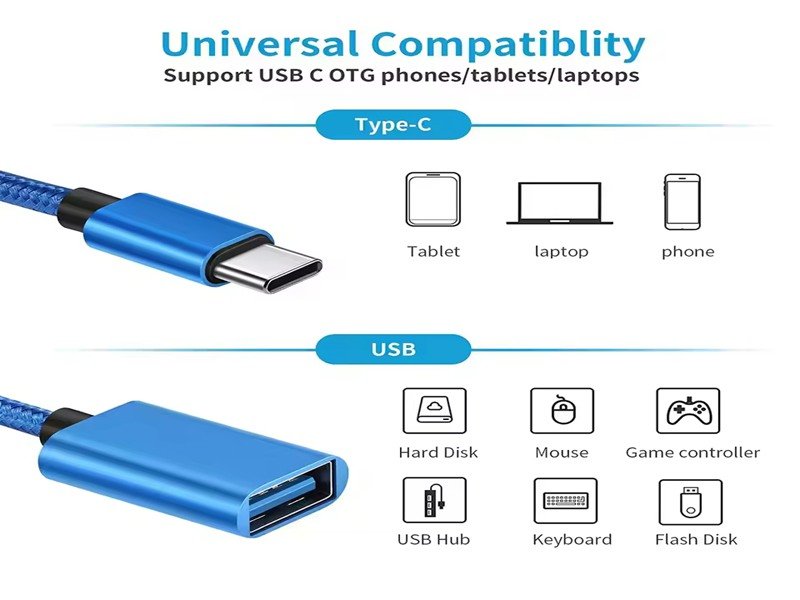
In today’s connected world, USB cables are more than just cords lying around your desk—they are the lifelines of modern electronics. From charging your smartphone to powering medical devices or transferring massive data sets between industrial machines, USB cables have evolved into the universal standard of connectivity. Yet, despite their omnipresence, many people still ask: What are the different types of USB cables, and which one should I choose?
USB cables come in multiple types including USB-A, USB-B, Mini USB, Micro USB, and USB-C, each designed for specific devices and functions. They differ in shape, data transfer speed, and charging capacity. Modern USB-C supports fast charging and high-speed data, while older types like USB-A or Micro are common for legacy devices. Choosing the right cable depends on your application, whether for consumer electronics, industrial equipment, or medical systems.
Think about this: in 2001, plugging in a camera meant a bulky Mini USB cable; in 2025, your laptop’s single USB-C port powers the device, transfers files, and even connects to an external monitor. That’s the evolution of USB in a nutshell. In the following sections, we’ll not only explore each type of USB cable but also uncover how custom assemblies from Sino-conn solve real-world problems across industries.
What Is a USB Cable and Why Is It Important?
A USB cable is a standardized connector that transfers data and provides power between devices. It is important because it unifies connectivity across electronics, reducing the need for multiple cable types. From everyday phone chargers to industrial automation and medical equipment, USB cables ensure reliable performance, speed, and convenience.
USB, short for Universal Serial Bus, was introduced in the mid-1990s to simplify connections. Before USB, every device—from keyboards to printers—used its own proprietary port. Today, USB powers over 10 billion devices worldwide.
The importance lies in its universality:
| Function | Description | Example Applications |
|---|---|---|
| Data Transfer | Syncs files between devices at speeds up to 40Gbps (USB 4.0) | File backups, external SSDs, cameras |
| Power Delivery | Provides charging up to 240W for a wide range of devices | Smartphones, laptops, monitors |
| Versatility | Supports not just data and power, but also video and networking | Docking stations, monitors, industrial controllers |
From an engineer’s perspective, USB is about standardization. For procurement managers, it’s about ensuring compatibility and reliability. And for end-users, it’s about convenience—you plug in, and it just works.
Which Types of USB Cables Are Commonly Used Today?
The main USB cable types today include USB-A, USB-B, Mini USB, Micro USB, and USB-C. Each serves a different device group: USB-A for PCs, USB-B for printers, Micro for phones, and USB-C for modern electronics. USB-C dominates new designs thanks to its fast charging, high-speed transfer, and reversibility, but older USB types are still widely used in industrial and medical devices where stability and compatibility matter most.
The diversity of USB cables can be confusing, especially when engineers or procurement managers face requests like “I need a USB cable for this model, can you do it?” Below is a detailed comparison table that highlights the technical parameters customers usually care about:

| USB Type | Shape | Data Speed | Power Capacity | Typical Use Cases | Notes |
|---|---|---|---|---|---|
| USB-A | Rectangular, standard | 480 Mbps (USB 2.0), 5 Gbps (USB 3.0) | Up to 10W | PCs, chargers, hubs | Still dominant in consumer devices |
| USB-B | Square, larger | 480 Mbps | Up to 10W | Printers, scanners, medical instruments | Reliable for legacy equipment |
| Mini USB | Small trapezoid | 480 Mbps | Low | Older cameras, MP3 players | Mostly phased out but still requested for repairs |
| Micro USB | Slim trapezoid | 480 Mbps | 10–18W | Phones, Bluetooth devices, industrial controllers | Still common in automotive and medical |
| USB-C | Reversible oval | Up to 40 Gbps (USB 4.0) | Up to 240W (PD 3.1) | Smartphones, laptops, automotive systems, industrial automation | Universal standard moving forward |
Why customers ask about this:
- Trade distributors: “My client sent me this model, can you identify the cable type?”
- Engineers: “I need USB-C but with a customized pin-out for our controller.”
- OEM factories: “We want USB-C for fast charging, but Micro USB for cost-sensitive accessories.”
At Sino-conn, when a client sends just a picture or model number, we identify the cable type, confirm specs, and provide a datasheet or drawing—often within 30 minutes. This is crucial because choosing the wrong type risks incompatibility, product failure, or compliance issues.
How Do Materials and Construction Impact Performance?
USB cables’ performance depends on materials and construction. High-purity copper conductors improve speed and power delivery, while shielding layers prevent interference. Jackets made of PVC, TPE, or braided nylon enhance flexibility and durability. Connector housings of plastic, aluminum, or stainless steel ensure long-term reliability across consumer, industrial, and medical environments.
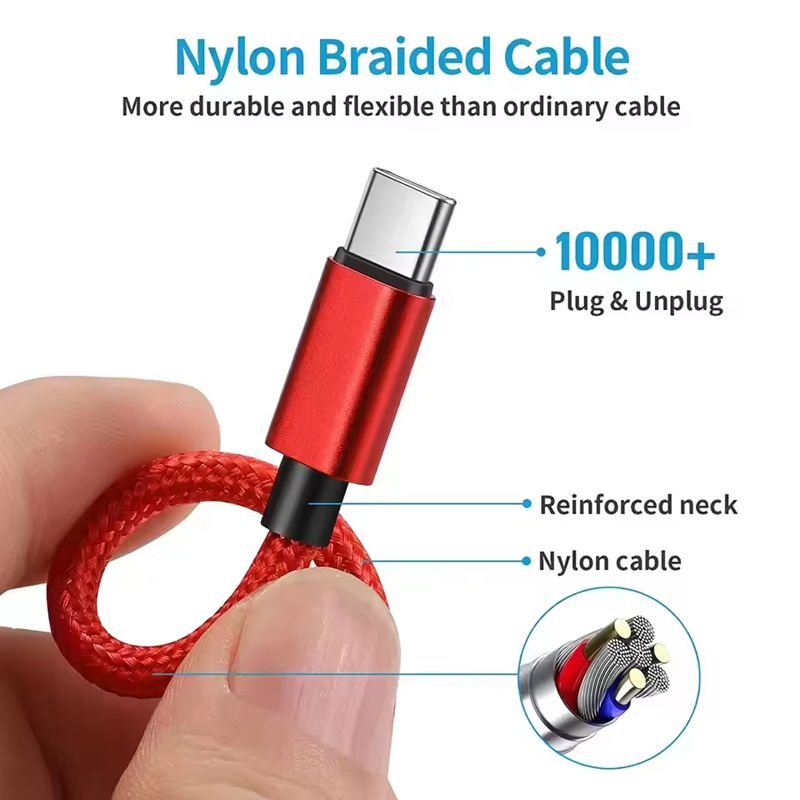
A USB cable is more than meets the eye. Its build determines how well it performs under stress:
- Conductors: Oxygen-free copper ensures low resistance. Silver-plated copper boosts performance in high-frequency environments.
- Insulation & Jacket: PVC is economical; TPE offers eco-friendly flexibility; braided nylon provides extra durability against bending.
- Shielding: Essential in industrial environments to block electromagnetic interference (EMI). Sino-conn often uses aluminum foil + braided copper shielding for reliability.

- Connector housings: Consumer-grade cables use molded plastic; Sino-conn provides aluminum or stainless steel shells for rugged use cases.
For industries like automotive or medical, durability under heat, chemicals, and constant bending is critical. That’s why Sino-conn tailors material choices to match exact customer needs.
Do Different USB Cble Types Solve Different Problems?
Yes. Different USB cables are designed to solve specific problems: fast charging, high-speed data transfer, durability in harsh conditions, or compatibility with legacy devices. Selecting the right type ensures reliability and efficiency across applications.
- Fast Charging: USB-C with PD (Power Delivery) supports up to 240W, powering laptops and monitors.

- High-Speed Data: USB 3.2 or 4.0 cables can transfer gigabytes in seconds—vital for engineers handling large datasets.
- Durability: Industrial USB assemblies with armored jackets withstand vibration, oil, and extreme temperatures.
- Compatibility: Legacy devices still rely on Micro or USB-B cables. Sino-conn provides hybrid and custom assemblies to bridge old with new.
In short: not all USB cables are created equal. Sino-conn’s custom assemblies solve the mismatch between what the device requires and what the market offers.
How to Choose the Right USB Cable for Your Application?
Choosing the right USB cable means matching your application’s needs: power, data speed, durability, and certification. For consumer electronics, cost and fast charging may matter most. For industrial or medical use, shielding, heat resistance, and compliance with UL, ISO, and RoHS are critical. Sino-conn helps clients by providing quick drawings, material recommendations, and custom options, ensuring you get the cable that works in your exact environment.
Clients rarely ask only “What USB cable do you have?” Instead, they ask “Which cable works for my device and environment?” To answer this, Sino-conn guides customers through a decision matrix:
| Factor | Key Questions | Options | Sino-conn Advantage |
|---|---|---|---|
| Device Type | What are you connecting? | Phone, PC, printer, industrial controller, medical device | Experience across consumer, automotive, industrial, medical |
| Power & Data Needs | Do you need basic charging or high-speed data? | 5W → 240W; USB 2.0 → USB 4.0 | Custom designs for PD/QC fast charging, 40Gbps transfer |
| Environment | Where will it be used? | Office, factory floor, outdoors, hospital | Materials: TPE/PVC/nylon; EMI shielding; waterproofing |
| Compliance | Which certifications matter? | UL, ISO, RoHS, REACH, PFAS, COO | Full documentation & certification provided |
| Customization | Do you need special length, pin-out, or molding? | 10cm → 10m; angled connectors; armored jackets | Drawings within 1–3 days; prototypes in 2–3 days |
Real Sino-conn practice:
- Drawings delivered in 30 minutes–3 days, always confirmed by client before production.
- Samples shipped in 2–3 days (urgent) or 2 weeks (standard).
- Bulk orders ready in 2–4 weeks.
- No MOQ: from 1 pcs to large batches, Sino-conn adapts.
By combining speed, technical depth, and customization, Sino-conn ensures clients don’t just get a USB cable—they get the right one for their exact application.
Are Custom USB Cable Assemblies Worth It
Custom USB cable assemblies are worth it because they provide tailored performance, compliance, and durability that off-the-shelf cables cannot guarantee. For OEMs, engineers, and distributors, custom solutions ensure reliability, faster approvals, and long-term cost savings.
Custom assemblies solve problems that generic cables can’t:
- Tailored performance: Adjust length, pin-outs, molding, and materials to meet exact needs.
- Compliance: Sino-conn offers UL, ISO, RoHS, REACH, PFAS, COO, and more.
- Flexibility: OEMs can choose between original or compatible connectors to balance cost and performance.
- Speed: Sino-conn delivers prototypes in days, with full production in weeks.
For trade distributors, Sino-conn’s flexibility means faster response to customer needs. For engineers, it’s about ensuring their R&D project succeeds without cable bottlenecks. For OEMs, it’s large-scale reliability with favorable pricing and payment terms.
Conclusion:
USB cables may look simple, but behind every successful device is the right cable choice. Whether you need a rugged industrial cable, a medical-grade solution, or a custom USB-C assembly for fast charging and data transfer, Sino-conn has the expertise, certifications, and speed to deliver.
Looking for custom USB cable solutions? Contact Sino-conn today to get your specifications reviewed, drawings prepared, and samples delivered faster than you expect. Your perfect USB cable assembly is just one inquiry away.



