 Skip to content
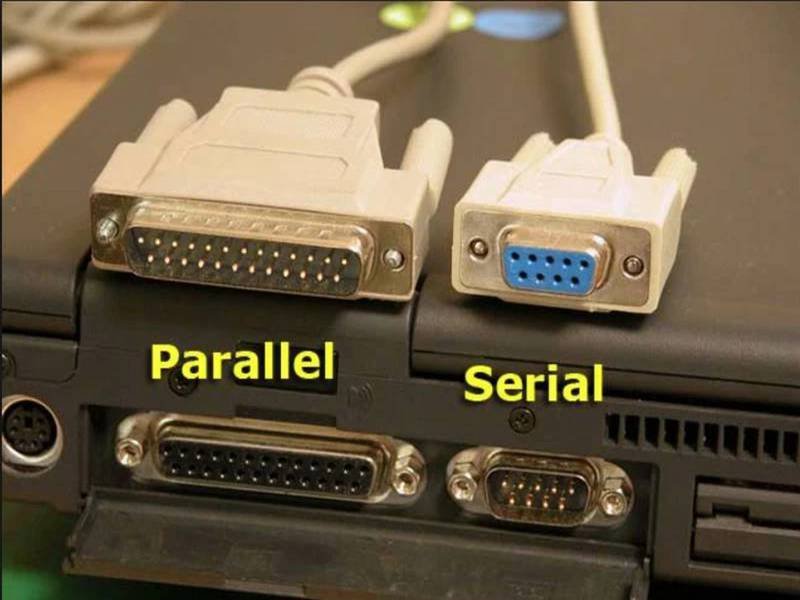
Serial connectors are not the newest topic in electronics, but they are still one of the most practical choices in real projects. Many factories, laboratories, medical devices, automation systems, and communication cabinets still depend on serial interfaces every day. The reason is simple: when a machine has to work for years without unstable communication, engineers usually prefer a proven connection instead of chasing the newest interface.
The problem is that many buyers only recognize the connector shape. They may say, “I need a DB9 cable,” or send a photo and ask, “Can you make the same one?” But the real question is not only whether the connector looks the same. A serial connector also involves pinout, cable structure, shielding, conductor size, jacket material, bending performance, screw locking, molding shape, operating temperature, and the communication standard behind it.
Types of serial connectors include DB9, DB25, RJ45 serial connectors, Mini-DIN connectors, USB-to-serial connectors, and terminal block serial connectors. DB9 and DB25 are widely used for RS-232 systems, RJ45 is common for console ports and industrial networking devices, Mini-DIN is useful where space is limited, USB-to-serial cables connect modern computers to older equipment, and terminal blocks are often used in PLC, RS-485, and field wiring systems.
At Sino-Conn, we often see one situation: the customer’s old cable works well, but the original supplier can no longer provide it, the lead time becomes too long, or the cost is too high. In many cases, the customer only has a sample, a photo, or a rough description. This is where connector identification, pinout confirmation, and custom cable assembly design become more important than simply buying a standard cable online.
What Are Types of Serial Connectors?
Types of serial connectors are physical interfaces used to establish serial communication between electronic devices. They allow data to travel one bit at a time through defined communication standards such as RS-232, RS-422, and RS-485. Although modern technologies like Ethernet, USB, and wireless communication are widely used today, serial connectors remain a critical part of industrial automation, medical equipment, transportation systems, laboratory instruments, communication infrastructure, and embedded electronics.
The reason is simple: reliability. In environments where equipment may operate continuously for 10 to 20 years, engineers often prioritize stability, compatibility, and ease of maintenance over raw transmission speed.
For many buyers, the term “serial connector” can be confusing because it actually involves two separate elements:
- The physical connector interface
- The communication protocol behind it
A DB9 connector may carry RS-232 signals in one application, while another DB9 connector may be wired for RS-485 communication. Externally they look identical, but internally they serve completely different purposes.
This is why identifying the connector shape alone is not enough when sourcing a replacement cable assembly or designing a new project.
What Is a Serial Connector?
A serial connector is the connection point that allows two devices to exchange data through serial communication.
Unlike parallel communication, where multiple bits are transmitted simultaneously across several conductors, serial communication sends data sequentially through fewer conductors. This simplifies cable construction, reduces connector size, lowers cost, and improves communication reliability over longer distances.
A complete serial cable assembly typically consists of:
| Component | Function |
|---|---|
| Connector | Physical interface to the device |
| Contacts/Terminals | Electrical connection points |
| Cable | Carries signals between devices |
| Shielding | Protects against EMI and noise |
| Jacket | Provides mechanical protection |
| Strain Relief | Protects cable exit points |
| Pinout | Defines signal routing |
Many customers focus only on the connector body, but experienced engineers know that the connector itself often accounts for only a small portion of the overall cable assembly performance.
For example, two DB9 serial cables may look identical externally:
- Same connector
- Same color
- Same length
Yet one may communicate perfectly while the other fails completely.
The difference is often hidden inside:
- Pin assignment
- Shield termination
- Wire gauge
- Cable impedance
- Grounding method
- Connector quality
At Sino-Conn, this is one of the most common issues we encounter when customers send us competitor samples for duplication. The connector may appear straightforward, but detailed inspection often reveals special wiring or shielding arrangements that are essential to proper operation.
Why Are Serial Connectors Still Used?
Many people assume serial communication is outdated because newer technologies offer much higher transmission speeds.
However, speed is not always the most important factor.
In industrial and commercial equipment, the communication system must often prioritize:
- Stability
- Predictability
- Ease of troubleshooting
- Long-term availability
- Low implementation cost
Consider a factory production line.
A PLC may only need to exchange small packets of data with a motor controller every few milliseconds. The total data volume is very low compared with modern Ethernet networks.
In this situation, a properly designed RS-485 serial network can operate reliably for years with minimal maintenance.
| Communication Method | Typical Distance | Noise Resistance | Equipment Cost |
|---|---|---|---|
| USB | Up to 5 m | Medium | Low |
| Ethernet | Up to 100 m | High | Medium |
| RS-232 | Up to 15 m | Medium | Low |
| RS-485 | Up to 1,200 m | Excellent | Low |
This explains why serial communication continues to dominate in:
- PLC systems
- CNC machines
- Elevator controls
- Building automation
- Medical analyzers
- Security systems
- Energy monitoring equipment
One customer from the automation industry approached Sino-Conn with a request for replacement communication cables used in a packaging machine that had been operating for nearly 15 years.
The machine manufacturer no longer supplied spare parts.
The original cable drawing had been lost.
Only a worn cable sample remained.
After analyzing the connector type, pinout structure, cable shielding, and conductor arrangement, Sino-Conn recreated the assembly and generated a new production drawing. The customer was able to continue operating the equipment without replacing the entire control system.
This scenario is surprisingly common throughout industrial manufacturing.
Where Are Serial Connectors Commonly Found?
Serial connectors are present in far more applications than most people realize.
They are especially common in equipment that requires dependable communication over long operating periods.
Some of the most common industries include:
| Industry | Typical Applications |
|---|---|
| Industrial Automation | PLCs, HMIs, servo systems |
| Medical Equipment | Patient monitors, diagnostic devices |
| Laboratory Instruments | Testing and measurement systems |
| Telecommunications | Routers, switches, console ports |
| Transportation | Railway and traffic systems |
| Energy Management | Power monitoring equipment |
| Security Systems | Access control and surveillance |
Within these industries, the connector may perform different functions.
For example:
In industrial automation:
- Machine control
- Sensor communication
- PLC programming
- Data acquisition
In medical equipment:
- Diagnostic data transfer
- Equipment configuration
- Internal communication between modules
- Maintenance interfaces
In communication equipment:
- Console access
- Device configuration
- System monitoring
- Firmware updates
One trend Sino-Conn has observed over the past several years is the growing demand for custom serial cable assemblies rather than standard catalog products.
Customers increasingly require:
- Special cable lengths
- Custom pinouts
- Hybrid cable assemblies
- High-flex cable structures
- Enhanced shielding
- Compact overmolding
- Medical-grade materials
As equipment becomes more specialized, standard cable assemblies often cannot satisfy all project requirements.
What Are the Most Common Types of Serial Connectors?
Several serial connector families dominate today’s market.
Each offers different advantages depending on the application.
| Connector Type | Common Communication Standard | Typical Industries |
|---|---|---|
| DB9 | RS-232, RS-485 | Industrial automation |
| DB25 | RS-232 | Legacy control systems |
| RJ45 Serial | Console, RS-232 | Networking equipment |
| Mini-DIN | Custom serial interfaces | Medical and instrumentation |
| Terminal Block | RS-485, RS-422 | Industrial controls |
| USB-to-Serial | RS-232, RS-485, RS-422 | Maintenance and programming |
DB9 connectors remain one of the most popular options because of their balance between size, durability, and compatibility.
RJ45 serial connectors are increasingly common in networking equipment because they save panel space.
Terminal block solutions are heavily used in industrial automation because they allow direct field wiring.
USB-to-Serial assemblies have become essential because most modern laptops no longer include native serial ports.
At Sino-Conn, DB9 and RJ45 serial cable assemblies represent a significant portion of custom serial projects, particularly for automation equipment manufacturers, system integrators, and maintenance service providers.
What Information Should You Prepare Before Requesting a Serial Cable Assembly?
Many buyers contact suppliers with only a connector photo and ask for a quotation.
While this is a good starting point, providing additional information can significantly improve quotation accuracy and shorten development time.
The following information is especially useful:
| Information | Why It Matters |
|---|---|
| Connector Type | Determines interface compatibility |
| Pinout | Defines signal routing |
| Cable Length | Affects pricing and performance |
| Communication Standard | RS-232, RS-422, RS-485 |
| Operating Environment | Determines material selection |
| Shielding Requirement | Improves EMI protection |
| Quantity | Impacts production planning |
| Drawing or Sample | Speeds engineering review |
Even if the customer does not know all technical details, a supplier with strong engineering support can often help identify the requirements.
This is one reason many OEM customers work with Sino-Conn. In many projects, customers only provide:
- A product photo
- An old cable sample
- A connector model number
- A hand sketch
Our engineering team can analyze the information, generate a production drawing, recommend suitable cable materials, confirm the pinout, and provide a complete solution before production begins.
This process reduces project risk and helps customers avoid costly mistakes caused by incorrect connector selection.
Ultimately, understanding types of serial connectors is not just about recognizing connector shapes. It is about understanding how the connector, cable structure, communication protocol, shielding system, and operating environment work together to create a reliable communication link that can support equipment throughout its entire service life.
Which Types of Serial Connectors Are Most Popular?
The most popular types of serial connectors in today’s market are DB9, DB25, RJ45 serial connectors, Mini-DIN connectors, terminal block connectors, and USB-to-Serial connectors. Each connector became popular because it solved a specific problem, whether that was saving installation space, supporting longer communication distances, simplifying maintenance, or providing compatibility with existing equipment.
For many engineers and purchasing teams, choosing the right serial connector is not about selecting the newest technology. It is about finding the connector that provides the best balance between reliability, availability, cost, service life, and compatibility with existing equipment.
One interesting fact is that many industrial machines currently operating around the world were designed 10 to 25 years ago. Even when newer communication technologies are available, replacing the entire control system often costs thousands or even tens of thousands of dollars. As a result, serial connectors continue to play a critical role in industrial automation, medical devices, transportation systems, telecommunications equipment, and testing instruments.
At Sino-Conn, serial connector projects typically fall into three categories:
- Replacement cables for existing equipment
- Custom cable assemblies for OEM manufacturers
- Engineering prototypes for new product development
Each category has different priorities, but connector selection remains one of the most important decisions.

DB9 Serial Connectors
DB9 connectors are probably the most recognized serial connector type in the world.
When people think about serial communication, the DB9 connector is usually the first image that comes to mind.
The connector contains 9 contacts arranged in two rows and is commonly used for RS-232 communication. However, many industrial systems also use DB9 connectors for RS-422 and RS-485 applications.
The reason DB9 became so popular is simple:
- Compact size
- Secure screw-lock design
- Wide availability
- Proven reliability
- Easy field replacement
Today, DB9 connectors remain common in:
| Application | Typical Equipment |
|---|---|
| Industrial Automation | PLCs, HMIs, Servo Controllers |
| Machine Tools | CNC Machines |
| Medical Equipment | Diagnostic Systems |
| Test Instruments | Data Loggers, Analyzers |
| Transportation Systems | Signal Controllers |
One advantage of DB9 connectors is their ability to withstand vibration better than many consumer-grade connectors.
The screw-locking mechanism prevents accidental disconnection, making DB9 connectors particularly useful in:
- Factory environments
- Vehicle-mounted systems
- Industrial cabinets
- Field installations
Many customers assume all DB9 cables are identical.
In reality, DB9 cable assemblies can vary significantly.
Examples include:
- Straight-through wiring
- Null modem wiring
- RS-232 pinouts
- RS-485 pinouts
- Shielded versions
- Unshielded versions
- Overmolded assemblies
- Metal-shell assemblies
A customer recently sent Sino-Conn a DB9 cable purchased from another supplier. The connector appeared correct, but communication failures occurred intermittently.
After inspection, the issue was traced to poor shield termination inside the connector shell. The replacement assembly used proper shield grounding and achieved stable communication immediately after installation.
This demonstrates why connector appearance alone should never be the basis for selection.

DB25 Serial Connectors
Although DB25 connectors are older than DB9 connectors, they continue to serve many industries where additional signal contacts are required.
DB25 connectors provide 25 contact positions, allowing engineers to combine multiple signals within a single interface.
Industries still using DB25 connectors include:
| Industry | Common Application |
|---|---|
| Industrial Control | Legacy Equipment |
| Telecommunications | Communication Systems |
| Military Equipment | Long-Life Programs |
| Laboratory Systems | Instrument Interfaces |
| Transportation | Control Networks |
One major reason DB25 connectors remain relevant is equipment lifecycle.
| Industry Sector | Typical Equipment Service Life |
|---|---|
| Consumer Electronics | 3-5 Years |
| Commercial Electronics | 5-8 Years |
| Industrial Automation | 10-20 Years |
| Medical Equipment | 10-15 Years |
| Military Systems | 15-30 Years |
Because industrial and military systems often remain operational for decades, the original connector design is frequently retained.
Replacing a connector standard can trigger:
- Hardware redesign
- Software modifications
- Certification costs
- Production delays
For this reason, many OEM manufacturers continue using DB25 connectors in new production runs when compatibility is important.
At Sino-Conn, DB25 cable assemblies are frequently requested for replacement projects where the original supplier has discontinued production.
In many cases, customers provide:
- An old sample
- Equipment photographs
- Existing connector part numbers
Our engineering team then recreates the cable assembly and prepares manufacturing drawings for customer approval.

RJ45 Serial Connectors
RJ45 serial connectors are often misunderstood because they look identical to standard Ethernet connectors.
However, an RJ45 connector can carry completely different signal types depending on the equipment design.
RJ45 serial connectors are commonly used for:
- Console ports
- Equipment configuration
- Maintenance interfaces
- Industrial gateways
- Communication devices
Many network equipment manufacturers use RJ45 serial interfaces because they offer several practical advantages.
| Feature | Benefit |
|---|---|
| Compact Size | Saves panel space |
| Low Cost | Economical connector system |
| Easy Installation | Familiar connector format |
| Light Weight | Suitable for compact devices |
| Wide Availability | Global supply chain support |
RJ45 serial connectors are commonly found on:
- Routers
- Switches
- Firewalls
- Network appliances
- Industrial Ethernet devices
A common mistake occurs when users assume every RJ45 cable is an Ethernet cable.
This can cause communication failures because:
- Ethernet pinouts differ from serial pinouts
- Manufacturers use different console cable wiring
- Signal assignments vary by equipment brand
For example:
| Manufacturer | Console Pinout |
|---|---|
| Cisco | Custom Console Pinout |
| Juniper | Different Assignment |
| Industrial Devices | Often Proprietary |
| Embedded Systems | Frequently Custom |
This is why pinout verification is essential.
At Sino-Conn, customers often send a photo of an RJ45 cable and request a quotation.
Before quoting, our engineers typically verify:
- Connector type
- Pin assignment
- Shielding requirements
- Cable structure
- Device compatibility
This process helps prevent costly mistakes during installation.

Mini-DIN Serial Connectors
Mini-DIN connectors are commonly selected when equipment designers need a compact serial interface without sacrificing reliability.
These connectors are particularly common in:
- Medical devices
- Laboratory equipment
- Embedded systems
- Portable instruments
- Specialized control equipment
One reason Mini-DIN connectors remain popular is their ability to provide multiple contacts within a small footprint.
Common Mini-DIN configurations include:
| Configuration | Typical Use |
|---|---|
| 4 Pin | Control Signals |
| 6 Pin | Instrumentation |
| 8 Pin | Data Communication |
| Custom Pin Counts | OEM Designs |
Compared with DB9 connectors, Mini-DIN connectors occupy significantly less panel space.
This makes them attractive for equipment where internal space is limited.
Medical equipment manufacturers often prefer Mini-DIN connectors because:
- Compact appearance
- Clean design
- Reliable positioning
- Reduced equipment size
A medical device customer worked with Sino-Conn to redesign an internal communication cable where installation space was extremely limited.
The original connector occupied too much room inside the enclosure.
By switching to a Mini-DIN solution and optimizing the overmold design, the customer gained additional space for other electronic components while maintaining communication performance.

Terminal Block Serial Connectors
Terminal block connectors are extremely common in industrial control systems.
Unlike plug-and-socket connectors, terminal blocks allow direct field wiring.
They are particularly popular for RS-485 communication systems.
Common applications include:
| Application | Example |
|---|---|
| PLC Systems | Field Communication |
| Building Automation | HVAC Controls |
| Energy Monitoring | Smart Meters |
| Factory Automation | Distributed Control |
| Access Control | Security Systems |
The popularity of terminal blocks comes from their simplicity.
Benefits include:
- Easy installation
- Easy troubleshooting
- Low replacement cost
- Flexible field wiring
- Strong mechanical retention
For long-distance RS-485 installations, terminal blocks often provide a practical solution because field technicians can terminate wires directly on-site.
At Sino-Conn, many RS-485 projects use:
- Shielded twisted pairs
- Terminal block connectors
- Industrial-grade jackets
- Custom labeling
These features help simplify installation and future maintenance.

USB-to-Serial Connectors
The rapid disappearance of native serial ports from modern computers created a new demand for USB-to-Serial solutions.
Many industrial machines still rely on serial communication, while modern laptops typically provide only USB interfaces.
USB-to-Serial adapters bridge this gap.
Common conversion options include:
| Adapter Type | Application |
|---|---|
| USB to RS-232 | Legacy Equipment |
| USB to RS-485 | Industrial Networks |
| USB to RS-422 | Long-Distance Communication |
| USB to TTL | Embedded Development |
| USB to RJ45 Console | Network Equipment |
Today, USB-to-Serial adapters are among the fastest-growing serial connector products because they allow older equipment to remain operational without redesigning existing infrastructure.
Selection factors include:
| Factor | Why It Matters |
|---|---|
| Chipset Quality | Driver Stability |
| Connector Type | Equipment Compatibility |
| Cable Shielding | EMI Protection |
| Cable Length | Signal Integrity |
| Molded Structure | Mechanical Durability |
One OEM customer approached Sino-Conn because commercially available USB-to-RS485 adapters did not fit inside their equipment enclosure.
The customer needed:
- A shorter cable
- Right-angle connector orientation
- Improved shielding
- Customized labeling
A custom cable assembly solved the installation problem while maintaining communication performance.
Which Serial Connector Type Is Used Most Often?
Although all connector types discussed above remain important, DB9 connectors continue to be one of the most widely used serial connector formats across industrial applications.
However, market demand varies significantly by industry.
| Industry | Most Common Connector |
|---|---|
| Industrial Automation | DB9, Terminal Block |
| Networking | RJ45 Serial |
| Medical Equipment | Mini-DIN, DB9 |
| Laboratory Instruments | DB9, DB25 |
| Building Automation | Terminal Block |
| Maintenance Tools | USB-to-Serial |
For new equipment development, engineers increasingly focus on complete cable assembly performance rather than connector selection alone.
The most successful projects evaluate:
- Connector compatibility
- Cable flexibility
- Shielding performance
- Installation requirements
- Environmental conditions
- Long-term maintenance
This is why Sino-Conn’s engineering team reviews the entire application before recommending a connector solution. In many cases, a small change in connector type, cable structure, or shielding design can significantly improve reliability, simplify installation, and reduce maintenance costs over the lifetime of the equipment.
How Do Types of Serial Connectors Differ?
One of the biggest misconceptions in the market is that the connector itself determines communication performance. In reality, two serial connectors may look exactly the same externally but perform very differently depending on the communication standard, cable structure, shielding design, transmission distance, and wiring method behind them.
For example, a DB9 connector used on a CNC machine may be carrying RS-232 signals, while another DB9 connector on a building automation system may be carrying RS-485 signals. To an untrained eye, both cables appear identical. However, their communication capabilities, wiring structures, transmission distances, and application scenarios are completely different.
This is why experienced engineers do not start by asking, “Which connector do I need?” Instead, they ask:
- What device is being connected?
- How far is the communication distance?
- How many devices need to communicate?
- Is there electrical noise nearby?
- Will the cable move during operation?
- What is the expected service life?
The answers to these questions usually determine whether RS-232, RS-422, or RS-485 is the best solution.
For buyers sourcing custom serial cable assemblies, understanding these differences can prevent expensive installation problems, communication failures, and unnecessary redesign costs later.
RS-232 Serial Connectors
RS-232 is one of the oldest and most widely used serial communication standards. Even today, thousands of industrial machines, medical devices, laboratory instruments, and testing systems continue to rely on RS-232 communication.
Its popularity comes from simplicity.
RS-232 was designed primarily for direct communication between two devices.
A typical setup looks like:
Computer → Cable → Device
Because only two devices are involved, system configuration is straightforward and troubleshooting is relatively easy.
RS-232 is commonly found in:
| Application | Equipment Examples |
|---|---|
| Industrial Automation | PLC Programming Ports |
| Medical Devices | Patient Monitoring Systems |
| Laboratory Equipment | Analytical Instruments |
| Retail Systems | Receipt Printers |
| Machine Control | CNC Equipment |
| Testing Equipment | Data Acquisition Systems |
Typical RS-232 performance characteristics:
| Parameter | RS-232 |
|---|---|
| Maximum Distance | Approximately 15 meters |
| Communication Type | Point-to-Point |
| Number of Devices | 2 |
| Noise Resistance | Moderate |
| Installation Complexity | Low |
| Cost | Low |
For short-distance communication, RS-232 remains a practical and economical solution.
However, problems begin when customers attempt to use RS-232 beyond its intended design limits.
A situation Sino-Conn frequently encounters involves customers extending RS-232 communication cables to 30 meters, 50 meters, or even longer.
At these distances, common symptoms include:
- Communication dropouts
- Data corruption
- Intermittent equipment alarms
- Connection failures
In many cases, the connector itself is functioning correctly. The issue is that RS-232 was never designed for that transmission distance.
Another common issue involves shielding.
A low-cost RS-232 cable may use:
- Minimal shield coverage
- Poor drain wire termination
- Low-quality conductors
In an office environment this may not create problems.
Inside a factory containing:
- Servo drives
- VFDs
- Welding machines
- Power distribution equipment
Communication reliability can quickly deteriorate.
This is why industrial RS-232 cable assemblies often use:
- Foil shielding
- Braided shielding
- Twisted conductors
- Metal connector shells
- Proper grounding methods
At Sino-Conn, many replacement RS-232 projects involve improving cable quality while maintaining connector compatibility with existing equipment.
RS-422 Serial Connectors
RS-422 was developed to address several limitations found in RS-232 communication.
The biggest improvement is differential signaling.
Instead of using a single signal referenced to ground, RS-422 uses paired signal lines.
This design offers significantly better resistance to electrical interference.
For equipment operating in noisy environments, this difference can be substantial.
Typical RS-422 applications include:
| Industry | Typical Use |
|---|---|
| Industrial Automation | Motion Control Systems |
| Transportation | Railway Electronics |
| Military Equipment | Mission-Critical Communications |
| Telecommunications | Remote Equipment Monitoring |
| Data Acquisition | Long-Distance Sensor Networks |
Compared with RS-232:
| Parameter | RS-232 | RS-422 |
|---|---|---|
| Maximum Distance | 15 m | 1,200 m |
| Noise Immunity | Medium | High |
| Communication Stability | Good | Excellent |
| Number of Receivers | 1 | Multiple |
| Industrial Suitability | Good | Very Good |
One advantage of RS-422 is its ability to maintain signal quality across long cable runs.
Consider a factory installation where equipment is located hundreds of meters apart.
Using RS-232 in this environment would create communication risks.
RS-422 provides a much more stable solution.
However, RS-422 is not automatically the best choice for every project.
Many customers assume that choosing the highest-performing communication standard guarantees the best result.
In reality, overspecification can increase cost without delivering meaningful benefits.
For example:
| Application Scenario | Recommended Standard |
|---|---|
| 5 Meter Laboratory Device | RS-232 |
| 10 Meter Medical Instrument | RS-232 |
| 200 Meter Factory Communication | RS-422 |
| 500 Meter Sensor Network | RS-422 |
| 1,000 Meter Industrial Control | RS-422 or RS-485 |
Choosing the communication standard should always be based on actual operating requirements rather than maximum specifications.
One medical equipment manufacturer approached Sino-Conn after experiencing occasional communication interruptions inside a diagnostic system.
The communication distance was relatively short, but multiple power modules generated electrical noise within the enclosure.
After reviewing the cable structure, additional shielding and differential signal design were incorporated into the assembly. The communication issues disappeared without requiring changes to the equipment electronics.
This example demonstrates that communication reliability is often influenced by cable design as much as connector selection.
RS-485 Serial Connectors
RS-485 is widely considered the most versatile serial communication standard for industrial applications.
When customers ask Sino-Conn which communication standard is most common in factory automation projects, RS-485 is usually the answer.
The reason is simple:
RS-485 combines:
- Long transmission distance
- Excellent noise immunity
- Multi-device communication capability
- Cost-effective installation
Unlike RS-232, which connects only two devices, RS-485 allows multiple devices to communicate on the same network.
This significantly reduces wiring complexity.
Instead of running individual communication cables to every device, multiple controllers, sensors, displays, and actuators can share a single communication bus.
Common RS-485 applications include:
| Industry | Application |
|---|---|
| Factory Automation | PLC Networks |
| Building Automation | HVAC Systems |
| Energy Management | Power Monitoring |
| Transportation | Signal Systems |
| Security Systems | Access Control |
| Water Treatment | Distributed Monitoring |
RS-485 performance characteristics:
| Parameter | RS-485 |
|---|---|
| Maximum Distance | Up to 1,200 m |
| Communication Type | Multi-Point |
| Noise Resistance | Excellent |
| Number of Devices | Multiple |
| Industrial Reliability | Excellent |
| Installation Cost | Low |
For many OEM manufacturers, RS-485 provides an ideal balance between performance and cost.
However, cable construction becomes increasingly important as communication distance increases.
Important cable design factors include:
| Factor | Impact on Communication |
|---|---|
| Twisted Pair Structure | Reduces noise pickup |
| Foil Shield | Improves EMI protection |
| Braided Shield | Enhances shielding coverage |
| Drain Wire | Improves grounding |
| Conductor Quality | Reduces signal loss |
| Cable Jacket | Protects against environmental damage |
One customer producing automated packaging equipment experienced communication instability during machine operation.
The original supplier had used:
- Unshielded cable
- Non-twisted conductors
- Standard PVC construction
The communication worked during bench testing but failed when installed near motor drives.
Sino-Conn redesigned the assembly using:
- Shielded twisted pairs
- Braided shielding
- Improved grounding
- Industrial-grade cable construction
The communication network became stable during full production operation.
The connectors remained unchanged.
The cable structure solved the problem.
This illustrates an important point:
The connector is only one component of the communication system.
Serial Communication Comparison
Many purchasing teams request quotations without knowing which communication standard is being used.
This often creates confusion during sourcing.
The following comparison can help identify the correct solution.
| Feature | RS-232 | RS-422 | RS-485 |
|---|---|---|---|
| Communication Method | Point-to-Point | Point-to-Multipoint | Multi-Point Network |
| Distance | Up to 15 m | Up to 1,200 m | Up to 1,200 m |
| Noise Immunity | Medium | High | Excellent |
| Installation Complexity | Low | Medium | Medium |
| Equipment Cost | Low | Medium | Medium |
| Industrial Use | Good | Very Good | Excellent |
| Network Expansion | Limited | Moderate | Excellent |
From a practical purchasing perspective:
Choose RS-232 when:
- Communication distance is short
- Only two devices communicate
- Existing equipment already uses RS-232
- Cost control is important
Choose RS-422 when:
- Long-distance communication is required
- Electrical noise exists
- Multiple receivers are needed
- Communication stability is critical
Choose RS-485 when:
- Multiple devices share one network
- Factory automation is involved
- Future expansion may be required
- Long-term industrial reliability is important
At Sino-Conn, one of the first questions our engineering team asks is not the connector type but the communication environment.
Once we understand:
- Communication protocol
- Equipment type
- Installation conditions
- Cable routing
- Distance requirements
we can recommend the most appropriate cable assembly structure, shielding design, connector configuration, and material selection.
This approach helps customers avoid overengineering, reduce costs, improve communication stability, and ensure that the final cable assembly performs reliably throughout the equipment’s service life.
How Do You Choose Types of Serial Connectors?
Choosing a serial connector is not simply about matching the connector that appears on the equipment. In real-world applications, the connector is only one part of the entire communication system. A connector that works perfectly in a laboratory may fail quickly in a factory. A cable assembly that functions well during testing may experience communication issues after installation if the wrong communication standard, shielding structure, or cable material is selected.
Many customers start by asking:
“Do you have a DB9 cable?”
The better question is:
“What is the cable expected to do?”
At Sino-Conn, we often receive RFQs that include only a connector photo or a connector part number. After discussing the project in more detail, we frequently discover that factors such as cable flexibility, shielding performance, connector orientation, communication distance, or environmental conditions are actually more important than the connector itself.
A successful serial cable assembly must satisfy several requirements simultaneously:
- Electrical performance
- Mechanical reliability
- Environmental suitability
- Installation convenience
- Long-term service life
- Cost efficiency
The following areas should always be evaluated before selecting a serial connector solution.
Choose by Application
The first step is understanding the application itself.
The same connector may be used very differently depending on the equipment.
For example, a DB9 connector used on a laboratory instrument may only be connected occasionally for data transfer. Meanwhile, a DB9 connector installed on a CNC machine may operate continuously for years in a high-vibration industrial environment.
The application often determines the most important design priorities.
| Industry | Main Selection Priority |
|---|---|
| Industrial Automation | Reliability and EMI Protection |
| Medical Devices | Safety and Flexibility |
| Laboratory Equipment | Signal Accuracy |
| Transportation Systems | Vibration Resistance |
| Military Equipment | Environmental Durability |
| Telecommunications | Stable Data Transmission |
| OEM Equipment | Cost and Manufacturability |
Many buyers focus heavily on connector compatibility but overlook how the cable will actually be used.
Important application questions include:
- Is the cable stationary or moving?
- How frequently will it be plugged and unplugged?
- Is the equipment installed indoors or outdoors?
- Is the cable routed through a drag chain?
- Will operators handle the cable daily?
- Does the equipment operate continuously?
The answers influence multiple design decisions.
For example:
| Application Type | Recommended Design Focus |
|---|---|
| Static Control Cabinet | Standard Industrial Cable |
| Robotic Equipment | High-Flex Cable |
| Portable Instrument | Lightweight Construction |
| Medical Equipment | Soft Jacket Materials |
| Factory Automation | Enhanced Shielding |
A customer manufacturing automated inspection equipment initially requested a standard serial cable assembly.
During engineering review, it became clear that the cable would move continuously with a robotic arm approximately 50,000 cycles per month.
A standard PVC cable would likely fail prematurely.
The final solution used:
- High-flex conductors
- TPE jacket
- Extended strain relief
- Improved shielding structure
The result was significantly longer service life and reduced maintenance.
This illustrates why application analysis should always come before connector selection.
Choose by Environment
The operating environment has a direct impact on cable performance and lifespan.
Many communication issues are not caused by connector defects but by environmental conditions that were not considered during product selection.
The following environmental factors should be evaluated:
| Factor | Potential Impact |
|---|---|
| Temperature | Material degradation |
| Humidity | Corrosion risk |
| Oil Exposure | Jacket damage |
| UV Exposure | Cracking and aging |
| Chemical Exposure | Material breakdown |
| Vibration | Connector loosening |
| Dust | Contamination |
| Mechanical Stress | Cable fatigue |
For example, a standard PVC cable may perform perfectly in an office environment but deteriorate rapidly when exposed to industrial oils.
Likewise, an indoor-rated cable installed outdoors may crack after prolonged UV exposure.
Typical material recommendations include:
| Environment | Recommended Material |
|---|---|
| General Industrial | PVC |
| High Flex Applications | TPE |
| Abrasive Conditions | TPU |
| Medical Equipment | Silicone or TPE |
| Outdoor Installation | UV-Resistant Jacket |
| Public Buildings | LSZH |
At Sino-Conn, material selection is typically based on actual operating conditions rather than default specifications.
Many customers initially request PVC because it is familiar and economical.
However, after understanding the installation environment, alternative materials may provide significantly longer service life.
One customer operating equipment in a food-processing facility experienced repeated cable failures every six months.
The original cable used a standard PVC jacket.
After switching to a more suitable material designed for frequent cleaning and chemical exposure, cable life increased substantially, reducing downtime and replacement costs.
Choose by Communication Performance
Communication requirements should be evaluated before selecting the connector and cable structure.
Many customers focus on connector appearance while overlooking the communication characteristics that determine system reliability.
Key factors include:
| Parameter | Why It Matters |
|---|---|
| Transmission Distance | Determines protocol suitability |
| Data Stability | Reduces communication errors |
| Noise Immunity | Improves reliability |
| Device Quantity | Supports network expansion |
| Signal Integrity | Prevents data corruption |
| Shielding Requirements | Reduces EMI |
Communication Standard Comparison:
| Parameter | RS-232 | RS-422 | RS-485 |
|---|---|---|---|
| Distance | Up to 15 m | Up to 1,200 m | Up to 1,200 m |
| Noise Resistance | Medium | High | Excellent |
| Network Capability | 2 Devices | Multiple Receivers | Multi-Device Network |
| Industrial Suitability | Good | Very Good | Excellent |
A common mistake is selecting a connector based solely on an existing device interface without considering future requirements.
For example:
A machine builder may initially connect only two devices using RS-232.
Two years later, additional modules are added.
The system must be expanded.
At that point, RS-485 may have been a better long-term choice because it supports multiple devices on the same communication network.
Planning for future expansion often reduces long-term engineering costs.
Choose by Shielding Requirements
Shielding is one of the most overlooked aspects of serial cable design.
Many communication problems originate from electromagnetic interference rather than connector failure.
Common noise sources include:
- Variable Frequency Drives
- Servo Motors
- Transformers
- Switching Power Supplies
- Welding Equipment
- High Current Power Lines
Without adequate shielding, symptoms may include:
- Data loss
- Communication interruptions
- Equipment alarms
- Random system resets
- Intermittent failures
Several shielding options are available.
| Shield Type | Typical Coverage | Protection Level |
|---|---|---|
| Foil Shield | 100% Coverage | Good |
| Braided Shield | 70-95% Coverage | Very Good |
| Foil + Braid | Combined Coverage | Excellent |
| Double Shield | Maximum Protection | Highest |
Selection depends on the operating environment.
| Application | Recommended Shielding |
|---|---|
| Office Equipment | Foil Shield |
| Medical Devices | Foil + Braid |
| Factory Automation | Braided Shield |
| Heavy Industrial Equipment | Double Shield |
| Transportation Systems | Foil + Braid |
One packaging machine manufacturer contacted Sino-Conn because communication failures only occurred when the machine entered full production mode.
Testing revealed significant electrical noise generated by servo drives.
The original cable used minimal shielding.
After upgrading to a double-shielded serial cable assembly, communication stability improved dramatically without modifying the machine electronics.
This demonstrates how shielding often contributes more to communication reliability than the connector itself.
Choose by Installation Requirements
The installation environment often influences connector selection more than electrical performance.
A connector that works well on a workbench may be difficult to install in a crowded control cabinet.
Important installation considerations include:
- Available space
- Cable routing path
- Bend radius
- Connector orientation
- Maintenance accessibility
- Cable movement
| Connector Type | Installation Advantage |
|---|---|
| DB9 | Secure locking |
| DB25 | High pin count |
| RJ45 | Compact size |
| Mini-DIN | Small footprint |
| Terminal Block | Easy field wiring |
| USB-to-Serial | Modern computer compatibility |
Many OEM customers request:
- Right-angle connectors
- Low-profile overmolding
- Custom cable exits
- Space-saving connector arrangements
These modifications can simplify assembly and improve serviceability.
A customer manufacturing compact industrial controllers had only limited space between two internal circuit boards.
A standard connector assembly interfered with adjacent components.
By redesigning the connector orientation and reducing overmold dimensions, Sino-Conn created a solution that fit within the available space while maintaining full functionality.
Choose by Total Cost Rather Than Unit Price
Many purchasing teams compare suppliers primarily on unit price.
While price is important, it should not be the only evaluation factor.
The true cost of a cable assembly includes:
| Cost Element | Potential Impact |
|---|---|
| Purchase Price | Initial Cost |
| Installation Time | Labor Cost |
| Failure Rate | Maintenance Cost |
| Downtime Risk | Production Loss |
| Replacement Frequency | Lifecycle Cost |
| Engineering Support | Development Efficiency |
Consider the following example:
| Scenario | Low-Cost Cable | Engineered Cable |
|---|---|---|
| Initial Price | Lower | Slightly Higher |
| Expected Life | 1-2 Years | 5+ Years |
| Communication Stability | Variable | Consistent |
| Maintenance Cost | Higher | Lower |
| Total Lifecycle Cost | Higher | Lower |
This is particularly important for OEM manufacturers.
A cable assembly that reduces field failures by even a small percentage can generate substantial savings across hundreds or thousands of units.
At Sino-Conn, many long-term customers initially came for pricing but continued working with us because of:
- Engineering support
- Fast drawing generation
- Customization capability
- Consistent quality
- Reliable lead times
For many projects, the most economical solution is not the cheapest cable. It is the cable that performs reliably throughout the equipment’s service life.
What Information Should You Send Before Requesting a Quote?
The more information provided during the RFQ stage, the faster and more accurate the quotation process becomes.
Helpful information includes:
| Information | Purpose |
|---|---|
| Connector Photos | Initial Identification |
| Part Numbers | Verify Compatibility |
| Pinout Diagram | Confirm Wiring |
| Cable Length | Cost Calculation |
| Application Description | Engineering Review |
| Operating Environment | Material Selection |
| Quantity Forecast | Production Planning |
| Drawings | Speed Up Development |
Even when technical information is limited, Sino-Conn can often assist.
Many customers start with:
- A product photo
- A sample cable
- A rough sketch
- A connector model number
From there, our engineering team can help identify the connector, confirm wiring requirements, recommend suitable cable materials, prepare drawings, and develop a complete custom cable assembly solution.
Choosing the right serial connector is ultimately about understanding the entire application rather than focusing on the connector alone. The best results come from balancing communication performance, environmental durability, installation convenience, long-term reliability, and overall project cost.
How Can Types of Serial Connectors Be Customized?
Many people assume serial connectors are standard products that can only be purchased according to a catalog specification. In reality, most industrial, medical, communication, transportation, and OEM projects require some level of customization.
The connector itself may be standard, but the cable assembly attached to it is often unique.
This is especially true for equipment manufacturers. During product development, engineers rarely design their products around an existing cable. Instead, the cable assembly is customized to match the product structure, installation space, communication requirements, operating environment, and production process.
At Sino-Conn, a large percentage of serial cable assembly projects involve customization rather than standard off-the-shelf products.
Customers frequently request modifications involving:
- Cable length
- Pinout definition
- Connector orientation
- Overmolding design
- Shielding structure
- Cable material
- Connector brand
- Wire gauge
- Labeling
- Packaging
Some projects require only a simple length adjustment.
Others involve complete redesigns of the cable assembly.
For example, a machine manufacturer may need:
- DB9 on one end
- RJ45 on the other end
- Custom RS-485 wiring
- Double shielding
- Oil-resistant cable jacket
- Right-angle connector design
While the connector types themselves are standard, the final assembly becomes a completely customized product.
This flexibility is one reason serial communication remains so widely used across different industries.
Custom Serial Cable Assemblies
A custom serial cable assembly is designed specifically for the customer’s application rather than being selected from a standard inventory item.
Compared with catalog products, custom cable assemblies provide better compatibility and often improve installation efficiency.
| Comparison | Standard Cable | Custom Cable Assembly |
|---|---|---|
| Cable Length | Fixed | Any Length |
| Pin Assignment | Standard | Customized |
| Connector Orientation | Fixed | Customized |
| Shielding | Limited | Application-Specific |
| Cable Material | Standard PVC | Multiple Material Options |
| Labeling | Generic | Customer-Specific |
| Installation Fit | General Purpose | Application-Specific |
Many OEM manufacturers face installation challenges because standard cable assemblies do not fit their equipment properly.
Common issues include:
- Cable too long
- Cable too short
- Incorrect connector orientation
- Insufficient flexibility
- Connector interference with nearby components
- Poor strain relief
One industrial automation customer approached Sino-Conn because technicians were spending several extra minutes routing excess cable inside every control cabinet.
The cable functioned correctly, but unnecessary cable length increased installation time.
After redesigning the cable assembly to the exact required length, installation became faster and cable management improved significantly.
For equipment manufacturers producing hundreds or thousands of units, even small improvements can create substantial savings.
Custom Pinout Designs
Pinout customization is one of the most important aspects of serial cable assembly design.
Two serial cables can look identical externally while performing completely different functions internally.
Many communication problems occur because the connector is correct but the wiring definition is wrong.
Typical custom pinout projects include:
- RS-232 crossover cables
- Null modem cables
- RS-485 communication cables
- OEM communication interfaces
- Multi-device control systems
- Legacy equipment replacements
Example:
| Pin Number | Standard Wiring | Custom Wiring |
|---|---|---|
| Pin 2 | TX | RX |
| Pin 3 | RX | TX |
| Pin 5 | Ground | Ground |
From the outside, both cables appear identical.
Internally, they perform completely different communication functions.
One common challenge involves replacing discontinued cable assemblies.
Many customers contact Sino-Conn because:
- Original drawings are unavailable
- Equipment supplier no longer exists
- Replacement parts are discontinued
- Existing documentation is incomplete
In these situations, customers often provide:
- An old cable sample
- Connector photos
- Equipment model numbers
- Wiring diagrams
Our engineering team can analyze the assembly, verify continuity, identify the pinout structure, and generate a manufacturing drawing for approval before production begins.
This process helps eliminate guesswork and reduces installation risk.
Custom Connector Configurations
Many projects require modifications to the connector itself.
Customization options often include:
- Male or female versions
- Right-angle connectors
- Panel-mount designs
- Locking mechanisms
- Connector shell materials
- Waterproof structures
- Low-profile designs
Connector modifications are often driven by equipment space limitations.
For example:
| Installation Condition | Common Solution |
|---|---|
| Limited Depth | Right-Angle Connector |
| Outdoor Use | Waterproof Connector |
| High Vibration | Locking Connector |
| Compact Device | Low-Profile Design |
| Control Cabinet | Panel Mount Connector |
A customer producing compact communication equipment experienced interference between the connector and a nearby cooling fan.
The standard connector assembly physically fit but reduced airflow inside the enclosure.
Sino-Conn redesigned the assembly using a right-angle connector and optimized overmolding structure, solving the problem without requiring changes to the equipment housing.
Small connector modifications can often prevent expensive enclosure redesigns.
Custom Shielding Structures
Shielding is one of the most frequently customized elements in industrial serial cable assemblies.
Many communication issues originate from electromagnetic interference rather than connector failure.
Common noise sources include:
- Servo drives
- Frequency converters
- High-current motors
- Welding equipment
- Power distribution systems
- Switching power supplies
Different applications require different shielding levels.
| Shielding Type | Typical Coverage | Application |
|---|---|---|
| Foil Shield | 100% | General Communication |
| Braided Shield | 70-95% | Industrial Equipment |
| Foil + Braid | High Coverage | Factory Automation |
| Double Shield | Maximum Protection | Heavy Industrial Systems |
Shielding customization may involve:
- Shield coverage percentage
- Shield material
- Grounding method
- Drain wire design
- Connector shell bonding
One customer operating automated production equipment experienced intermittent communication faults during machine startup.
The original cable assembly used minimal shielding.
After upgrading to:
- Shielded twisted pairs
- Foil shielding
- Braided shielding
- Improved grounding
communication stability improved immediately.
The connectors remained unchanged.
Only the cable construction was modified.
This highlights the importance of evaluating the complete cable assembly rather than focusing solely on connector selection.
Custom Cable Materials
Cable material selection has a major impact on flexibility, durability, and environmental resistance.
Many customers initially request PVC because it is widely available and economical.
However, PVC is not always the best option.
Different environments require different materials.
| Material | Key Advantages |
|---|---|
| PVC | Cost Effective |
| TPU | Abrasion Resistant |
| TPE | High Flexibility |
| Silicone | Extreme Flexibility |
| LSZH | Low Smoke, Halogen Free |
Selection depends on application requirements.
| Application | Recommended Material |
|---|---|
| Control Cabinet | PVC |
| Robotic Equipment | TPE |
| Industrial Machinery | TPU |
| Medical Equipment | Silicone |
| Public Infrastructure | LSZH |
At Sino-Conn, material recommendations are typically based on actual installation conditions rather than default specifications.
For example, a cable installed inside a stationary control cabinet may perform well with PVC.
A cable subjected to continuous movement may require TPE or TPU to achieve acceptable service life.
One automation customer previously replaced communication cables every 12 months due to repeated flexing.
After switching to a high-flex TPE construction, service life increased significantly and maintenance requirements decreased.
Custom Overmolding and Strain Relief
The area where the cable exits the connector is often the first point of failure.
Repeated bending can cause:
- Broken conductors
- Shield damage
- Intermittent communication
- Complete cable failure
Proper strain relief helps distribute mechanical stress and extend cable life.
Customization options include:
- Extended strain relief
- Flexible strain relief
- Multi-step strain relief
- Low-profile overmolding
- Reinforced overmolding
| Application Type | Recommended Design |
|---|---|
| Stationary Equipment | Standard Strain Relief |
| Frequent Movement | Extended Flexible Relief |
| Portable Equipment | Reinforced Exit Design |
| Medical Devices | Soft Flexible Overmolding |
A medical equipment customer required a communication cable that would be moved and repositioned several times each day.
The original assembly failed near the connector after repeated use.
By redesigning the overmold and extending the strain relief length, cable durability improved substantially.
This modification increased product life without changing the communication system.
Custom Labeling and Identification
As production volumes increase, cable identification becomes increasingly important.
OEM manufacturers often request:
- Product labels
- Serial numbers
- Part numbers
- QR codes
- Customer logos
- Batch tracking information
Benefits include:
| Benefit | Impact |
|---|---|
| Faster Installation | Reduced Assembly Errors |
| Improved Traceability | Easier Maintenance |
| Inventory Management | Better Stock Control |
| Service Support | Faster Troubleshooting |
For complex equipment containing multiple communication cables, proper labeling can significantly reduce assembly mistakes.
Many OEM customers include custom labeling as a standard requirement for production cable assemblies.
How Sino-Conn Supports Custom Serial Connector Projects
One reason customers choose Sino-Conn is flexibility.
Many suppliers focus only on standard catalog products.
Sino-Conn supports customization from prototype stage through mass production.
Our support typically includes:
| Service | Customer Benefit |
|---|---|
| Connector Identification | Faster Project Startup |
| Drawing Creation | Reduced Engineering Time |
| Pinout Verification | Lower Installation Risk |
| Material Selection | Improved Reliability |
| Prototype Samples | Faster Validation |
| Mass Production | Stable Supply |
For many projects, customers initially provide only:
- A connector photo
- A cable sample
- A rough sketch
- An equipment model number
Our engineering team can assist with:
- Connector identification
- Pinout analysis
- Cable structure recommendations
- Shielding design
- Material selection
- Drawing preparation
Drawings are normally provided for customer approval before production begins, helping ensure the final assembly matches project requirements.
Ultimately, the value of customization is not simply changing a connector or cable length. The goal is to create a serial cable assembly that fits the application perfectly, improves reliability, simplifies installation, and supports long-term equipment performance. For OEM manufacturers, automation companies, medical device developers, and system integrators, these improvements often generate far greater value than the cost difference between a standard cable and a properly engineered custom solution.
Frequently Asked Questions
Which Types of Serial Connectors Are Most Common?
The most common serial connectors today include DB9, DB25, RJ45 serial connectors, Mini-DIN connectors, USB-to-Serial connectors, and terminal block connectors.
DB9 remains one of the most widely used interfaces in industrial equipment, while RJ45 serial ports are commonly found on networking hardware.
What Is the Difference Between DB9 and DB25?
The primary difference is pin count.
DB9 contains nine pins, while DB25 contains twenty-five pins.
DB25 can support additional control signals and custom wiring configurations.
DB9 is smaller and more common in modern industrial equipment.
Are USB-to-Serial Connectors Reliable?
Yes, when properly designed.
High-quality USB-to-serial cable assemblies provide stable communication and allow modern computers to communicate with legacy serial equipment.
Connector quality, chipset selection, cable shielding, and assembly quality all influence performance.
Which Types of Serial Connectors Are Best for Industrial Use?
There is no universal answer.
The best connector depends on:
- Communication standard
- Environment
- Distance
- Installation method
- Existing equipment
For many industrial applications, RS-485 communication combined with properly shielded cable assemblies offers excellent long-term reliability.
Can Types of Serial Connectors Be Customized?
Yes.
Almost every aspect can be customized, including:
- Connector type
- Pinout
- Cable length
- Shielding
- Jacket material
- Connector orientation
- Labeling
- Packaging
Custom solutions are particularly common among OEM manufacturers, industrial equipment suppliers, and medical device companies.
Why Choose Sino-Conn for Custom Serial Connector Projects?
Choosing a cable assembly supplier is about more than manufacturing capability.
The right supplier should help reduce engineering risk, shorten development cycles, and support long-term production.
At Sino-Conn, customers benefit from:
Fast Engineering Response
Many RFQs arrive with incomplete information.
Customers may provide:
- A photograph
- A sample cable
- A connector model
- A hand sketch
Our engineering team can assist with connector identification, cable structure recommendations, and drawing development.
For many projects, manufacturing drawings can be provided within a short timeframe for review and approval.
No MOQ Requirement
Many suppliers focus only on high-volume orders.
However, product development often starts with small quantities.
Sino-Conn supports:
- Single prototype orders
- Engineering validation samples
- Pilot production
- Mass production
This flexibility helps engineers verify designs before committing to larger purchases.
Strong Customization Capability
Customization options include:
- Original brand connectors
- Compatible connector alternatives
- Custom pinouts
- Custom cable structures
- High-flex designs
- Medical-grade materials
- Industrial-grade shielding
- Overmolded assemblies
Whether the customer requires one sample or thousands of units, the production process remains controlled and documented.
Quality Control Throughout Production
Serial communication reliability depends heavily on consistency.
Sino-Conn applies multiple inspection stages including:
| Stage | Inspection Focus |
|---|---|
| Incoming Inspection | Connector and cable verification |
| Process Inspection | Assembly quality |
| Electrical Testing | Pin-to-pin verification |
| Final Inspection | Appearance and function |
| Pre-Shipment Inspection | Overall quality confirmation |
Every cable assembly is checked before shipment to reduce installation risks.
Global Industry Experience
Our serial cable assemblies are used across multiple industries including:
- Industrial automation
- Medical devices
- Telecommunications
- Transportation
- Test and measurement
- Security systems
- Embedded electronics
This experience allows our team to understand different project requirements and recommend practical solutions.
Conclusion
Choosing among different types of serial connectors is not simply about selecting a connector shape. The most successful projects consider communication standards, environmental conditions, shielding requirements, cable flexibility, installation methods, and long-term reliability together.
DB9, DB25, RJ45, Mini-DIN, USB-to-serial, and terminal block connectors each have their strengths. The right choice depends on how the equipment operates, where it will be installed, and what level of performance is expected throughout its service life.
Many customers initially come to Sino-Conn looking for a replacement cable. After reviewing the project, they often discover opportunities to improve reliability, simplify installation, reduce maintenance, or optimize manufacturing costs through a customized solution.
Whether you have a complete engineering drawing, a connector part number, an old cable sample, or simply a photo of the product you need, the Sino-Conn team can help.
Send us your requirements today, and our engineers will help you identify the right serial connector solution, prepare drawings for approval, and provide a custom cable assembly designed specifically for your application.



