Skip to content
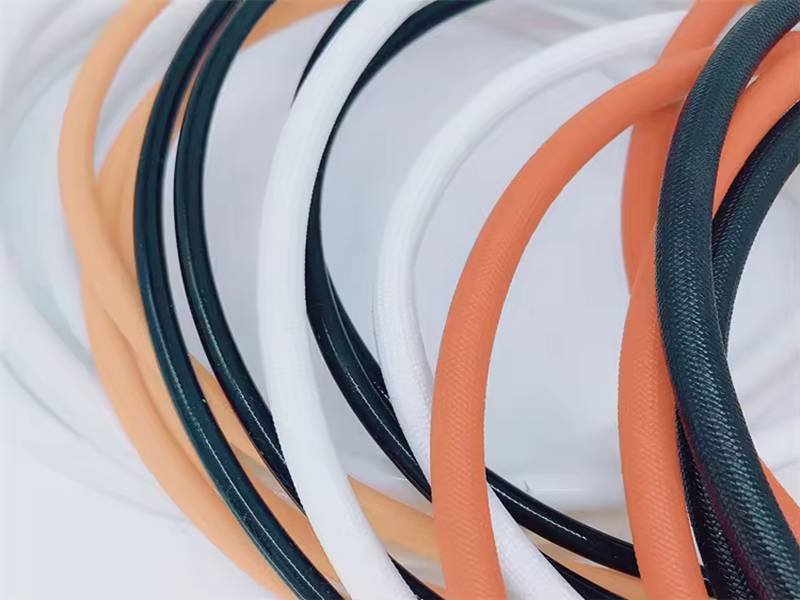
In cable assemblies, failures rarely happen at the conductor first. More often, the real problem starts outside — with the cable jacket. Engineers and buyers frequently focus on connectors, shielding, or impedance control, yet overlook the jacket material that protects everything underneath. In real-world applications, the wrong jacket material can lead to cracking, oil absorption, UV degradation, stiffness in cold environments, or even compliance failure during certification testing.
Today’s cable jacket materials are no longer “one-size-fits-all.” From PVC and polyethylene to advanced polyurethane, TPE, silicone rubber, and halogen-free compounds, each option behaves differently under heat, bending, chemicals, flame exposure, and long-term mechanical stress. Selecting the correct jacket material directly impacts cable lifespan, safety ratings, production cost, and lead time — especially for custom OEM cable assemblies.
Cable jackets are typically made from materials such as PVC, PE, PUR, TPE, TPU, or silicone rubber. The right material depends on temperature range, flexibility, chemical resistance, flame rating, and application environment. Choosing the correct jacket material improves cable durability, compliance, and performance in industrial, medical, automotive, and electronic applications.
Behind every reliable cable assembly is a set of material decisions that are rarely visible — but always critical. In the following sections, we’ll break down what cable jackets do, which materials are commonly used, how engineers choose between them, and how OEM buyers can avoid costly mistakes before production even begins.
What Is a Cable Jacket?
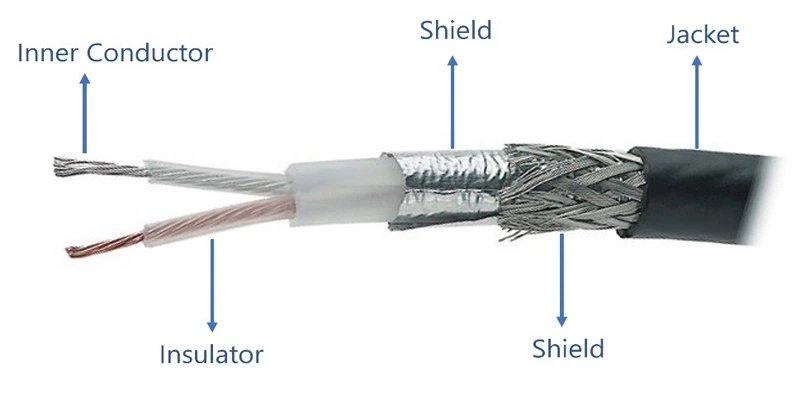
A cable jacket is the outermost protective layer of a cable assembly that shields internal conductors, insulation, and shielding from mechanical damage, heat, chemicals, moisture, and environmental exposure. The jacket material directly affects flexibility, bend life, flame resistance, temperature rating, and regulatory compliance. Choosing the wrong cable jacket material often leads to premature failure, safety risks, or rejection during certification and field use.
What exactly is a cable jacket in a cable assembly?
A cable jacket is not just a cosmetic outer layer. In a professional cable assembly, it is a functional engineering component designed to protect everything inside the cable throughout its entire service life.
Structurally, the cable jacket sits outside the conductor insulation and shielding layers. Its role is to:
- Absorb mechanical stress such as abrasion, pulling, twisting, and bending
- Act as a barrier against oil, moisture, chemicals, UV radiation, and dust
- Maintain dimensional stability, including outer diameter (OD) and roundness
- Contribute to fire safety, smoke emission behavior, and toxicity levels
In real applications, the jacket is the part of the cable that interacts directly with the environment. Floors, cable trays, robotic arms, machine housings, cleaning agents, and even human handling all affect the jacket first — long before conductors or connectors are impacted.
That is why, in engineering-driven cable design, the jacket is treated as a performance-critical material, not an afterthought.
Why does the jacket material directly impact cable reliability and lifespan?
From a failure-analysis perspective, many cable problems do not start electrically. They start mechanically.
Common real-world failure scenarios include:
- Jacket cracking due to low-temperature embrittlement
- Jacket softening or swelling after oil or coolant exposure
- Jacket hardening and losing flexibility after prolonged heat aging
- Jacket abrasion exposing shielding layers in dynamic applications
Once the jacket is compromised, moisture ingress, shielding damage, and conductor fatigue follow quickly. Even if the cable still “works” electrically, its reliability is already degraded.
Different jacket materials behave very differently under stress:
- PVC may perform well in static indoor use but fail early in continuous flex
- PE resists moisture well but lacks abrasion resistance
- PUR excels in dynamic, oily environments but costs more upfront
This is why experienced manufacturers like Sino-conn evaluate jacket material together with bend radius, flex cycles, OD tolerance, and application environment — not in isolation.
How does the cable jacket affect flexibility and bend performance?
Flexibility is one of the most misunderstood aspects of cable jackets.
A jacket that feels “soft” by hand does not necessarily perform well under repeated bending. True flexibility depends on:
- Jacket material elasticity
- Jacket thickness
- Interaction with conductor stranding and shielding
- Minimum bend radius requirements
In dynamic applications such as drag chains, robotics, or moving medical equipment, the jacket must repeatedly stretch and recover without cracking or transferring stress to inner layers.
For example:
- PVC jackets tend to develop micro-cracks over time under cyclic bending
- PUR jackets distribute mechanical stress more evenly and maintain flexibility
- TPE/TPU jackets provide softness with better fatigue resistance
Choosing the wrong jacket material here does not cause immediate failure — it causes silent fatigue, which is far more dangerous for OEM equipment in the field.
Why does the jacket determine safety and regulatory compliance?
Many buyers assume compliance depends mainly on conductors or connectors. In reality, most safety and environmental regulations focus heavily on the jacket material.
Key examples include:
- UL flame ratings (e.g., VW-1) — primarily jacket-dependent
- Halogen-free and LSZH requirements — jacket formulation driven
- RoHS / REACH / PFAS compliance — chemical composition of jacket compounds
If a jacket fails a flame or smoke test, the entire cable assembly may be rejected — regardless of electrical performance.
This is especially critical for:
- Medical equipment
- Public infrastructure
- Transportation and automotive systems
- Industrial automation in enclosed spaces

At Sino-conn, jacket compliance is verified at the material selection stage, not after production, reducing redesign risk and certification delays.
Why do non-technical buyers often underestimate the jacket’s importance?
Trade buyers and non-engineering procurement teams often approach cable sourcing with:
- A model number
- A photo
- A price target
However, photos rarely reveal:
- Jacket compound formulation
- Flame-retardant additives
- Chemical resistance capability
- Long-term flex behavior
This is where many sourcing mistakes occur. Two cables may look identical externally but behave completely differently after six months of real use.
That is why Sino-conn routinely:
- Analyzes customer-provided images
- Reverse-engineers jacket materials
- Recommends alternatives based on actual application conditions
This consultative approach helps buyers avoid hidden risks that only appear after deployment.
Which Materials Are Commonly Used for Cable Jackets?
Common cable jacket materials include PVC for general-purpose cables, PE and XLPE for low-loss and outdoor use, PUR for high-flex and oil-resistant applications, TPE/TPU for soft and flexible designs, and silicone rubber for high-temperature or medical environments. Each material offers different trade-offs in flexibility, durability, chemical resistance, temperature range, flame performance, and cost, making material selection application-specific.
To choose the right cable jacket material, it is not enough to know the material name. What truly matters is how that material behaves over time under heat, bending, chemicals, and mechanical stress. Below is a professional guide of the most commonly used cable jacket materials, explained from both an engineering and OEM buyer perspective.
PVC (Polyvinyl Chloride) — The Most Common and Cost-Efficient Option
PVC is the most widely used cable jacket material in the global market, primarily due to its low cost, easy processing, and broad regulatory acceptance. It provides good electrical insulation, acceptable flame resistance, and stable dimensional control, making it suitable for consumer electronics, office equipment, and general industrial wiring.
However, PVC has inherent limitations. It tends to stiffen in low-temperature environments and gradually loses flexibility under continuous bending. Prolonged exposure to oils, plasticizers, or elevated temperatures can cause hardening or cracking. From a compliance standpoint, standard PVC formulations may contain halogens unless specifically modified.
PVC jackets are best suited for static or semi-flex applications where cost sensitivity is high and environmental conditions are controlled.

PE and XLPE — Moisture-Resistant and Electrically Stable Materials
Polyethylene (PE) and cross-linked polyethylene (XLPE) are widely used in communication cables, coaxial cables, and outdoor installations. These materials offer excellent moisture resistance, low dielectric loss, and stable electrical performance over long distances.
XLPE improves upon standard PE by increasing thermal resistance and mechanical strength, allowing operation at higher temperatures. However, both PE and XLPE are generally stiffer than PVC or PUR, making them less suitable for dynamic applications.
Another key consideration is flame resistance. PE-based jackets typically require flame-retardant additives to meet UL or building safety standards, which can affect flexibility and cost.
PUR (Polyurethane) — High-Performance for Dynamic and Industrial Use
Polyurethane (PUR) is considered a premium cable jacket material and is widely used in industrial automation, robotics, drag chain systems, and machine tools. Its standout properties include exceptional abrasion resistance, strong oil and chemical resistance, and superior flex life under continuous movement.
Compared to PVC, PUR maintains flexibility over a much wider temperature range and resists cracking under repeated bending. Although PUR jackets are more expensive upfront, they often deliver a lower total cost of ownership due to longer service life and reduced downtime.
For OEM buyers prioritizing durability and reliability in harsh environments, PUR is often the most balanced solution.
TPE and TPU — Flexible, Soft, and Application-Friendly
Thermoplastic elastomers (TPE) and thermoplastic polyurethane (TPU) combine the softness of rubber with the processability of thermoplastics. These materials are increasingly popular in medical devices, wearable electronics, handheld tools, and consumer products where flexibility, comfort, and aesthetics matter.
TPE/TPU jackets offer good flexibility, smooth surface finish, and improved fatigue resistance compared to PVC. They are also recyclable and available in halogen-free formulations.
Performance varies significantly depending on formulation. Some TPEs prioritize softness, while others enhance oil or heat resistance. This makes close collaboration with the cable manufacturer essential during material selection.

Silicone Rubber — Extreme Temperature and Medical Applications
Silicone rubber jackets are designed for environments where temperature extremes or biocompatibility are critical. They can typically operate from -60 °C to +200 °C and remain flexible across this entire range.
Silicone is chemically inert, non-toxic, and well-suited for medical, laboratory, aerospace, and high-temperature industrial applications. However, it has lower tear strength and abrasion resistance than PUR or TPU, making it less suitable for harsh mechanical environments unless additional protection is added.
Due to higher material and processing costs, silicone jackets are usually reserved for specialized applications rather than general-purpose cables.
Material Comparison Table
| Jacket Material | Flexibility | Temp Range | Oil/Chemical Resistance | Flame Options | Typical Applications |
|---|---|---|---|---|---|
| PVC | Medium | -20°C to 80°C | Low–Medium | Yes | Consumer, indoor industrial |
| PE / XLPE | Low | -40°C to 90°C | Medium | Additives needed | Coaxial, outdoor cables |
| PUR | High | -40°C to 105°C | High | Yes | Robotics, automation |
| TPE / TPU | High | -40°C to 125°C | Medium–High | Yes | Medical, wearables |
| Silicone | Very High | -60°C to 200°C | Medium | Limited | Medical, high-temp |
How Do You Choose the Right Cable Jacket Material?
Choosing the right cable jacket material requires evaluating operating temperature, flexibility and bend life, environmental exposure, safety compliance, and total lifecycle cost. The best choice balances mechanical durability, regulatory requirements, and production feasibility. Engineers should select jacket materials based on real application conditions rather than appearance or unit price to avoid premature failure and redesign risks.
Selecting a cable jacket material is not a single decision — it is a structured engineering process. Below is a practical framework used by experienced cable manufacturers and OEM engineers to minimize risk and ensure long-term reliability.
How does operating temperature define material boundaries?
Temperature sets the non-negotiable limits of jacket material selection. Every polymer has a thermal range where it remains mechanically stable. Operating outside this range accelerates aging, stiffening, or deformation.
For example:
- Standard PVC typically performs between –20 °C and +80 °C
- PUR and industrial TPE often handle –40 °C to +105 °C
- Silicone rubber may operate up to +200 °C
Engineers must consider not only ambient temperature but also heat generated by nearby components, enclosed housings, or continuous electrical load. A jacket that technically “meets” the rating but operates near its limit often fails early. Best practice is to maintain a 20–30 °C safety margin.
How do flexibility and bend life impact dynamic applications?
Flexibility is one of the most misunderstood criteria in cable design. A jacket that feels soft during handling does not guarantee long-term durability under repeated motion.
For dynamic applications, engineers must evaluate:
- Minimum bend radius
- Expected number of flex cycles
- Direction and speed of movement
PVC jackets may pass initial tests but develop micro-cracks after thousands of cycles. PUR and TPU jackets, by contrast, distribute stress more evenly and maintain elasticity under continuous motion. This is why automation, robotics, and drag-chain systems almost universally rely on PUR-based jackets despite higher material costs.
Ignoring bend life is one of the most common reasons cables fail prematurely in the field.
How does environmental exposure influence material choice?
Real-world environments are rarely clean or stable. Oils, coolants, solvents, UV radiation, and moisture all attack cable jackets differently.
Key considerations include:
- Oil & chemical resistance: PUR outperforms PVC in industrial environments
- UV exposure: PE and specially formulated TPE resist sunlight better
- Moisture resistance: PE-based jackets prevent water ingress effectively
Selecting a jacket material without understanding environmental exposure often leads to gradual degradation that is difficult to detect until failure occurs. Sino-conn evaluates customer applications based on actual usage conditions, not just theoretical specifications.
How do safety and regulatory requirements shape material selection?
Compliance is often the deciding factor, especially for equipment sold internationally. Jacket materials directly affect:
- UL flame ratings (e.g., VW-1)
- Halogen-free and LSZH requirements
- RoHS, REACH, and PFAS compliance
For example, halogen-free jackets reduce toxic gas emission in fire scenarios but may sacrifice flexibility or increase cost. Engineers must balance safety standards with mechanical performance and market access requirements.
Choosing a non-compliant jacket can delay product launch or block entire markets.
How should cost be evaluated beyond material price?
Focusing only on material cost is a short-term strategy. A cheaper jacket that fails early increases:
- Warranty claims
- Maintenance downtime
- Replacement labor costs
PUR jackets may cost more per meter but often reduce total lifecycle cost due to longer service life. For OEMs, the right question is not “Which jacket is cheapest?” but “Which jacket minimizes long-term risk?”
How does collaboration with the manufacturer improve results?
The most successful cable projects are collaborative. Experienced manufacturers like Sino-conn provide:
- Material recommendations based on application data
- Rapid CAD drawings (30 minutes to 3 days)
- Fast sampling and no MOQ flexibility
- Original or alternative connector solutions
This engineering-driven approach allows buyers to make informed decisions even when they start with only a photo or partial specification.
Are Cable Jacket Materials Different for Various Industries?
Yes, cable jacket materials vary significantly by industry because different applications impose unique mechanical, environmental, and regulatory requirements. Industrial automation prioritizes abrasion and oil resistance, medical devices require biocompatibility and sterilization stability, automotive systems demand heat and flame resistance, and consumer electronics focus on flexibility and cost control. Selecting industry-appropriate jacket materials is critical for safety, compliance, and long-term reliability.
Cable jacket selection is never purely technical — it is application-driven. Each industry exposes cables to different stresses, regulations, and lifecycle expectations. Below is a detailed breakdown of how jacket material requirements change across major industries.
Industrial Automation & Manufacturing Equipment
Industrial environments are among the harshest conditions for cable assemblies. Cables in factories are exposed to oils, coolants, metal dust, vibration, and continuous motion. Many are installed in drag chains, robotic arms, or moving machine components.
Key jacket requirements include:
- High abrasion resistance
- Strong oil and chemical resistance
- Long flex life under repeated bending
PUR is the most commonly selected jacket material in this sector due to its durability and fatigue resistance. PVC may be acceptable for static industrial wiring, but it often fails prematurely in dynamic applications. OEM factories in automation also value supply stability and consistent material quality to support long production runs.

Medical Devices & Laboratory Equipment
Medical and laboratory cables operate in environments where human safety and hygiene are critical. Jackets must be biocompatible, non-toxic, and able to withstand repeated sterilization using chemicals, heat, or radiation.
Typical jacket material requirements include:
- High flexibility for handheld or wearable devices
- Resistance to disinfectants and sterilization processes
- Compliance with medical safety standards
Silicone rubber and medical-grade TPE dominate this field. Unlike industrial cables, medical cables are often produced in smaller quantities but require extensive documentation and traceability. Engineers prioritize performance and safety over unit cost, making material reliability the top concern.

Automotive & Transportation Systems
Cables used in vehicles, rail systems, and transportation infrastructure face extreme temperature variation, vibration, and long service lifecycles. Failure in these environments can have serious safety implications.
Jacket materials in this sector must offer:
- High heat resistance
- Flame retardancy
- Resistance to oils, fuels, and vibration
XLPE, modified PVC, and halogen-free compounds are commonly used. In many cases, jacket materials are selected together with EMI shielding and connector systems to ensure electromagnetic compatibility and long-term reliability. Regional regulations further influence material choice, especially for global OEMs.

Consumer Electronics & Commercial Products
Consumer electronics focus on cost efficiency, appearance, and user handling. Cables are expected to be flexible, lightweight, and visually appealing while maintaining acceptable durability.
Common jacket material priorities include:
- Soft touch and flexibility
- Cost control for mass production
- Basic flame and chemical resistance
PVC and TPU are widely used in this sector. While performance requirements are lower than in industrial or medical applications, aesthetic consistency and production scalability are critical for brand perception.
Energy, Infrastructure & Outdoor Applications
Cables installed outdoors or in infrastructure projects must withstand UV radiation, moisture, temperature swings, and long-term environmental exposure.
Key jacket requirements include:
- UV resistance
- Moisture and weather resistance
- Long-term mechanical stability
PE, XLPE, and specially formulated halogen-free jackets are often selected. In these applications, durability and safety take precedence over flexibility, as many cables remain static for years.
Data, Communication & High-Frequency Applications
In communication and high-frequency systems, jacket materials indirectly affect signal integrity by influencing cable geometry and shielding stability.
Important jacket considerations include:
- Dimensional consistency
- Low moisture absorption
- Compatibility with shielding structures
PE-based jackets are widely used for coaxial and data cables due to their electrical stability. Jacket material selection here is closely tied to impedance control and EMI performance.
Industry Comparison Table — Jacket Priorities at a Glance
| Industry | Primary Jacket Requirements | Common Materials |
|---|---|---|
| Industrial Automation | Abrasion, oil, flex life | PUR, TPE |
| Medical & Laboratory | Biocompatibility, sterilization | Silicone, medical TPE |
| Automotive & Transport | Heat, flame, vibration | XLPE, modified PVC |
| Consumer Electronics | Flexibility, cost | PVC, TPU |
| Energy & Outdoor | UV, moisture resistance | PE, XLPE |
| Data & Communication | Dimensional stability | PE |
What Standards and Certifications Apply to Cable Jacket Materials?
Cable jacket materials must comply with multiple standards depending on application and market, including UL flame and temperature ratings, RoHS and REACH chemical restrictions, PFAS regulations, halogen-free or LSZH requirements, and industry-specific approvals. These certifications ensure fire safety, environmental compliance, and legal market access. Jacket material selection plays a decisive role in whether a cable assembly passes certification or fails during testing.
In many cable assemblies, the jacket — not the conductor or connector — determines whether the product is compliant. Flame behavior, smoke emission, chemical content, and environmental impact are all directly tied to jacket compound formulation.
Below is a detailed, practical explanation of the most relevant standards and certifications affecting cable jacket materials.
What does UL certification mean for cable jacket materials?
UL (Underwriters Laboratories) certification is one of the most widely recognized safety standards in North America and globally. For cable jackets, UL focuses primarily on flammability, temperature resistance, and electrical safety.
Key UL-related considerations include:
- Flame tests (e.g., UL VW-1): Evaluates whether the jacket self-extinguishes and limits flame propagation
- Temperature ratings: Common classes include 80 °C, 90 °C, and 105 °C
- Material traceability: Jacket compounds must be consistent with approved formulations
A cable can fail UL testing solely due to jacket behavior, even if conductors and connectors meet all requirements. At Sino-conn, jacket materials are pre-selected to align with target UL classifications before prototyping begins.
What are RoHS and REACH requirements for cable jackets?
RoHS and REACH regulate hazardous substances and chemical usage, particularly in the European Union.
For cable jacket materials, these regulations focus on:
- Heavy metals (lead, cadmium, mercury)
- Restricted plasticizers and additives
- Long-term environmental and health impact
REACH is especially complex because it evolves continuously, adding new restricted substances. Jacket materials that were compliant years ago may become non-compliant today. This makes material sourcing and documentation critical for OEM buyers exporting to Europe.
Sino-conn supports RoHS and REACH compliance through verified material suppliers and provides documentation such as COC (Certificate of Conformity) upon request.
What is PFAS compliance and why is it becoming critical?
PFAS (Per- and polyfluoroalkyl substances) regulations are gaining attention globally due to environmental and health concerns. Some flame-retardant or specialty jacket formulations may contain PFAS compounds.
Industries most affected include:
- Medical devices
- Automotive and transportation
- Consumer electronics in EU and US markets
Selecting PFAS-free jacket materials reduces future compliance risk and protects long-term product viability. Sino-conn proactively evaluates jacket materials for PFAS exposure when customers target regulated markets.
What does halogen-free and LSZH mean for cable jackets?
Halogen-free and LSZH (Low Smoke Zero Halogen) jackets are designed to reduce toxic gas emission and smoke density during fires. These materials are commonly required in:
- Public buildings
- Transportation systems
- Enclosed industrial environments
While LSZH jackets improve safety, they often involve trade-offs:
- Reduced flexibility compared to PVC
- Higher material and processing cost
Engineers must evaluate whether safety requirements justify these compromises. Sino-conn assists customers in balancing LSZH compliance with mechanical performance.
Are there industry-specific standards affecting jacket materials?
Beyond general safety and environmental regulations, some industries impose additional requirements:
- Medical: Biocompatibility and sterilization resistance
- Automotive: Heat aging, vibration, and regional standards
- Industrial automation: Oil and chemical resistance testing
These requirements further narrow material options and often require customization. Jacket materials are rarely chosen in isolation; they must align with connector systems, shielding, and assembly processes.
Compliance Documentation Buyers Commonly Request
| Document | Purpose |
|---|---|
| UL File / Test Report | Fire and temperature compliance |
| RoHS Declaration | Hazardous substance compliance |
| REACH SVHC Statement | Chemical safety |
| PFAS Statement | Environmental compliance |
| COC / COO | Traceability and origin |
Sino-conn routinely provides these documents to support customer audits, certification submissions, and regulatory reviews.
Can Cable Jacket Materials Be Customized for OEM Projects?
Yes, cable jacket materials can be extensively customized for OEM projects, including adjustments to thickness, hardness, flexibility, outer diameter, color, flame rating, and compliance level. Professional cable manufacturers like Sino-conn support jacket material selection, CAD drawings, rapid prototyping, and small-batch or no-MOQ production, allowing OEM buyers to match exact application and regulatory requirements.
Customization of cable jacket materials is not about creating something exotic — it is about precisely adapting proven materials to real-world constraints.
Can jacket thickness and hardness be customized?
Yes. Jacket thickness and hardness (often measured by Shore A or Shore D) are among the most common customization parameters.
Adjusting jacket thickness directly affects:
- Outer diameter (OD) tolerance
- Mechanical protection level
- Flexibility and bend radius
For example, a thinner jacket may improve flexibility for tight routing, while a thicker jacket increases abrasion resistance in industrial environments. Hardness adjustments influence how the cable feels and behaves under stress.
At Sino-conn, jacket extrusion parameters are adjusted to meet customer-defined OD and flexibility targets, with drawings provided before production to ensure alignment.
Can jacket materials be optimized for flexibility or long flex life?
Flexibility customization goes beyond choosing “soft” materials. It involves balancing:
- Jacket elasticity
- Interaction with conductor stranding
- Shielding structure
For dynamic applications, Sino-conn often recommends PUR or TPU-based jackets optimized for high flex cycles. Material formulations can be selected to maintain elasticity over millions of bending cycles without cracking or stress transfer to inner layers.
This level of customization is particularly important for automation, robotics, and medical devices.
Can color, surface finish, and markings be customized?
Yes. Cable jackets can be customized for:
- Color coding (solid or striped)
- Matte or glossy surface finish
- Printed legends, logos, or length markers
Color and marking customization improves product identification, installation accuracy, and brand recognition. For OEMs, this also reduces assembly errors and simplifies maintenance in the field.
Sino-conn supports consistent color matching and clear, durable surface markings based on customer specifications.
Can flame rating and compliance level be tailored?
Jacket materials can be selected or modified to meet:
- UL flame classifications
- Halogen-free or LSZH requirements
- RoHS, REACH, and PFAS compliance
Higher compliance levels may slightly affect flexibility or cost, so trade-offs are evaluated upfront. Sino-conn ensures that jacket compliance aligns with the target market before samples are produced, reducing certification risk later.
How does Sino-conn support OEM customization from concept to production?

Many OEM projects start with incomplete information — sometimes only a photo or a reference model. Sino-conn supports customers through:
- Engineering analysis of provided samples or images
- Rapid CAD → PDF drawings (30 minutes to 3 days)
- Fast sampling (2–3 days urgent, ~2 weeks standard)
- No MOQ — production from 1 piece
All drawings are confirmed with the customer before production begins, ensuring transparency and accuracy.
How does customization affect cost, lead time, and risk?
Customization does not always mean higher cost or longer lead time. In many cases:
- Alternative jacket materials reduce cost without sacrificing performance
- In-house extrusion and assembly shorten lead times
- Early engineering input prevents redesign and delays
Sino-conn offers multiple material options — from cost-optimized to premium — allowing OEM buyers to choose based on budget, performance, and delivery priorities.
Start Your Custom Cable Project with Sino-conn
Choosing the right cable jacket material is not about selecting what looks flexible or costs less — it is about engineering reliability, safety, and long-term performance into your product.
Whether you are an engineer developing a new system, an OEM factory optimizing cost, or a buyer seeking a reliable cable assembly partner, Sino-conn provides fast drawings, expert material guidance, flexible customization, and stable mass production.
Send us your drawing, photo, or model number today.
Even if you only have an image and no technical parameters, our engineers can analyze it, recommend the right jacket material, and deliver an accurate quote — often within 30 minutes.
Custom cable solutions start with the right jacket. Let Sino-conn help you get it right the first time.