Skip to content
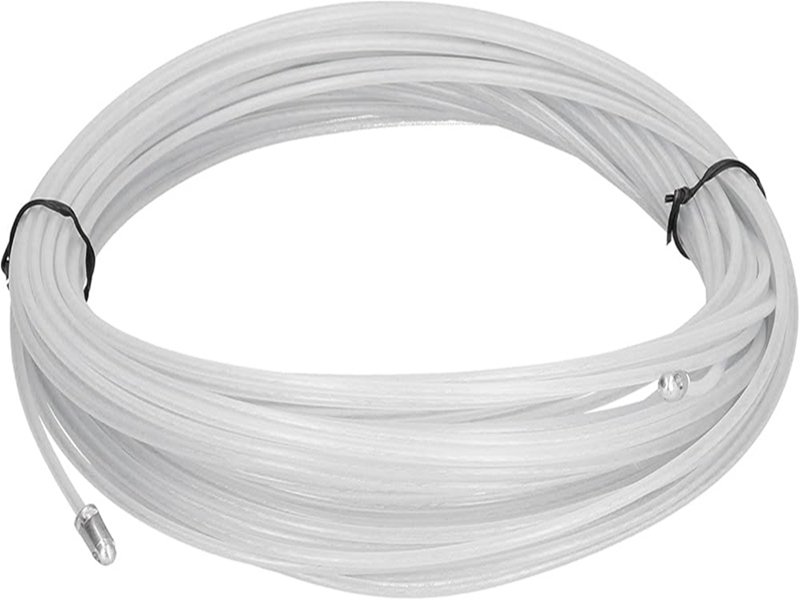
Industrial traction mechanical cables are rarely discussed in detail, yet they play a decisive role in how industrial equipment behaves in real-world conditions. When a lever is pulled, a valve opens, a brake engages, or a mechanical system responds without electronics, traction cables are often doing the work quietly in the background. Failures are not dramatic at first—sluggish response, increased friction, or inconsistent movement—but over time, these issues can shut down machines, increase maintenance costs, and compromise safety.
What makes sourcing traction mechanical cables challenging is that many buyers underestimate their complexity. From the outside, a cable may look simple: a steel core, an outer sheath, and two end fittings. In reality, performance depends on material selection, internal structure, load rating, bend radius, and manufacturing precision. Buyers often approach manufacturers with incomplete data, reference samples, or only application descriptions, expecting quick answers without realizing how many variables affect service life and reliability.
Industrial traction mechanical cable manufacturers design and produce mechanical control cables used to transmit force or motion in industrial equipment. These cables rely on precise material selection, structural design, and controlled manufacturing to ensure smooth operation, durability, and safety. Choosing the right manufacturer requires evaluating engineering capability, customization support, production control, lead time, and long-term supply reliability—not just price.
Behind every reliable traction cable is a series of engineering decisions that rarely appear on datasheets. Understanding those decisions is the first step toward choosing a supplier who can support your application from prototype to long-term production.
What Are Industrial Traction Mechanical Cables?
Industrial traction mechanical cables are control cables designed to transmit mechanical force—such as pulling, pushing, or linear motion—between components in industrial systems. Unlike electrical cables, they do not carry signals or power but rely on internal cores and sheaths to deliver controlled movement reliably and repeatedly.
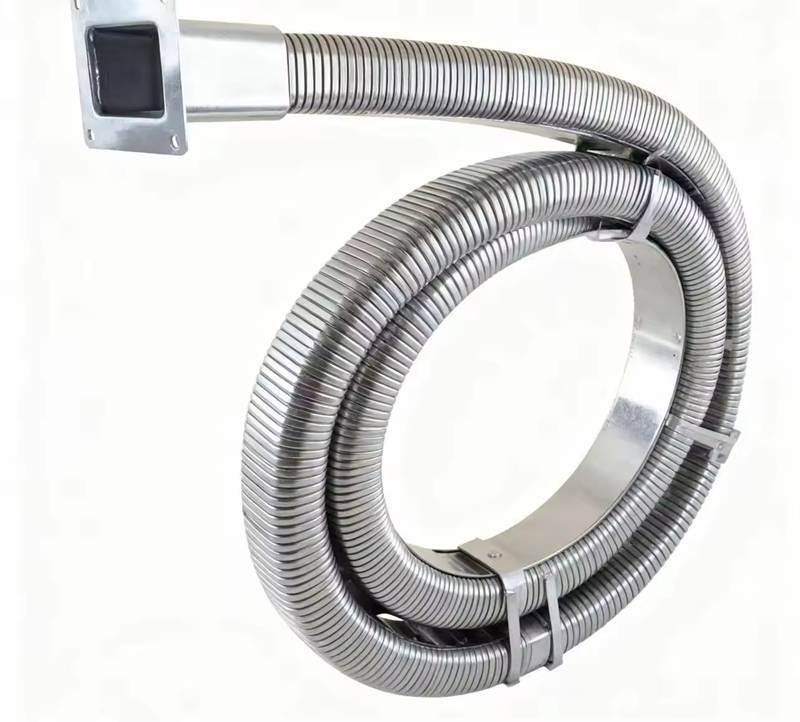
What functions do traction mechanical cables perform?
Traction mechanical cables are used wherever mechanical motion must be transferred over a distance. Typical functions include actuation, engagement, release, and positioning. These cables allow designers to separate control interfaces from mechanical actions, providing flexibility in equipment layout.
In industrial environments, traction cables must operate under continuous load, repeated cycles, vibration, and exposure to contaminants. Smooth operation is essential, as friction or backlash can affect system accuracy and operator control.
How are traction cables different from electrical cables?
The fundamental difference lies in function. Electrical cables are designed for conductivity and signal integrity, while traction cables are designed for mechanical performance. Factors such as tensile strength, compression resistance, bend fatigue, and friction coefficient matter far more than voltage or impedance.
Which Industries Use Industrial Traction Mechanical Cables?
Industrial traction mechanical cables are widely used in manufacturing equipment, automation systems, material handling machinery, agricultural machines, construction equipment, and transportation-related industrial systems.

Which industrial equipment relies on traction cables?
Traction cables appear in systems where mechanical actuation is preferred over electronic control due to simplicity, reliability, or environmental constraints. Examples include throttle and brake controls, valve actuation, clutch mechanisms, and mechanical interlocks.
In heavy-duty machinery, mechanical control remains popular because it provides direct feedback and predictable behavior even in harsh environments where electronics may struggle.
Where are push-pull and mechanical control cables applied?
Push-pull control cables are common in applications requiring bidirectional movement. These include industrial vehicles, conveyor systems, lifting equipment, and certain automation setups. Their ability to transmit both tension and compression makes them versatile but also more demanding in terms of design and manufacturing precision.
How Are Industrial Traction Mechanical Cables Designed?
Industrial traction mechanical cables are designed through a systematic engineering process that focuses on predictable mechanical behavior under real operating conditions. Rather than relying on nominal ratings alone, designers evaluate how force, motion, and environmental stress interact over the full service life of the cable. In many projects, design begins with incomplete information and is progressively refined through technical review, assumption validation, and drawing confirmation before production.
The primary objective is not only to achieve mechanical functionality, but to ensure consistent performance, acceptable wear characteristics, and long-term reliability once the cable is installed in its final application.
What specifications are required for cable design?
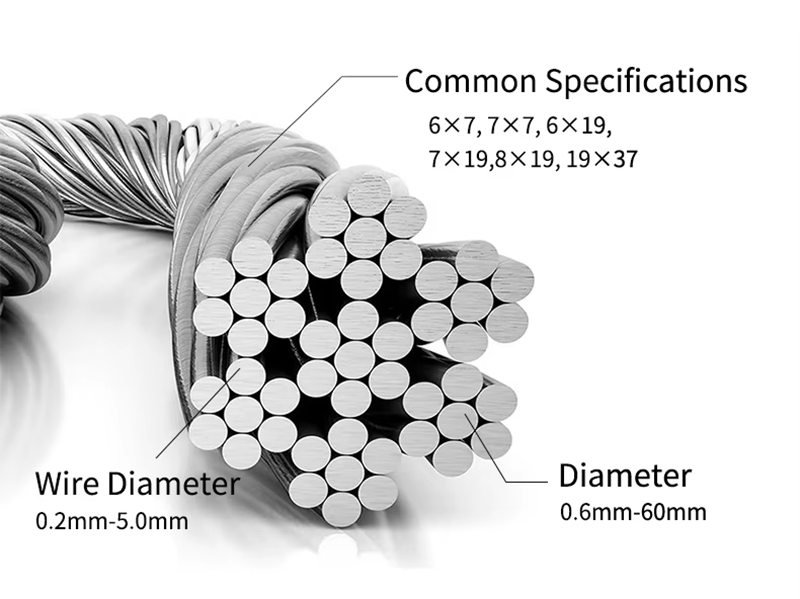
Effective traction cable design starts with defining how the cable will be used, not just how it will be built. Engineers first identify the type of motion involved—tension, compression, or push-pull—and the maximum operating load, including appropriate safety margins. Stroke length and motion frequency are also evaluated, as they directly influence internal wear and fatigue behavior.
Environmental conditions are considered at the same level of importance as mechanical loads. Temperature range, moisture, oil exposure, dust, corrosion risk, and installation constraints all affect material selection and internal structure. Ignoring these factors can result in cables that meet initial requirements but degrade quickly in service.
The table below summarizes common design parameters and their direct impact on traction cable performance:
| Design Parameter | Engineering Impact |
|---|---|
| Operating load | Determines core construction and tensile capacity |
| Stroke length | Influences internal liner wear and sheath structure |
| Motion type | Affects core flexibility and compression resistance |
| Minimum bend radius | Defines routing limits and fatigue risk |
| Environmental exposure | Drives sheath material and corrosion protection |
| Expected service life | Impacts material choice and safety margins |
Rather than treating these parameters independently, experienced designers evaluate how they interact, as trade-offs are often required to balance durability, flexibility, and manufacturability.
How do manufacturers handle incomplete data or reference samples?
In real-world industrial projects, complete specifications are not always available at the start. Customers may provide a reference sample, photos, a legacy part number, or only a description of how the cable is used. In these situations, design work shifts from specification matching to functional interpretation.
Manufacturers analyze physical samples to identify critical dimensions, materials, end fitting interfaces, and internal structure. At the same time, application details—such as load direction, routing path, and installation method—are reviewed to understand performance expectations beyond visible features.
To reduce uncertainty, assumptions are translated into engineering drawings that clearly define dimensions, materials, and construction details. These drawings serve as a shared technical reference and allow both parties to confirm design intent before production begins. This step is essential for minimizing performance risk and avoiding mismatches between appearance and function in the final cable assembly.
Which Materials and Structures Matter Most?
Material and structural choices directly determine traction cable durability, smoothness, and service life. Core construction, liner materials, sheath composition, and end fittings must work together under mechanical stress.

Which materials affect durability and flexibility?
Steel cores are commonly used for strength, while liners and sheaths control friction and environmental resistance. Material consistency is critical; small changes can significantly affect performance over time.
Common considerations include resistance to corrosion, wear, UV exposure, and chemical contact. In industrial settings, selecting the wrong sheath material can lead to premature failure even if load ratings appear adequate.
How do load, bend radius, and service life interact?
High loads increase internal stress, while tight bend radii raise friction and fatigue risk. Service life is not determined by one factor alone but by how these parameters interact. Manufacturers must balance strength with flexibility, often making trade-offs depending on application priorities.
How Are Industrial Traction Mechanical Cables Manufactured?
Manufacturing involves controlled assembly of cores, liners, sheaths, and end fittings, followed by inspection and testing. Consistency and process control are critical to ensure repeatable performance.
What are the key manufacturing and assembly steps?
Production typically includes cutting and preparing cores, assembling liners and sheaths, installing end fittings, and applying protective features. Each step must be performed within defined tolerances to avoid excessive friction or misalignment.
Manufacturers experienced in traction cables understand that workmanship affects not just immediate function but long-term reliability.
How is quality controlled during production?
Quality control often includes dimensional checks, functional movement tests, and visual inspection. Many manufacturers apply in-process inspections to catch issues early.
Below is an example of quality control focus areas:
| Inspection Stage | Purpose |
|---|---|
| In-process checks | Detect assembly errors |
| Final inspection | Verify conformity |
| Pre-shipment review | Ensure consistency |
How Do You Choose the Right Industrial Traction Mechanical Cable Manufacturer?
Choosing an industrial traction mechanical cable manufacturer is a decision that directly affects equipment reliability, maintenance cost, and long-term supply stability. Unlike standard catalog components, traction mechanical cables are often application-specific. Once integrated into a system, changing suppliers can require redesign, revalidation, and production disruption. For this reason, supplier selection should be based on technical capability and process control rather than price alone.
A suitable manufacturer should be able to support the full lifecycle of the cable—from early design clarification and prototyping to stable, repeatable mass production—while maintaining consistent quality and documentation.

What should engineers and buyers evaluate in a manufacturer?
From an engineering perspective, the primary concern is whether the manufacturer understands how mechanical performance is affected by load, routing, materials, and installation conditions. A capable manufacturer should be able to review incomplete specifications, identify missing parameters, and ask technically relevant questions rather than simply quoting based on appearance.
From a buyer’s perspective, consistency and risk control are equally important. This includes clear drawings, documented processes, and predictable lead times. Manufacturers that rely heavily on undocumented experience or manual adjustments may deliver acceptable samples but struggle to maintain consistency at scale.
The table below outlines key evaluation criteria and why they matter:
| Evaluation Area | Why It Matters |
|---|---|
| Engineering support | Ensures requirements are correctly interpreted and documented |
| Drawing capability | Reduces misunderstandings before production |
| Process control | Supports consistent quality across batches |
| Quality inspection | Detects issues before shipment |
| Communication speed | Shortens development and revision cycles |
| Production scalability | Supports transition from prototype to volume |
A manufacturer that performs well across these areas is more likely to support long-term projects rather than one-time builds.
How do lead time, customization, and MOQ influence sourcing decisions?
Industrial traction cable projects often begin with small quantities, especially during equipment development or validation phases. Manufacturers that enforce high minimum order quantities or long sample lead times can slow down projects and increase development risk.
Flexible manufacturers typically support rapid prototyping, low or no MOQ, and iterative design changes. This allows engineers to validate cable performance early and make adjustments before committing to volume production. As projects move into mass production, the focus shifts toward stable lead times, supply continuity, and consistent workmanship.
It is also important to understand how a manufacturer manages customization. Custom length, end fittings, routing geometry, and material selection should be treated as controlled design variables rather than ad-hoc changes. Clear documentation and drawing approval processes help ensure that customized designs remain repeatable over time.
How can buyers assess long-term supply reliability?
Industrial equipment often remains in service for many years, which means cable supply must be sustainable. Buyers should evaluate whether a manufacturer has stable material sources, alternative component options, and a defined approach to handling changes in availability.
Manufacturers with experience supporting OEM and industrial customers are more likely to understand the importance of consistency, revision control, and proactive communication. This reduces the risk of unexpected changes that could affect performance or compatibility after deployment.
The following table highlights common sourcing risks and how a capable manufacturer typically addresses them:
| Potential Risk | Manufacturer Capability to Look For |
|---|---|
| Component shortages | Qualified alternative materials or fittings |
| Design changes | Controlled revision and drawing updates |
| Quality variation | In-process and final inspection procedures |
| Scaling challenges | Proven transition from samples to mass production |
| Communication gaps | Clear technical and commercial contact points |
By evaluating suppliers against these criteria, buyers can move beyond short-term cost comparisons and select a manufacturer that supports reliable operation over the full lifecycle of the equipment.

Final Thoughts: From Design to Reliable Supply
Industrial traction mechanical cable manufacturing is fundamentally about control, predictability, and long-term performance. While these cables may appear simple, their reliability depends on careful design, disciplined manufacturing, and a clear understanding of application demands.
At Sino-Conn, we support industrial traction mechanical cable projects from early concept through stable production. Our team works with engineers, OEMs, and sourcing professionals to clarify requirements, generate production-ready drawings, and deliver custom cable assemblies tailored to real operating conditions. Whether your project begins with a detailed specification, a reference sample, or a basic application description, we can help transform it into a manufacturable solution.
If you are evaluating suppliers, developing a new system, or improving an existing mechanical control cable design, we welcome the opportunity to review your requirements and provide a practical, engineering-focused proposal tailored to your application.