News & Article

What Are Connectors? Everything You Need to Know

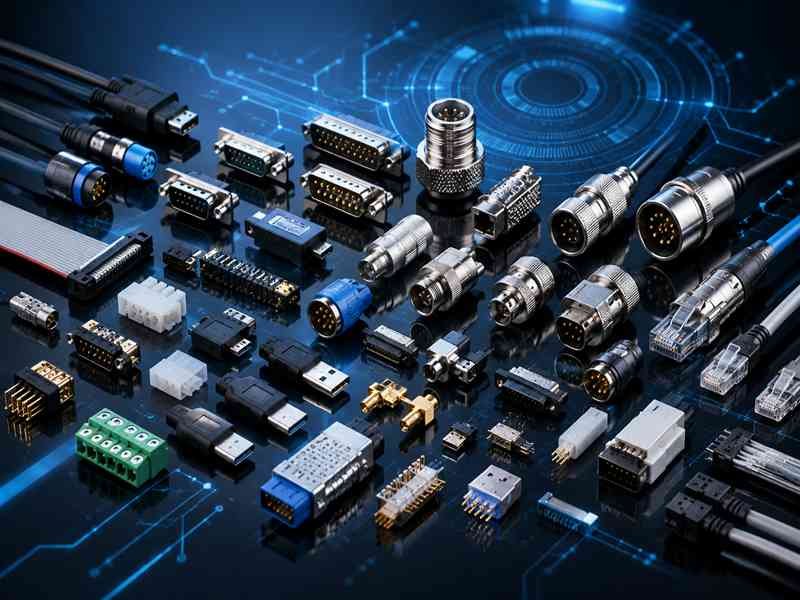
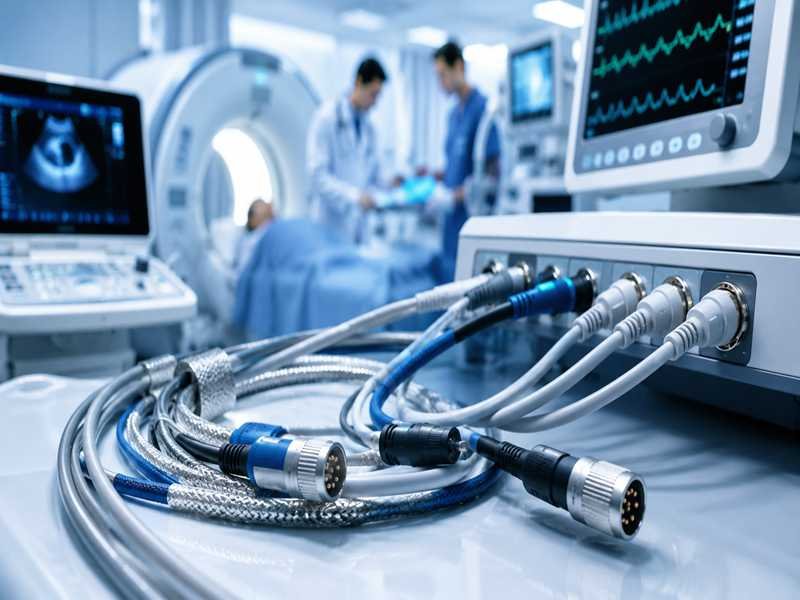
A connector looks like a small part, but in many electronic products, it decides whether the whole system works reliably or fails unexpectedly. A medical monitor may lose signal because of poor contact. An industrial robot may stop because vibration loosens a connector.
Read More »

Cable Solutions for Ultrasound Equipment

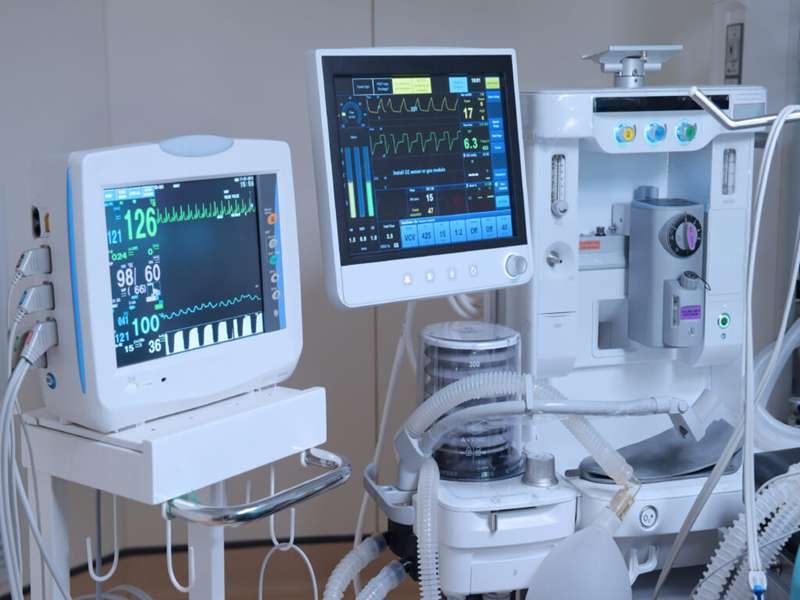
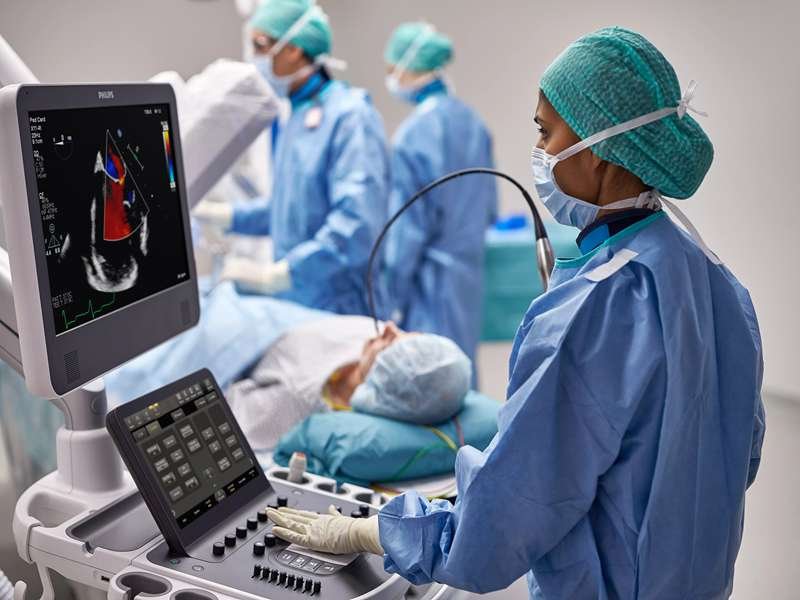
Ultrasound equipment depends on very weak, high-frequency signals. These signals travel from the transducer probe to the imaging system through a cable assembly that must remain stable while the probe is moved, rotated, cleaned, pulled, and used every day. If the cable structure is not correct, the equipment may still power on, but image quality can suffer. Noise, signal loss, poor shielding, unstable impedance, cable fatigue, or connector wear can all affect the final diagnostic image.

Read More »

What Is a USB-C Cable?

USB-C has become one of the most common connectors in modern electronics, but it is also one of the most misunderstood. Many people look at the small oval connector and assume every USB-C cable works the same way. In real projects, this is where problems begin. One cable may only charge a small device.

Read More »

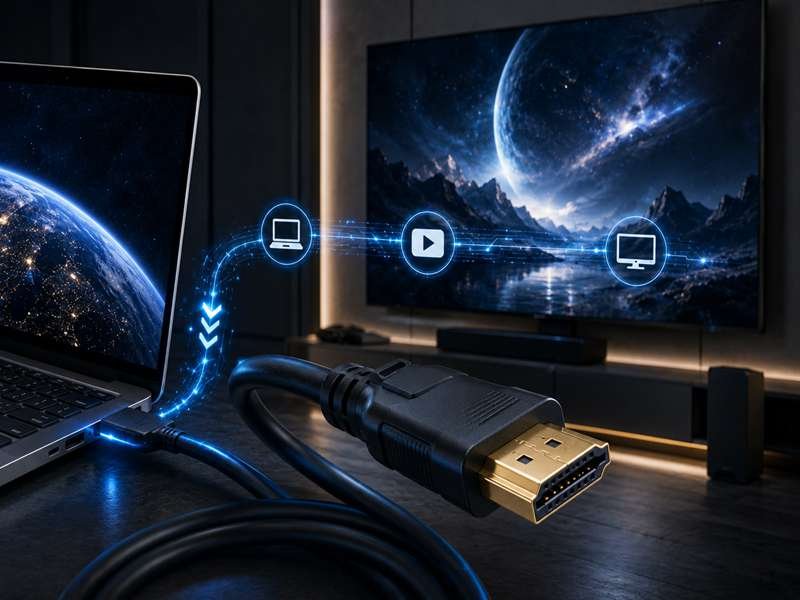
What Is an HDMI Cable?

Most people notice an HDMI cable only when something goes wrong. The TV shows “No Signal.” The monitor flickers during a meeting. A gaming console does not reach 4K 120Hz. A projector works in the office but fails after the cable is routed through a wall. In many cases, the device is not the problem. The cable is.

Read More »

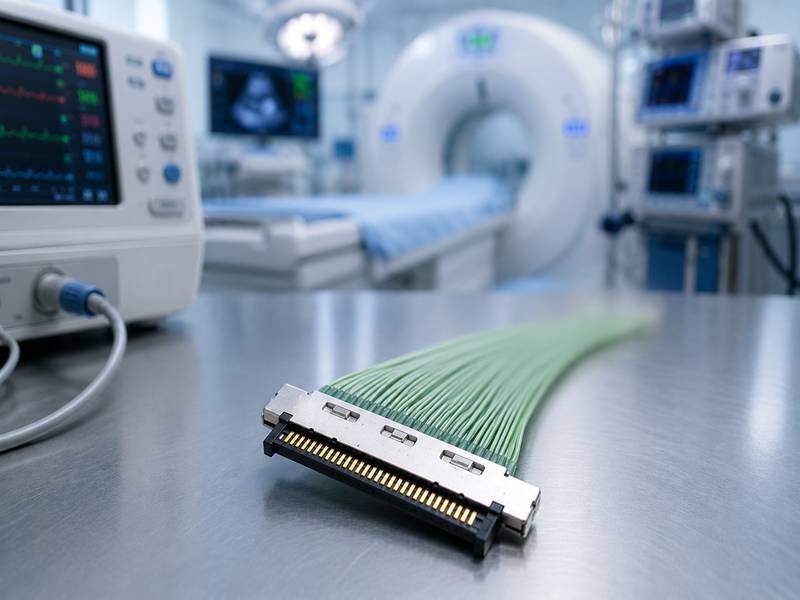
How Micro Coax Cables Improve Medical Imaging Quality

When people think about medical imaging technology, they often focus on the visible components—ultrasound probes, endoscopes, CT scanners, MRI systems, image-processing software, and advanced diagnostic algorithms. Yet some of the most important factors influencing image quality remain hidden deep inside the device. Among these often-overlooked components, micro coax cable assemblies play a surprisingly critical role.

Read More »

How Prototype Medical Cable Assemblies Are Developed

Medical device failures are not always caused by chips, software, sensors, or PCB design. Sometimes the real problem is much smaller — a connector that loosens after repeated movement, a cable that becomes too stiff once shielding is added, an incorrect pin definition between two boards, or signal noise that only appears when the device is fully assembled.

Read More »

Ask For A Quick Quote

We will contact you within 24 Hours, please pay attentionto the email with the suffx”@sino-conn.com”.