News & Article

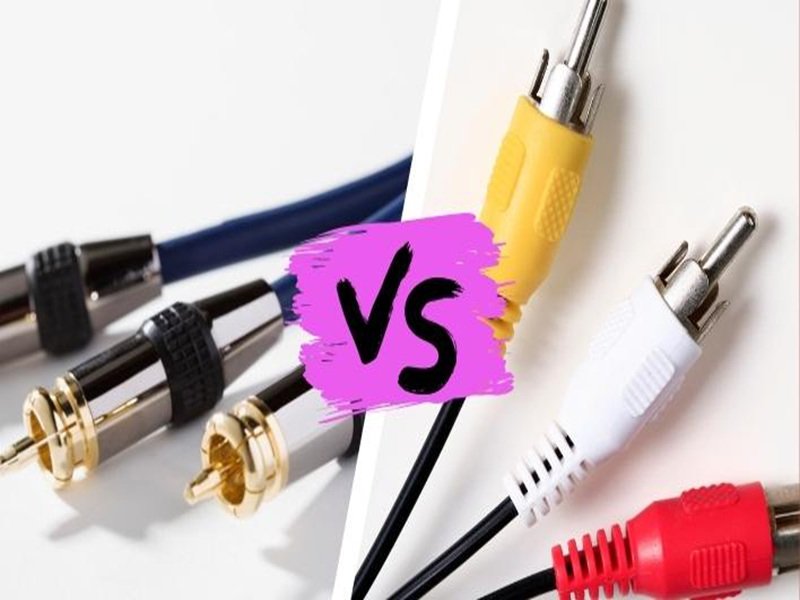
Coaxial vs RCA Cable: What Is the Real Difference and Which Should You Use?

People search “coaxial vs RCA cable” because they’re trying to solve a real problem: a connection doesn’t fit, a signal is noisy, a video line shows interference, or a digital audio link drops out randomly. The confusion usually comes from language. Coaxial describes a cable structure. RCA describes a connector style and, in everyday use, a whole cable assembly. That sounds small — but it changes what you should check before you buy, and what you must specify before you order custom assemblies.


Read More »

What Is a Data Cable? Definition, Types, and How to Choose the Right One

Modern electronic systems rely on data more than ever—but surprisingly, many system failures still originate from something basic: the data cable itself. From consumer electronics and industrial controllers to medical equipment and embedded systems, data cables quietly determine whether signals arrive cleanly, consistently, and on time. Yet in real projects, “data cable” is often treated as a vague or generic term, leading to mismatched specifications, unstable performance, and late-stage redesigns.

Read More »

What Is Medical Assembly? Definition, Requirements, and Real Manufacturing Practice

Modern medical devices look clean, compact, and intelligent on the outside—but beneath the housing, their reliability depends on something far less visible: medical assemblies. Whether it is a patient monitor, diagnostic imaging system, surgical tool, or wearable healthcare device, failures often trace back not to software or sensors, but to how power and signals are physically connected inside the system.

Read More »

What Are RF Connectors: A Complete Guide for Modern Wireless Systems

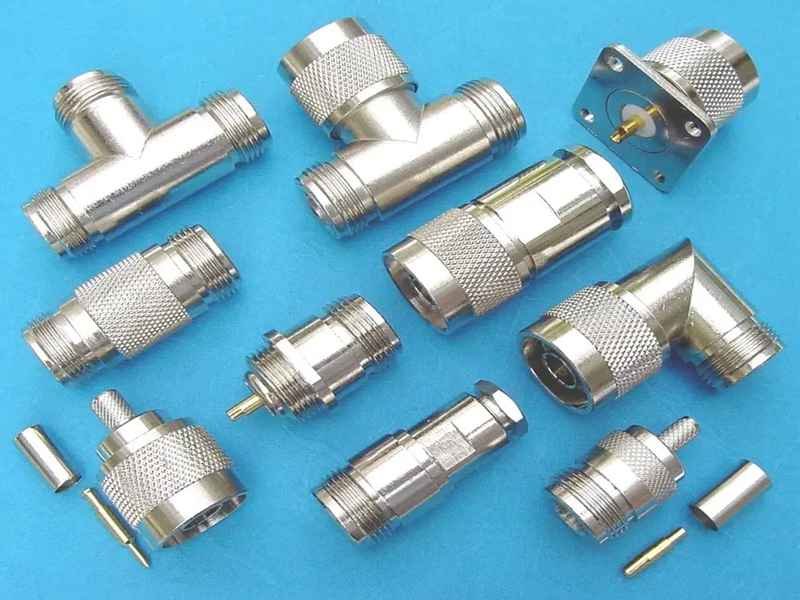
In every wireless device—from your home WiFi router to the antenna modules inside a drone—there is one tiny, often overlooked component that determines whether the signal is clean, stable, and strong: the RF connector. Engineers rarely debate whether RF technology matters; they debate which connector will keep signal loss low, survive outdoor conditions, and maintain the required 50Ω or 75Ω impedance. And that question lies at the center of modern RF design.

Read More »

40 Types of Electrical Cables Explained for Modern Applications:The Ultimate Guide

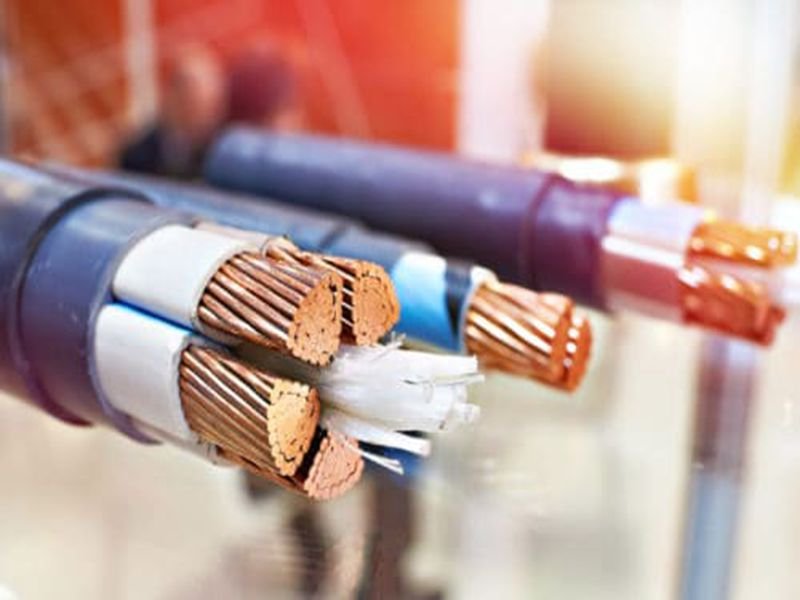
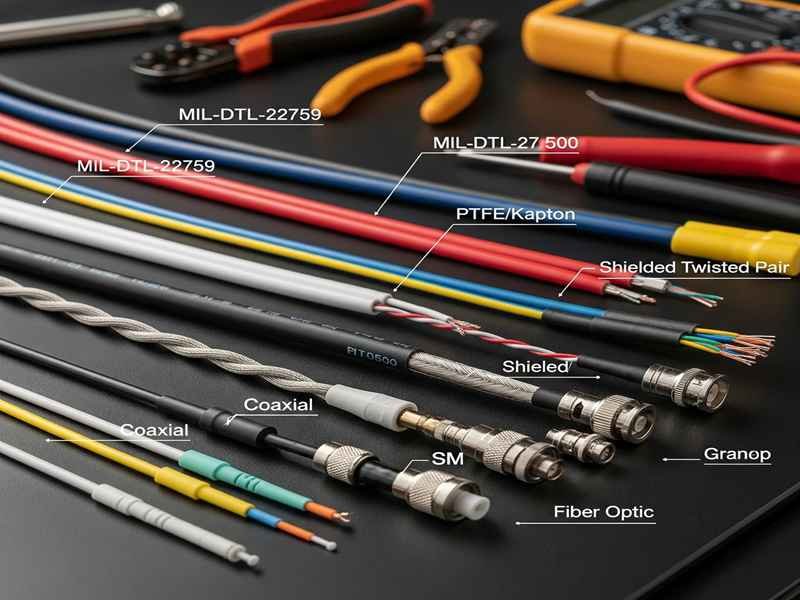
Electrical cables are rarely seen but always relied upon. They run silently under floors, inside machines, behind walls, and through data centers—powering devices, transmitting signals, and connecting entire systems together. Yet for most engineers, buyers, and project managers, the challenge is not simply identifying a cable type; it is understanding how structure, materials, shielding techniques, voltage ratings, and application environments shape cable performance and reliability.

Read More »

How Is Cable Manufactured: Step-by-Step Cable Making Guide

Modern cables are everywhere—inside industrial machines, medical devices, vehicles, data centers, and consumer electronics. Yet very few people truly understand how a cable is manufactured, or why cables that look similar on the outside can perform very differently in real-world applications.

Read More »

What Is the Cable Assembly Process: A Step by Step Guide from Design to Delivery

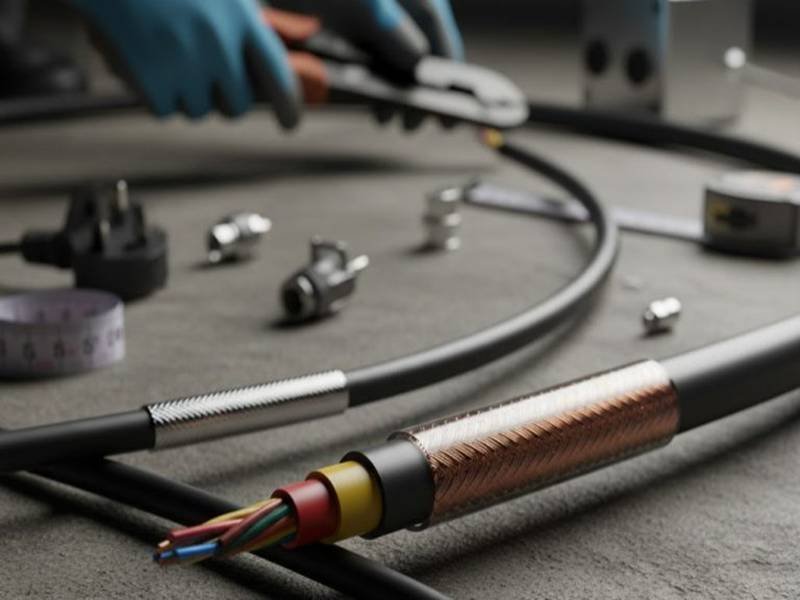
In many OEM projects, cable assemblies are treated as simple components—ordered late, specified loosely, and expected to “just work.” Yet in reality, cable assemblies are often the hidden failure point behind system instability, EMI issues, field returns, and certification delays. A single misinterpreted pinout, shielding gap, or strain relief weakness can compromise an entire product, even if every other subsystem performs perfectly.

Read More »

What Is a DCP Cable? A Practical Guide

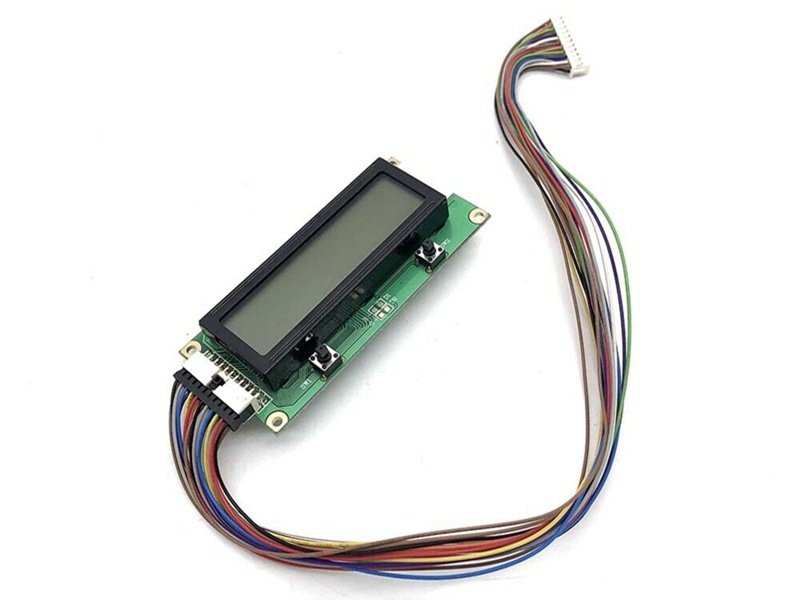
Modern electronic systems rely heavily on displays—LCDs in industrial HMIs, TFT panels in vehicles, control screens in medical devices, and compact touch displays in embedded systems. While displays are often treated as standalone components, engineers know that the reliability of the cable connecting the display to the control electronics can determine the success or failure of the entire system. This is where the term “DCP cable” frequently appears in specifications, emails, drawings, and engineering discussions.

Read More »

What Is Cable Grading: How Cables Are Classified and Selected

At first glance, cable grading sounds like a fixed label—high grade, low grade, industrial grade, medical grade. But in reality, cable grading is not a single standard, number, or certification. It is a structured way of describing how a cable is designed, tested, and qualified to perform under specific electrical, mechanical, environmental, and regulatory conditions.

Read More »

What Are Medical Grade Cables:A Complete Guide

Medical devices are often judged by what patients see: screens, probes, sensors, or sleek housings. But behind every reliable diagnostic image, stable monitoring signal, or life-support system is something far less visible—and far more critical: the cable assembly.

Read More »

What Is a Coaxial Cable Connector? A Complete Guide

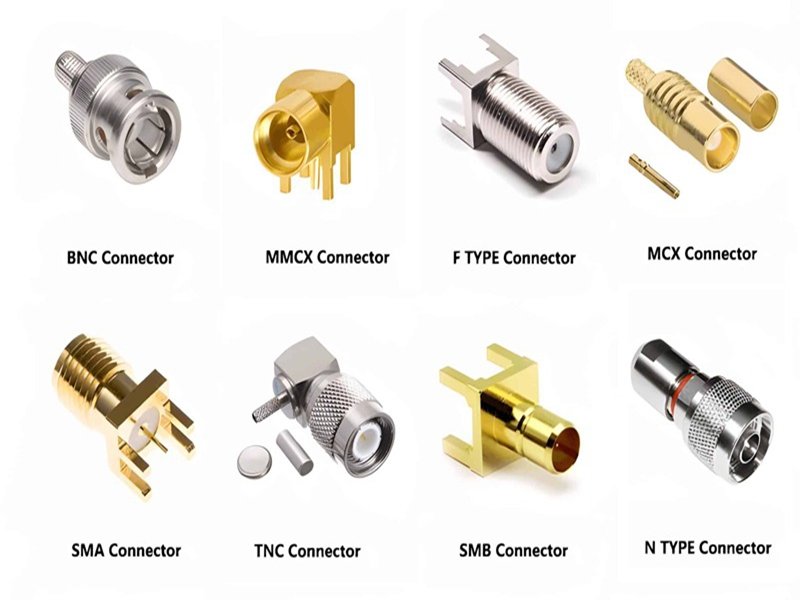
Coaxial cable connectors are found everywhere in modern electronics—from RF antennas and telecom base stations to CCTV systems, medical devices, and test equipment. They serve a deceptively simple purpose: connecting a coaxial cable to another device while preserving signal integrity. Yet behind this simplicity lies a sophisticated combination of electrical engineering, mechanical precision, and material science. As frequencies increase, devices shrink, and environmental demands grow harsher, understanding coaxial connectors becomes increasingly important for engineers, buyers, and system integrators.

Read More »

What Do Custom Cable Assembly Manufacturers Do? Full Guide

Custom cable assembly manufacturers operate at the core of modern electronics, supporting industries where precision, reliability, and electrical stability are non-negotiable. Whether powering a medical device, connecting a robot arm, transmitting RF signals in telecom equipment, or linking sensors in automotive systems, custom cable suppliers turn specifications—sometimes clear, sometimes vague—into functional, safe, and fully verified cable solutions.

Read More »

Ask For A Quick Quote

We will contact you within 24 Hours, please pay attentionto the email with the suffx”@sino-conn.com”.