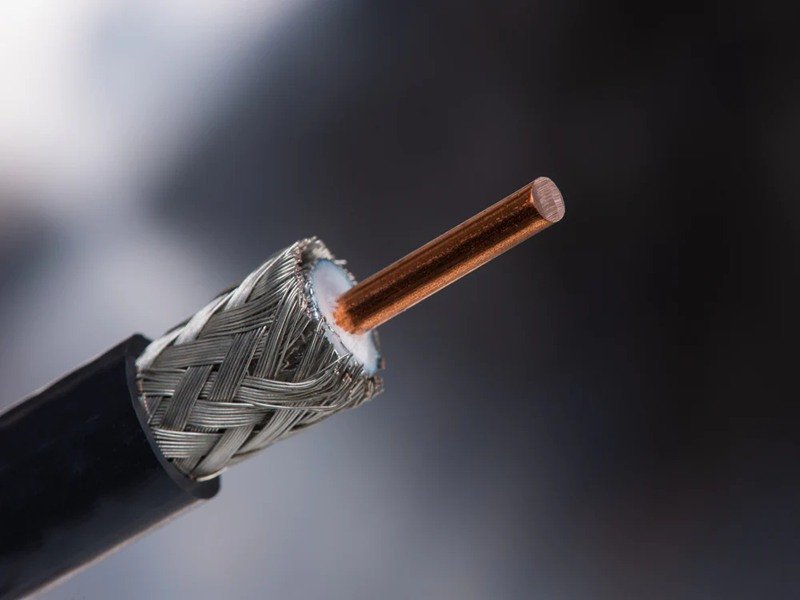
Coaxial Cable Impedance Explained: Performance & Applications
Coaxial cable impedance is a critical parameter in high-frequency signal transmission, affecting every connection in telecom, aerospace, medical, and industrial electronics.

Coaxial cable impedance is a critical parameter in high-frequency signal transmission, affecting every connection in telecom, aerospace, medical, and industrial electronics.
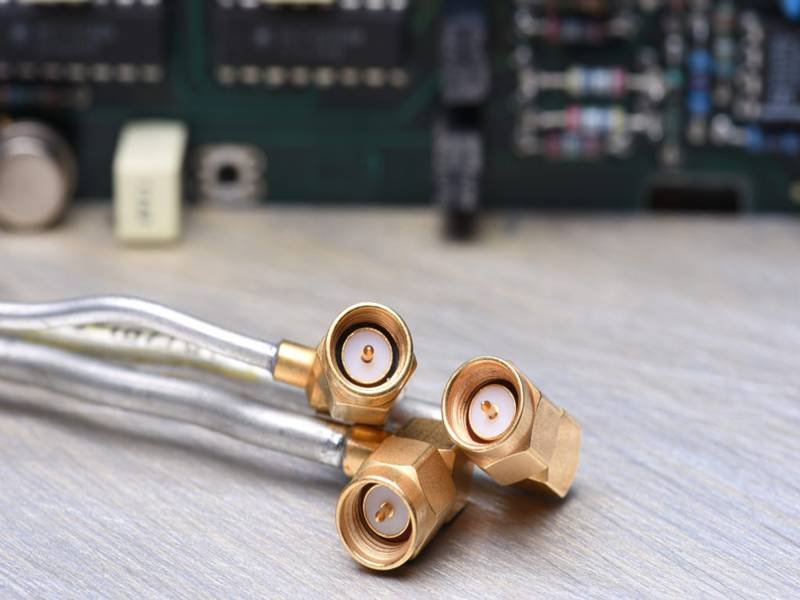
Coaxial cable assemblies are the backbone of high-frequency communications, connecting devices in telecom, aerospace, defense, medical, and industrial electronics.
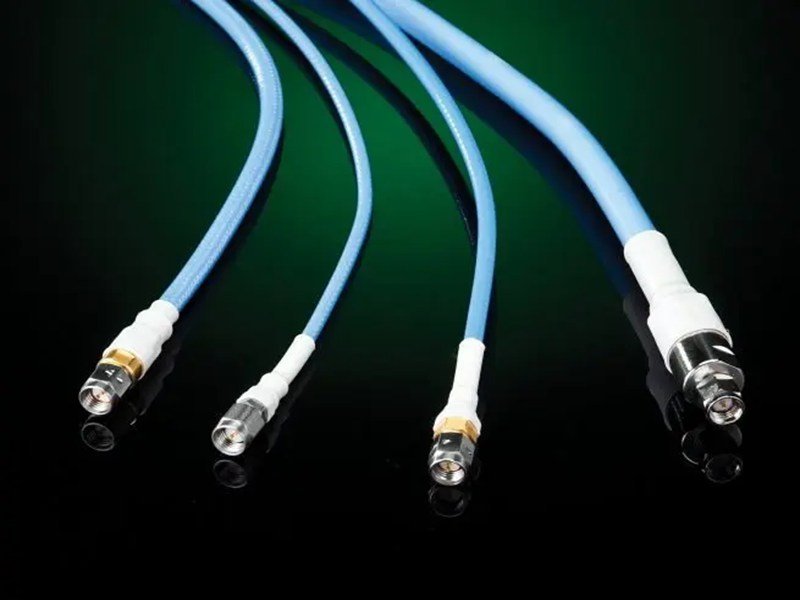
RF cable assemblies are essential components in high-frequency applications, carrying critical signals for telecommunications, aerospace, defense, and medical equipment. The performance of these cables can significantly impact signal integrity, data accuracy, and device reliability.
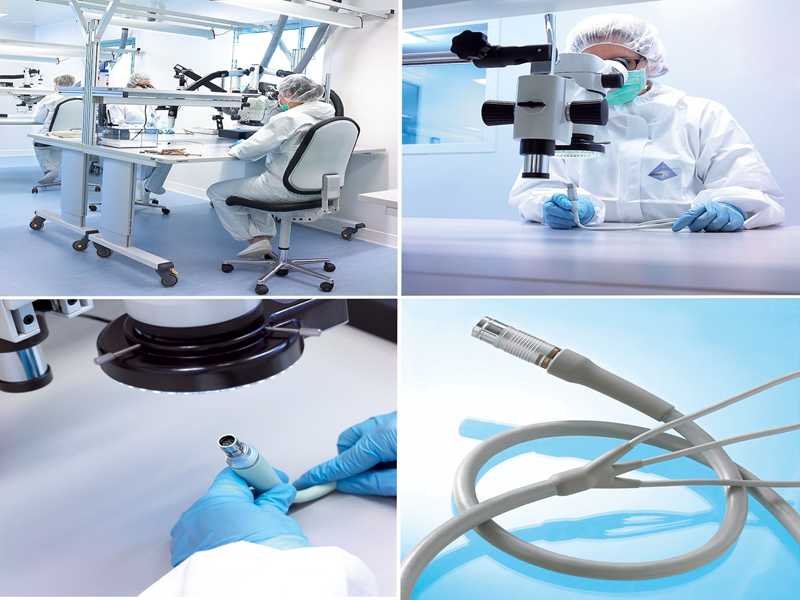
Medical cables are the unsung heroes of modern surgical equipment. They carry power and signals with precision, flexibility, and reliability, directly impacting the performance of critical devices.
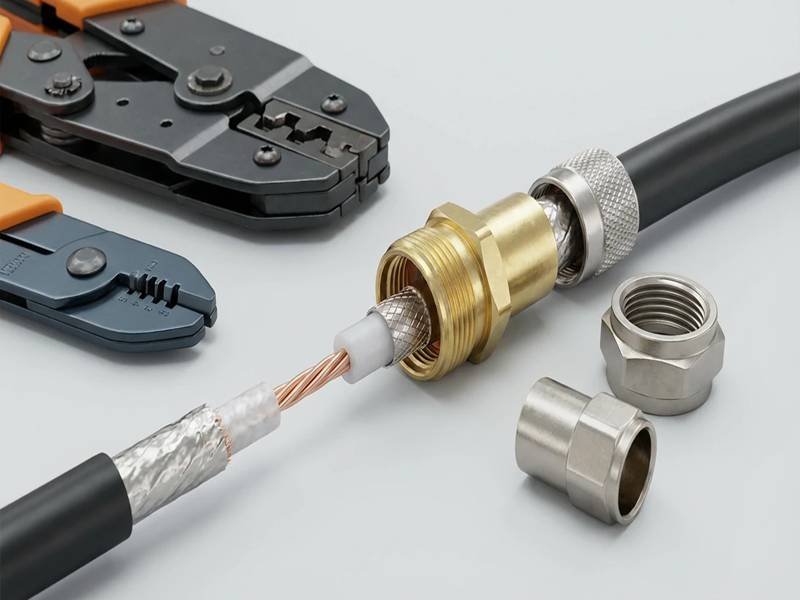
A coax cable usually does not fail all at once. In many systems, the first sign is small: a weaker signal, a noisy picture, unstable transmission, or a connection that works only when the cable is held in a certain position.
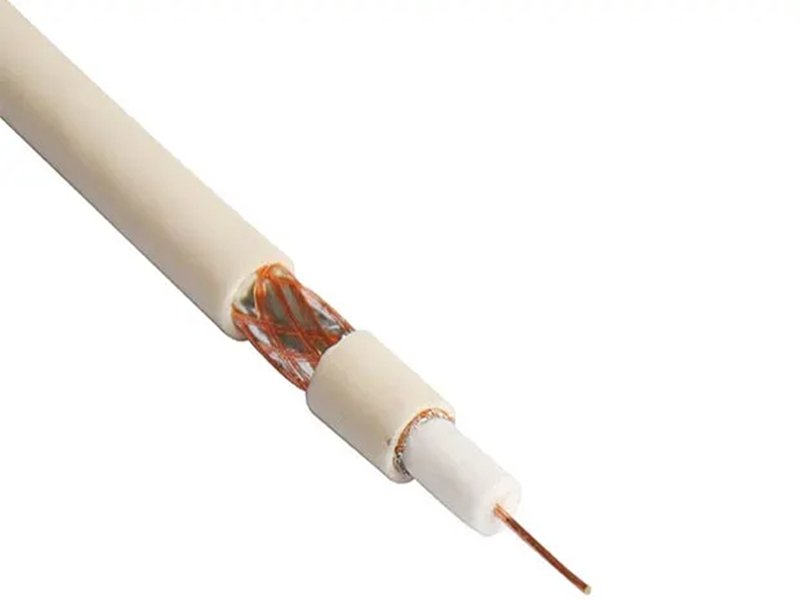
When signal problems show up in real systems—unstable data, unexpected noise, reduced transmission range—most people first suspect chips, antennas, or software.

In drone projects, many teams spend a lot of time discussing cameras, flight controllers, batteries, and software, but the cable path is often treated as a minor detail. In practice, that detail can decide whether the whole system runs smoothly or fails in the field.
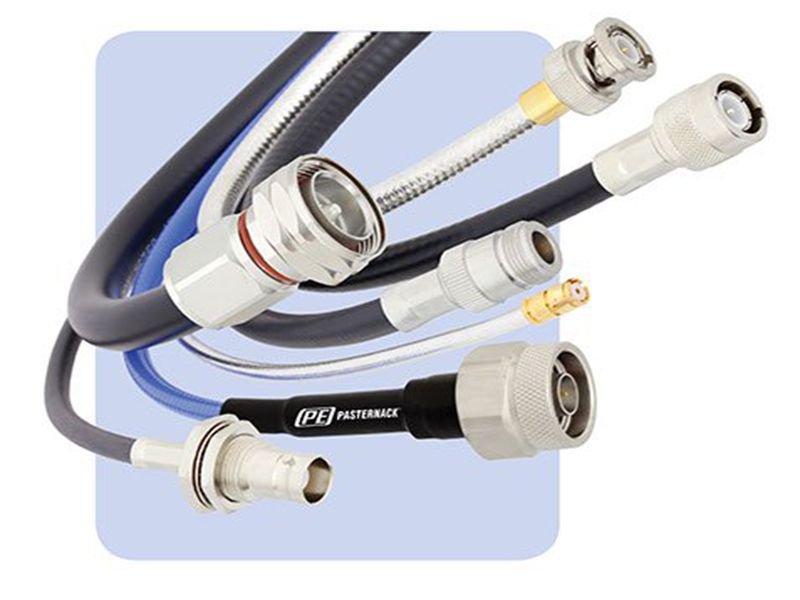
High-frequency signal transmission is not just about connecting two points—it’s about controlling energy. As frequencies rise into the MHz and GHz range, even small imperfections in cable structure, impedance mismatch, or shielding can cause measurable signal loss, reflection, or interference.
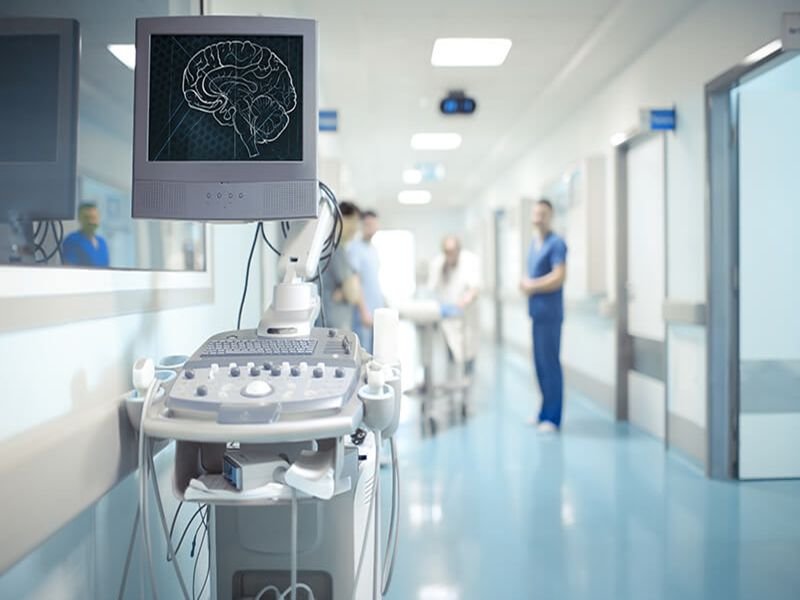
In medical equipment, connector selection is rarely a small detail. It affects signal quality, cleaning resistance, mechanical life, patient safety, serviceability, and even whether a project can pass internal verification without repeated redesign.
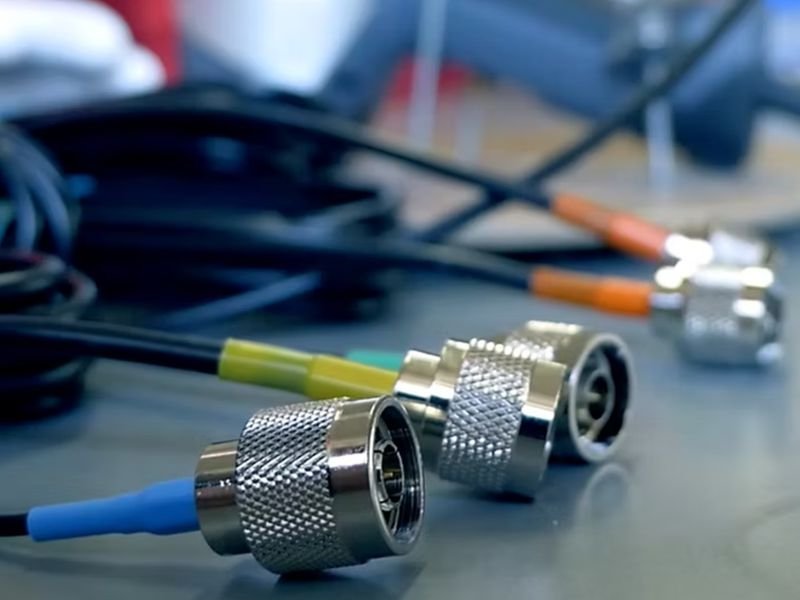
High-frequency signals are extremely sensitive to material quality. A small change in conductor plating, insulation material, or shielding structure can dramatically influence impedance stability, attenuation, and electromagnetic interference.
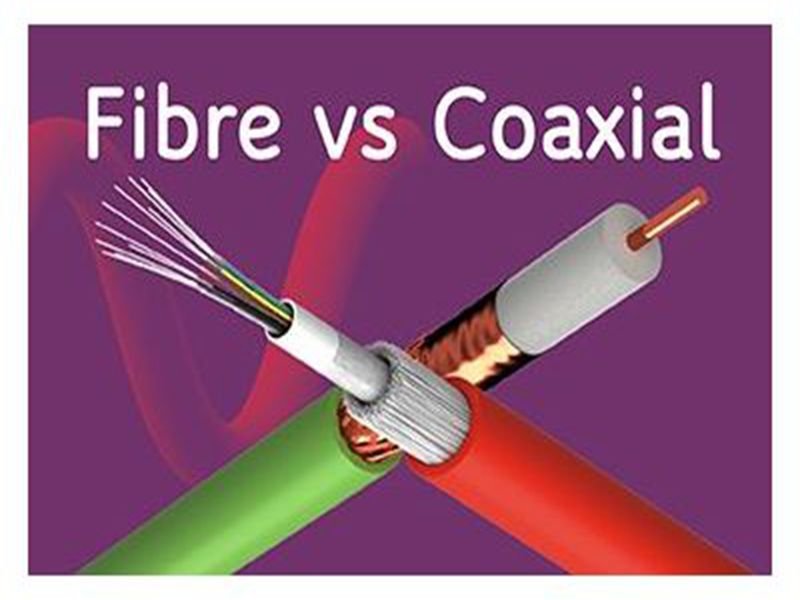
A lot of cable selection mistakes happen long before production starts. The drawing may look correct. The connector may match. The sample may even pass a quick functional test.
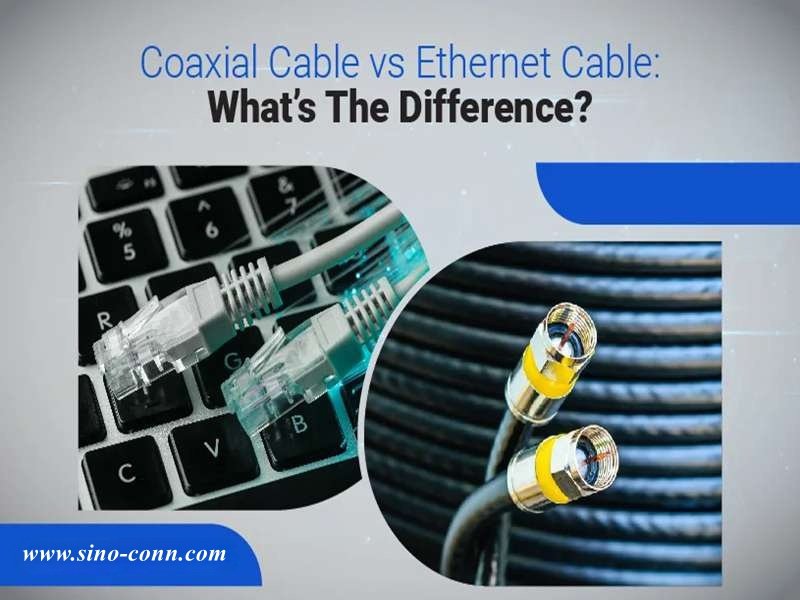
When people search for coaxial cable vs ethernet, they are usually trying to solve a practical problem: a device needs connectivity, a network needs stability, or a product design requires the right transmission medium.