Medical Cable Assembly Production Process Explained
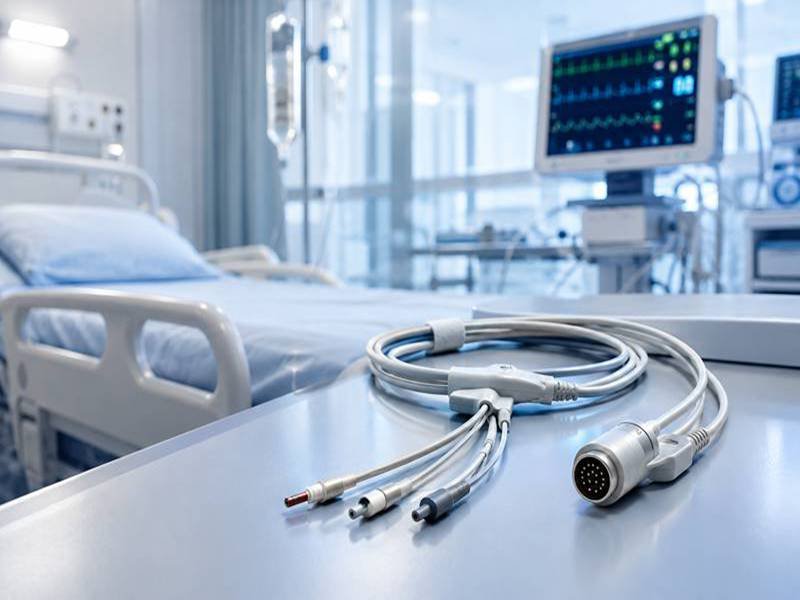
A medical cable assembly may look simple from the outside, but anyone who has worked on real medical device development knows that the cable is often where hidden production problems begin.

A medical cable assembly may look simple from the outside, but anyone who has worked on real medical device development knows that the cable is often where hidden production problems begin.

In modern healthcare environments, cables are the silent infrastructure that connects life-saving medical equipment. From patient monitoring systems and imaging devices to surgical tools and diagnostic equipment, medical cables must operate reliably under demanding conditions.

A lot of cable selection mistakes happen long before production starts. The drawing may look correct. The connector may match. The sample may even pass a quick functional test.

Medical devices depend on reliable electrical connections. Inside every imaging machine, monitoring system, diagnostic device, and surgical instrument, there are cable assemblies responsible for transmitting signals, power, and data between components.

For many buyers, the cable assembly market looks simple on the surface: suppliers quote by part number, cables are built to drawing, and shipments move on schedule. But behind that surface is a highly fragmented, fast-evolving global market shaped by engineering complexity, supply-chain risk, compliance pressure, and shrinking lead-time tolerance.

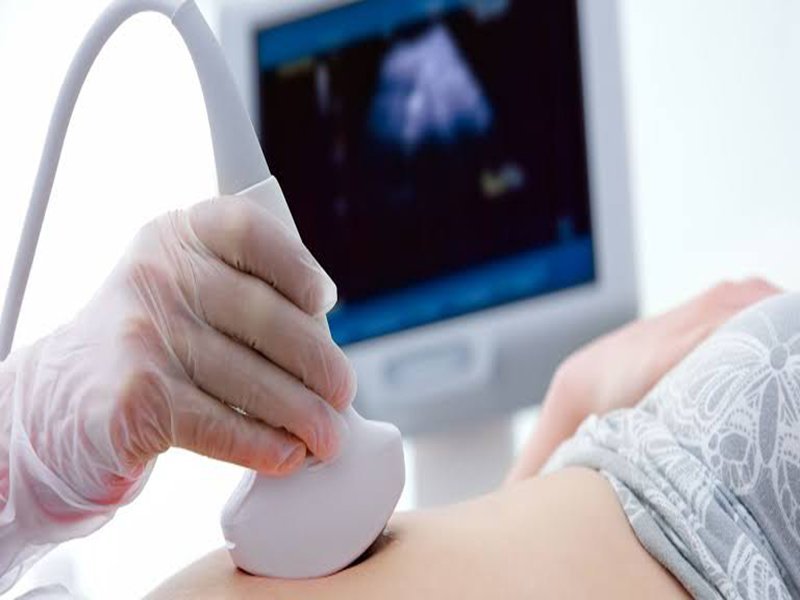
Medical devices today are shrinking, becoming smarter, faster, and more connected than ever before. But inside every ultrasound probe, surgical robot, wearable sensor, or patient monitoring system lies a hidden network responsible for powering life-saving precision: medical cable assemblies. These cables are the overlooked heroes of modern healthcare—engineered not only to transmit power and data, but to survive chemicals, sterilization, bending, twisting, and years of intensive clinical use. Without them, even the most advanced medical equipment would fail in seconds.

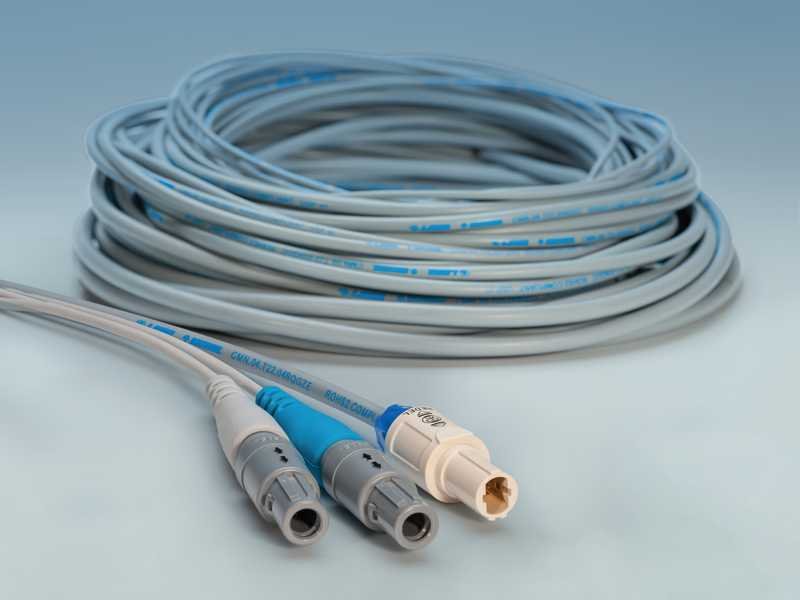
Medical devices rely on precise, reliable, and safe signal transmission—whether it’s a heart-rate monitor, surgical robot, imaging probe, infusion pump, or a wearable diagnostic device. Inside every modern system is a network of custom cables engineered to deliver accurate data, stable power, biocompatibility, and long-term durability under demanding clinical conditions. Yet, most buyers, engineers, and sourcing teams only see the outer insulation—they rarely see the design, materials, engineering drawings, regulatory constraints, or strict quality controls behind each medical cable.
We will contact you within 24 Hours, please pay attentionto the email with the suffx”@sino-conn.com”.