News & Article

Cable Assembly Insights. Built for Professionals.

Stay up to date with the latest in cable assembly engineering, connector compatibility, industry certifications, and real-world sourcing tips. Our blog is curated for engineers, R&D teams, and global buyers looking for practical insights and proven solutions.

Tutorials | Technical Specs | Market Trends | Application Use Cases

Custom Medical Connector Manufacturing: What It Is, How It Works, and How to Choose the Right Partner

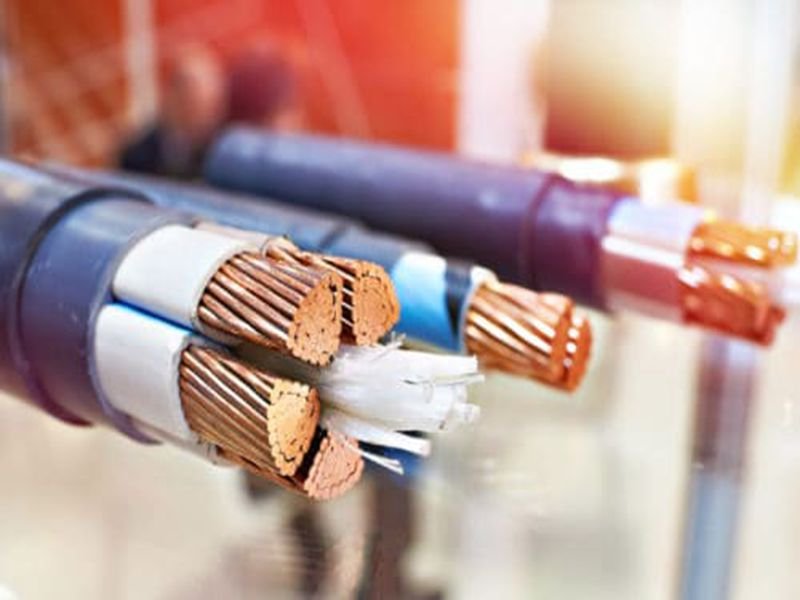
Medical devices are becoming smaller, more integrated, and more application-specific than ever before. From patient monitoring systems and diagnostic imaging equipment to surgical tools and portable medical electronics, connectors are no longer simple interfaces. They are critical system components that directly affect signal integrity, patient safety, device reliability, and regulatory compliance.

Read More »
40 Types of Electrical Cables Explained for Modern Applications:The Ultimate Guide

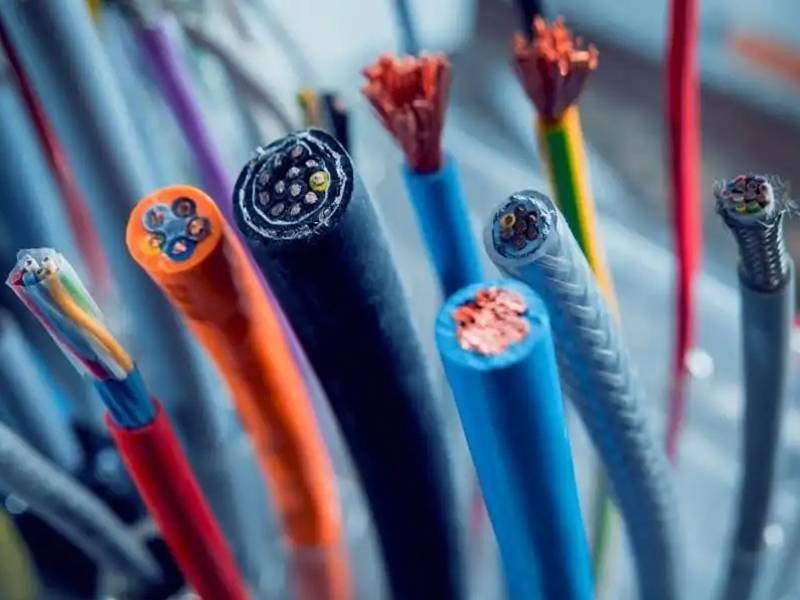
Electrical cables are rarely seen but always relied upon. They run silently under floors, inside machines, behind walls, and through data centers—powering devices, transmitting signals, and connecting entire systems together. Yet for most engineers, buyers, and project managers, the challenge is not simply identifying a cable type; it is understanding how structure, materials, shielding techniques, voltage ratings, and application environments shape cable performance and reliability.

Read More »
How Is Cable Manufactured: Step-by-Step Cable Making Guide

Modern cables are everywhere—inside industrial machines, medical devices, vehicles, data centers, and consumer electronics. Yet very few people truly understand how a cable is manufactured, or why cables that look similar on the outside can perform very differently in real-world applications.

Read More »
Custom Medic Connector Manufacturing: A Practical Guide for Medical Devices

Medical devices are becoming smaller, smarter, and more application-specific. From patient monitoring systems and diagnostic equipment to surgical tools and portable medical electronics, reliability at the connection point is no longer optional—it is fundamental. While much attention is often placed on sensors, electronics, and software, experienced engineers know that connectors and their manufacturing quality frequently determine real-world device performance.

Read More »
What Is the Cable Assembly Process: A Step by Step Guide from Design to Delivery

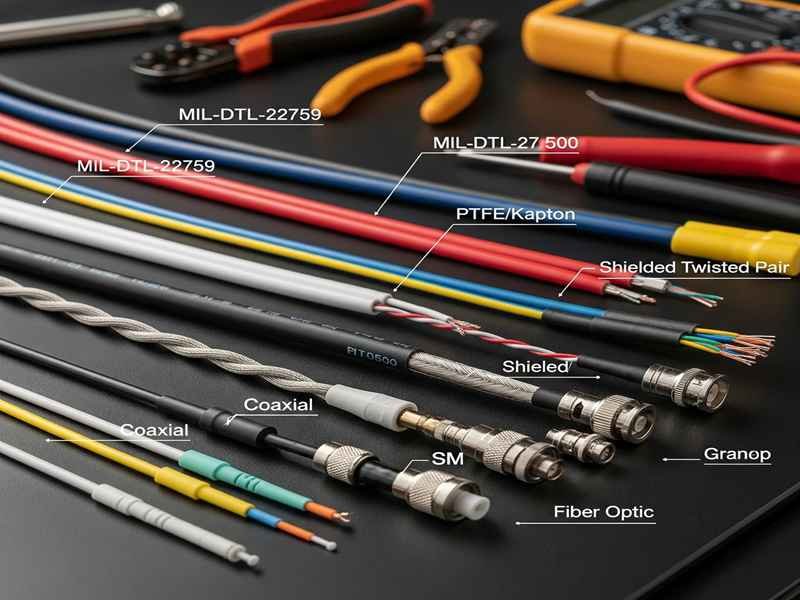
In many OEM projects, cable assemblies are treated as simple components—ordered late, specified loosely, and expected to “just work.” Yet in reality, cable assemblies are often the hidden failure point behind system instability, EMI issues, field returns, and certification delays. A single misinterpreted pinout, shielding gap, or strain relief weakness can compromise an entire product, even if every other subsystem performs perfectly.

Read More »
What Is a DCP Cable? A Practical Guide

Modern electronic systems rely heavily on displays—LCDs in industrial HMIs, TFT panels in vehicles, control screens in medical devices, and compact touch displays in embedded systems. While displays are often treated as standalone components, engineers know that the reliability of the cable connecting the display to the control electronics can determine the success or failure of the entire system. This is where the term “DCP cable” frequently appears in specifications, emails, drawings, and engineering discussions.

Read More »
What Is the Difference Between Cable and Wire:A Practical Guide

The terms wire and cable are often used interchangeably, even by experienced buyers and engineers. On drawings, in emails, and during sourcing discussions, it’s common to hear someone say “this wire” when they actually mean a multi-conductor cable—or to request a “cable” when a single conductor wire would have been sufficient. In low-risk applications, this confusion may not cause immediate problems. In real OEM projects, however, misunderstanding the difference between cable and wire can lead to incorrect specifications, compliance issues, unnecessary cost, or early product failure.

Read More »
Balanced vs Unbalanced Cable: A Complete Guide to Differences and Applications

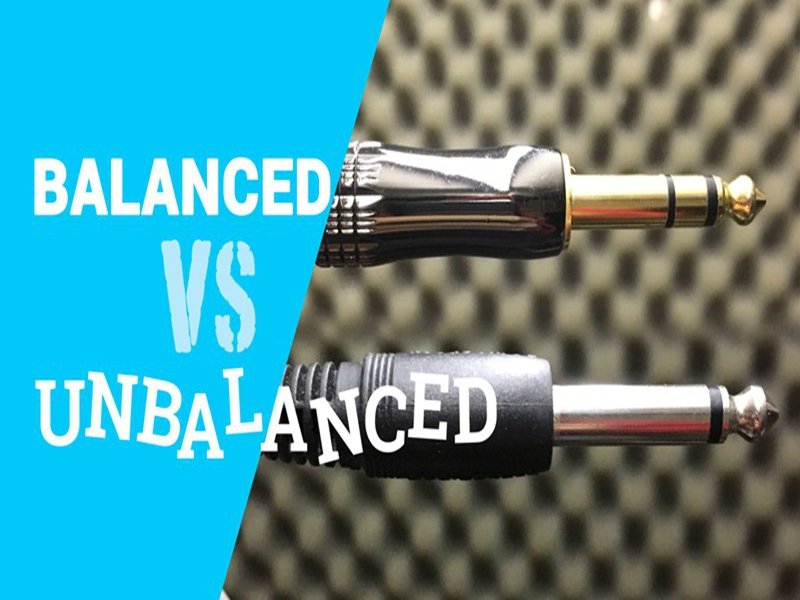
In audio and signal transmission, problems rarely announce themselves clearly. Most noise issues, hum, or signal distortion don’t come from broken equipment—they come from mismatched assumptions. One of the most common is assuming that all audio cables behave the same as long as the connector fits. Balanced and unbalanced cables look similar from the outside, yet they are designed around fundamentally different signal philosophies. Choosing the wrong one can quietly degrade performance long before anyone notices.

Read More »
What Is Cable Grading: How Cables Are Classified and Selected

At first glance, cable grading sounds like a fixed label—high grade, low grade, industrial grade, medical grade. But in reality, cable grading is not a single standard, number, or certification. It is a structured way of describing how a cable is designed, tested, and qualified to perform under specific electrical, mechanical, environmental, and regulatory conditions.

Read More »
What Are Medical Grade Cables:A Complete Guide

Medical devices are often judged by what patients see: screens, probes, sensors, or sleek housings. But behind every reliable diagnostic image, stable monitoring signal, or life-support system is something far less visible—and far more critical: the cable assembly.

Read More »
BX vs MC Cable: What Is the Difference and Which One Should You Use?

Modern electrical projects rarely fail because of dramatic mistakes. They fail because of small assumptions—like assuming two cables that “look similar” perform the same way. BX cable and MC cable are a classic example. To the untrained eye, both are metal-armored cables used in commercial and industrial wiring. Yet beneath the armor, their grounding methods, safety margins, and code acceptance differ in ways that can directly affect system reliability, inspection approval, and long-term maintenance.

Read More »

Stay Ahead with Expert Insights

Want custom sourcing advice or technical answers? Subscribe to get new posts in your inbox or send your question directly to our engineer team.

Ask For A Quick Quote

We will contact you within 24 Hours, please pay attentionto the email with the suffx”@sino-conn.com”.