How Coaxial Cable Assemblies Work: Function & Applications
Coaxial cable assemblies are the backbone of high-frequency communications, connecting devices in telecom, aerospace, defense, medical, and industrial electronics.
Stay up to date with the latest in cable assembly engineering, connector compatibility, industry certifications, and real-world sourcing tips. Our blog is curated for engineers, R&D teams, and global buyers looking for practical insights and proven solutions.
Tutorials | Technical Specs | Market Trends | Application Use Cases

Coaxial cable assemblies are the backbone of high-frequency communications, connecting devices in telecom, aerospace, defense, medical, and industrial electronics.

RF cable assemblies are essential components in high-frequency applications, carrying critical signals for telecommunications, aerospace, defense, and medical equipment. The performance of these cables can significantly impact signal integrity, data accuracy, and device reliability.

A lot of medical device teams begin in the same way. An engineer, sourcing manager, or project leader already has a part family in mind, often from a known supplier, and the first question sounds simple: “Can we use TE Medical for this project?” On paper, that seems like the right place to start.

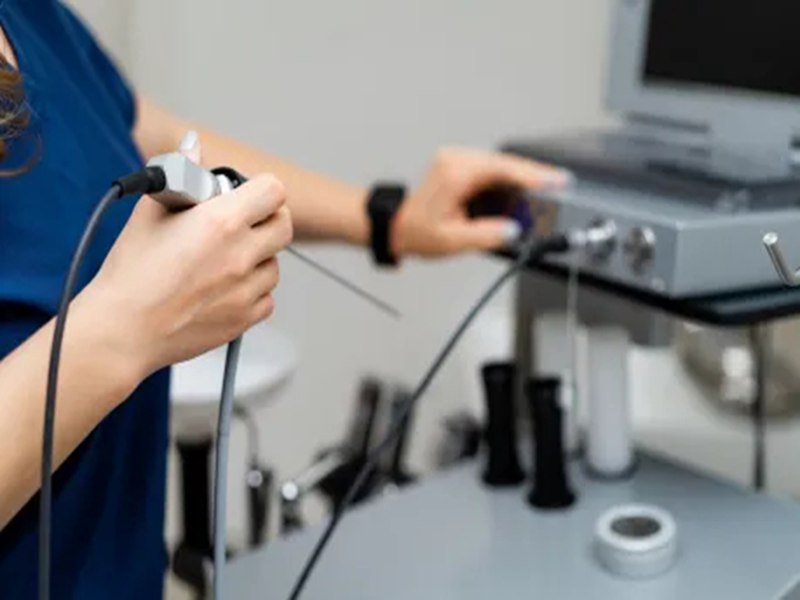
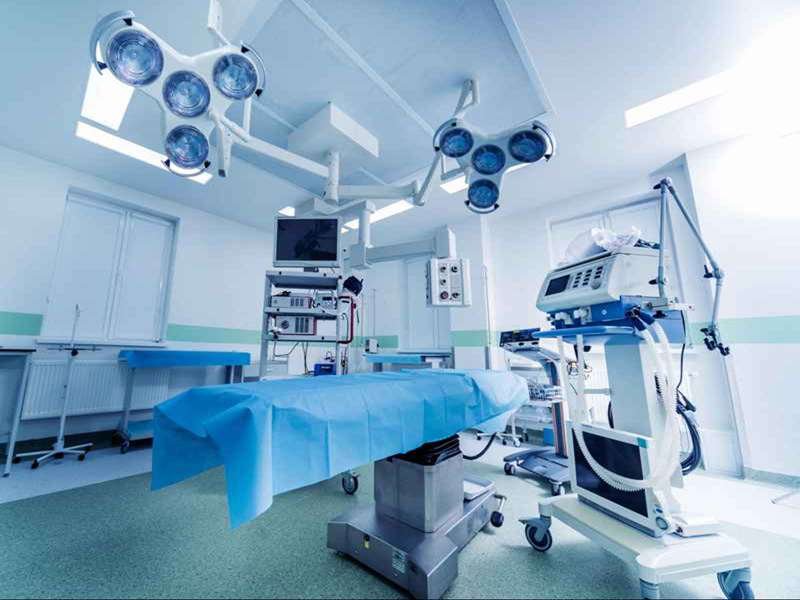
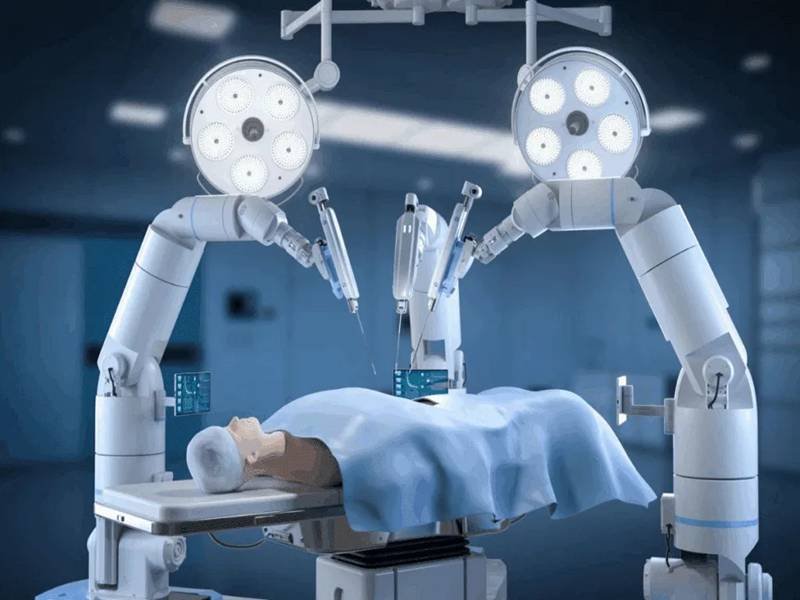
Medical cables are the unsung heroes of modern surgical equipment. They carry power and signals with precision, flexibility, and reliability, directly impacting the performance of critical devices.

A lot of RF problems start with a simple assumption: “The connector looks right, so it should work.” In real projects, that is where trouble begins. Two RF connectors may look similar in photos, fit the same general cable family, and still perform very differently once the signal moves through the assembly.

A coax cable usually does not fail all at once. In many systems, the first sign is small: a weaker signal, a noisy picture, unstable transmission, or a connection that works only when the cable is held in a certain position.

When signal problems show up in real systems—unstable data, unexpected noise, reduced transmission range—most people first suspect chips, antennas, or software.

In drone projects, many teams spend a lot of time discussing cameras, flight controllers, batteries, and software, but the cable path is often treated as a minor detail. In practice, that detail can decide whether the whole system runs smoothly or fails in the field.

High-frequency signal transmission is not just about connecting two points—it’s about controlling energy. As frequencies rise into the MHz and GHz range, even small imperfections in cable structure, impedance mismatch, or shielding can cause measurable signal loss, reflection, or interference.

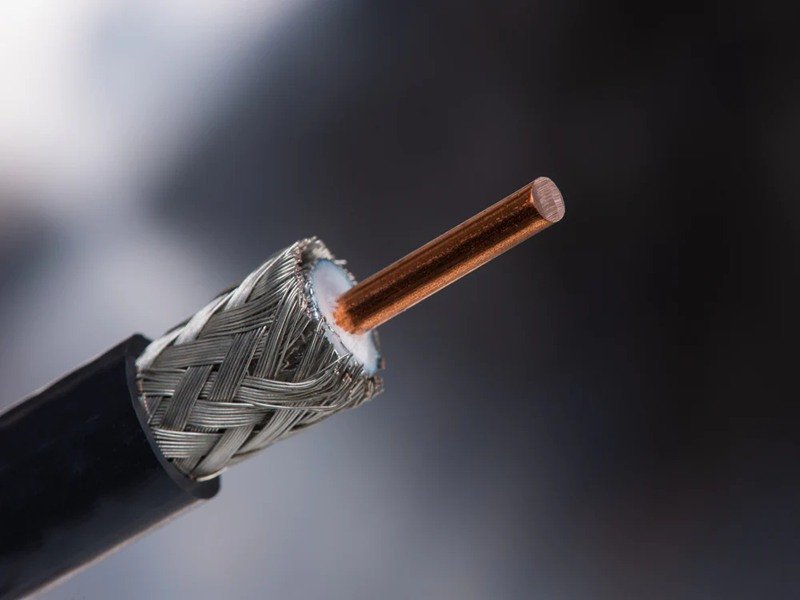
Coaxial cable assemblies are a core component of modern communication systems. They connect antennas, transmitters, receivers, testing equipment, and countless electronic devices that rely on stable radio-frequency (RF) signals.

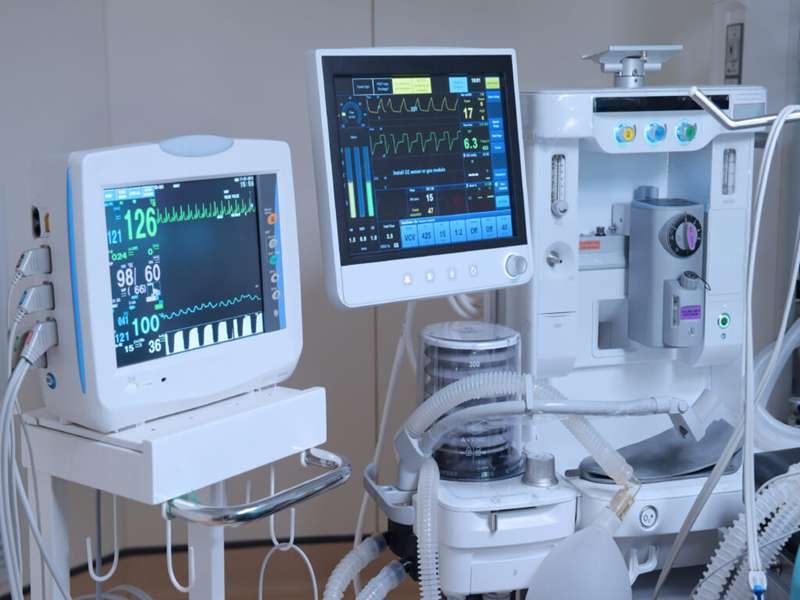
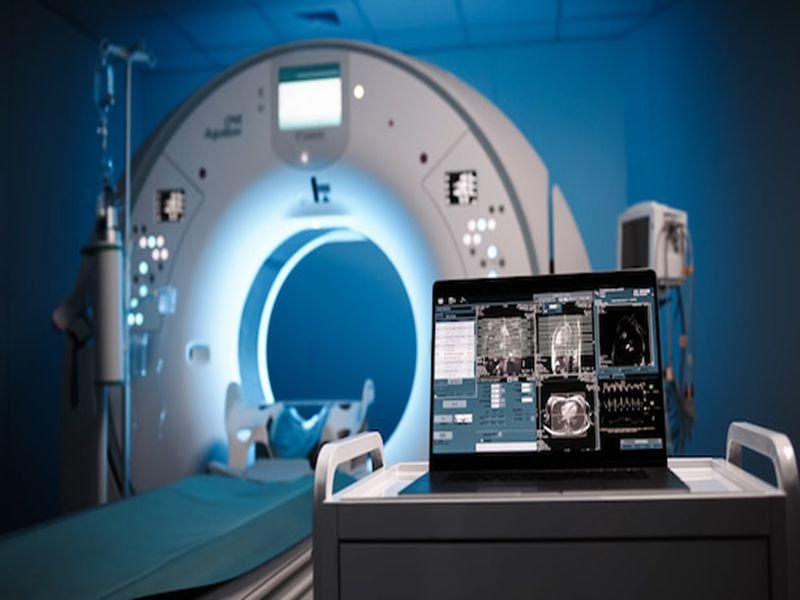
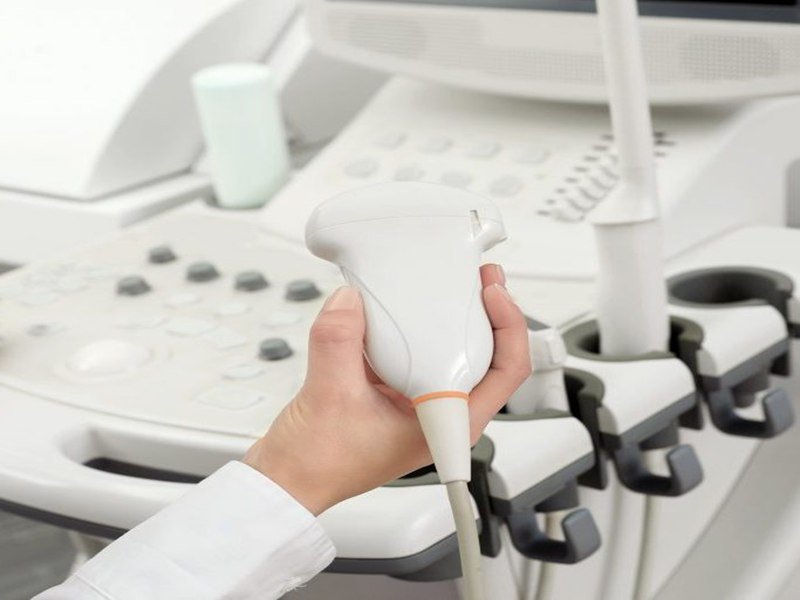
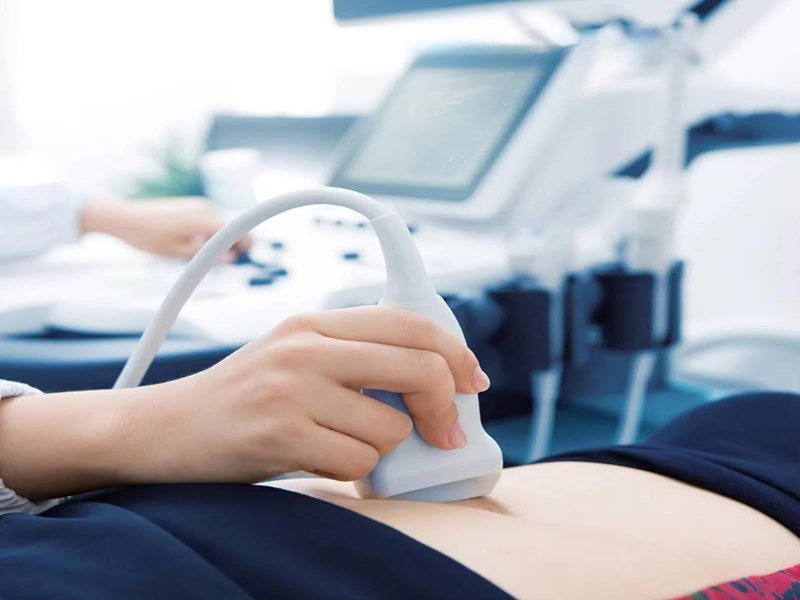
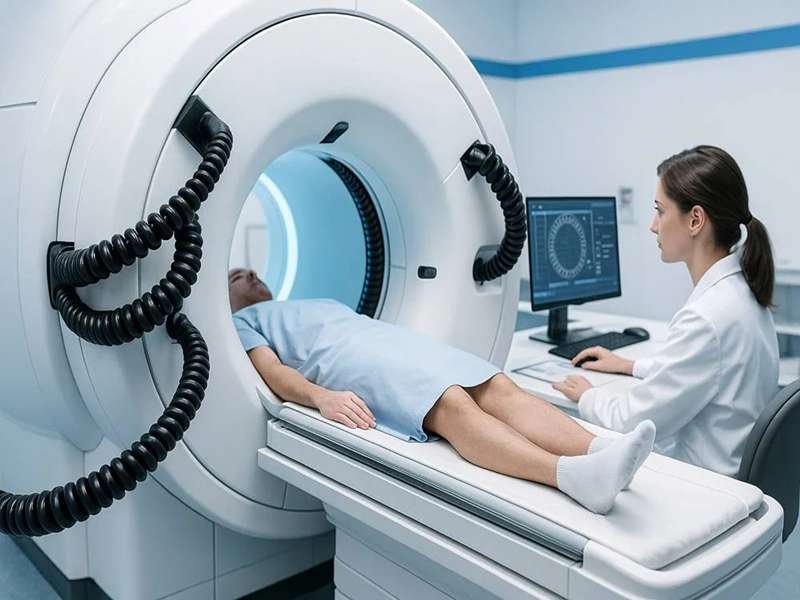
In medical equipment, the cable is often one of the last parts people pay attention to, but it is one of the first parts that can create trouble in real use. A monitor may show unstable data. An imaging system may produce noise. A handheld device may pass early testing but fail after repeated bending in daily operation. In many cases, the problem is not the connector shape, not the housing, and not even the machine itself.

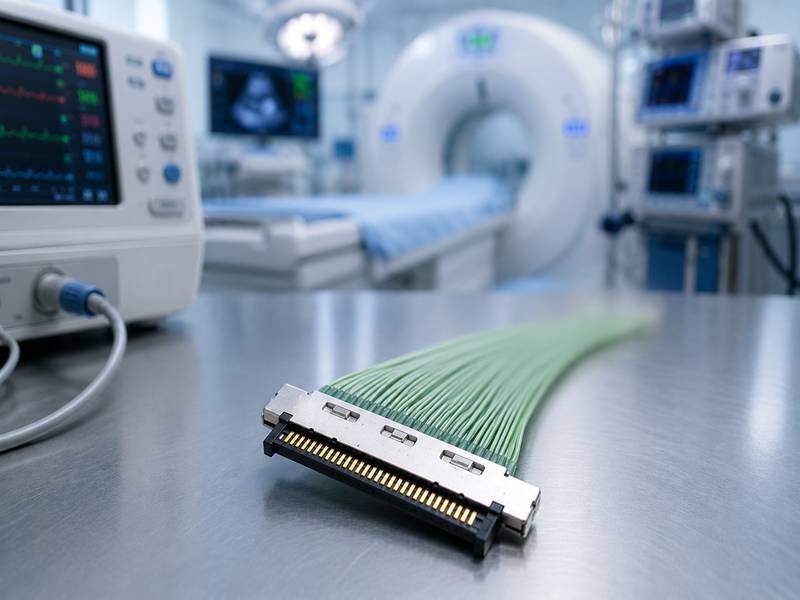
In modern healthcare environments, cables are the silent infrastructure that connects life-saving medical equipment. From patient monitoring systems and imaging devices to surgical tools and diagnostic equipment, medical cables must operate reliably under demanding conditions.
Want custom sourcing advice or technical answers? Subscribe to get new posts in your inbox or send your question directly to our engineer team.
We will contact you within 24 Hours, please pay attentionto the email with the suffx”@sino-conn.com”.