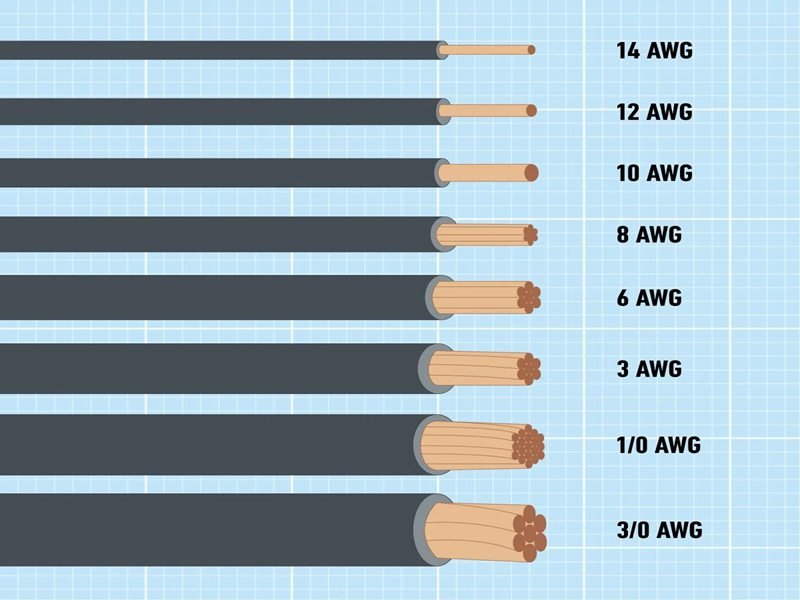
How to Measure Wire Gauge: A Complete Guide for Engineers and DIYers
When was the last time you looked at a wire and wondered: Is this the right size for my project? Wire gauge is one of

When was the last time you looked at a wire and wondered: Is this the right size for my project? Wire gauge is one of
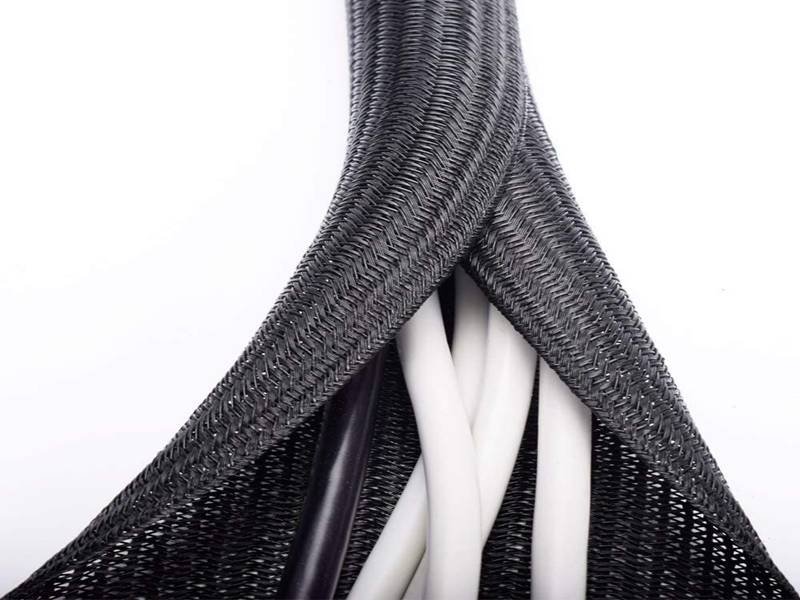
In today’s fast-paced world, everything from your car’s headlights to industrial robots depends on one unsung hero: the wire harness. Without it, electrical systems would look like a jungle of tangled cables, unsafe and nearly impossible to maintain. But here’s the fascinating part—what truly defines the performance of a wire harness is the materials used in its construction.
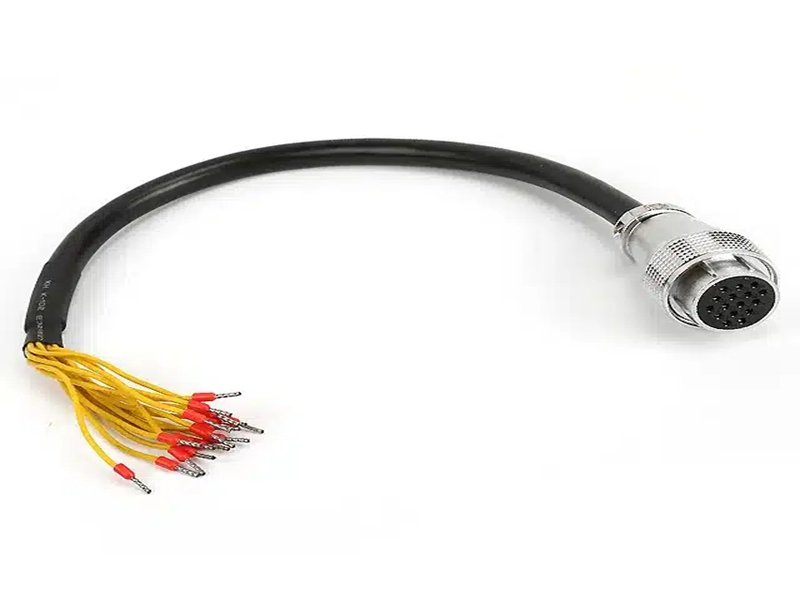
Industrial automation has transformed the way factories, logistics hubs, and even medical facilities operate. At the heart of this transformation lies a critical component that often goes unnoticed—the round connector.
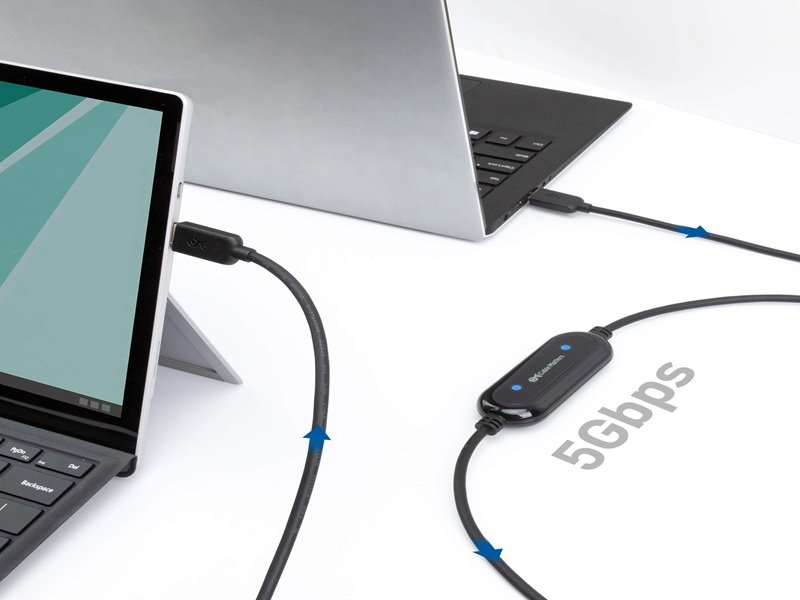
Connecting two USB cables might sound like a simple, everyday fix. Maybe your device is just a little too far from your desk, or you need extra length for your setup at home or in the lab. But here’s the catch: USB isn’t just about plugging in—it’s about power, data speed, and safety.
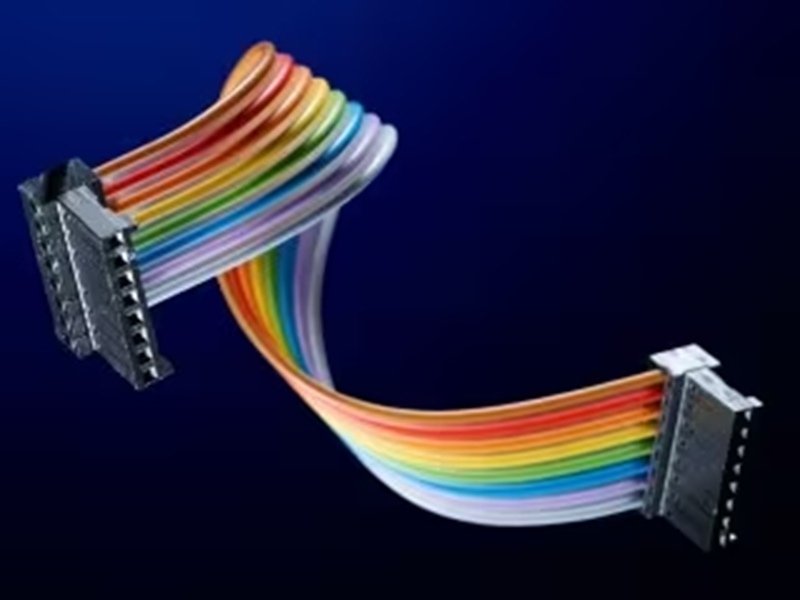
If you open an old desktop computer, a medical device, or even a modern industrial controller, chances are you will find a flat, grey cable with evenly spaced conductors neatly running from one board to another.
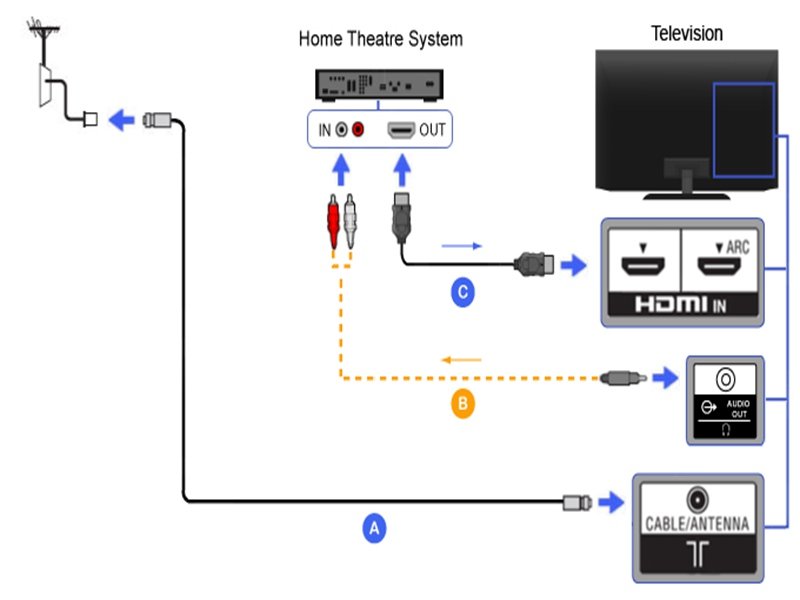
For decades, coaxial cables were the backbone of television, satellite, and cable networks. They carried analog signals that powered our living rooms with shows, sports, and news. But today, digital devices dominate—and HDMI has become the universal standard for transmitting high-definition video and audio.
In today’s world of ultra-compact electronics, space is king. From smartphones that fit in your pocket to medical devices guiding life-saving procedures, the demand for lightweight yet highly reliable connections has never been greater.
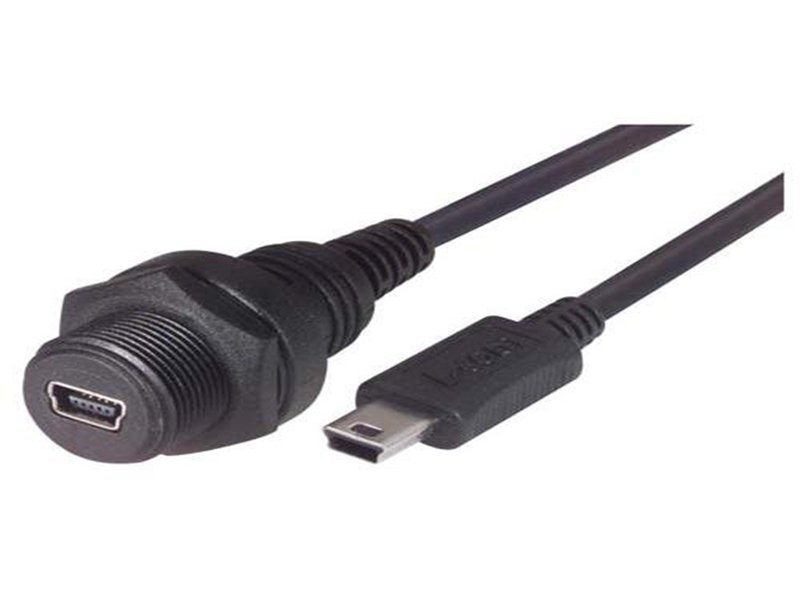
In today’s fast-moving digital world, the size of the connector can make or break the design of your device. From cameras to smartphones, USB has been the backbone of charging and data transfer for decades.
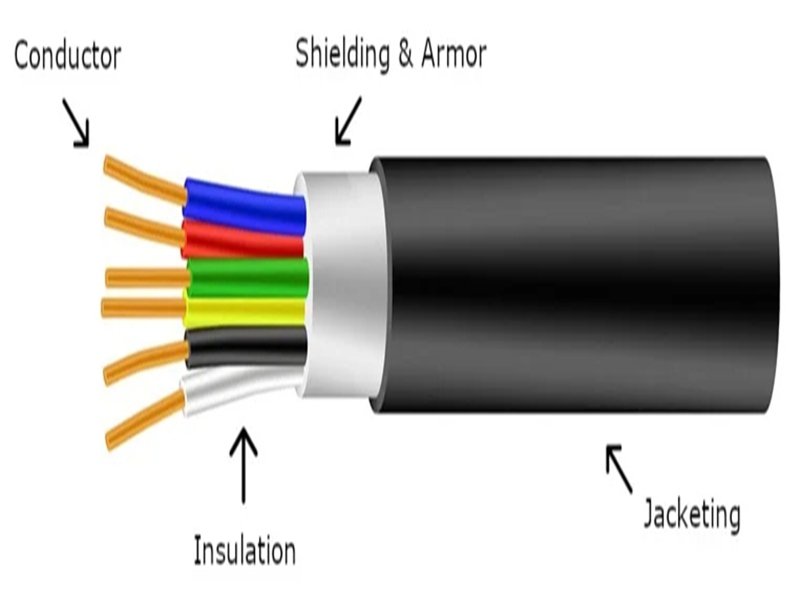
In the fast-paced world of automation, every second of downtime means lost productivity, higher costs, and frustrated engineers. The unsung heroes behind smooth operations aren’t just the robots or PLCs — they’re the industrial cables that carry power, control, and data seamlessly through factory floors, assembly lines, and automated warehouses.
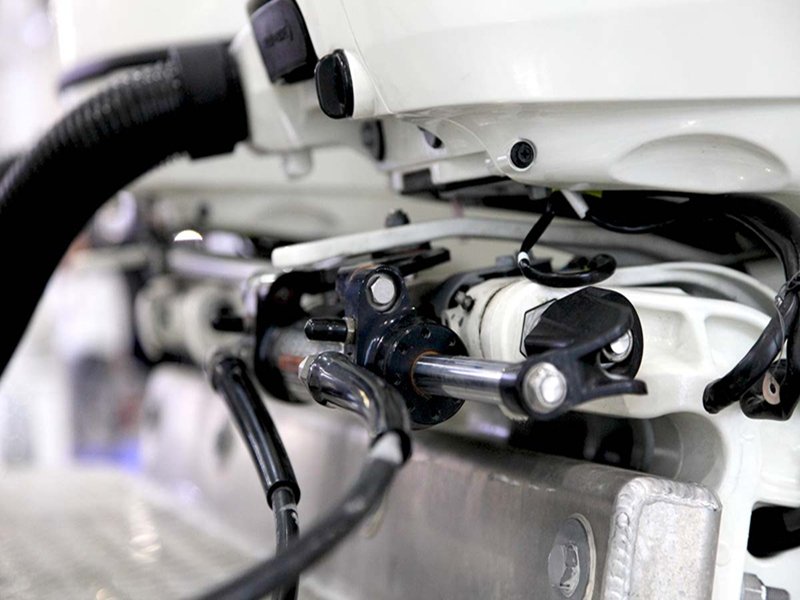
Remote operation is no longer a futuristic dream—it’s the standard in industries where safety, efficiency, and precision matter most. Whether you’re steering a boat from
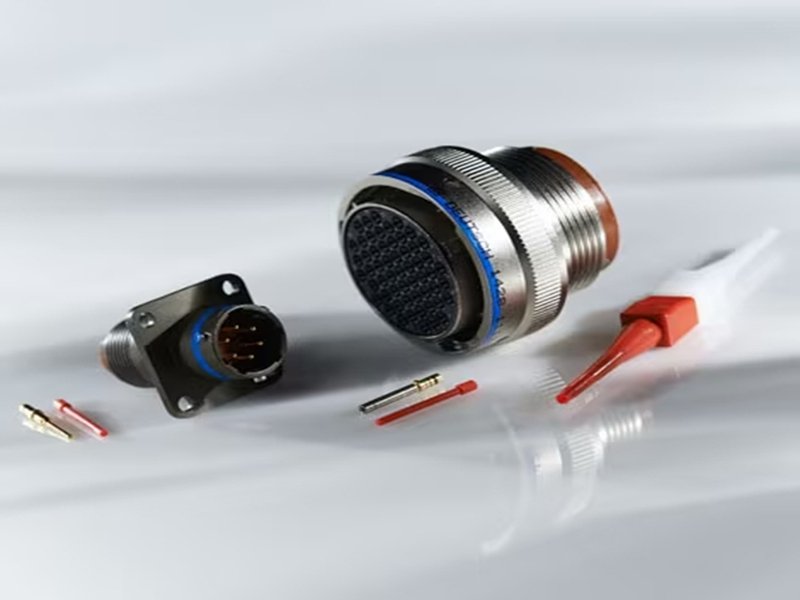
In today’s interconnected economy, the choice between a cable manufacturer and a cable supplier can make or break your project’s success. Businesses often assume both play the same role, but in reality, their functions, capabilities, and value propositions differ significantly.
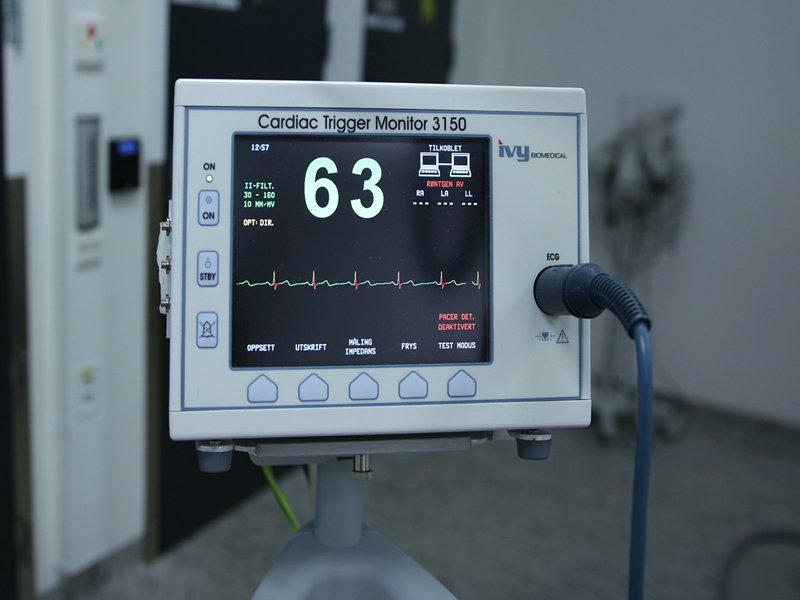
In high-stakes environments like hospitals and research labs, power is not just power. The cable you choose can mean the difference between precision and peril, between seamless treatment and sudden downtime.