
Designing Cable Assemblies for Surgical Equipment
Learn how to design cable assemblies for surgical equipment with the right materials, shielding, flexibility, reliability, and custom support.
 Skip to content
Learn how to design cable assemblies for surgical equipment with the right materials, shielding, flexibility, reliability, and custom support.

Medical device failures are not always caused by chips, software, sensors, or PCB design. Sometimes the real problem is much smaller — a connector that loosens after repeated movement, a cable that becomes too stiff once shielding is added, an incorrect pin definition between two boards, or signal noise that only appears when the device is fully assembled.

A lot of medical device teams begin in the same way. An engineer, sourcing manager, or project leader already has a part family in mind, often from a known supplier, and the first question sounds simple: “Can we use TE Medical for this project?” On paper, that seems like the right place to start.
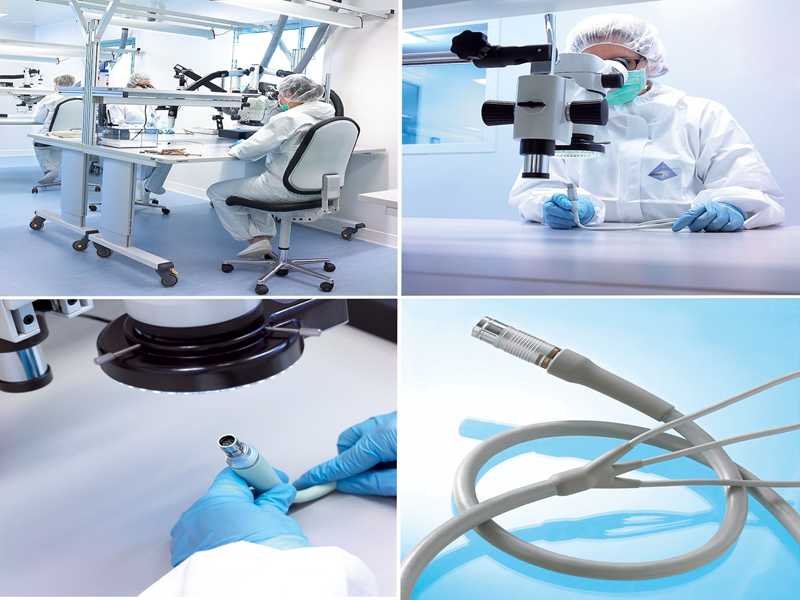
Medical cables are the unsung heroes of modern surgical equipment. They carry power and signals with precision, flexibility, and reliability, directly impacting the performance of critical devices.

In medical equipment, connector selection is rarely a small detail. It affects signal quality, cleaning resistance, mechanical life, patient safety, serviceability, and even whether a project can pass internal verification without repeated redesign.