...

News & Article

Why Medical Cables Fail and How to Prevent It

Medical cable failures are often treated as isolated quality incidents, but in practice, they are usually the result of engineering decisions made much earlier in the product lifecycle. A cable assembly that appears electrically functional during initial validation may still fail prematurely if its materials, mechanical structure, connector system, or shielding design were not matched to the actual operating environment.

Read More »

Coaxial vs RCA Cable: What Is the Real Difference and Which Should You Use?

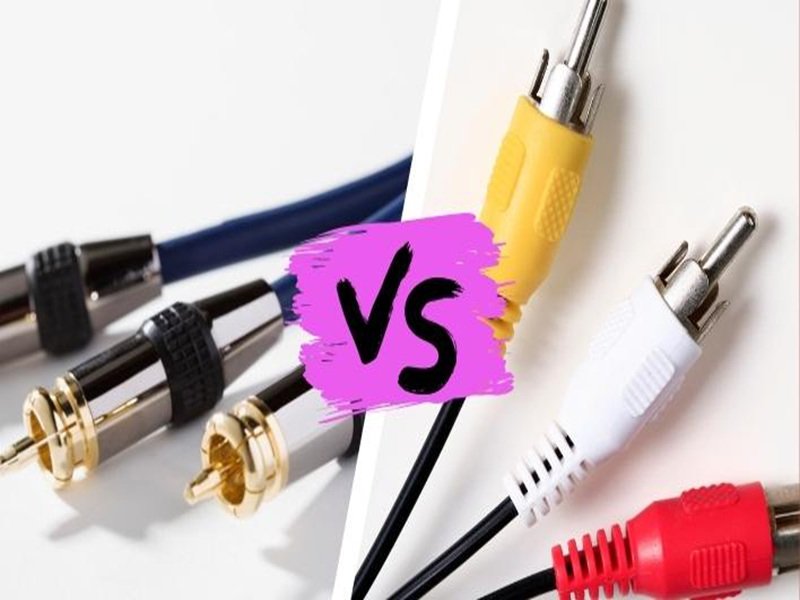
People search “coaxial vs RCA cable” because they’re trying to solve a real problem: a connection doesn’t fit, a signal is noisy, a video line shows interference, or a digital audio link drops out randomly. The confusion usually comes from language. Coaxial describes a cable structure. RCA describes a connector style and, in everyday use, a whole cable assembly. That sounds small — but it changes what you should check before you buy, and what you must specify before you order custom assemblies.

Read More »

Coaxial Cable vs Twisted Pair Cable: What Is the Real Difference?

If you’ve ever had a product that passed tests in the lab but failed in the field, you already understand why coaxial cable vs twisted pair cable is not a “simple cable choice.” A cable is not just copper and plastic. It’s a controlled electrical structure that decides how much noise gets in, how much signal gets lost, and whether your device works reliably when it sits next to motors, power supplies, radios, or medical equipment.

Read More »

What Is the Cable Assembly Market:Trends, Specs & Custom Solutions

For many buyers, the cable assembly market looks simple on the surface: suppliers quote by part number, cables are built to drawing, and shipments move on schedule. But behind that surface is a highly fragmented, fast-evolving global market shaped by engineering complexity, supply-chain risk, compliance pressure, and shrinking lead-time tolerance.

Read More »

Custom Medical Connector Manufacturing: What It Is, How It Works, and How to Choose the Right Partner

Medical devices are becoming smaller, more integrated, and more application-specific than ever before. From patient monitoring systems and diagnostic imaging equipment to surgical tools and portable medical electronics, connectors are no longer simple interfaces. They are critical system components that directly affect signal integrity, patient safety, device reliability, and regulatory compliance.

Read More »

What Is the Difference Between Cable and Wire:A Practical Guide

The terms wire and cable are often used interchangeably, even by experienced buyers and engineers. On drawings, in emails, and during sourcing discussions, it’s common to hear someone say “this wire” when they actually mean a multi-conductor cable—or to request a “cable” when a single conductor wire would have been sufficient. In low-risk applications, this confusion may not cause immediate problems. In real OEM projects, however, misunderstanding the difference between cable and wire can lead to incorrect specifications, compliance issues, unnecessary cost, or early product failure.

Read More »

What Is Cable Grading: How Cables Are Classified and Selected

At first glance, cable grading sounds like a fixed label—high grade, low grade, industrial grade, medical grade. But in reality, cable grading is not a single standard, number, or certification. It is a structured way of describing how a cable is designed, tested, and qualified to perform under specific electrical, mechanical, environmental, and regulatory conditions.

Read More »

What Material Is Used for Cable Jackets: Engineer’s Guide

In cable assemblies, failures rarely happen at the conductor first. More often, the real problem starts outside — with the cable jacket. Engineers and buyers frequently focus on connectors, shielding, or impedance control, yet overlook the jacket material that protects everything underneath. In real-world applications, the wrong jacket material can lead to cracking, oil absorption, UV degradation, stiffness in cold environments, or even compliance failure during certification testing.

Read More »

What Is Plenum Rated Cable: A Complete Guide

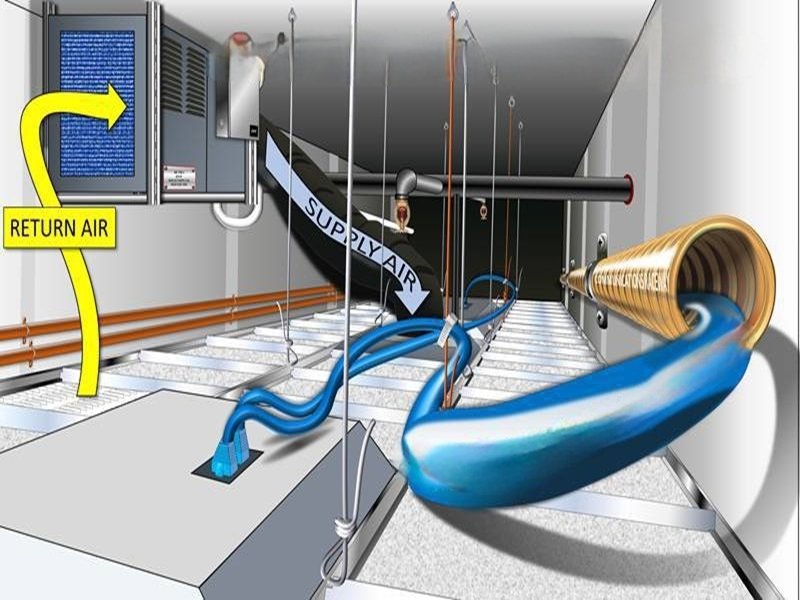
When most people think about cable selection, they focus on signal performance, voltage rating, or connector compatibility. Fire safety rarely comes first—until it suddenly matters. In modern buildings filled with air-handling spaces, return air plenums, and densely packed electronics, the cable jacket itself can become a critical safety risk. This is exactly why plenum rated cable exists.

Read More »

What Is Coaxial Cable and How Does It Work? Complete Guide

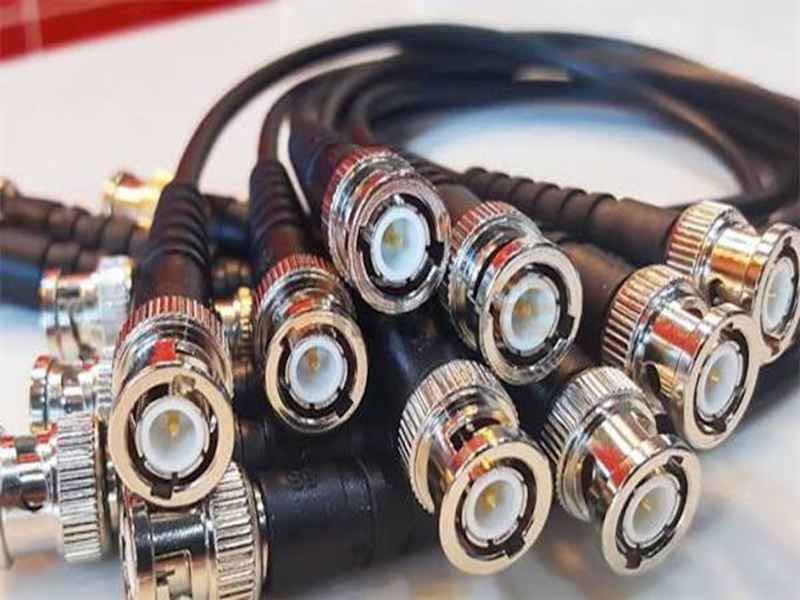
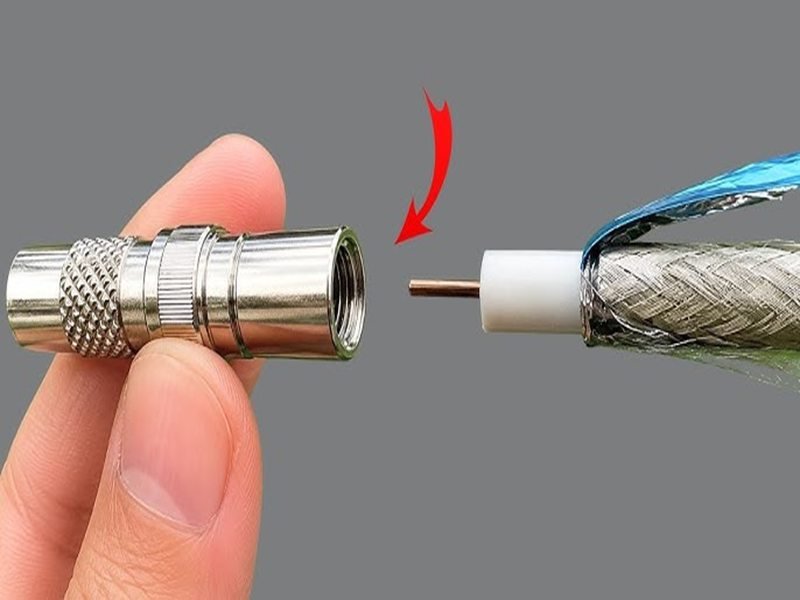
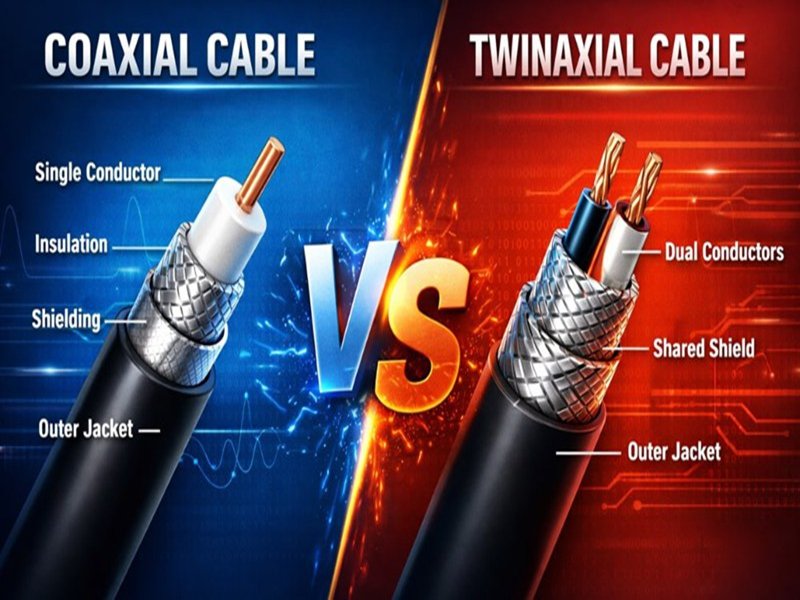
Coaxial cables are everywhere—inside medical devices, 5G modules, radars, autonomous robots, even the TV on your wall. Yet most people, including many purchasing managers and OEM sourcing teams, only know them as “coax cables” without truly understanding how they work, why different types exist, or how critical cable selection is to signal accuracy, RF stability, and long-term reliability. Engineers know that even a 1 mm change in OD or a mismatched connector can shift impedance enough to break an entire design. That is why companies that rely on performance—medical, military, RF labs, telecom, and precision electronics—care deeply about coaxial structure, shielding, materials, and assembly quality.

Read More »

Trailer Wiring Color Codes: A Complete Guide

If you’ve ever hooked up a trailer and seen the rainbow of wires staring back at you, you probably wondered: Which one is ground, which is for brakes, and why does it look different than last time? Trailer wiring color codes are one of those details people assume are universal—but in reality, they’re not.

Read More »

Ask For A Quick Quote

We will contact you within 24 Hours, please pay attentionto the email with the suffx”@sino-conn.com”.