...

News & Article

Electrical Cable Price: Complete Cost Breakdown & Buying Guide

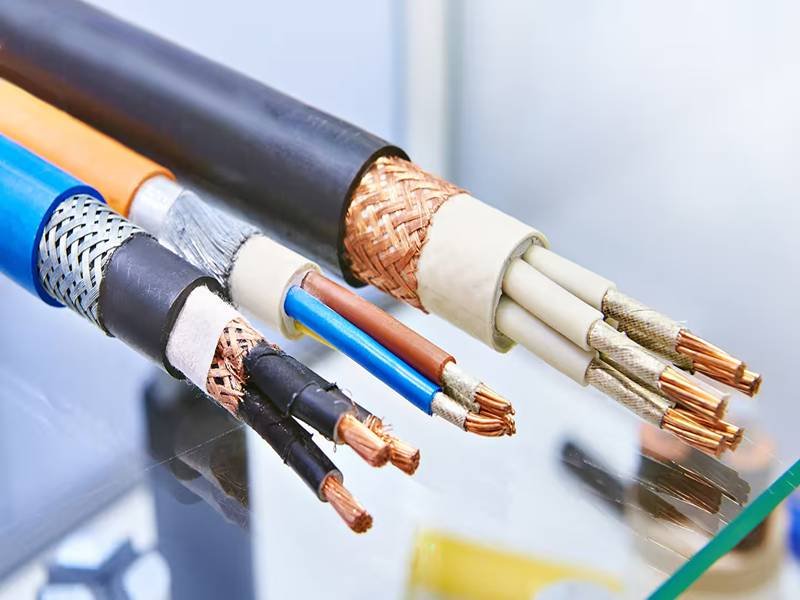
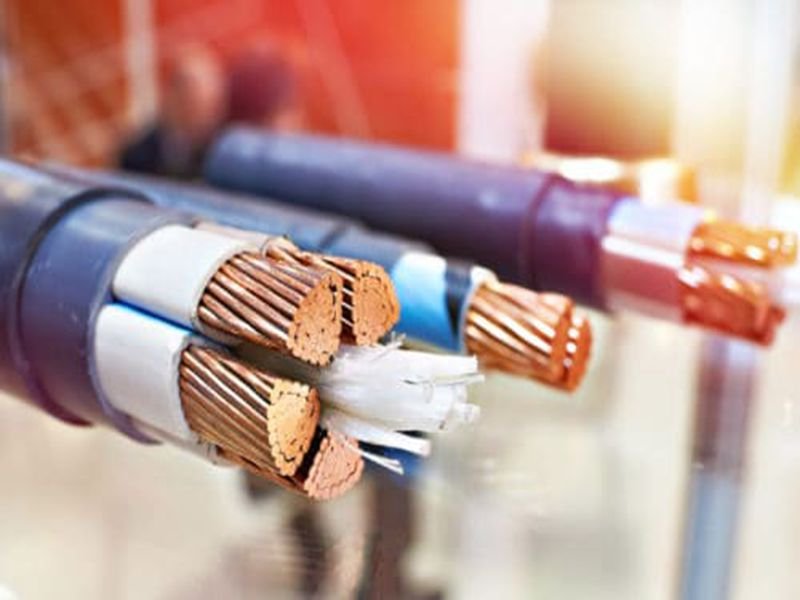
Electrical cable pricing often looks like a simple question—“How much per meter?”—but in reality, cable cost is shaped by a long list of variables that most buyers never see. Two cables with the same AWG can differ in price by 30–70% simply because of shielding, jacket material, conductor purity, connector selection, certifications, or custom pin-out work. And when the cable becomes a complete assembly with connectors, overmolding, or engineering drawings, the price difference can widen even more.

Read More »

40 Types of Electrical Cables Explained for Modern Applications:The Ultimate Guide

Electrical cables are rarely seen but always relied upon. They run silently under floors, inside machines, behind walls, and through data centers—powering devices, transmitting signals, and connecting entire systems together. Yet for most engineers, buyers, and project managers, the challenge is not simply identifying a cable type; it is understanding how structure, materials, shielding techniques, voltage ratings, and application environments shape cable performance and reliability.

Read More »

How Is Cable Manufactured: Step-by-Step Cable Making Guide

Modern cables are everywhere—inside industrial machines, medical devices, vehicles, data centers, and consumer electronics. Yet very few people truly understand how a cable is manufactured, or why cables that look similar on the outside can perform very differently in real-world applications.

Read More »

What Is the Cable Assembly Process: A Step by Step Guide from Design to Delivery

In many OEM projects, cable assemblies are treated as simple components—ordered late, specified loosely, and expected to “just work.” Yet in reality, cable assemblies are often the hidden failure point behind system instability, EMI issues, field returns, and certification delays. A single misinterpreted pinout, shielding gap, or strain relief weakness can compromise an entire product, even if every other subsystem performs perfectly.

Read More »

What Is the Difference Between Cable and Wire:A Practical Guide

The terms wire and cable are often used interchangeably, even by experienced buyers and engineers. On drawings, in emails, and during sourcing discussions, it’s common to hear someone say “this wire” when they actually mean a multi-conductor cable—or to request a “cable” when a single conductor wire would have been sufficient. In low-risk applications, this confusion may not cause immediate problems. In real OEM projects, however, misunderstanding the difference between cable and wire can lead to incorrect specifications, compliance issues, unnecessary cost, or early product failure.

Read More »

What Are Medical Grade Cables:A Complete Guide

Medical devices are often judged by what patients see: screens, probes, sensors, or sleek housings. But behind every reliable diagnostic image, stable monitoring signal, or life-support system is something far less visible—and far more critical: the cable assembly.

Read More »

What Is LVDS Interface: LVDS Cable & Signal Guide

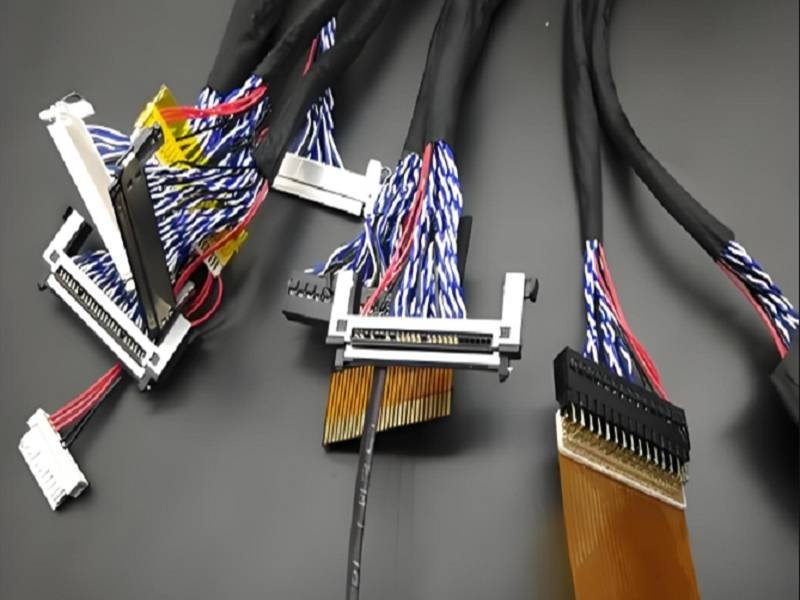
Modern electronic systems demand high-speed data transmission, low noise, low power consumption, and stable signal integrity—often all at the same time. Whether you are working on an industrial HMI panel, a medical imaging device, an automotive infotainment screen, or an embedded display system, the way signals travel between processors and displays directly affects performance, reliability, and long-term stability.

Read More »

How Do You Test Coaxial Cable: OEM & Industrial Guide

Coaxial cables are everywhere—from RF communication systems and industrial automation to medical equipment and high-frequency test setups. Yet despite their widespread use, coaxial cables are often treated as “plug-and-play” components, with testing reduced to a quick continuity check or a visual inspection. In reality, improper or incomplete testing is one of the most common root causes behind signal loss, EMI issues, intermittent failures, and costly system downtime.

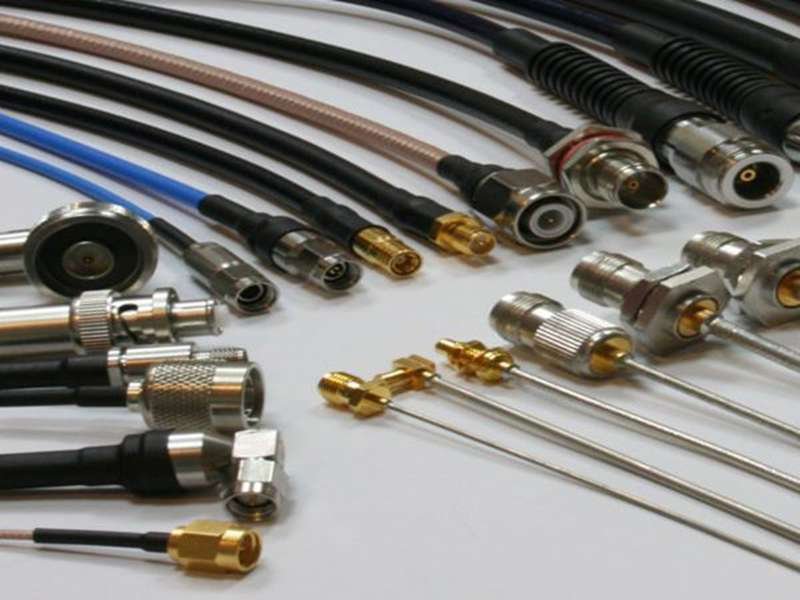
Read More »

What Is Metal Clad Cable: Industrial & OEM Guide

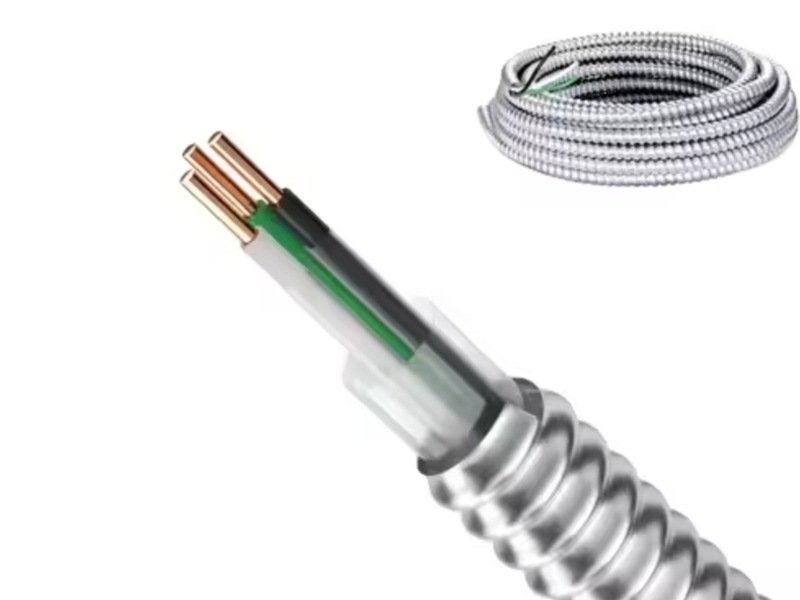
In industrial and high-risk electrical environments, standard jacketed cables are often not enough. Mechanical impact, fire risk, electromagnetic interference, and harsh installation conditions demand a higher level of protection. This is where metal clad cables come into play.

Read More »

What Material Is Used for Cable Jackets: Engineer’s Guide

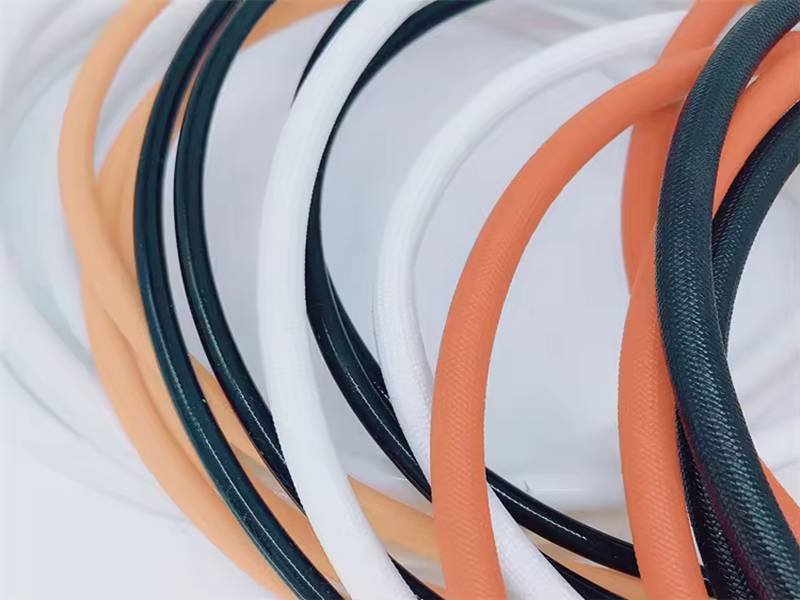
In cable assemblies, failures rarely happen at the conductor first. More often, the real problem starts outside — with the cable jacket. Engineers and buyers frequently focus on connectors, shielding, or impedance control, yet overlook the jacket material that protects everything underneath. In real-world applications, the wrong jacket material can lead to cracking, oil absorption, UV degradation, stiffness in cold environments, or even compliance failure during certification testing.

Read More »

What Is Plenum Rated Cable: A Complete Guide

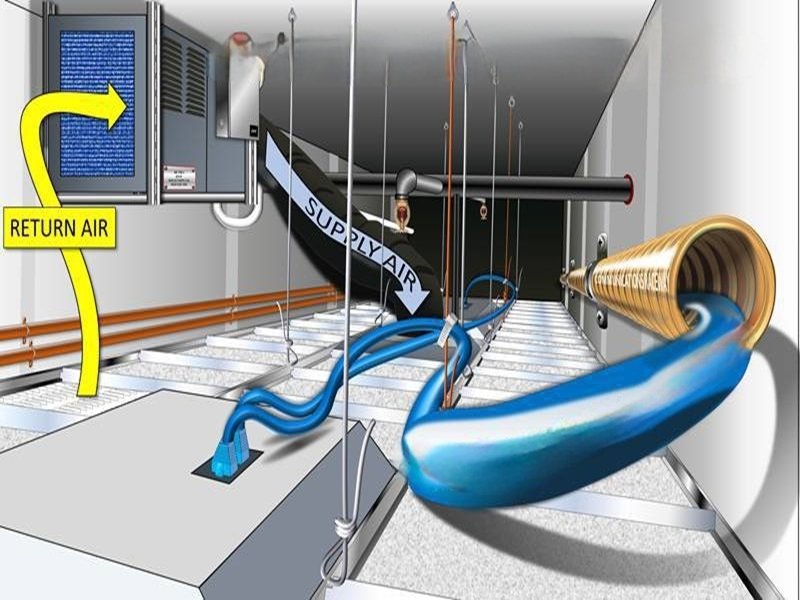
When most people think about cable selection, they focus on signal performance, voltage rating, or connector compatibility. Fire safety rarely comes first—until it suddenly matters. In modern buildings filled with air-handling spaces, return air plenums, and densely packed electronics, the cable jacket itself can become a critical safety risk. This is exactly why plenum rated cable exists.

Read More »

Ask For A Quick Quote

We will contact you within 24 Hours, please pay attentionto the email with the suffx”@sino-conn.com”.