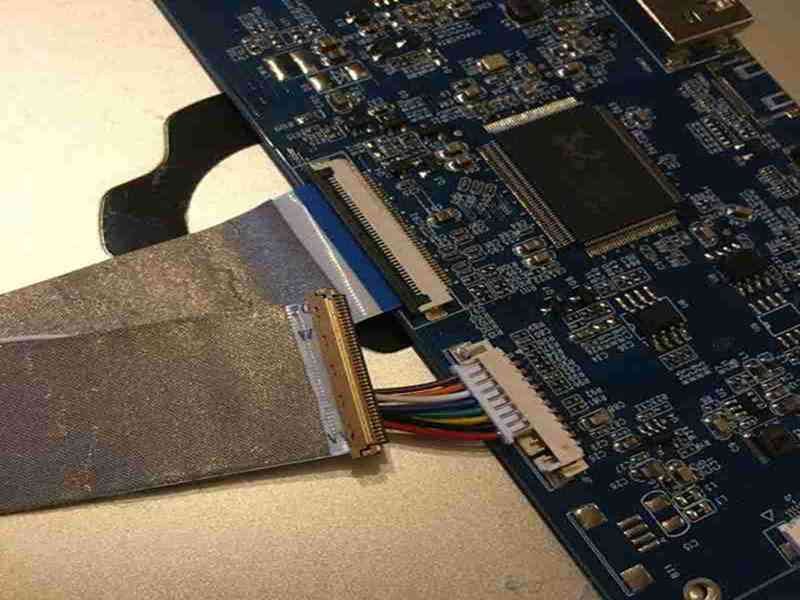
LVDS Serializer vs Deserializer: What Is the Difference in Display Systems?
A serializer and a deserializer can look like two small devices placed at opposite ends of a display cable, but their roles shape the entire display architecture.
 Skip to content

A serializer and a deserializer can look like two small devices placed at opposite ends of a display cable, but their roles shape the entire display architecture.
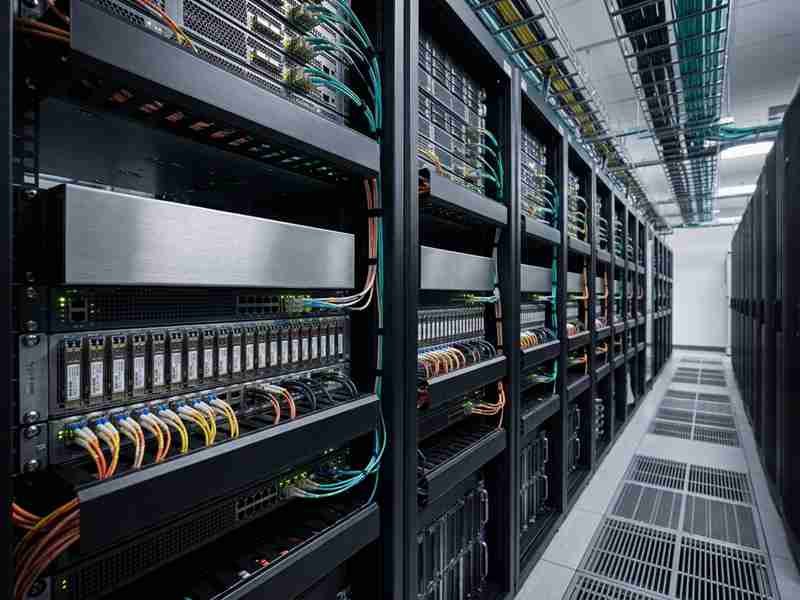
A high-speed cable link can pass continuity testing, look mechanically sound, and still fail the moment the system begins moving data at its intended rate. One reason is stub resonance. A few millimeters of unused conductor may look insignificant on a drawing, but at multi-gigahertz frequencies that conductor is no longer just extra copper.
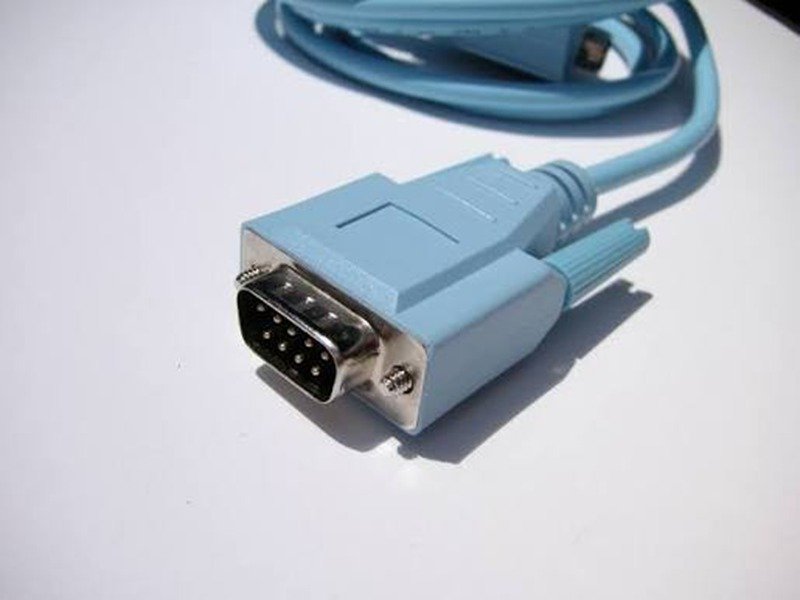
A high-speed serial link can pass continuity testing perfectly and still fail as soon as real traffic starts moving. That is because the receiver is not merely checking whether conductor A reaches conductor B. At multi-gigabit rates, it must recover timing, distinguish transitions through a lossy channel, tolerate reflections and jitter, and make a correct bit decision within a very small time window.
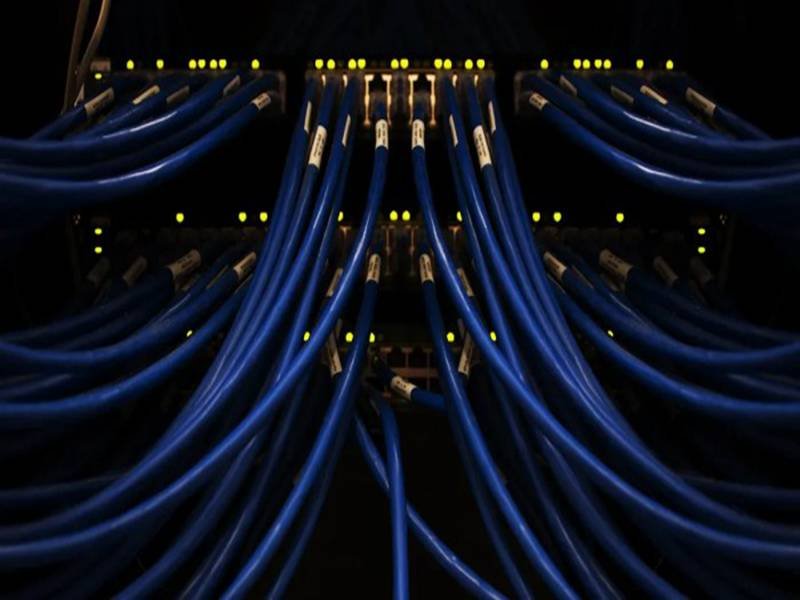
A high-speed cable can pass continuity testing perfectly and still be the reason a system loses data, closes an eye diagram, or becomes unstable when cable length changes. The reason is that fast digital and RF signals do not experience a finished cable assembly as a simple piece of copper.
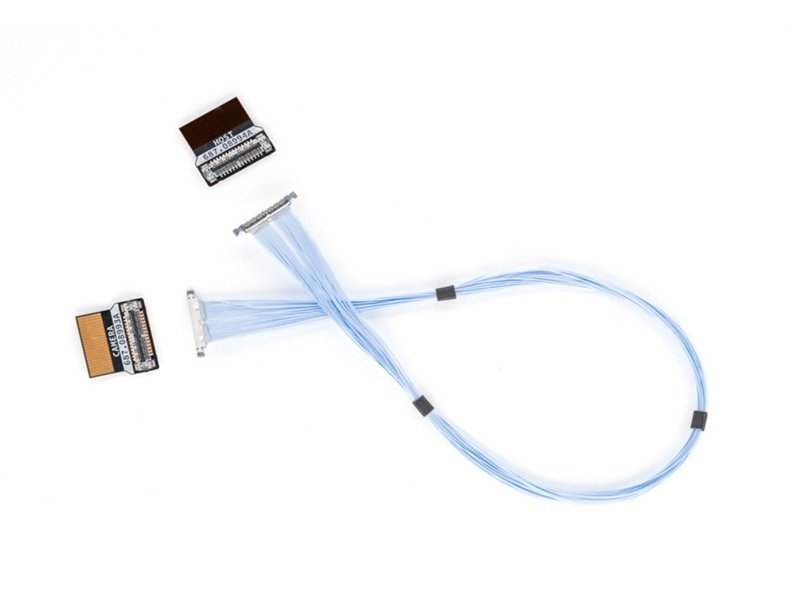
A micro coax assembly can look almost perfect on a drawing and still behave very differently once a multi-gigabit signal starts moving through it. Two tiny coax lines may leave the same connector, follow the same route and finish at the same nominal length, yet a small difference in dielectric geometry, conductor position, shield opening or connector termination can make one side of the differential channel arrive earlier or reflect more energy than the other.
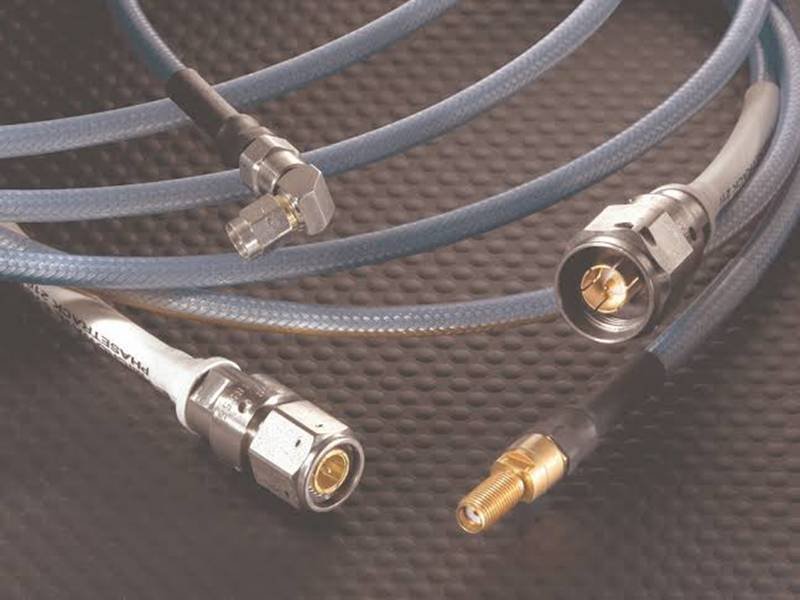
When engineers compare micro coax cables, the first questions usually involve AWG, outer diameter, connector pitch, shielding, impedance, or the number of signal channels. The dielectric – the thin material between the center conductor and outer shield – often receives less attention. That can be a costly oversight.

A high-speed link can pass a continuity check perfectly and still fail the moment real data starts moving through it. At multi-gigabit rates, the cable, connector, PCB launch, via field, return path, and receiver are no longer independent pieces. Together they form one transmission channel.

A high-speed cable can pass continuity, show a respectable insertion-loss curve, and still leave a serial link with too little operating margin. That surprises teams that are used to evaluating a cable one specification at a time.

A high-speed cable can look healthy on an oscilloscope and still produce errors in the real system. That sounds contradictory until the two tests are separated by purpose. An eye diagram shows the electrical margin around a receiver decision, while BER measures whether those decisions actually turn into correct or incorrect bits over time. As data rates rise, the difference matters more because rare jitter events, pattern-dependent distortion, connector discontinuities, crosstalk, attenuation, and receiver behavior can hide behind an eye that appears comfortable during a short acquisition.
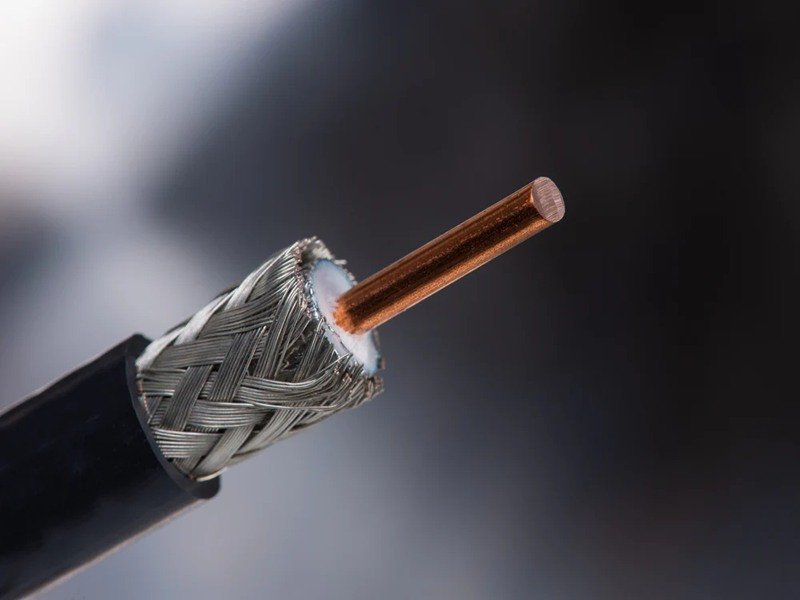
Coaxial cable impedance is a critical parameter in high-frequency signal transmission, affecting every connection in telecom, aerospace, medical, and industrial electronics.
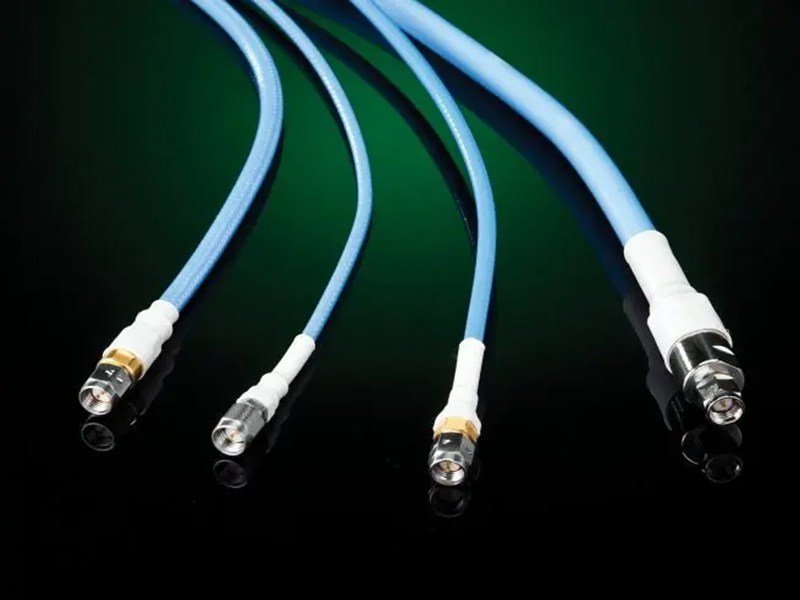
RF cable assemblies are essential components in high-frequency applications, carrying critical signals for telecommunications, aerospace, defense, and medical equipment. The performance of these cables can significantly impact signal integrity, data accuracy, and device reliability.
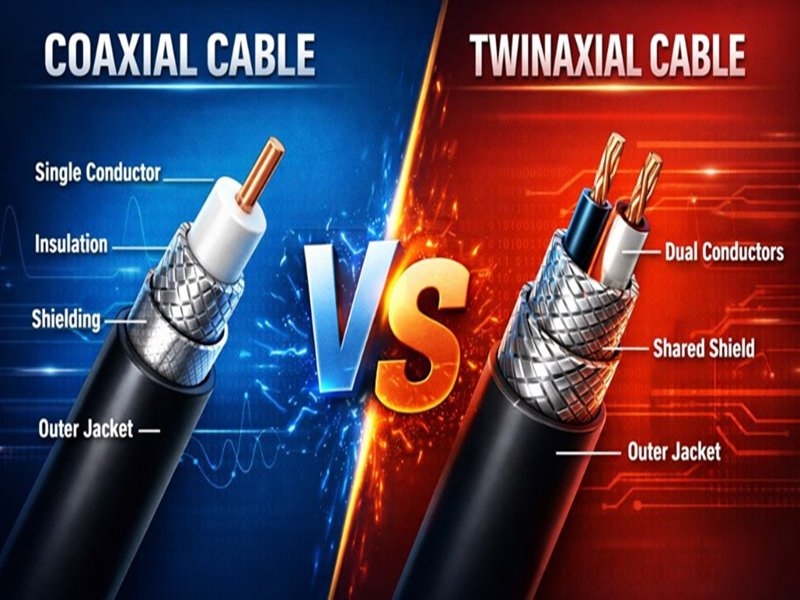
If you’ve ever had a product that passed tests in the lab but failed in the field, you already understand why coaxial cable vs twisted pair cable is not a “simple cable choice.” A cable is not just copper and plastic. It’s a controlled electrical structure that decides how much noise gets in, how much signal gets lost, and whether your device works reliably when it sits next to motors, power supplies, radios, or medical equipment.