...

News & Article

What Causes LVDS Cable Common-Mode Noise and How Can You Reduce It?

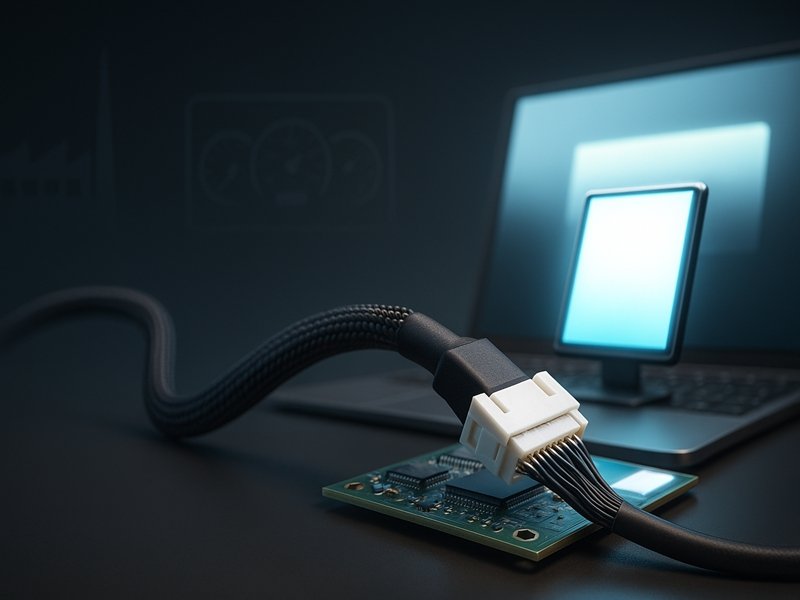
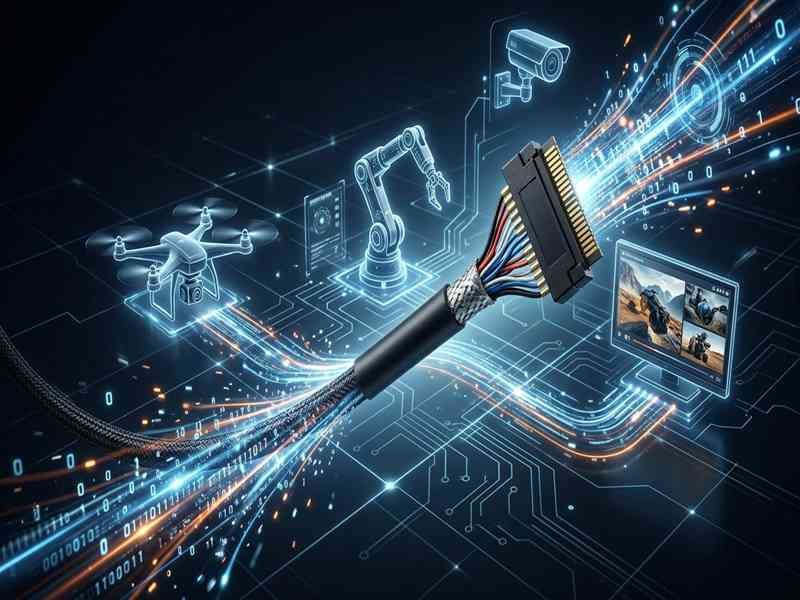
LVDS is widely chosen because differential signaling is good at rejecting noise, yet that reputation can hide an important practical detail: an LVDS link is only as balanced as the physical channel carrying it. Between the transmitter and receiver are PCB breakouts, fine-pitch connectors, stripped termination zones, cable pairs, shields, grounds, bends, clamps, and nearby power circuits. A small asymmetry in any of these areas can turn a clean differential link into a source of common-mode current, electromagnetic radiation, or reduced signal margin. That is why a cable can pass continuity testing and still fail an EMC test, or work on a bench and become unstable after installation inside the final product.
Read More »

Cable Solutions for Ultrasound Equipment

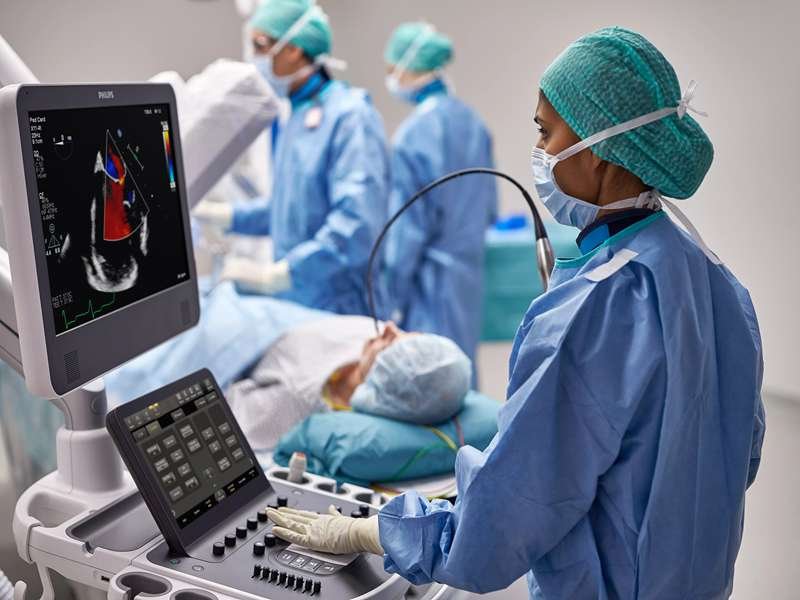
Ultrasound equipment depends on very weak, high-frequency signals. These signals travel from the transducer probe to the imaging system through a cable assembly that must remain stable while the probe is moved, rotated, cleaned, pulled, and used every day. If the cable structure is not correct, the equipment may still power on, but image quality can suffer. Noise, signal loss, poor shielding, unstable impedance, cable fatigue, or connector wear can all affect the final diagnostic image.

Read More »

What Is a Data Cable? Definition, Types, and How to Choose the Right One

Modern electronic systems rely on data more than ever—but surprisingly, many system failures still originate from something basic: the data cable itself. From consumer electronics and industrial controllers to medical equipment and embedded systems, data cables quietly determine whether signals arrive cleanly, consistently, and on time. Yet in real projects, “data cable” is often treated as a vague or generic term, leading to mismatched specifications, unstable performance, and late-stage redesigns.

Read More »

Which LVDS Connector Type Best Matches My Display Panel?

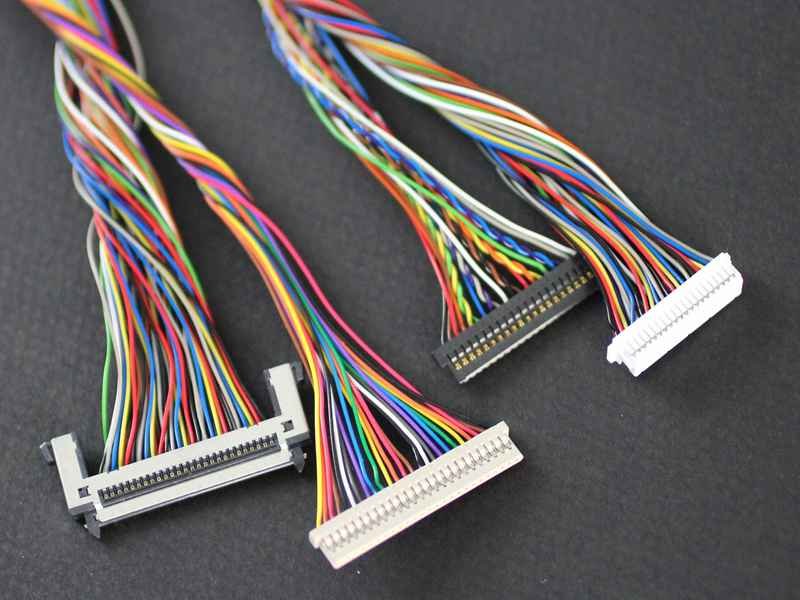
Choosing the correct LVDS connector for your display can mean the difference between a reliable device or a costly failure. Whether you’re designing consumer electronics, industrial instrumentation, in-vehicle displays, or medical interfaces, selecting the right connector type is essential for signal integrity, EMI control, mechanical fit, and manufacturing reliability.

Read More »

eDP vs LVDS: How to Choose the Right Display Cable?

When it comes to display technology, especially for high-resolution, ultra-thin devices, choosing the right internal cable interface is more critical than ever. As devices evolve to become lighter, slimmer, and more powerful, the debate between eDP (Embedded DisplayPort) and LVDS (Low-Voltage Differential Signaling) cables continues to intensify.

Read More »

Ask For A Quick Quote

We will contact you within 24 Hours, please pay attentionto the email with the suffx”@sino-conn.com”.