
Designing Cable Assemblies for Surgical Equipment
Learn how to design cable assemblies for surgical equipment with the right materials, shielding, flexibility, reliability, and custom support.
 Skip to content
Learn how to design cable assemblies for surgical equipment with the right materials, shielding, flexibility, reliability, and custom support.

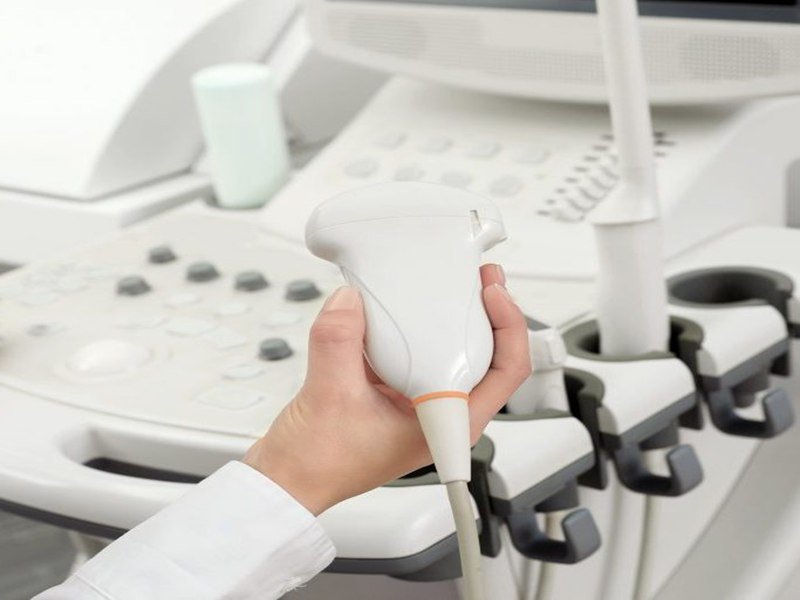
Ultrasound equipment depends on very weak, high-frequency signals. These signals travel from the transducer probe to the imaging system through a cable assembly that must remain stable while the probe is moved, rotated, cleaned, pulled, and used every day. If the cable structure is not correct, the equipment may still power on, but image quality can suffer. Noise, signal loss, poor shielding, unstable impedance, cable fatigue, or connector wear can all affect the final diagnostic image.
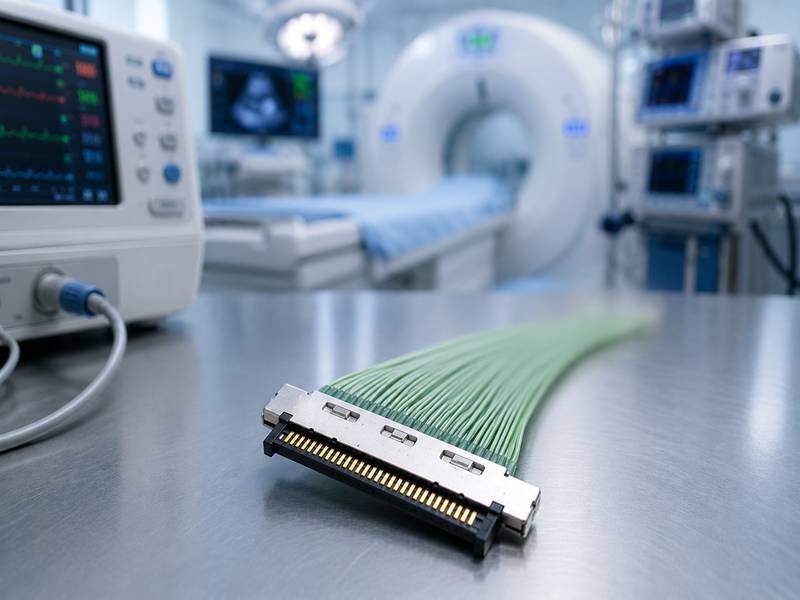
When people think about medical imaging technology, they often focus on the visible components—ultrasound probes, endoscopes, CT scanners, MRI systems, image-processing software, and advanced diagnostic algorithms. Yet some of the most important factors influencing image quality remain hidden deep inside the device. Among these often-overlooked components, micro coax cable assemblies play a surprisingly critical role.
A lot of teams start looking for medical cable assembly manufacturers only after a problem appears. A drawing looks correct, the connector part number seems right, and the first assumption is that any factory that can crimp, solder, and test cables should be able to make the product.

A lot of people hear the phrase “medical assembly” and think it simply means connecting a few wires, crimping terminals, and putting a connector on each end.
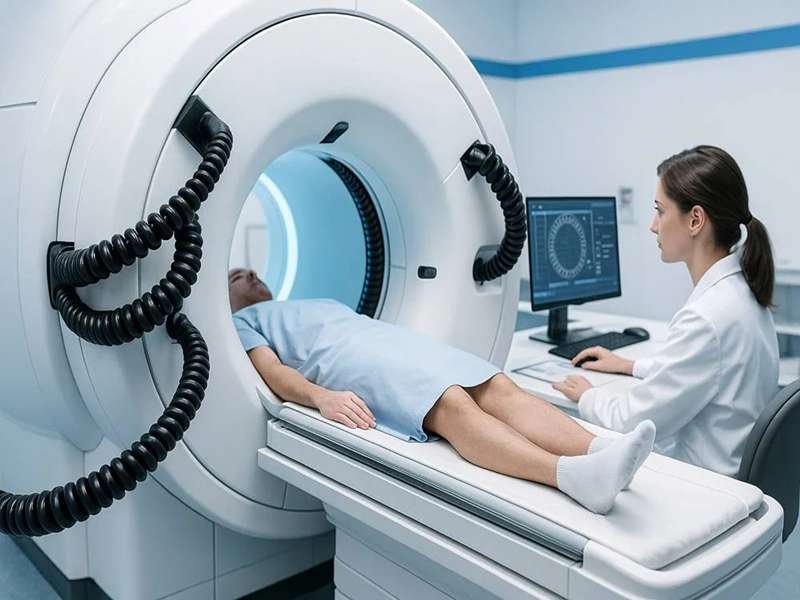
A lot of people hear the phrase “medical assembly” and think it simply means connecting a few wires, crimping terminals, and putting a connector on each end. That idea sounds reasonable until a real project begins. In medical devices, the cable is rarely just a cable.
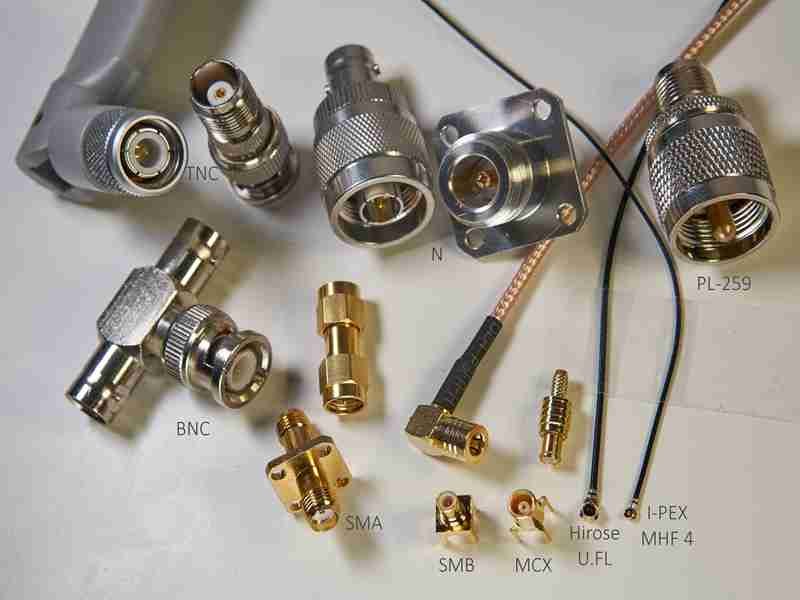
A lot of RF problems start with a simple assumption: “The connector looks right, so it should work.” In real projects, that is where trouble begins. Two RF connectors may look similar in photos, fit the same general cable family, and still perform very differently once the signal moves through the assembly.

In medical equipment, the cable is often one of the last parts people pay attention to, but it is one of the first parts that can create trouble in real use. A monitor may show unstable data. An imaging system may produce noise. A handheld device may pass early testing but fail after repeated bending in daily operation. In many cases, the problem is not the connector shape, not the housing, and not even the machine itself.

In medical equipment, connector selection is rarely a small detail. It affects signal quality, cleaning resistance, mechanical life, patient safety, serviceability, and even whether a project can pass internal verification without repeated redesign.
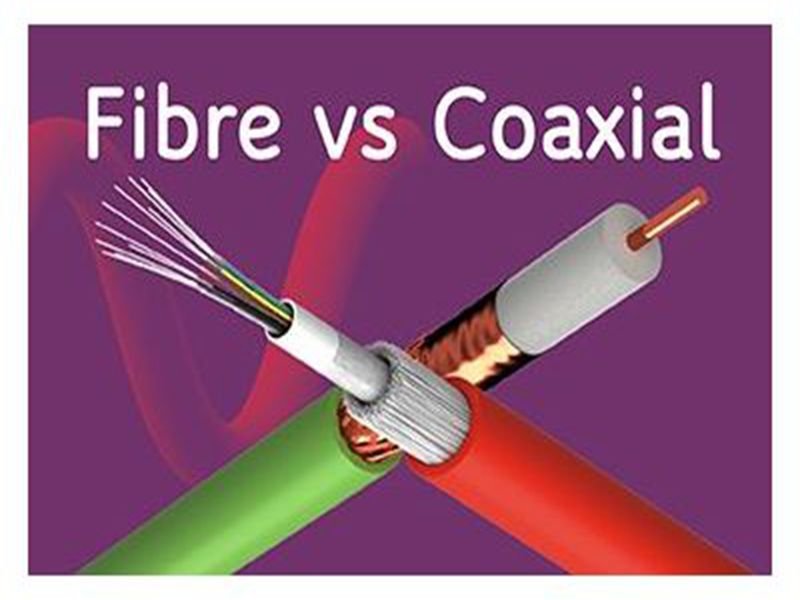
A lot of cable selection mistakes happen long before production starts. The drawing may look correct. The connector may match. The sample may even pass a quick functional test.
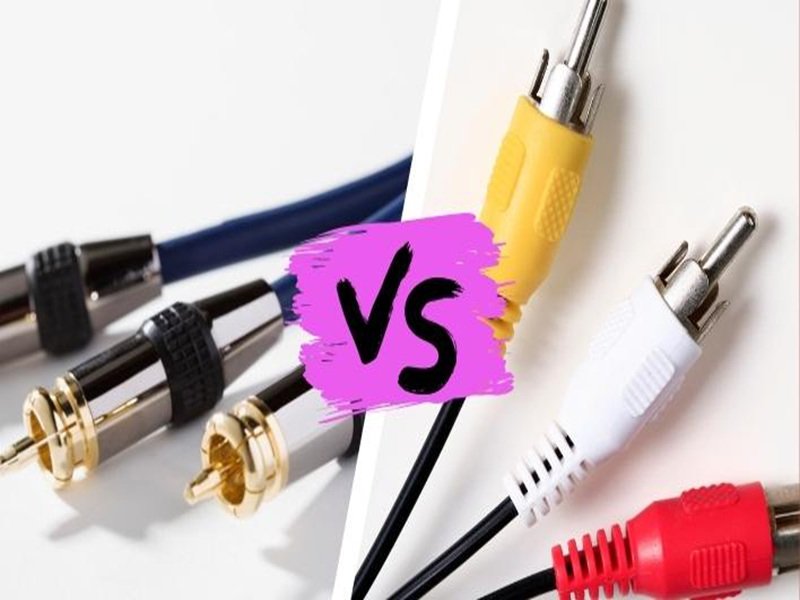
People search “coaxial vs RCA cable” because they’re trying to solve a real problem: a connection doesn’t fit, a signal is noisy, a video line shows interference, or a digital audio link drops out randomly. The confusion usually comes from language. Coaxial describes a cable structure. RCA describes a connector style and, in everyday use, a whole cable assembly. That sounds small — but it changes what you should check before you buy, and what you must specify before you order custom assemblies.
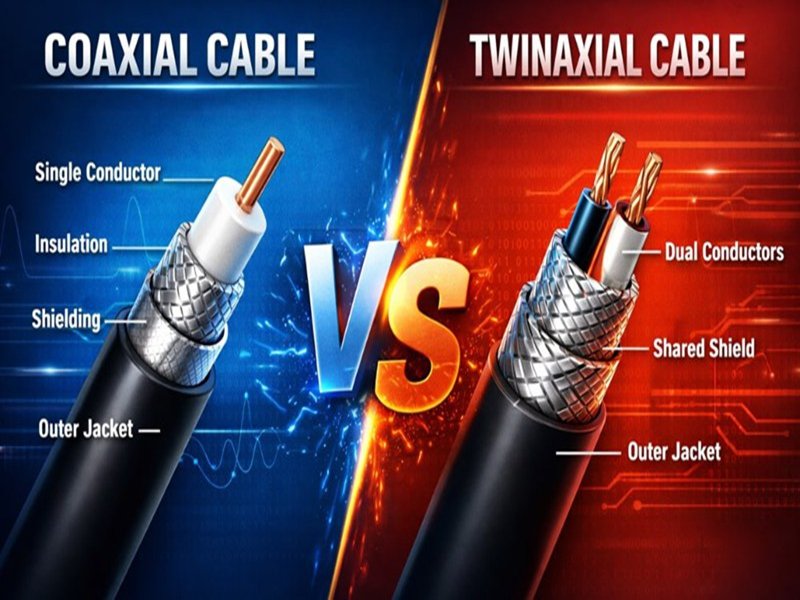
If you’ve ever had a product that passed tests in the lab but failed in the field, you already understand why coaxial cable vs twisted pair cable is not a “simple cable choice.” A cable is not just copper and plastic. It’s a controlled electrical structure that decides how much noise gets in, how much signal gets lost, and whether your device works reliably when it sits next to motors, power supplies, radios, or medical equipment.