News & Article

Cable Assembly Insights. Built for Professionals.

Stay up to date with the latest in cable assembly engineering, connector compatibility, industry certifications, and real-world sourcing tips. Our blog is curated for engineers, R&D teams, and global buyers looking for practical insights and proven solutions.

Tutorials | Technical Specs | Market Trends | Application Use Cases

What Is an RCA Cable:Full Expert Guide

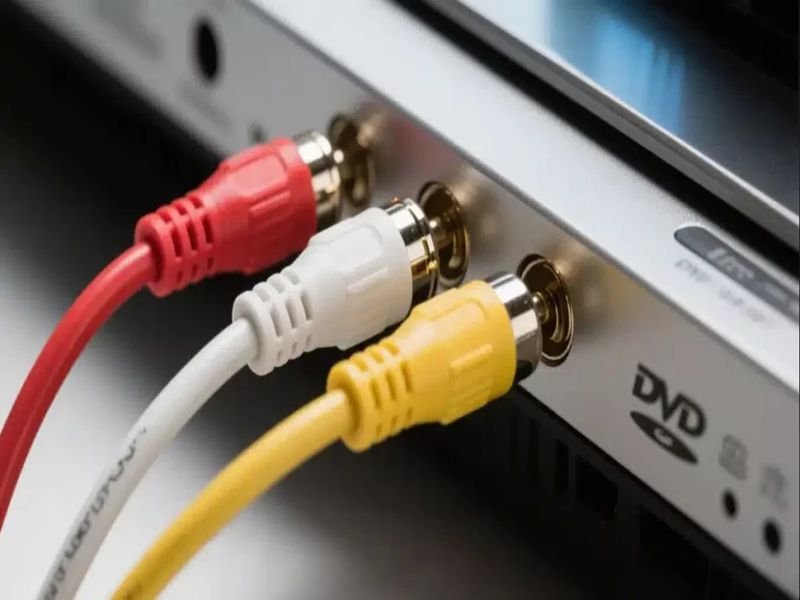
RCA cables have been around for over 80 years, yet they still remain one of the most widely used analog cable standards in home audio, video systems, automotive head units, broadcast equipment, DJ setups, and consumer electronics. Even in an era dominated by HDMI, Bluetooth, Wi-Fi casting, and digital optical connections, RCA cables continue to serve critical roles because of their simplicity, compatibility, affordability, and durability.

Read More »
What Do Medical Device Cable Manufacturers Do? Full Guide to Custom Medical Cables

Medical devices rely on precise, reliable, and safe signal transmission—whether it’s a heart-rate monitor, surgical robot, imaging probe, infusion pump, or a wearable diagnostic device. Inside every modern system is a network of custom cables engineered to deliver accurate data, stable power, biocompatibility, and long-term durability under demanding clinical conditions. Yet, most buyers, engineers, and sourcing teams only see the outer insulation—they rarely see the design, materials, engineering drawings, regulatory constraints, or strict quality controls behind each medical cable.

Read More »
What Is Coaxial Cable and How Does It Work? Complete Guide

Coaxial cables are everywhere—inside medical devices, 5G modules, radars, autonomous robots, even the TV on your wall. Yet most people, including many purchasing managers and OEM sourcing teams, only know them as “coax cables” without truly understanding how they work, why different types exist, or how critical cable selection is to signal accuracy, RF stability, and long-term reliability. Engineers know that even a 1 mm change in OD or a mismatched connector can shift impedance enough to break an entire design. That is why companies that rely on performance—medical, military, RF labs, telecom, and precision electronics—care deeply about coaxial structure, shielding, materials, and assembly quality.

Read More »
How to Replace a Ribbon Cable Connector: Tools, Steps, Risks, and Best Practices

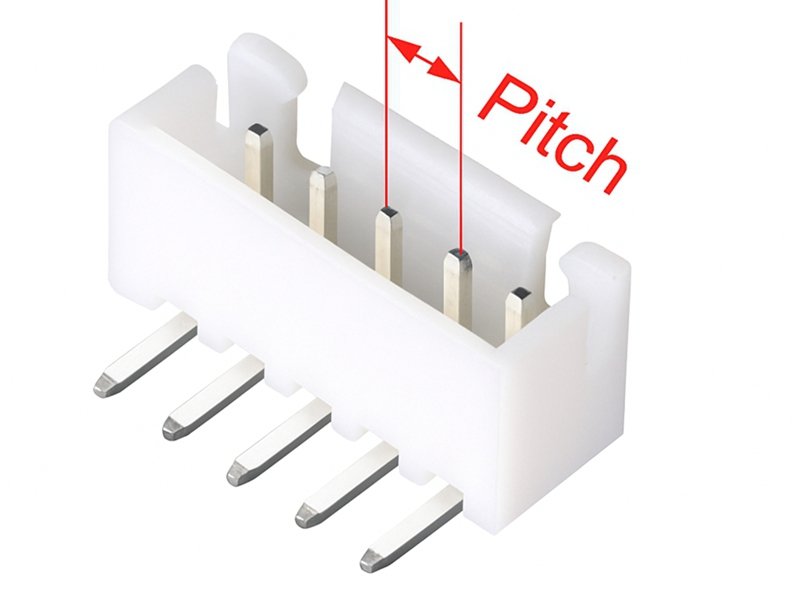
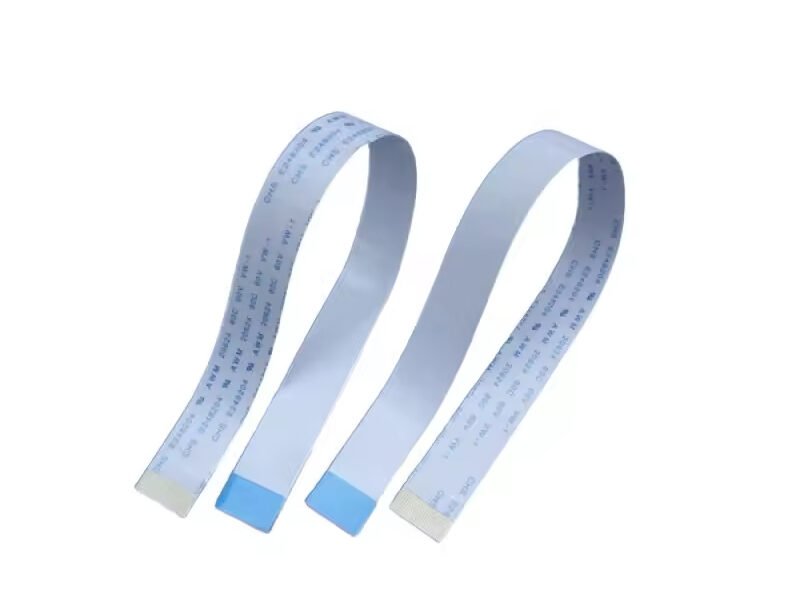
Replacing a ribbon cable connector seems like a minor repair task—until you try it. Anyone who has opened a laptop, medical device, or industrial control module has seen how fragile ribbon cables truly are: ultra-thin, tightly spaced conductors, sharp bend radii, and locking mechanisms that snap if handled even slightly wrong. Behind their simplicity lies a precision-engineered system, and replacing the connector requires an understanding of pitch, pin alignment, solder integrity, and mechanical locking—otherwise the device may fail intermittently or not power on at all.

Read More »
What Does an Ethernet Cable Look Like?

In today’s world of automation, cloud computing, and real-time control systems, the humble Ethernet cable is the quiet hero connecting billions of devices. From factory PLCs to MRI scanners, these copper lines carry packets of data that decide whether a process runs smoothly or stops dead. Yet many engineers and OEM buyers still ask a simple but fundamental question: what does an Ethernet cable actually look like inside and out?

Read More »
How to Connect Jumper Cables Safely: What You Need and Step-By-Step Guide

When your car refuses to start and you turn the key only to hear a click or silence, panic often sets in. But in many cases, the solution is simple: a safe and proper jump-start using jumper cables. Yet countless drivers — even experienced ones — connect cables in the wrong order, skip safety checks, or use poor-quality cables that overheat or fail when needed most. What should be a quick rescue can turn into sparks, ECU damage, or a hazardous situation under the hood.

Read More »
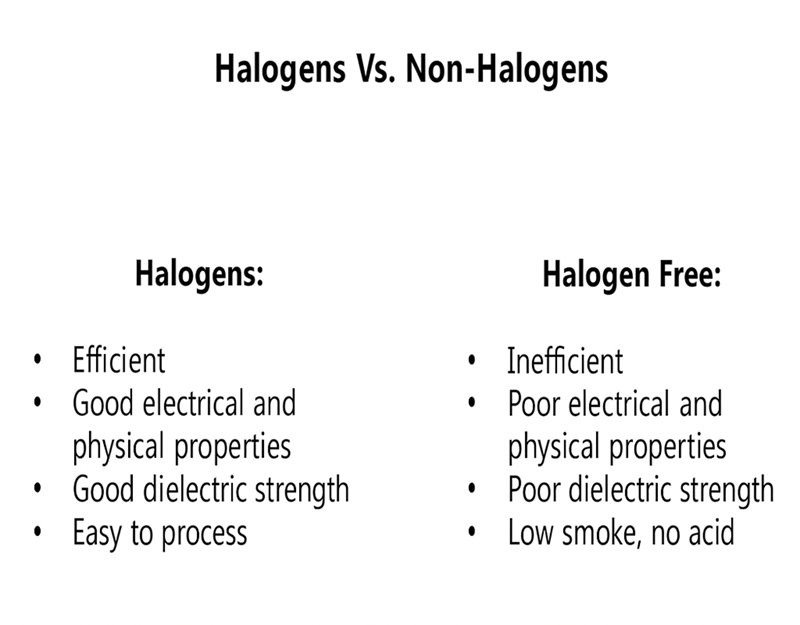
Halogen-Free Insulations vs Standard Wire Insulations:Differences Guide

The world of wire insulation is undergoing a quiet revolution. As industries shift toward cleaner, safer, and more sustainable materials, the question engineers and buyers are asking is: “Should we replace standard insulation with halogen-free alternatives?” It’s not just a trend — it’s an engineering decision that affects safety compliance, performance, and even brand reputation.

Read More »
What Are Robotic Cables:The Ultimate Guide

The world’s factories, automotive plants, and logistics hubs now rely more on machines that move like humans but work faster than them — industrial robots. Yet behind every precisely timed movement lies a quiet workhorse: the robotic cable. It’s not just a wire; it’s a flexible nervous system carrying signals, data, and power across countless repetitive motions.

Read More »
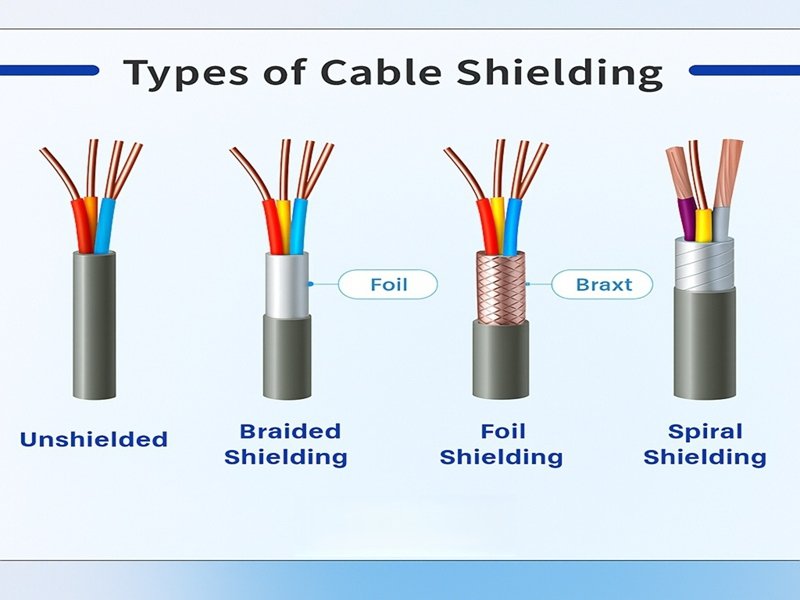
What Is a Shielded Cable : Types, Benefits & Applications

In today’s interconnected world, where cars, machines, and servers exchange massive data every millisecond, signal integrity is everything. Even a small interference spike can distort readings, shut down control systems, or cause safety risks. Shielded cables are the unsung heroes behind reliable communication — protecting electronic signals from electromagnetic noise that surrounds every industrial, automotive, and consumer environment.

Read More »
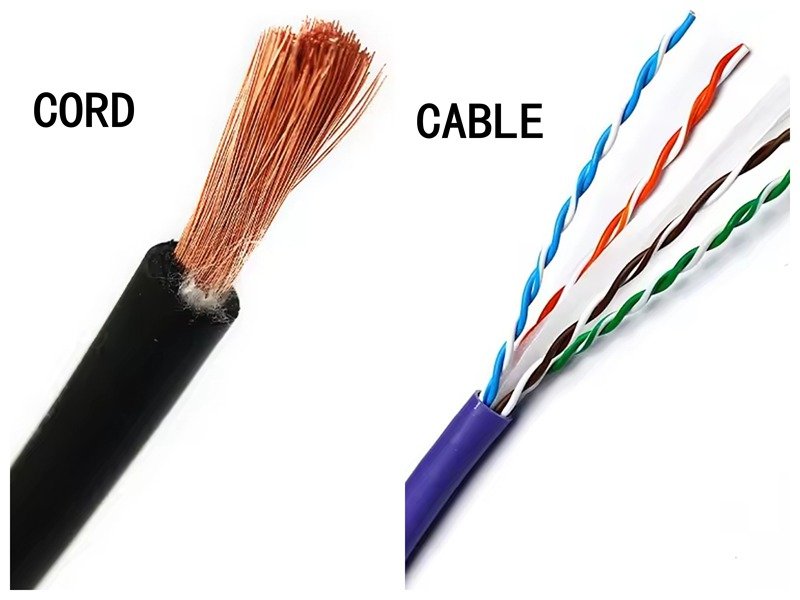
Cord vs Cable:Key Differences and Which One Do You Need?

In everyday life, people often use the terms cord and cable interchangeably — a laptop power cord, an Ethernet cable, or even an extension cord. Yet, in the world of electrical engineering and manufacturing, these two terms have distinct meanings that affect how electricity or data travels, how devices connect,

Read More »

Stay Ahead with Expert Insights

Want custom sourcing advice or technical answers? Subscribe to get new posts in your inbox or send your question directly to our engineer team.

Ask For A Quick Quote

We will contact you within 24 Hours, please pay attentionto the email with the suffx”@sino-conn.com”.