...

News & Article

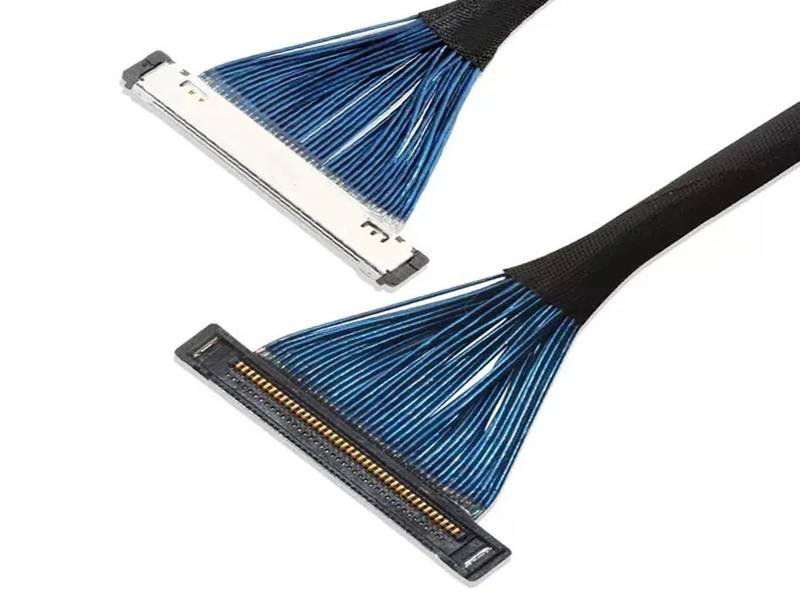
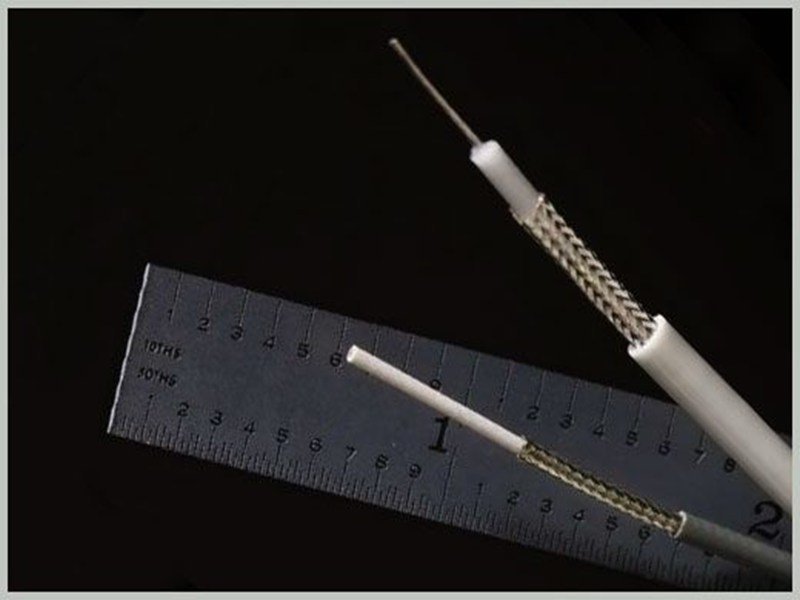
Micro Coax Construction: How Is a Micro Coaxial Cable Built?

Micro coax looks simple until a product team tries to fit dozens of high-speed signal paths through a hinge, camera head, medical probe, display housing, or compact embedded device. The cable may be smaller than a millimeter in outside diameter, yet its center conductor, dielectric, shield, jacket, connector transition, and grounding path all have to work together.
Read More »

Micro Coax Cable Weight: How Much Does It Weigh and What Affects It?

A few grams of cable rarely look important on a drawing, but they can matter once that cable is routed through a camera gimbal, robotic joint, medical imaging head, AR/VR device, UAV payload, or compact display hinge. In these systems, cable weight can influence inertia, drag, connector loading, routing force, available space, and even how smoothly a moving module behaves. That is why engineers searching for micro coax cable weight usually need more than a single catalog number.

Read More »

What Micro Coax Cable Size Do You Need? AWG, OD and Selection Guide

Micro coax cable size looks simple until a design has to fit inside a real product. An engineer may start with an AWG number, then discover that the finished cable outside diameter, connector pitch, channel count, impedance, bend path, and signal loss all affect whether the assembly will actually work. That is why a useful size decision goes beyond a basic AWG chart and treats the cable as part of a complete interconnect system.

Read More »

What Is a Data Cable? Definition, Types, and How to Choose the Right One

Modern electronic systems rely on data more than ever—but surprisingly, many system failures still originate from something basic: the data cable itself. From consumer electronics and industrial controllers to medical equipment and embedded systems, data cables quietly determine whether signals arrive cleanly, consistently, and on time. Yet in real projects, “data cable” is often treated as a vague or generic term, leading to mismatched specifications, unstable performance, and late-stage redesigns.

Read More »

Why RF Coaxial Cables Matter More Than Most People Realize

When signal problems appear in a system—unexpected noise, unstable communication, intermittent data loss—engineers often blame software, firmware, or active components first. Only later does attention turn to the cable. Yet in high-frequency systems, the cable is not a passive component. It is an active part of the signal path that directly shapes performance.

Read More »

What Is a DCP Cable? A Practical Guide

Modern electronic systems rely heavily on displays—LCDs in industrial HMIs, TFT panels in vehicles, control screens in medical devices, and compact touch displays in embedded systems. While displays are often treated as standalone components, engineers know that the reliability of the cable connecting the display to the control electronics can determine the success or failure of the entire system. This is where the term “DCP cable” frequently appears in specifications, emails, drawings, and engineering discussions.

Read More »

What Is a DP Cable and Why It Matters

When you connect your computer to a high-resolution monitor, what ensures the video is sharp, the colors are vivid, and there’s zero flicker? It’s not magic — it’s your DisplayPort (DP) cable, the unsung hero behind every smooth digital display.

Read More »

Which LVDS Cable Type Is Best for High-Resolution Displays?

In the digital era of razor-sharp visuals and immersive experiences, the battle for display supremacy isn’t just about pixels — it’s about how data gets to those pixels. Whether you’re developing the next generation of ultra-slim laptops, advanced medical imaging devices, or high-end automotive displays, the hidden star behind the scenes is the LVDS cable.

Read More »

Ask For A Quick Quote

We will contact you within 24 Hours, please pay attentionto the email with the suffx”@sino-conn.com”.