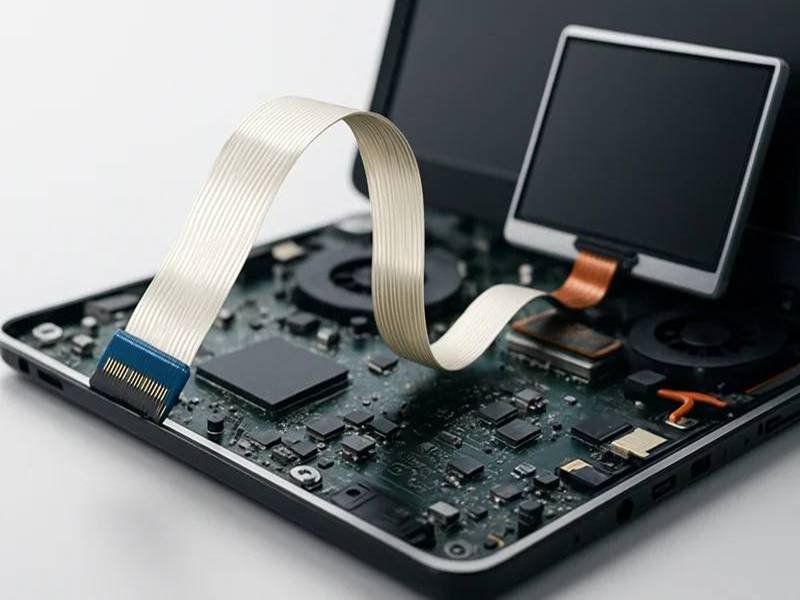
What Is FFC?
Open a laptop screen, printer, medical monitor, industrial control panel, camera module, or automotive display, and you will often find a thin flat cable hidden inside.
 Skip to content
Open a laptop screen, printer, medical monitor, industrial control panel, camera module, or automotive display, and you will often find a thin flat cable hidden inside.

Replacing a ribbon cable connector seems like a minor repair task—until you try it. Anyone who has opened a laptop, medical device, or industrial control module has seen how fragile ribbon cables truly are: ultra-thin, tightly spaced conductors, sharp bend radii, and locking mechanisms that snap if handled even slightly wrong. Behind their simplicity lies a precision-engineered system, and replacing the connector requires an understanding of pitch, pin alignment, solder integrity, and mechanical locking—otherwise the device may fail intermittently or not power on at all.
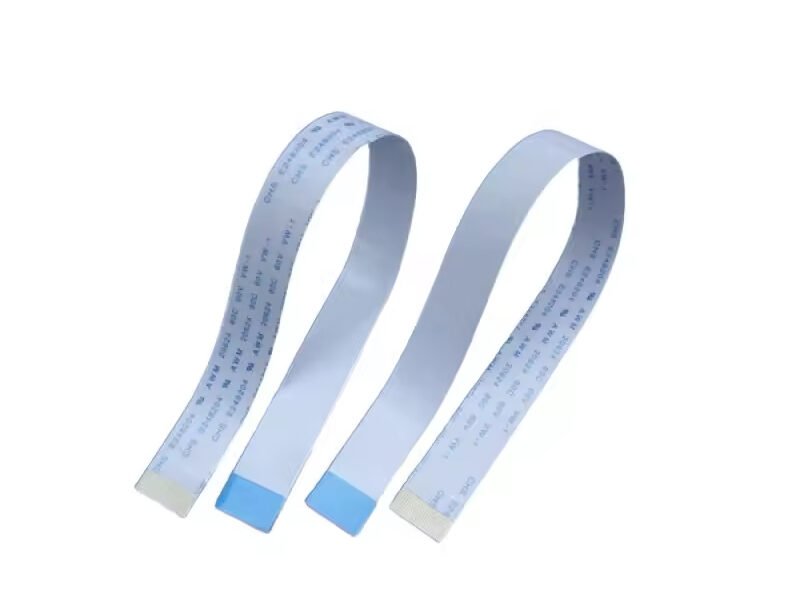
In nearly every modern electronic device — from smartphones and laptops to industrial robots and automotive dashboards — there’s a silent hero enabling high-density, reliable interconnection: the Flexible Flat Cable (FFC).

In a world of increasingly miniaturized electronics, the silent heroes of seamless performance are often hiding in plain sight. One of those unsung champions is the FFC cable—short for Flexible Flat Cable.