News & Article

What Is a Data Cable? Definition, Types, and How to Choose the Right One

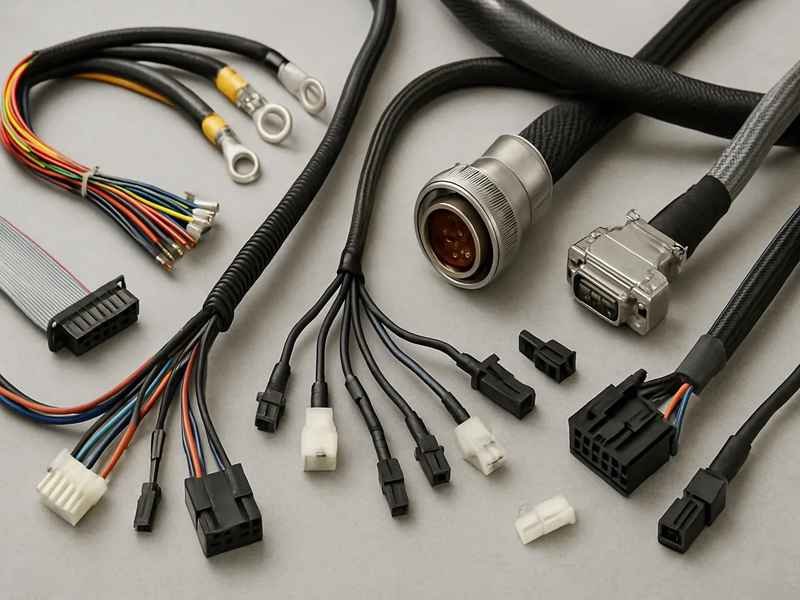
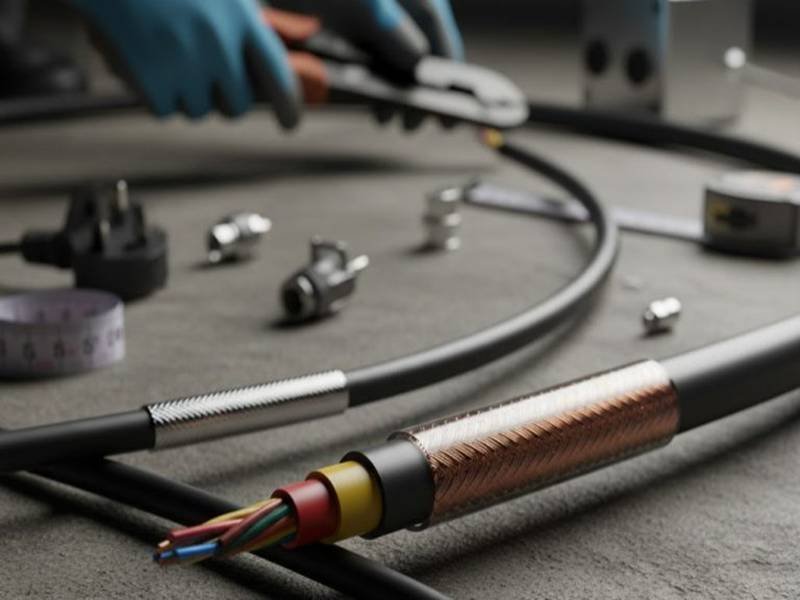
Modern electronic systems rely on data more than ever—but surprisingly, many system failures still originate from something basic: the data cable itself. From consumer electronics and industrial controllers to medical equipment and embedded systems, data cables quietly determine whether signals arrive cleanly, consistently, and on time. Yet in real projects, “data cable” is often treated as a vague or generic term, leading to mismatched specifications, unstable performance, and late-stage redesigns.

Read More »

What Is Medical Assembly? Definition, Requirements, and Real Manufacturing Practice

Modern medical devices look clean, compact, and intelligent on the outside—but beneath the housing, their reliability depends on something far less visible: medical assemblies. Whether it is a patient monitor, diagnostic imaging system, surgical tool, or wearable healthcare device, failures often trace back not to software or sensors, but to how power and signals are physically connected inside the system.

Read More »

Waterproof vs Water-Resistant Cables: Key Differences Explained

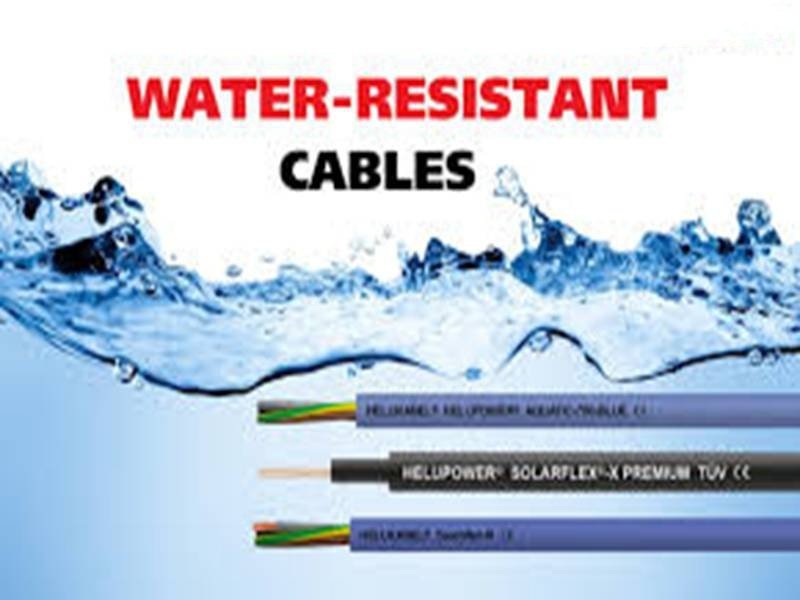
Choosing between a waterproof cable and a water-resistant cable seems simple—until a project fails field testing, an enclosure fogs up, or a connector corrodes after the first rainy season. Many buyers assume both terms mean “good for moisture,” but in engineering, the two categories follow different design rules, different materials, and very different performance limits. Waterproof cables protect against long-term immersion; water-resistant cables protect against occasional exposure. Mixing them up can lead to overheating, intermittent signal drops, safety risks, and costly redesigns.

Read More »

How to Assemble Waterproof Connectors: What Matters, How It’s Done, and Common Mistakes

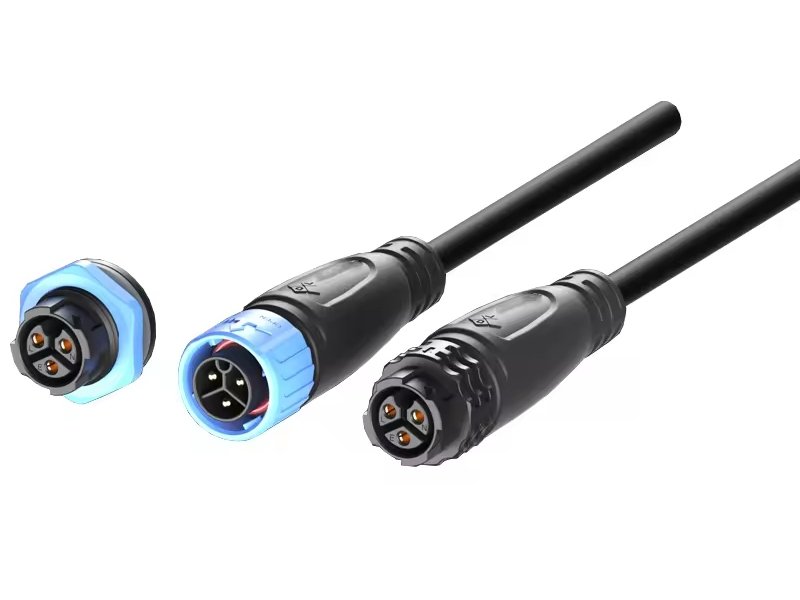
Every year, countless products fail not because of electronics, firmware, or software—but because water enters where it shouldn’t. A connector that looks solid on the outside may still allow moisture to creep in through microscopic gaps, poor compression, or mismatched cable dimensions. In many real-world cases, waterproof failure does not come from extreme conditions, but from small assembly mistakes that only show up months later in the field.

Read More »

Cable Assembly Solutions: Types, Design & Custom Options

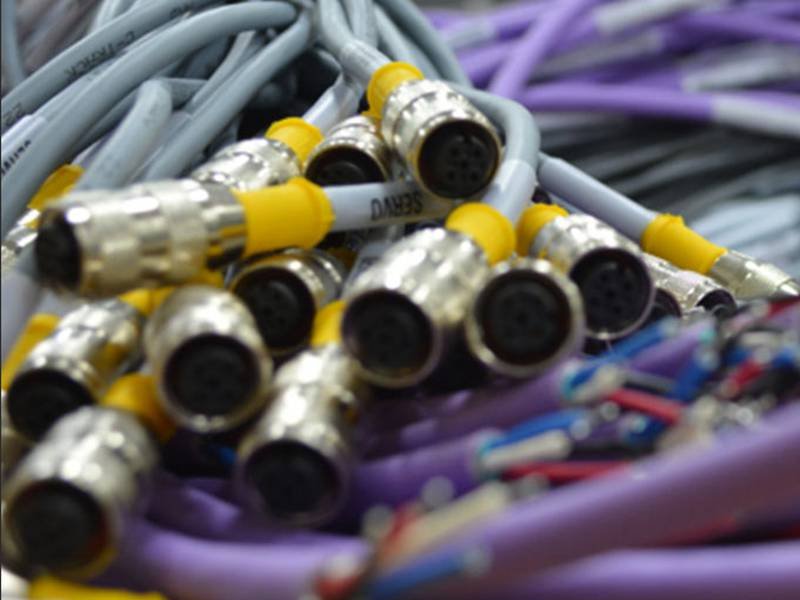
Electrical systems today are more compact, more digital, and more performance-sensitive than ever. A connector pin that’s 0.2 mm misaligned, a shielding layer that’s 10% thinner, or an insulation grade that’s slightly under-rated can be the difference between a stable product and a field failure. That’s why cable assembly solutions—real, engineered, application-matched cable assemblies—matter far more than most teams expect. A cable assembly is not “just a wire.” It is a controlled mechanical, electrical, and environmental system that must match the device’s needs with precision.

Read More »

How Is Cable Manufactured: Step-by-Step Cable Making Guide

Modern cables are everywhere—inside industrial machines, medical devices, vehicles, data centers, and consumer electronics. Yet very few people truly understand how a cable is manufactured, or why cables that look similar on the outside can perform very differently in real-world applications.

Read More »

What Is the Cable Assembly Process: A Step by Step Guide from Design to Delivery

In many OEM projects, cable assemblies are treated as simple components—ordered late, specified loosely, and expected to “just work.” Yet in reality, cable assemblies are often the hidden failure point behind system instability, EMI issues, field returns, and certification delays. A single misinterpreted pinout, shielding gap, or strain relief weakness can compromise an entire product, even if every other subsystem performs perfectly.

Read More »

What Is a DCP Cable? A Practical Guide

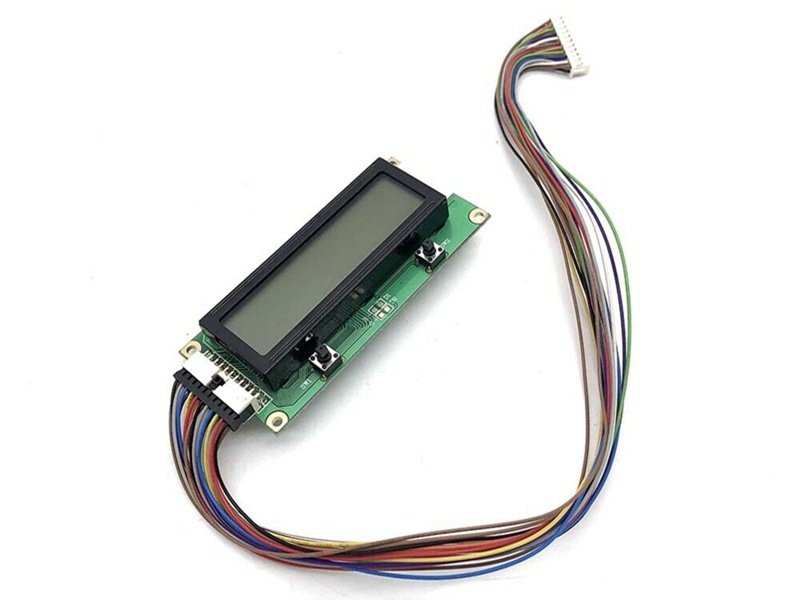
Modern electronic systems rely heavily on displays—LCDs in industrial HMIs, TFT panels in vehicles, control screens in medical devices, and compact touch displays in embedded systems. While displays are often treated as standalone components, engineers know that the reliability of the cable connecting the display to the control electronics can determine the success or failure of the entire system. This is where the term “DCP cable” frequently appears in specifications, emails, drawings, and engineering discussions.

Read More »

BX vs MC Cable: What Is the Difference and Which One Should You Use?

Modern electrical projects rarely fail because of dramatic mistakes. They fail because of small assumptions—like assuming two cables that “look similar” perform the same way. BX cable and MC cable are a classic example. To the untrained eye, both are metal-armored cables used in commercial and industrial wiring. Yet beneath the armor, their grounding methods, safety margins, and code acceptance differ in ways that can directly affect system reliability, inspection approval, and long-term maintenance.

Read More »

What Is AWG Cable? A Practical Guide to American Wire Gauge for Cable & Wire Harness Design

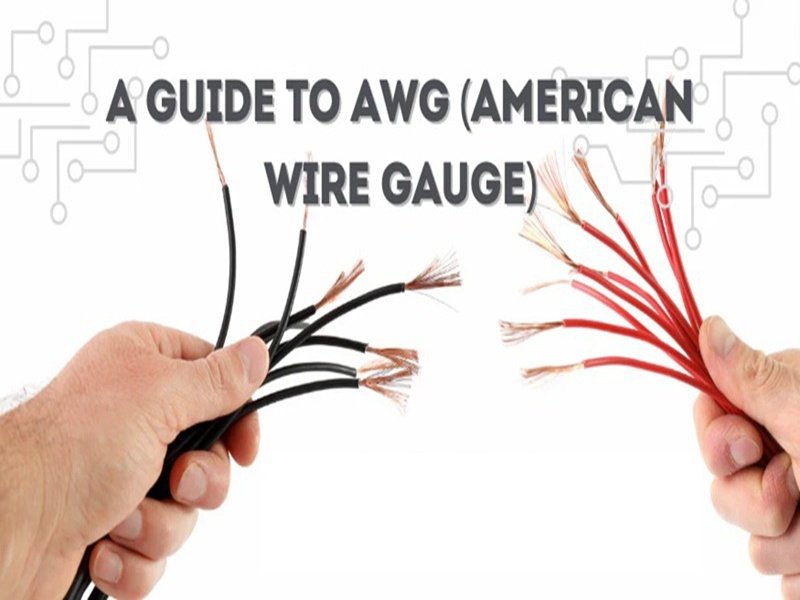
If you’ve ever reviewed a cable drawing, wire harness specification, or electrical BOM, you’ve almost certainly encountered terms like 18 AWG, 22 AWG, or 10 AWG. These numbers may look simple, but behind them lies one of the most critical — and often misunderstood — standards in cable and wire harness design: AWG. Choosing the wrong AWG size can lead to overheating, voltage drop, mechanical failure, or even compliance issues in regulated industries such as medical, industrial, and military electronics.

Read More »

Ask For A Quick Quote

We will contact you within 24 Hours, please pay attentionto the email with the suffx”@sino-conn.com”.