News & Article

Cable Assembly Insights. Built for Professionals.

Stay up to date with the latest in cable assembly engineering, connector compatibility, industry certifications, and real-world sourcing tips. Our blog is curated for engineers, R&D teams, and global buyers looking for practical insights and proven solutions.

Tutorials | Technical Specs | Market Trends | Application Use Cases

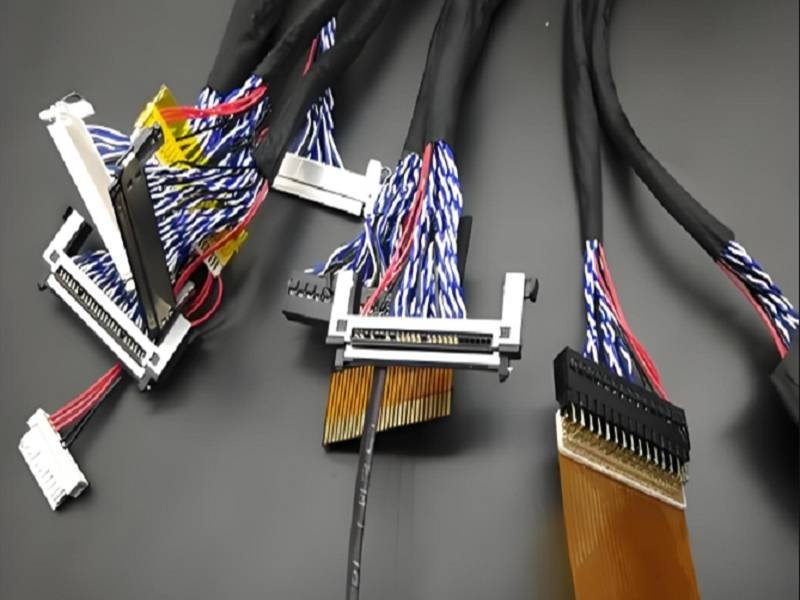
What Is LVDS Interface: LVDS Cable & Signal Guide

Modern electronic systems demand high-speed data transmission, low noise, low power consumption, and stable signal integrity—often all at the same time. Whether you are working on an industrial HMI panel, a medical imaging device, an automotive infotainment screen, or an embedded display system, the way signals travel between processors and displays directly affects performance, reliability, and long-term stability.
Read More »
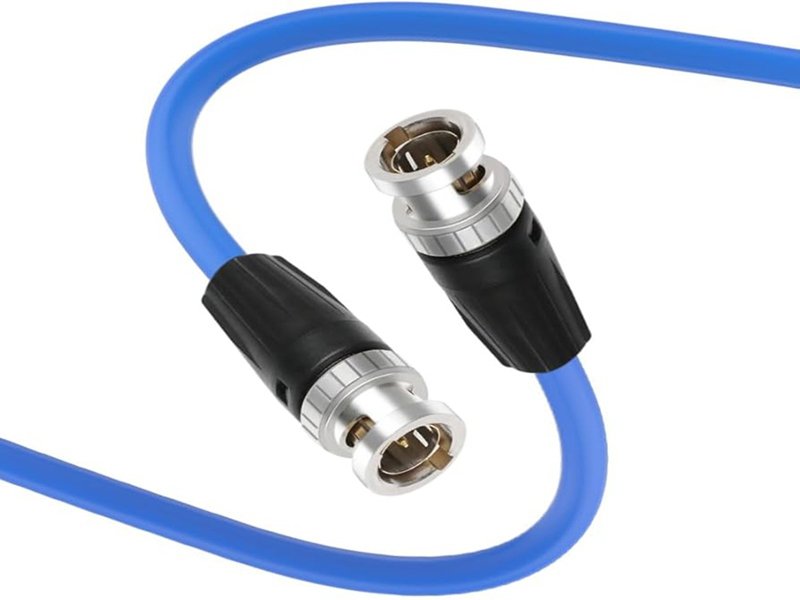
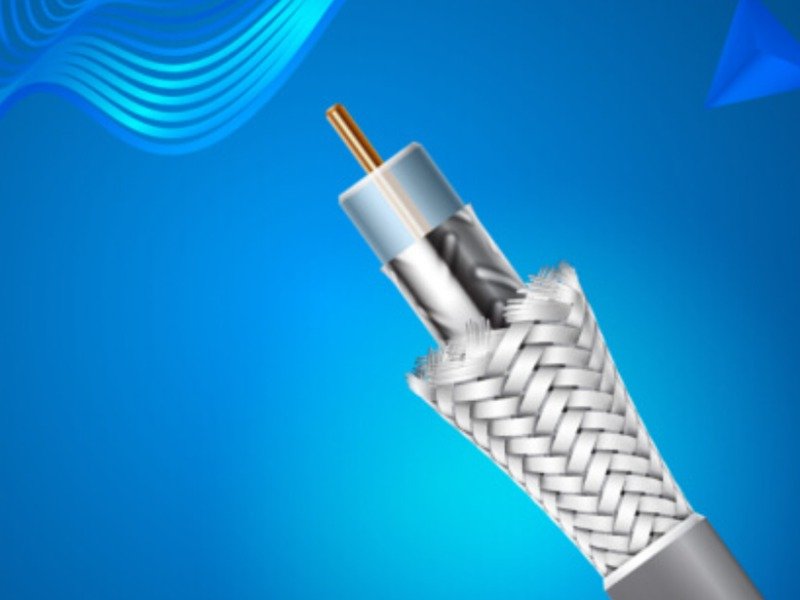
How Do You Test Coaxial Cable: OEM & Industrial Guide

Coaxial cables are everywhere—from RF communication systems and industrial automation to medical equipment and high-frequency test setups. Yet despite their widespread use, coaxial cables are often treated as “plug-and-play” components, with testing reduced to a quick continuity check or a visual inspection. In reality, improper or incomplete testing is one of the most common root causes behind signal loss, EMI issues, intermittent failures, and costly system downtime.

Read More »
Best Type-C USB Cable: A Complete Guide

USB Type-C has quietly become one of the most important connectors in modern electronics. It powers smartphones, laptops, industrial controllers, medical devices, and even heavy-duty equipment. On the surface, a USB-C cable looks simple—small connector, reversible plug, one cable for everything. But in real-world applications, choosing the best Type-C USB cable is rarely that simple.

Read More »
Types of Internet Cables: A Complete Guide

In today’s connected world, the internet feels invisible. We stream movies in seconds, sync massive files to the cloud, and rely on real-time communication without thinking twice about what makes it all possible. Yet behind every stable connection—whether in a home office, a factory floor, or a data center—there is still something surprisingly physical: an internet cable

Read More »
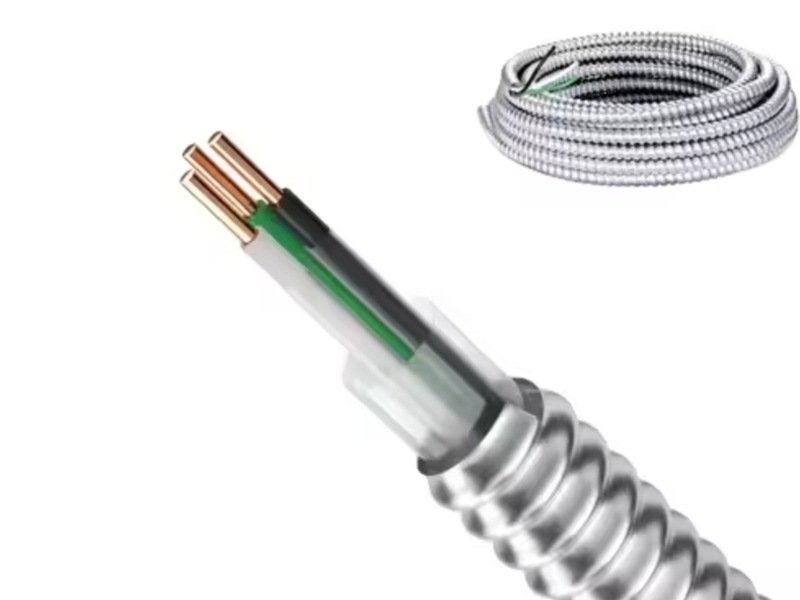
What Is Metal Clad Cable: Industrial & OEM Guide

In industrial and high-risk electrical environments, standard jacketed cables are often not enough. Mechanical impact, fire risk, electromagnetic interference, and harsh installation conditions demand a higher level of protection. This is where metal clad cables come into play.

Read More »
How Undersea Cables Are Laid: A Complete Guide to Submarine Fiber Optic Installation

The modern internet feels wireless, instant, and invisible. A video call crosses oceans without a second thought. A cloud server responds faster than a local hard drive once did. Yet beneath that smooth digital surface lies one of the most physically demanding engineering systems ever built: undersea internet cables. Stretching across thousands of kilometers of ocean floor, these cables quietly carry nearly all international data traffic, enduring crushing pressure, corrosive saltwater, shifting seabeds, and human interference.

Read More »
What Is a DTV Cable? Definition, Types, and How It Works in Digital TV Systems

For many people, the transition from traditional television to digital TV felt almost invisible. The screen became clearer, channels increased, and sound quality improved—but the cables behind the scenes often looked exactly the same. This leads to a surprisingly common and reasonable question from engineers, buyers, and even experienced procurement teams: what is a DTV cable, and is it really different from a normal TV cable?

Read More »
What Material Is Used for Cable Jackets: Engineer’s Guide

In cable assemblies, failures rarely happen at the conductor first. More often, the real problem starts outside — with the cable jacket. Engineers and buyers frequently focus on connectors, shielding, or impedance control, yet overlook the jacket material that protects everything underneath. In real-world applications, the wrong jacket material can lead to cracking, oil absorption, UV degradation, stiffness in cold environments, or even compliance failure during certification testing.

Read More »
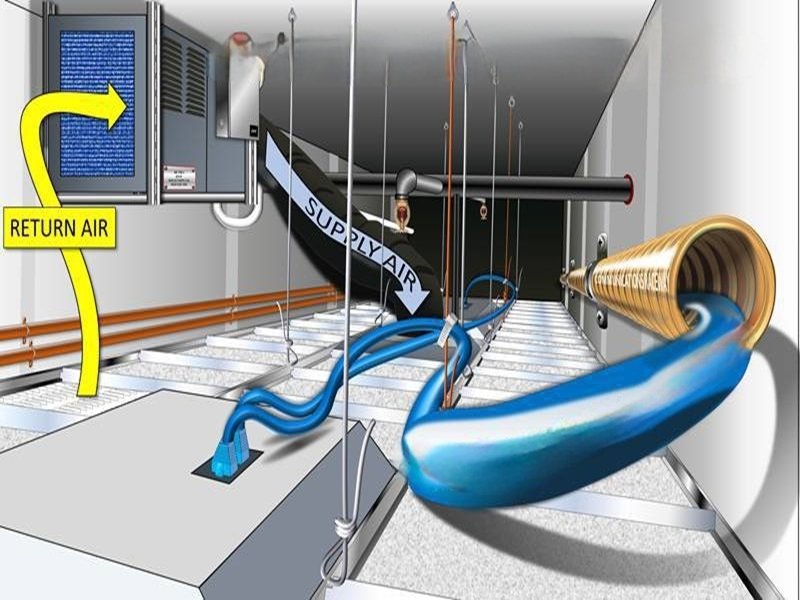
What Is Plenum Rated Cable: A Complete Guide

When most people think about cable selection, they focus on signal performance, voltage rating, or connector compatibility. Fire safety rarely comes first—until it suddenly matters. In modern buildings filled with air-handling spaces, return air plenums, and densely packed electronics, the cable jacket itself can become a critical safety risk. This is exactly why plenum rated cable exists.

Read More »
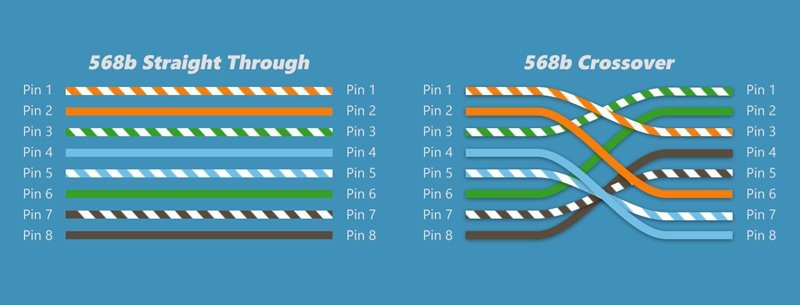
Straight Through Cable vs Crossover Cable: What Is the Difference and Which Do You Need?

Ethernet cables look deceptively simple. To most people, a network cable is just a cable—plug it in, and data flows. But anyone who has ever faced a silent network port, a blinking LED that never turns green, or a device that simply refuses to communicate knows that Ethernet behavior can be far more nuanced. One of the most common—and surprisingly persistent—sources of confusion is the difference between straight through cables and crossover cables.

Read More »
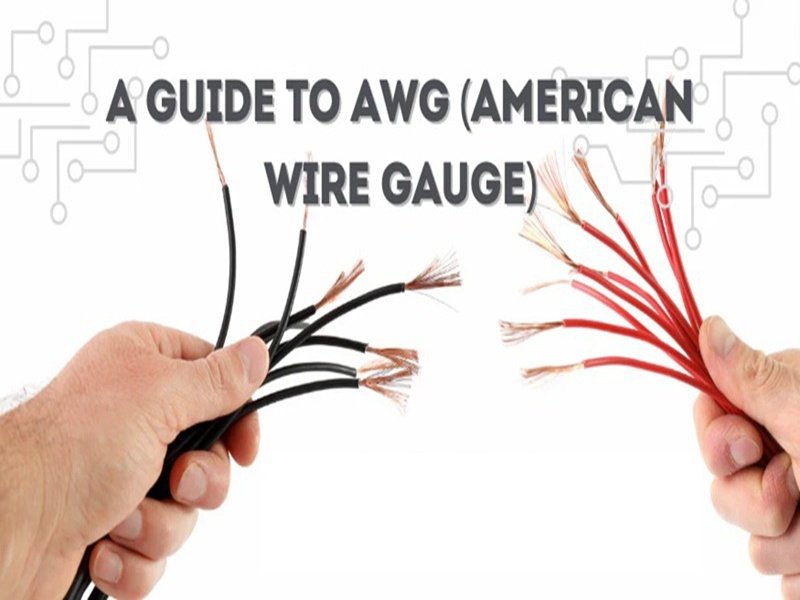
What Is AWG Cable? A Practical Guide to American Wire Gauge for Cable & Wire Harness Design

If you’ve ever reviewed a cable drawing, wire harness specification, or electrical BOM, you’ve almost certainly encountered terms like 18 AWG, 22 AWG, or 10 AWG. These numbers may look simple, but behind them lies one of the most critical — and often misunderstood — standards in cable and wire harness design: AWG. Choosing the wrong AWG size can lead to overheating, voltage drop, mechanical failure, or even compliance issues in regulated industries such as medical, industrial, and military electronics.

Read More »

Stay Ahead with Expert Insights

Want custom sourcing advice or technical answers? Subscribe to get new posts in your inbox or send your question directly to our engineer team.

Ask For A Quick Quote

We will contact you within 24 Hours, please pay attentionto the email with the suffx”@sino-conn.com”.