News & Article

Cable Assembly Insights. Built for Professionals.

Stay up to date with the latest in cable assembly engineering, connector compatibility, industry certifications, and real-world sourcing tips. Our blog is curated for engineers, R&D teams, and global buyers looking for practical insights and proven solutions.

Tutorials | Technical Specs | Market Trends | Application Use Cases

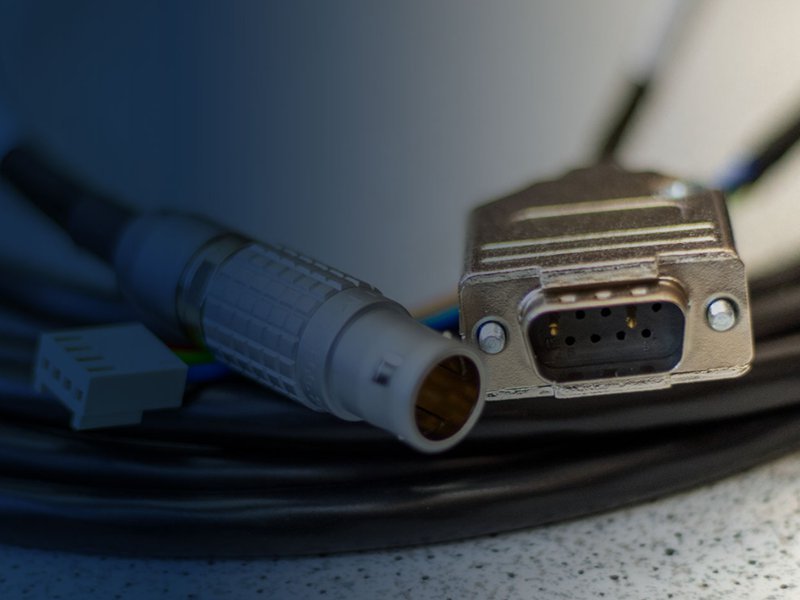
What Are the Components of a Wiring Harness:A Complete Engineer-Level Guide

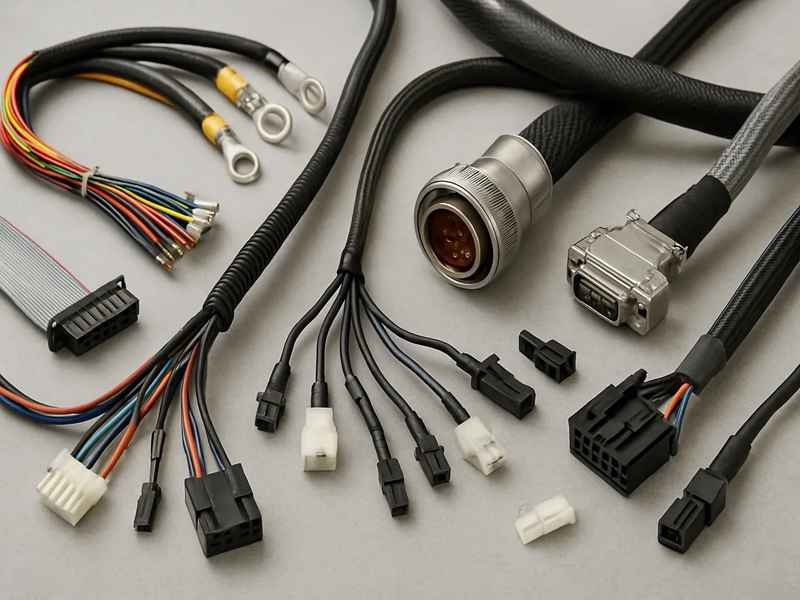
Wiring harnesses look simple from the outside—a bundle of wires organized neatly with connectors on the ends. But anyone who has worked in engineering, OEM manufacturing, or field maintenance knows the truth: a wiring harness is a highly engineered system, and its performance determines whether a product works flawlessly for years or fails within weeks. Every component—wire gauge, insulation material, connector interface, crimp quality, waterproofing choice, shielding method—affects reliability, safety, signal clarity, and regulatory compliance.
Read More »
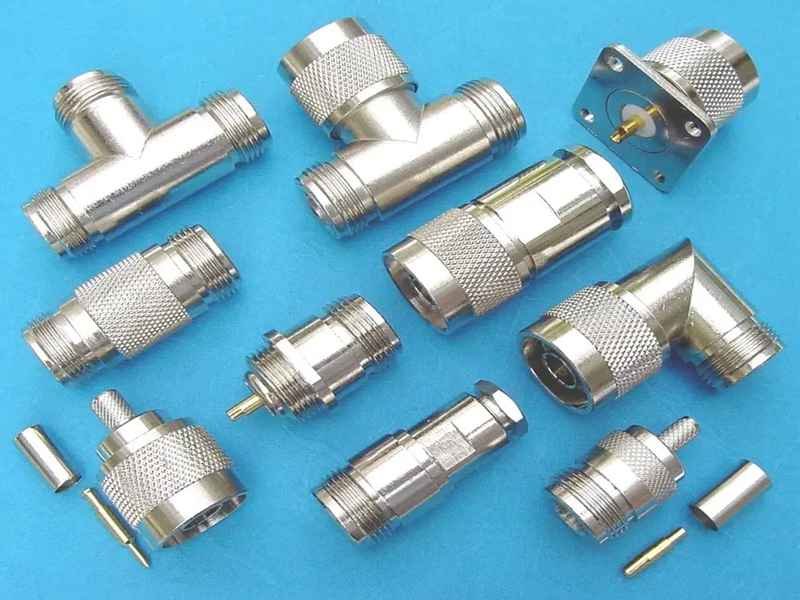
RF Cable Connector Types: A Complete Engineering Guide

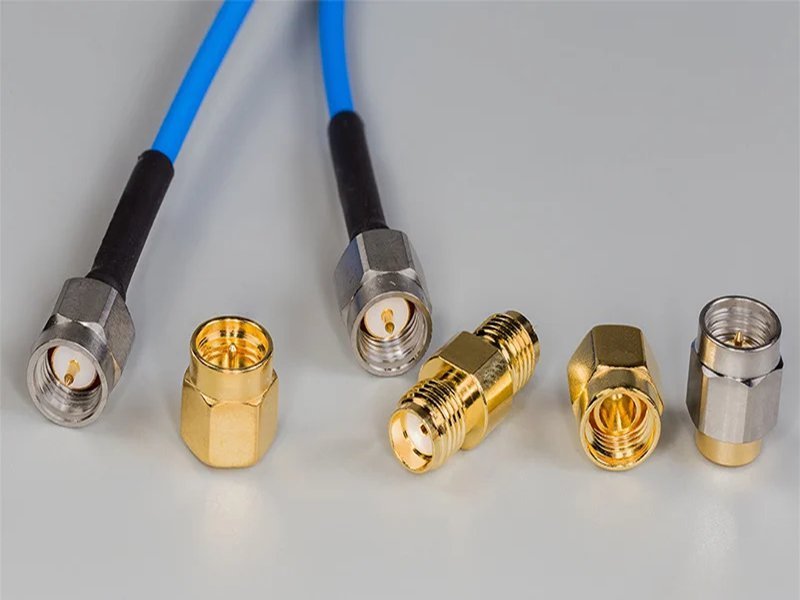
Radio-frequency connectors are one of the most misunderstood components in modern electronics. They look small, but they dictate signal quality, device compatibility, EMI performance, system durability, and even compliance with wireless standards. Yet many engineers, distributors, and OEM factories discover that “SMA,” “U.FL,” or “BNC” is not enough information to guarantee a correct match. RF connectors differ in size, impedance, frequency support, mechanical strength, weather resistance, and locking structure—and these differences determine whether a device performs flawlessly or fails in the field.

Read More »
Waterproof vs Water-Resistant Cables: Key Differences Explained

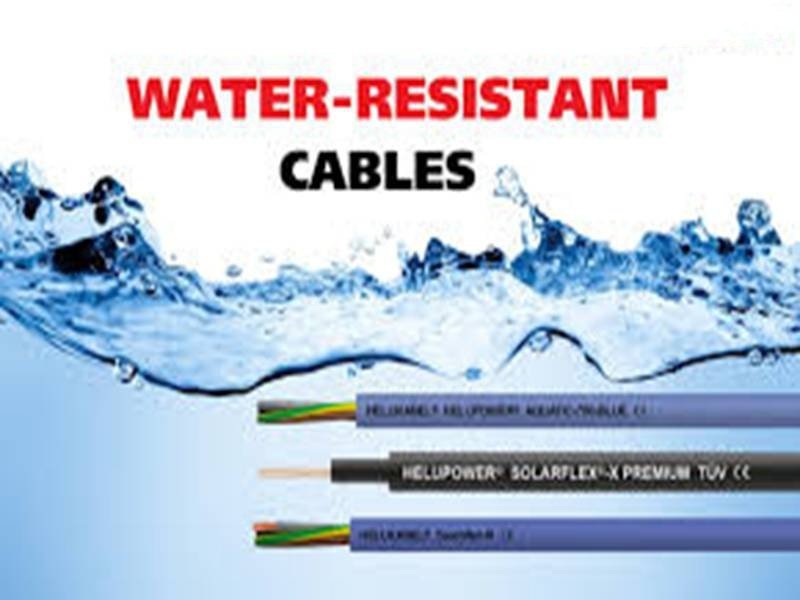
Choosing between a waterproof cable and a water-resistant cable seems simple—until a project fails field testing, an enclosure fogs up, or a connector corrodes after the first rainy season. Many buyers assume both terms mean “good for moisture,” but in engineering, the two categories follow different design rules, different materials, and very different performance limits. Waterproof cables protect against long-term immersion; water-resistant cables protect against occasional exposure. Mixing them up can lead to overheating, intermittent signal drops, safety risks, and costly redesigns.

Read More »
What Are RF Connectors: A Complete Guide for Modern Wireless Systems

In every wireless device—from your home WiFi router to the antenna modules inside a drone—there is one tiny, often overlooked component that determines whether the signal is clean, stable, and strong: the RF connector. Engineers rarely debate whether RF technology matters; they debate which connector will keep signal loss low, survive outdoor conditions, and maintain the required 50Ω or 75Ω impedance. And that question lies at the center of modern RF design.

Read More »
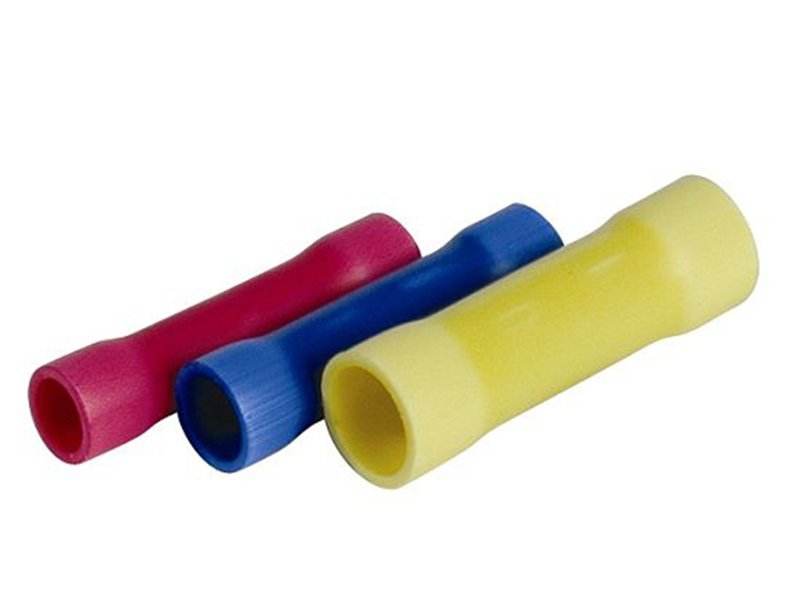
How to Use Butt Connectors in Wire Harness and Cable Assembly Applications

In wire harness and cable assembly work, failures rarely happen where people expect them. Engineers often focus on cable types, conductor materials, insulation ratings, or connector brands, while overlooking something far more basic: how two wires are joined together. In real-world applications—especially automotive, industrial control, and power distribution—the weakest point is often not the cable itself, but the splice hidden inside the harness.

Read More »
What Is the Cable Assembly Market:Trends, Specs & Custom Solutions

For many buyers, the cable assembly market looks simple on the surface: suppliers quote by part number, cables are built to drawing, and shipments move on schedule. But behind that surface is a highly fragmented, fast-evolving global market shaped by engineering complexity, supply-chain risk, compliance pressure, and shrinking lead-time tolerance.

Read More »
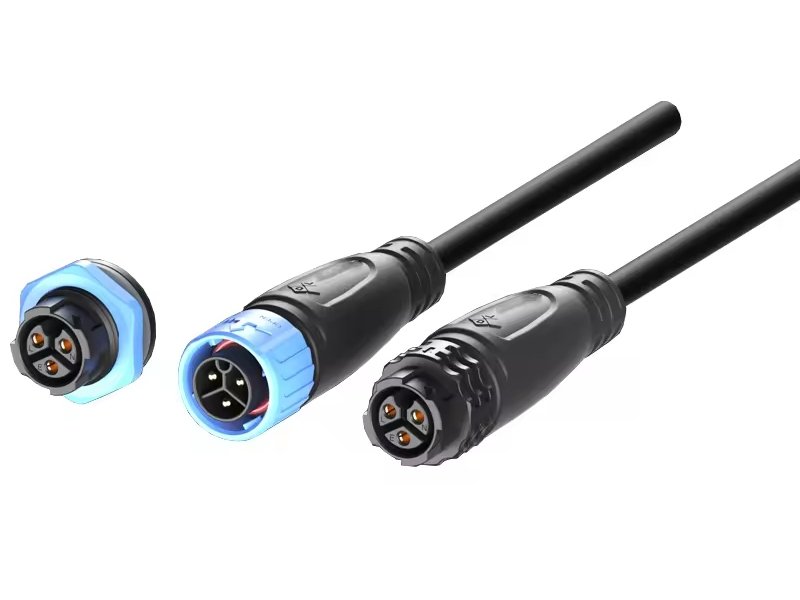
How to Assemble Waterproof Connectors: What Matters, How It’s Done, and Common Mistakes

Every year, countless products fail not because of electronics, firmware, or software—but because water enters where it shouldn’t. A connector that looks solid on the outside may still allow moisture to creep in through microscopic gaps, poor compression, or mismatched cable dimensions. In many real-world cases, waterproof failure does not come from extreme conditions, but from small assembly mistakes that only show up months later in the field.

Read More »
Cable Assembly Solutions: Types, Design & Custom Options

Electrical systems today are more compact, more digital, and more performance-sensitive than ever. A connector pin that’s 0.2 mm misaligned, a shielding layer that’s 10% thinner, or an insulation grade that’s slightly under-rated can be the difference between a stable product and a field failure. That’s why cable assembly solutions—real, engineered, application-matched cable assemblies—matter far more than most teams expect. A cable assembly is not “just a wire.” It is a controlled mechanical, electrical, and environmental system that must match the device’s needs with precision.

Read More »
Electrical Cable Price: Complete Cost Breakdown & Buying Guide

Electrical cable pricing often looks like a simple question—“How much per meter?”—but in reality, cable cost is shaped by a long list of variables that most buyers never see. Two cables with the same AWG can differ in price by 30–70% simply because of shielding, jacket material, conductor purity, connector selection, certifications, or custom pin-out work. And when the cable becomes a complete assembly with connectors, overmolding, or engineering drawings, the price difference can widen even more.

Read More »
What Is an SMA Coaxial Cable and Why Is It Used in RF Systems?

When RF systems fail, the root cause is rarely obvious. Engineers often suspect firmware bugs, unstable power supplies, or noisy active components. Only after days—or weeks—of troubleshooting does attention turn to the cable. By then, the cost is already high. In high-frequency systems, the cable is not a passive link. It is an active RF transmission element that directly affects signal integrity, stability, and repeatability.

Read More »
Why RF Coaxial Cables Matter More Than Most People Realize

When signal problems appear in a system—unexpected noise, unstable communication, intermittent data loss—engineers often blame software, firmware, or active components first. Only later does attention turn to the cable. Yet in high-frequency systems, the cable is not a passive component. It is an active part of the signal path that directly shapes performance.

Read More »

Stay Ahead with Expert Insights

Want custom sourcing advice or technical answers? Subscribe to get new posts in your inbox or send your question directly to our engineer team.

Ask For A Quick Quote

We will contact you within 24 Hours, please pay attentionto the email with the suffx”@sino-conn.com”.