News & Article

Cable Assembly Insights. Built for Professionals.

Stay up to date with the latest in cable assembly engineering, connector compatibility, industry certifications, and real-world sourcing tips. Our blog is curated for engineers, R&D teams, and global buyers looking for practical insights and proven solutions.

Tutorials | Technical Specs | Market Trends | Application Use Cases

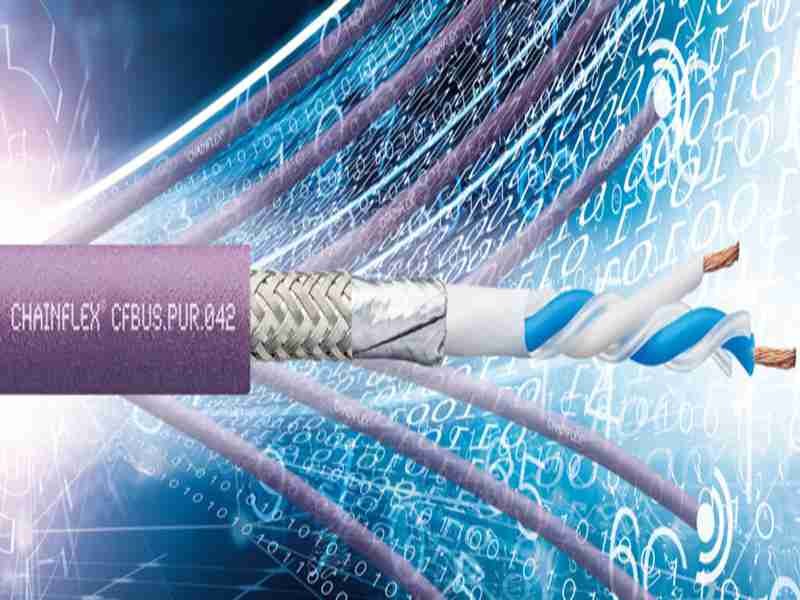
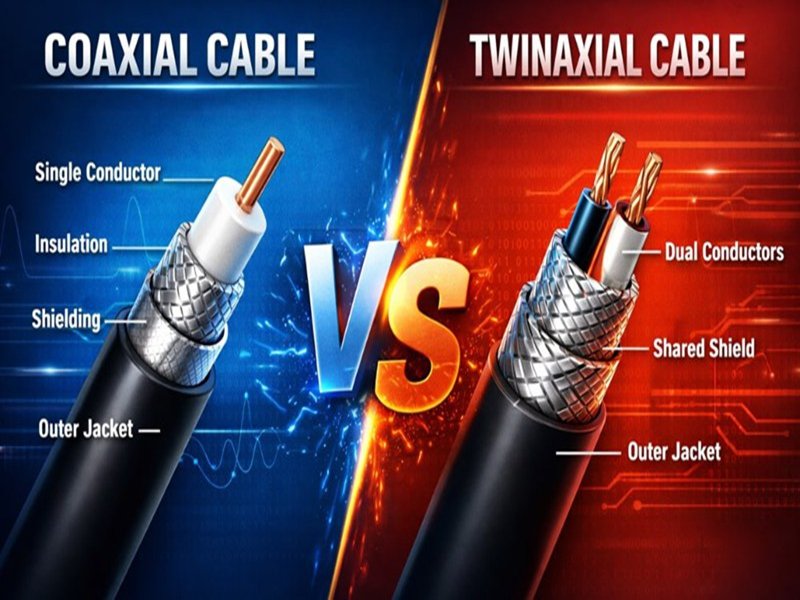
Coaxial Cable vs Twisted Pair Cable: What Is the Real Difference?

If you’ve ever had a product that passed tests in the lab but failed in the field, you already understand why coaxial cable vs twisted pair cable is not a “simple cable choice.” A cable is not just copper and plastic. It’s a controlled electrical structure that decides how much noise gets in, how much signal gets lost, and whether your device works reliably when it sits next to motors, power supplies, radios, or medical equipment.
Read More »
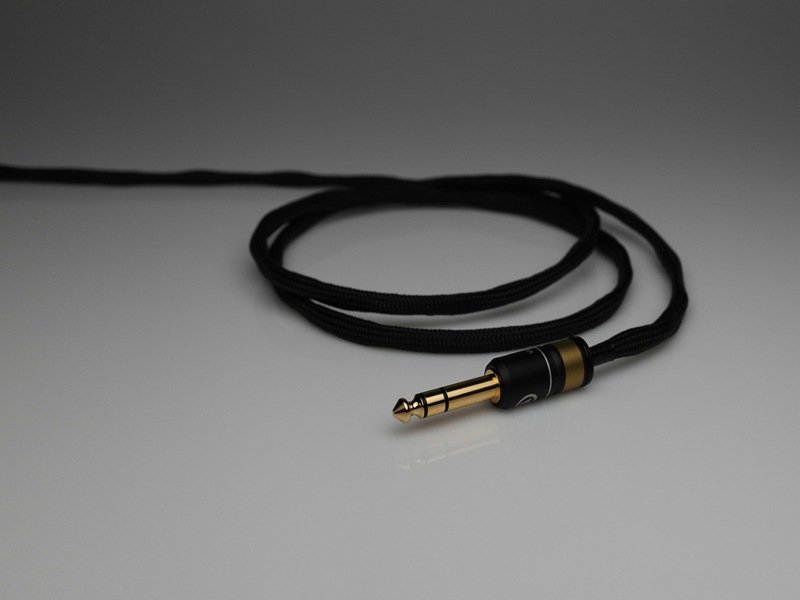
What’s a DCP IEM Cable? Definition, Structure, Uses, and Custom Design Guide

Modern audio systems are far more demanding than most people realize. What listeners experience as “clear sound” or “stable monitoring” is often the result of dozens of small engineering decisions working quietly in the background. Among these, the cable connecting an in-ear monitor (IEM) to its source is one of the most underestimated components. Many audio problems blamed on drivers, DACs, or wireless interference are actually caused by the cable itself—its structure, shielding, flexibility, or connector integrity.

Read More »
Types of Wiring Harness in Car: Complete Guide

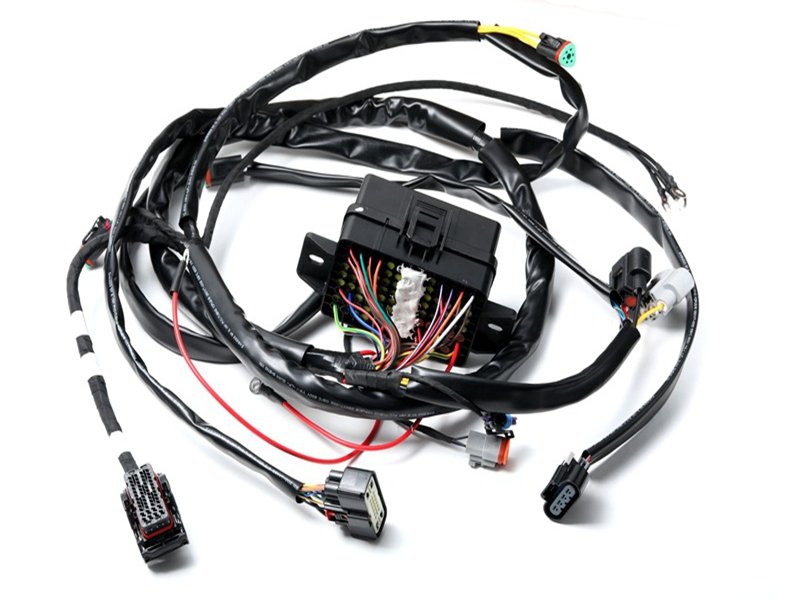
A modern car runs on wiring. The vehicle may look mechanical from the outside, but underneath, it’s a network of power lines and signal paths feeding dozens to hundreds of modules—engine control, lighting, braking sensors, safety systems, infotainment, and, in EVs, high-voltage power distribution. When a wiring harness in car fails, the symptom usually shows up somewhere else: a warning light, a sensor fault, a control module that “sometimes works.” That is why harness issues are expensive—diagnosis often takes longer than the repair.

Read More »
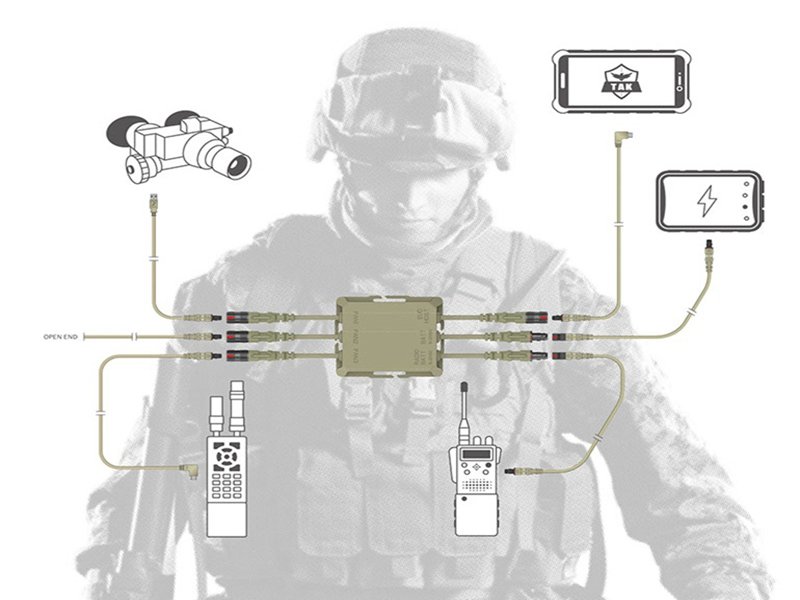
Military Cable Assembly Manufacturing: What You Need to Know

In military projects, cable assemblies are rarely treated as “just wiring.” They sit between mission electronics and real-world stress—heat, vibration, fluids, UV, and electrical noise—often all at once. When a commercial cable fails, the cost is usually time and a replacement. In a defense environment, failure can mean system downtime, failed qualification, or expensive troubleshooting where the cable is the last thing people suspect.

Read More »
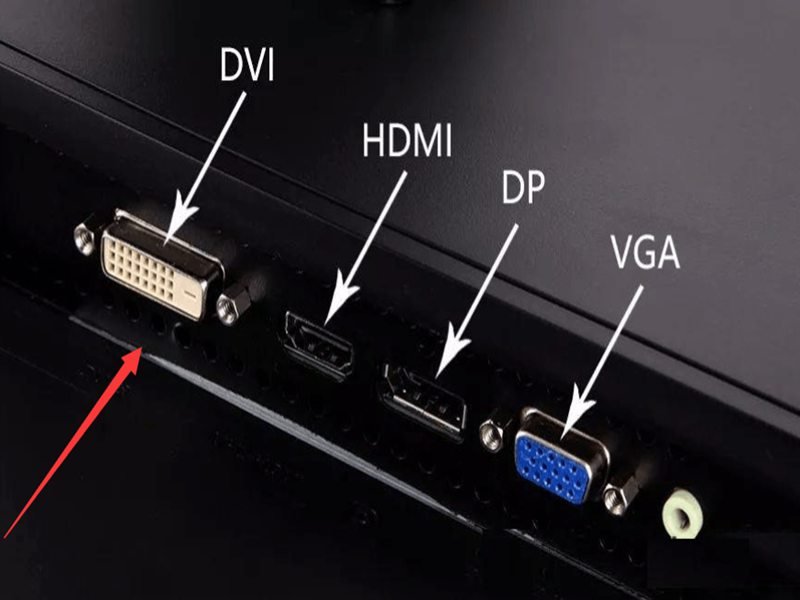
What Are DVI Cables? Types, Uses, and How to Choose the Right One

Modern display systems are often judged by what users see on the screen—but what engineers worry about is how that image gets there. In many real-world projects, display failures are not caused by GPUs, panels, or software, but by something far more basic: the display cable. Among the many display interfaces available today, DVI cables continue to appear in industrial equipment, medical systems, and long-lifecycle OEM products—sometimes long after consumer electronics have moved on.

Read More »
What Is a Data Cable? Definition, Types, and How to Choose the Right One

Modern electronic systems rely on data more than ever—but surprisingly, many system failures still originate from something basic: the data cable itself. From consumer electronics and industrial controllers to medical equipment and embedded systems, data cables quietly determine whether signals arrive cleanly, consistently, and on time. Yet in real projects, “data cable” is often treated as a vague or generic term, leading to mismatched specifications, unstable performance, and late-stage redesigns.

Read More »
What Is Medical Assembly? Definition, Requirements, and Real Manufacturing Practice

Modern medical devices look clean, compact, and intelligent on the outside—but beneath the housing, their reliability depends on something far less visible: medical assemblies. Whether it is a patient monitor, diagnostic imaging system, surgical tool, or wearable healthcare device, failures often trace back not to software or sensors, but to how power and signals are physically connected inside the system.

Read More »
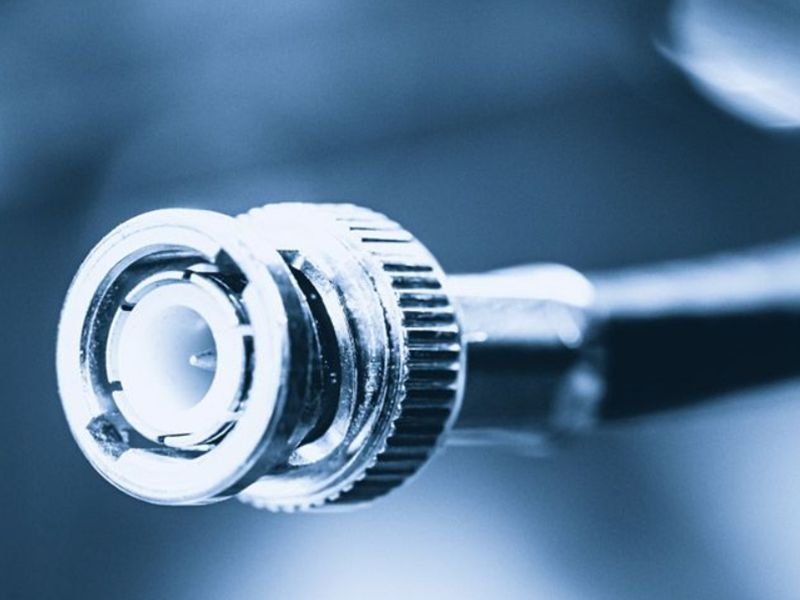
What Is Broadband Coaxial Cable? Structure, Performance, and Real-World Applications

In many discussions about signal transmission, coaxial cable is often treated as a single, generic category. Engineers, buyers, and even some system designers casually refer to “coax” as if all coaxial cables behave the same. In reality, this assumption causes frequent design mistakes, performance mismatches, and long-term reliability issues—especially in systems that carry wide frequency ranges or multiple signal channels simultaneously.

Read More »
What Are Pins in a Cable:Full Expert Guide for Connectors & Wiring

Cable pins may look small—simple metal pieces sitting inside a connector—but they determine whether a device powers on, a sensor reads correctly, or a communication system sends clean data without noise. Engineers working with wiring harnesses, connectors, or RF systems quickly learn that “pin quality” often decides whether a project passes testing or fails in the field. And yet, many buyers, traders, or junior engineers still confuse pins with terminals, or assume all pins are identical across connector brands.

Read More »

Stay Ahead with Expert Insights

Want custom sourcing advice or technical answers? Subscribe to get new posts in your inbox or send your question directly to our engineer team.

Ask For A Quick Quote

We will contact you within 24 Hours, please pay attentionto the email with the suffx”@sino-conn.com”.