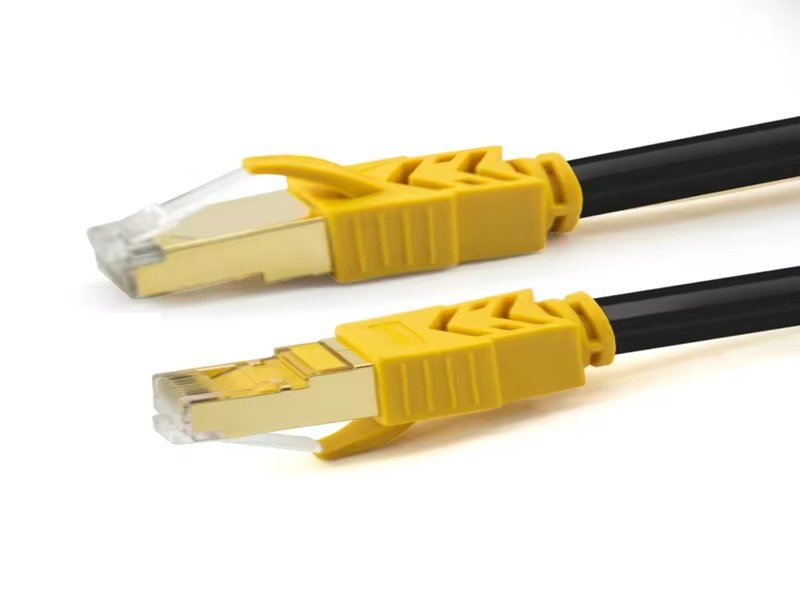
When Will Cat 9 Ethernet Cable Be Available: The Ultimate Guide
The networking world has evolved rapidly—from the days of Cat 5e supporting a few hundred megabits to Cat 8 enabling blazing speeds up to 40Gbps.

The networking world has evolved rapidly—from the days of Cat 5e supporting a few hundred megabits to Cat 8 enabling blazing speeds up to 40Gbps.

Modern defense systems—whether mounted on fighter jets, warships, or tactical vehicles—rely on one hidden but indispensable element: military assemblies. These specialized cable harnesses power radars, transmit encrypted signals, and keep life-critical systems running in extreme conditions.
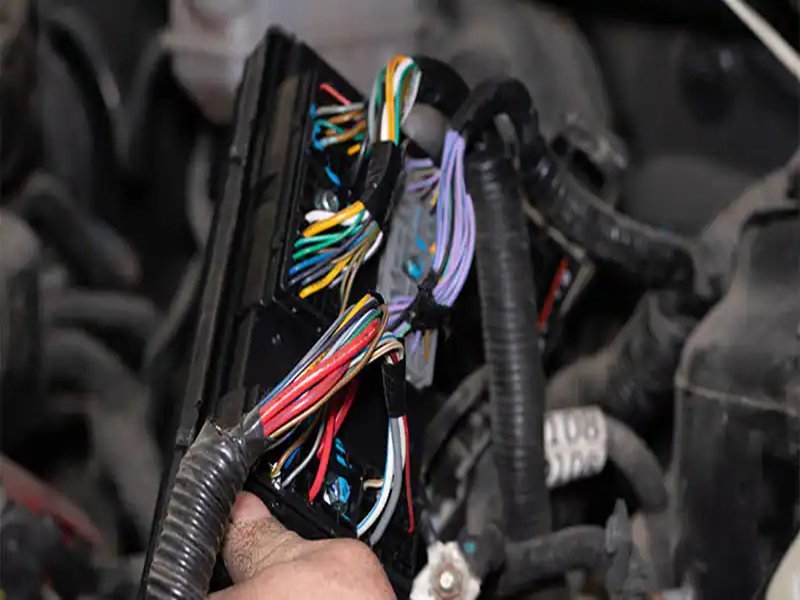
A car or industrial machine may have hundreds of wires hidden under panels and bundled into harnesses. These networks deliver power and data across every component. If one wire fails—whether due to heat, vibration, or aging—the system may misfire, lights could flicker, or safety systems might shut down.
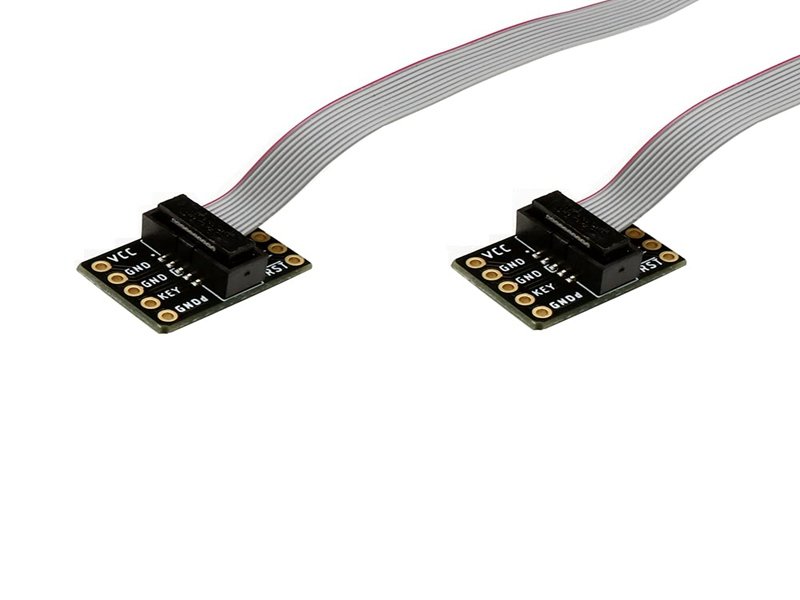
When you open up a computer, a printer, or even a piece of industrial machinery, you’ll often see something that looks deceptively simple: a flat, gray ribbon cable running neatly between circuit boards.
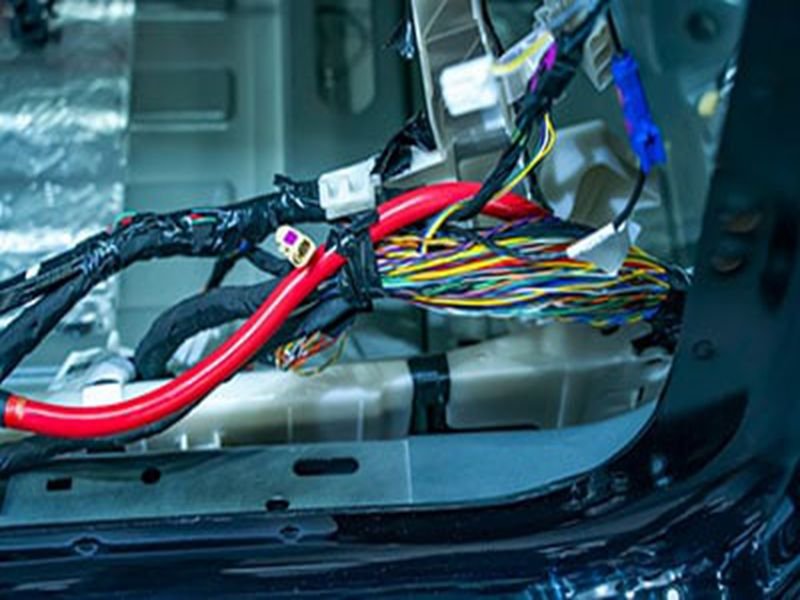
When you pop open a car hood, or cut into a wiring harness, what greets you is often a kaleidoscope of colored wires. To many, it looks chaotic, but to engineers, technicians, and quality control experts, those colors are a language—one that if misread, can lead to expensive mistakes, safety issues, or worse.
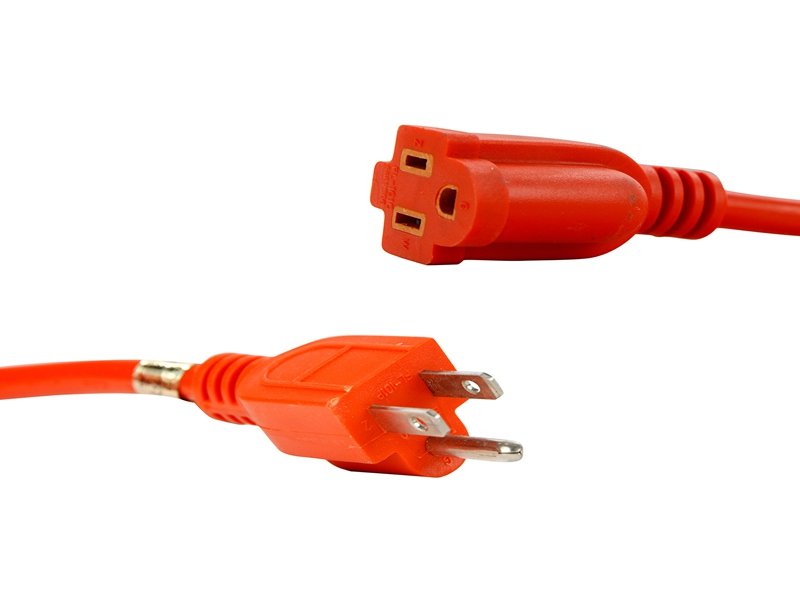
When it comes to powering tools, lighting, and appliances outdoors, not all extension cords are created equal. Imagine being on a construction site, camping in the wild, or working in a noisy garage — your equipment relies on safe and consistent electricity.
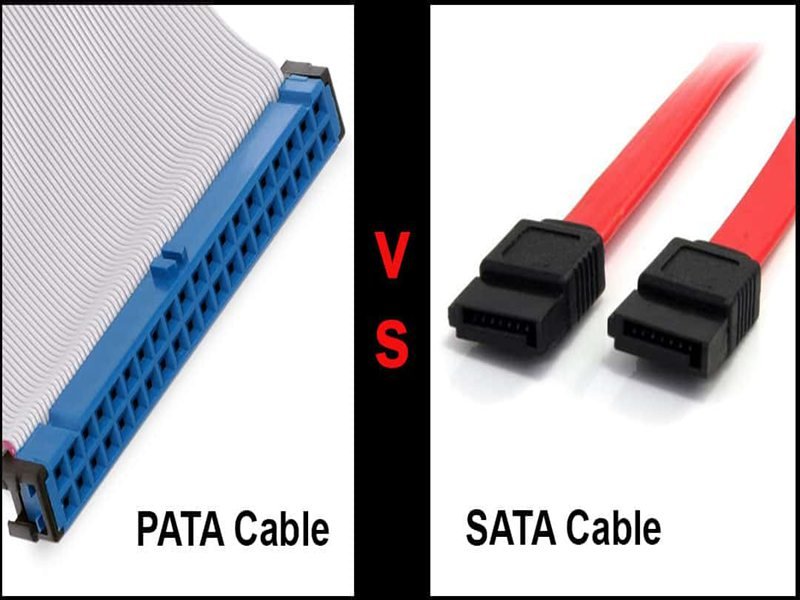
Have you ever opened up a computer or server and seen flat ribbon cables replaced by slim, more graceful cables connecting the hard drives and seen the term “SATA” everywhere? There’s a lot more behind a SATA cable than meets the eye.
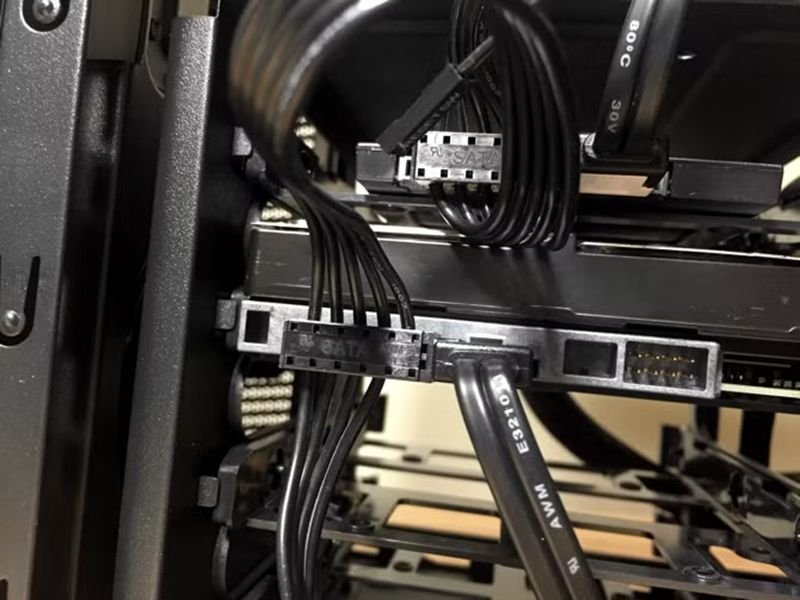
In today’s fast-moving digital world, data storage isn’t just about capacity—it’s about speed, reliability, and power. Whether you’re running a high-end gaming PC, setting up a business server, or simply adding an extra SSD to your laptop, one small but critical piece of hardware often gets overlooked: the SATA power cable.
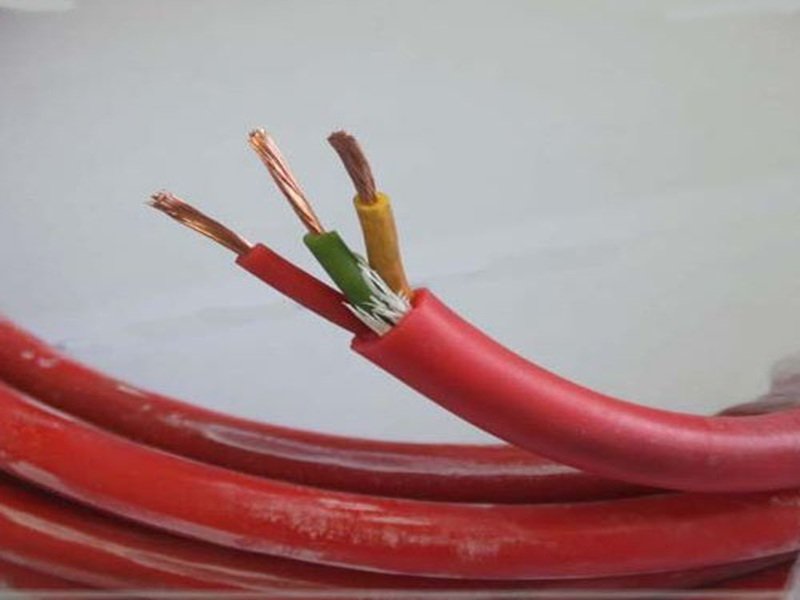
When you flip on the lights, start your car, or charge your laptop, there is one unsung hero silently enabling it all: the power cable. Behind every device, motor, or industrial machine lies a carefully designed wiring harness that ensures electricity flows safely and reliably.
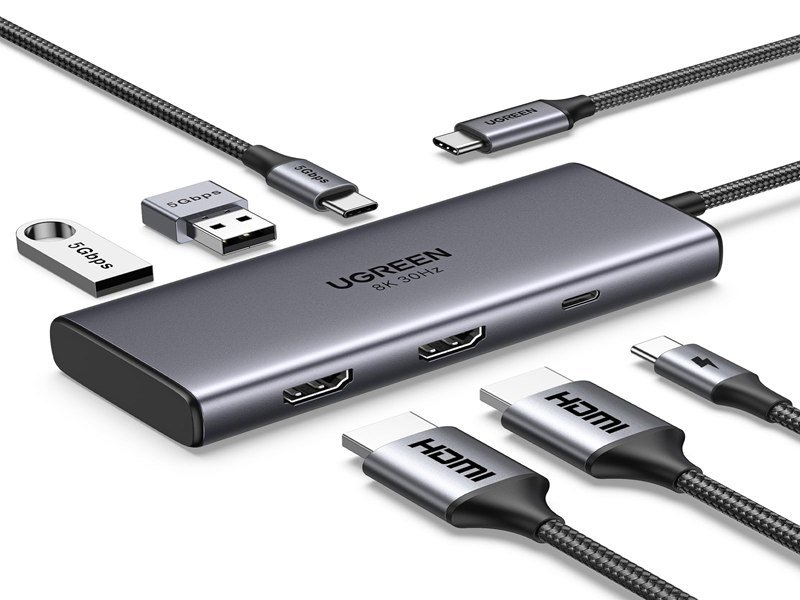
There are multiple types of USB connectors, including USB Type-A, Type-B, Mini-USB, Micro-USB, and USB Type-C, each designed for specific applications, data speeds, and power delivery requirements.
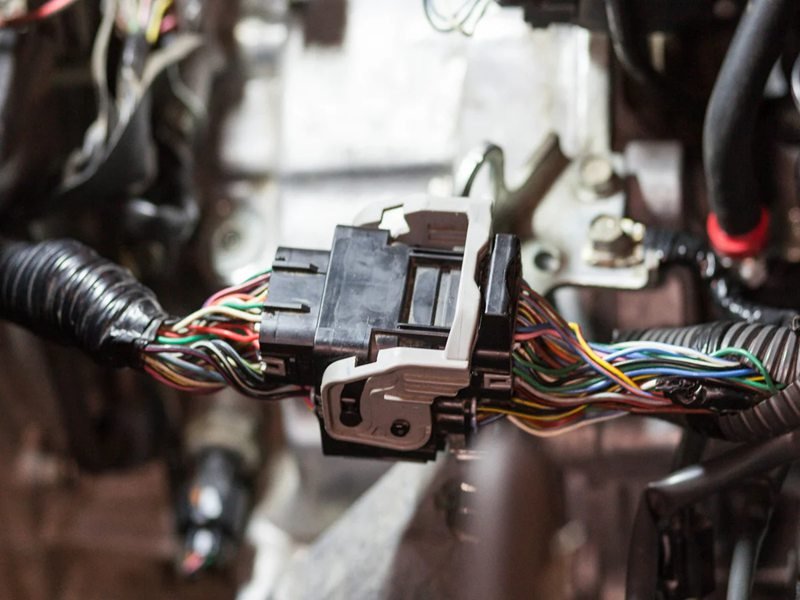
Modern vehicles are no longer mechanical beasts—they are mobile data centers powered by intricate electrical networks. Every function, from engine control units (ECUs) to infotainment systems, depends on wire harness connectors to deliver power and signals reliably.
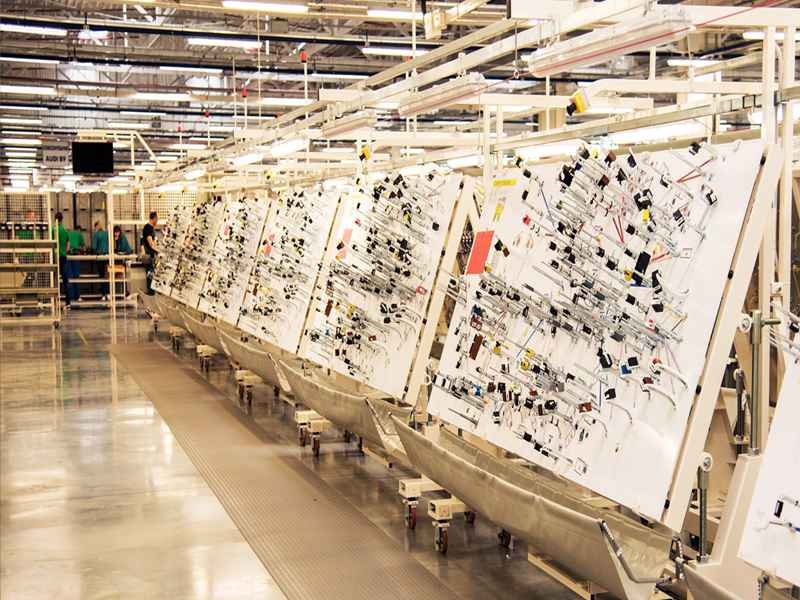
When you turn on your car, every function—whether headlights, dashboard displays, or advanced driver-assist systems—relies on one invisible backbone: the automotive wire harness.