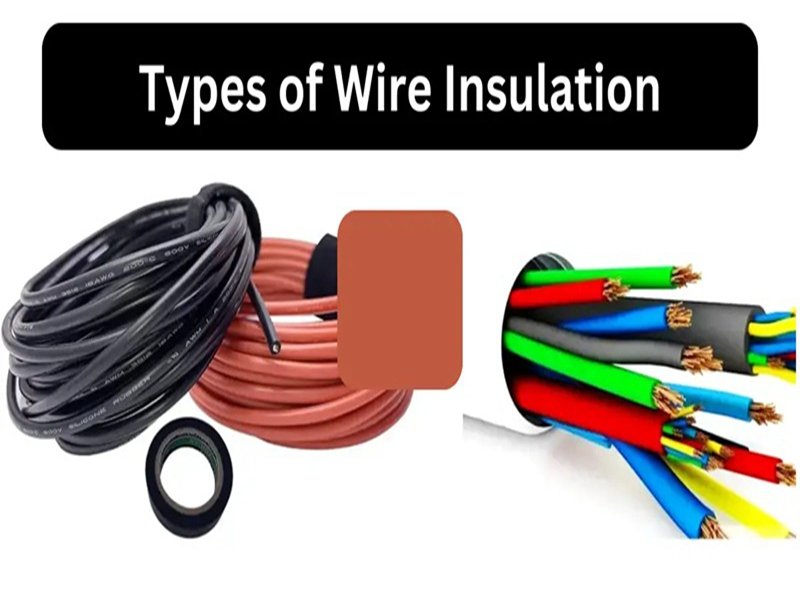
What Is Wire Insulation:A Complete Guide for Modern Electrical Systems
In every electrical system—whether inside an airplane, a robot arm, or a smart home appliance—wire insulation is the unsung hero that keeps everything running safely.

In every electrical system—whether inside an airplane, a robot arm, or a smart home appliance—wire insulation is the unsung hero that keeps everything running safely.
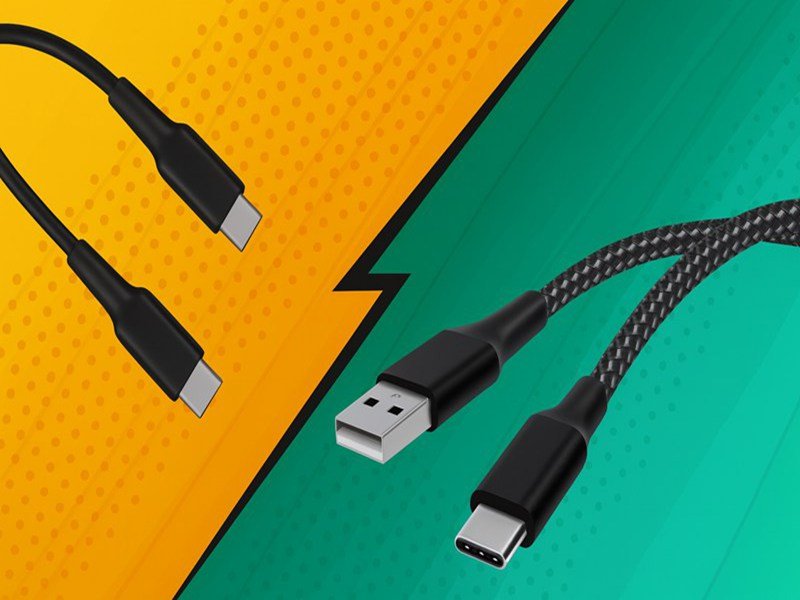
When you purchase a charging cable, Ethernet line, or audio connector, you may notice two main types: braided and non-braided. At first glance, it seems like just a design difference—one has a woven outer jacket while the other uses smooth plastic.

In the world of electrical design and cable assemblies, choosing the right wire size can make or break a project. From residential panels to solar systems and heavy machinery, every application relies on a balance between safety, efficiency, and compliance.

When you’re sourcing electrical wiring for a project—whether it’s automotive, industrial, or consumer electronics—one of the first questions that comes up is whether to use stranded wire or solid wire.

Modern technology is powered by complex systems of wires that deliver electricity, data, and signals across every industry.

If you’ve ever set up a home network, installed office internet wiring, or browsed an IT supplier’s catalog, you’ve likely stumbled on a confusing detail: people often use “RJ45” and “Ethernet cable” interchangeably.

Connectors are the unsung heroes of modern electronics. Every device you use—from smartphones and laptops to automobiles and medical machines—relies on precise interconnections.
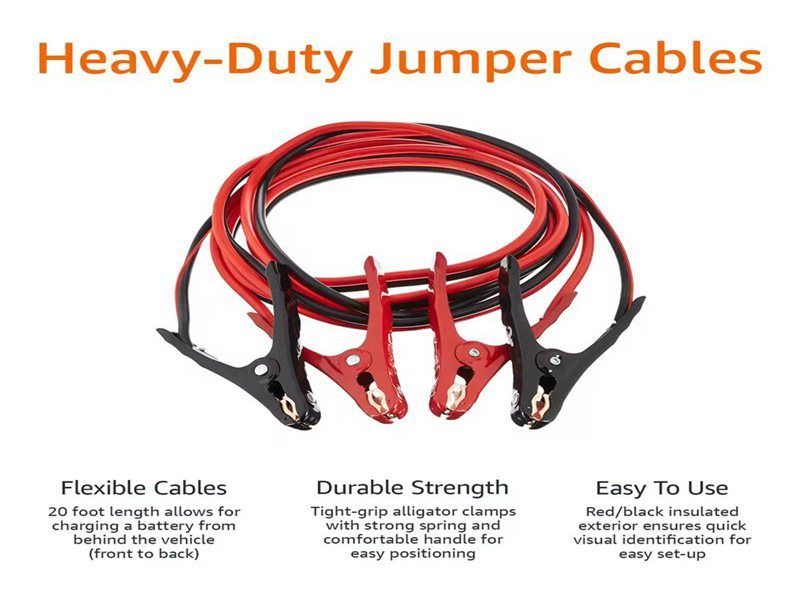
When your car battery dies, the situation always seems to happen at the worst time—on a cold morning before work, in a parking lot after late-night shopping, or in the middle of a long trip. In those moments, one tool can turn frustration into relief: a reliable set of jumper cables
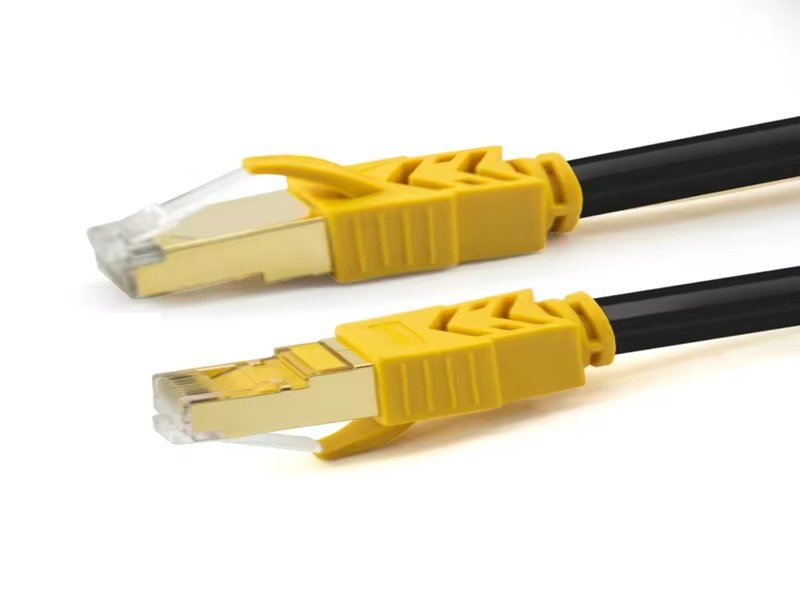
The networking world has evolved rapidly—from the days of Cat 5e supporting a few hundred megabits to Cat 8 enabling blazing speeds up to 40Gbps.

Modern defense systems—whether mounted on fighter jets, warships, or tactical vehicles—rely on one hidden but indispensable element: military assemblies. These specialized cable harnesses power radars, transmit encrypted signals, and keep life-critical systems running in extreme conditions.
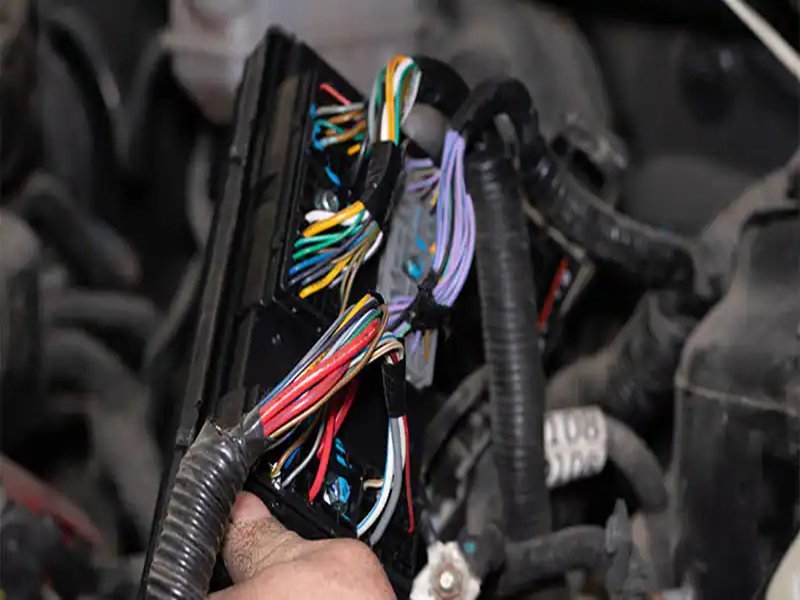
A car or industrial machine may have hundreds of wires hidden under panels and bundled into harnesses. These networks deliver power and data across every component. If one wire fails—whether due to heat, vibration, or aging—the system may misfire, lights could flicker, or safety systems might shut down.
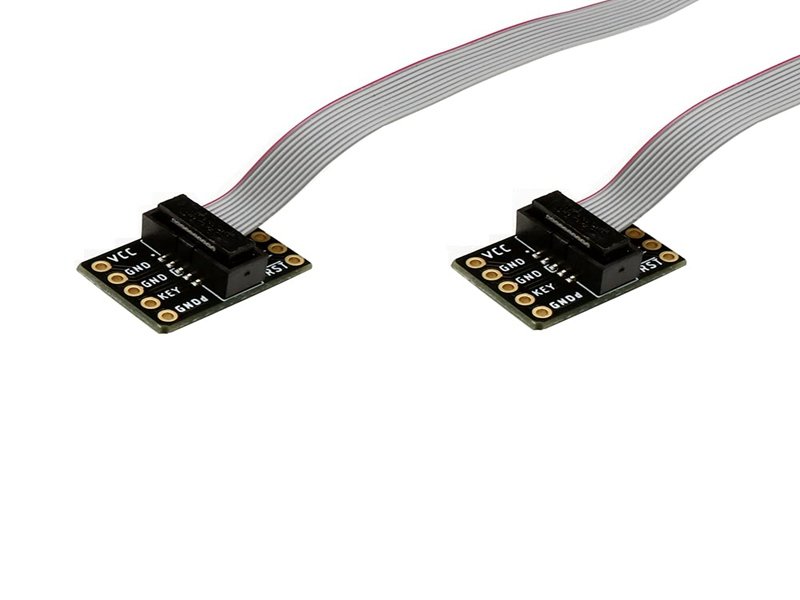
When you open up a computer, a printer, or even a piece of industrial machinery, you’ll often see something that looks deceptively simple: a flat, gray ribbon cable running neatly between circuit boards.

