...

News & Article

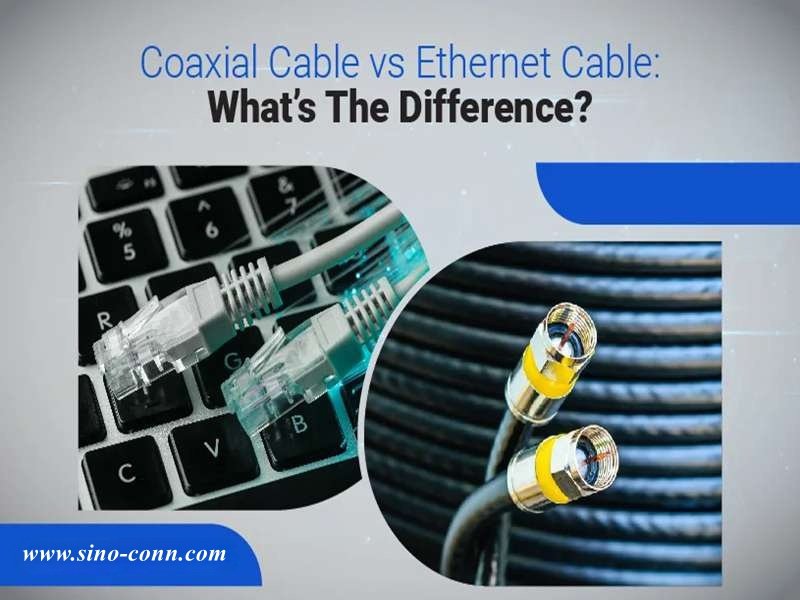
Coaxial Cable vs Twisted Pair Cable: What Is the Real Difference?

If you’ve ever had a product that passed tests in the lab but failed in the field, you already understand why coaxial cable vs twisted pair cable is not a “simple cable choice.” A cable is not just copper and plastic. It’s a controlled electrical structure that decides how much noise gets in, how much signal gets lost, and whether your device works reliably when it sits next to motors, power supplies, radios, or medical equipment.

Read More »

What Is Broadband Coaxial Cable? Structure, Performance, and Real-World Applications

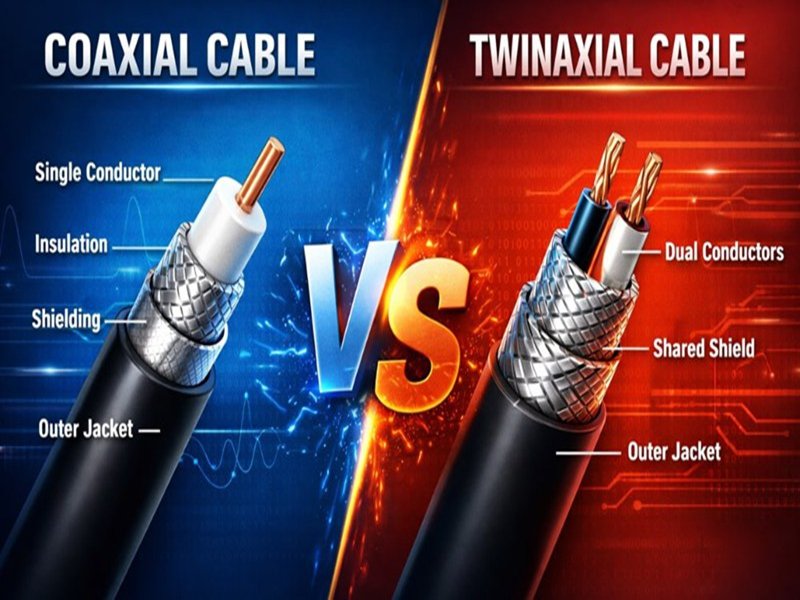
In many discussions about signal transmission, coaxial cable is often treated as a single, generic category. Engineers, buyers, and even some system designers casually refer to “coax” as if all coaxial cables behave the same. In reality, this assumption causes frequent design mistakes, performance mismatches, and long-term reliability issues—especially in systems that carry wide frequency ranges or multiple signal channels simultaneously.

Read More »

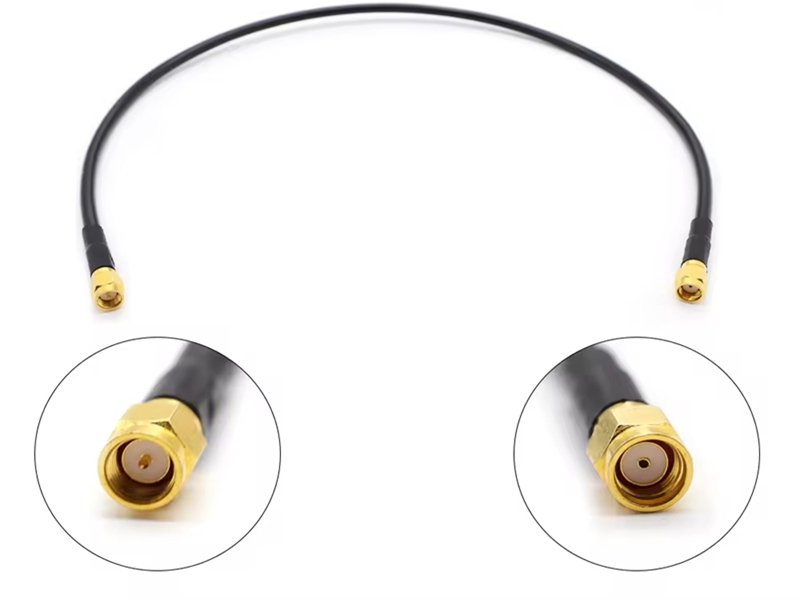
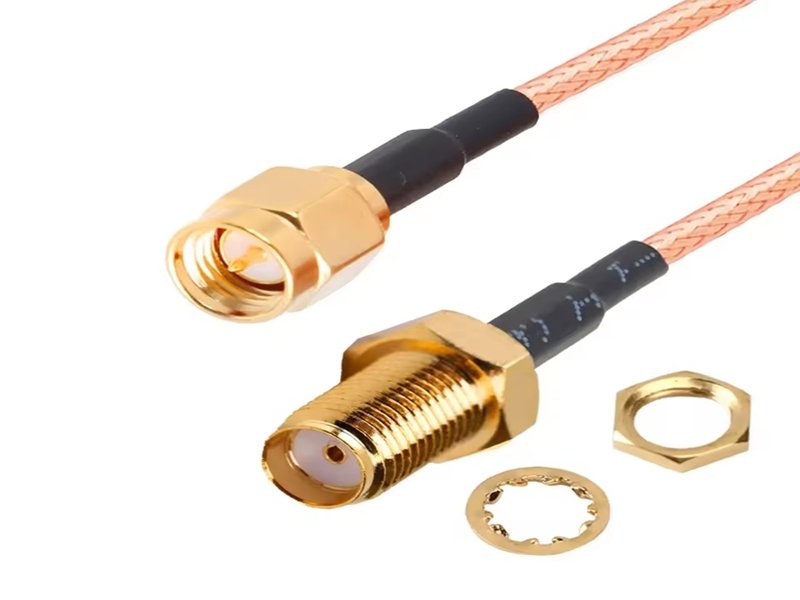
What Is an SMA Coaxial Cable and Why Is It Used in RF Systems?

When RF systems fail, the root cause is rarely obvious. Engineers often suspect firmware bugs, unstable power supplies, or noisy active components. Only after days—or weeks—of troubleshooting does attention turn to the cable. By then, the cost is already high. In high-frequency systems, the cable is not a passive link. It is an active RF transmission element that directly affects signal integrity, stability, and repeatability.

Read More »

Why RF Coaxial Cables Matter More Than Most People Realize

When signal problems appear in a system—unexpected noise, unstable communication, intermittent data loss—engineers often blame software, firmware, or active components first. Only later does attention turn to the cable. Yet in high-frequency systems, the cable is not a passive component. It is an active part of the signal path that directly shapes performance.

Read More »

What Is a DTV Cable? Definition, Types, and How It Works in Digital TV Systems

For many people, the transition from traditional television to digital TV felt almost invisible. The screen became clearer, channels increased, and sound quality improved—but the cables behind the scenes often looked exactly the same. This leads to a surprisingly common and reasonable question from engineers, buyers, and even experienced procurement teams: what is a DTV cable, and is it really different from a normal TV cable?

Read More »

Ask For A Quick Quote

We will contact you within 24 Hours, please pay attentionto the email with the suffx”@sino-conn.com”.