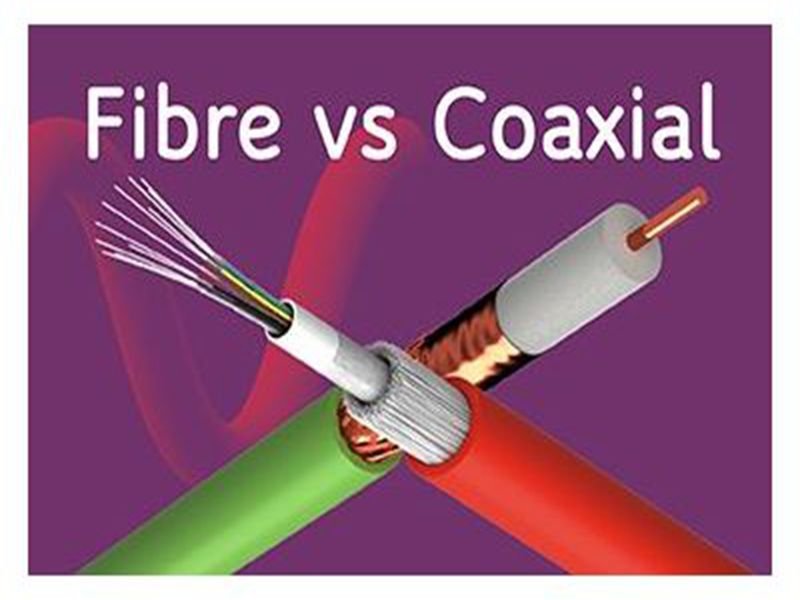
Coaxial Cable vs Fiber: What’s the Difference and Which to Choose?
A lot of cable selection mistakes happen long before production starts. The drawing may look correct. The connector may match. The sample may even pass a quick functional test.

A lot of cable selection mistakes happen long before production starts. The drawing may look correct. The connector may match. The sample may even pass a quick functional test.

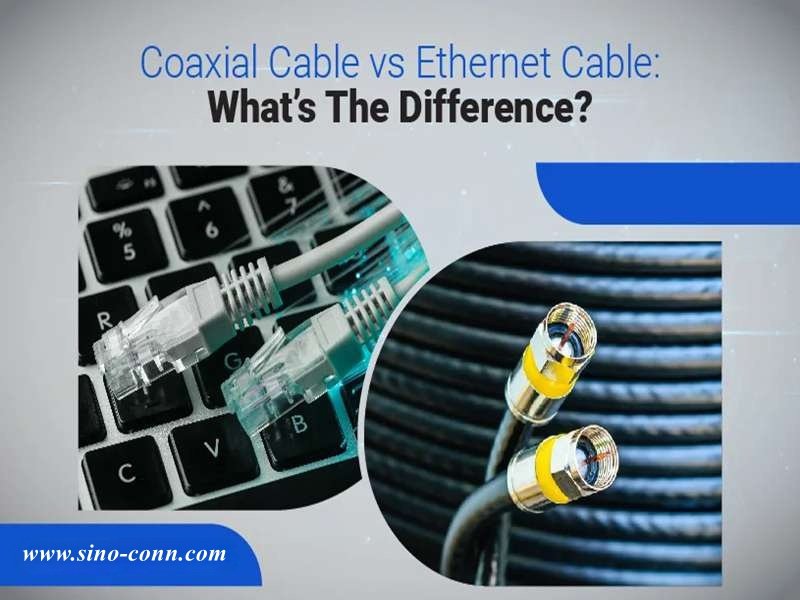
When people search for coaxial cable vs ethernet, they are usually trying to solve a practical problem: a device needs connectivity, a network needs stability, or a product design requires the right transmission medium.

For many buyers, the cable assembly market looks simple on the surface: suppliers quote by part number, cables are built to drawing, and shipments move on schedule. But behind that surface is a highly fragmented, fast-evolving global market shaped by engineering complexity, supply-chain risk, compliance pressure, and shrinking lead-time tolerance.

Modern electrical projects rarely fail because of dramatic mistakes. They fail because of small assumptions—like assuming two cables that “look similar” perform the same way. BX cable and MC cable are a classic example. To the untrained eye, both are metal-armored cables used in commercial and industrial wiring. Yet beneath the armor, their grounding methods, safety margins, and code acceptance differ in ways that can directly affect system reliability, inspection approval, and long-term maintenance.
We will contact you within 24 Hours, please pay attentionto the email with the suffx”@sino-conn.com”.