...

News & Article

What Is a BNC Connector? A Practical Guide for Engineers and Buyers

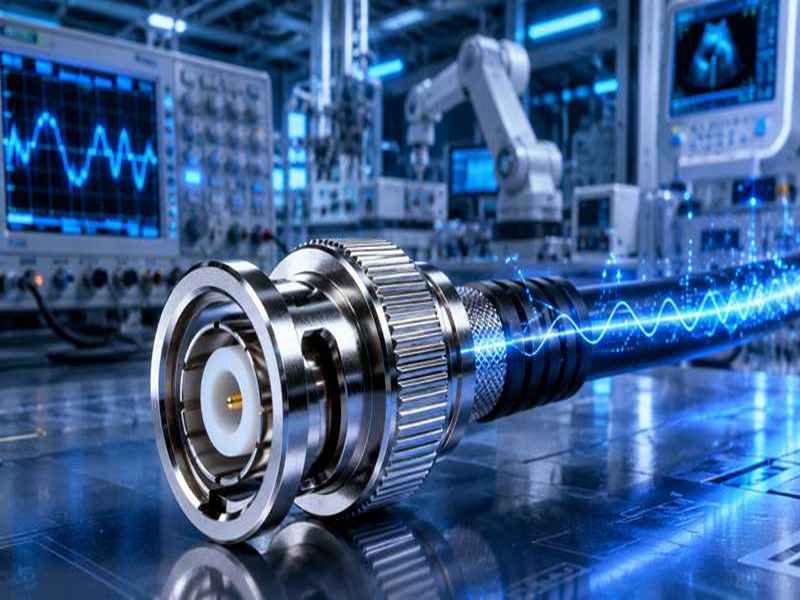
A BNC connector may look like a small metal connector at the end of a coaxial cable, but in many systems, it carries a much bigger responsibility than its size suggests. It may be used to transmit video from a CCTV camera, send RF signals into a test instrument, connect a medical device sensor, or link measurement equipment inside an industrial control system.


Read More »

What Is TE Medical and How to Choose the Right Supplier?

A lot of medical device teams begin in the same way. An engineer, sourcing manager, or project leader already has a part family in mind, often from a known supplier, and the first question sounds simple: “Can we use TE Medical for this project?” On paper, that seems like the right place to start.

Read More »

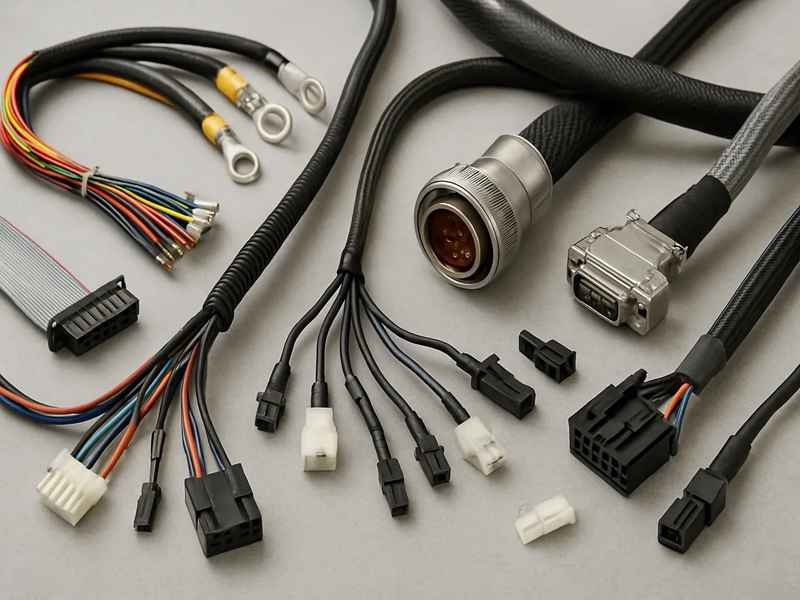
What Are the Components of a Wiring Harness:A Complete Engineer-Level Guide

Wiring harnesses look simple from the outside—a bundle of wires organized neatly with connectors on the ends. But anyone who has worked in engineering, OEM manufacturing, or field maintenance knows the truth: a wiring harness is a highly engineered system, and its performance determines whether a product works flawlessly for years or fails within weeks. Every component—wire gauge, insulation material, connector interface, crimp quality, waterproofing choice, shielding method—affects reliability, safety, signal clarity, and regulatory compliance.

Read More »

Cable Assembly Solutions: Types, Design & Custom Options

Electrical systems today are more compact, more digital, and more performance-sensitive than ever. A connector pin that’s 0.2 mm misaligned, a shielding layer that’s 10% thinner, or an insulation grade that’s slightly under-rated can be the difference between a stable product and a field failure. That’s why cable assembly solutions—real, engineered, application-matched cable assemblies—matter far more than most teams expect. A cable assembly is not “just a wire.” It is a controlled mechanical, electrical, and environmental system that must match the device’s needs with precision.

Read More »

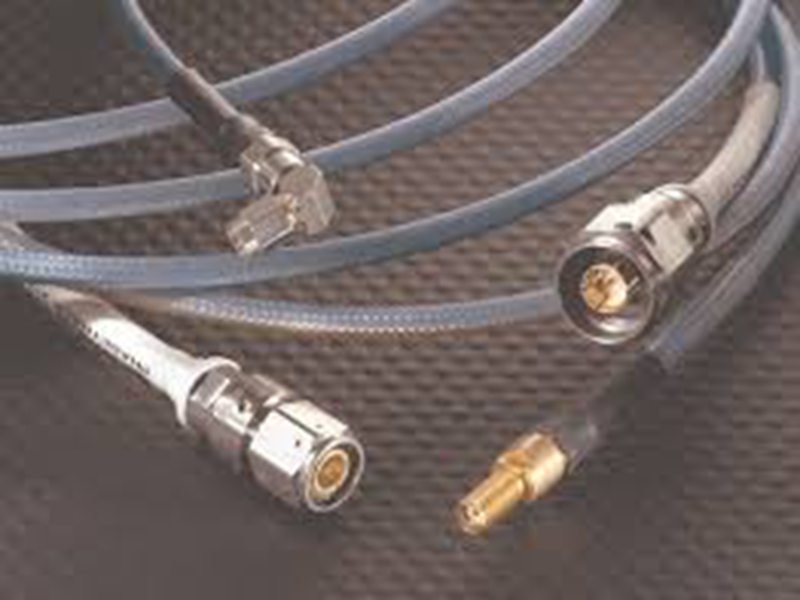
What Is Coaxial Cable and How Does It Work? Complete Guide

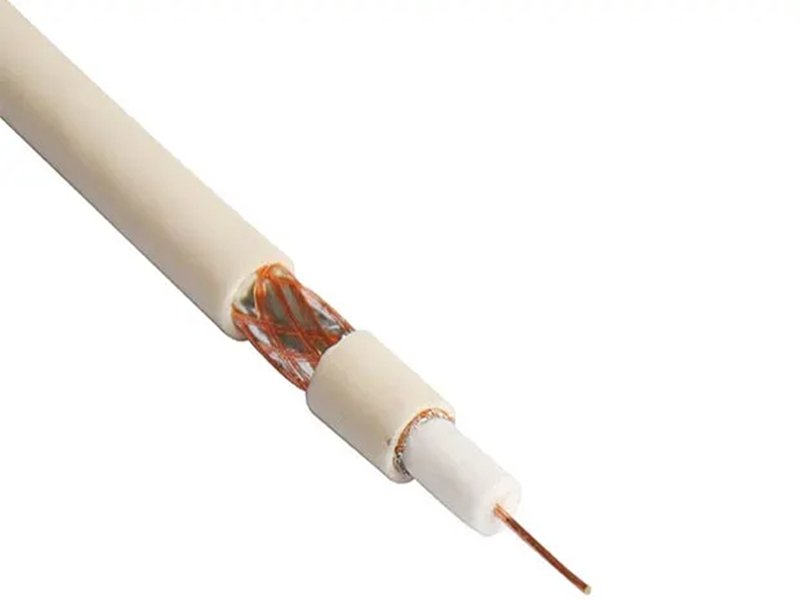
Coaxial cables are everywhere—inside medical devices, 5G modules, radars, autonomous robots, even the TV on your wall. Yet most people, including many purchasing managers and OEM sourcing teams, only know them as “coax cables” without truly understanding how they work, why different types exist, or how critical cable selection is to signal accuracy, RF stability, and long-term reliability. Engineers know that even a 1 mm change in OD or a mismatched connector can shift impedance enough to break an entire design. That is why companies that rely on performance—medical, military, RF labs, telecom, and precision electronics—care deeply about coaxial structure, shielding, materials, and assembly quality.

Read More »

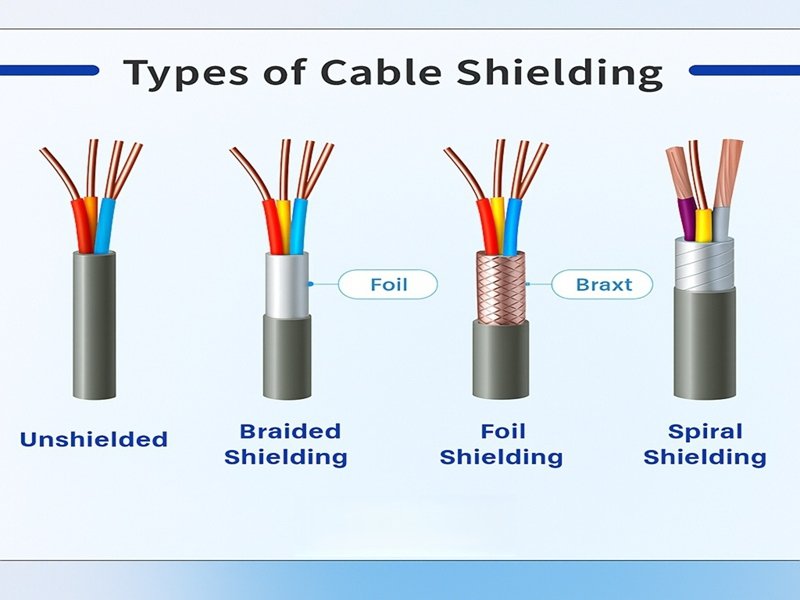
What Is a Shielded Cable : Types, Benefits & Applications

In today’s interconnected world, where cars, machines, and servers exchange massive data every millisecond, signal integrity is everything. Even a small interference spike can distort readings, shut down control systems, or cause safety risks. Shielded cables are the unsung heroes behind reliable communication — protecting electronic signals from electromagnetic noise that surrounds every industrial, automotive, and consumer environment.

Read More »

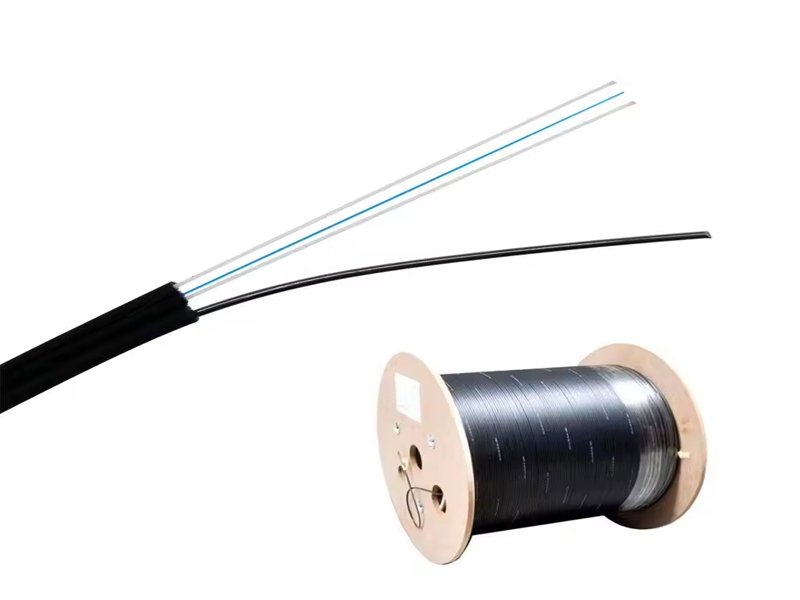
What Is a Fiber Optic Cable: A Complete Guide

In a world driven by data, speed, and instant connectivity, fiber optic cables are the silent heroes powering everything—from your Netflix stream to global financial systems. These cables, thinner than a strand of human hair, carry terabytes of information at nearly the speed of light, transforming how we communicate, work, and live. Yet, despite their ubiquity, few truly understand what goes inside those tiny glass threads that make the internet, telecom, and cloud computing possible.

Read More »

What Are Military Assemblies and How Do They Work?

Modern defense systems—whether mounted on fighter jets, warships, or tactical vehicles—rely on one hidden but indispensable element: military assemblies. These specialized cable harnesses power radars, transmit encrypted signals, and keep life-critical systems running in extreme conditions.

Read More »

Ask For A Quick Quote

We will contact you within 24 Hours, please pay attentionto the email with the suffx”@sino-conn.com”.