Skip to content
Custom Warehouse Robot Cable Assembly Manufacturer
High-Flex Cable Assemblies Engineered For AGV, AMR, Shuttle Robots And Intelligent Warehouse Automation Systems
SINO-CONN is a Shenzhen-based custom cable assembly manufacturer founded in 2007, supporting warehouse robotics projects from prototype development to OEM production. Built for compact routing, dynamic movement and complex signal integration, our custom warehouse robot cable assemblies support AGV, AMR and smart logistics systems with flexible engineering support, fast prototyping and scalable manufacturing capability.
- Prototype Starting From 1 Piece
- Support 20–512+ Signal Paths
- CAD Support In As Fast As 30 Minutes
- Cable Length From 30mm To 10m+
- High-Flex Hybrid Power + Signal Solutions
- Prototype To OEM Manufacturing Workflow
Engineering-Driven Custom Cable Assembly Manufacturing Supporting Warehouse Robotics Development Since 2007
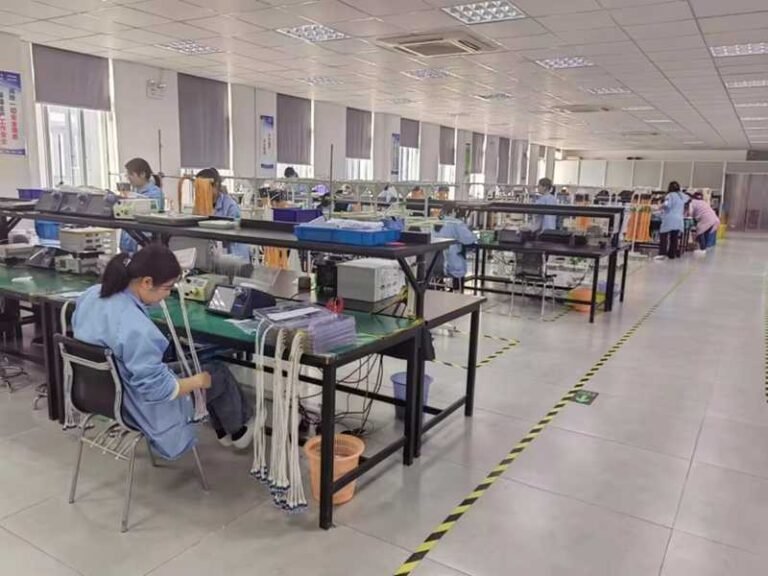
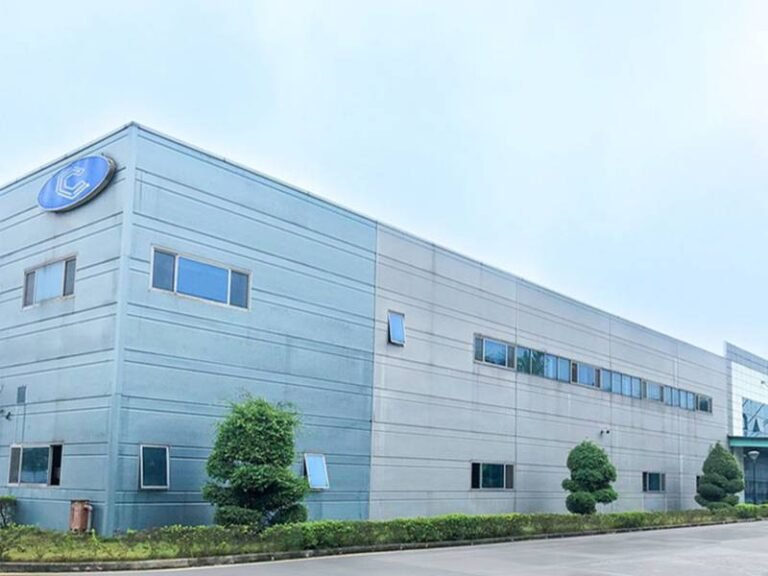
SINO-CONN is a Shenzhen-based custom wire harness and cable assembly manufacturer founded in 2007. For warehouse robotics projects, support often begins long before production starts. Some projects arrive with complete drawings and specifications, while others begin with connector part numbers, existing samples or a few reference photos. This workflow is common among AGV, AMR and warehouse automation companies where development speed and technical communication directly influence project timelines.
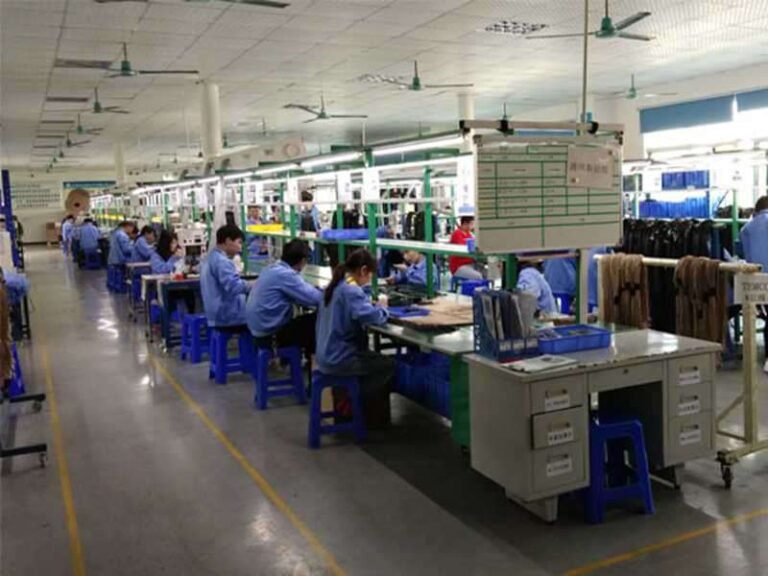
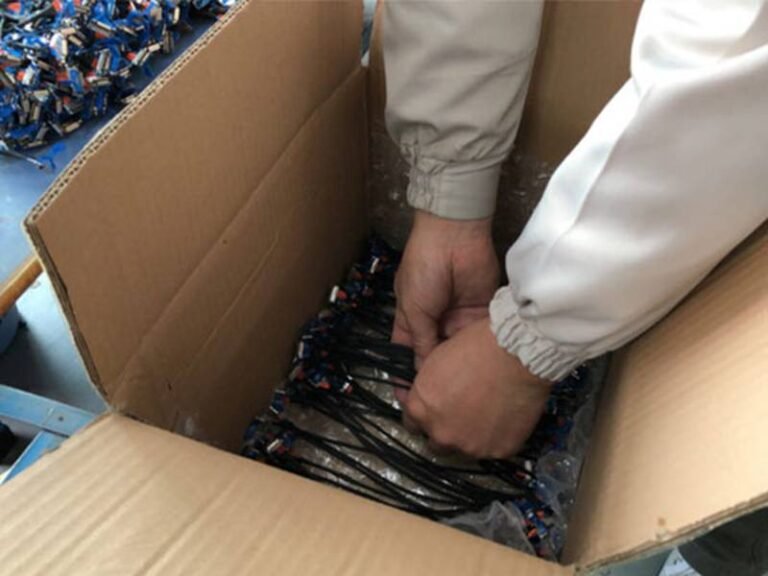
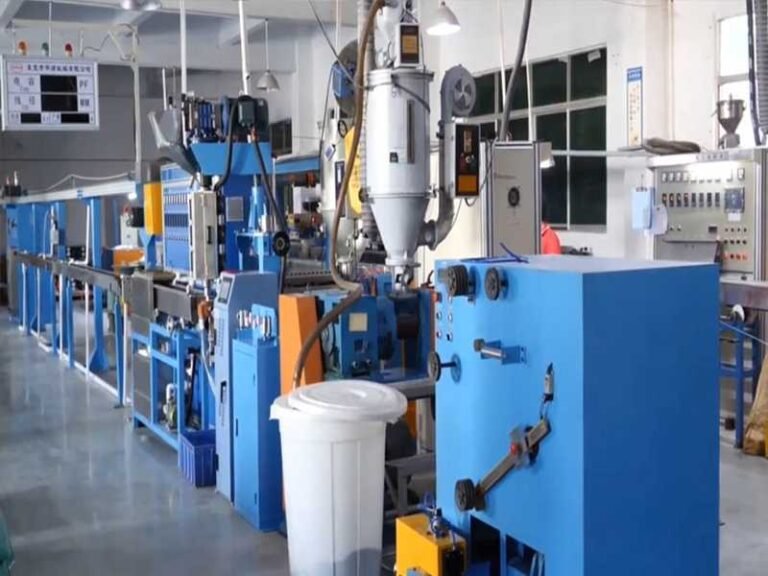
Engineering Support Built Around Real Development Processes
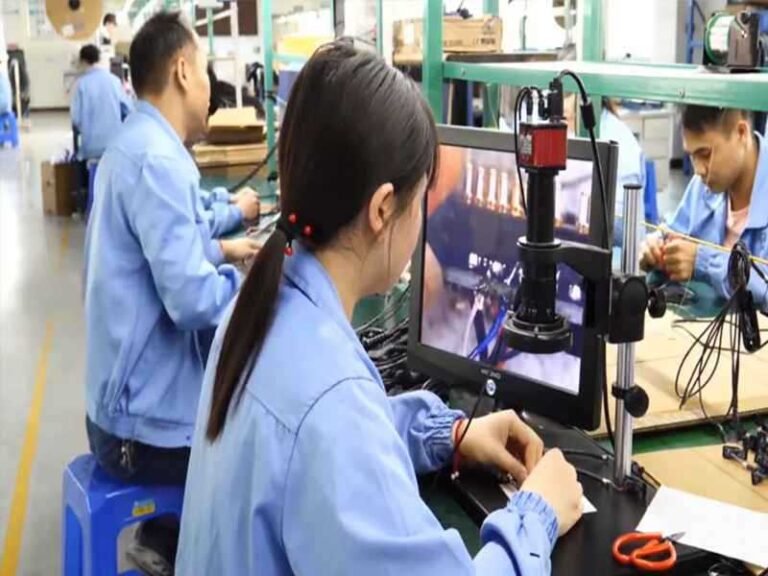
Warehouse robot cable designs frequently evolve during development. Cable lengths, branch locations, connector orientation and pin definitions often change after mechanical testing and system integration. SINO-CONN supports engineering review before manufacturing begins, helping project teams simplify revisions and reduce communication gaps. CAD support may begin within as fast as 30 minutes for selected projects, and production proceeds only after drawing approval.
Manufacturing Capability Supporting Complex Cable Structures
Modern warehouse robots continue integrating more functions into compact systems. A single assembly may combine power transmission, communication networks, sensors, camera systems and control signals within limited installation space. SINO-CONN supports custom cable structures ranging from miniature signal assemblies to hybrid power and signal harnesses, including cable lengths from 30mm to 10m+, support for 20–512+ signal paths and ultra-fine coax structures down to 50AWG.
Supply Chain Flexibility Supporting Robotics Programs
Warehouse robotics projects often involve changing requirements around connector availability, cost targets and lead times. SINO-CONN maintains long-term cooperation with cable manufacturers, connector suppliers, shielding material providers and overmolding partners to support broader sourcing flexibility. Connector ecosystems commonly supported include TE, Molex, JST, HRS, I-PEX, LEMO, JAE and Amphenol systems widely used across industrial automation and robotics applications.
Supporting Engineering Teams, OEM Programs And Robotics Manufacturers
Different project teams usually focus on different priorities. Engineering departments often care about technical feasibility and design discussions, OEM manufacturers typically focus on production planning and supply continuity, while procurement teams evaluate response speed and delivery stability. SINO-CONN supports these workflows through engineering review, prototype manufacturing and repeat production coordination across warehouse robotics programs.
Common Cable Challenges That Affect Warehouse Robot Performance And Project Timelines
Cable issues inside warehouse robotics systems often appear after installation rather than during initial electrical testing. A cable may pass continuity checks but still experience signal instability, movement fatigue or installation problems during real operation. For AGV, AMR and warehouse automation systems, cable design decisions can directly influence reliability, maintenance cost and production efficiency.
Many robotics companies initially focus on connector matching or cable specifications, then later discover that routing limitations, movement conditions and system integration create larger challenges. SINO-CONN frequently supports engineering discussions during early development stages to help reduce redesign cycles and avoid preventable issues before prototype validation and production release.

Continuous Motion Fatigue Creates Long-Term Reliability Risks
Warehouse robots are designed for repeated movement over long operating cycles. Steering modules, lifting mechanisms and moving sensor systems may bend or flex cable assemblies thousands of times during normal operation. Problems usually appear gradually rather than immediately, making failures difficult to identify during early testing.
Projects involving dynamic movement often require engineering review around cable structure, bend radius and strain relief areas. During prototype discussions, SINO-CONN regularly works with engineering teams to review cable movement paths and recommend structures better suited for repeated motion environments.
Limited Installation Space Complicates Internal Routing
Warehouse robots continue becoming more compact while integrating more functions into smaller platforms. Batteries, motor systems, communication modules, cameras and controllers often share limited installation space. As cable quantity increases, internal routing becomes increasingly difficult.
Cable assemblies that look simple on drawings may become difficult to install during physical integration. Routing discussions frequently involve branch positions, connector orientation and cable exit direction. In many projects, cable length optimization alone can significantly improve assembly efficiency and maintenance access.
Power, Signal And Communication Systems Must Work Together
Modern warehouse robots often operate multiple electrical systems simultaneously. Battery power, CAN communication, Ethernet networks, sensors, camera modules and encoder feedback may all exist within the same structure. Increasing system integration also increases cable complexity.
Instead of multiple separate assemblies, many engineering teams explore integrated cable structures that simplify routing and installation. SINO-CONN frequently supports hybrid power and signal configurations designed around installation conditions and overall system architecture requirements.
EMI Issues May Affect Sensors And Communication Stability
Motors, battery systems, charging circuits and communication devices may generate electromagnetic interference during operation. Signal quality problems may not appear during laboratory testing but can emerge after system integration and long-term use.
Communication instability, encoder errors and sensor interruptions often require engineering review beyond simple cable replacement. Shield structures, grounding methods and cable separation strategies usually become part of technical discussions during warehouse robot cable development.
Prototype Changes Frequently Extend Development Cycles
Warehouse robotics projects rarely move directly from concept into production. During development, cable length, connector orientation, branch positions and pin definitions frequently change after testing and validation. Small modifications can affect drawings, samples and production schedules.
SINO-CONN often receives projects beginning with incomplete information, existing samples or photos. Engineering support may begin from those references and continue through revisions, helping teams reduce communication delays and move prototypes forward more efficiently.
Existing Suppliers Sometimes Cannot Support Complex Requirements
Many warehouse robot projects begin because existing suppliers cannot support difficult structures, rapid modifications or engineering communication requirements. Standard catalog products may fit basic needs but become difficult to adapt as systems evolve.
Some long-term projects start from requests involving urgent samples, connector alternatives or custom structures that previous suppliers could not support. For selected projects, SINO-CONN can begin CAD review within as fast as 30 minutes, helping teams accelerate technical evaluation and project discussions.
Custom Cable Assemblies Designed Around Warehouse Robot Systems And Installation Architecture
Warehouse robots rarely rely on one cable assembly type. A complete AGV or AMR platform may include battery systems, drive motors, communication networks, sensors, vision systems, charging modules and control units operating inside a compact structure. Different subsystems require different cable configurations depending on movement conditions, signal requirements and installation space.
SINO-CONN supports custom warehouse robot cable assemblies from early prototype builds to repeat OEM production. Projects may begin from drawings, connector part numbers, existing samples or technical discussions. Typical configurations range from compact signal cables to hybrid assemblies integrating multiple electrical functions into one structure.

Hybrid Power And Signal Cable Assemblies
Warehouse robots increasingly integrate multiple systems into smaller platforms. Instead of using separate assemblies for power delivery, communication and sensors, many engineering teams prefer hybrid structures that simplify installation and reduce cable quantity.
Typical configurations include:
- Battery + CAN Bus
- Power + Ethernet
- Signal + Sensor Networks
- Encoder + Motor Feedback
- Camera + Communication Systems
- Mixed Voltage Structures
Common applications include:
- AMR Control Modules
- AGV Battery Systems
- Intelligent Mobile Platforms
- Compact Robotics Platforms
SINO-CONN frequently supports hybrid structures designed around installation space and routing conditions.

High-Flex Dynamic Motion Cable Assemblies
Warehouse robots operate under repeated movement conditions. Steering modules, lift mechanisms and robotic sections may expose cables to continuous bending, twisting and vibration throughout operation cycles.
Typical features include:
- Flexible Cable Structures
- Dynamic Motion Support
- Reinforced Strain Relief
- Multi-Layer Shield Options
- Custom Jacket Materials
- Routing Optimization Support
Typical applications include:
- Robot Steering Systems
- Lift Assemblies
- Moving Sensor Modules
- Dynamic Robotic Structures
Many dynamic cable projects begin with movement discussions rather than cable specifications alone.

Camera, LiDAR And Micro Coax Assemblies
Vision systems continue becoming increasingly common across warehouse robotics platforms. Cameras, LiDAR systems and positioning devices often require compact signal assemblies capable of fitting inside limited spaces.
Typical support includes:
- Fine Conductors Down To 50AWG
- Compact Coax Structures
- Micro Connector Integration
- Controlled Signal Routing
- Shielded Structures
- Miniature Cable Layout Support
Typical applications include:
- Camera Modules
- Vision Systems
- Positioning Devices
- Scanning Equipment
SINO-CONN supports compact cable structures where installation space becomes a design limitation.

Battery And Charging Harness Systems
Battery systems remain one of the most important electrical sections inside warehouse robots. Charging interfaces and power distribution systems require cable structures designed for repeated use and stable electrical performance.
Typical support includes:
- High Current Cable Structures
- Charging Cable Assemblies
- Branch Harness Layouts
- Protective Sleeves
- Connector Locking Structures
- Waterproof Configurations
Common applications include:
- AGV Battery Systems
- Charging Stations
- Mobile Power Units
- Autonomous Platforms
Different charging structures may require different connector and cable combinations.

Ethernet, Communication And Signal Harnesses
Warehouse robots depend on stable communication between controllers, sensors and connected systems. Communication cable structures often become increasingly important as robot architectures continue integrating more devices.
Typical support includes:
- Ethernet Assemblies
- CAN Bus Structures
- Sensor Cable Assemblies
- Twisted Pair Structures
- Shielded Communication Lines
- Branch Signal Harnesses
Typical applications include:
- Controller Systems
- Communication Modules
- Sensor Networks
- Navigation Systems
Stable communication structures can help reduce installation complexity and improve signal consistency.

Custom Overmolded And Integrated Cable Structures
Warehouse robots often require structures beyond standard cable configurations. Installation constraints, environmental exposure and mechanical protection requirements may require additional integration support.
Typical options include:
- Overmolded Structures
- Waterproof Integration
- Protective Sleeves
- Branch Protection
- Label Identification
- Connector Exit Customization
Typical applications include:
- Compact Robot Assemblies
- Outdoor Equipment
- Mobile Automation Platforms
- High-Movement Systems
SINO-CONN regularly supports custom structures developed around practical installation requirements rather than catalog limitations.
Connector Ecosystems Supporting Warehouse Robotics Design, Compatibility And Long-Term Supply Stability
Connector selection influences more than electrical connection. In warehouse robotics systems, connector choice directly affects installation efficiency, routing flexibility, maintenance accessibility and future production continuity. A single AGV or AMR platform may contain battery systems, controllers, vision modules, sensors and communication networks using different connector families within one architecture.
SINO-CONN supports custom warehouse robot cable assemblies across multiple connector ecosystems commonly used in industrial automation and robotics programs. Connector discussions often begin during development because selections made at the prototype stage can later influence sourcing flexibility, cost targets and production schedules.

Connector Platforms Commonly Used Across Warehouse Robotics Systems
Different warehouse robot architectures often require different connector ecosystems depending on signal requirements and installation conditions. Compact camera systems, charging modules, controllers and sensor networks may all use different interfaces inside one machine platform.
SINO-CONN frequently supports connector ecosystems including TE, Molex, JST, HRS, I-PEX, LEMO, JAE, KEL, Honda, Samtec and Amphenol platforms used across robotics and industrial automation applications. Support may begin from connector part numbers, existing assemblies or engineering drawings during early project stages.
Original Components And Alternative Connector Strategies
Connector sourcing priorities often change throughout product development. Engineering teams may initially specify original branded components for validation, while purchasing departments later evaluate supply flexibility and production cost considerations.
Many robotics projects require balancing performance, lead time and sourcing continuity. SINO-CONN supports both original connector sourcing and compatible alternatives depending on customer requirements. This flexibility can become valuable during periods of material allocation, urgent schedules or quantity changes where connector availability directly impacts production timing.
Connector Selection Around Real Installation Conditions
Connector selection is often influenced by installation environment rather than catalog specifications alone. Warehouse robots continue becoming more compact, requiring connectors to fit within tighter routing paths and increasingly complex assemblies.
Engineering discussions frequently involve connector orientation, locking structures, exit direction and installation accessibility. In many projects, changing connector direction or selecting a lower-profile structure can simplify cable routing and improve maintenance efficiency after installation.
Connector Modifications Supporting Custom Development
Warehouse robot development projects frequently evolve throughout prototype stages. Changes to cable routing, system layout or controller architecture may require modifications to existing connector configurations before production release.
SINO-CONN regularly supports projects involving connector orientation changes, custom pin definitions, wire sequence adjustments and identification requirements. Some projects begin with complete drawings, while others start from photos or existing cable samples requiring engineering interpretation before production preparation.
Connector Supply Stability For Production Programs
As warehouse robot projects move from prototype quantities into repeat production, connector continuity often becomes increasingly important. Production schedules may be affected by lead times, allocation conditions and material availability across global supply chains.
Long-term cooperation with connector manufacturers and sourcing partners helps support broader project requirements across development and production stages. Many medium and large robotics programs evaluate connector ecosystems not only for current requirements but also for future scaling and long-term maintenance planning.
Connector Discussions Often Begin Earlier Than Expected
For many warehouse robot programs, connector decisions begin before cable drawings are finalized. Early discussions frequently involve existing BOM structures, supplier preferences and installation limitations rather than detailed specifications.
SINO-CONN often supports early-stage engineering discussions through connector review, CAD support and feasibility evaluation. For selected projects, drawing discussions may begin within as fast as 30 minutes after receiving available information, helping teams move technical evaluation forward more efficiently.
Engineering Workflow Structured Around Warehouse Robotics Development, Validation And Production Cycles
Warehouse robot cable projects often involve multiple design revisions before production release. Unlike standard cable assemblies, robotics systems frequently require adjustments after mechanical integration, prototype testing and field validation. Cable routing, connector orientation, branch locations and signal definitions may continue evolving throughout development.
To support these workflows, SINO-CONN follows an engineering process designed around real project cycles rather than fixed catalog production. Projects may begin from CAD files, connector models, existing samples, photos or technical discussions. Early engineering involvement helps reduce communication gaps and supports smoother transitions from concept through repeat production.

| Workflow Stage | Typical Focus |
|---|---|
| Requirement Collection | Project Inputs |
| Engineering Review | Structure Feasibility |
| Connector Evaluation | Selection And Alternatives |
| CAD Development | Drawing Confirmation |
| Prototype Manufacturing | Validation Samples |
| Functional Verification | Installation Testing |
| Production Release | Batch Preparation |
| Shipment Coordination | Delivery Planning |
| Ongoing Support | Revision Management |
Project Discussions Often Begin Before Drawings Are Complete
Warehouse robot programs do not always begin with finalized technical documentation. Some engineering teams provide detailed specifications and BOM structures, while others only have cable photos, existing assemblies or application descriptions during early stages.
SINO-CONN regularly supports projects beginning with incomplete information. Technical discussions may start from connector numbers, hand sketches, installation requirements or existing samples. This flexibility helps development teams move projects forward while product architecture is still evolving.
Engineering Evaluation Focuses On Real Installation Conditions
Cable structures that appear straightforward in drawings may become difficult once installed inside compact AGV or AMR platforms. Internal routing space, movement paths and maintenance accessibility often create constraints that become visible during integration.
Engineering review typically focuses on connector orientation, branch positions, bend radius, cable exits and installation feasibility. Early review helps identify potential issues before prototype manufacturing begins and reduces avoidable redesign work later.
Connector Review Happens Early In Most Robotics Projects
Connector decisions frequently influence sourcing flexibility, lead time and installation structure. During development, engineering teams may evaluate original components, compatible alternatives and future production requirements simultaneously.
SINO-CONN supports connector discussions across TE, Molex, JST, HRS, I-PEX, LEMO and other industrial connector ecosystems. Connector review often starts before cable structures are finalized because sourcing strategy can affect future production planning.
CAD Development Converts Technical Discussions Into Production Documents
As projects become clearer, drawings begin turning engineering discussions into production instructions. Connector orientation, pin definitions, cable structures and installation notes must be confirmed before manufacturing.
SINO-CONN prepares confirmation drawings before production begins. For selected projects, CAD support can begin within as fast as 30 minutes after receiving technical information. Production only proceeds after customer approval, helping reduce misunderstandings during manufacturing stages.
Prototype Samples Help Verify Installation And Performance
Prototype assemblies provide an opportunity to validate more than electrical continuity. Mechanical fitment, cable routing, movement conditions and assembly accessibility often become visible during physical testing.
Prototype projects frequently begin with small quantities before moving into pilot production. Urgent sample requests may begin within 2–3 days depending on cable structure complexity and material availability.
Functional Testing Often Creates New Revision Requirements
Warehouse robotics development rarely stops after first samples arrive. During system integration, teams may identify changes involving cable lengths, connector direction or branch structures.
Many revisions happen after installation testing rather than before. SINO-CONN supports ongoing engineering communication during these stages, helping teams update drawings and coordinate future sample iterations more efficiently.
Production Preparation Begins After Validation Approval
Once prototype structures become stable, project focus shifts toward manufacturing consistency and production planning. Material preparation, process coordination and inspection procedures become increasingly important.
SINO-CONN supports workflows from pilot builds through repeat production programs. Engineering and manufacturing teams continue coordinating throughout preparation stages to support smoother project transitions.
Shipment Coordination Supports Project Scheduling Requirements
Warehouse robot programs often operate under development milestones and production deadlines. Delivery timing may affect broader schedules involving system assembly and customer validation activities.
Shipment planning discussions may involve prototype urgency, production quantity and regional logistics considerations. Coordination helps reduce scheduling disruptions across engineering and manufacturing stages.
Engineering Support Continues Beyond Initial Production Release
Warehouse robot systems continue evolving after first production runs. Future hardware updates, revised layouts and component changes may require ongoing engineering involvement.
Many SINO-CONN projects begin with a few prototype assemblies and later continue through pilot programs and repeat production cycles. Long-term communication helps simplify future revisions and supports scaling as robotics programs expand.
Custom Cable Capabilities Built Around Warehouse Robotics Design Requirements
Warehouse robotics systems rarely follow standard cable configurations. Different robot platforms often require unique combinations of cable structures, connector layouts, signal definitions and environmental protection features. Installation space, movement frequency and electrical architecture may vary significantly between AGV systems, AMR platforms, shuttle robots and automated logistics equipment.
SINO-CONN supports custom warehouse robot cable assemblies through engineering review, flexible manufacturing and integrated supply chain resources. Projects may begin from connector models, CAD drawings, existing samples or application requirements, allowing engineering teams to define structures according to actual installation conditions rather than catalog limitations.

Cable Structure And Harness Configuration
Warehouse robot systems often integrate multiple functions into one assembly. Different sections inside the same robot may require compact signal structures, branch harnesses or hybrid cable systems depending on installation conditions and mechanical layout.
Typical support includes:
- Single-Core And Multi-Core Structures
- Branch Harness Assemblies
- Hybrid Power + Signal Structures
- Shielded Cable Configurations
- Compact Routing Structures
- Custom Wire Sequence Design
- Coil Cable Structures
- Dynamic Motion Harnesses
Projects are typically configured around robot architecture rather than standard product categories.
Connector Integration And Pinout Customization
Warehouse robot cable assemblies frequently require connector adjustments throughout development stages. Changes in controller layout, installation direction or component selection may influence connector choices and wiring definitions.
Typical customization support includes:
- Custom Pin Definitions
- Cross Wiring Structures
- Connector Orientation Changes
- Wire Sequence Modification
- Label Identification
- Connector Color Selection
- Branch Position Adjustment
- Original Or Alternative Connector Options
SINO-CONN regularly supports connector ecosystems including TE, Molex, JST, HRS, I-PEX, JAE and industrial waterproof connector systems.
Shielding And Signal Integrity Configuration
As warehouse robots integrate cameras, communication networks and sensor systems, signal stability becomes increasingly important. Different applications may require different shielding methods depending on electrical architecture and installation environment.
Typical support includes:
- Single Shield Structures
- Double Shield Structures
- Foil Shielding
- Braided Shielding
- Twisted Pair Design
- Drain Wire Structures
- Grounding Configurations
- EMI Optimization Support
Signal discussions frequently involve Ethernet, CAN Bus, encoder feedback and vision systems.
Material Selection And Environmental Protection
Warehouse robot operating environments vary significantly depending on movement frequency, temperature conditions and installation exposure. Material selection often affects long-term reliability and maintenance requirements.
Typical support includes:
- Flexible Jacket Materials
- Flame Retardant Options
- Oil Resistant Materials
- UV Resistant Materials
- Halogen-Free Structures
- Waterproof Configurations
- Corrosion Resistant Materials
- High Temperature Structures
Material recommendations may be reviewed according to project operating conditions and customer specifications.
Prototype And Production Flexibility
Warehouse robotics projects usually begin with engineering validation before production release. Small sample quantities often become the starting point before pilot builds and repeat production programs.
Typical support includes:
- Prototype Starting From 1 Piece
- Small Batch Validation Support
- Fast Sample Coordination
- Urgent Project Evaluation
- Repeat Production Planning
- Drawing Revision Coordination
- Engineering Discussion Support
- Pilot Build Preparation
For selected projects, urgent samples may begin within 2–3 days depending on structure complexity and material availability.
Drawing Support And Technical Collaboration
Many warehouse robot projects evolve through multiple revisions during development. Engineering discussions often continue throughout prototype validation and production planning stages.
Typical support includes:
- CAD To PDF Drawing Support
- Existing Sample Review
- Connector Number Evaluation
- Photo-Based Project Discussion
- Installation Structure Review
- Video Meeting Support
- Technical Revision Coordination
- Production Drawing Confirmation
For selected projects, drawing discussions can begin within as fast as 30 minutes after receiving available information.
Custom Warehouse Robot Cable Projects Supporting Robotics Teams From Prototype To Production
Warehouse robotics projects often begin with a difficult requirement rather than a standard part number. Some engineering teams need complex cable integration, some require urgent prototypes and others need a supplier capable of supporting both early development and future production.
The following projects represent common situations encountered during AGV, AMR and warehouse automation development programs.

U.S. AMR Manufacturer Reduced Eight Cable Routes Into One Hybrid Harness
Application
Autonomous Mobile Robot (AMR) Platform For Warehouse Logistics
Pain Point
- Separate battery, Ethernet, CAN and sensor cables created routing complexity
- Internal installation space became limited
- Assembly time increased during prototype builds
- Existing structure complicated maintenance access
Solution
- Reviewed existing cable architecture
- Redesigned hybrid harness structure
- Optimized connector orientation
- Adjusted branch locations and cable lengths
- Provided CAD confirmation before samples
Results
- Simplified internal cable routing
- Reduced cable quantity inside robot platform
- Improved assembly consistency
- Easier future maintenance access
Project Data
- Prototype Quantity: 12 Sets
- Pilot Build: 200 Sets
- Integrated Functions: Battery + CAN + Ethernet + Sensors
- Cable Length Range: 300mm–2.5m
German Warehouse Shuttle Company Needed Compact Camera Cable Assemblies
Application
Warehouse Shuttle Robot Vision And Positioning System
Pain Point
- Camera cable assemblies occupied too much space
- Existing structures restricted installation
- Repeated movement created routing concerns
- Standard assemblies lacked flexibility
Solution
- Supported compact micro coax structures
- Reviewed installation layout
- Optimized cable dimensions
- Integrated compact connector systems
- Customized routing structure for shuttle module
Results
- Improved installation fitment
- Reduced occupied internal space
- Simplified cable routing path
- Supported cleaner module integration
Project Data
- Fine Conductor Support: Down To 50AWG
- Prototype Quantity: 20 Sets
- Application: Camera + Positioning Module
- Project Status: Repeat Production Orders
Japanese AGV OEM Needed Faster Charging Harness Prototypes
Application
AGV Charging And Power Distribution System
Pain Point
- Existing supplier sample turnaround became too slow
- Connector sourcing created schedule uncertainty
- Prototype revisions delayed validation plans
- Engineering teams needed faster technical response
Solution
- Reviewed cable photos and technical requirements
- Prepared confirmation drawings before sample production
- Evaluated compatible connector sourcing options
- Coordinated urgent sample workflow
- Supported engineering discussions during revisions
Results
- Samples arrived within project development schedule
- Validation testing continued without interruption
- Improved sourcing flexibility for future production
- Reduced communication cycles during revisions
Project Data
- Sample Support: 2–3 Days (Material Dependent)
- Prototype Quantity: Starting From 1 Piece
- Drawing Review: As Fast As 30 Minutes
- Inspection Process: 100% Before Shipment
Manufacturing And Quality Systems Supporting Stable Warehouse Robot Cable Production
Warehouse robot cable assemblies often combine power transmission, communication systems, sensors and complex routing structures inside compact platforms. As projects move from prototypes into pilot builds and repeat production, manufacturing consistency becomes increasingly important.
SINO-CONN supports warehouse robot cable projects through engineering confirmation, structured manufacturing processes and inspection workflows designed around custom assemblies. From prototype quantities to OEM programs, production workflows focus on minimizing variation and maintaining repeatability.
| Manufacturing Focus | Typical Objective |
|---|---|
| Drawing Confirmation | Reduce Production Errors |
| Material Verification | Improve Consistency |
| Process Inspection | Control Manufacturing Quality |
| Functional Testing | Verify Electrical Performance |
| Final Inspection | Confirm Product Status |
| Traceability | Support Repeat Production |


Production Planning Begins Before Manufacturing Starts
Warehouse robotics projects frequently involve customized structures and evolving specifications. Connector orientation, pin definitions and routing requirements often require confirmation before material preparation begins.
SINO-CONN reviews drawings and engineering requirements before production starts. Manufacturing preparation only proceeds after customer confirmation to help reduce misunderstandings and revision-related delays.
Material Verification Supports Production Stability
Connector availability, wire specifications and component consistency directly influence cable performance and repeatability. Material variation can create installation and quality issues later during assembly.
Before production begins, incoming materials are reviewed according to project requirements. Verification commonly includes connectors, cable types, terminals and supporting materials used throughout the assembly process.
Manufacturing Processes Support Complex Cable Structures
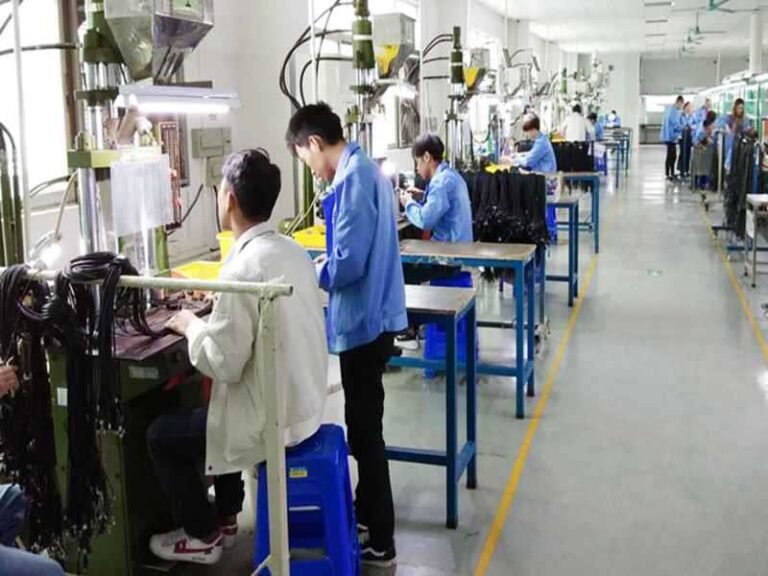
Warehouse robot cable assemblies often involve wire cutting, stripping, crimping, soldering, assembly and overmolding processes within the same build. Different structures may require different process paths.
SINO-CONN operates multiple cable assembly production lines supporting custom configurations across prototype and repeat manufacturing stages. Production processes are coordinated according to approved drawings and assembly requirements.
In-Process Inspection Helps Reduce Assembly Variation
For customized assemblies, inspection during manufacturing often becomes as important as final testing. Small differences in connector orientation or wire sequence can create installation challenges later.
SINO-CONN follows inspection procedures during assembly stages to review build consistency, structural accuracy and workmanship before products move into later production steps.
Electrical Testing Verifies Functional Performance
Warehouse robots often integrate communication signals, power systems and sensor networks into one assembly. Electrical testing helps verify functionality before validation and deployment.
Testing methods may include continuity checks, open circuit inspection, short circuit verification and pull force testing depending on project requirements.
Final Inspection Supports Shipment Quality And Traceability
Before shipment, products move through final inspection procedures to verify appearance, structure and assembly details. Inspection also helps maintain consistency across repeat production programs.
SINO-CONN supports 100% inspection before shipment. Production records and documentation workflows can also support projects requiring supplier qualification and long-term traceability.
Certifications And Compliance Support For Warehouse Robotics Supply Chains And Global OEM Requirements
Warehouse robotics projects often require more than cable performance and manufacturing capability. As products move from prototype validation into supplier qualification and production approval, engineering teams and procurement departments frequently request documentation related to quality systems, environmental regulations and manufacturing standards.
SINO-CONN supports custom cable projects with certifications and compliance documentation commonly requested across industrial automation, robotics and global OEM programs. These requirements often become part of supplier onboarding, quality review and production approval procedures.
| Certification Category | Available Support |
|---|---|
| Quality Management | ISO 9001 |
| Environmental Management | ISO 14001 |
| Medical Manufacturing | ISO 13485 |
| Assembly Standard | IPC-620 |
| Product Safety | UL |
| Material Compliance | RoHS / REACH / PFAS |
| Trade Documentation | COC / COO |
| Additional Standards | QBFA |
Quality And Manufacturing Standards Supporting Project Qualification
Warehouse robot cable assemblies often involve customized structures and repeated production requirements. As projects move toward larger quantities, qualification processes usually require suppliers to demonstrate manufacturing systems and process consistency.
SINO-CONN supports quality and manufacturing standards including ISO 9001, ISO 14001, ISO 13485, IPC-620 and UL-related requirements. These systems help support structured workflows covering engineering review, production processes and inspection procedures. For robotics companies working with OEM programs and international customers, certification support often becomes part of supplier evaluation before production release.
Environmental And Material Compliance For Global Market Requirements
Warehouse robotics equipment is frequently supplied across North America, Europe, Japan and other industrial markets where environmental compliance requirements continue evolving. Procurement teams often request material declarations and supporting documentation before approving suppliers.
SINO-CONN supports documentation including RoHS, REACH, PFAS, COC and COO requirements depending on project needs. Material compliance discussions may involve cable jackets, shielding materials, connector components and supporting parts used inside custom cable assemblies. These requirements often become especially important during long-term OEM production programs.
Documentation Support During Engineering And Supplier Approval Processes
Many robotics projects require technical and compliance documents before moving into sampling or production stages. Engineering teams often request specifications, while purchasing departments may need supporting files during internal qualification procedures.
SINO-CONN can support documentation requests involving connector specifications, cable information, production drawings, inspection records and compliance-related files where applicable. For many projects, documentation support begins early during technical discussions, helping reduce delays during supplier onboarding and approval workflows.





Global Delivery Support Designed Around Warehouse Robotics Development Schedules And OEM Production Requirements
Warehouse robot projects often follow strict development timelines. Prototype validation, system integration and production planning may all depend on receiving components at the right stage. Cable assemblies are frequently installed during later phases of robot assembly, making delivery timing closely connected with broader project schedules.
SINO-CONN supports prototype and production programs through delivery coordination and flexible shipment planning. Different logistics approaches may be used depending on project stage, urgency and production volume.

| Delivery Support | Typical Project Needs |
|---|---|
| CAD Support | As Fast As 30 Minutes |
| Urgent Samples | 2–3 Days |
| Standard Samples | Around 2 Weeks |
| Production Lead Time | 3–4 Weeks |
| MOQ | Starting From 1 Piece |
| Shipping Options | Express / Air / Sea |
Flexible Lead Times Supporting Prototype And Production Stages
Warehouse robotics projects usually move through several phases before entering repeat production. Early development often requires rapid samples for fitment and validation, while larger programs focus more on planning consistency and material coordination.
SINO-CONN supports both workflows. For selected projects, engineering review and drawing discussions may begin within as fast as 30 minutes after receiving information. Urgent sample requests can sometimes start within 2–3 days depending on material availability and structure complexity, while standard production programs generally follow planned manufacturing schedules.
Multiple Shipping Methods Supporting Global Robotics Programs
Different projects often require different delivery strategies. Prototype quantities may prioritize speed, while larger OEM programs frequently balance cost, delivery windows and shipment planning. Logistics methods often vary depending on quantity and destination.
SINO-CONN supports international shipment options including DHL, FedEx, UPS, air freight, sea freight and customer-designated forwarders. Projects are regularly delivered to robotics companies and automation manufacturers across the United States, Germany, Japan, the Netherlands and other industrial regions where warehouse automation continues expanding.
Packaging And Delivery Coordination Supporting Project Execution
Warehouse robot cable assemblies often contain compact connectors, fine conductors and customized structures requiring additional handling attention during transportation. Packaging becomes part of product protection rather than only shipment preparation.
SINO-CONN supports project coordination through individual labeling, connector protection, organized packaging and shipment communication. For ongoing programs, delivery discussions may also include revision tracking, batch planning and shipment updates, helping engineering and procurement teams maintain visibility throughout development and production cycles.
Common Reasons Warehouse Robotics Companies Start Looking For New Cable Assembly Suppliers
Most warehouse robotics companies do not actively plan to replace existing suppliers. Supplier changes usually happen after recurring engineering, sourcing or execution issues begin affecting project schedules. For AGV, AMR and warehouse automation programs, cable assemblies influence more than connectivity. They can impact installation efficiency, prototype speed, maintenance access and long-term production stability.
Many SINO-CONN projects begin after engineering teams encounter limitations with existing suppliers during development or scaling stages. In many situations, the first discussion starts with a difficult requirement, urgent schedule or structure existing suppliers could not support.

| Common Supplier Challenge | Potential Project Impact |
|---|---|
| Limited Engineering Support | Slower Product Development |
| Prototype Delays | Validation Schedule Risks |
| Communication Gaps | Repeated Revision Cycles |
| Sourcing Constraints | Production Delays |
| Low Flexibility | Difficult Design Updates |
| Inconsistent Quality | Repeat Order Concerns |
Technical Support Ends After Quotation Instead Of Continuing Through Development
Warehouse robot cable projects frequently require discussions before pricing becomes meaningful. Engineering teams may need support around connector compatibility, branch structures, cable routing and manufacturability before drawings become stable. Technical communication often continues throughout development rather than ending after RFQ submission.
Some suppliers focus mainly on pricing and production while providing limited engineering discussion. SINO-CONN regularly supports early technical reviews and feasibility discussions, helping teams evaluate difficult requirements before sample manufacturing begins.
Prototype Revisions Move Faster Than Existing Suppliers Can Respond
Warehouse robotics projects often change after prototype testing. Connector orientation, branch locations, wire definitions and cable dimensions may continue evolving through multiple development cycles. Small modifications can affect overall validation schedules.
Some suppliers struggle with fast revisions and low-volume engineering quantities. SINO-CONN supports flexible prototype workflows starting from 1 piece and can coordinate urgent samples according to project requirements. Many projects begin with validation quantities before expanding into larger programs.
Existing Suppliers Cannot Support Complex Or Non-Standard Structures
Warehouse robot cable assemblies increasingly combine power, signal, sensors, cameras and communication systems inside compact environments. Some projects require hybrid cable structures or connector configurations outside standard catalog solutions.
Projects involving difficult routing, customized pin definitions or integrated assemblies often create challenges for suppliers focused mainly on standard products. Many SINO-CONN projects begin after engineering teams discover their existing supplier cannot support required structures or modifications.
Material Availability Starts Affecting Production Stability
As warehouse robot programs move from prototypes into production, sourcing continuity becomes increasingly important. Connector allocation, material shortages and changing lead times can create unexpected risks across larger programs.
Engineering and procurement teams often begin reviewing sourcing strategies during these stages. SINO-CONN supports both original connector ecosystems and compatible alternatives across TE, Molex, JST, HRS, I-PEX and other connector systems commonly used in robotics projects.
Communication Delays Begin Affecting Project Schedules
Warehouse robotics programs usually operate under tight development timelines. Delays involving drawing confirmation, revision feedback or technical discussions can affect larger engineering schedules beyond cable production itself.
Many SINO-CONN projects begin with urgent requests involving difficult structures or compressed validation schedules. Engineering communication can continue throughout prototype, validation and repeat production stages to help reduce avoidable delays.
Scaling From Prototype To Production Becomes Difficult
Some suppliers perform well during sample stages but encounter challenges as projects move toward pilot builds and repeat manufacturing. Production consistency, documentation and coordination often become increasingly important as quantities grow.
SINO-CONN supports project workflows from prototype quantities through repeat OEM production. Drawing control, engineering coordination and inspection procedures help support smoother transitions as warehouse robotics programs scale over time.
Technical Resources Supporting Warehouse Robot Cable Design And Engineering Decisions
Warehouse robotics projects often begin before RFQ discussions and production planning. Engineering teams usually spend significant time evaluating connector selection, cable routing, signal integrity, installation space and movement conditions before designs become finalized. Technical resources frequently become part of the decision process because early design choices can influence future revisions, manufacturing efficiency and long-term maintenance.
SINO-CONN regularly supports engineering discussions around warehouse robotics cable architecture and project implementation. The following technical resources reflect subjects commonly discussed during AGV, AMR and warehouse automation development programs.

Warehouse Robot Cable Architecture Design Considerations
Warehouse robots continue integrating more functions into smaller platforms. Battery systems, communication networks, sensors and control systems frequently operate within compact structures where cable routing directly affects assembly and maintenance.
During engineering discussions, SINO-CONN often reviews cable architecture according to installation conditions and movement paths. Early structure planning can help simplify future revisions and improve assembly consistency as systems move toward prototype validation and production.
Dynamic Motion Cable Design For AGV And AMR Platforms
Steering modules, lifting systems and moving robotic sections often expose cable assemblies to repeated bending and movement cycles. Cable designs that perform well under static conditions may experience stress once installed in dynamic operating environments.
SINO-CONN frequently supports discussions involving cable movement paths, strain relief structures and routing optimization during warehouse robotics development. These considerations become increasingly important during AGV and AMR projects involving continuous movement.
EMI Reduction Methods For Robotics Communication Systems
Modern warehouse robots often combine power systems, motor drivers, communication networks and sensor devices within one platform. Electrical interference may influence communication stability, sensor performance and system consistency after deployment.
Technical discussions often involve shielding structures, grounding methods and signal routing strategies. SINO-CONN regularly supports projects requiring shielded cable structures and hybrid communication assemblies designed around application conditions.
Connector Selection Strategies For Robotics Development Programs
Connector selection often affects more than electrical connection. Installation space, maintenance access, sourcing flexibility and future production planning may all influence connector decisions throughout development.
SINO-CONN commonly supports connector ecosystems including TE, Molex, JST, HRS, I-PEX, LEMO and industrial waterproof systems used across robotics applications. Engineering discussions frequently begin around connector availability and compatibility before cable structures become finalized.
Hybrid Cable Structures For Compact Robot Platforms
Warehouse robots increasingly combine power transmission, Ethernet communication, sensor signals and control functions into integrated cable systems. Multiple independent cable assemblies may create routing challenges and reduce installation efficiency.
SINO-CONN frequently supports hybrid power and signal cable discussions designed around compact robot platforms. Integrated structures can help simplify routing and reduce cable complexity inside constrained installation environments.
Prototype Development And Validation Best Practices
Warehouse robotics projects often require several prototype cycles before production release. Validation usually continues through fitment testing, electrical verification and installation review before structures become stable.
SINO-CONN supports workflows beginning from samples, drawings, photos and engineering discussions. For selected projects, CAD support may begin within as fast as 30 minutes after receiving available information, helping teams move validation activities forward more efficiently.
Frequently Asked Questions About Custom Warehouse Robot Cable Assemblies
Warehouse robotics projects often involve engineering discussions before quotation and production begin. Questions usually extend beyond pricing and specifications because cable assemblies may influence installation efficiency, communication stability and long-term production planning. The following questions reflect topics frequently discussed with AGV manufacturers, AMR developers and warehouse automation companies working with SINO-CONN.
1. Can projects begin from photos or samples instead of drawings?
Many warehouse robotics projects begin before documentation becomes complete. Some engineering teams only have existing assemblies, connector photos or hand sketches during early development stages.
SINO-CONN regularly supports projects starting from samples, photos, connector models and application descriptions. Engineering discussions can continue while project structures evolve and production drawings can later be prepared for confirmation.
2. Can cable length, pin definitions and structures be customized?
Warehouse robot cable assemblies often require modifications during prototype stages. Changes involving cable lengths, connector orientation and branch locations frequently occur after mechanical integration and system testing.
SINO-CONN supports customization across cable structure, wire sequence, pin definitions, routing configurations and protective features. Production begins only after drawing confirmation to help reduce misunderstandings during manufacturing.
3. Can original connector brands and compatible alternatives both be supported?
Many robotics companies standardize around connector ecosystems such as TE, Molex, JST, HRS or I-PEX. At the same time, production planning may require flexibility around cost targets and material availability.
SINO-CONN supports both original connector sourcing and compatible alternatives according to project requirements. This flexibility may help improve lead time and support broader sourcing strategies during development and production.
4. Is there a minimum order quantity requirement?
Prototype projects within warehouse robotics frequently begin with small validation quantities before moving into pilot builds and repeat production stages. Early development often focuses on testing rather than purchasing volume.
Many custom cable projects supported by SINO-CONN begin from 1 piece. This flexibility helps engineering teams verify installation, functionality and system compatibility before larger manufacturing commitments.
5. How fast can prototype samples be prepared?
Sample timing often influences overall development schedules because validation activities usually depend on cable availability. Prototype speed becomes especially important during compressed engineering timelines.
For selected projects and available materials, urgent sample preparation may begin within 2–3 days. Standard sample timelines typically remain around two weeks depending on structure complexity and sourcing requirements.
6. Can NDA agreements be signed before technical discussions begin?
Warehouse robot development frequently involves confidential information including drawings, connector lists, system architecture and prototype structures. Many engineering teams prefer confidentiality agreements before sharing project data.
SINO-CONN supports NDA agreements before drawings and technical materials are exchanged. Project information management may include controlled access and internal handling procedures throughout engineering and production workflows.
7. Can engineering support help prepare drawings?
Not every robotics project begins with complete documentation. Some engineering teams only have existing cable assemblies or application requirements during early development stages.
SINO-CONN regularly supports CAD preparation, PDF confirmation files, connector discussions and technical reviews during project evaluation. For selected projects, CAD discussions can begin within as fast as 30 minutes after receiving information.
8. Can projects continue from prototypes into production programs?
Warehouse robot systems often move through several stages including concept validation, prototype testing, pilot builds and repeat production. Cable requirements may also continue evolving throughout development.
SINO-CONN supports project workflows from prototype quantities through OEM production coordination. Many long-term projects begin with small engineering requests before expanding into repeat manufacturing programs.
9. Can products be shipped globally?
Warehouse automation projects frequently involve engineering teams and production sites across multiple regions. Shipment planning often becomes part of larger project scheduling discussions.
SINO-CONN supports international shipment options including express delivery, air freight, sea freight and customer-designated logistics methods. Projects are commonly delivered to customers across the United States, Germany, Japan and other industrial markets.
10. How are custom cable assemblies inspected before shipment?
Many service robot programs begin from small engineering samples before progressing into validation activities, pilot production, and recurring manufacturing. SINO-CONN supports connected workflow from prototype development through OEM production helping maintain continuity as hardware architecture and manufacturing requirements continue evolving.
Warehouse robot cable assemblies often integrate multiple electrical functions and custom structures where consistency becomes increasingly important. Verification therefore extends beyond simple appearance inspection.
SINO-CONN supports process inspection, finished product inspection and pre-shipment inspection procedures. Products undergo 100% inspection before shipment to help verify structure, connector orientation and electrical performance requirements.

Ready To Start Your Warehouse Robot Cable Project?
From Early Concepts To Production-Ready Cable Solutions
Warehouse robotics projects often move quickly and requirements rarely stay unchanged. Some projects begin with complete engineering drawings, while others start with existing samples, connector references or a few photos. Whether the requirement involves a hybrid power and signal harness, compact routing structure, high-flex cable system or urgent prototype support, engineering discussions can begin from available information and continue through future production stages.
Many warehouse robot programs start with a difficult requirement, a structure requiring customization or a request existing suppliers could not support. Early engineering review can help simplify communication and reduce unnecessary development cycles.
Information Helpful For Faster Review
- CAD Drawings Or PDF Files
- Connector Part Numbers
- Existing Samples Or Product Photos
- Cable Length Requirements
- Pin Definitions Or Wiring Information
- Estimated Quantity And Project Stage