Skip to content
Custom Service Robot Cable Assembly Manufacturer
Custom Cable Systems For Delivery Robots, Hotel Robots, Medical Robots, Reception Robots And Intelligent Service Platforms
Service robots integrate displays, cameras, batteries, navigation modules, communication systems, AI hardware, sensors, and embedded electronics into compact structures designed for continuous commercial operation. SINO-CONN supports custom service robot cable assemblies from prototype development through OEM production, including miniature cable structures, multi-branch architectures, mixed signal systems, and connector integration for evolving robot platforms.
- Prototype Starting From 1 Piece
- Support 20–512+ Signal Paths
- Miniature Coax Down To 50AWG
- CAD Support In As Fast As 30 Minutes
- JST / HRS / I-PEX / Molex Connector Ecosystems
- Prototype To OEM Manufacturing Workflow
Why Service Robot Teams Work With SINO-CONN
Service robot projects often move faster than traditional industrial equipment development. Display structures change, battery layouts evolve, camera systems move, and routing pathways frequently require adjustment after physical testing begins. Many teams start supplier discussions long before final production drawings become available. SINO-CONN supports service robot cable development through engineering collaboration, prototype capability, connector integration, and recurring manufacturing workflow designed for evolving robot platforms.
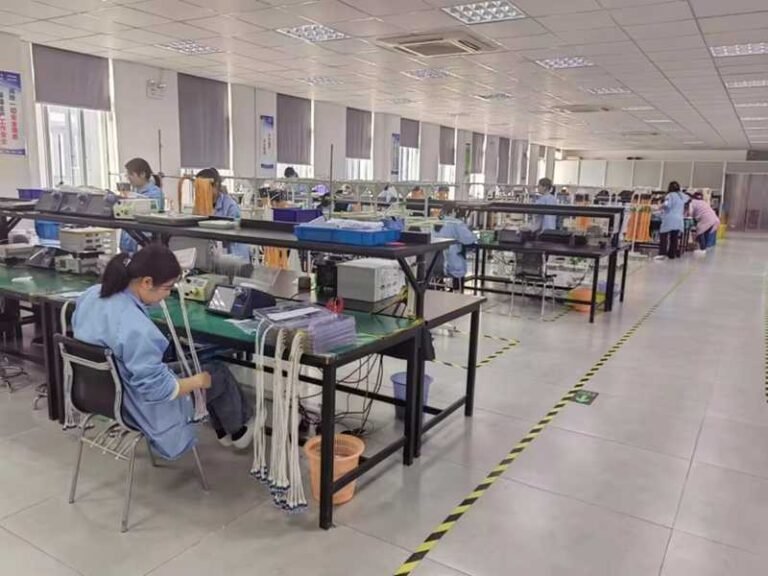
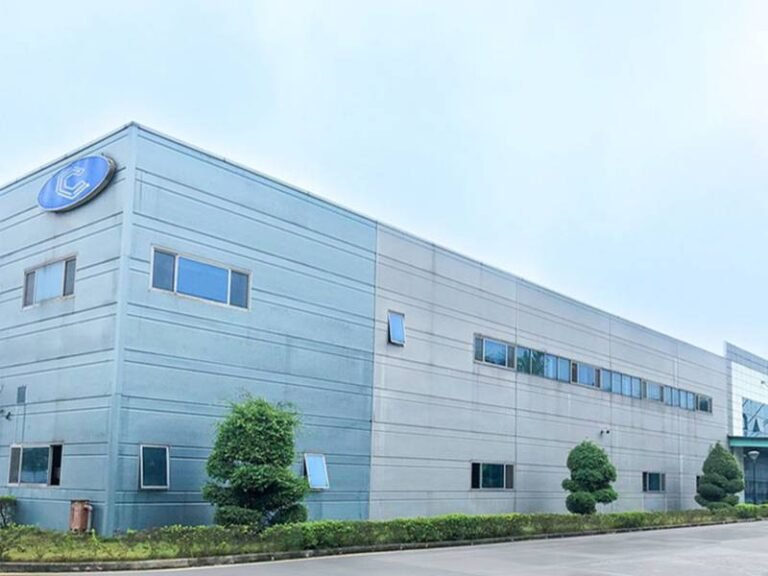
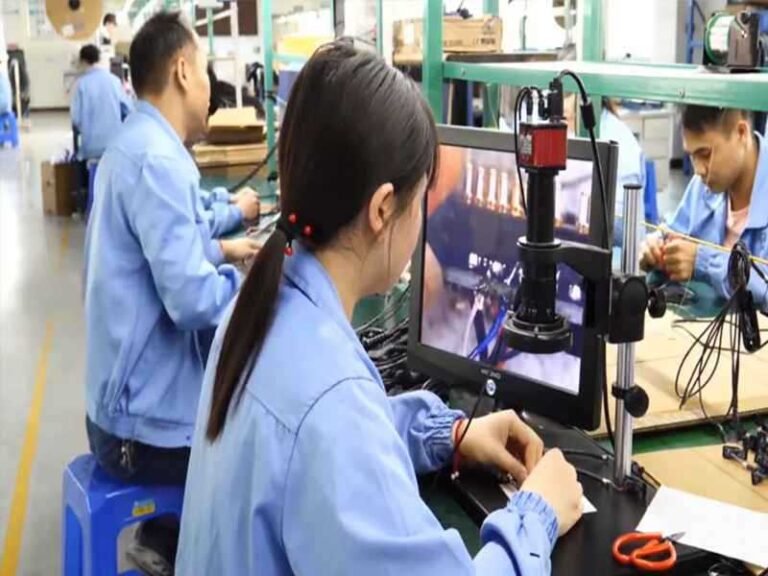
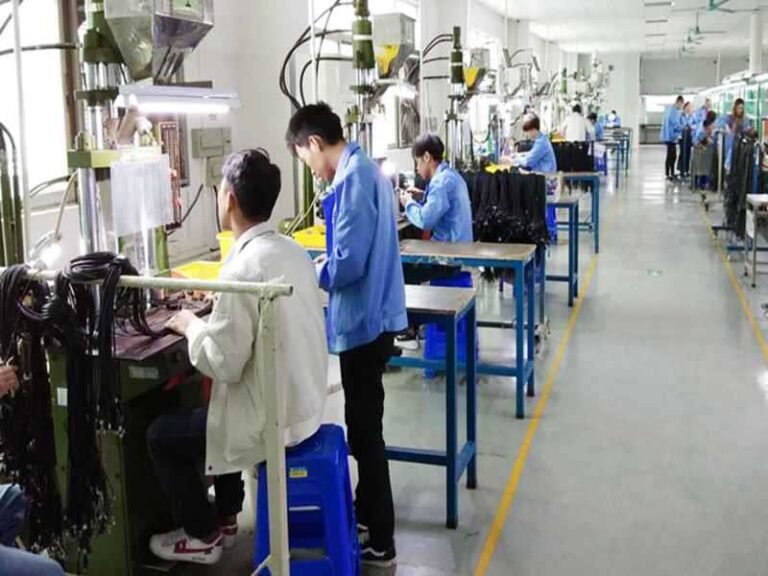
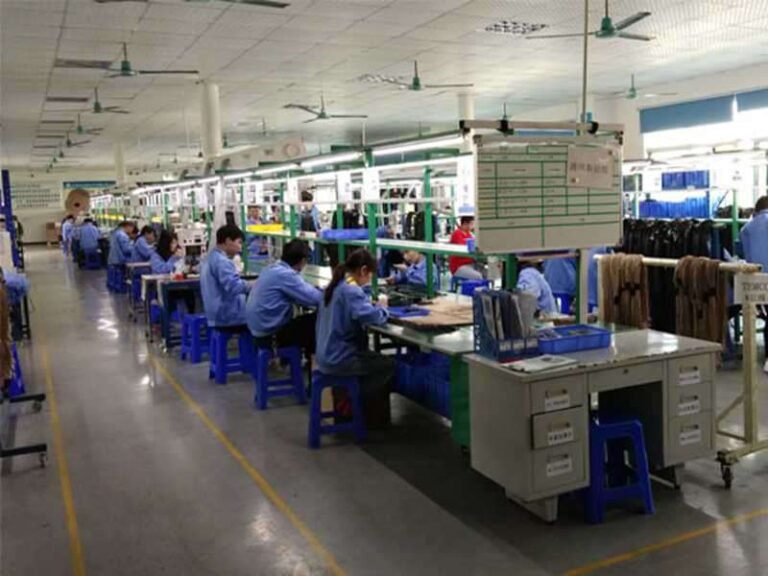
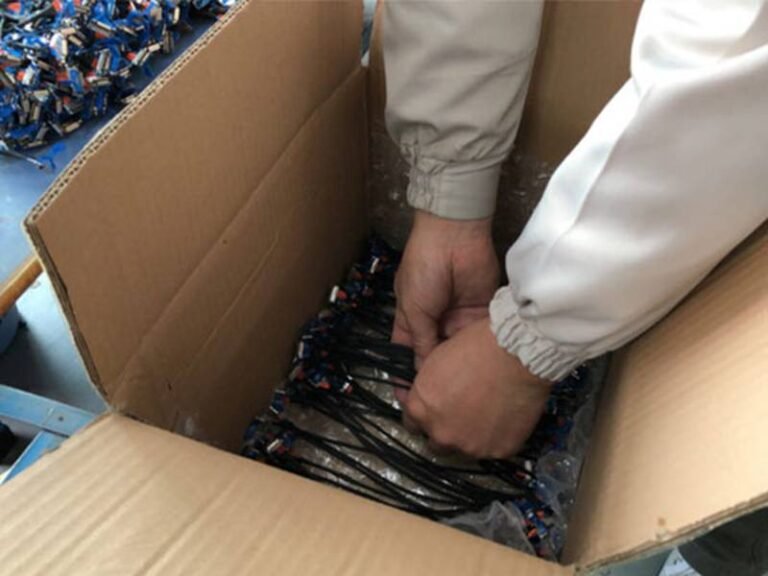
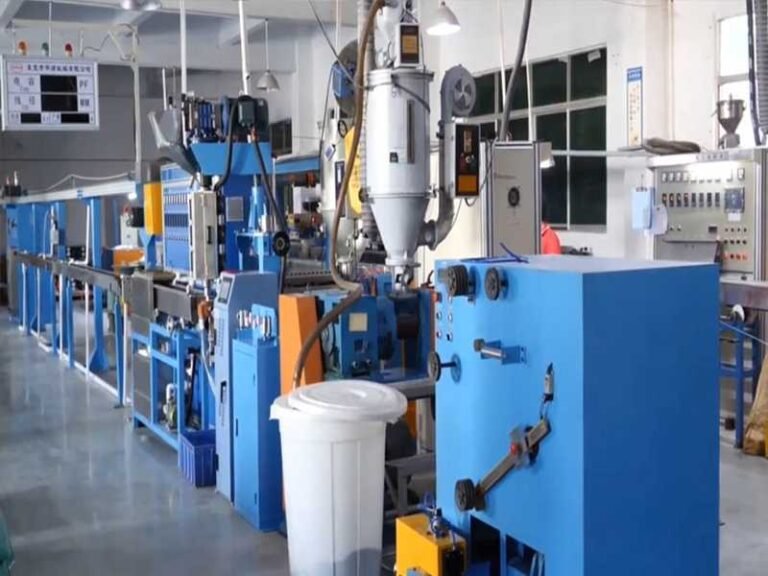
Engineering Collaboration Starts Before Hardware Architecture Becomes Stable
Service robot development frequently begins with installation screenshots, CAD files, prototype photos, connector references, or mechanical concepts rather than complete cable drawings. During hardware validation, display locations, battery structures, navigation modules, charging systems, and sensor architecture may continue changing. SINO-CONN regularly supports engineering discussions before designs become finalized, helping teams convert early concepts into manufacturable cable structures. Drawing support may begin from sketches or existing samples, while urgent projects can support engineering response and CAD review within very short project windows.
Miniature Processing Capability Supports Compact Service Robot Structures
Commercial robots continue integrating more electronics into smaller internal environments. Cameras, displays, speakers, AI modules, communication systems, and sensors frequently compete for installation space. SINO-CONN supports miniature manufacturing capability including coax processing down to 50AWG and ultra-fine wire processing capability reaching OD 0.01mm structures for specialized applications. Cable assemblies may support 20–512+ signal pathways and cable lengths from 30 mm to more than 10 meters according to actual robot architecture requirements.
Connector Integration Capability Supports Complex Electronic Ecosystems
A single service robot may simultaneously combine display systems, communication modules, embedded processors, charging interfaces, cameras, navigation systems, and distributed sensor platforms. Different subsystems frequently require different connector standards. SINO-CONN works with long-term material and connector partners supporting JST, HRS, I-PEX, Molex, TE, JAE, Samtec, LEMO, Amphenol, waterproof connectors, and project-specific interface requirements. Support for both original and compatible solutions helps improve sourcing flexibility during prototype and recurring production stages.
One Workflow Supports Prototype Development Through OEM Production
Most service robot projects begin with engineering samples and later progress into validation builds, pilot programs, and recurring manufacturing. SINO-CONN integrates engineering support, sample workshops, production lines, and material coordination into one workflow. Sample quantities may begin from one piece with no MOQ requirement. Standard sample schedules generally require around two weeks, while urgent projects may support accelerated delivery according to material readiness and project conditions. Before manufacturing begins, drawings are reviewed and confirmed to support production accuracy and recurring consistency.
Service Robot Wiring Challenges
Unlike fixed automation equipment, service robots operate in continuously changing environments where movement, charging, sensing, communication, and human interaction occur simultaneously. Internal wiring systems frequently share space with displays, battery packs, AI processors, cameras, speakers, navigation modules, motors, and embedded controllers. As commercial robots become smaller and more intelligent, cable architecture increasingly influences assembly efficiency, maintenance workflow, and long-term operating stability. During development stages, SINO-CONN regularly supports projects where routing strategy continues changing throughout prototype validation and hardware optimization.

Compact Internal Space Creates Routing And Installation Pressure
Service robots increasingly integrate larger displays, navigation systems, embedded cameras, speakers, wireless modules, and battery systems into compact body structures. Mechanical teams often optimize industrial design and external appearance first, leaving cable pathways to adapt later. As installation space becomes more limited, routing conflicts may appear during assembly validation. Cable exits, connector dimensions, branch structures, and installation direction frequently become difficult to adjust after structural design stabilizes. SINO-CONN commonly supports projects beginning from CAD screenshots and installation images where routing pathways require optimization before pilot manufacturing starts.
Mixed Signal Systems Create Complex Internal Architecture
Modern service robots rarely rely on one electrical system. Power systems, displays, communication modules, cameras, sensors, charging systems, AI processors, and navigation electronics frequently operate together inside one machine. Different signal environments often require different cable structures, shielding methods, and connector combinations. Routing organization becomes increasingly important as hardware density increases. SINO-CONN supports mixed architecture assemblies involving miniature coax, signal wire, shielded structures, and multi-branch harness systems according to actual project requirements.
Continuous Commercial Operation Increases Reliability Requirements
Research platforms may operate only during laboratory testing, but commercial service robots often work for long hours every day inside hotels, hospitals, office buildings, restaurants, airports, and retail environments. Repeated operation creates long-term stress across charging structures, movement systems, and internal cable pathways. A connector issue or unstable cable structure can create downtime and maintenance costs after deployment. Long operating cycles frequently require greater attention to routing organization and recurring manufacturing consistency.
Dynamic Structures Frequently Create Cable Movement Stress
Although service robots do not contain humanoid-level movement complexity, many systems still involve repetitive movement. Rotating displays, charging doors, moving head systems, lifting structures, interactive arms, and adjustable modules frequently create dynamic environments where cable pathways continuously change. Poor movement management may introduce cable stress or assembly limitations over time. During engineering discussions, SINO-CONN frequently reviews installation structure and movement areas before finalizing cable architecture.
Connector Density Frequently Creates Assembly Difficulties
As sensor quantity and electronic integration continue increasing, connector concentration around controller systems frequently becomes difficult to manage. Cameras, charging systems, microphones, displays, communication boards, navigation modules, and AI platforms may require different interfaces operating simultaneously inside compact structures. Larger connectors or unorganized branch layouts may increase assembly complexity and debugging time. SINO-CONN supports connector ecosystems including JST, HRS, I-PEX, Molex, TE, Samtec, and miniature interface systems helping support compact robot architecture.
Maintenance Accessibility Is Often Considered Too Late
Many robot programs focus heavily on hardware integration during development but give less attention to future service workflow. Commercial robots deployed in public environments eventually require maintenance activities involving batteries, sensors, displays, communication modules, or electronic replacement. Connector accessibility, branch identification, installation sequence, and modular architecture frequently influence maintenance efficiency after deployment. SINO-CONN regularly supports projects where cable organization considers future installation and service workflow together with initial production requirements.
Why Service Robot Companies Choose SINO-CONN
Service robot development frequently moves through repeated hardware updates before a platform reaches stable production. Display systems change, battery structures move, sensor quantities increase, and routing pathways often require adjustment after physical validation begins. Many cable suppliers focus primarily on processing drawings, while service robot projects often require engineering communication, flexible manufacturing, miniature capability, and fast responsiveness. SINO-CONN supports service robot programs through engineering collaboration, integrated supply resources, and manufacturing workflow designed for projects evolving from prototype development into recurring OEM production.

Fast Engineering Support Helps Reduce Development Delays
Service robot engineering teams frequently require quick discussions around connector compatibility, routing structures, cable dimensions, and installation feasibility. Many projects begin with installation photos, CAD screenshots, sketches, or existing samples instead of complete documentation. Delayed communication often slows hardware schedules and prototype validation. SINO-CONN regularly supports early engineering discussions and drawing review before projects become finalized. For urgent requests, engineering response and CAD-to-PDF workflow can support accelerated project schedules depending on complexity and available information.
Flexible Manufacturing Supports Continuous Robot Revisions
Robot platforms frequently change during validation activities. Display structures may shift, branch locations may require adjustment, and signal definitions often evolve after physical testing begins. Traditional production models may struggle supporting repeated updates. SINO-CONN supports one-piece sample quantities without MOQ limitations and flexible manufacturing workflow helping teams validate structures before recurring production begins. Standard sample schedules generally require around two weeks, while urgent projects may support faster delivery according to project conditions.
Miniature Capability Supports High-Density Robot Architecture
Commercial service robots increasingly integrate displays, cameras, microphones, navigation systems, communication modules, charging systems, and embedded electronics inside limited internal spaces. Cable dimensions often become part of the mechanical challenge rather than only an electrical requirement. SINO-CONN supports miniature coax capability down to 50AWG and OD 0.01mm fine wire processing for compact structures requiring specialized routing capability. Assemblies may support cable lengths from 30 mm to 10m+ and architectures ranging from 20 to 512+ signal pathways.
Integrated Supply Resources Support Long-Term Manufacturing Stability
Service robots frequently combine multiple connector ecosystems and material requirements inside one platform. Cameras, displays, communication systems, charging interfaces, waterproof structures, and navigation hardware may all require different sourcing channels. SINO-CONN maintains long-term cooperation with cable manufacturers, connector suppliers, overmolding facilities, shielding material partners, and component manufacturers supporting JST, HRS, I-PEX, Molex, TE, JAE, Samtec, Amphenol, LEMO, and related connector ecosystems. Integrated sourcing support helps improve material responsiveness and recurring production continuity.
Service Robot Cable Assembly Types
Service robots integrate a wide range of electronic systems including displays, navigation platforms, battery modules, charging systems, cameras, communication hardware, embedded controllers, and distributed sensors. Different robot areas frequently require different cable architectures because installation space, movement conditions, signal environments, and maintenance requirements vary significantly. A camera module inside a reception robot may require miniature coax structures, while a delivery robot battery system may require mixed power harnesses and charging cable integration. SINO-CONN supports custom cable assemblies ranging from miniature signal structures to high-density multi-branch architectures supporting cable lengths from 30 mm to 10m+ and 20–512+ signal paths.
| Cable Assembly Type | Primary Function | Typical Installation |
|---|---|---|
| Multi-Branch Harness | Signal distribution | Torso systems |
| Display Cable Assembly | Human interaction systems | Head modules |
| Miniature Signal Assembly | Compact routing | Embedded electronics |
| Coaxial Cable Assembly | Vision transmission | Camera systems |
| Mixed Power Harness | Power + signal integration | Central platforms |
| Shielded Cable Assembly | EMI management | AI systems |

Multi-Branch Harness Supports Distributed Robot Architecture
Service robots often distribute electronic systems throughout displays, cameras, speakers, battery structures, navigation modules, charging systems, and embedded electronics. Multiple systems frequently converge inside compact body structures where organized branch architecture becomes increasingly important. Multi-branch cable assemblies help reduce routing complexity while improving assembly efficiency and maintenance accessibility. SINO-CONN regularly supports custom branch configurations according to CAD structures and installation requirements.
Typical Characteristics
- Multi-zone electrical distribution
- Organized branch architecture
- Compact internal routing
- High-density signal integration
- Flexible installation layouts
Typical Applications
- Main body structures
- Distributed controller systems
- Sensor platforms
- Central robot architecture

Display Cable Assemblies Support Human Interaction Platforms
Reception robots, guide robots, hotel robots, and retail service robots frequently use display systems as the primary interaction interface. Display systems often combine screens, touch panels, cameras, microphones, and AI modules operating within compact structures. Cable assemblies supporting these systems frequently require stable signal pathways and organized routing geometry.
Typical Characteristics
- Compact cable structures
- Flexible installation pathways
- Dense connector environments
- Stable signal transmission
- Space-efficient architecture
Typical Applications
- Reception robots
- Information robots
- Interactive systems
- Smart display platforms

Miniature Signal Assemblies Support Embedded Electronic Systems
Commercial robots increasingly integrate sensors, microphones, communication modules, embedded processors, and compact control electronics within small installation spaces. Standard cable dimensions may create routing limitations as electronic density increases. SINO-CONN supports miniature processing capability including 50AWG coax and ultra-fine wire processing supporting compact signal structures.
Typical Characteristics
- Small cable dimensions
- Compact connector integration
- Reduced routing occupation
- High-density architecture support
- Flexible installation capability
Typical Applications
- Sensor systems
- Embedded modules
- Internal electronics
- Compact control structures

Coaxial Cable Assemblies Support Navigation And Vision Systems
Vision capability increasingly influences service robot performance. Cameras, AI vision systems, embedded processors, and navigation modules frequently require compact signal structures supporting organized routing pathways. Coaxial cable architecture often becomes important in environments where installation space remains limited. SINO-CONN supports miniature coax processing capability down to 50AWG according to project requirements.
Typical Characteristics
- High-speed signal support
- Compact cable geometry
- Shielded transmission structures
- Flexible routing capability
- Dense electronic integration
Typical Applications
- Camera systems
- Navigation electronics
- AI processing platforms
- Embedded communication systems

Mixed Power Harness Supports Central Electronic Platforms
Battery systems, charging modules, embedded processors, communication systems, and controllers frequently coexist throughout service robot structures. Power pathways and signal systems often require integration inside one organized architecture helping reduce installation complexity.
Typical Characteristics
- Mixed signal architecture
- Combined power distribution
- Flexible electrical pathways
- Organized internal routing
- Integrated system support
Typical Applications
- Battery modules
- Charging systems
- Main controllers
- Central electronic platforms

Shielded Cable Assemblies Support Dense Electronic Environments
Modern service robots increasingly combine wireless communication systems, navigation modules, cameras, processors, and embedded electronics operating simultaneously within compact structures. As electronic density increases, signal organization and EMI considerations become more important. SINO-CONN supports shielding structures according to project requirements and installation conditions.
Typical Characteristics
- Shielded signal pathways
- Dense electronics support
- Compact architecture integration
- Stable routing organization
- Flexible installation environments
Typical Applications
- AI systems
- Communication platforms
- Sensor electronics
- Navigation systems
Service Robot Internal Wiring Architecture
Service robots combine navigation electronics, cameras, displays, communication systems, embedded processors, batteries, charging structures, speakers, and sensor platforms within increasingly compact product designs. Internal wiring architecture influences installation efficiency, maintenance accessibility, manufacturing repeatability, and future hardware expansion. In many projects, cable architecture begins influencing mechanical decisions long before production starts because routing pathways become difficult to modify after structural validation. SINO-CONN regularly supports service robot projects beginning from CAD structures, installation photos, and prototype systems where wiring architecture continues evolving throughout development.

| Robot Area | Main Systems | Architecture Focus |
|---|---|---|
| Head | Display + cameras | Compact signal routing |
| Neck | Transition structures | Dynamic pathways |
| Torso | Controllers + AI | Multi-branch architecture |
| Battery Area | Charging systems | Power organization |
| Arm Systems | Interaction modules | Flexible routing |
| Base Platform | Navigation systems | Mixed cable integration |
Head Architecture Integrates Display, Camera, And Interaction Systems
Service robot head systems frequently become the center of customer interaction. Displays, microphones, speakers, AI modules, cameras, embedded processors, and communication systems often operate together inside highly compact spaces. Internal installation pathways frequently become limited because display hardware and visual interaction systems occupy large portions of available structure. Cable routing inside head modules often requires compact geometry, miniature connector systems, and organized branch architecture. SINO-CONN commonly supports miniature cable structures and connector integration for projects where head architecture continues evolving throughout development.
Typical Characteristics
- Compact installation environments
- Dense electronic integration
- Camera and display coexistence
- Embedded communication systems
- High connector concentration
Neck Structures Frequently Become Dynamic Transition Zones
The neck area often acts as the connection point between upper display structures and central electronics inside the robot body. Routing pathways passing through this zone frequently support rotational movement and repeated operation cycles. As displays rotate or interactive systems move, cable pathways continuously change geometry during operation. Poor organization may complicate installation and future maintenance workflow. SINO-CONN frequently reviews installation images and mechanical movement structures during prototype stages to optimize transition routing environments.
Typical Characteristics
- Rotational movement pathways
- Dynamic cable geometry
- Compact routing environments
- Flexible transition structures
- Continuous movement conditions
Torso Architecture Frequently Becomes The Central Distribution Area
Main controllers, AI processors, battery management systems, communication modules, charging systems, and embedded computing hardware frequently concentrate inside torso environments. Electrical architecture often expands throughout development as additional hardware modules become integrated. Multi-branch harness systems commonly improve cable organization and simplify installation activities. SINO-CONN supports custom branch structures according to routing requirements and installation layouts supporting architectures from 20 to 512+ signal pathways.
Typical Characteristics
- Multi-zone distribution architecture
- Dense electronic integration
- Central cable routing pathways
- Mixed signal environments
- High signal concentration
Battery Areas Require Organized Power Distribution Structures
Battery systems often support motors, charging electronics, navigation systems, and distributed hardware platforms simultaneously. Power pathways frequently coexist with signal wiring inside restricted installation environments. Routing organization becomes increasingly important because battery areas often require maintenance accessibility after deployment. Service robot development teams frequently modify battery structures throughout validation activities creating additional routing challenges.
Typical Characteristics
- Mixed signal environments
- Charging integration requirements
- Power distribution pathways
- Compact installation conditions
- Service accessibility considerations
Arm Systems Support Interaction And Functional Activities
Many service robots include movement systems supporting carrying tasks, customer interaction, gesture functions, or operational activities. Cable structures operating within arm environments often require flexible pathways supporting repetitive movement conditions while maintaining organized installation architecture. During engineering discussions, SINO-CONN frequently reviews cable exits and movement areas according to actual operating conditions.
Typical Characteristics
- Repetitive movement environments
- Flexible routing pathways
- Compact branch structures
- Embedded electronics coexistence
- Dynamic installation geometry
Base Platforms Integrate Navigation And Mobility Systems
The lower body area frequently contains motors, LiDAR systems, wheel modules, sensors, communication electronics, and battery architecture. Base systems commonly operate under vibration and long operating cycles while supporting continuous movement across public environments. Cable organization inside these structures frequently influences assembly workflow and maintenance accessibility. SINO-CONN regularly supports mixed cable architectures combining signal pathways, power systems, and navigation hardware according to installation conditions.
Typical Characteristics
- Continuous operating environments
- Navigation system integration
- Mixed electrical structures
- Compact installation pathways
- Service-oriented architecture
Dynamic Motion Cable Strategy
Unlike fixed automation equipment, service robots continuously move through commercial environments where navigation, interaction, charging, and user-facing activities occur repeatedly throughout daily operation. Rotating displays, moving structures, charging doors, arm systems, and mobile platforms create cable movement conditions that may gradually affect routing stability and maintenance efficiency. Dynamic cable strategy therefore becomes part of overall robot architecture rather than only an electrical design consideration. During service robot projects, SINO-CONN regularly reviews CAD structures, installation pathways, and movement areas before prototype manufacturing begins to reduce routing risks and improve long-term usability.

| Dynamic Area | Movement Type | Cable Strategy Focus |
|---|---|---|
| Neck Systems | Rotation | Flexible transitions |
| Arm Modules | Repetitive movement | Motion pathway control |
| Charging Structures | Open / close cycles | Bend management |
| Mobile Platforms | Vibration | Retention stability |
| Service Access Areas | Maintenance movement | Organized architecture |
Neck Structures Frequently Create Rotational Routing Challenges
Many service robots integrate rotating displays, AI cameras, microphones, speakers, and communication systems inside upper structures connected through neck assemblies. Routing pathways passing through these transition zones frequently experience repeated movement during interaction activities. Internal cable geometry may continuously change as the display rotates or user interaction functions operate throughout daily use. If cable pathways become too tight or installation routes remain unorganized, maintenance and long-term operation may become increasingly difficult. SINO-CONN frequently evaluates movement areas during engineering review to optimize cable exits, branch directions, and routing flexibility before prototype validation begins.
Typical Characteristics
- Rotational cable environments
- Dynamic geometry changes
- Compact transition spaces
- Dense electronics coexistence
- Continuous operating movement
Arm Modules Frequently Require Repetitive Movement Support
Some service robots support carrying functions, object interaction, delivery assistance, gesture activities, and user-facing motion systems. Internal cable structures operating inside arm assemblies often move repeatedly throughout operation while sharing installation space with motors, sensors, and embedded electronics. Routing pathways may change continuously depending on movement range and installation geometry. Cable organization therefore frequently influences assembly workflow and future maintenance accessibility. SINO-CONN regularly supports projects involving flexible branch structures and organized movement pathways according to installation environments.
Typical Characteristics
- Repetitive movement cycles
- Flexible routing structures
- Embedded electronics integration
- Compact installation conditions
- Dynamic pathway requirements
Charging Structures Experience Continuous Mechanical Movement
Commercial robots frequently operate with docking systems, charging doors, battery access modules, or service structures opening and closing repeatedly throughout product life cycles. Cable assemblies around these locations often experience long-term movement conditions while sharing installation space with charging systems and electronic hardware. Routing organization in these structures frequently influences both cable stability and service workflow after deployment. SINO-CONN often reviews charging structures and installation pathways during engineering discussions to support practical cable architecture.
Typical Characteristics
- Repeated movement environments
- Charging pathway coexistence
- Mechanical transition areas
- Flexible routing requirements
- Long-term operation conditions
Mobile Platforms Operate Under Continuous Vibration Conditions
The lower body of service robots frequently contains motors, navigation systems, wheel structures, LiDAR modules, batteries, and distributed electronics operating under continuous movement conditions. Unlike stationary systems, mobile platforms experience repeated vibration and directional changes throughout operation. Internal cable structures may require organized retention strategies helping maintain routing consistency and reduce installation movement throughout product operation cycles.
Typical Characteristics
- Continuous vibration environments
- Navigation coexistence
- Compact internal structures
- Mixed electronic architecture
- Long operation conditions
Service Accessibility Influences Dynamic Cable Organization
Dynamic cable architecture frequently affects future service activities beyond initial installation requirements. Battery replacement, module upgrades, connector access, and hardware maintenance may require repeated movement or disassembly activities after deployment. Poor branch organization and inaccessible cable structures may increase service complexity and downtime. SINO-CONN regularly supports engineering review involving installation sequence, connector orientation, cable organization, and maintenance workflow helping improve long-term usability after production begins.
Typical Characteristics
- Modular architecture support
- Connector accessibility planning
- Structured branch organization
- Maintenance workflow consideration
- Flexible installation environments
Miniature Cable Technologies
Service robots continue integrating larger amounts of computing power, sensors, displays, communication hardware, cameras, speakers, batteries, and embedded electronics into increasingly compact structures. As robot platforms become thinner, lighter, and more functionally dense, internal wiring architecture faces growing installation pressure. Cable dimensions frequently become a mechanical challenge as much as an electrical requirement. Miniature cable technologies help improve routing flexibility, reduce occupied space, simplify assembly, and support future hardware expansion. SINO-CONN supports miniature processing capability for compact service robot projects involving fine wire structures, miniature coax systems, compact connector ecosystems, and high-density signal integration.

Miniature Coax Supports Camera And Vision System Integration
Modern service robots increasingly depend on cameras and visual processing systems for navigation, obstacle avoidance, autonomous movement, and interaction functions. Camera modules frequently operate inside highly restricted installation environments where conventional cable structures may occupy excessive routing space. Smaller coaxial architectures improve installation flexibility and support compact signal pathways. SINO-CONN supports miniature coax processing capability down to 50AWG for projects requiring compact routing structures and high-density internal layouts.
Fine Wire Processing Supports Compact Electronic Architecture
Many service robot electronics operate inside spaces measured in millimeters where installation pathways become increasingly restricted. Sensors, microphones, communication modules, and compact control electronics frequently coexist within dense environments requiring smaller cable structures. SINO-CONN supports OD 0.01mm ultra-fine wire processing capability used in specialized miniature routing environments where installation flexibility and space utilization become increasingly important.
Compact Connector Ecosystems Improve Internal Space Efficiency
Internal robot architecture frequently combines displays, cameras, communication systems, charging structures, AI modules, embedded processors, and distributed sensors operating simultaneously throughout limited installation space. Larger connector systems may increase assembly complexity and consume valuable routing areas. SINO-CONN supports connector ecosystems including JST, I-PEX, HRS, Molex, TE, JAE, Samtec, and miniature connector solutions according to actual project requirements.
High-Density Signal Integration Supports Future Hardware Expansion
Commercial service robots frequently continue evolving after initial product launch. Additional cameras, upgraded communication systems, navigation modules, and embedded electronics often increase signal requirements throughout later hardware generations. SINO-CONN supports custom cable architectures ranging from 20 to more than 512 signal pathways according to robot platform requirements, helping support both prototype validation and recurring manufacturing workflow.
Service Robot Connector Ecosystem
Modern service robots rarely rely on a single connector standard. Internal architectures frequently combine display systems, embedded cameras, communication modules, charging platforms, navigation electronics, AI processors, battery systems, microphones, sensors, and distributed control hardware operating together inside one machine. Different electrical systems often require different interface standards according to signal type, installation space, operating conditions, and maintenance requirements. Connector selection therefore influences not only electrical performance but also installation workflow, future revisions, sourcing flexibility, and recurring production stability. SINO-CONN regularly supports service robot projects where connector architecture continues evolving throughout prototype and validation stages.

| Connector Category | Typical Usage | Common Ecosystems |
|---|---|---|
| Signal Connectors | Embedded electronics | JST / HRS |
| Miniature Connectors | Compact systems | I-PEX / JAE |
| Board Interfaces | Processing platforms | Molex / TE |
| High-Speed Systems | Cameras & AI | Samtec / Coax |
| Waterproof Interfaces | External structures | IP-rated connectors |
| Specialized Systems | Mixed architecture | LEMO / Custom |
Service Robot Platforms Frequently Combine Multiple Connector Standards
A single service robot may simultaneously integrate navigation systems, touch displays, communication modules, AI processors, charging systems, cameras, battery structures, and distributed sensor electronics. Different modules frequently require different connector architectures because installation environments and signal requirements vary throughout the machine. SINO-CONN supports connector ecosystems including JST, HRS, I-PEX, Molex, TE, JAE, Samtec, LEMO, Amphenol, Honda and waterproof connector systems, helping support both compact embedded electronics and larger mixed-system robot platforms.
Original And Compatible Connector Solutions Support Different Development Strategies
Service robot projects frequently operate under different cost structures and development schedules. Some engineering teams prioritize original branded components for long-term product planning, while others focus on shorter lead times and faster prototype validation. Original connectors may involve higher pricing and longer supply schedules, while compatible solutions often provide greater flexibility for sample development and smaller production quantities. SINO-CONN supports both original and compatible connector solutions according to project requirements, helping development teams balance sourcing flexibility, engineering validation, and recurring manufacturing considerations.
Connector Selection Frequently Influences Installation And Manufacturing Workflow
Connector decisions made during early development frequently affect much more than electrical connection requirements. Connector dimensions influence branch exits, installation sequence, routing geometry, assembly accessibility, and future maintenance workflow. Many service robot projects begin from connector part numbers, photos, or reference samples before complete drawings become available. SINO-CONN regularly supports engineering review beginning from existing connectors and installation concepts, helping convert early-stage requirements into practical cable architecture for prototype and recurring production environments.
Service Robot Cable Assembly Manufacturing Process
Service robot cable assemblies frequently involve more complexity than conventional wire harness projects. Internal architectures often combine miniature structures, mixed signal systems, multiple connector ecosystems, compact routing environments, shielded cable requirements, and evolving hardware designs. Manufacturing workflow therefore extends beyond simple cable processing. Production consistency, drawing control, material coordination, and inspection workflow frequently influence development speed and recurring manufacturing reliability. SINO-CONN integrates engineering teams, sample workshops, production lines, and long-term supply partners into one workflow supporting service robot projects from prototype development through recurring OEM manufacturing.

Requirement Review Begins Before Manufacturing Activities Start
Service robot projects frequently begin before complete documentation becomes available. Engineering teams may initially provide CAD screenshots, installation photos, sketches, connector references, or existing samples rather than finalized production packages. During early communication stages, display systems, charging structures, battery locations, communication modules, and navigation architecture may continue changing. SINO-CONN regularly reviews installation conditions, signal requirements, movement environments, and connector systems before production workflow begins, helping reduce engineering uncertainty during later stages.
Drawing Confirmation Supports Stable Production Workflow
Cable assemblies inside service robots often involve branch structures, compact routing geometry, pin definitions, signal pathways, connector combinations, and installation constraints that require clear verification before manufacturing begins. Drawings frequently become the bridge between engineering concepts and production execution. SINO-CONN provides drawing support according to project requirements and all manufacturing activities proceed only after customer confirmation. Depending on project conditions and available information, urgent projects may support accelerated CAD response activities.
Material Coordination Supports Multi-System Integration Requirements
Service robots rarely use one material ecosystem throughout an entire platform. Camera systems, displays, communication electronics, charging systems, navigation modules, and embedded hardware frequently require different wire structures, shielding materials, connector systems, and overmold requirements. SINO-CONN maintains long-term cooperation with cable suppliers, connector manufacturers, terminal partners, overmolding facilities, and shielding material providers helping support responsive sourcing capability throughout prototype and recurring production stages.
Wire Processing Supports Consistent Cable Preparation
Cable processing workflow influences assembly consistency and dimensional accuracy throughout manufacturing activities. Different robot projects frequently involve signal wires, miniature coaxial structures, electronic cable systems, and custom cable combinations according to architecture requirements. SINO-CONN supports cable lengths ranging from approximately 30 mm to over 10 meters depending on installation environments and project specifications.
Assembly Production Supports Complex Harness Architecture
Modern service robot platforms increasingly combine displays, cameras, batteries, embedded electronics, sensors, communication systems, and distributed control structures inside compact environments. Assembly workflow therefore frequently includes branch organization, connector integration, signal routing structures, and installation-oriented cable architecture. Production teams regularly support mixed signal structures and multi-branch harness systems according to actual robot requirements.
Miniature Processing Supports Compact Robot Structures
Compact service robots frequently require specialized processing capability where standard manufacturing methods become difficult to apply. Internal environments increasingly involve miniature signal structures, ultra-small connector systems, compact routing pathways, and limited installation space. SINO-CONN supports miniature coax processing capability down to 50AWG and ultra-fine wire processing capability reaching OD 0.01mm for specialized compact applications requiring precision handling capability.
Inspection And Testing Support Production Consistency
Quality verification frequently occurs throughout production workflow rather than only after manufacturing completion. Service robot cable assemblies often involve dense signal environments and complex architecture requiring multiple verification stages. SINO-CONN follows structured inspection workflow including process inspection, completed assembly inspection, and pre-shipment verification helping support manufacturing consistency and recurring production reliability.
Packaging And Shipment Support Global Project Delivery
Service robot development programs frequently involve international engineering teams, purchasing departments, and manufacturing schedules operating across multiple regions. Packaging workflow and shipment preparation therefore become part of project execution rather than final administrative activities. SINO-CONN supports shipment coordination through international logistics channels according to project urgency and customer delivery requirements.
Quality Control & Functional Testing
Service robots operate in commercial environments where reliability directly affects operating continuity and user experience. A loose connector, unstable signal pathway, incorrect pin assignment, or cable failure may create downtime affecting navigation systems, displays, charging functions, communication hardware, and embedded electronics. Cable quality therefore extends beyond appearance inspection and becomes part of overall system reliability. SINO-CONN follows a structured quality workflow combining process inspection, functional verification, and pre-shipment validation to support recurring production consistency across prototype and OEM projects.


Process Inspection Begins During Manufacturing Rather Than After Completion
Service robot cable assemblies frequently involve miniature structures, multiple connector ecosystems, mixed signal environments, branch architectures, and installation-specific requirements. Waiting until production completion to identify issues may create unnecessary delays and material waste. SINO-CONN follows a process inspection workflow covering manufacturing activities throughout cable preparation, assembly operations, connector integration, and structural verification stages. Production teams review cable dimensions, branch exits, connector orientation, labeling consistency, assembly conditions, and process details while manufacturing remains active. This workflow supports projects involving repeated engineering updates and recurring production requirements where consistency becomes increasingly important.
Functional Testing Supports Electrical Stability And Assembly Accuracy
Service robot systems frequently integrate cameras, AI processors, displays, communication modules, sensors, navigation hardware, charging systems, and embedded control electronics operating simultaneously inside compact architectures. Functional testing therefore extends beyond simple continuity verification. SINO-CONN supports testing workflow including continuity inspection, open and short verification, connector locking confirmation, signal path review, pin definition verification, and electrical pathway confirmation according to actual project requirements. Projects involving complex architectures, dense signal environments, or specialized structures may include additional testing activities according to customer specifications and application requirements.
Final Inspection Supports Delivery Reliability And Recurring Production Consistency
Before shipment preparation begins, completed assemblies enter final inspection activities helping verify product appearance, structure consistency, manufacturing accuracy, and documentation requirements. SINO-CONN follows a three-stage inspection workflow involving process inspection, completed product inspection, and pre-shipment verification. Drawings and manufacturing documents remain connected with production workflow helping support repeatability across future recurring orders. This quality approach becomes increasingly important for service robot projects where prototype assemblies later move into pilot production and larger OEM manufacturing programs.
Certifications & Compliance
Service robot projects frequently involve global engineering teams, OEM manufacturers, purchasing departments, and end-market regulatory requirements. As projects move from engineering samples into pilot and recurring production, supplier qualification often becomes part of the development process. Quality systems, environmental compliance, manufacturing standards, and documentation capability frequently influence supplier approval activities. SINO-CONN supports custom cable assembly projects through structured manufacturing workflow and certification systems helping support international project requirements across prototype and production environments.
| Certification Category | Standards & Support |
|---|---|
| Quality Systems | ISO 9001 / ISO 14001 |
| Manufacturing Standards | IPC-620 / UL / QBFA |
| Environmental Compliance | ROHS / REACH / PFAS |
| Medical Capability | ISO 13485 / ISO 10993 |
| Export Documentation | COO / COC |
Manufacturing Standards Support Structured Production Systems
As service robot programs progress from engineering validation into recurring manufacturing, production workflow and process consistency become increasingly important. Manufacturing standards help establish repeatable procedures supporting quality management and production control activities. SINO-CONN supports multiple quality and manufacturing systems including ISO 9001, ISO 14001, IPC-620, UL, and QBFA requirements helping support projects requiring organized production workflow, process control, and recurring manufacturing consistency. These standards become increasingly important for larger OEM projects where supplier qualification and manufacturing capability review form part of sourcing decisions.
Environmental Compliance Supports Global Market Requirements
Service robot products frequently enter international markets involving different customer requirements and regional compliance expectations. Material transparency and environmental documentation often become part of purchasing workflow before supplier approval begins. SINO-CONN supports documentation requirements involving ROHS, REACH, PFAS, COC, COO, and related compliance information according to actual project requirements. Documentation support helps reduce sourcing complexity and supports engineering teams requiring material visibility across prototype, pilot, and production stages.
Specialized Certifications Support Expanded Service Robot Applications
Service robots increasingly appear in healthcare facilities, medical assistance environments, laboratories, intelligent public infrastructure, and specialized applications requiring higher documentation standards. Projects supporting these environments frequently involve expanded manufacturing expectations beyond conventional electronics requirements. SINO-CONN supports additional standards including ISO 13485 and ISO 10993 capability helping support projects involving healthcare systems and specialized application environments where documentation requirements become more detailed throughout development and supplier qualification workflow.





Global Logistics & Delivery Support
Service robot development frequently involves engineering teams, purchasing departments, contract manufacturers, and integration partners operating across multiple regions. Engineering may be based in North America, assembly activities may occur in Asia, and sourcing teams may operate from Europe or Japan. Delays in prototype shipment or production delivery often affect hardware validation schedules and product launch planning. Logistics workflow therefore becomes an important part of project execution rather than only a shipment activity. SINO-CONN supports international service robot projects through structured delivery workflow, flexible shipment methods, and documentation support helping maintain continuity from prototype development through recurring production.

Flexible Shipment Methods Support Different Project Priorities
Different service robot projects frequently require different logistics approaches. Engineering samples often prioritize speed because delayed hardware may postpone software validation, mechanical integration, and system testing activities. Larger production programs may focus more heavily on recurring shipment planning and transportation efficiency. SINO-CONN supports international shipment channels including DHL, UPS, FedEx, air freight, sea freight, and project-specific delivery solutions according to urgency, destination, and quantity requirements. Flexible shipment planning helps support both early-stage development programs and recurring production activities across different regions.
Delivery Schedules Support Fast-Moving Development Programs
Service robot projects frequently operate under compressed development cycles where hardware revisions and validation activities occur continuously. Delayed cable assemblies may affect assembly schedules and engineering testing windows. SINO-CONN supports prototype and recurring manufacturing workflow with delivery capability designed around development requirements. Standard sample schedules commonly require approximately two weeks and standard production generally requires around three to four weeks. Depending on project complexity and material conditions, urgent samples may support delivery in as fast as two to three days and accelerated production schedules may support time-sensitive projects.
Documentation And Shipment Coordination Support Global Programs
International service robot projects frequently require shipment coordination involving engineering documentation, export files, compliance records, and destination-specific requirements. Missing documentation may delay customs activities and affect delivery schedules. SINO-CONN supports export workflow involving commercial invoices, packing lists, COO documentation, COC files, and project-related shipment information according to actual customer requirements. Structured shipment coordination helps support prototype deliveries, recurring manufacturing orders, and global sourcing activities across multiple regions.
Prototype To Production Transition
Most service robot programs do not move directly from engineering concepts into mass manufacturing. Hardware architecture frequently evolves through prototype validation, engineering testing, pilot builds, and repeated optimization before production stabilizes. Display locations may change, connector systems may be updated, cable pathways often require adjustment, and installation structures continue improving after physical assembly begins. A supplier supporting only production execution may struggle during development stages where flexibility and responsiveness become equally important. SINO-CONN supports service robot projects through a connected workflow covering engineering discussions, sample development, revision support, and recurring OEM manufacturing.

Prototype Stages Focus On Fast Validation And Early Feasibility
Most service robot projects begin from CAD files, installation photos, connector references, sketches, or early concepts before final product architecture becomes stable. Engineering teams frequently prioritize functionality and installation verification rather than production optimization. Cable structures at this stage may change rapidly according to mechanical updates and hardware testing results. SINO-CONN supports sample projects starting from one piece without MOQ requirements, helping engineering teams validate structures before larger production planning begins.
Engineering Verification Stages Frequently Introduce Structural Revisions
As prototype hardware enters engineering verification activities, installation conflicts and routing limitations frequently become more visible. Display pathways, charging structures, branch exits, and connector orientation may require multiple updates before design architecture stabilizes. SINO-CONN regularly supports projects involving repeated engineering modifications where revisions continue through several validation cycles before entering production preparation stages.
Design Validation Frequently Optimizes Installation Efficiency
After electrical functionality becomes stable, many service robot teams focus on improving installation workflow, cable organization, maintenance accessibility, and manufacturing practicality. Compact environments frequently require routing adjustments helping improve assembly efficiency and reduce installation complexity. SINO-CONN often reviews cable organization together with mechanical structure and installation sequence helping optimize practical manufacturing workflow.
Pilot Production Evaluates Manufacturing Repeatability
Pilot builds frequently act as the bridge between engineering samples and recurring manufacturing. Small production quantities often help evaluate assembly consistency, connector sourcing stability, installation workflow, and production efficiency before larger quantities begin. During this stage, production accuracy and documentation control become increasingly important. SINO-CONN supports coordinated workflow involving engineering review, drawing confirmation, and manufacturing preparation helping support pilot activities.
Mass Production Prioritizes Stability And Supply Continuity
Once service robot products enter commercial deployment stages, manufacturing priorities frequently shift toward delivery consistency, quality control, recurring production workflow, and stable material sourcing. Cable architecture may remain unchanged while focus moves toward repeatability and long-term manufacturing performance. SINO-CONN integrates engineering teams, sample workshops, production lines, and long-term material partners helping support stable recurring production environments.
Long-Term Supply Support Extends Beyond Initial Manufacturing
Commercial service robots frequently continue evolving after launch. New sensors, updated communication systems, hardware upgrades, and future product generations may require ongoing cable adjustments throughout product life cycles. SINO-CONN supports long-term project continuity through drawing management, recurring delivery support, revision workflow, and engineering communication helping maintain stable supply relationships as platforms continue expanding.
Service Robot Application Scenarios
Service robots continue expanding across hospitality, healthcare, retail, logistics, public services, and commercial automation environments. Different robot platforms often operate under very different conditions even though they may share displays, batteries, navigation systems, cameras, sensors, AI electronics, and communication hardware. Internal wiring architecture therefore varies significantly according to movement behavior, operating time, installation space, maintenance requirements, and hardware density. SINO-CONN supports custom cable assemblies for service robot platforms requiring compact routing structures, mixed signal systems, miniature integration capability, and recurring manufacturing support.

Hotel Service Robots Require Compact Internal Architecture And Continuous Operation Capability
Hotel delivery robots frequently integrate display systems, embedded cameras, navigation modules, communication hardware, charging systems, speakers, and battery platforms inside narrow body structures designed for customer interaction. Internal space often becomes increasingly limited because external appearance and user experience influence product design decisions. Cable routing frequently requires organized branch structures and compact connector systems helping simplify assembly and future maintenance workflow. SINO-CONN regularly supports compact cable architectures for service robot environments where multiple systems operate simultaneously inside restricted installation spaces.

Autonomous Delivery Robots Frequently Integrate Mixed Electronic Systems
Delivery robots often combine navigation hardware, obstacle detection sensors, communication modules, charging systems, AI processors, and distributed electronics operating continuously across large commercial environments. Internal cable systems frequently require mixed power and signal structures supporting multiple hardware zones simultaneously. Routing organization often becomes increasingly important because hardware platforms continue evolving throughout prototype and pilot stages. SINO-CONN supports multi-branch cable assemblies and custom wiring structures helping support both development programs and recurring production activities.

Medical Service Robots Frequently Require Stable Communication Architecture
Medical assistance robots increasingly operate in hospitals, clinics, laboratories, and healthcare environments where communication systems, displays, cameras, embedded processors, and electronic modules support continuous operation throughout daily activities. Internal structures frequently require organized cable routing supporting reliability and maintenance accessibility. Service environments involving healthcare systems may also require expanded documentation and manufacturing standards. SINO-CONN supports project environments involving ISO 13485 and specialized application requirements according to project specifications.

Cleaning Robots Frequently Operate Under Long-Term Movement Conditions
Commercial cleaning robots often work for extended operating cycles while continuously moving through public environments. Internal architecture frequently integrates wheel systems, navigation modules, embedded electronics, communication hardware, sensors, and battery systems operating under vibration and repeated movement conditions. Cable pathways inside these platforms frequently require stable organization and compact routing helping support recurring operation and future service workflow. SINO-CONN regularly supports flexible cable structures designed according to actual installation conditions and movement environments.

Reception Robots Frequently Integrate Human Interaction Systems
Reception and guide robots commonly use displays, touch systems, cameras, microphones, speakers, AI modules, and communication platforms supporting interaction activities throughout hotels, retail environments, offices, and public locations. Internal cable architecture often becomes increasingly complex because interaction hardware frequently concentrates inside head and upper body structures. Miniature cable systems, compact connector ecosystems, and organized routing pathways frequently improve installation efficiency and internal architecture management. SINO-CONN supports miniature processing capability including 50AWG coax and compact cable structures for dense electronics environments.

Security And Patrol Robots Frequently Prioritize Long-Term Stability
Security robots often operate across large areas while integrating vision systems, LiDAR modules, cameras, communication systems, navigation hardware, and distributed electronic architecture. Long operating schedules frequently create additional requirements involving cable organization, routing stability, maintenance accessibility, and recurring production consistency. Electrical systems frequently remain active during extended operation periods where manufacturing quality and stable architecture become increasingly important. SINO-CONN supports mixed signal cable systems and recurring manufacturing workflow helping support long-term commercial robot deployment.
Customer Case Studies
Service robot cable assembly projects often involve compact structures, repeated hardware revisions, mixed connector ecosystems, and tight prototype schedules. The following cases are written as anonymized project-style examples for website use. Customer names can be added only after approval or NDA clearance.

United States — Hotel Delivery Robot Cable Assembly Project
Application Scenario:
A service robot company developing hotel delivery robots required custom cable assemblies for display systems, navigation modules, charging interfaces, battery systems, speakers, sensors, and embedded control boards.
Pain Points:
- Internal display area had limited routing space
- Charging cable layout changed during validation
- Connector access became difficult after assembly
- Previous supplier could not support fast revisions
SINO-CONN Solution:
- Reviewed CAD screenshots and installation photos
- Redesigned branch routing and cable exits
- Integrated JST, Molex, and I-PEX connector systems
- Supported prototype updates before pilot production
Project Data:
- 15+ engineering revisions supported
- 90+ prototype assemblies delivered
- Approximately 32% routing space optimization
- Sample delivery completed within 8 days
- 200+ signal paths integrated
Result:
- Reduced installation complexity
- Improved display and charging module integration
- Project moved into pilot production planning
Germany — Medical Service Robot Wiring Project
Application Scenario:
A healthcare robotics company needed cable assemblies for hospital service robots integrating cameras, communication modules, display systems, embedded processors, charging systems, and distributed sensors.
Pain Points:
- Compact body structure caused cable congestion
- Camera and communication systems required stable routing
- Connector changes delayed validation progress
- Assembly workflow was difficult to repeat
SINO-CONN Solution:
- Introduced compact cable architecture
- Used miniature coax capability down to 50AWG
- Optimized connector layout and branch direction
- Provided drawing updates during validation
Project Data:
- 6 engineering cycles completed
- Approximately 35% internal space optimization
- Prototype lead time shortened to 7 days
- Annual production planning exceeded 12,000 assemblies
- Camera and communication systems integrated
Result:
- Improved internal assembly efficiency
- Reduced routing conflicts
- Entered recurring production planning stage
Japan — Airport Guide Robot Cable Assembly Program
Application Scenario:
An intelligent robot company developed airport guide robots requiring cable assemblies for touch displays, cameras, speakers, communication modules, navigation sensors, and control electronics.
Pain Points:
- Internal architecture changed continuously
- Multiple connector ecosystems complicated sourcing
- Sample updates delayed testing schedules
- Routing pathways evolved during assembly validation
SINO-CONN Solution:
- Supported online engineering discussions
- Provided CAD-to-PDF drawing updates
- Coordinated JST, HRS, I-PEX, and TE connector sourcing
- Optimized multi-branch cable architecture
Project Data:
- 18+ engineering updates completed
- 500+ pilot assemblies delivered
- 7 connector ecosystems integrated
- Urgent sample delivery completed within 6 days
- Pilot manufacturing stage completed successfully
Result:
- Reduced development delays
- Improved installation workflow
- Stabilized recurring manufacturing planning
Frequently Asked Questions
Service robot projects frequently involve engineering teams, purchasing departments, prototype validation activities, and recurring production planning. Questions often begin long before drawings become finalized because robot hardware structures continuously evolve throughout development. The following questions represent common topics discussed during service robot cable assembly projects supported by SINO-CONN.
1. Can A Service Robot Project Start Without Complete Drawings?
Many service robot projects begin before hardware architecture becomes finalized. Engineering teams frequently provide CAD screenshots, installation photos, connector part numbers, sketches, existing samples, or reference structures rather than complete production documentation. SINO-CONN regularly supports early-stage engineering discussions and helps convert preliminary project information into manufacturable cable architecture.
2. Which Custom Elements Can Be Modified For Service Robot Cable Assemblies?
Service robot cable assemblies frequently require customization according to internal architecture and installation conditions. Cable length, pin definitions, connector combinations, branch structures, wire materials, shielding structures, overmolding, labels, and routing geometry may all be adjusted according to actual project requirements and installation environments.
3. Is Prototype Quantity Available For Small Development Programs?
Prototype validation frequently begins with very small quantities before engineering architecture becomes stable. SINO-CONN supports sample quantities beginning from one piece without MOQ requirements, allowing engineering teams to verify installation, signal architecture, and hardware functionality before larger manufacturing stages begin.
4. Can Original And Compatible Connector Solutions Both Be Supported?
Different projects often prioritize different sourcing strategies. Original branded connectors may support long-term platform planning while compatible solutions frequently improve flexibility and reduce lead times during prototype stages. SINO-CONN supports connector ecosystems including JST, HRS, I-PEX, Molex, TE, JAE, Samtec, Amphenol, LEMO, and compatible alternatives according to project requirements.
5. Can Drawings And Technical Files Be Created During Development?
Many robot engineering teams require support converting project concepts into production-ready documentation. SINO-CONN supports drawing workflow including CAD review and PDF documentation before production activities begin. Depending on project complexity and available information, urgent projects may support engineering response and drawing preparation within accelerated time windows.
6. What Are Typical Sample And Production Lead Times?
Development schedules vary according to project structure and material conditions. Standard sample projects commonly require approximately two weeks while standard production schedules generally require around three to four weeks. Depending on project requirements and material readiness, urgent sample projects may support schedules as fast as two to three days.
7. How Is Product Quality Verified Before Shipment?
Service robot projects frequently combine miniature structures, mixed signal systems, compact routing pathways, and multiple connector ecosystems requiring structured verification workflow. SINO-CONN follows process inspection, completed assembly inspection, and pre-shipment verification helping support manufacturing consistency and recurring production reliability.
8. Can Confidential Projects Be Protected Under NDA Agreements?
Many service robot programs involve proprietary hardware architecture, internal development activities, and unreleased products. NDA agreements frequently become part of project communication before detailed engineering discussions begin. SINO-CONN supports confidential project workflow according to customer requirements.
9. Is Global Shipment Available For International Robot Programs?
Service robot projects frequently involve engineering teams and purchasing activities distributed across different countries. SINO-CONN supports global shipment workflow including DHL, UPS, FedEx, air freight, sea freight, and export documentation according to delivery requirements and destination conditions.
10. Can Projects Continue From Prototype Development Into OEM Production?
Many service robot programs begin from small engineering samples before progressing into validation activities, pilot production, and recurring manufacturing. SINO-CONN supports connected workflow from prototype development through OEM production helping maintain continuity as hardware architecture and manufacturing requirements continue evolving.

Start Your Service Robot Cable Assembly Project
From Prototype Concepts To Recurring OEM Production Support
Service robot projects often begin with CAD screenshots, installation photos, connector references, existing samples, or evolving hardware structures rather than complete documentation. SINO-CONN supports custom cable assemblies for compact architectures, mixed signal systems, miniature routing environments, and long-term production programs from early development through recurring manufacturing.
Information To Share:
- CAD drawings or installation photos
- Connector model numbers
- Cable length requirements
- Pin definition information
- Sample quantity requirements
- Target lead time or schedule