Skip to content
Custom Security Camera Cable Assembly Manufacturer
Custom Cable Solutions For IP Cameras, PTZ Systems, AI Surveillance Devices And Outdoor Security Equipment
Security camera projects often require more than standard cable assemblies. Camera manufacturers frequently need compact structures, waterproof integration, custom pin definitions and stable power or signal architectures that fit specific product designs. Founded in Shenzhen in 2007, SINO-CONN supports custom security camera cable development from engineering discussion and rapid prototype validation through OEM manufacturing for surveillance equipment companies worldwide.
- Prototype Starting From 1 Piece
- CAD Support In As Fast As 30 Minutes
- Cable Length From 30mm To 10m+
- Support 20–512+ Signal Paths
- Original Or Compatible Connectors
- Prototype To OEM Manufacturing Workflow
About SINO-CONN
Engineering And Manufacturing Support For Custom Security Camera Cable Assembly Projects
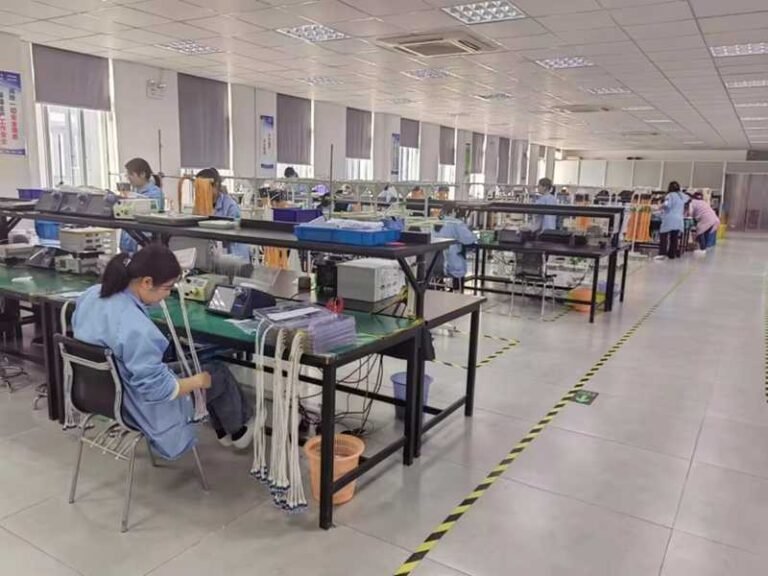
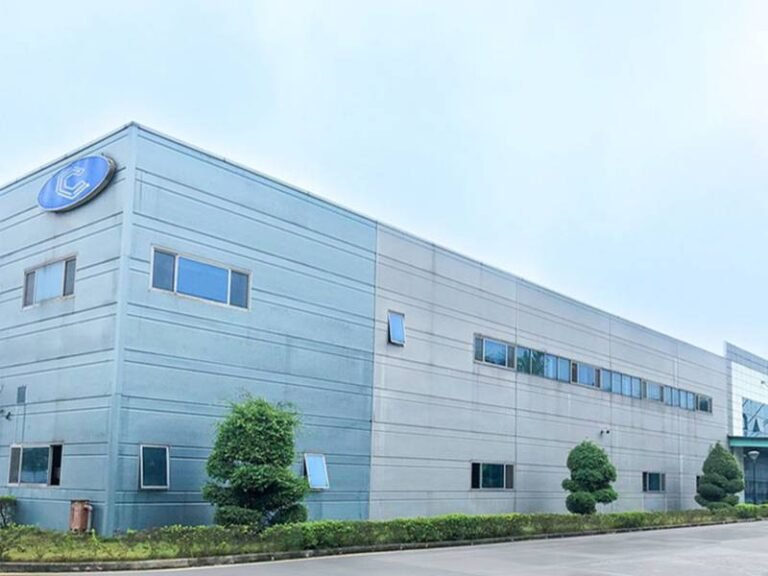
Security camera development projects often involve more than cable production. Camera housing structures, connector ecosystems, PCB layouts and installation conditions frequently change during development stages. Some projects begin with finished drawings, while others start from camera photos, existing cable samples or connector references. Founded in Shenzhen in 2007, SINO-CONN supports engineering review, sample development and OEM manufacturing for custom cable assemblies used in surveillance systems, AI cameras and security equipment.
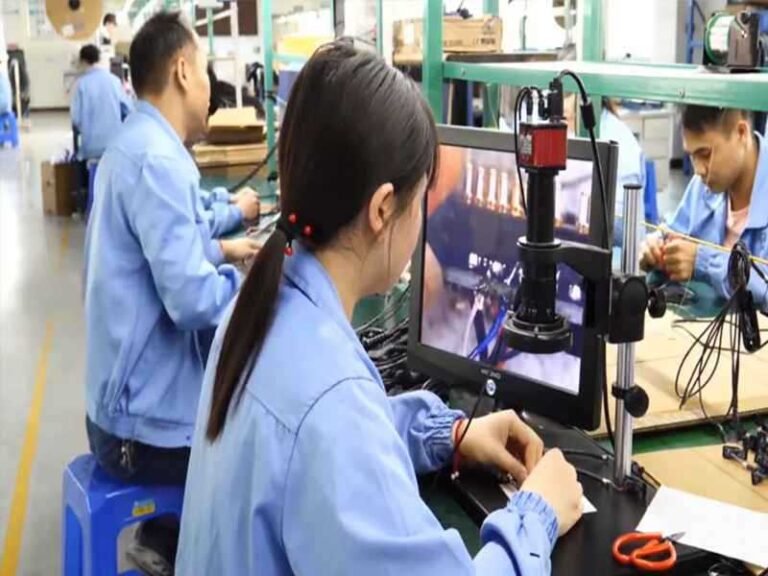
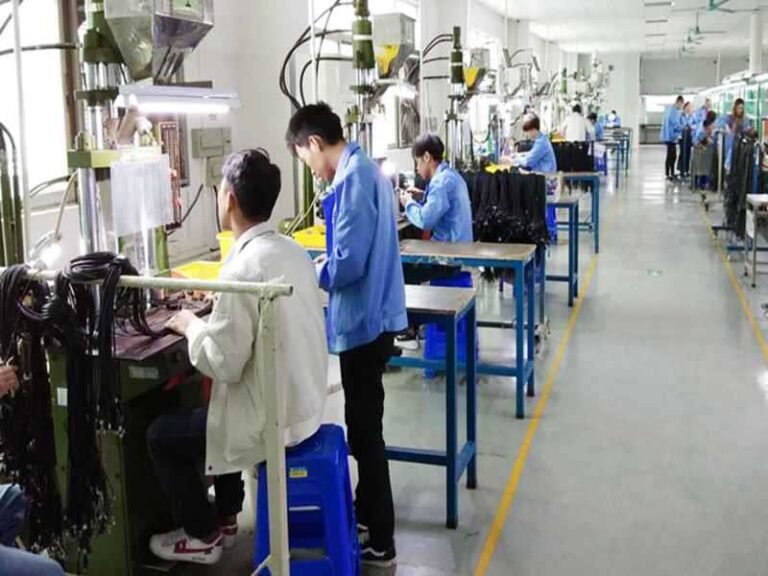
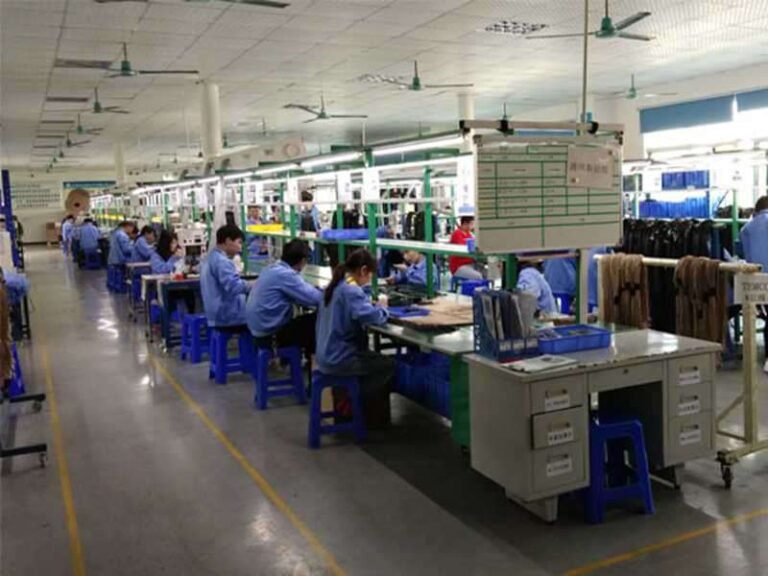
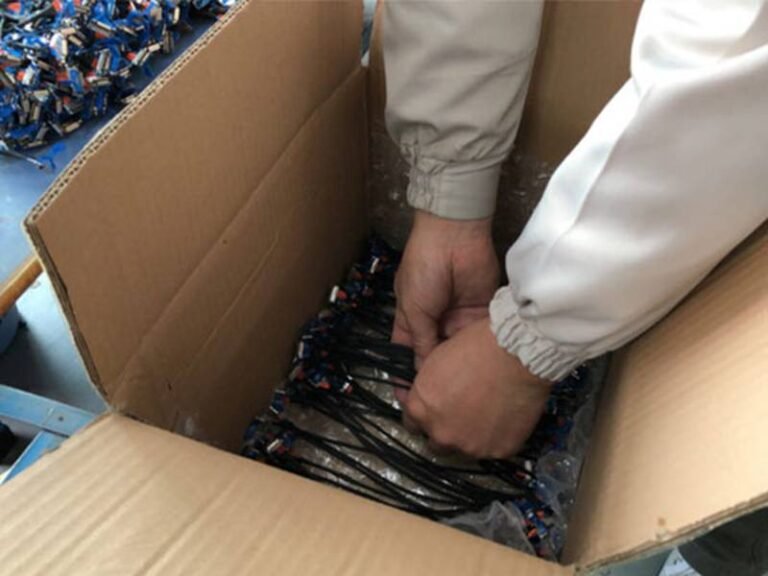
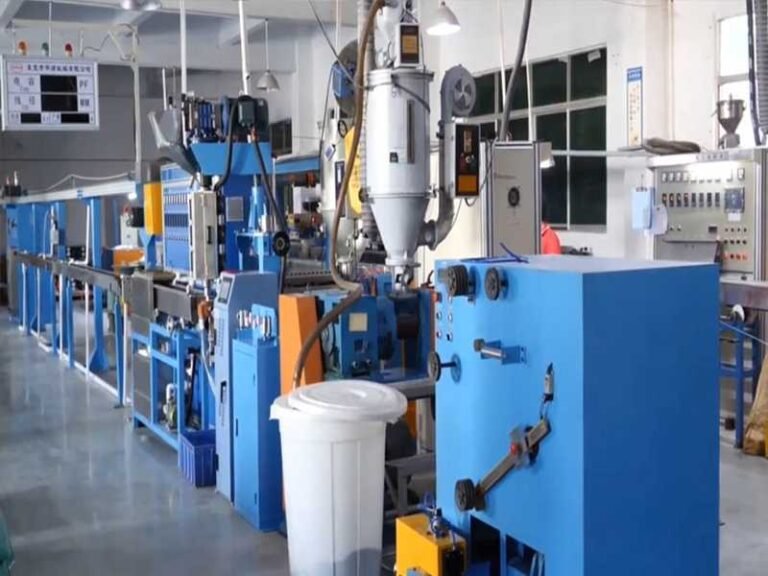
Security Camera Development Frequently Starts Before Final Specifications Exist
Not every camera project begins with completed engineering drawings. Many security camera manufacturers initially provide enclosure images, connector numbers, PCB layouts, wiring descriptions or existing cable samples during early discussions. Product structures often continue changing during development stages, especially for AI cameras, PTZ systems and smart surveillance devices.
SINO-CONN regularly supports projects beginning from incomplete technical information. Engineering discussions frequently start with available references and gradually move toward cable structure confirmation. This workflow often helps camera manufacturers accelerate prototype review and reduce repeated revisions before moving into sample production stages.
Engineering Teams Frequently Need More Than Quotation Support
Security camera cable assemblies often involve discussions around installation conditions, cable exits, connector direction, routing space and future assembly requirements. Engineering teams frequently need a supplier capable of discussing practical implementation details instead of only providing pricing information.
SINO-CONN maintains dedicated engineering, sample and manufacturing teams supporting technical review before production. Depending on available information and project complexity, selected discussions may receive CAD-to-PDF support in as fast as 30 minutes. Technical discussions often continue through sample development stages before entering repeat production.
Flexible Supply Chains Frequently Support Faster Camera Development
Camera projects sometimes involve original connectors, compatible alternatives, waterproof structures, shielding components and custom molding requirements. Supply limitations occasionally affect project schedules, particularly for engineering samples and urgent development programs.
SINO-CONN maintains long-term cooperation with cable manufacturers, connector suppliers, overmolding factories and material partners. Supported ecosystems include Molex, TE, JST, JAE, Honda, HRS, I-PEX, Samtec, LEMO and various waterproof connector platforms according to project requirements. This flexibility frequently helps support different cost, lead-time and sourcing objectives.
Prototype To OEM Manufacturing Frequently Requires Stable Production Support
Many surveillance projects begin with small engineering quantities before moving toward larger production schedules. Engineering validation often starts from several prototype units before entering pilot production and repeat manufacturing stages.
SINO-CONN supports prototype quantities beginning from 1 piece through OEM production workflows supported by multiple assembly lines and dedicated manufacturing resources. Cable assemblies ranging from 30mm to 10m+ and configurations supporting 20–512+ signal paths help support different security camera architectures and project requirements.
Security Camera Cable Projects Frequently Encounter Challenges After Moving From Prototype Validation To Real Deployment
Security camera systems often operate in environments very different from laboratory conditions. Outdoor weather exposure, compact camera structures, long operating hours and increasing hardware complexity frequently create challenges that become visible only during assembly, installation or field deployment stages. Camera manufacturers and engineering teams often discover that cable-related issues affect not only product reliability but also assembly efficiency, maintenance costs and project schedules.
Many discussions received by SINO-CONN begin after customers experience recurring installation problems, unstable performance or repeated structure revisions during camera development.

| Common Challenge | Typical Impact | Frequently Seen In |
|---|---|---|
| Outdoor Moisture Exposure | Reliability Risk | IP Cameras |
| Signal Instability | Image Performance Issues | AI Cameras |
| Limited Installation Space | Assembly Difficulty | Dome Cameras |
| Mixed Function Integration | Complex Structures | Smart Surveillance |
| Supply Chain Delays | Longer Development Cycles | OEM Projects |
| Engineering Support Limitations | Repeated Revisions | New Product Programs |
Outdoor Moisture Exposure Frequently Creates Long-Term Reliability Concerns
Security cameras installed outdoors often remain exposed to rain, humidity, dust and changing environmental conditions for extended periods. Cable transitions, connector exits and installation interfaces occasionally become vulnerable areas after deployment. Products may perform normally during initial testing but gradually experience reliability concerns after long operating periods.
Traffic monitoring systems, smart city equipment and perimeter surveillance installations frequently create these conditions. SINO-CONN regularly receives discussions where projects begin after customers experience field issues and seek structure improvements during redesign stages.
Signal Stability Frequently Becomes More Important As Camera Resolution Continues Increasing
Modern surveillance systems increasingly support AI processing, HD image transmission and larger amounts of camera data. As product complexity increases, cable structures occasionally become part of broader signal discussions during development stages.
Customers developing intelligent surveillance systems sometimes encounter unstable image behavior or communication concerns during validation. These projects frequently begin with PCB layouts, camera specifications or existing assemblies before engineering discussions move toward structural review and optimization.
Limited Internal Space Frequently Creates Assembly Challenges
Dome cameras, compact AI modules and miniaturized surveillance products frequently provide limited installation space. Internal cable assemblies often compete with image sensors, optics, PCB boards, heat management systems and mounting structures for available space.
Small routing changes occasionally affect assembly efficiency during production stages. Many SINO-CONN projects begin with enclosure photos because physical installation environments often explain project requirements more clearly than drawings alone.
Mixed Function Integration Frequently Creates Cable Architecture Complexity
Modern camera products increasingly combine power, video, communication and control functions within one compact hardware platform. Multiple functions inside limited space occasionally create more complicated cable organization requirements.
Many OEM teams initially request separate cable structures before later pursuing integrated architectures that reduce assembly complexity. SINO-CONN frequently supports customized cable assemblies involving mixed signal structures according to customer product requirements.
Supply Chain Delays Frequently Affect Product Development Schedules
Camera development programs often operate under aggressive schedules where sample availability and component flexibility influence project timelines. Original connectors occasionally create procurement challenges due to inventory conditions or lead-time limitations.
Many customers discuss both original and compatible connector options according to schedule and budget objectives. Flexible component sourcing frequently becomes an important consideration during prototype development stages.
Limited Engineering Support Frequently Leads To Repeated Revisions
Some cable suppliers primarily focus on manufacturing rather than engineering participation. As camera structures evolve, projects occasionally require revisions involving cable length, connector orientation, pin definitions or internal routing structures.
SINO-CONN supports discussions beginning from samples, drawings, connector references and camera images. Depending on project complexity, selected projects may receive CAD support in as fast as 30 minutes, helping customers review structures before sample production begins.
Custom Security Camera Cable Assemblies Cover Different Camera Structures, Installation Conditions And Surveillance System Architectures
Security camera products continue becoming smaller, more integrated and more feature-dense. Different systems often require different cable architectures involving power, network communication, video transmission, waterproof structures and compact internal routing. Camera housing design, installation conditions and manufacturing workflows frequently influence cable structures during product development stages.
SINO-CONN supports custom security camera cable assemblies beginning from camera samples, connector references, CAD drawings or PCB layouts. With support for cable lengths from 30mm–10m+, configurations from 20–512+ signal paths, and both original and compatible connector ecosystems, different surveillance architectures can move from prototype stages toward OEM production more efficiently.
| Product Type | Typical Applications | Primary Focus |
|---|---|---|
| IP Camera Cable Assemblies | Network Surveillance | Power + Data Integration |
| PTZ Camera Cable Assemblies | Dynamic Monitoring | Internal Motion Routing |
| Dome Camera Harnesses | Compact Cameras | Space Optimization |
| PoE Camera Assemblies | Enterprise Systems | Simplified Installation |
| Waterproof Camera Assemblies | Outdoor Monitoring | Environmental Protection |
| Hybrid Power + Signal Assemblies | AI Cameras | Integrated Functions |
| FPC / Micro Coax Camera Assemblies | Mini Camera Modules | Compact Structures |
| Board-To-Board Camera Harnesses | Internal Camera Systems | Internal Connectivity |
| AI Multi-Sensor Camera Assemblies | Smart Surveillance | High-Density Integration |

IP Camera Cable Assemblies
IP camera systems frequently integrate image transmission, communication and power requirements inside compact structures. Internal layouts often require customized cable routing according to PCB position and enclosure design.
Typical Features
- Network Camera Structures
- Customized Cable Lengths
- Signal And Power Integration
- Internal Camera Routing
- Flexible Connector Orientation
- Compact Installation Support
Common Applications
- Smart Home Cameras
- Enterprise Security Systems
- Retail Surveillance
- Access Control Equipment
- Smart Building Platforms
SINO-CONN frequently supports projects beginning from PCB layouts and housing drawings during early development stages.

PTZ Camera Cable Assemblies
PTZ camera systems involve internal movement and mechanical positioning structures that create different cable organization requirements compared with fixed products.
Typical Features
- Internal Routing Support
- Compact Cable Structures
- Power And Control Integration
- Multi-Function Architectures
- Space-Constrained Design
- Connector Layout Support
Common Applications
- Traffic Monitoring
- Perimeter Security
- Industrial Surveillance
- Smart City Systems
- Long-Distance Monitoring Platforms
Mechanical structure discussions often begin before sample production because routing conditions frequently influence cable architecture.

Dome Camera Harnesses
Dome cameras frequently contain optics, PCB modules, brackets and thermal components inside compact housings where routing efficiency becomes increasingly important.
Typical Features
- Short Internal Harnesses
- Small Connector Solutions
- Branch Position Customization
- Internal Routing Optimization
- Compact Structure Design
- Assembly-Oriented Layout Support
Common Applications
- Indoor Security Cameras
- Office Surveillance Systems
- Retail Monitoring Platforms
- Smart Building Cameras
- Commercial Security Systems
SINO-CONN frequently receives installation photos during early project discussions because enclosure environments often affect cable structure decisions.

PoE Camera Assemblies
PoE camera systems continue expanding across enterprise and network surveillance installations because power and communication structures can remain organized during deployment.
Typical Features
- Network + Power Integration
- RJ45 Architecture Support
- Simplified Installation Design
- Indoor And Outdoor Configurations
- Customized Cable Lengths
- Organized Cable Structures
Common Applications
- Enterprise Monitoring
- Smart Factory Systems
- Office Surveillance
- Campus Security Networks
- Warehouse Monitoring Systems
Installation efficiency often becomes a major discussion topic during PoE camera projects.

Waterproof Camera Assemblies
Outdoor camera systems frequently remain exposed to moisture, rain and environmental variation over long operating periods. Customized structures often support installation environments and project requirements.
Typical Features
- Waterproof Connector Options
- Overmolded Structures
- Outdoor Installation Support
- Protected Cable Transitions
- Customized Protective Design
- Weather Exposure Consideration
Common Applications
- Outdoor Security Platforms
- Traffic Monitoring Systems
- Smart City Installations
- Industrial Monitoring Equipment
- Perimeter Surveillance Systems
SINO-CONN works with long-term overmolding and material partners supporting environmental project requirements.

Hybrid Power + Signal Assemblies
Smart surveillance equipment increasingly integrates multiple functions into compact systems where cable organization influences assembly efficiency.
Typical Features
- Power + Signal Integration
- Communication Support
- Customized Pin Definitions
- Shielded Structures
- High-Density Cable Architectures
- Support For 20–512+ Signal Paths
Common Applications
- AI Surveillance Cameras
- Smart Monitoring Devices
- Edge Computing Equipment
- Multi-Sensor Platforms
- Intelligent Camera Systems
Integrated architectures frequently help reduce internal cable complexity.

FPC / Micro Coax Camera Assemblies
Compact camera modules frequently require highly organized structures where limited installation space creates strict cable requirements. Fine-pitch structures increasingly appear inside modern surveillance products.
Typical Features
- Fine Pitch Structures
- Compact Installation Support
- Small Connector Ecosystems
- Lightweight Cable Design
- Flexible Structures
- High-Density Routing Support
Common Applications
- Mini Camera Modules
- AI Camera Systems
- Embedded Vision Devices
- Portable Surveillance Products
- Compact Monitoring Equipment
SINO-CONN supports micro coax structures as fine as 50AWG for compact electronic projects.

Board-To-Board Camera Harnesses
Internal camera systems often require compact harnesses connecting PCB modules and integrated electronic structures within limited installation space.
Typical Features
- PCB Connection Support
- Internal Harness Design
- Customized Branch Positions
- Compact Routing Structures
- Internal Connector Support
- Assembly Optimization
Common Applications
- Internal Camera Systems
- Security Control Modules
- Smart Surveillance Devices
- Camera Mainboards
- Integrated Electronic Platforms
These projects often begin from PCB references and connector information.

AI Multi-Sensor Camera Assemblies
AI surveillance platforms increasingly combine image systems, sensors, communication modules and processing hardware into compact architectures.
Typical Features
- Multi-Sensor Integration
- High-Density Structures
- Customized Internal Layouts
- Integrated Signal Support
- Compact Cable Organization
- Multi-Function Architectures
Common Applications
- AI Surveillance Systems
- Smart Transportation Platforms
- Intelligent Monitoring Systems
- Smart Infrastructure Projects
- Edge AI Devices
SINO-CONN frequently supports integrated cable structures where camera functions continue evolving during development stages.
Security Camera Connectivity Architecture Frequently Determines Product Assembly Efficiency, Internal Space Usage And Future Upgrade Flexibility
Security camera cable assemblies are rarely independent components. In most surveillance products, cables function as part of a larger connectivity architecture linking image sensors, processing boards, communication modules, power systems and peripheral devices. Early architecture decisions often influence product assembly speed, future maintenance and manufacturing consistency.
Many security camera projects supported by SINO-CONN begin from PCB layouts, enclosure drawings or existing assemblies because system architecture frequently explains cable requirements before connector selection or detailed drawings become available.

| Architecture Area | Primary Purpose | Typical Development Focus |
|---|---|---|
| Camera Internal Connectivity | Module Integration | Compact Layout |
| Power Distribution Architecture | Stable Power Flow | Organized Structure |
| Video & Communication Path | Data Transmission | System Reliability |
| Hybrid Integration Architecture | Functional Consolidation | Space Optimization |
Camera Internal Connectivity Architecture
Modern surveillance products increasingly integrate image modules, IR systems, microphones, antennas, AI processors and communication boards inside compact camera housings. Internal cable assemblies frequently become part of the mechanical structure rather than simple electrical links. Camera manufacturers often review connector positions, branch locations and routing paths during product development because small structural adjustments may improve assembly efficiency and reduce future revisions.
Typical Architecture Characteristics
- Board-To-Board Internal Harnesses
- Sensor Module Interconnections
- Compact Routing Structures
- Internal Camera Wiring Integration
- Connector Orientation Planning
- Assembly-Friendly Layout Design
Common Applications
- Dome Cameras
- Mini AI Cameras
- Compact Surveillance Modules
- Smart Building Cameras
- Integrated Security Devices
SINO-CONN frequently supports projects beginning from enclosure images and exploded camera structures where cable placement becomes part of product development.
Power Distribution Architecture
Power architecture within security camera systems often varies according to product function and deployment environments. Some camera products use local power input structures, while others combine communication and power systems into integrated architectures. Organized cable planning frequently simplifies installation and improves consistency during manufacturing.
As surveillance products continue adding AI processing and peripheral modules, internal power organization increasingly affects product layout planning.
Typical Architecture Characteristics
- Camera Power Distribution Routing
- Integrated Power Structures
- Internal Harness Organization
- Customized Power Branches
- Compact Power Layout Design
- Multi-Module Support Structures
Common Applications
- AI Surveillance Devices
- Smart Camera Platforms
- Industrial Security Equipment
- Multi-Function Camera Systems
- Integrated Monitoring Products
Many projects reviewed by SINO-CONN involve enclosure limitations where organized power structures help improve assembly efficiency.
Video And Communication Architecture
Video transmission pathways frequently influence camera architecture decisions because modern surveillance products process larger amounts of image and communication data than previous generations. Signal routing, module arrangement and internal layout organization frequently become engineering discussion topics during development stages.
Security camera manufacturers often begin architecture discussions from PCB and image module layouts before moving into detailed cable development.
Typical Architecture Characteristics
- Video Signal Routing Structures
- Communication Module Integration
- Internal Data Transmission Layouts
- Compact Signal Organization
- Camera Module Connectivity
- Structured Internal Design
Common Applications
- IP Cameras
- AI Monitoring Systems
- Network Surveillance Devices
- Smart Transportation Platforms
- Intelligent Security Systems
SINO-CONN frequently supports projects involving integrated image and communication architectures where cable structures evolve together with hardware revisions.
Hybrid Integration Architecture
Modern camera systems increasingly combine multiple functions within one compact cable assembly. Rather than separating communication, signal and power structures into multiple harnesses, many surveillance products integrate functions into organized architectures to reduce complexity and simplify installation.
This approach frequently improves internal space usage while reducing cable quantity inside compact devices.
Typical Architecture Characteristics
- Multi-Function Integration
- Power + Communication Structures
- Integrated Signal Organization
- Customized Pin Definitions
- High-Density Layout Support
- Support For 20–512+ Signal Paths
Common Applications
- AI Multi-Sensor Cameras
- Smart Surveillance Platforms
- Intelligent Monitoring Devices
- Edge Computing Systems
- Integrated Security Equipment
SINO-CONN regularly supports integrated cable architectures from prototype development through OEM manufacturing, including projects beginning from samples, drawings or existing cable references.
Security Camera Connector Guide
Connector Selection Frequently Influences Camera Installation Efficiency, Product Reliability And Future Manufacturing Flexibility
Security camera cable assemblies often depend heavily on connector architecture because connectors influence installation space, enclosure structure, assembly workflows and future maintenance requirements. Different surveillance products frequently use different connector ecosystems according to camera size, installation environment and hardware architecture. Some engineering teams arrive with exact connector part numbers, while others begin discussions from camera structures, PCB layouts or existing samples.
SINO-CONN regularly supports projects involving original and compatible connector ecosystems including Molex, TE, JST, Honda, HRS, JAE, I-PEX, LEMO, KEL, Samtec and waterproof connector platforms. Connector discussions frequently begin before final drawings exist because interface selection often influences future cable architecture.

| Connector Ecosystem | Typical Camera Applications | Project Consideration |
|---|---|---|
| RJ45 | IP Cameras | Network Integration |
| BNC | CCTV Systems | Video Transmission |
| M8 / M12 | Industrial Cameras | Rugged Installation |
| FAKRA | Intelligent Surveillance | Secure Connectivity |
| I-PEX / Micro Connectors | Compact AI Cameras | Space Optimization |
| Waterproof Connectors | Outdoor Cameras | Environmental Protection |
Network And Video Connector Ecosystems Frequently Depend On Camera Architecture
IP cameras, traditional CCTV systems and smart surveillance products often use different interface ecosystems according to hardware design and transmission methods. RJ45 structures frequently appear in network camera systems because they simplify installation and communication architecture, while BNC structures remain common within selected video applications and legacy platforms. Connector discussions during development frequently involve interface dimensions, cable exit direction and installation constraints because these factors influence both enclosure layout and assembly workflows.
Many SINO-CONN surveillance projects begin from connector part numbers or images because camera manufacturers often finalize interface decisions before cable structures become available.
Compact Camera Products Frequently Require Smaller Connector Structures
Mini AI cameras, embedded camera systems and compact surveillance products increasingly integrate multiple functions inside restricted installation environments. Connector size frequently becomes an important consideration because internal space often competes with optics, PCB modules, antennas and thermal components.
Fine-pitch and compact connector ecosystems frequently appear inside these products. SINO-CONN supports miniature interconnect solutions and micro-coax structures as fine as 50AWG, helping support highly integrated surveillance products requiring organized internal layouts and small connection structures.
Industrial And Outdoor Camera Projects Frequently Prioritize Mechanical Stability
Surveillance systems installed within industrial environments, transportation equipment and outdoor applications often experience vibration, movement and environmental exposure. Camera manufacturers frequently evaluate connector structures according to installation stability and maintenance conditions rather than electrical requirements alone.
Projects involving industrial monitoring systems and smart infrastructure equipment frequently review M8, M12 and waterproof interface options early during development stages because connector selection often affects long-term installation consistency and future service access.
Original And Compatible Connector Strategies Frequently Influence Development Timelines
Connector sourcing discussions often involve more than technical compatibility. Engineering teams may prefer original connector ecosystems for long-term programs, while prototype schedules and urgent projects sometimes prioritize supply flexibility and shorter lead times. Original components occasionally involve inventory limitations or longer procurement cycles.
SINO-CONN supports both original and compatible connector approaches according to project objectives. Discussions frequently compare availability, lead time and manufacturing flexibility so customers can balance performance requirements with development schedules and purchasing strategies.
Waterproof And Outdoor Protection Center
Outdoor Security Camera Systems Frequently Require Protection Beyond Connector Waterproof Ratings Alone
Security camera products installed outdoors often operate continuously under rain, humidity, dust, temperature variation and changing environmental conditions. In many surveillance projects, long-term reliability depends not only on connector selection but also on cable transitions, sealing structures, overmolding methods and enclosure integration. Waterproof performance frequently becomes part of complete product architecture discussions rather than an isolated component decision.
Traffic monitoring equipment, smart city surveillance systems, perimeter security products and industrial monitoring cameras often remain deployed outdoors for years. SINO-CONN regularly supports discussions beginning from installation photos and enclosure structures because actual deployment conditions frequently influence cable protection strategies.

| Outdoor Environment | Typical Risk Area | Protection Discussion Focus |
|---|---|---|
| Rain And Humidity | Moisture Penetration | Sealed Transitions |
| Dust And Outdoor Exposure | Interface Contamination | Protected Structures |
| Temperature Variation | Material Expansion | Stable Assembly Design |
| Long-Term Deployment | Environmental Aging | Durable Protection Architecture |
Cable Exit Areas Frequently Become One Of The Most Sensitive Points In Outdoor Camera Systems
Many outdoor camera failures do not begin at connectors themselves. Moisture frequently enters around cable exits, enclosure transitions and assembly interfaces where cables move between internal and external environments. These transition areas may experience stress from weather exposure, movement, vibration and installation conditions over long operating periods.
Traffic cameras, bullet cameras and perimeter surveillance products frequently review cable exit architecture early during development because installation conditions can vary significantly across deployment environments. SINO-CONN often receives camera housing photos and field installation references before engineering discussions begin, helping identify transition structures requiring additional protection consideration.
Outdoor Installation Conditions Frequently Influence Connector Protection Requirements
Different environments create different reliability priorities. Security cameras installed inside industrial parks, transportation systems or public infrastructure may encounter completely different environmental exposure conditions. Some projects prioritize moisture resistance while others focus more heavily on contamination, maintenance accessibility or installation simplicity.
Outdoor camera projects frequently involve waterproof connector ecosystems, integrated structures and customized transition methods according to application environments. SINO-CONN supports both original and compatible waterproof connector platforms depending on project schedules, installation requirements and supply strategies.
Enclosure Integration Frequently Influences Long-Term Waterproof Performance
Cable assemblies and camera housings frequently function as one combined structure after installation. Even well-designed cable assemblies may encounter reliability concerns if enclosure interfaces, cable routing positions or mounting methods do not align with real operating conditions.
Many surveillance projects begin from enclosure drawings and exploded-view structures because waterproof performance frequently depends on interaction between cable exits, installation locations and camera architecture. Engineering discussions during prototype stages often help reduce repeated modifications later.
Long-Term Environmental Exposure Frequently Creates Different Protection Priorities
Outdoor camera systems frequently remain exposed to sunlight, seasonal weather changes, humidity cycles and temperature variation throughout long deployment periods. Environmental conditions occasionally create concerns not visible during laboratory testing or early validation stages.
SINO-CONN supports project discussions involving outdoor applications ranging from compact surveillance systems through larger infrastructure monitoring products. Long-term material partners, molding suppliers and custom cable manufacturing capabilities help support development requirements involving environmental exposure and outdoor installation conditions.
Camera Cable Material Selection Guide
Material Selection Frequently Influences Long-Term Stability, Installation Performance And Product Lifecycle In Security Camera Systems
Security camera cable assemblies often operate under conditions that extend beyond electrical requirements alone. Installation environments may involve sunlight exposure, industrial contamination, temperature changes, moisture and long operating cycles. Material selection frequently influences cable flexibility, surface durability, environmental resistance and installation behavior throughout the product lifecycle.
Different surveillance projects often prioritize different material properties depending on deployment conditions. Camera systems used inside smart buildings may focus on appearance and routing flexibility, while outdoor surveillance equipment may prioritize environmental durability and long-term exposure performance. SINO-CONN frequently reviews application environments during early project discussions because cable material selection often affects future product performance before production begins.

| Operating Environment | Material Consideration | Typical Objective |
|---|---|---|
| Outdoor Surveillance | UV Stability | Weather Durability |
| Industrial Installations | Oil Resistance | Environmental Stability |
| Cold Environment Deployment | Flexibility Performance | Installation Reliability |
| Public Infrastructure | Flame Requirements | Compliance Support |
UV Resistance Frequently Becomes Important For Long-Term Outdoor Surveillance Equipment
Outdoor camera products often remain exposed to direct sunlight for extended periods. Continuous UV exposure may gradually influence cable surface conditions and environmental performance over long deployment cycles. Traffic surveillance systems, perimeter monitoring equipment and smart city camera platforms frequently evaluate material stability during early development stages because environmental exposure remains difficult to replicate through short validation periods.
Material discussions for outdoor surveillance projects frequently involve installation duration, operating location and long-term exposure conditions. SINO-CONN regularly supports outdoor camera projects beginning from application descriptions and field installation photos because deployment environments frequently provide important direction during early engineering review.
Oil And Environmental Resistance Frequently Support Industrial Camera Applications
Security cameras installed around manufacturing facilities, automation systems and industrial equipment occasionally operate near lubricants, airborne contamination and cleaning chemicals. Material behavior under these conditions may influence future installation consistency and maintenance requirements.
Industrial surveillance projects frequently discuss environmental exposure before selecting cable structures because manufacturing environments often vary significantly between applications. SINO-CONN supports custom cable projects used across industrial automation, equipment monitoring and integrated surveillance environments where cable materials frequently become part of early technical discussions.
Flame Performance Requirements Frequently Appear In Infrastructure And Commercial Projects
Some surveillance products installed within transportation facilities, public infrastructure and commercial systems may include project requirements involving material compliance and safety expectations. Material selection occasionally becomes part of broader discussions involving product standards and customer approval processes.
Large OEM projects frequently review environmental documentation and material specifications before entering supplier qualification stages. SINO-CONN supports project discussions involving compliance requirements and material documentation including RoHS, REACH, PFAS and additional qualification support according to project requirements.
Low Temperature Conditions Frequently Influence Installation Flexibility
Warehouse systems, transportation infrastructure, cold storage facilities and outdoor monitoring equipment may experience lower operating temperatures during deployment. Cable flexibility and handling characteristics occasionally change according to environmental conditions, particularly during installation and servicing stages.
Many customers discuss storage conditions and operating environments before prototype production begins because environmental factors may influence material decisions. SINO-CONN frequently reviews project conditions during early engineering discussions to help align cable structures with installation environments and operating expectations.
PTZ And Dynamic Motion Cable Guide
PTZ Camera Systems Frequently Require Cable Structures Designed Around Continuous Motion, Internal Space Constraints And Mechanical Movement Conditions
Unlike fixed surveillance cameras, PTZ systems continuously perform pan, tilt and zoom operations during daily use. Internal cable assemblies often function inside moving structures while simultaneously supporting power, communication, image transmission and control functions. In many projects, cable performance is influenced not only by electrical requirements but also by movement paths, mechanical limitations and internal installation behavior.
Security camera manufacturers frequently discover that movement-related cable concerns appear after prototype assembly rather than during early design stages. SINO-CONN regularly supports PTZ camera projects beginning from mechanical layouts, housing structures and installation references because movement environments frequently define cable architecture before production drawings become available.

| PTZ Design Area | Typical Engineering Concern | Development Focus |
|---|---|---|
| Continuous Camera Motion | Internal Cable Stress | Organized Routing |
| Compact Mechanical Space | Installation Constraints | Space Optimization |
| Multi-Function Integration | Structural Complexity | Cable Simplification |
| Prototype Validation | Mechanical Revision Cycles | Early Engineering Review |
Continuous Camera Movement Frequently Influences Internal Cable Behavior
PTZ camera products may perform thousands of pan and tilt operations throughout normal operation cycles. During movement, cable assemblies frequently travel through repeated position changes within compact internal structures. Routing pathways, cable organization and movement conditions often become important considerations because installation environments may influence future reliability and assembly consistency.
Many PTZ projects initially focus on electrical performance and later discover installation concerns after physical assembly begins. SINO-CONN frequently reviews mechanical structures and movement pathways during early project discussions because routing behavior frequently becomes easier to optimize before sample production starts.
Compact Mechanical Structures Frequently Create Routing Challenges
Modern PTZ systems continue becoming smaller while integrating additional hardware including motors, image sensors, communication boards, thermal modules and control systems. Internal cable assemblies frequently operate within very restricted spaces where branch locations, connector positions and cable pathways may influence assembly efficiency.
Many customers provide exploded housing drawings or installation photos rather than complete cable documentation because enclosure environments often explain routing conditions more effectively than electrical files. SINO-CONN regularly supports discussions beginning from housing layouts and camera structures where cable organization becomes part of overall product design.
Integrated Cable Architectures Frequently Help Simplify PTZ Internal Layouts
Modern PTZ surveillance products increasingly combine communication, power and control structures into organized cable architectures rather than using multiple independent assemblies. Integrated structures frequently help reduce cable quantity, improve internal organization and simplify installation workflows inside compact products.
SINO-CONN supports customized cable structures involving integrated layouts with support for 20–512+ signal paths, helping accommodate different camera architectures from prototype development through OEM production stages.
Early Mechanical Discussions Frequently Reduce Future Revision Cycles
Movement-related cable concerns often become visible only after camera prototypes enter physical assembly and operational testing stages. Connector orientation, cable length and routing pathways occasionally require adjustment after initial validation. Engineering discussions beginning from movement conditions and installation references frequently help reduce repeated revisions later.
SINO-CONN regularly supports PTZ camera projects beginning from samples, images, mechanical drawings and connector information. Depending on project requirements, selected projects may receive CAD support in as fast as 30 minutes, helping accelerate prototype review before manufacturing begins.
Video Signal Integrity Center
Stable Video Transmission Frequently Depends On Cable Architecture, Internal Layout And System Integration Rather Than Electrical Connection Alone
Security camera systems continue evolving toward higher image resolution, AI processing capability and multi-function integration. Modern surveillance devices frequently combine image transmission, communication, power and control systems inside increasingly compact structures. As camera hardware becomes more complex, maintaining stable signal performance often becomes part of broader product architecture discussions.
Signal-related concerns may not always appear during early validation stages. In many surveillance projects, image instability, transmission interruptions or communication inconsistencies become visible only after physical assembly or field deployment begins. SINO-CONN regularly supports projects beginning from PCB layouts, camera structures and existing assemblies because signal behavior frequently relates to installation conditions as much as cable design itself.

| Signal Environment | Typical Observation | Engineering Focus |
|---|---|---|
| Long Distance Transmission | Signal Attenuation Risk | Stable Architecture |
| High Resolution Systems | Larger Data Processing | Organized Routing |
| Integrated Camera Platforms | Multiple Signal Functions | Structured Layout |
| Compact Camera Devices | Limited Internal Space | Efficient Cable Design |
Long-Distance Transmission Frequently Creates Additional Stability Considerations
Security cameras used for traffic systems, perimeter surveillance, warehouse monitoring and smart infrastructure projects often involve extended installation distances. As transmission distances increase, cable architecture and installation environments frequently become important parts of development discussions. Long cable pathways occasionally introduce concerns involving image consistency and communication behavior under real operating conditions.
Many customers initially focus on connector and cable specifications but later review system layouts after validation stages reveal performance changes. SINO-CONN frequently supports projects beginning from installation drawings and application environments where transmission structure discussions become part of overall system planning.
High Resolution Camera Platforms Frequently Increase Data Transmission Expectations
Modern surveillance products increasingly support HD, 4K and AI-assisted image processing systems that operate with larger amounts of image information than previous camera generations. AI monitoring platforms, smart transportation systems and intelligent security products frequently process multiple streams of information simultaneously.
As image systems become more advanced, cable organization and internal routing frequently become early engineering discussion topics. SINO-CONN regularly supports AI surveillance and camera projects where evolving hardware structures influence signal architecture throughout development stages.
Integrated Camera Systems Frequently Combine Multiple Signal Functions Inside Limited Space
Modern surveillance products increasingly integrate communication modules, image systems, sensor inputs and control structures within compact devices. Multiple functions frequently operate within one cable architecture, creating new considerations around organization and internal structure planning.
Many SINO-CONN projects involve integrated cable assemblies supporting signal and communication requirements within limited installation environments. Support for configurations ranging from 20–512+ signal paths helps accommodate different camera architectures from compact AI modules through larger surveillance platforms.
Compact Camera Products Frequently Require Organized Internal Signal Pathways
Dome cameras, embedded AI devices and compact surveillance products frequently provide limited internal installation space where cable routing and pathway organization become increasingly important. Even when electrical requirements remain unchanged, connector position, cable routing direction and hardware arrangement may influence final system performance and assembly efficiency.
Many development discussions begin from PCB layouts, camera enclosure drawings and existing cable samples rather than completed engineering documentation. Depending on project complexity, SINO-CONN may support CAD review in as fast as 30 minutes, helping engineering teams review structures before prototype manufacturing begins.
EMI And Shielding Structures Frequently Influence Camera Stability, Image Performance And Long-Term System Reliability
Security camera systems increasingly integrate AI processors, communication modules, image sensors, network interfaces and power systems inside compact products. As camera structures become more complex, electromagnetic environments inside devices frequently become more crowded. Interference discussions often begin after customers observe image instability, communication interruptions or inconsistent system behavior during prototype validation or field deployment.
Signal-related concerns are not always caused by connector or cable quality alone. Internal routing organization, shielding architecture and hardware arrangement frequently influence final performance. SINO-CONN regularly supports surveillance projects involving compact camera systems, integrated AI platforms and multi-function cable architectures where signal protection becomes part of engineering discussions during development stages.

| Shielding Discussion Area | Typical Concern | Engineering Focus |
|---|---|---|
| Internal Signal Density | Signal Interaction | Organized Cable Layout |
| Integrated Hardware Systems | Complex Architecture | Functional Separation |
| Compact Camera Structures | Limited Installation Space | Routing Optimization |
| External Environment Exposure | Noise Sources | Stable Shielding Design |
Increasing Hardware Density Frequently Creates More Complex Electromagnetic Environments
Modern surveillance products continue integrating additional hardware functions into smaller spaces. AI processors, communication modules, WiFi systems, antennas, image sensors and control systems frequently operate within the same compact enclosure. As hardware density increases, cable routing and internal organization often become increasingly important during development stages.
Compact AI cameras and integrated surveillance products frequently require engineering discussions involving installation conditions and hardware organization before cable structures become finalized. SINO-CONN regularly receives camera PCB layouts and enclosure drawings where signal organization becomes part of overall product development rather than an isolated cable requirement.
Multiple Functions Operating Together Frequently Increase Internal Signal Interaction
Modern surveillance systems frequently combine image transmission, communication, control signals and power architectures within integrated products. As multiple functions share compact installation environments, internal signal interaction occasionally becomes visible during validation stages.
Many customers initially focus on electrical specifications and later discover that hardware arrangement and cable organization also influence system behavior. SINO-CONN frequently supports integrated cable architectures involving customized layouts and support for 20–512+ signal paths, helping surveillance products organize increasingly complex internal structures.
Compact Camera Products Frequently Create Routing And Shielding Challenges
Dome cameras, embedded AI devices and mini surveillance systems often provide limited internal installation space where cable assemblies compete with optics, processors, antennas and heat-management structures. Cable pathways and routing positions occasionally affect future assembly consistency and system organization.
Many surveillance projects begin from housing images and installation photos because physical layouts often explain shielding concerns more clearly than electrical drawings alone. Engineering discussions frequently involve internal placement and routing review before prototype production starts.
Early Shielding Discussions Frequently Help Reduce Validation And Revision Cycles
Interference-related concerns sometimes become visible only after camera products enter prototype testing or field deployment stages. Image noise, communication inconsistency and unstable operating behavior occasionally lead to repeated revisions if shielding discussions begin too late.
SINO-CONN frequently supports surveillance projects beginning from camera samples, PCB layouts and hardware structures. Depending on project complexity, selected discussions may receive CAD support in as fast as 30 minutes, helping engineering teams review cable architecture and installation organization before sample production begins.
Security Camera Cable Development Frequently Moves Through Multiple Engineering Revisions Before Entering Stable Production
Security camera projects rarely begin with complete specifications and fixed product structures. Camera housing designs, PCB layouts, connector ecosystems and installation environments frequently continue evolving throughout development stages. Many surveillance manufacturers initially provide existing cable samples, connector references, camera photos or installation sketches rather than complete engineering documentation.
SINO-CONN supports development workflows designed around actual surveillance product development processes. Engineering discussions frequently begin before drawings exist and continue through prototype verification, design revisions and OEM manufacturing. Projects can start from 1-piece prototypes, while selected discussions may receive CAD support in as fast as 30 minutes, helping accelerate engineering review and reduce unnecessary revision cycles.

| Development Stage | Customer Input | SINO-CONN Support |
|---|---|---|
| Initial Inquiry | Samples / Drawings / Photos | Requirement Discussion |
| Technical Evaluation | Camera Information | Engineering Review |
| Connector Confirmation | Part Numbers / References | Supply Evaluation |
| Structure Development | Housing Layouts | CAD Support |
| Prototype Manufacturing | Approved Drawings | Sample Production |
| Functional Validation | Testing Feedback | Technical Adjustments |
| Revision Optimization | Updated Requirements | Engineering Iteration |
| OEM Production | Final Approval | Mass Manufacturing |
Initial Inquiry Frequently Begins From Existing Information Rather Than Complete Drawings
Many surveillance projects start before cable specifications become finalized. Engineering teams often provide existing camera photos, connector references, installation images or cable samples during early communication stages. Camera development programs frequently evolve rapidly and may involve changing structures before detailed cable definitions become available.
SINO-CONN regularly supports projects beginning from partial technical information because engineering teams often require feasibility discussions before entering formal design stages. Early communication frequently helps establish project objectives and identify critical installation considerations.
Technical Evaluation Frequently Helps Identify Potential Risks Early
Security camera cable assemblies often involve more than electrical specifications. Internal installation conditions, cable pathways, housing limitations and camera architecture frequently influence development feasibility.
Engineering discussions at SINO-CONN regularly include surveillance application environments, enclosure conditions and future manufacturing considerations. Early technical review frequently helps reduce uncertainty and identify possible structure challenges before drawings become finalized.
Connector Confirmation Frequently Influences Future Project Direction
Connector decisions frequently affect project cost, availability and development speed. Camera projects sometimes require original ecosystems while others prioritize flexibility and shorter lead times through compatible alternatives.
SINO-CONN supports connector ecosystems involving Molex, TE, HRS, JST, Honda, I-PEX, JAE, Samtec, LEMO and various waterproof connector systems. Connector discussions frequently involve evaluating availability, structure compatibility and long-term manufacturing considerations.
Structure Development Frequently Begins Before Manufacturing Starts
Security camera products frequently involve compact housings where cable routing, branch positions and connector orientation directly influence installation efficiency. Mechanical structures often continue changing throughout development stages.
SINO-CONN supports CAD-to-PDF structure review before sample manufacturing begins. Depending on project complexity and available information, selected projects may receive CAD support in as fast as 30 minutes, helping engineering teams visualize cable organization before production.
Prototype Manufacturing Frequently Supports Faster Validation Cycles
Small-quantity development frequently helps engineering teams verify cable structure and installation conditions before larger purchasing decisions occur. Security camera products often continue evolving during prototype stages.
Prototype quantities beginning from 1 piece allow customers to evaluate routing behavior, installation compatibility and functional performance before moving toward pilot manufacturing or production stages.
Functional Validation Frequently Reveals Installation Improvements
Prototype testing frequently creates opportunities for refinement after products enter physical assembly stages. Internal routing adjustments, cable length updates and connector orientation changes often become visible after real product installation begins.
Many SINO-CONN projects continue through several optimization cycles before final production structures become stable. Engineering review frequently continues during validation stages rather than ending after sample delivery.
Revision Optimization Frequently Supports Product Maturity
Camera products frequently undergo updates involving PCB revisions, enclosure changes and installation improvements throughout development programs. Cable assemblies often require corresponding adjustments to remain aligned with changing hardware platforms.
Rather than treating modifications as isolated requests, SINO-CONN supports structured engineering discussions allowing updated requirements to move efficiently back into design review stages.
OEM Manufacturing Frequently Begins After Stable Design Approval
Once cable structures and product requirements become finalized, projects frequently move toward repeat production stages. Manufacturing workflows often require drawing confirmation, component review and process planning before production scheduling begins.
SINO-CONN supports OEM production through dedicated assembly resources, integrated supply chain capability and multiple manufacturing lines. Standard sample schedules typically remain around two weeks, while standard production lead times generally range around 3–4 weeks, with accelerated schedules available according to project conditions.
Security Camera Development Projects Frequently Require Engineering Participation Beyond Cable Manufacturing
Security camera manufacturers often evaluate suppliers based on responsiveness, engineering communication, development flexibility and long-term manufacturing capability. During camera development, connector ecosystems, housing layouts and installation requirements frequently continue changing before products reach stable production.
The following examples reflect project situations similar to surveillance programs supported by SINO-CONN. Each case follows a comparable workflow involving engineering review, prototype validation and manufacturing coordination.

United States | AI Warehouse Surveillance Company | Hybrid Power + Signal Camera Cable Project
Customer Background
A mid-sized AI surveillance manufacturer focused on intelligent warehouse monitoring systems and logistics automation equipment. Their products integrated cameras, communication modules and AI processing hardware inside compact housings.
Application Scenario
AI cameras installed inside warehouse environments for object detection, package recognition and automated monitoring.
Project Challenge
The customer originally used multiple independent cable assemblies inside the camera housing, including power wiring, communication interfaces and signal cables. Internal cable quantity created assembly complexity and increased installation time. During pilot production, technicians also reported cable congestion affecting assembly efficiency.
SINO-CONN Solution
Discussions began from enclosure drawings and PCB layouts rather than finished cable documentation. Engineering review focused on integrated cable architecture and routing organization. A customized hybrid cable assembly was developed combining multiple functions into one organized structure while adjusting connector orientation according to installation requirements.
Project Results
- Internal cable quantity reduced by 45%
- Assembly efficiency improved by 30%
- Prototype development supported from 1 piece
- Same-day engineering review cycle completed
- Pilot production moved forward without routing revision
Germany | Industrial PTZ Camera Manufacturer | Dynamic Internal Motion Cable Project
Customer Background
A manufacturer producing PTZ surveillance systems used for industrial perimeter security and critical infrastructure monitoring.
Application Scenario
Long-distance PTZ cameras deployed for industrial facilities and security monitoring systems requiring continuous pan and tilt operation.
Project Challenge
The customer experienced repeated routing adjustments during prototype assembly. Internal cable organization inside the PTZ structure created installation difficulties and slowed camera validation cycles. Existing cable configurations affected assembly consistency during repeated movement conditions.
SINO-CONN Solution
Engineering discussions began using PTZ mechanical layouts, housing structures and installation photos. Internal routing architecture was reviewed before sample development. Customized cable organization and optimized connector positioning were introduced according to movement pathways and compact installation conditions.
Project Results
- Routing revisions reduced by 50%
- Internal assembly efficiency improved by 35%
- Sample production completed within 7 days
- Validation cycle shortened by approximately 2 weeks
- Faster transition toward pilot manufacturing
South Korea | Smart Traffic Monitoring Company | Waterproof Surveillance Cable Project
Customer Background
A traffic monitoring equipment manufacturer producing outdoor surveillance products used in intelligent transportation systems.
Application Scenario
Outdoor smart traffic cameras installed at intersections and public infrastructure locations operating continuously under weather exposure.
Project Challenge
The customer previously experienced long-term reliability concerns after installation in outdoor environments. Earlier cable structures performed normally during laboratory validation but later created field maintenance concerns after exposure to environmental conditions.
SINO-CONN Solution
Engineering discussions started from installation photos and enclosure structures rather than electrical drawings. Review focused on cable transitions and installation architecture according to actual deployment conditions. Prototype development moved through multiple validation discussions before manufacturing approval.
Project Results
- Product validation completed during first sample cycle
- Reduced field replacement concerns
- Repeat production moved forward successfully
- Sample-to-production workflow shortened by 25%
- Stable delivery support maintained for follow-up schedules
Security Camera Cable Assemblies Frequently Require Quality Control Beyond Basic Electrical Testing
Security camera cable assemblies often integrate power transmission, communication structures, image signals and compact installation requirements within one product. Small deviations during manufacturing may influence assembly efficiency, internal routing consistency and long-term product stability. For surveillance systems operating continuously in commercial, industrial and outdoor environments, quality discussions frequently extend beyond continuity testing alone.
SINO-CONN applies structured quality workflows across engineering samples and OEM manufacturing programs. Inspection processes continue from incoming materials through production and shipment stages, helping reduce production variation and support repeat manufacturing consistency.
| Quality Stage | Inspection Focus | Primary Objective |
|---|---|---|
| Incoming Material Inspection | Connector & Material Verification | Stable Supply Quality |
| Process Quality Control | Assembly Monitoring | Manufacturing Consistency |
| Functional Verification | Product Performance Review | Reliability Validation |
| Final Shipment Inspection | Finished Product Confirmation | Delivery Readiness |


Incoming Material Inspection Frequently Supports Long-Term Production Stability
Security camera cable assemblies frequently involve connector ecosystems, shielding materials, wire structures, terminals and molded components sourced from multiple suppliers. Material variation during early stages occasionally influences manufacturing consistency and future project stability.
SINO-CONN maintains long-term cooperation with connector manufacturers, cable suppliers, molding factories and component partners supporting projects involving Molex, JST, TE, Honda, HRS, JAE, I-PEX and additional ecosystems. Incoming materials frequently undergo appearance review, specification confirmation and verification procedures before entering production workflows. Stable incoming processes frequently help reduce unexpected variation during later manufacturing stages.
Process Quality Control Frequently Helps Maintain Assembly Consistency
Security camera products often involve multiple manufacturing procedures including wire preparation, crimping, soldering, overmolding, labeling and customized assembly processes. As projects become more integrated, maintaining process consistency frequently becomes increasingly important.
SINO-CONN applies process inspection during production stages rather than waiting until products become finished. Production teams and inspection personnel frequently review manufacturing conditions throughout assembly workflows, helping support cable consistency during prototype development and OEM production programs.
Functional Verification Frequently Supports Product Reliability Requirements
Security camera cable assemblies frequently operate within compact systems where installation conditions, connector orientation and structure organization influence performance after assembly begins. Functional verification frequently becomes an important checkpoint before products move toward delivery stages.
Project validation procedures may include electrical verification, wiring confirmation, visual review and structure checks according to approved project requirements. Engineering sample projects and production programs frequently follow corresponding review procedures supporting surveillance product requirements.
Final Inspection Frequently Becomes The Last Manufacturing Safeguard Before Delivery
Before shipment, finished products frequently move through appearance review, quantity confirmation and shipment validation procedures. Camera OEM projects often require inspection consistency because cable assemblies may later enter larger production environments or international distribution channels.
SINO-CONN applies three-stage inspection workflows including process inspection, finished inspection and pre-shipment inspection together with 100% inspection procedures before products leave the factory. This approach supports engineering samples, pilot production and long-term OEM manufacturing programs where repeat consistency frequently becomes a customer priority.
Security Camera Manufacturers Frequently Evaluate Documentation, Process Standards And Compliance Systems Before Approving New Suppliers
Security camera projects often involve more than product performance and manufacturing capability. Camera OEMs, surveillance brands and system integrators frequently review supplier qualifications during onboarding stages, especially for long-term projects and repeat production programs. Environmental compliance, quality systems and export documentation often become part of supplier evaluation before production approval begins.
SINO-CONN supports qualification requirements commonly requested across surveillance equipment, industrial products, communication systems and international OEM programs. Documentation support frequently helps customers reduce supplier review time and simplify purchasing processes.
| Certification / Documentation | Purpose | Typical Customer Requirement |
|---|---|---|
| ISO 9001 | Quality Management System | Supplier Qualification |
| ISO 14001 | Environmental Management | Factory Evaluation |
| ISO 13485 | Controlled Manufacturing Processes | Specialized Programs |
| IPC/WHMA-A-620 | Cable Assembly Standard | Manufacturing Consistency |
| UL | Material / Product Qualification | Market Requirements |
| RoHS | Restricted Substance Compliance | International Sales |
| REACH | Chemical Compliance | EU Market Access |
| PFAS | Material Documentation | Environmental Requirements |
| ISO 10993 | Material Safety Reference | Special Project Requests |
| QBFA | Manufacturing Qualification | Factory Assessment |
| COC | Certificate Of Conformity | Shipment Support |
| COO | Certificate Of Origin | Customs Clearance |
Manufacturing Certifications Frequently Support Supplier Approval And Production Confidence
Large surveillance companies and OEM manufacturers frequently review factory systems before approving long-term suppliers. Manufacturing certifications often help customers understand process control capability, documentation standards and quality management practices before projects move toward production stages.
SINO-CONN supports manufacturing systems including ISO 9001, ISO 14001, IPC/WHMA-A-620, QBFA and additional qualification frameworks supporting structured production environments. These systems help support engineering sample projects as well as larger OEM programs where repeat manufacturing consistency and process control frequently become evaluation priorities.
Environmental And Material Compliance Frequently Supports Global Surveillance Programs
International surveillance products frequently enter North American, European and global markets where material compliance documentation becomes part of customer review procedures. Environmental requirements may vary according to market, customer category and application conditions.
SINO-CONN supports documentation including RoHS, REACH, PFAS, UL support and ISO 10993-related documentation support according to project requirements. Customers frequently request these materials during supplier onboarding, engineering review and product validation stages. Documentation discussions often begin early because compliance requirements may influence component selection and future manufacturing planning.
Export Documentation Frequently Helps Support International Delivery And OEM Programs
Security camera projects frequently involve international deliveries where customers require supporting documents during customs procedures, supplier approval and purchasing workflows. Documentation requirements occasionally vary according to destination markets and project types.
SINO-CONN supports export and shipment-related documentation including COC, COO, compliance files and related qualification materials frequently requested by OEM customers and global purchasing teams. Combined with engineering support and manufacturing capability, documentation workflows help customers simplify supplier qualification and accelerate project execution across international programs.





Security Camera Development Programs Frequently Depend On Fast Sample Response, Stable Production Scheduling And Predictable International Delivery
Security camera projects often move through aggressive development cycles involving enclosure revisions, PCB updates, pilot builds and market launch deadlines. Delays during sample production or shipment stages may affect product validation, customer demonstrations and manufacturing schedules. Beyond cable production itself, delivery planning frequently becomes part of project execution.
SINO-CONN supports structured sample scheduling, manufacturing coordination and international shipment workflows for surveillance customers ranging from engineering teams and OEM manufacturers to system integrators and global procurement organizations.

| Order Type | Typical Lead Time | Project Support |
|---|---|---|
| Prototype Sample | Starting From 1 Piece | Engineering Validation |
| Standard Sample | Around 2 Weeks | Product Testing |
| Urgent Sample | 2–3 Days* | Priority Scheduling |
| Standard Production | 3–4 Weeks | OEM Manufacturing |
| Urgent Production | Within 2 Weeks* | Fast-Track Support |
- Depending on material availability and project complexity.
Prototype Speed Frequently Influences Security Camera Development Schedules
Many surveillance projects continue changing during product development stages. Camera housings evolve, PCB structures update and installation conditions become clearer after prototype testing begins. Fast sample support frequently helps engineering teams reduce delays and accelerate validation cycles.
SINO-CONN supports prototype quantities beginning from 1 piece, allowing engineering teams to verify routing structures, connector orientation and installation compatibility before larger production commitments. Depending on project conditions and available information, selected projects may receive CAD review support in as fast as 30 minutes, helping shorten communication cycles before sample manufacturing begins.
Flexible Logistics Methods Frequently Support Different Project Priorities
Different surveillance programs prioritize different shipment objectives according to project stages. Engineering samples often prioritize speed, while production programs may focus on shipment planning and transportation efficiency. Camera manufacturers frequently require logistics flexibility depending on launch schedules and project urgency.
SINO-CONN supports multiple delivery methods according to customer requirements and destination regions:
- DHL Express
- FedEx
- UPS
- TNT
- Air Freight
- Sea Freight
- Customer Forwarders
Customers across North America, Europe, Southeast Asia and additional international markets frequently choose different shipment strategies according to development priorities and purchasing schedules.
Structured Delivery Communication Frequently Helps Reduce Supply Chain Uncertainty
Security camera OEM projects frequently involve purchasing teams, engineering departments and manufacturing schedules operating simultaneously. Visibility during production and shipment stages frequently helps improve coordination and planning.
SINO-CONN supports structured communication throughout production and delivery workflows including:
- Order Progress Updates
- Production Scheduling Information
- Shipment Tracking Support
- Export Documentation
- COC / COO Support
- Packaging Confirmation
Engineering teams and purchasing departments frequently receive updates throughout project execution stages, helping maintain visibility from sample development through international delivery.
Common Questions About Custom Security Camera Cable Assemblies, Development Support And OEM Manufacturing
Security camera development programs often involve questions extending beyond cable specifications. Engineering teams usually focus on structure feasibility and installation conditions, while purchasing departments often pay closer attention to supply flexibility, manufacturing capability and lead time. The following questions reflect discussions commonly received from surveillance manufacturers, AI camera developers, OEM factories and system integration companies working on custom security camera products.
1. Can A Security Camera Project Start Without Complete Drawings?
Yes. Many surveillance projects begin before engineering documentation becomes finalized. Initial discussions often start from existing cable samples, connector part numbers, camera photos, PCB layouts or installation images. During early stages, engineering teams usually focus on whether the concept can be implemented rather than waiting for complete files. SINO-CONN regularly supports projects beginning from partial information and gradually moves discussions toward cable definition, CAD confirmation and prototype development.
2. What Information Helps Speed Up Quotation And Technical Review?
Project discussions generally become faster when more reference information is available. Connector models, cable length, pin definitions, application descriptions and environmental conditions frequently help reduce communication cycles. Existing cable photos and installation references are also valuable during review stages. Depending on project complexity and available information, SINO-CONN may support selected projects with CAD-to-PDF review in as fast as 30 minutes to accelerate engineering communication.
3. Is There A Minimum Order Quantity Requirement?
No MOQ requirement applies. Security camera development often starts from engineering validation rather than large purchasing volumes. Many customers initially require small quantities for internal assembly review, product testing or customer demonstrations before moving toward larger production schedules. SINO-CONN supports projects beginning from one-piece prototype quantities and later scales support toward pilot production and OEM manufacturing according to project development stages.
4. Can Cable Length And Structure Be Customized?
Yes. Camera products frequently continue evolving during development stages, which often creates changes involving cable length, branch positions, routing directions and connector orientation. These modifications commonly appear after prototype assembly or internal testing begins. SINO-CONN regularly supports customization discussions involving product architecture and installation environments, helping projects move through multiple revisions before final manufacturing structures become stable.
5. Can Original And Compatible Connectors Both Be Supported?
Yes. Different surveillance manufacturers follow different sourcing priorities depending on product strategy and development schedules. Some customers prefer original connector ecosystems for long-term programs, while others focus more heavily on lead-time flexibility and supply availability. SINO-CONN supports projects involving Molex, JST, Honda, HRS, TE, JAE, I-PEX and additional connector systems while helping customers evaluate suitable sourcing approaches.
6. How Long Does Sample Development Usually Require?
Lead time generally depends on material availability, connector sourcing and structure complexity. Standard sample schedules often remain around two weeks, while urgent projects may support accelerated timelines according to production conditions. Larger production schedules commonly require approximately three to four weeks. Development programs involving standard materials and stable structures often move faster through prototype and production stages.
7. Can Multiple Functions Be Integrated Into One Cable Assembly?
Yes. Security camera products increasingly integrate power transmission, communication systems, control functions and image architectures into compact platforms. Multiple separate cable structures frequently increase assembly complexity and occupy valuable installation space. SINO-CONN regularly supports integrated cable architectures with support for configurations from 20–512+ signal paths according to customer product requirements and system structures.
8. Can NDA Agreements Be Signed Before Project Discussions Begin?
Yes. Confidentiality requirements frequently appear during surveillance projects involving unreleased products, proprietary technologies and new camera platforms. Many customers prefer establishing NDA agreements before sharing technical files or development information. SINO-CONN supports confidentiality discussions covering samples, drawings, CAD files and project information before engineering discussions continue toward development stages.
9. How Is Product Quality Verified Before Shipment?
Security camera cable assemblies often move through multiple quality stages before shipment. Inspection processes typically begin with incoming material review and continue through manufacturing and finished product validation. SINO-CONN applies process inspection, completed product verification and pre-shipment review together with 100% inspection procedures supporting engineering samples and repeat OEM production programs.
10. Can Global Delivery And OEM Manufacturing Support Be Provided?
Many service robot programs begin from small engineering samples before progressing into validation activities, pilot production, and recurring manufacturing. SINO-CONN supports connected workflow from prototype development through OEM production helping maintain continuity as hardware architecture and manufacturing requirements continue evolving.
Yes. Security camera development frequently involves global teams operating across engineering, purchasing and manufacturing departments. SINO-CONN supports international shipment workflows and OEM production coordination from prototype development through repeat manufacturing. Delivery support regularly includes shipment tracking, export documentation and communication updates helping projects maintain visibility throughout production and delivery stages.

Build Your Custom Security Camera Cable Assembly Around Real Product Requirements
Custom engineering support for IP cameras, PTZ systems, AI surveillance devices and outdoor security equipment from prototype validation through OEM production.
Security camera projects often begin with connector references, housing images, installation photos or existing cable samples rather than complete engineering drawings. SINO-CONN supports technical review, CAD confirmation, prototype development and repeat manufacturing for surveillance applications requiring compact structures, waterproof integration, internal routing optimization and multi-function cable architectures.
Information That Helps Accelerate Project Review
- Connector Part Numbers
- Camera Type (IP / PTZ / AI / Outdoor)
- Cable Length Requirements
- Pin Definition Or Wiring Sequence
- PCB Layout Or CAD Files
- Existing Cable Photos Or Samples
- Waterproof Or Shielding Requirements
- Special Technical Requirements