Skip to content
Custom Robotics Wire Harness Manufacturer
Robotics Wire Harness Architecture, Prototype Development & OEM Manufacturing Solutions
SINO-CONN develops and manufactures custom robotics wire harness solutions for robotic arms, AGV systems, collaborative robots, machine vision equipment, and intelligent automation platforms. Support ranges from engineering discussion and CAD drawing preparation to prototype validation and recurring OEM production. Capabilities include multi-branch harness structures, 20–512+ signal paths, cable lengths from 30 mm to 10 m+, and miniature coax integration down to 50AWG for compact robotic systems.
- Prototype Starting From 1 Piece
- 20–512+ Signal Path Capability
- Miniature Coax Down To 50AWG
- CAD Drawing Support In As Fast As 30 Minutes
- JST / HRS / I-PEX / Molex / TE Connector Ecosystems
- Prototype To OEM Manufacturing Workflow
About SINO-CONN
Robotics Wire Harness Development Partner
Robotics projects rarely begin with complete production packages. Engineering teams often start with connector models, installation photos, signal definitions, prototype samples, routing sketches, or mechanical concepts before final harness architecture becomes stable. Development usually continues through multiple design revisions, validation cycles, and production adjustments. SINO-CONN supports robotics wire harness projects through coordinated engineering communication, prototype development, manufacturing execution, and long-term production support according to actual equipment structures and installation requirements.
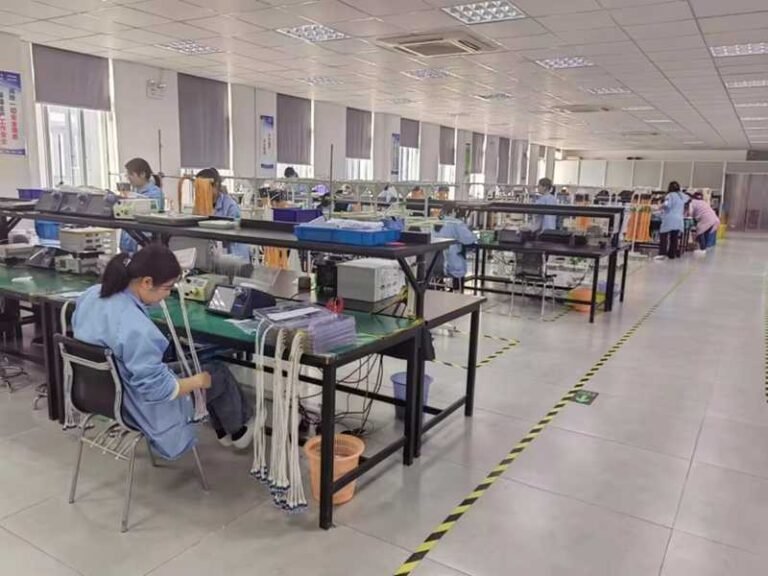
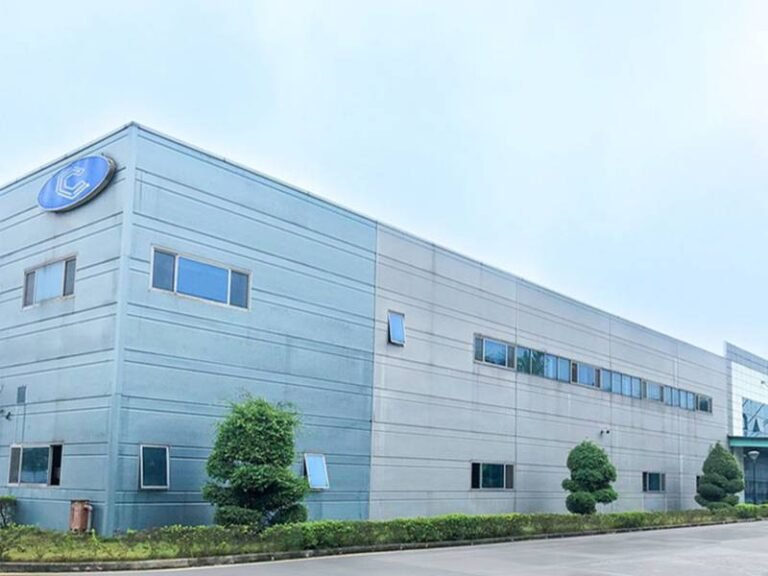
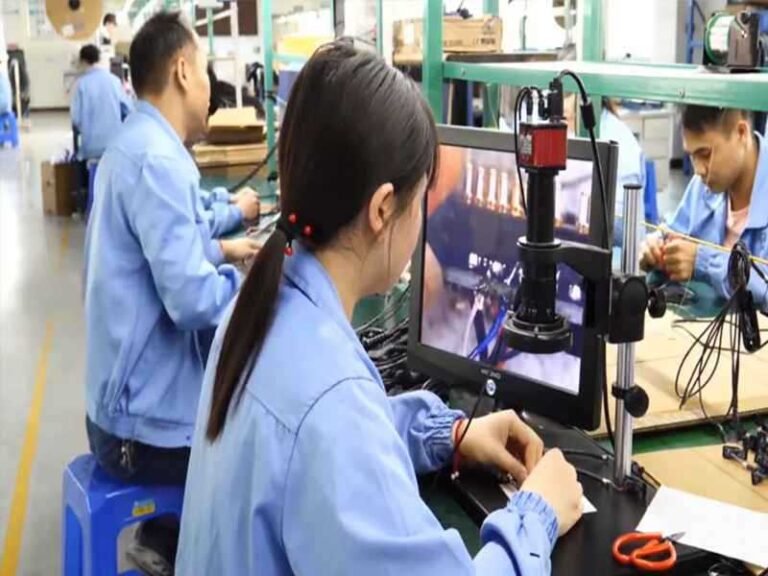
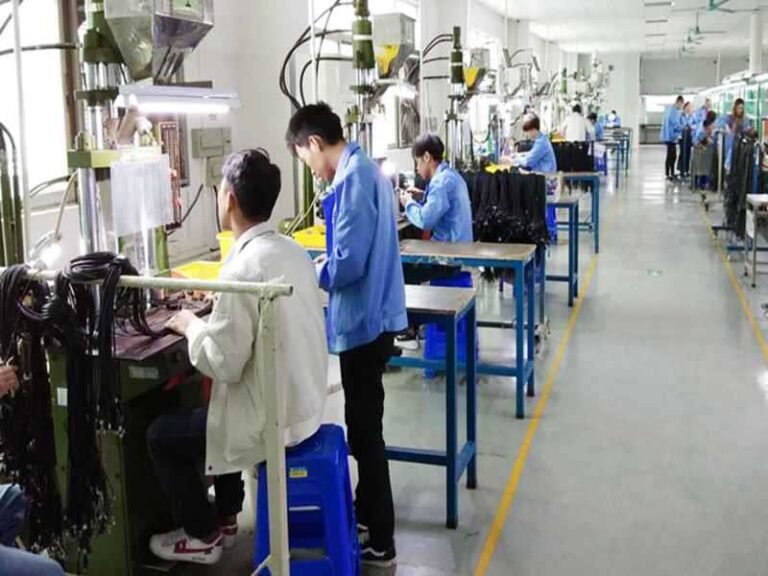
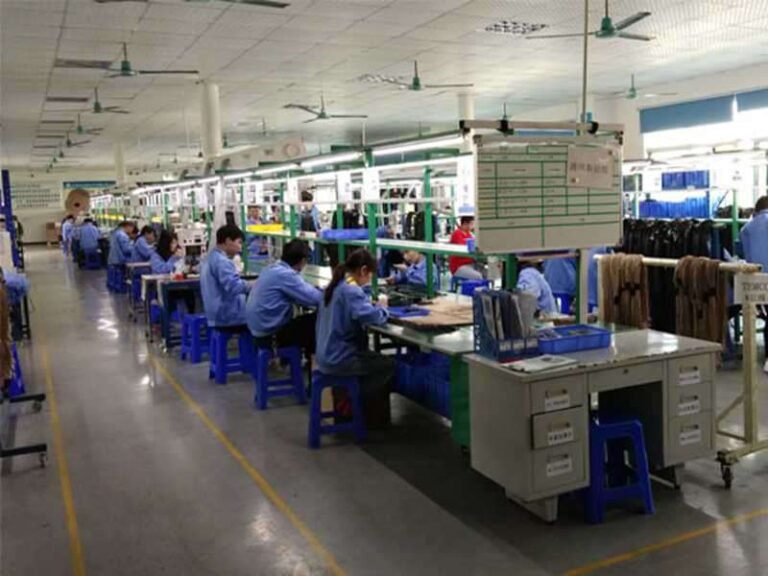
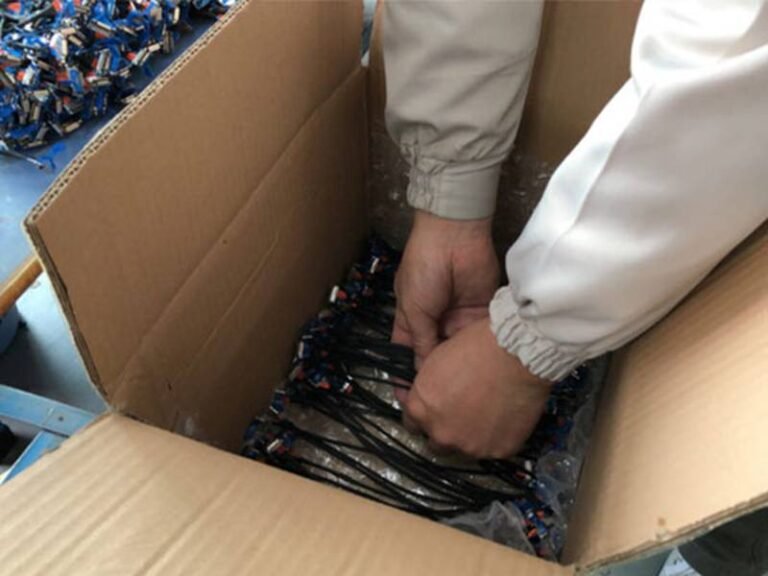
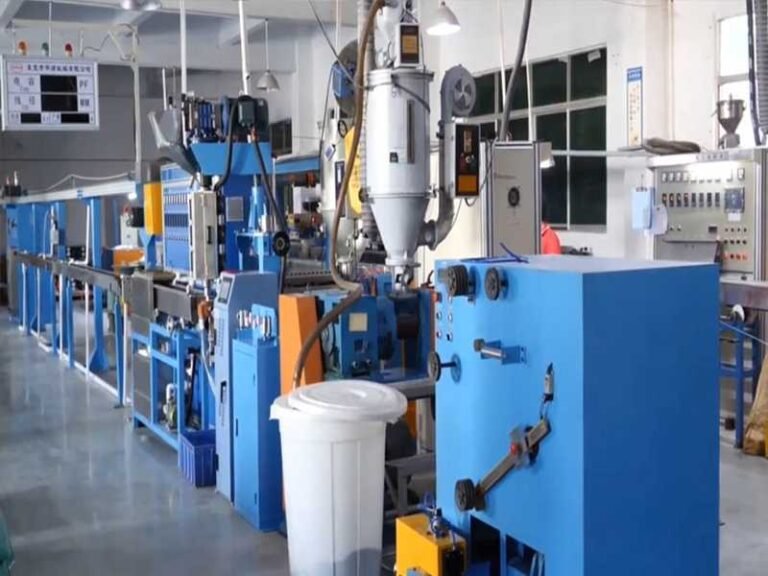
Engineering Support Built Around Robotics Development Cycles
Robotics development schedules frequently move faster than documentation updates. During early project stages, engineering teams may only provide connector references, cable specifications, installation photos, hand sketches, or preliminary layouts rather than finalized CAD packages. SINO-CONN works directly with these early-stage inputs and supports project discussions around connector selection, branch structures, routing feasibility, signal organization, and manufacturability. Drawing support can range from quick structural confirmation to complete CAD-to-PDF production documentation according to project complexity and development timelines.
Manufacturing Capability Supporting Complex Robotics Harness Structures
Modern robotic systems increasingly integrate embedded controllers, machine vision devices, servo platforms, communication systems, distributed sensors, and power architectures into compact environments. SINO-CONN supports customized robotics harness systems ranging from compact signal assemblies to complex multi-branch structures with 20–512+ signal paths. Cable assemblies can support lengths from 30 mm to over 10 meters depending on application requirements, while miniature coax capability down to 50AWG supports projects requiring smaller electrical structures and compact internal integration.
Flexible Supply Chain Resources Across Connector & Material Ecosystems
Robotics projects often combine multiple connector systems and material requirements inside one assembly. Long-term coordination with connector manufacturers, cable suppliers, overmolding factories, shielding providers, and material partners allows SINO-CONN to integrate a wide range of components including JST, HRS, Honda, Molex, TE, I-PEX, JAE, Samtec, Amphenol, waterproof connectors, miniature coax systems, shielding structures, and project-specific components. Flexible sourcing capability frequently helps development teams balance lead time requirements, project budgets, and connector availability during prototype and recurring manufacturing stages.
One Workflow From Prototype Validation To OEM Manufacturing
Many robotics projects begin with one-piece engineering samples and gradually move toward pilot production and recurring manufacturing programs. Development stages frequently involve connector revisions, branch adjustments, routing optimization, and installation updates before production architecture becomes stable. SINO-CONN supports this transition through sample workshops, engineering review processes, structured manufacturing workflow, and coordinated delivery support. Standard sample projects typically require around two weeks, while certain urgent structures may support accelerated schedules according to project conditions and material availability.
Robotics Wiring Challenges
Robotic systems continue integrating more functions into smaller and more complex equipment structures. Servo platforms, machine vision modules, embedded processors, communication systems, safety electronics, sensors, and distributed control units frequently operate simultaneously inside compact environments. Wire harness design therefore becomes closely connected with mechanical architecture, installation sequence, service accessibility, and recurring manufacturing activities. Many challenges appear long before production starts and often become more difficult to solve after equipment enters validation or assembly stages. SINO-CONN frequently works with robotics customers during early project discussions where installation constraints and harness architecture become key engineering topics.

Internal Space Continues Shrinking While Electrical Density Keeps Increasing
Modern robotic systems increasingly require more functions within smaller footprints. Collaborative robots, AGV platforms, machine vision equipment, and compact automation devices often integrate cameras, processors, communication modules, and multiple sensor systems inside highly constrained spaces. Internal routing paths frequently pass through brackets, moving structures, and narrow channels where installation flexibility becomes limited. Harness architecture therefore requires early planning around dimensions, branch directions, and available routing space before mechanical structures become fixed.
Multi-System Integration Creates Complex Harness Architecture
A single robotic platform frequently combines power systems, communication networks, servo modules, sensors, cameras, embedded boards, and control electronics operating simultaneously. These systems often involve different wire structures, signal definitions, and installation requirements. Integrating multiple electrical environments into one organized harness architecture frequently becomes a major development challenge because routing organization directly affects installation efficiency and long-term serviceability.
Connector Ecosystems Become Increasingly Mixed Across Robotic Platforms
Robotic projects rarely use a single connector family. Different subsystems may require JST, HRS, Molex, TE, I-PEX, Amphenol, waterproof connectors, miniature coax interfaces, or customer-defined solutions depending on electrical and mechanical requirements. Mixed connector ecosystems create challenges involving dimensions, orientation, mating direction, and installation access. SINO-CONN frequently supports projects requiring multiple connector platforms integrated into one harness structure according to actual application requirements.
Multi-Branch Structures Increase Assembly Difficulty
Traditional point-to-point wire structures are becoming less common in robotic systems. Multi-branch harnesses frequently distribute electrical systems throughout robotic arms, AGV platforms, embedded control areas, machine vision modules, and distributed sensor locations. Branch positioning often affects assembly workflow and future maintenance accessibility. Incorrect branch locations may create routing pressure, increase installation complexity, or complicate recurring manufacturing consistency.
Engineering Changes Continue Throughout Validation Stages
Robotics development projects frequently evolve throughout testing and equipment validation cycles. Early harness versions often require updates involving connector orientation, branch length, signal definitions, routing paths, and installation geometry after physical prototypes become available. Development activities frequently move faster than documentation revisions, creating situations where engineering flexibility becomes essential. SINO-CONN regularly supports projects beginning from installation photos, rough sketches, or sample references before production documentation becomes finalized.
Stable Recurring Production Requires More Than A Successful Prototype
A working prototype does not automatically guarantee smooth recurring production. Engineering samples frequently receive manual adjustments during validation activities, while recurring manufacturing requires controlled branch locations, repeatable routing structures, organized identification systems, and standardized production documentation. Stable manufacturing workflow becomes increasingly important when projects move toward larger OEM quantities. Production consistency often determines installation efficiency just as much as electrical performance itself.
Why Robotics Companies Choose SINO-CONN
Robotics projects often move through multiple stages including concept discussions, engineering validation, prototype development, installation testing, pilot production, and recurring OEM manufacturing. Supplier selection therefore frequently depends on more than production capability alone. Engineering responsiveness, customization flexibility, manufacturing consistency, communication efficiency, and long-term project support often become important evaluation factors. SINO-CONN supports robotics customers through engineering collaboration, prototype capability, structured manufacturing workflow, and integrated supply coordination developed around practical project requirements.

| Capability | SINO-CONN Support |
|---|---|
| Prototype MOQ | Starting From 1 Piece |
| Harness Capability | 20–512+ Signal Paths |
| Cable Length | 30 mm–10m+ |
| Miniature Coax | Down To 50AWG |
| Drawing Support | CAD → PDF |
| Fast Drawing Response | As Fast As 30 Minutes |
| Standard Sample Lead Time | Around 2 Weeks |
| Urgent Projects | 2–3 Days Possible |
| Inspection Workflow | Three-Stage Verification |
| Connector Ecosystems | JST / HRS / TE / I-PEX / Molex / Amphenol |
Engineering Response Speed Supports Faster Development Cycles
Robotics development frequently moves faster than manufacturing documentation. Engineering teams often require immediate discussion around connector selection, branch structures, installation environments, routing paths, and manufacturability before formal drawings become available. SINO-CONN supports rapid engineering communication and technical coordination throughout development stages. Depending on project complexity, simple structures may receive drawing and quotation support within very short timeframes, helping development teams reduce delays during early project discussions.
Flexible Customization Capability Across Complex Robotics Projects
Modern robotic systems rarely follow standardized wiring structures. Different projects may involve compact installation areas, mixed signal systems, distributed electronics, special routing paths, and customized branch architecture. SINO-CONN supports project-specific customization involving cable lengths from 30 mm to over 10 meters, multi-branch harness structures, miniature wire integration, connector orientation adjustments, pin definition customization, and mixed connector ecosystems according to actual equipment requirements rather than fixed product limitations.
Prototype-To-OEM Manufacturing Workflow Under One System
Many robotics programs begin with small engineering quantities before moving into pilot builds and larger manufacturing schedules. Managing multiple suppliers during different development stages frequently creates communication gaps and technical inconsistencies. SINO-CONN supports one-piece prototypes, sample validation, pilot production, and recurring manufacturing within one coordinated workflow. This structure often helps maintain drawing consistency, connector definitions, branch architecture, and manufacturing organization throughout project evolution.
Integrated Manufacturing & Supply Coordination Improves Execution Stability
Robotics projects frequently combine multiple materials and connector ecosystems within one assembly. Long-term relationships with wire manufacturers, connector suppliers, shielding providers, terminal manufacturers, and molding partners support flexible project execution across different stages. SINO-CONN integrates components including JST, HRS, Molex, TE, I-PEX, JAE, Samtec, waterproof interfaces, miniature coax systems, and customized structures according to project requirements. Combined with a three-stage inspection workflow and coordinated production planning, this approach supports recurring manufacturing consistency for both development and OEM programs.
Robotics Wire Harness Types
Robotic platforms use very different wire harness structures depending on movement architecture, installation environments, electrical density, signal organization, and maintenance requirements. A robotic arm operating across multiple rotational axes requires different wiring architecture compared with an AGV platform, machine vision system, or collaborative robot. Harness structure influences routing efficiency, internal space utilization, connector organization, and future service activities. SINO-CONN supports custom robotics wire harness development according to actual equipment structures rather than standardized catalog configurations.
| Harness Type | Main Function | Common Signals | Typical Application |
|---|---|---|---|
| Robotic Arm Harness | Multi-axis electrical routing | Servo / Encoder / Power | Articulated robots |
| Servo Harness | Motion control integration | Control / Feedback | Servo systems |
| Sensor Harness | Distributed signal collection | Low-voltage signals | Detection systems |
| End-Effector Harness | Tool interface connection | Mixed systems | Grippers & tooling |
| Machine Vision Harness | Image & data transmission | High-speed signals | Inspection equipment |
| AGV / AMR Harness | Distributed platform wiring | Communication + Power | Mobile robotics |

Robotic Arm Wire Harness
Industrial robotic arms frequently route wiring through rotating joints, articulated structures, compact channels, and internal mechanical pathways. Electrical systems often combine encoder signals, servo systems, control electronics, communication lines, and distributed sensors operating simultaneously within limited spaces.
Typical Characteristics:
- Multi-axis movement environments
- Internal routing through rotating structures
- Mixed signal and power architecture
- Compact installation pathways
- Maintenance accessibility considerations
SINO-CONN supports customized robotic arm harness structures developed according to actual mechanical architecture and routing environments.

Servo & Motion Control Harness
Servo systems frequently connect controllers, motors, feedback devices, encoders, and distributed control platforms throughout robotic systems. Motion environments often require organized signal structures and consistent electrical organization across multiple control interfaces.
Typical Characteristics:
- Encoder integration capability
- Feedback system connectivity
- Controller-to-servo architecture
- Mixed signal organization
- Multi-point system integration
These harness structures frequently support robotic movement platforms requiring stable organization and repeatable installation structures.

Sensor Wire Harness Systems
Modern robotic systems commonly distribute sensors throughout equipment structures supporting environmental monitoring, positioning systems, safety functions, embedded electronics, and operational feedback systems. Sensor harnesses frequently involve miniature connectors and compact routing environments.
Typical Characteristics:
- Small connector structures
- Distributed installation locations
- Compact branch organization
- Low-voltage signal integration
- Embedded electronic environments
Sensor systems increasingly become important as robotic platforms continue integrating more intelligent functionality.

End-Effector Harness Structures
Robotic grippers, vacuum systems, tooling modules, and specialized end-effectors frequently combine communication interfaces, sensors, control systems, and power architecture inside compact tooling environments. Electrical layouts often require project-specific branch organization and connector orientation.
Typical Characteristics:
- Mixed signal integration
- Compact installation geometry
- Customized branch structures
- Tool-specific routing layouts
- Flexible connector positioning
SINO-CONN frequently supports customized harness structures for robotic end-effectors requiring unique electrical architecture.

Machine Vision Harness Systems
Machine vision platforms continue integrating cameras, illumination systems, embedded processors, sensors, and communication electronics within increasingly compact equipment. Internal wiring structures often require smaller conductors and organized signal architecture.
Typical Characteristics:
- Camera system integration
- High-density electrical environments
- Compact internal structures
- Communication interface support
- Small-diameter wiring requirements
SINO-CONN supports miniature coax capability down to 50AWG and compact wiring structures for projects involving machine vision systems and embedded electronic environments.

AGV & Mobile Robotics Harness Systems
AGV and AMR platforms frequently integrate navigation electronics, communication systems, obstacle detection devices, battery systems, embedded controllers, and distributed sensors across compact mobile structures. Harness architecture often requires distributed branch systems and organized electrical zoning.
Typical Characteristics:
- Multi-zone electrical distribution
- Battery system integration
- Communication architecture support
- Sensor system organization
- Compact mobile equipment routing
These systems frequently require harness structures designed around distributed installation environments and evolving robotic platform architectures.
Robotics Wire Harness Architecture Design
Robotics wire harness architecture involves much more than determining cable length or selecting connectors. Modern robotic systems integrate servo platforms, embedded processors, sensors, machine vision modules, communication networks, and distributed power structures within compact mechanical environments. Harness architecture therefore becomes part of overall equipment engineering because routing paths, branch organization, connector positioning, and installation sequence frequently influence manufacturing workflow and future maintenance activities. SINO-CONN regularly supports robotics projects beginning from early-stage engineering discussions where architecture planning becomes an important step before production documentation is finalized.

Signal Distribution Architecture Determines Overall System Organization
Robotic systems frequently operate with multiple electrical environments running simultaneously, including communication signals, sensor systems, servo controls, embedded processors, machine vision modules, and distributed power structures. Organizing these electrical systems inside one harness architecture requires early planning because signal distribution directly influences connector arrangement, routing paths, and future expansion capability. During development activities, SINO-CONN frequently reviews signal definitions and interface relationships to support organized harness structures matching actual equipment architecture.
Branch Structure Planning Influences Installation Efficiency
Branch architecture often determines how electrical systems distribute across robotic equipment. Split locations, branch directions, output positions, and branch lengths frequently affect assembly sequence and installation accessibility. Poor branch positioning may create routing pressure and increase complexity around moving structures or compact electronic environments. Multi-branch harness projects frequently require engineering discussions before production begins because branch architecture often becomes difficult to change after equipment structures are finalized.
Connector Position Strategy Affects Accessibility And Maintenance
Connector location frequently influences assembly efficiency and long-term serviceability. Connectors positioned deep inside robotic arms or embedded structures may become difficult to access after assembly completion. Orientation, mating direction, insertion clearance, and surrounding installation space frequently require consideration during architecture planning stages. SINO-CONN commonly supports connector integration involving JST, HRS, Molex, TE, I-PEX, Amphenol, waterproof systems, and project-specific interfaces according to installation requirements.
Routing Architecture Must Follow Mechanical Structures
Wire harness routing inside robotic systems frequently passes through rotating joints, internal channels, brackets, compact structures, and embedded equipment areas. Mechanical structures often define available routing space, making electrical architecture closely dependent on physical equipment design. Routing strategy frequently considers movement areas, installation sequence, and service access before manufacturing workflow begins. Early routing discussions often help reduce revisions during prototype stages.
Installation Accessibility Planning Supports Future Service Activities
Robotic systems frequently become difficult to access after assembly is completed. Harness architecture therefore often considers installation sequence and maintenance activities rather than focusing only on electrical connectivity. Planning around access points, service loops, branch identification, and connector reach frequently helps improve future replacement efficiency and equipment servicing workflow.
Modular Harness Architecture Supports Development And OEM Production
Large robotic systems increasingly divide electrical systems into modular harness sections supporting assembly organization and recurring manufacturing activities. Separating complex systems into modular sections frequently simplifies troubleshooting, replacement activities, and future design revisions. SINO-CONN supports projects ranging from one-piece prototype quantities to recurring OEM manufacturing programs, where modular architecture frequently improves consistency across validation stages and long-term production schedules.
Materials & Wire Technologies
Material selection directly influences harness flexibility, routing efficiency, structural dimensions, environmental compatibility, and long-term performance across robotic platforms. Modern robotic systems frequently integrate machine vision modules, embedded processors, communication electronics, sensors, servo systems, and distributed power architectures within compact environments. Different applications often require different combinations of conductors, shielding structures, jackets, miniature cable systems, and protective materials. SINO-CONN supports customized material combinations according to actual installation environments and project requirements rather than limiting projects to fixed wire configurations.

| Material / Technology | Main Function | Typical Robotics Applications |
|---|---|---|
| TPU | Flexibility & durability | Robotic arms |
| PUR | Wear resistance | Industrial automation |
| FEP / PTFE | High temperature capability | Precision equipment |
| Shield Structures | Signal organization | Mixed electrical systems |
| Miniature Conductors | Compact integration | Vision & embedded systems |
| Overmold Structures | Mechanical protection | Connector transitions |
Flexible Cable Materials For Dynamic Motion Environments
Robotic systems frequently involve movement across joints, articulated structures, embedded routing channels, and compact installation pathways. Cable flexibility often becomes important because harness structures may move repeatedly throughout equipment operation. Material structures commonly involve TPU and PUR solutions depending on routing environments and mechanical architecture.
Typical Characteristics:
- Flexible installation structures
- Compact routing support
- Repetitive movement environments
- Reduced installation pressure
- Robotic arm integration capability
SINO-CONN frequently supports robotics projects requiring flexible wire structures integrated into complex movement systems.
Wear Resistance Materials For Industrial Environments
Industrial robotic environments frequently expose wiring systems to friction, mechanical contact, movement cycles, and equipment interaction. Material selection often considers installation conditions and long-term operating environments where cable protection becomes increasingly important.
Typical Characteristics:
- Industrial equipment integration
- Surface protection capability
- Routing structure stability
- Mechanical contact environments
- Installation durability support
PUR materials are commonly used in automation environments requiring stronger mechanical characteristics.
Shield Architecture For Mixed Signal Systems
Modern robotic systems frequently combine communication interfaces, sensors, embedded electronics, servo systems, cameras, and distributed control structures operating inside shared environments. Mixed signal structures often require organized shielding architecture according to system layout.
Typical Characteristics:
- Multi-system electrical environments
- Signal separation structures
- Communication integration support
- Sensor architecture organization
- Distributed control environments
SINO-CONN supports customized shielding structures according to project architecture and connector ecosystem requirements.
Miniature Wire Technologies For Compact Equipment
Machine vision platforms, embedded robotic systems, compact automation devices, and precision equipment increasingly require smaller electrical structures due to installation limitations. Compact wire capability frequently supports routing efficiency and internal organization.
Typical Characteristics:
- Compact installation environments
- Reduced occupied space
- Embedded system integration
- Miniature connector compatibility
- High-density electronic environments
SINO-CONN supports miniature coax capability down to 50AWG and compact wire structures for projects involving highly integrated electronic environments.
Overmold Integration For Transition Protection
Connector exits and branch transitions frequently become structurally sensitive areas inside robotic systems. Protective transition structures may support installation consistency and reinforce harness organization around connector areas.
Typical Characteristics:
- Transition reinforcement capability
- Connector exit protection
- Structured routing support
- Branch area organization
- Customized geometry options
Overmold structures frequently become integrated according to routing architecture and installation requirements.
Multi-Material Integration Capability Across Robotics Systems
Complex robotic systems frequently combine multiple conductor structures, connector ecosystems, shielding systems, and protective materials inside one harness architecture. Different sections of the same robotic platform may require different material combinations depending on installation location and electrical requirements.
Typical Characteristics:
- Mixed connector ecosystems
- Combined material structures
- Distributed electrical architecture
- Custom integration capability
- Flexible project configurations
SINO-CONN frequently supports robotics projects integrating JST, HRS, Molex, TE, I-PEX, miniature coax systems, shielding structures, and customized material combinations within one assembly.
Multi-Branch Harness Engineering
Modern robotic systems rarely rely on simple point-to-point cable structures. A single robotic platform may simultaneously integrate motion controllers, servo systems, machine vision modules, sensors, communication interfaces, embedded processors, power systems, and peripheral devices distributed throughout different equipment zones. Multi-branch harness architecture has therefore become increasingly common because one organized harness structure often supports multiple electrical functions across the same machine. Branch planning influences installation efficiency, routing organization, manufacturing consistency, and future maintenance activities. SINO-CONN regularly supports robotics projects involving complex branch systems developed around actual installation environments rather than generic harness layouts.

Branch Architecture Defines Overall Electrical Distribution
Branch structures frequently become the foundation of electrical organization inside robotic systems. Unlike standard cable assemblies where two endpoints simply connect together, robotic harnesses often distribute electrical systems into multiple equipment areas simultaneously. Branch quantity, output direction, split sequence, and routing geometry frequently influence how effectively electrical systems integrate throughout robotic equipment. Early architecture planning often helps simplify later installation activities and reduce routing conflicts.
Branch Position Planning Directly Affects Assembly Workflow
Branch location may appear to be a simple dimensional detail, but branch position frequently determines installation sequence and routing accessibility inside robotic systems. Incorrect split positions may force installers to bend harnesses excessively or create unnecessary routing pressure around embedded structures. During robotics projects, SINO-CONN frequently reviews installation layouts and routing environments because branch locations often require coordination with actual mechanical architecture rather than theoretical dimensions alone.
High-Density Robotic Systems Require Organized Branch Structures
Collaborative robots, AGV systems, machine vision platforms, and embedded robotic devices increasingly integrate larger numbers of electronic modules inside smaller spaces. Controllers, sensors, cameras, communication electronics, and embedded processors frequently coexist inside compact equipment structures. Organized multi-branch architecture often supports cleaner internal layouts and improves installation efficiency within high-density electrical environments.
Branch Transition Areas Frequently Require Additional Structural Protection
Split locations often become mechanically sensitive areas because multiple harness sections transition into different routing paths simultaneously. Branch exits may experience movement, installation stress, and routing pressure depending on equipment structure. Protective structures such as sleeves, reinforcement systems, overmold transitions, and organized strain-relief architecture may be integrated according to actual installation requirements and project environments.
Branch Identification Strategy Improves Installation And Maintenance
Complex robotic systems frequently contain multiple branch outputs connecting distributed electrical systems throughout equipment structures. Installation activities become increasingly difficult when branch identification remains unclear. Label systems, branch markers, and organized identification structures frequently support assembly activities and future troubleshooting processes. Large recurring manufacturing projects often benefit from structured identification workflow because installation teams require faster recognition during production activities.
Stable Manufacturing Requires Consistent Branch Repetition
Prototype assemblies frequently allow manual adjustment during validation activities, while recurring manufacturing requires repeatable branch positioning and standardized assembly workflow. Production consistency often depends on maintaining stable split locations, connector orientation, routing organization, and labeling structures across different manufacturing batches. SINO-CONN supports multi-branch robotics projects through controlled production documentation and structured manufacturing workflow, helping projects transition from engineering validation toward recurring OEM production requirements.
Robotics Harness Installation & Service Strategy
Wire harness manufacturing represents only one part of a robotics project lifecycle. After production is completed, harness structures still need to move through equipment assembly, installation, maintenance activities, upgrades, and future replacement cycles. In robotic systems containing compact internal spaces, embedded electronics, rotating structures, and distributed electrical devices, installation accessibility frequently becomes just as important as electrical architecture itself. A harness that performs well electrically may still create difficulties if installation paths become restricted or service access becomes limited. SINO-CONN regularly supports robotics projects where installation conditions and future service workflow become important discussion topics during early engineering stages.

Connector Access Planning Influences Long-Term Serviceability
Connector location frequently determines how easily maintenance teams can access electrical systems after equipment assembly is completed. Connectors placed deep inside robotic joints, embedded structures, or enclosed compartments may become difficult to remove during future servicing activities. Orientation, insertion direction, and surrounding access space often require evaluation before architecture becomes fixed. During project discussions, SINO-CONN frequently reviews installation layouts because connector accessibility may affect future maintenance efficiency as much as electrical functionality itself.
Installation Sequence Planning Helps Reduce Assembly Complexity
Wire harness installation rarely occurs independently. Mechanical structures, brackets, embedded modules, sensors, and moving components often follow specific assembly sequences throughout robotic production workflow. Harness architecture therefore frequently requires planning around actual installation order rather than only electrical logic. Incorrect routing sequence may create assembly interference or require unnecessary disassembly during later stages. Early installation planning often reduces adjustment activities during pilot and recurring production stages.
Service Loop Design Supports Future Replacement Activities
Some robotic systems require additional harness movement allowance or maintenance access after equipment assembly is completed. Service loops frequently create reserved routing flexibility supporting future replacement and reducing installation stress around fixed structures. In equipment involving movement areas or compact routing channels, service loop planning often helps improve long-term service accessibility without increasing structural complexity.
Modular Replacement Structures Improve Maintenance Efficiency
Large robotic platforms increasingly separate electrical systems into modular harness sections rather than one integrated wiring assembly. Segmenting electrical systems frequently simplifies troubleshooting and allows replacement activities to occur without removing complete harness structures. Modular organization often becomes particularly valuable in AGV systems, industrial robotic arms, and machine vision platforms requiring faster maintenance activities and reduced equipment downtime.
Identification Systems Simplify Installation And Troubleshooting
Robotic systems frequently integrate multiple branch structures, distributed electrical devices, and mixed connector ecosystems throughout one machine. Installation activities become increasingly difficult when branch outputs and signal destinations are not clearly identified. Structured label systems, branch identification methods, and installation references frequently improve assembly efficiency and support future troubleshooting workflow. SINO-CONN supports identification strategies according to project requirements during prototype and OEM manufacturing stages.
Maintenance Accessibility Requires Early Engineering Consideration
Maintenance activities frequently occur after mechanical structures, covers, brackets, and embedded systems have already been installed. Accessing harness systems during future servicing may become difficult if replacement environments are not considered during development stages. Installation planning therefore often includes service accessibility review involving routing paths, branch organization, connector access zones, and future replacement workflow. Projects considering service strategy early frequently experience smoother maintenance activities throughout equipment life cycles.
Robotics Wire Harness Manufacturing Process
Robotics wire harness manufacturing involves much more than cutting wires and assembling connectors. Modern robotic systems frequently combine compact installation environments, mixed connector ecosystems, multi-branch architectures, embedded electronics, and distributed electrical systems inside increasingly complex equipment structures. Manufacturing workflow therefore begins long before physical assembly activities start and often includes engineering review, documentation preparation, material coordination, sample validation, controlled production processes, and recurring manufacturing support. SINO-CONN supports robotics wire harness projects through integrated engineering and manufacturing workflow designed around prototype development and long-term OEM production requirements.

| Manufacturing Stage | Main Activities |
|---|---|
| Requirement Review | Project evaluation & feasibility |
| Engineering Documentation | CAD & production preparation |
| Material Coordination | Connectors & component sourcing |
| Wire Processing | Cutting & preparation |
| Terminal Integration | Crimping & assembly |
| Harness Assembly | Routing & branch organization |
| Verification Process | Inspection & validation |
| Shipment Preparation | Packaging & delivery |
Requirement Review Begins Before Manufacturing Preparation
Many robotics projects start with connector references, installation photos, sample assemblies, routing sketches, signal definitions, or preliminary layouts rather than complete production drawings. Early technical review frequently evaluates manufacturability, branch architecture, connector compatibility, routing environments, and installation conditions before production activities begin. SINO-CONN commonly supports projects beginning from engineering discussions where development information continues evolving throughout early project stages.
Engineering Documentation Supports Manufacturing Consistency
Production consistency frequently depends on organized documentation before assembly activities begin. Drawings often define connector orientation, branch dimensions, pin definitions, cable lengths, routing directions, and identification structures. SINO-CONN supports CAD-to-PDF documentation workflow and engineering confirmation processes helping ensure technical requirements remain aligned before manufacturing enters production stages.
Material Preparation Coordinates Multiple Supply Systems
Robotics wire harnesses frequently combine connectors, terminals, shielding materials, miniature conductors, protective structures, overmold systems, labels, and customized accessories within one assembly. Coordinated preparation becomes increasingly important when projects integrate multiple connector ecosystems such as JST, HRS, TE, Molex, I-PEX, or waterproof interfaces. Material organization frequently influences manufacturing readiness and project scheduling activities.
Wire Processing Creates Foundation For Harness Structures
Wire preparation frequently includes cutting, stripping, identification preparation, and dimensional organization according to approved manufacturing documentation. Stable processing workflow often supports recurring manufacturing consistency across different project stages and production quantities. Complex robotics projects involving multiple wire structures frequently require organized preparation activities before assembly stages begin.
Terminal Processing And Connector Integration Require Controlled Workflow
Terminal integration often becomes important because connector compatibility and assembly consistency directly influence harness organization. Robotics projects frequently combine multiple connector systems and customized pin definitions within one harness architecture. Controlled workflow frequently supports stable connector positioning and repeatable assembly activities throughout recurring manufacturing stages.
Harness Assembly Organizes Branch Structures And Routing Architecture
Assembly activities often involve branch positioning, connector orientation, harness routing, protective structures, and identification systems according to approved documentation. Multi-branch robotic projects frequently require controlled organization because branch directions and routing geometry often affect installation workflow during later stages.
Intermediate Verification Supports Process Stability
Inspection activities frequently continue throughout production rather than beginning only after assembly completion. Intermediate verification commonly reviews connector positions, branch dimensions, routing structures, and assembly consistency before downstream manufacturing stages continue. SINO-CONN supports process inspection workflow helping maintain consistency during both sample and OEM production activities.
Final Validation And Shipment Preparation Complete Manufacturing Workflow
Completed robotics harness systems frequently move through final verification activities involving documentation review, connector confirmation, visual inspection, identification checking, and packaging preparation before shipment release. Production workflow often concludes only after technical requirements and project structures align with approved documentation and manufacturing standards.
Quality Control & Functional Testing
Robotics wire harness systems frequently operate inside environments where multiple electrical devices, motion systems, communication interfaces, and embedded platforms work simultaneously. A small assembly deviation or wiring inconsistency may affect installation workflow, troubleshooting efficiency, or system integration activities during later project stages. Quality control therefore extends throughout manufacturing workflow rather than beginning only after assembly completion. SINO-CONN supports robotics projects through structured verification processes covering material inspection, manufacturing control, electrical validation, and shipment preparation activities across both prototype and recurring OEM programs.
| Verification Stage | Inspection Focus |
|---|---|
| Incoming Inspection | Wire, connectors, materials |
| Process Inspection | Assembly workflow verification |
| Functional Testing | Electrical confirmation |
| Visual Inspection | Structure & labeling |
| Final Inspection | Shipment validation |


Incoming Material Verification And Process-Level Inspection
Quality activities frequently begin before production assembly starts. Wire materials, connector systems, terminals, shielding structures, labels, sleeves, and project-specific components commonly undergo verification before entering manufacturing workflow. During assembly stages, inspection activities continue across wire processing, connector integration, branch positioning, and routing organization. Intermediate inspection often identifies structural inconsistencies before later manufacturing stages begin. SINO-CONN supports process-level inspection workflow designed to maintain manufacturing consistency across prototype quantities and recurring robotic production programs.
Functional Electrical Testing Supports Installation Reliability
Completed robotics harness systems frequently require electrical verification before release activities begin. Depending on project requirements, testing activities may include continuity inspection, pin definition confirmation, open/short verification, connector sequence validation, and project-specific functional checking. Robotics systems often integrate mixed signal environments involving communication systems, sensors, servo electronics, and embedded control platforms, making organized verification workflow increasingly important during manufacturing activities.
Three-Stage Inspection Workflow Supports Recurring Production Consistency
Prototype assemblies often allow manual adjustments during engineering validation, while recurring OEM manufacturing requires repeatable inspection processes and structured production control. SINO-CONN supports a three-stage quality workflow involving process inspection, completed assembly verification, and pre-shipment inspection activities. Additional activities frequently include branch identification review, visual confirmation, packaging verification, and documentation checking before shipment release. Structured inspection workflow often supports production consistency across projects involving complex branch structures and multi-system robotic architectures.
Certifications & Compliance
Robotics wire harness projects frequently require more than manufacturing capability and engineering support. During supplier qualification processes, purchasing departments, engineering teams, OEM manufacturers, and supply chain managers often evaluate quality systems, process control standards, documentation capability, environmental compliance, and manufacturing consistency before approving long-term cooperation. Qualification activities become increasingly important for industrial robotics platforms, automation systems, precision equipment, machine vision devices, and international OEM projects where production repeatability and compliance support influence supplier selection. SINO-CONN supports structured manufacturing workflow and certification systems designed around both engineering development and recurring production requirements.
| Certification / Standard | Scope & Application |
|---|---|
| ISO 9001 | Quality management systems |
| ISO 14001 | Environmental management systems |
| ISO 13485 | Medical manufacturing workflow |
| ISO 10993 | Material evaluation support |
| IPC-620 | Wire harness workmanship standards |
| UL | Material capability & component support |
| RoHS | Restricted substance compliance |
| REACH | Material declaration support |
| PFAS | Environmental compliance requirements |
| COC / COO | Export & shipment documentation |
| QBFA | Manufacturing capability support |
Structured Quality Systems Support Stable Robotics Manufacturing
Recurring robotics projects frequently require stable manufacturing workflow, documented processes, controlled inspection activities, and organized production management systems. As projects move from engineering samples into pilot production and OEM schedules, maintaining production consistency becomes increasingly important because branch locations, connector orientation, routing structures, and installation requirements often require repeatable manufacturing conditions. SINO-CONN supports structured production management through ISO systems, IPC workmanship standards, process documentation workflow, and manufacturing procedures helping support long-term project consistency across prototype and recurring production environments.
Documentation Capability Supports Engineering Qualification Activities
Robotics projects often require technical documentation beyond production capability alone. Engineering teams and procurement departments frequently request material declarations, production drawings, inspection records, compliance statements, process information, and supporting documents during supplier evaluation and onboarding stages. Project requirements may vary according to industry environments and customer qualification procedures. SINO-CONN supports documentation preparation including CAD drawings, PDF production files, material declarations, inspection reports, COC documentation, COO documentation, and project-specific manufacturing support files according to customer requirements.
Global Compliance Support Helps Simplify International Projects
International robotics projects frequently involve customers operating across North America, Europe, Japan, and other global markets where environmental standards and import requirements continue evolving. RoHS, REACH, PFAS declarations, export documentation, and project-specific compliance activities frequently become part of qualification workflow before recurring production programs begin. SINO-CONN supports global projects requiring compliance coordination according to destination requirements and customer specifications, helping simplify communication throughout engineering review, purchasing activities, and international supply processes.





Global Logistics & Delivery Support
Robotics wire harness projects frequently operate under strict engineering schedules where delivery timing directly influences prototype validation, installation planning, production milestones, customer demonstrations, and recurring manufacturing activities. Delays during sample stages or OEM supply programs may affect larger project timelines because robotics development often involves interconnected equipment and coordinated engineering activities. Logistics workflow therefore becomes part of project execution rather than a process occurring only after manufacturing completion. SINO-CONN supports global customers through structured delivery coordination covering sample projects, pilot production, recurring manufacturing schedules, export preparation, and international shipment support.

| Delivery Support Area | Typical Scope |
|---|---|
| Prototype Samples | Fast engineering shipment coordination |
| Pilot Production | Small batch scheduling |
| OEM Manufacturing | Recurring supply planning |
| Shipping Methods | DHL / UPS / FedEx / Air / Sea |
| Export Documentation | COC / COO / Commercial Files |
| Packaging Support | Project-specific packaging workflow |
| Tracking Support | Shipment coordination |
| Global Regions | North America / Europe / Asia |
Prototype And Urgent Project Scheduling Supports Development Timelines
Robotics development activities frequently operate under compressed schedules where prototype delivery timing directly affects engineering validation and project milestones. Sample projects often support installation testing, customer demonstrations, system verification, and design revisions before pilot activities begin. Standard sample projects commonly require around two weeks depending on project complexity and material conditions, while urgent structures may support accelerated coordination according to project requirements. SINO-CONN frequently supports projects where engineering schedules continue evolving throughout development stages and shipment timing becomes part of overall project planning.
International Shipment Coordination Supports Global Robotics Programs
Robotics customers frequently operate across North America, Europe, Japan, Southeast Asia, and other international markets where shipping requirements and logistics strategies differ according to project objectives. Different project stages frequently require different transportation methods ranging from express delivery during prototype activities to air freight and recurring logistics planning during OEM manufacturing. SINO-CONN supports multiple shipment approaches including DHL, UPS, FedEx, air transportation, sea freight, and customer-designated logistics systems according to project requirements and delivery priorities.
Packaging And Export Workflow Improves Delivery Stability
Robotics wire harness systems often include compact structures, mixed connector ecosystems, miniature interfaces, and customized branch architectures requiring organized packaging and export preparation. Packaging activities frequently involve product identification, quantity organization, protective materials, labels, commercial documentation, and shipment verification before dispatch activities begin. Export requirements may also involve COO, COC, invoices, packing lists, and project-specific documentation according to destination requirements. SINO-CONN supports structured shipment workflow helping projects move from manufacturing completion toward stable international delivery activities.
Prototype To Production Transition
Robotics wire harness projects rarely move directly from concept discussions into stable recurring production. Development commonly progresses through requirement evaluation, sample validation, engineering revisions, installation testing, pilot manufacturing, and recurring OEM production stages before project architecture becomes fully established. During this process, connector definitions, branch structures, routing paths, and installation requirements frequently evolve as equipment development continues. SINO-CONN supports robotics projects through coordinated engineering and manufacturing workflow designed to help development teams move from prototype quantities toward repeatable production programs with greater stability and visibility.

| Project Stage | Typical Activities |
|---|---|
| Requirement Review | Drawings, samples, discussion |
| Engineering Development | Architecture evaluation |
| Prototype Stage | Sample manufacturing |
| Validation | Installation & testing |
| Pilot Production | Small batch manufacturing |
| OEM Production | Recurring production support |
Requirement Evaluation Frequently Starts Before Documentation Is Complete
Robotics development projects often begin with installation photos, sample references, connector part numbers, hand sketches, routing concepts, or preliminary layouts rather than finalized production drawings. Engineering discussions frequently focus on manufacturability, connector compatibility, branch organization, and installation constraints before production documentation becomes stable. SINO-CONN regularly supports projects beginning from early-stage information where technical requirements continue developing throughout validation activities.
Prototype Samples Help Validate Architecture And Installation Conditions
Prototype manufacturing frequently supports early verification of branch structures, connector orientation, cable lengths, routing paths, and installation environments before larger production activities begin. Physical samples often reveal practical installation limitations not immediately visible during drawing reviews. Robotics projects frequently require multiple development cycles before architecture stabilizes, making sample validation an important step throughout project progression.
Engineering Revisions Continue Throughout Testing Activities
Robotics systems commonly evolve during equipment testing and development stages. Connector positions, routing geometry, signal definitions, branch outputs, and harness dimensions may require updates after equipment structures become physically available. Engineering flexibility frequently becomes important because development activities often move faster than formal documentation updates. SINO-CONN supports revision coordination across drawing updates, structural adjustments, and sample modifications during project evolution.
Pilot Production Supports Manufacturing Workflow Verification
Small production quantities frequently help evaluate manufacturing consistency before projects move toward larger recurring schedules. Pilot activities often review branch organization, assembly workflow, labeling systems, routing structures, and documentation alignment under practical manufacturing conditions. Identifying production issues early frequently reduces recurring manufacturing risk during later project stages.
Production Standardization Supports Recurring Manufacturing Stability
Successful engineering samples frequently contain manual adjustments or temporary solutions supporting early validation. Recurring production requires controlled branch locations, stable routing geometry, approved documentation, connector consistency, and organized assembly procedures. Standardization activities frequently become important because manufacturing consistency directly affects installation efficiency during larger robotic programs.
Long-Term OEM Production Requires Coordinated Manufacturing Support
After development activities and pilot stages are completed, projects frequently move toward recurring manufacturing requiring stable production scheduling and coordinated supply support. Production planning often includes manufacturing workflow organization, documentation control, inspection activities, and recurring delivery coordination. SINO-CONN supports projects from one-piece prototype quantities through long-term OEM production programs according to customer development schedules and manufacturing requirements.
Robotics Application Scenarios
Robotics wire harness requirements vary significantly according to equipment architecture, installation environments, electrical density, movement characteristics, and functional objectives. A harness structure developed for an AGV platform differs substantially from one designed for a collaborative robot, a robotic arm, or a machine vision inspection system. Connector positioning, branch organization, routing strategy, and internal electrical architecture often change according to application environments. SINO-CONN supports custom robotics wire harness projects across industrial automation, intelligent equipment, precision systems, embedded robotics, and OEM manufacturing platforms requiring specialized electrical integration.
| Robotics Sector | Common Electrical Requirements | Typical Harness Features |
|---|---|---|
| Industrial Robots | Servo + encoder systems | Multi-axis routing |
| AGV / AMR | Navigation + battery systems | Distributed branches |
| Collaborative Robots | Compact architecture | Flexible layouts |
| Machine Vision | Cameras + communication | Miniature wiring |
| Warehouse Automation | Distributed control systems | Segmented structures |
| Precision Robotics | Embedded electronics | Compact integration |

Industrial Robotic Arm Systems
Industrial robotic arms frequently integrate servo systems, encoder platforms, communication interfaces, distributed sensors, and embedded control structures operating throughout articulated mechanical environments. Internal harnesses often route through rotating joints, narrow channels, and complex movement structures where installation space becomes increasingly limited. Routing organization and branch architecture frequently influence assembly efficiency and future maintenance activities. SINO-CONN commonly supports customized robotic arm harness systems developed around actual movement paths and equipment geometry rather than standard cable layouts.

AGV And AMR Electrical Platforms
Autonomous mobile robots increasingly combine navigation electronics, embedded controllers, communication systems, battery management platforms, obstacle detection devices, and distributed sensors throughout compact mobile structures. Electrical systems often operate across multiple equipment zones requiring organized branch architecture and structured routing environments. Harness organization frequently supports installation consistency and future maintenance activities throughout evolving mobile robotics platforms.

Collaborative Robot Systems
Collaborative robots frequently integrate motion systems, safety electronics, communication interfaces, and sensing platforms inside compact mechanical environments designed around human-machine interaction. Internal space often becomes constrained because accessibility and structural efficiency remain important design priorities. Harness architecture frequently requires organized routing structures and compact electrical layouts supporting both installation workflow and future servicing activities.

Machine Vision And Intelligent Inspection Equipment
Machine vision systems increasingly integrate cameras, embedded processors, illumination systems, sensors, and communication electronics operating inside dense installation environments. Signal structures often require organized routing and compact wiring architecture due to increasing electronic integration requirements. SINO-CONN supports miniature coax capability down to 50AWG for applications involving compact image systems and embedded electronics where occupied space becomes increasingly limited.

Warehouse Automation And Intelligent Logistics Equipment
Automated warehouse systems frequently integrate robotic sorting platforms, transport systems, scanning equipment, distributed sensors, communication modules, and embedded control structures throughout large operating environments. Harness segmentation and branch organization frequently support installation flexibility and future maintenance activities because electrical systems often distribute across multiple equipment areas.

Medical Robotics And Precision Automation Equipment
Medical robotic platforms and precision automation systems frequently require compact structures integrating embedded electronics, miniature interfaces, sensors, and high-density electrical environments. Internal installation areas frequently become restricted due to device size limitations and equipment precision requirements. SINO-CONN supports customized miniature wire structures and complex electrical integration solutions developed according to compact installation requirements and specialized equipment architecture.
Customer Case Studies
Robotics wire harness projects often involve routing constraints, branch architecture, connector compatibility, and production repeatability challenges. The following anonymized cases are written for website use and can be replaced with approved customer names after permission or NDA review.

United States — AGV Navigation Harness Project
Region: Michigan, United States
Application Scenario:
A robotics company developing AGV platforms needed custom wire harnesses connecting navigation sensors, embedded controllers, wireless communication modules, battery management systems, and distributed safety devices inside compact mobile robot structures.
Pain Points:
The existing harness occupied too much internal routing space and created installation pressure around controller areas. Branch positions were not clearly organized, which increased assembly time and made later maintenance more difficult.
SINO-CONN Solution:
SINO-CONN reviewed installation photos, connector references, and routing requirements, then supported revised branch architecture, connector orientation adjustment, compact routing layout, and sample validation before pilot production.
Project Data:
Internal routing space was reduced by approximately 25%. Installation time improved by approximately 28%. More than 16 engineering revisions were coordinated. Annual recurring demand exceeded 15,000 assemblies.
Result:
The customer improved internal assembly efficiency, reduced wiring interference, and moved the project into recurring OEM production.
Germany — Multi-Axis Robotic Arm Harness Project
Region: Stuttgart, Germany
Application Scenario:
An industrial robotics manufacturer required customized harness structures for servo systems, encoder feedback, distributed sensors, and control electronics routed through articulated robotic arm sections.
Pain Points:
The previous harness structure created installation difficulty around internal joint areas. Connector exits and branch locations limited maintenance access and increased rework during assembly.
SINO-CONN Solution:
SINO-CONN supported branch position redesign, connector exit adjustment, routing structure optimization, and production documentation updates according to the customer’s mechanical layout and installation sequence.
Project Data:
Assembly time was reduced by approximately 30%. Installation rework was reduced by approximately 22%. More than 18 engineering updates were supported. Pilot production exceeded 4,200 harness assemblies.
Result:
The final harness structure improved installation workflow, reduced assembly pressure around robotic joints, and supported transition into recurring manufacturing.
Japan — Machine Vision Robotics Harness Project
Region: Osaka, Japan
Application Scenario:
A machine vision robotics company needed compact wire harness structures connecting camera modules, embedded boards, illumination systems, communication interfaces, and inspection sensors inside a robotic inspection platform.
Pain Points:
The internal camera housing had limited routing space, and multiple signal paths needed to be organized without increasing occupied volume. The original structure made installation slow and difficult to repeat.
SINO-CONN Solution:
SINO-CONN supported miniature wire integration, compact branch organization, connector matching, and shielded signal layout. Miniature coax capability down to 50AWG helped support the compact signal structure.
Project Data:
Internal occupied volume was reduced by approximately 35%. Prototype delivery was shortened from 14 days to 7 days. Sample validation was completed within 3 revision rounds. Annual recurring demand exceeded 8,000 assemblies.
Result:
The optimized harness improved camera module integration, simplified internal routing, and supported stable recurring supply for the customer’s inspection robot platform.
Frequently Asked Questions
Robotics wire harness projects often involve different development stages, connector ecosystems, installation environments, and production requirements. Engineering teams, purchasing departments, OEM manufacturers, and robotics developers frequently raise similar questions during early discussions. The following questions represent topics commonly discussed throughout prototype development and recurring manufacturing projects at SINO-CONN.
1. Can custom robotics wire harnesses be developed according to drawings, samples, or installation photos?
Yes. Robotics projects frequently begin before complete production documentation becomes available. Engineering teams often provide CAD files, PDF drawings, connector references, prototype samples, installation photos, hand sketches, routing diagrams, or signal definitions instead of finalized production packages. SINO-CONN supports project discussions beginning from available information and frequently helps customers organize manufacturable structures during early development stages.
2. What information helps speed up quotation and engineering evaluation?
Connector part numbers, cable lengths, branch structures, signal definitions, routing layouts, quantities, installation photos, and sample references frequently improve evaluation efficiency. Projects involving AGV systems, robotic arms, machine vision equipment, or embedded robotics platforms often benefit from installation images because routing environments and connector accessibility frequently influence engineering recommendations.
3. Can prototype quantities start from very small volumes?
Yes. Prototype quantities can start from one piece. Robotics projects frequently begin with engineering validation quantities before moving into pilot builds and recurring manufacturing schedules. Small-volume support often allows development teams to confirm installation environments, routing architecture, and connector selection before larger production activities begin.
4. Can engineering revisions be supported during project development?
Yes. Robotics systems frequently evolve throughout validation activities and equipment testing stages. Branch locations, connector orientations, routing paths, signal definitions, and harness dimensions often require updates after physical equipment becomes available. SINO-CONN regularly supports revision discussions and sample updates during ongoing development activities.
5. Which connector ecosystems can be supported?
Connector ecosystems frequently supported include JST, HRS, Molex, TE, I-PEX, JAE, Samtec, Amphenol, waterproof interfaces, circular connectors, miniature coax connectors, and customer-specified systems. Robotics projects often integrate multiple connector platforms within one assembly according to equipment architecture and electrical requirements.
6. Can original connectors and alternative connector solutions both be supported?
Yes. Depending on project objectives, delivery schedules, budget considerations, and material availability, both original connector solutions and compatible alternatives may be discussed. Many robotics projects evaluate multiple sourcing options during prototype and recurring production stages where flexibility frequently becomes important.
7. What are the typical sample and production lead times?
Standard sample projects commonly require around two weeks depending on project complexity and material availability. Certain urgent structures may support accelerated schedules with samples completed within two to three days under specific project conditions. Recurring production schedules frequently depend on structure complexity, quantities, and connector ecosystems involved.
8. Can confidential robotics projects operate under NDA agreements?
Yes. Robotics systems often involve proprietary mechanical architecture, embedded electronics, intellectual property, and confidential development information. SINO-CONN supports NDA agreements before detailed project discussions begin and regularly works with customers requiring confidential engineering communication and protected documentation processes.
9. Can technical discussions and project reviews be arranged through online meetings?
Yes. Robotics projects frequently involve installation reviews, connector discussions, routing architecture evaluation, and branch structure coordination requiring detailed communication. Video meetings frequently help support technical discussions involving engineering teams and project stakeholders during development activities.
10. Can projects move from prototype quantities into recurring OEM manufacturing?
Yes. Many projects begin with one-piece samples or validation quantities before transitioning into pilot builds and recurring manufacturing schedules. SINO-CONN supports workflow coordination from engineering discussions and sample validation through recurring OEM production activities according to customer development requirements.

Start Your Custom Robotics Wire Harness Project
From Early Engineering Discussion To Recurring OEM Manufacturing
Robotics projects rarely begin with complete production packages. Development teams often start with connector references, installation photos, routing sketches, prototype samples, cable specifications, or preliminary layouts before final electrical architecture becomes stable. Early technical discussions frequently help identify routing limitations, branch structures, connector compatibility, and manufacturable solutions before prototype activities begin. SINO-CONN supports robotics wire harness projects from engineering review and sample validation through pilot builds and long-term OEM manufacturing, helping development teams move from concept stages toward stable production programs with greater efficiency and visibility.
Information Helpful For Faster Project Evaluation
| Information Type | Examples |
|---|---|
| Connector Information | JST / HRS / Molex / TE / I-PEX |
| Drawings & Files | CAD / PDF / Wiring Diagram |
| Cable Length | 150 mm / 1.5 m / Multiple Lengths |
| Harness Structure | Single / Y Split / Multi-Branch |
| Pin Definition | Pinout Table |
| Installation Photos | Internal Equipment Layout |
| Existing Samples | Wire Harness Images |
| Project Quantity | Prototype / Pilot / OEM Forecast |
| Special Requirements | Shielding / Compact Design / Mixed Signals |
Providing complete information is not required during early discussions. Even connector references, hand sketches, installation photos, or simple descriptions frequently provide enough information for initial engineering review and project evaluation.