Skip to content
Custom Robotic Cable Assembly Manufacturer
Dynamic Motion Cable Solutions For Robotic Arms, AGV, AMR & Intelligent Automation Systems
Robotic systems require more than standard cable assemblies. Continuous movement, drag chain environments, multi-axis rotation, compact routing, and mixed signal integration demand specialized electrical structures. SINO-CONN supports custom robotic cable assemblies for robotic platforms with miniature coax capability down to 50AWG, cable lengths from 30 mm to 10 meters+, and complex configurations supporting 20–512+ signal paths from prototype through OEM production.
- Motion-Resistant Cable Structures
- Miniature Coax Down To 50AWG
- Support 20–512+ Signal Paths
- Prototype Starting From 1 Piece
- Fast Drawing & Quotation Support
- Prototype To OEM Manufacturing
About SINO-CONN
Robotic Electrical Integration Manufacturing Partner
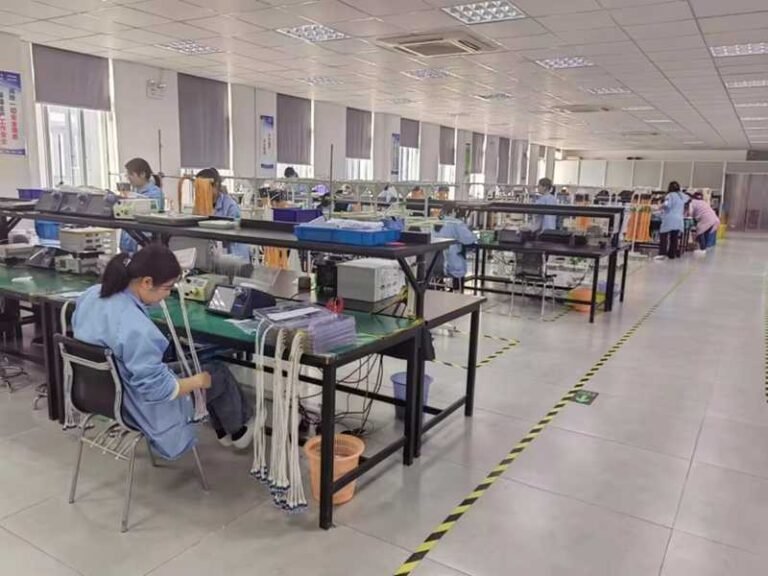
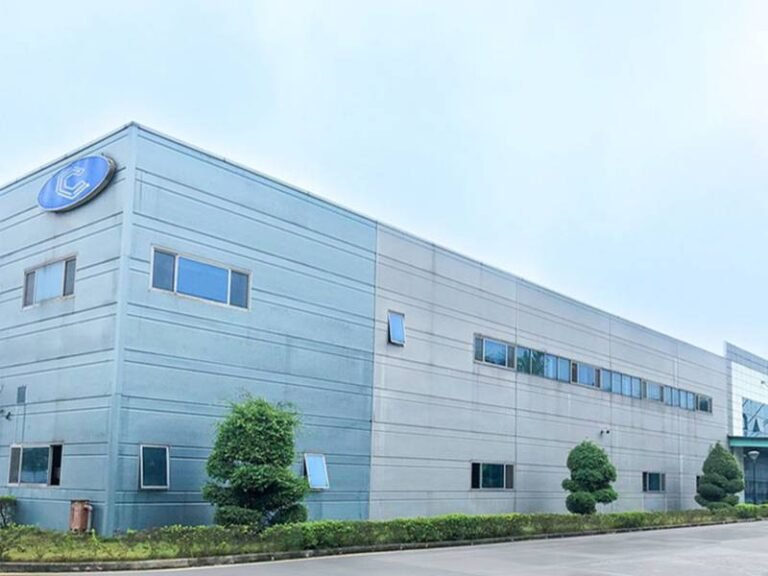
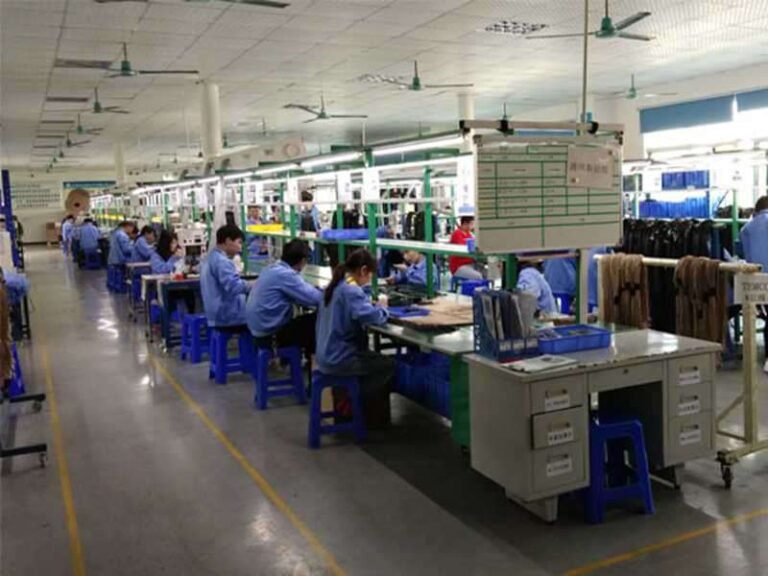
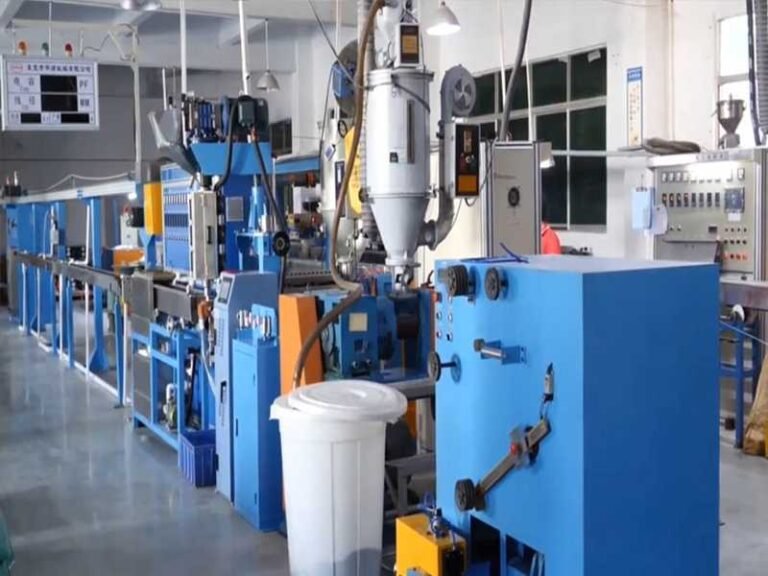
Robotic cable assemblies increasingly connect servo systems, machine vision devices, motion controllers, embedded electronics, communication modules, sensors, and power systems operating inside compact and continuously moving environments. Cable routing, movement behavior, signal organization, connector architecture, and installation structure often influence long-term equipment stability. SINO-CONN supports robotic cable assembly projects through engineering collaboration, prototype support, manufacturing resources, and recurring production coordination for robotics and automation industries.
Engineering Collaboration For Motion-Based System Development
Robotic projects frequently begin before complete technical specifications are available. Development teams may provide motion diagrams, connector references, robot structure drawings, installation photos, or routing sketches during early stages. SINO-CONN supports engineering discussions involving movement paths, cable exits, bend zones, connector orientation, signal definitions, and installation constraints. Early collaboration helps transform motion concepts into manufacturable cable structures suitable for robotic environments.
High-Density Cable Integration Capability
Modern robotic equipment continues integrating more electronic systems into increasingly compact structures. Motion platforms often combine sensors, cameras, communication systems, embedded boards, and power modules within restricted installation areas. SINO-CONN supports custom cable assemblies from 30 mm to over 10 meters and electrical architectures involving 20–512+ signal paths. Miniature coax capability down to 50AWG also supports robotic projects requiring high-density routing and space-efficient electrical integration.
Connector Ecosystem & Supply Chain Coordination
Robotic cable assemblies frequently involve multiple cable types, connector platforms, shielding materials, terminals, molded structures, and mechanical protection systems within a single project. SINO-CONN coordinates long-term supply resources involving wire manufacturers, connector partners, overmolding suppliers, and material systems. Supported ecosystems include JST, Molex, TE, HRS, I-PEX, Amphenol, Samtec, KEL, waterproof connector systems, and project-specific solutions according to robotic application requirements.
Prototype Development Through OEM Manufacturing
Robotic systems often evolve through concept verification, motion validation, prototype revisions, pilot builds, and recurring production stages before designs stabilize. SINO-CONN supports project development from low-volume engineering samples starting from one piece through recurring OEM manufacturing activities. Fast quotation support, drawing coordination, and manufacturing flexibility help support robotics companies where development cycles and installation requirements frequently change.
Robotic Wiring Challenges
Robotic cable assemblies work inside environments where movement behavior often becomes as important as electrical performance. Robotic arms rotate continuously, AGV systems operate across long movement cycles, machine vision systems require dense signal integration, and automation platforms increasingly place more electronics inside smaller spaces. Movement conditions, routing geometry, connector position, and cable structure can directly affect installation efficiency and long-term reliability. SINO-CONN regularly supports robotic projects involving dynamic movement environments, compact routing structures, and evolving engineering requirements.

Continuous Flex Fatigue
Robotic systems may repeat identical movement paths thousands or millions of times throughout equipment life cycles. Conventional cable structures can experience conductor fatigue, insulation wear, or structural stress under repeated bending conditions. Cable movement architecture increasingly becomes a design consideration rather than only a material decision. SINO-CONN supports cable discussions involving movement environments, routing paths, and installation structures according to actual robotic operating conditions.
Torsion & Multi-Axis Rotation
Industrial robots, collaborative robots, and multi-axis systems frequently create twisting movement where cables rotate across several directions during operation. Unlike simple bending environments, rotational movement introduces additional stress around cable exits, branch points, and transition zones. SINO-CONN supports cable structure evaluation and routing planning according to robotic movement direction, connector orientation, and installation geometry.
Drag Chain Movement Conditions
Automation systems frequently place cable assemblies inside drag chains where movement, travel distance, and repeated operation occur continuously. Routing organization, cable dimensions, and movement architecture often influence long-term cable behavior inside these environments. SINO-CONN supports custom robotic cable structures according to drag chain conditions and movement requirements used throughout industrial automation and robotic equipment.
EMI & Signal Stability
Robotic platforms frequently combine servo systems, sensors, communication devices, machine vision equipment, embedded electronics, and controllers operating inside compact spaces. Electrical interaction and signal noise can become increasingly important as equipment density grows. SINO-CONN supports shielding discussions, signal organization strategies, and customized cable architecture according to robotic system requirements.
Compact Routing Space
Modern robotic systems continue becoming smaller while integrating additional electrical systems into limited installation areas. Cable routing inside robotic joints, compact housings, end-effectors, and machine structures frequently requires careful planning. SINO-CONN supports miniature cable capability including coax structures down to 50AWG and cable assemblies involving 20–512+ signal paths according to project architecture.
Frequent Engineering Revisions
Robotic development activities frequently continue evolving throughout validation and testing stages. Movement paths, sensor locations, cable exits, and installation structures often change before recurring production begins. SINO-CONN supports engineering revisions, drawing updates, sample modifications, and flexible manufacturing coordination throughout robotic development programs.
Why Robotics Companies Choose SINO-CONN
Robotic cable assembly projects often require more than manufacturing capability alone. Development teams frequently need engineering discussion, routing evaluation, movement-focused structures, flexible prototyping, and recurring production support throughout project stages. Robotic systems also evolve rapidly, making supplier responsiveness and technical collaboration increasingly important. SINO-CONN supports robotic projects through engineering coordination, custom manufacturing resources, and production flexibility designed around robotic development and long-term OEM requirements.

Engineering Communication Built Around Robotic Motion Systems
Robotic cable assemblies frequently begin before final specifications are available. Development teams often provide movement diagrams, robotic arm structures, connector references, installation photos, or early-stage drawings rather than complete manufacturing packages. SINO-CONN supports discussions involving cable exits, movement paths, bend areas, signal structures, and routing environments before production preparation begins. Fast drawing and quotation capability, sometimes within 30 minutes for suitable projects, helps accelerate development activities where engineering schedules move quickly.
Flexible Prototype Support For Evolving Projects
Robotic development rarely follows a straight path. Motion architecture, sensor locations, connector orientation, and cable routing frequently change during validation and installation stages. SINO-CONN supports prototype quantities starting from one piece and flexible sample coordination according to project requirements. Standard sample schedules commonly require around two weeks, while urgent projects may support accelerated arrangements depending on structure complexity and material preparation conditions.
High-Mix Manufacturing For Complex Cable Architectures
Robotic cable assemblies frequently combine signal wiring, communication lines, miniature coax structures, shielding systems, embedded components, molded transitions, and multiple connector ecosystems inside one project. SINO-CONN supports custom cable assemblies from 30 mm to over 10 meters and structures involving 20–512+ signal paths. Miniature coax capability down to 50AWG also supports robotic systems requiring compact routing and high-density electrical integration.
From Prototype Development To Recurring OEM Production
Many robotic projects begin as engineering validation activities and later move into pilot manufacturing and recurring production programs. Long-term project support often requires more than manufacturing capacity because revision management, delivery coordination, and supply continuity become increasingly important as production grows. SINO-CONN supports recurring manufacturing activities, engineering updates, and OEM project coordination according to customer development schedules and long-term production requirements.
Robotic Cable Assembly Types
Different robotic systems create different movement behaviors, installation limitations, signal structures, and cable routing requirements. A robotic arm working across multiple axes creates different wiring challenges than an AGV navigation platform or a machine vision inspection system. Cable structure selection often depends on movement paths, connector architecture, space availability, signal density, and operating environments. SINO-CONN supports custom robotic cable assemblies according to movement conditions and system architecture, with capabilities ranging from miniature coax down to 50AWG to complex cable structures supporting 20–512+ signal paths.
| Cable Assembly Type | Motion Environment | Main Signals | Key Challenges | Typical Applications |
|---|---|---|---|---|
| Robotic Arm Cable | Multi-axis rotation | Signal + Power | Continuous movement | Industrial robots |
| Servo/Encoder Cable | Repetitive movement | Encoder + Control | EMI stability | Motion systems |
| Sensor Cable | Compact routing | Low voltage signals | Space limitation | Feedback systems |
| End-Effector Cable | Dynamic tooling | Mixed signals | Cable exits | Robotic grippers |
| Machine Vision Cable | High-speed transmission | Data + Video | Signal integrity | Vision platforms |
| AGV/Drag Chain Cable | Long travel movement | Communication + Power | Wear & flex | Logistics robots |

Robotic Arm Cable Assemblies
Robotic arm systems frequently involve repetitive movement, rotating joints, compact routing paths, and continuous operating cycles. Cable structures often need to follow movement geometry while maintaining organized electrical architecture.
Typical support capability:
- Multi-axis movement routing
- Joint cable organization
- Compact arm structures
- Shielded signal integration
- Flexible branch layouts
Typical applications:
- Industrial robotic arms
- Collaborative robots
- Automated assembly systems

Servo Motor & Encoder Cable Assemblies
Servo systems connect motors, encoders, motion controllers, and positioning systems operating continuously during robotic activities. Cable architecture often requires organized signal structures and movement-focused routing according to equipment design.
Typical support capability:
- Signal and power integration
- Encoder cable structures
- Shielded architecture
- Compact routing layouts
- Multi-interface integration
Typical applications:
- Motion platforms
- Position control systems
- Industrial automation equipment

Sensor & Feedback Cable Assemblies
Robotic systems increasingly depend on sensors, positioning modules, feedback devices, and monitoring systems throughout operation environments. Compact cable architecture frequently becomes important because multiple sensor systems often operate simultaneously.
Typical support capability:
- Sensor interface integration
- Compact cable geometry
- Mixed signal architecture
- Embedded electrical structures
- Small routing environments
Typical applications:
- Position monitoring systems
- Motion sensing systems
- Robotic feedback platforms

End-Effector & Gripper Cable Assemblies
End-effectors frequently combine cameras, sensors, gripping systems, vacuum modules, and communication electronics inside highly compact structures. Cable routing often becomes challenging because movement occurs near tooling areas and confined installation zones.
Typical support capability:
- Compact routing structures
- Miniature cable architecture
- Flexible cable exits
- Embedded electronics integration
- Space-saving cable geometry
Typical applications:
- Robotic grippers
- Pick-and-place equipment
- Intelligent tooling systems

Machine Vision Cable Assemblies
Machine vision systems frequently combine cameras, image processors, sensors, and communication electronics requiring organized cable structures and signal architecture. Compact routing often becomes important inside automated inspection systems.
Typical support capability:
- Camera interface integration
- Miniature coax structures
- High-density signal systems
- Shielded cable architecture
- Compact installation support
SINO-CONN supports miniature coax capability down to 50AWG for compact robotic imaging environments.

AGV, AMR & Drag Chain Cable Assemblies
Autonomous platforms and industrial automation equipment frequently involve continuous movement and long operational cycles. Cable assemblies often operate inside drag chains and moving structures where routing architecture directly affects installation consistency.
Typical support capability:
- Drag chain routing environments
- Continuous movement architecture
- Navigation system integration
- Long travel cable structures
- Communication cable organization
Typical applications:
- AGV systems
- AMR platforms
- Warehouse automation systems
- Intelligent logistics equipment
Motion Performance Capability
Robotic cable assemblies operate inside environments where movement behavior directly affects electrical system performance and long-term reliability. Unlike static industrial wiring, robotic systems frequently involve repeated bending, rotational movement, acceleration changes, drag chain travel, and multi-axis operation. Cable architecture therefore becomes closely connected with movement conditions and installation geometry. SINO-CONN supports robotic cable projects through engineering discussions focused on motion environments, routing paths, movement behavior, and cable structure planning according to actual robotic operating conditions.

Continuous Flex Movement Environments
Industrial robotic systems frequently repeat identical movement cycles over long operational periods. Robotic arms, automated handling systems, and collaborative platforms continuously move through fixed travel paths where cable assemblies experience repeated bending stress. Long-term movement behavior increasingly becomes part of early engineering evaluation because cable architecture and routing strategy may influence system stability throughout operating cycles. SINO-CONN supports movement-oriented cable discussions according to actual robotic travel environments and equipment structure.
Torsion & Rotational Motion Conditions
Multi-axis robotic platforms frequently introduce rotational movement where cable assemblies experience twisting stress instead of simple linear bending. Robotic joints and rotating structures often create movement conditions where cable exits, branch locations, and routing direction become increasingly important during development. Cable planning for rotational environments frequently requires early review according to movement angles and installation architecture.
Dynamic Bend Radius Considerations
Robotic systems frequently route cable assemblies through compact areas where movement transitions occur continuously. Bend radius planning can influence cable organization, installation efficiency, and movement consistency throughout operation. Small routing areas inside robotic joints, machine structures, and end-effectors often require early cable architecture discussions according to installation limitations and movement paths.
Multi-Axis Movement Architecture
Modern robotic platforms increasingly combine multiple movement directions within one integrated system. Robotic arms, automated positioning equipment, and intelligent handling platforms frequently create movement structures involving simultaneous rotation, travel, and repeated motion activities. Cable routing architecture often becomes an integrated part of equipment design because electrical structures must adapt to movement behavior throughout multiple operational directions.
Repetitive Motion System Integration
Robotic equipment frequently performs identical tasks continuously throughout production activities. Cable assemblies operating inside repetitive environments may experience recurring movement patterns throughout extended operation periods. Signal organization, routing behavior, and movement architecture frequently become part of engineering discussions because recurring movement conditions can influence long-term system consistency.
Compact Dynamic Routing Environments
Robotic systems continue integrating additional electronics into increasingly smaller structures where movement space and cable organization become limited. Cameras, sensors, communication modules, embedded electronics, and motion devices often share compact installation environments. SINO-CONN supports custom cable structures involving miniature coax capability down to 50AWG and complex architectures supporting 20–512+ signal paths according to compact movement environments and robotic system requirements.
Robotic Connector Ecosystem
Connector selection in robotic systems often affects more than signal transmission alone. Connector size, locking structure, installation direction, environmental protection, and cable exit geometry can directly influence movement performance and maintenance accessibility. Robotic equipment frequently combines sensors, servo systems, cameras, communication modules, embedded electronics, and power devices operating inside compact and continuously moving environments. SINO-CONN supports robotic cable assemblies using multiple connector ecosystems according to movement requirements, installation architecture, and application environments.

| Connector Type | Features | Typical Use | Supported By SINO-CONN |
|---|---|---|---|
| M8 | Compact size | Sensors | Yes |
| M12 | Industrial locking | Automation | Yes |
| Circular | Vibration resistant | Robot arms | Yes |
| HRS | High density | Embedded systems | Yes |
| I-PEX | Miniature structure | Cameras | Yes |
| Waterproof | Environmental protection | AGV | Yes |
M8 & M12 Industrial Automation Connectors
M8 and M12 connector systems are commonly used throughout industrial robotics because of their compact dimensions and secure mechanical structures. These interfaces frequently appear inside sensor systems, communication modules, control devices, and industrial automation platforms where installation density and operational consistency are important.
Typical support capability:
- Compact industrial interfaces
- Straight and angled structures
- Sensor integration environments
- Communication systems
- Motion control platforms
Common applications:
- Industrial robots
- AGV systems
- Automation equipment
RF & Data Communication Interfaces
Robotic systems frequently integrate wireless communication devices, machine vision systems, embedded processors, and data transmission modules requiring organized communication structures.
Typical support capability:
- RF connector integration
- Communication interfaces
- High-speed signal structures
- Data transmission systems
- Embedded electronic environments
Common applications:
- Machine vision platforms
- Communication systems
- Intelligent robotic electronics
Waterproof & Harsh Environment Connector Systems
Warehouse automation, outdoor robotics, industrial handling equipment, and mobile robotic platforms may operate under environmental conditions involving moisture, vibration, dust, or industrial exposure.
Typical support capability:
- Waterproof connector structures
- Industrial sealing systems
- Environmental protection capability
- Mechanical protection structures
- Compact protected interfaces
Common applications:
- AGV systems
- Outdoor robotic platforms
- Industrial automation equipment
Flexible Connector Sourcing & Integration Support
Robotic projects frequently involve varying sourcing requirements depending on development stage, cost planning, and material availability. SINO-CONN supports original and project-based connector coordination according to application requirements and manufacturing schedules.
Supported ecosystems include:
- Molex
- TE
- Amphenol
- JST
- HRS
- Samtec
- I-PEX
- KEL
Connector architecture can be coordinated according to robotic routing environments and project specifications.
Materials & Dynamic Cable Technologies
Material selection frequently influences movement performance, cable flexibility, routing efficiency, shielding capability, and long-term stability inside robotic environments. Robotic systems continuously perform bending, rotation, drag chain travel, acceleration changes, and repetitive motion activities where cable structure becomes closely related to equipment behavior. Different robotic platforms may require different material combinations according to operating environments and installation architecture. SINO-CONN supports robotic cable assemblies using customized cable structures, miniature cable technologies, shielding systems, and flexible material integration according to actual project requirements.

Flexible Jacket Materials For Dynamic Movement
Cable jacket materials often influence movement behavior and cable durability inside robotic environments. Continuous movement systems frequently require materials capable of supporting repetitive motion and compact routing conditions.
Typical material structures:
- TPU cable jackets
- PUR materials
- TPE-based structures
- Flexible insulation systems
- Wear-resistant outer layers
Common applications:
- Robotic arms
- Drag chain systems
- Automation platforms
Shielded Cable Structures For Signal Stability
Servo systems, sensors, communication modules, cameras, and embedded electronics frequently operate together inside robotic environments where signal organization becomes increasingly important.
Typical shielding structures:
- Foil shielding systems
- Braided shielding layers
- Multi-layer shielding architecture
- Twisted pair structures
- Hybrid shielding combinations
SINO-CONN supports shielding architecture discussions according to project signal requirements and installation environments.
Miniature Cable & Ultra-Fine Conductor Capability
Modern robotic platforms increasingly integrate more electronics within smaller installation areas. Compact cable architecture frequently becomes important because cable routing paths continue shrinking.
Support capability includes:
- Miniature coax down to 50AWG
- OD 0.01 mm enamel wire winding capability
- Compact cable dimensions
- Ultra-fine conductor structures
- High-density routing support
Common applications:
- Machine vision modules
- Sensors
- Embedded robotic electronics
Overmolding & Cable Protection Technologies
Cable exits, branch sections, and transition areas frequently experience additional stress during movement activities. Protection structures often help improve cable organization and movement consistency.
Common protection structures:
- Overmolded exits
- Strain relief sections
- Reinforced transition areas
- Customized geometry protection
- Branch support structures
Typical applications:
- Robotic joints
- Moving sections
- Repetitive motion environments
Lightweight Cable Architecture
Weight increasingly becomes an engineering consideration inside robotic systems because cable dimensions and bundle structures may affect movement efficiency and routing flexibility.
Optimization considerations:
- Reduced cable diameter
- Smaller cable bundles
- Compact routing geometry
- Lightweight cable structures
- Space-saving organization
Common applications:
- Collaborative robots
- UAV robotic systems
- Compact automation equipment
Multi-Signal Cable Integration Technologies
Modern robotic platforms frequently combine power structures, communication systems, embedded electronics, sensors, and control devices within one assembly architecture.
Support capability includes:
- Mixed signal structures
- Signal and power integration
- Embedded cable architecture
- Multi-connector environments
- 20–512+ signal path capability
SINO-CONN supports customized cable integration according to robotic system architecture and electrical requirements.
EMI & Cable Optimization Strategy
Robotic systems increasingly combine servo motors, machine vision modules, embedded processors, communication devices, sensors, wireless systems, and motion controllers within compact operating environments. As electrical density increases, cable architecture begins influencing signal organization, movement efficiency, routing flexibility, and installation structure. Cable optimization frequently becomes part of robotic system design because electrical structures operate inside moving and space-constrained environments. SINO-CONN supports robotic cable projects through engineering discussions involving shielding architecture, cable dimensions, routing behavior, and movement-focused optimization according to application requirements.

Shield Structure Optimization
Different robotic platforms frequently operate under different electromagnetic environments depending on equipment architecture and signal density. Servo systems, communication devices, and embedded electronics often create different shielding requirements according to application conditions.
Typical shielding structures:
- Foil shielding systems
- Braided shielding structures
- Multi-layer shielding architecture
- Hybrid shielding combinations
- Twisted pair structures
Common applications:
- Servo systems
- Machine vision platforms
- Communication electronics
Power & Signal Separation Strategy
Power systems, communication modules, sensors, and embedded electronics frequently operate inside shared robotic environments. Routing organization often becomes increasingly important because electrical density continues growing inside compact robotic platforms.
Typical planning considerations:
- Power and signal separation
- Sensor grouping strategy
- Cable branch organization
- Connector location planning
- Routing path optimization
Common environments:
- Robotic arms
- Automation systems
- Embedded electronics
Cable Diameter Optimization
Large cable bundles may reduce routing flexibility and increase movement resistance inside robotic systems. Compact cable architecture often helps improve installation efficiency and movement behavior in space-limited environments.
Optimization objectives:
- Reduced cable dimensions
- Smaller routing areas
- Compact bundle architecture
- Space-saving cable organization
- Improved movement flexibility
SINO-CONN supports miniature cable structures including coax capability down to 50AWG according to project requirements.
Dynamic Routing Architecture
Cable movement paths frequently influence cable behavior during robotic operation cycles. Rotation areas, movement transitions, repetitive travel sections, and drag chain environments often require routing planning according to movement architecture.
Typical routing considerations:
- Bend areas
- Rotation zones
- Drag chain environments
- Repetitive movement paths
- Transition sections
Common applications:
- Robotic arms
- AGV systems
- Automation platforms
Compact Electrical Layout Optimization
Robotic systems continue integrating more electronics into increasingly smaller installation environments. Cable routing architecture often becomes part of equipment organization because layout efficiency directly affects installation accessibility and maintenance activities.
Typical optimization objectives:
- Reduced occupied space
- Compact branch structures
- Organized cable layouts
- Accessible connector positioning
- Service-friendly routing structures
Common applications:
- Collaborative robots
- Embedded robotics
- Machine vision systems
Cable Weight & Motion Efficiency Optimization
Cable weight increasingly influences movement efficiency inside robotic systems, especially in robotic arms, AGV platforms, and compact automation equipment. Larger cable bundles and excessive routing structures may increase movement resistance and occupy valuable installation space. Lightweight cable architecture frequently becomes part of movement optimization discussions throughout robotic system development.
Typical optimization considerations:
- Reduced cable bundle dimensions
- Lightweight material selection
- Compact routing structures
- Smaller cable OD planning
- Space-saving branch architecture
SINO-CONN supports miniature cable capability including coax structures down to 50AWG and custom cable configurations designed around compact robotic environments and movement-focused applications.
Common applications:
- Collaborative robots
- Multi-axis robotic systems
- AGV platforms
- Embedded robotic electronics
Robotic Cable Assembly Manufacturing Process
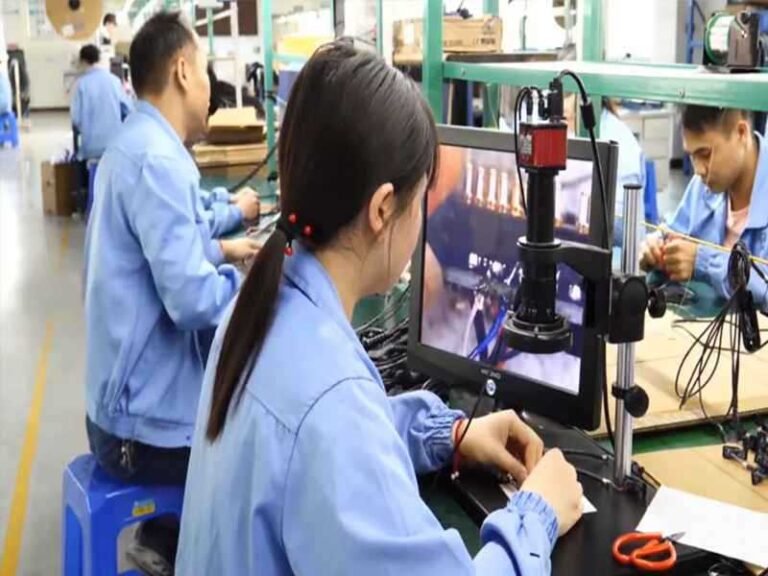
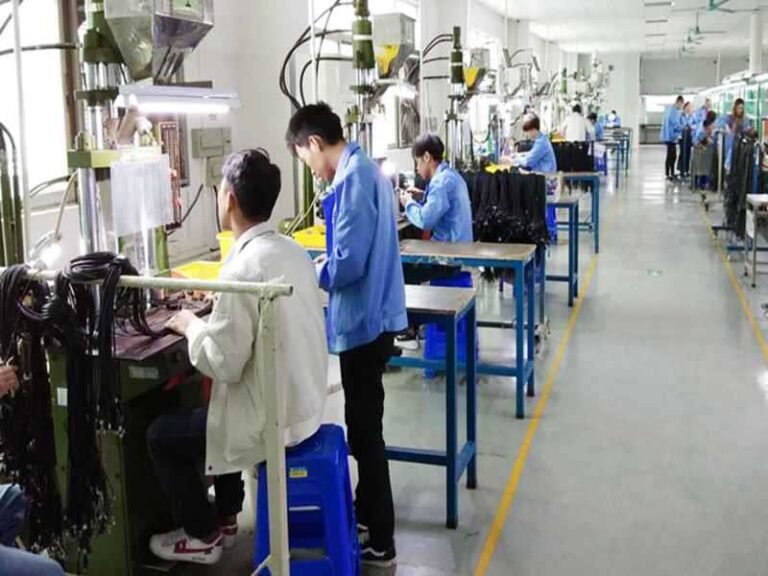
Robotic cable assembly manufacturing involves more than assembling wires and connectors. Dynamic movement environments, compact routing structures, mixed signal systems, drag chain operation, and recurring movement cycles often require coordinated production activities across multiple stages. Manufacturing workflow directly influences assembly consistency, project repeatability, and recurring OEM production performance. SINO-CONN supports robotic cable projects through engineering teams, sample workshops, dedicated assembly resources, and structured production coordination from prototype development through long-term manufacturing programs.

Project Review & Manufacturing Requirement Analysis
Production activities generally begin with project review before materials or assembly operations start. Robotic projects frequently arrive with motion diagrams, installation photos, connector lists, movement paths, routing sketches, samples, or early-stage drawings rather than complete manufacturing packages. Internal teams evaluate cable architecture, movement environments, signal structures, installation limitations, and production feasibility to create a clear manufacturing roadmap before production preparation begins.
Engineering Drawing Preparation & Production Documentation
Manufacturing activities rely heavily on production documents because robotic projects frequently involve customized pin definitions, branch locations, connector exits, movement zones, and cable geometry. Internal engineering teams prepare assembly drawings, production instructions, wiring definitions, and process documentation used throughout manufacturing stages. SINO-CONN can support drawing preparation and revisions according to robotic project requirements.
Material Procurement & Supply Coordination
Robotic cable assemblies often involve multiple material systems integrated within one structure. Flexible cable materials, connectors, shielding systems, terminals, overmolding compounds, and accessory materials frequently require coordinated preparation before production begins. Long-term supply coordination helps support prototype activities and recurring manufacturing schedules while reducing project interruptions.
Cable Cutting & Wire Preparation
Cable preparation activities create the foundation for assembly consistency. Robotic cable projects often involve compact dimensions, branch structures, signal concentration, and miniature conductors requiring controlled preparation methods. Wire cutting, stripping, cable identification, branch organization, and structure preparation activities are performed according to approved production requirements before assembly begins.
Terminal Crimping & Signal Processing
Signal termination stages frequently involve conductor preparation and terminal integration according to project electrical architecture. Different robotic applications may involve signal wires, communication structures, miniature conductors, or mixed electrical systems requiring coordinated processing methods. Signal organization during this stage often influences downstream assembly consistency.
Connector Integration & Harness Assembly
Robotic cable projects frequently combine multiple connectors and cable structures operating within compact installation environments. Connector integration activities involve terminal insertion, signal organization, cable exits, branch structures, and assembly routing according to approved production definitions. SINO-CONN supports ecosystems including JST, Molex, HRS, TE, I-PEX, Amphenol, Samtec, KEL, and project-specific connector platforms.
Overmolding & Mechanical Protection Processing
Movement-sensitive robotic environments frequently expose cable exits, branch areas, and transition structures to repeated stress during operation cycles. Mechanical reinforcement activities help provide structural support around movement zones and cable transitions. Protective structures may be integrated according to movement architecture and installation environments.
Product Inspection & Functional Verification
Completed robotic cable assemblies frequently undergo inspection activities before entering packaging and shipment stages. Verification activities often support electrical structure confirmation and manufacturing consistency according to project requirements. Production workflow may involve continuity inspection, signal verification, assembly review, and process-level validation activities according to manufacturing definitions.
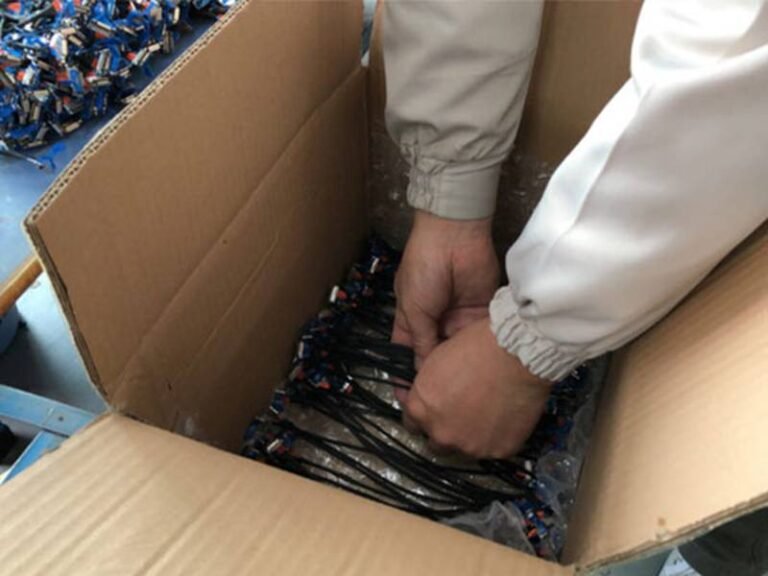
Packaging, Shipment Preparation & Production Release
Final manufacturing activities frequently involve packaging preparation, project documentation coordination, shipment organization, and recurring production release activities. Robotic projects often transition from engineering samples into pilot builds and recurring OEM manufacturing programs. SINO-CONN supports coordinated production release activities according to customer requirements and project development schedules.
Quality Control & Functional Testing
Robotic cable assemblies frequently operate inside environments involving repetitive movement, compact routing structures, vibration, mixed signal systems, and continuous operating cycles. Small inconsistencies during manufacturing may influence connector engagement, signal transmission, cable movement behavior, or long-term assembly stability. Quality activities therefore become integrated throughout manufacturing stages rather than occurring only after production completion. SINO-CONN applies process-oriented inspection and verification procedures supporting prototype projects and recurring OEM manufacturing programs for robotic cable assemblies.


Incoming Material Verification & In-Process Manufacturing Inspection
Quality activities begin before assembly production starts because robotic cable projects frequently involve flexible cable materials, shielding systems, miniature conductors, terminals, connector ecosystems, and overmolding structures operating together within one assembly. Incoming materials may undergo verification activities before entering production workflow. During manufacturing stages, process inspections continue throughout cable preparation, terminal processing, connector integration, and assembly operations. SINO-CONN applies inspection activities throughout production stages to support assembly consistency across robotic projects involving movement-sensitive structures and high-density electrical architectures.
Electrical Verification & Functional Testing During Production
Manufacturing completion alone does not confirm assembly performance because robotic cable structures frequently involve mixed signal systems, compact connector environments, and customized pin definitions according to project architecture. Verification procedures often support confirmation of electrical structure and assembly organization before product release activities begin. Functional testing activities may include continuity verification, open and short circuit inspection, pin assignment validation, signal path confirmation, and project-specific electrical verification according to robotic system requirements and manufacturing definitions.
Three-Stage Quality Workflow & Shipment Validation
Recurring robotic projects often require stable production processes and repeatable assembly consistency across multiple manufacturing cycles. SINO-CONN applies a structured three-stage quality workflow involving process inspection, completed assembly verification, and shipment confirmation activities throughout manufacturing stages. Intermediate review activities help identify issues before downstream production continues, while final shipment validation supports product consistency before delivery. This structured workflow supports both engineering samples and long-term OEM manufacturing programs requiring repeatable production quality.
Certifications & Compliance
Robotic cable assembly projects frequently involve more than manufacturing capability and pricing considerations. Robotics companies, automation OEM manufacturers, and engineering teams often evaluate supplier systems, process control capability, production management, environmental compliance, and documentation support before long-term cooperation begins. Qualification procedures increasingly become part of supplier approval because recurring robotic programs often require manufacturing consistency and traceable production systems. SINO-CONN maintains structured quality systems and compliance resources supporting robotic cable assembly development and OEM manufacturing activities.
Manufacturing Quality Systems & Production Standards
Manufacturing consistency often depends on structured management systems rather than individual production activities alone. Robotic cable assemblies frequently involve custom structures, dynamic movement environments, multiple connector ecosystems, and recurring production requirements where organized process management becomes increasingly important. SINO-CONN maintains manufacturing and quality systems including ISO 9001, ISO 14001, IPC-620 workmanship standards, and UL-related manufacturing capability support. These systems help support production workflow management, assembly control procedures, and manufacturing consistency throughout robotic project lifecycles.
Production Documentation & Process Traceability Support
Recurring robotic manufacturing programs frequently require production documentation supporting engineering communication, process verification, and customer qualification activities. Documentation resources often become important during project reviews because customers may evaluate manufacturing control procedures and project consistency before supplier approval. SINO-CONN supports technical files, project documentation, material information, and process-related support according to project requirements. Production activities can also support structured documentation management helping maintain visibility throughout engineering and manufacturing stages.
Material Compliance & Global Manufacturing Requirements
Global robotic projects frequently involve environmental regulations, supply chain requirements, and international documentation standards that influence purchasing and production activities. Material compliance documentation increasingly becomes part of supplier review procedures for OEM manufacturing projects and international shipment coordination. SINO-CONN supports RoHS, REACH, PFAS-related material declarations, COC, COO documentation, and additional project support materials according to customer requirements and destination markets. These resources help support recurring manufacturing programs and global robotic equipment supply activities.





Global Logistics & Delivery Support
Robotic cable assembly projects frequently move through engineering validation, prototype testing, pilot production, and recurring manufacturing stages where timing directly affects development schedules and equipment delivery targets. Delayed cable assemblies can influence robotic testing activities, machine integration plans, and customer launch schedules. Logistics coordination therefore becomes closely connected with manufacturing workflow rather than functioning as an isolated shipment activity. SINO-CONN supports robotic projects through coordinated production planning, delivery management, and global shipment support from prototype quantities through recurring OEM manufacturing programs.

Production Scheduling & Prototype Delivery Coordination
Manufacturing schedules often begin during engineering review stages because robotic projects frequently involve custom materials, connector ecosystems, miniature structures, and movement-related assembly requirements. Production activities may include sample preparation, engineering revisions, pilot-stage support, and recurring manufacturing coordination according to project schedules. Standard sample lead times commonly require around two weeks, while urgent robotic projects may support accelerated arrangements depending on material availability and production capacity. Early scheduling coordination helps align manufacturing workflow with robotic development milestones and validation activities.
Manufacturing Output Planning & Global Shipment Integration
Recurring robotic projects frequently require manufacturing planning synchronized with shipment schedules and customer production activities. Prototype samples, pilot quantities, and OEM manufacturing programs may require different delivery strategies according to urgency and production stage. SINO-CONN supports shipment coordination involving DHL, UPS, FedEx, air freight, sea transportation, and customer-designated logistics solutions. Manufacturing workflow and shipment preparation are coordinated to help support production continuity and project scheduling across global robotic programs.
Packaging, Export Documentation & Delivery Release Process
Final manufacturing activities frequently continue beyond assembly completion because robotic cable products often require packaging organization, documentation preparation, labeling procedures, and shipment release activities before delivery. Packaging structures may be arranged according to project requirements and transportation conditions. SINO-CONN supports commercial invoices, packing lists, COC, COO, shipment labels, and project-specific export documentation according to customer requirements. Coordinated delivery preparation supports project visibility and recurring manufacturing programs throughout international supply activities.
Prototype To Production Transition
Robotic cable assembly projects rarely move directly from concept design into stable mass production. Development activities often begin with early engineering discussions and continue through sample validation, movement testing, design revisions, pilot production, and recurring manufacturing stages. Robotic systems frequently evolve during development because movement paths, sensor layouts, connector architecture, and installation environments continue changing before projects become stable. Transition management therefore becomes part of the manufacturing process because engineering decisions directly influence recurring production consistency. SINO-CONN supports robotic projects through coordinated engineering review, manufacturing preparation, and structured production transition activities.

Initial Project Review & Technical Requirement Alignment
Transition activities frequently begin before sample manufacturing starts because robotic projects often arrive with incomplete information. Development teams may provide motion diagrams, connector references, installation photos, cable definitions, or physical samples instead of complete production documentation. Internal teams review movement environments, cable structures, routing paths, and production feasibility to establish manufacturing direction and reduce downstream changes during later project stages.
Prototype Sample Development & Manufacturing Preparation
Sample manufacturing often serves as the first stage where robotic concepts become physical assemblies. Production preparation activities involve drawing creation, material organization, connector confirmation, manufacturing instructions, and workflow preparation according to project requirements. SINO-CONN supports low-volume development beginning from one-piece prototype quantities and manufacturing preparation according to robotic architecture and movement environments.
Engineering Validation & Functional Integration Testing
After prototype completion, robotic assemblies frequently enter movement testing, installation evaluation, and equipment integration activities. Cable structures may be reviewed according to routing behavior, movement paths, connector accessibility, and installation conditions operating inside robotic systems. Findings during validation stages frequently influence future engineering updates and manufacturing optimization activities.
Design Revision & Manufacturing Optimization
Robotic projects frequently continue evolving throughout validation activities because movement zones, connector exits, branch structures, and cable routing may require updates after installation feedback becomes available. Revision activities often involve updated manufacturing drawings, modified assembly structures, and process adjustments supporting later production consistency. SINO-CONN supports engineering updates and manufacturing coordination throughout project development stages.
Pilot Production & Process Verification
Before recurring manufacturing activities begin, robotic projects often enter pilot-stage production involving controlled manufacturing quantities and workflow verification activities. Pilot production supports confirmation of assembly procedures, manufacturing efficiency, material coordination, and production readiness before larger quantities enter recurring production schedules.
OEM Production Release & Recurring Manufacturing Support
After project validation and pilot verification activities are completed, robotic cable assemblies frequently transition into recurring manufacturing programs requiring stable workflow management and production coordination. SINO-CONN supports recurring production activities through coordinated manufacturing planning, revision management, supply preparation, and long-term project support according to customer manufacturing schedules and robotic program requirements.
Robotic Application Scenarios
Robotic cable assemblies operate across a wide range of movement environments, electrical architectures, and installation structures. Different robotic systems create different requirements involving cable flexibility, signal organization, routing geometry, connector integration, and movement behavior. A robotic arm operating continuously inside an industrial assembly line creates very different electrical requirements than an AGV platform or a machine vision system. SINO-CONN supports custom robotic cable assemblies developed according to actual movement conditions, installation environments, and equipment architecture across multiple robotics industries.

Industrial Robotic Arm Systems
Industrial robotic arms frequently perform repetitive movement activities involving multi-axis rotation, continuous motion cycles, and compact joint structures. Cable assemblies often operate inside dynamic routing environments where movement consistency and installation organization become increasingly important. Electrical architectures frequently combine motors, sensors, communication modules, and control systems within one movement platform. SINO-CONN supports robotic arm cable assemblies involving compact routing structures and customized electrical integration according to movement environments.

AGV & AMR Autonomous Platforms
Autonomous mobile robots frequently integrate navigation systems, communication electronics, sensors, embedded controllers, and battery management systems inside compact mobile structures. Cable routing often follows movement paths involving vibration, repeated operation, and space limitations. As AGV and AMR platforms continue increasing electronic density, cable organization and compact electrical integration become important factors during equipment development and manufacturing stages.

Collaborative Robot Systems
Collaborative robots frequently operate in environments where compact design, movement flexibility, and human-machine interaction become important system characteristics. Internal installation space often becomes limited because electronics, sensors, and motion systems must coexist within lightweight robotic structures. Cable architecture frequently requires compact dimensions and organized routing structures supporting both movement behavior and equipment accessibility.

Machine Vision & Inspection Platforms
Machine vision systems increasingly combine cameras, sensors, embedded processors, lighting systems, and communication electronics within compact robotic equipment. High-density signal environments frequently require miniature cable structures and organized routing architectures supporting equipment integration. SINO-CONN supports miniature coax capability down to 50AWG and compact cable structures suitable for robotic vision applications and embedded electronics environments.

Warehouse Automation & Intelligent Logistics Equipment
Warehouse robotics frequently involve intelligent sorting systems, automated transportation platforms, picking robots, and logistics automation equipment operating continuously throughout industrial environments. Cable assemblies often support communication systems, sensors, motion devices, and embedded electronics working simultaneously within repetitive operational environments. Cable routing and movement architecture frequently influence installation organization and recurring operation consistency.

Medical & Precision Robotics Platforms
Medical robotic systems and precision automation platforms often integrate miniature electronics, sensors, communication systems, and compact movement structures within highly constrained installation environments. Cable assemblies frequently require compact architecture and organized electrical structures supporting integration within limited spaces. SINO-CONN supports custom cable structures and miniature electrical integration capability according to precision robotic system requirements.
Robotic Cable Assembly Project Cases
The following anonymized project cases are written for website use based on SINO-CONN’s actual manufacturing capabilities and typical robotic cable assembly requirements. Customer names can be replaced with real approved references after NDA and permission review.

United States — AGV Navigation Cable Assembly Project
Application Scenario
An AGV equipment manufacturer required custom cable assemblies for navigation sensors, embedded controllers, communication modules, and battery management interfaces inside compact mobile robot platforms.
Pain Points
The previous cable structure occupied too much internal routing space and created installation pressure around the controller area. Repeated movement and vibration during AGV operation also increased concern about connector stability and cable wear.
SINO-CONN Solution
SINO-CONN supported compact routing architecture, customized connector orientation, shielded signal structure, and flexible cable layout according to the customer’s AGV installation environment. Engineering samples were adjusted through several revision rounds before pilot production.
Project Data
Cable routing space reduced by approximately 25%. Installation time reduced by approximately 28%. More than 16 engineering revisions were supported. Annual recurring demand exceeded 15,000 assemblies.
Results
The customer improved internal assembly efficiency, reduced cable interference during installation, and moved the project into recurring OEM production.
Germany — Multi-Axis Robotic Arm Cable Project
Application Scenario
A robotic arm manufacturer needed custom cable assemblies for servo systems, encoder feedback, sensor communication, and end-effector control inside a multi-axis industrial robot.
Pain Points
The original cable routing created stress concentration near rotating joints. Connector exits and branch positions also limited movement flexibility during repeated robotic arm operation.
SINO-CONN Solution
SINO-CONN supported revised branch architecture, compact cable exits, improved routing geometry, and shielding coordination for mixed signal structures. The solution was developed around actual motion paths and installation drawings.
Project Data
Installation time reduced by approximately 30%. Cable bend interference reduced by approximately 35%. Over 18 engineering revisions were coordinated. Pilot production exceeded 4,200 cable assemblies.
Results
The redesigned cable assembly improved motion-area organization, reduced installation rework, and supported the customer’s transition from engineering validation to pilot manufacturing.
Japan — Machine Vision Robotic Cable Project
Application Scenario
A machine vision equipment company required compact cable assemblies connecting camera modules, sensors, embedded boards, and communication interfaces inside automated inspection robots.
Pain Points
Multiple signal lines had to fit inside a limited camera housing and moving inspection head. The customer needed smaller cable structures without compromising signal organization.
SINO-CONN Solution
SINO-CONN supported miniature cable routing, compact connector matching, shielded signal layout, and high-density cable organization. Miniature coax capability down to 50AWG helped reduce occupied space in the vision module.
Project Data
Internal occupied volume reduced by approximately 35%. Prototype delivery shortened from 14 days to 7 days. Annual recurring demand exceeded 8,000 assemblies. Sample validation was completed within 3 revision rounds.
Results
The optimized cable structure improved camera module integration, reduced internal routing pressure, and supported stable recurring supply for the customer’s inspection robot platform.
Frequently Asked Questions
Robotic cable assembly projects frequently involve engineering discussions beyond pricing and lead time because robotic systems often combine movement requirements, installation limitations, connector ecosystems, signal architecture, and recurring production planning. The following questions reflect common topics discussed by robotics companies, automation OEM manufacturers, engineering teams, and purchasing departments during project evaluation and supplier qualification activities.
1. Can SINO-CONN manufacture robotic cable assemblies according to drawings or samples?
Yes. SINO-CONN supports custom robotic cable assemblies based on drawings, CAD files, connector part numbers, installation photos, pin definitions, cable specifications, routing diagrams, or physical samples. Many robotic projects begin during development stages where complete documentation may not yet exist. Engineering discussions can start from available project information and gradually move toward manufacturable structures.
2. Can prototype quantities be supported before mass production?
Yes. Robotic projects frequently begin with engineering samples and movement validation before entering pilot production or recurring manufacturing stages. SINO-CONN supports prototype quantities starting from one piece according to project requirements. This approach helps engineering teams review cable routing, movement behavior, and installation structures before larger production quantities are released.
3. Can cable assemblies be modified during robotic development stages?
Yes. Robotic projects frequently evolve throughout prototype validation because movement paths, installation locations, connector exits, and system structures often change before designs stabilize. SINO-CONN supports engineering revisions, drawing updates, cable modifications, and manufacturing coordination throughout development activities and recurring production stages.
4. Which connector ecosystems can be supported?
Robotic systems frequently involve different connector platforms according to application environments and installation architecture. SINO-CONN supports connector ecosystems including JST, HRS, Molex, TE, I-PEX, JAE, Amphenol, Samtec, KEL, M8, M12, circular connector systems, waterproof interfaces, and customer-designated connector platforms according to project requirements.
5. Can robotic cable assemblies support continuous movement environments?
Yes. Robotic systems frequently operate under continuous movement conditions involving repetitive bending, rotational movement, drag chain routing, and multi-axis operation cycles. SINO-CONN supports robotic cable discussions according to movement environments, routing architecture, installation structures, and project requirements.
6. Can miniature cable structures be supported for compact robotic systems?
Yes. Robotic equipment increasingly integrates cameras, sensors, embedded boards, and communication electronics within limited installation space. SINO-CONN supports miniature coax capability down to 50AWG and customized cable structures according to compact routing environments and robotic integration requirements.
7. Can shielding and signal organization be customized?
Yes. Servo systems, communication electronics, machine vision platforms, and embedded controllers frequently operate inside shared robotic environments where shielding structures and cable architecture become increasingly important. SINO-CONN supports project discussions involving shielding structures, signal organization, routing strategies, and customized cable architecture.
8. What is the standard lead time for robotic cable projects?
Lead time may vary according to project complexity, material availability, connector sourcing requirements, and manufacturing schedules. Standard prototype projects commonly require around two weeks. Urgent projects may support accelerated arrangements depending on production conditions and project structure.
9. Can NDA agreements be signed before project discussions begin?
Yes. Many robotic projects involve confidential technology, internal system architecture, embedded electronics, and proprietary development activities. SINO-CONN supports NDA agreements before detailed project discussions, drawing review activities, and sample development procedures begin.
10. Can recurring OEM manufacturing programs be supported?
Yes. Robotic cable projects frequently evolve from engineering samples into pilot production and long-term manufacturing activities. SINO-CONN supports recurring OEM production, engineering revisions, manufacturing coordination, shipment support, and long-term project management according to customer production schedules.

Start Your Custom Robotic Cable Assembly Project
From Motion Concept & Prototype Samples To Long-Term OEM Manufacturing Support
Robotic cable assembly projects often begin with incomplete information rather than finished production drawings. Development teams may only have connector models, robotic movement paths, installation photos, pin definitions, routing sketches, or reference samples during early stages. SINO-CONN supports engineering discussions, drawing preparation, prototype development, manufacturing coordination, and recurring production support according to actual robotic operating environments and project requirements. From miniature cable structures to complex architectures supporting 20–512+ signal paths, projects can move from concept validation to scalable manufacturing through one coordinated workflow.
Information Helpful For Project Evaluation
- Drawings, CAD files, or PDF documents
- Connector part numbers or photos
- Cable length requirements
- Pin definition or wiring information
- Robotic movement path details
- Bend radius or drag chain requirements
- Installation photos or routing layouts
- Prototype quantity or annual demand forecast
- Existing samples or reference products
- Special technical requirements or target application