Skip to content
Custom PVC Cable Assembly Manufacturer
Engineering-Driven PVC Cable Assembly Solutions For Industrial, Medical, Security, Communication And OEM Electronic Equipment
SINO-CONN provides custom PVC cable assembly solutions for equipment manufacturers requiring reliable wiring, flexible customization and responsive engineering support. From single-piece prototypes to long-term OEM production, projects can be developed around custom cable lengths, unique pin assignments, original or compatible connectors, shielding structures and overmolded designs. Engineering review, CAD drawing support and coordinated supply-chain resources help accelerate development while simplifying sourcing and production management.
- Prototype Starting From 1 Piece
- CAD Drawing Support In As Fast As 30 Minutes
- Cable Length From 30mm To 10m+
- Support 20–512+ Conductors
- Original Or Compatible Connector Options
- Sample To OEM Production Support
Why SINO-CONN
Engineering-Oriented Support For Custom PVC Cable Assembly Projects
Many cable assembly suppliers focus primarily on manufacturing. SINO-CONN takes a different approach by supporting projects from the engineering stage through production. For many OEM manufacturers, the challenge is not finding a supplier capable of assembling wires and connectors, but finding a partner capable of understanding the application, identifying potential risks and helping transform product requirements into a manufacturable solution. This approach is particularly valuable for custom PVC cable assemblies involving non-standard lengths, unique wiring definitions, mixed connector systems, shielding requirements or special installation constraints.
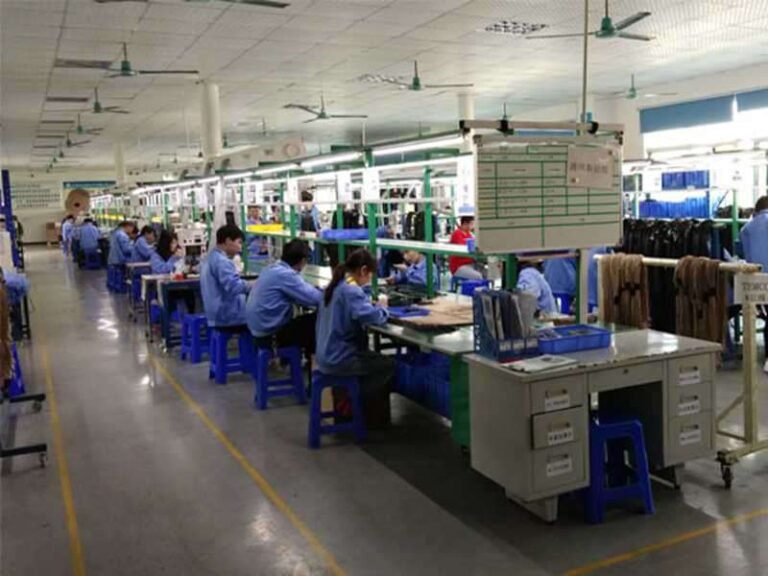
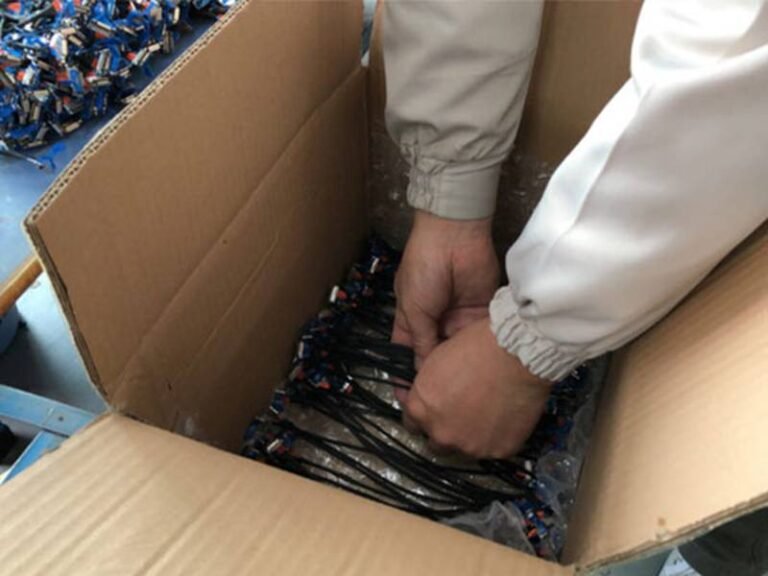
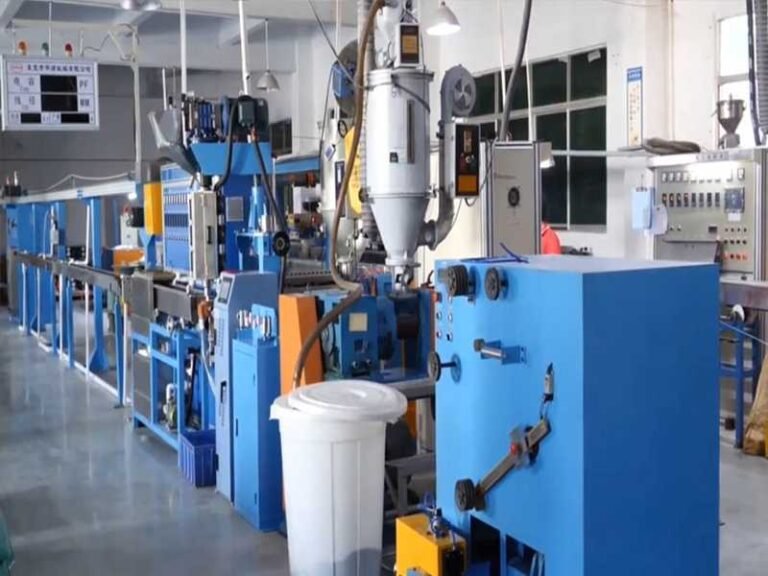
Built Around Engineering Communication Rather Than Catalog Products
Most custom PVC cable assembly projects do not begin with a complete part number. Engineers often provide connector references, PCB layouts, equipment drawings, photos, samples or preliminary specifications and need technical feedback before a product can move forward. SINO-CONN supports this early-stage development process by reviewing cable structures, routing requirements, pin assignments, shielding options and assembly feasibility before quotation and sampling begin.
This engineering-first workflow helps customers reduce development uncertainty while accelerating project evaluation. For many projects, CAD drawing support can begin shortly after receiving technical information, helping engineering teams confirm key dimensions, connector orientation and wiring definitions before prototypes are produced.
Flexible Supply Chain Resources Supporting Diverse Project Requirements
PVC cable assemblies often involve more than wire and connectors. Successful projects require coordination between cable manufacturers, connector suppliers, terminal producers, overmolding facilities and material providers. SINO-CONN maintains long-term relationships with a broad network of component partners, allowing customers to select solutions based on performance requirements, budget targets and lead-time expectations.
Whether a project requires original-brand connectors from JST, Molex, TE, Amphenol, Hirose or JAE, or compatible alternatives for cost optimization and supply flexibility, sourcing options can be reviewed according to the actual application. This flexibility becomes particularly important during component shortages, redesign projects and long-term OEM production programs.
Support For Both Product Development And Production Expansion
Many suppliers are optimized either for prototypes or for volume production. Product development teams often struggle when a successful prototype must later transition to repeat manufacturing. SINO-CONN supports both stages within the same project framework, helping reduce communication gaps and technical inconsistencies between sample approval and production release.
Projects can begin with a single prototype for engineering validation and later expand into recurring production schedules as market demand grows. This approach is commonly used by industrial equipment manufacturers, medical device developers, security system suppliers and electronic equipment OEMs that require flexibility during different stages of product development.
Fast Response And Practical Problem Solving For Global Customers
Speed is often a competitive advantage in product development. Engineering teams frequently need quick feedback regarding connector availability, cable construction options, drawing updates or prototype feasibility. SINO-CONN emphasizes responsive communication and practical technical discussions that help customers move projects forward without unnecessary delays.
Customers can communicate using drawings, photos, samples, BOM files, connector models or video meetings when needed. For urgent projects, preliminary technical reviews and drawing support can often be provided within a short timeframe, helping reduce waiting periods during development. This responsiveness is one reason many customers continue working with the same supplier across multiple projects and product generations.
Why PVC Cable Assemblies Remain One Of The Most Widely Specified Solutions Across OEM Electronic Equipment
Despite the availability of TPU, TPE, Silicone and other specialty cable materials, PVC continues to be one of the most commonly used materials in cable assembly manufacturing. The reason is simple: PVC offers a practical balance between performance, manufacturability, cost control and supply availability. For many OEM products, the goal is not selecting the most expensive cable material, but selecting the material that delivers the required performance while supporting efficient production and long-term sourcing stability.

From industrial automation equipment and medical electronics to security systems and communication devices, PVC cable assemblies remain a preferred choice for engineers, purchasing teams and product manufacturers worldwide.
| Key Benefit | Customer Value |
|---|---|
| Cost Efficiency | Lower Total Product Cost |
| Manufacturing Flexibility | Easier Customization |
| Connector Compatibility | Broad Integration Options |
| Material Availability | Stable Supply Chain |
| Industry Adoption | Proven Across Applications |
An Ideal Balance Between Performance And Cost
Many OEM manufacturers must balance product performance with commercial realities. While premium cable materials may offer specialized properties, they often increase product cost, sourcing complexity and lead times. PVC remains attractive because it delivers reliable electrical insulation, mechanical flexibility and production efficiency without creating unnecessary cost pressure.
For products manufactured in medium or high volumes, material selection directly impacts overall product profitability. PVC cable assemblies allow engineers to meet functional requirements while giving purchasing teams more flexibility in controlling BOM costs. This balance is one reason PVC continues to dominate a wide range of commercial, industrial and electronic applications.
Highly Adaptable To Custom Cable Assembly Designs
Custom cable assemblies rarely follow a single standard configuration. Different projects require different conductor counts, cable lengths, connector combinations, shielding structures and routing requirements. PVC supports a wide range of manufacturing processes, making it one of the most adaptable materials for custom cable development.
At SINO-CONN, PVC cable assemblies can be customized from simple two-conductor power cables to complex multi-core assemblies with 20–512+ conductors. PVC also works well with overmolding, heat shrink processing, cable branching and identification systems, giving engineers greater freedom when designing product-specific cable solutions.
Compatible With A Wide Range Of Connector Systems
One of the major advantages of PVC cable assemblies is their compatibility with virtually every major connector ecosystem used in modern electronics and industrial equipment. Whether the application requires JST, Molex, TE Connectivity, Amphenol, Hirose, JAE, Samtec, LEMO or waterproof connector systems, PVC cables can typically be integrated without difficulty.
This compatibility simplifies engineering decisions and reduces development risks when new products are being designed. It also provides sourcing flexibility for OEM manufacturers that may need alternative connector strategies during supply-chain fluctuations or product redesigns.
Stable Material Availability Supports Long-Term Production
A product that launches successfully may remain in production for many years. Engineers therefore need cable materials that can be sourced consistently throughout the product lifecycle. PVC benefits from one of the most mature global manufacturing ecosystems in the cable industry, making it easier to obtain standardized cable structures, maintain production continuity and support long-term supply programs.
For OEM customers, this means fewer sourcing disruptions, more predictable lead times and greater confidence when planning future production schedules. Stable material availability is particularly valuable for industrial equipment manufacturers, security system providers and electronic device OEMs managing recurring production programs.
Proven Across Multiple Industries And Product Categories
Few cable materials have been adopted as broadly as PVC. Its versatility has allowed it to become a standard solution across thousands of product categories. Industrial controllers, medical devices, security cameras, access-control systems, communication equipment, power supplies, consumer electronics and automation systems all commonly use PVC cable assemblies.
This broad adoption creates another advantage: extensive real-world validation. Engineers are not selecting an experimental material; they are selecting a cable platform that has been proven across countless installations and operating environments. For many OEM manufacturers, this established track record reduces technical risk while simplifying product development and qualification activities.
Custom PVC Cable Assembly Solutions Covering Power, Signal, Control, Communication And Equipment Interconnect Applications
PVC cable assemblies are used across a wide range of electronic and industrial equipment because they can be customized to match specific electrical, mechanical and installation requirements. Unlike off-the-shelf cable products, custom assemblies are designed around the actual application, allowing engineers to define conductor count, cable length, connector type, shielding structure, labeling requirements and installation layout.
SINO-CONN supports custom PVC cable assembly projects ranging from simple power cables to complex multi-branch harnesses containing 20–512+ conductors. By combining PVC cable materials, connector systems, shielding solutions and assembly expertise, customers can source complete cable solutions from a single manufacturing partner.

PVC Power Cable Assemblies
Power transmission remains one of the most common applications for PVC cable assemblies. These assemblies are used to deliver stable power between adapters, power supplies, batteries, controllers and electronic devices. Depending on voltage, current and installation requirements, power assemblies can be configured using different wire gauges, conductor structures and connector systems.
SINO-CONN supports custom PVC power cable assemblies with configurable lengths, polarity definitions, cable colors and connector options. Applications include industrial equipment, security systems, communication devices, LED products, charging systems and commercial electronics. Projects may range from simple DC power leads to multi-circuit power distribution harnesses integrated within larger equipment platforms.
Typical Applications
- AC Power Assemblies
- DC Power Cables
- Battery Harnesses
- Power Distribution Systems
- Charging Equipment
- Electronic Device Power Connections

PVC Signal Cable Assemblies
Signal cable assemblies are designed to transmit low-voltage signals between sensors, control boards, monitoring devices and communication modules. These assemblies often require precise pin assignments, controlled routing and reliable connector interfaces to maintain signal integrity throughout the system.
PVC signal cable assemblies are widely used in industrial automation, medical electronics, instrumentation equipment, monitoring systems and electronic controls. SINO-CONN regularly supports projects requiring custom pinouts, compact connector layouts, cable identification and application-specific routing structures that simplify installation and serviceability.
Typical Applications
- Sensor Connections
- Monitoring Equipment
- PCB Interconnects
- Instrumentation Systems
- Data Collection Devices
- Control Signal Wiring

PVC Shielded Cable Assemblies
As electronic systems become more complex, electromagnetic interference can affect communication quality and signal stability. Shielded PVC cable assemblies help reduce interference by incorporating foil shields, braided shields, drain wires or combined shielding structures according to application requirements.
These assemblies are frequently specified for communication equipment, industrial control systems, security electronics, laboratory instruments and medical devices where signal reliability is critical. SINO-CONN can support shielded cable configurations tailored to equipment layout, grounding strategy and installation environment.
Typical Applications
- Industrial Communication Systems
- Security Monitoring Equipment
- Control Cabinets
- Laboratory Instruments
- Medical Electronics
- Data Transmission Systems

PVC Multi-Core Cable Assemblies
Modern equipment often requires multiple circuits to be organized within a single cable structure. Multi-core PVC cable assemblies help reduce installation complexity while improving cable management inside machines, cabinets and electronic devices.
Depending on project requirements, assemblies may contain power conductors, signal conductors, control circuits and communication lines within the same cable system. SINO-CONN supports custom multi-core assemblies with conductor counts ranging from small control cables to large harness structures supporting hundreds of individual signal paths.
Typical Applications
- Industrial Automation Equipment
- Medical Devices
- Robotics Systems
- Electronic Control Units
- Communication Equipment
- Test And Measurement Devices

PVC Overmolded Cable Assemblies
Overmolding adds an additional layer of mechanical protection between the cable and connector interface. This process improves strain relief, enhances product appearance and helps protect cable assemblies from repeated handling or installation stress.
Custom overmolded PVC cable assemblies are commonly used in products where durability and appearance are equally important. Molded structures can be designed around connector shape, cable exit direction, sealing requirements and branding objectives. SINO-CONN supports a variety of overmolding solutions for both prototype and OEM production programs.
Typical Applications
- Handheld Electronic Devices
- Medical Equipment Interfaces
- External Device Connections
- Waterproof Cable Assemblies
- Portable Equipment
- Commercial Electronics

PVC Control Cable Assemblies
Control cable assemblies connect sensors, actuators, switches, controllers and automation devices throughout industrial and commercial equipment. These assemblies often require organized wiring layouts, identification systems and long-term reliability because they directly support equipment operation.
PVC control cable assemblies are frequently used in factory automation systems, PLC-controlled machinery, packaging equipment, robotics and process-control applications. SINO-CONN supports custom control cable development according to customer wiring diagrams, machine layouts and equipment specifications, helping simplify installation while maintaining production consistency.
Typical Applications
- PLC Systems
- Industrial Machinery
- Automation Equipment
- Robotics Platforms
- Process Control Systems
- Control Cabinets
Selecting The Right PVC Material Is One Of The Most Important Decisions In Custom Cable Assembly Development
Many cable assembly performance issues originate from incorrect material selection rather than connector design or manufacturing quality. While PVC is often viewed as a standard cable material, there are significant differences between PVC formulations in terms of flexibility, temperature resistance, flame-retardant performance, oil resistance, UV resistance and regulatory compliance.

For OEM manufacturers, choosing the correct PVC material early in development helps improve product reliability, simplify manufacturing, reduce unnecessary costs and support long-term supply stability. SINO-CONN works with multiple cable manufacturers and material suppliers to help customers select PVC cable structures that match actual operating conditions rather than relying on generic cable specifications.
| PVC Material Type | Typical Environment | Primary Advantage |
|---|---|---|
| Standard PVC | General Electronics | Cost Efficiency |
| Flexible PVC | Compact Devices | Improved Routing |
| UL PVC | North American Markets | Compliance Support |
| Flame Retardant PVC | Industrial Equipment | Enhanced Safety |
| Oil & UV Resistant PVC | Outdoor & Factory Use | Environmental Durability |
Standard PVC For Cost-Effective OEM Manufacturing
Standard PVC remains the most widely used cable insulation and jacket material in the electronics industry because it offers a practical balance between performance and affordability. For products operating in normal indoor environments, standard PVC provides reliable electrical insulation, stable mechanical properties and excellent manufacturing efficiency without introducing unnecessary material costs.
Many consumer electronics, power supplies, security devices, LED products and commercial equipment continue to use standard PVC cable assemblies because they provide dependable performance while helping manufacturers maintain competitive product pricing. For OEM projects focused on large production volumes, standard PVC often delivers the best balance between functionality and cost control.
Common Applications
- Consumer Electronics
- LED Lighting Systems
- Security Equipment
- Power Adapters
- Commercial Electronic Devices
- General Equipment Wiring
Flexible PVC For Compact And Space-Constrained Equipment
Modern electronic products are becoming smaller while incorporating more functionality. As internal space decreases, cable flexibility becomes increasingly important. Flexible PVC materials allow cable assemblies to route around PCBs, batteries, sensors, displays and structural components without creating installation difficulties.
Medical electronics, handheld devices, monitoring equipment and compact industrial products frequently benefit from flexible PVC cable structures. Improved bendability helps simplify assembly operations while reducing stress on connectors and internal components. SINO-CONN regularly supports projects where cable routing limitations are one of the primary engineering challenges during product development.
Common Applications
- Medical Devices
- Portable Electronics
- Monitoring Equipment
- Handheld Products
- Compact Control Systems
- Smart Electronic Devices
UL PVC Materials For North American Compliance Requirements
For many customers serving the United States and Canadian markets, cable materials must satisfy internal compliance requirements and procurement standards. UL-recognized PVC wires are often specified by engineering teams, certification agencies and OEM purchasing departments to support product qualification programs.
Common UL cable structures include UL1007, UL1015, UL2464 and UL20276 depending on voltage requirements, conductor count and installation environment. Using recognized materials from the beginning of a project can simplify documentation, reduce qualification risks and improve supply-chain consistency throughout the product lifecycle.
Common Applications
- Industrial Equipment
- Medical Electronics
- Communication Devices
- Commercial Equipment
- OEM Assemblies
- Export-Oriented Products
Flame-Retardant PVC For Industrial And Safety-Critical Applications
Industrial automation systems, control cabinets, power equipment and commercial machinery often require cable materials capable of supporting stricter safety requirements. Flame-retardant PVC formulations help reduce flame propagation while maintaining the processing advantages and cost efficiency that make PVC attractive for large-scale manufacturing.
When combined with proper cable design, connector selection and installation practices, flame-retardant PVC materials help improve overall equipment safety while supporting long-term reliability. This type of material is frequently specified in factory environments, control systems and equipment operating in enclosed electrical spaces.
Common Applications
- Industrial Automation
- Control Cabinets
- Power Distribution Equipment
- Factory Machinery
- Building Automation Systems
- Commercial Electrical Equipment
Oil-Resistant And UV-Resistant PVC For Harsh Operating Conditions
Some cable assemblies must operate in environments that expose them to lubricants, cleaning agents, sunlight, moisture or outdoor temperature fluctuations. Standard PVC may not always provide the durability required under these conditions. Specialized PVC formulations can improve resistance to environmental stress while maintaining manufacturing practicality.
Oil-resistant PVC is commonly used around machinery, automation equipment and production systems where cables may encounter lubricants and industrial fluids. UV-resistant PVC is frequently selected for outdoor electronics, monitoring equipment, access-control systems and exposed installations where long-term sunlight exposure must be considered.
For customers developing products intended for years of continuous service, selecting the correct environmental PVC material can significantly improve field reliability and reduce maintenance requirements.
Common Applications
- Outdoor Security Systems
- Access Control Equipment
- Industrial Machinery
- Automation Production Lines
- Agricultural Electronics
- Environmental Monitoring Devices
Connector Ecosystem Guide
Connector Selection Often Determines The Reliability, Service Life And Long-Term Supply Stability Of A PVC Cable Assembly
In most custom PVC cable assembly projects, the connector is often the most critical component. While the cable carries power or signals, the connector serves as the interface between the cable assembly and the equipment. Poor connector selection can result in installation issues, sourcing challenges, premature failures or increased maintenance costs.
For OEM manufacturers, connector selection affects not only electrical performance but also procurement strategy, production lead times, field serviceability and future product upgrades. SINO-CONN supports a broad connector ecosystem, allowing customers to integrate original-brand connectors, compatible alternatives and application-specific interconnect solutions within a single cable assembly platform.

| Connector Category | Common Brands | Typical Applications |
|---|---|---|
| Board-To-Wire | JST, Molex, TE | PCB Interconnections |
| High-Density Connectors | Hirose, JAE, Samtec | Compact Electronics |
| Circular Connectors | LEMO, Amphenol | Industrial & Medical Equipment |
| Waterproof Connectors | Various IP-Rated Systems | Outdoor Equipment |
| Custom Interconnect Solutions | Mixed Connector Systems | OEM Equipment Integration |
Board-To-Wire Connectors For Internal Electronic Equipment
Board-to-wire connectors remain one of the most widely used connector categories in PVC cable assemblies. They are commonly used to connect PCBs, displays, sensors, power modules and control boards within electronic equipment. Because these connectors are often integrated deep within the product structure, reliability and dimensional accuracy become extremely important.
SINO-CONN regularly supports cable assemblies utilizing JST, Molex and TE Connectivity systems across industrial controls, medical electronics, communication devices and consumer products. Engineers often select these connector families because they provide proven performance, broad availability and support for various wire gauges and circuit counts. Proper connector selection at this stage helps simplify assembly operations and future maintenance activities.
High-Density Connector Systems For Compact Product Designs
As electronic devices become smaller and more functional, connector density becomes increasingly important. High-density connector systems allow manufacturers to transmit more signals while occupying less installation space. These connectors are commonly found in medical electronics, communication devices, portable equipment and embedded control systems.
Connector families from Hirose, JAE and Samtec are frequently used in applications requiring compact footprints, precise alignment and reliable signal transmission. Combined with custom PVC cable assemblies, these connector systems help engineers optimize internal layouts while maintaining accessibility for production and servicing. Compact designs often require careful review of cable routing and connector orientation during development.
Circular Connectors For Industrial And High-Reliability Applications
Industrial equipment, laboratory instruments, transportation systems and medical devices often require connectors capable of withstanding repeated mating cycles and demanding operating environments. Circular connector systems are widely used because they provide secure connections, robust locking mechanisms and long-term durability.
LEMO, Amphenol and other circular connector platforms are commonly integrated into custom PVC cable assemblies serving industrial automation, testing equipment and medical applications. These connector systems frequently support higher pin counts, shielding options and environmental protection features that help maintain performance under challenging operating conditions. Their reliability makes them a preferred choice for mission-critical equipment where connection failures can result in downtime or service interruptions.
Waterproof Connector Solutions For Outdoor And Harsh Environments
Products operating outdoors or in demanding industrial environments often require protection against moisture, dust and environmental contamination. Waterproof connector systems help improve equipment reliability by protecting critical electrical interfaces from external conditions.
Custom PVC cable assemblies using waterproof connectors are commonly found in security cameras, access control systems, agricultural equipment, industrial sensors, LED lighting products and environmental monitoring devices. Depending on application requirements, connector systems may support different IP protection levels, sealing structures and cable exit configurations. SINO-CONN can assist customers in evaluating connector options based on installation environment, service life expectations and maintenance requirements.
Flexible Connector Strategies For Cost, Availability And Product Lifecycle Management
Connector selection is not always driven solely by technical specifications. Purchasing teams frequently evaluate connector options based on lead time, availability, pricing and long-term supply stability. Some projects require original-brand components due to customer specifications or certification requirements, while others prioritize sourcing flexibility and cost optimization.
SINO-CONN supports both original and compatible connector strategies across a wide range of PVC cable assembly projects. This flexibility allows OEM manufacturers to evaluate multiple sourcing paths while maintaining functional compatibility. For long-lifecycle products, connector strategy can play a significant role in reducing supply-chain risks and improving future production continuity.
PVC Cable Structure Guide
Understanding PVC Cable Construction Helps Improve Reliability, Installation Efficiency And Long-Term Product Performance
Many cable assembly issues originate from structure design rather than material quality. A cable may use high-quality PVC materials and premium connectors, but still experience installation difficulties, signal instability, excessive bending stress or premature failure if the internal structure is not properly designed.
For OEM manufacturers, understanding cable construction helps engineering teams make better decisions during product development. Conductor size, insulation thickness, shielding method, jacket design, strain relief and identification systems all influence how a PVC cable assembly performs throughout its service life.

SINO-CONN supports custom PVC cable assemblies ranging from simple power cables to complex multi-core harnesses with 20–512+ conductors. Understanding each structural element allows customers to optimize performance while controlling manufacturing complexity and overall project cost.
| Structural Element | Primary Function | Typical Design Focus |
|---|---|---|
| Conductor | Electrical Transmission | Current & Signal Capacity |
| Insulation | Electrical Protection | Voltage Isolation |
| Shielding | EMI Control | Signal Integrity |
| Jacket | Mechanical Protection | Flexibility & Durability |
| Strain Relief | Connector Protection | Bend Resistance |
| Identification System | Installation Accuracy | Maintenance Efficiency |
Conductors — The Foundation Of Electrical Performance
The conductor is the core element responsible for carrying power, signals or communication data throughout the cable assembly. Selecting the correct conductor size directly affects current capacity, voltage drop, flexibility and overall cable diameter.
PVC cable assemblies may utilize fine-gauge conductors for signal transmission or larger conductors for power applications depending on system requirements. Multi-conductor designs often combine power and signal circuits within the same cable structure, allowing engineers to simplify installation while reducing cable management complexity.
SINO-CONN supports custom conductor configurations ranging from simple two-conductor assemblies to highly complex cable harnesses supporting hundreds of signal paths. Proper conductor selection during the engineering stage helps improve both electrical performance and long-term reliability.
Insulation Layers Protect Circuits And Improve Electrical Safety
Insulation separates conductors from one another and prevents unwanted electrical contact within the cable assembly. While often overlooked, insulation design directly impacts safety, voltage capability and manufacturing consistency.
Different PVC cable structures may utilize varying insulation thicknesses depending on operating voltage, conductor arrangement and installation environment. In high-density cable assemblies, insulation uniformity becomes particularly important because it affects wire preparation, termination quality and connector assembly accuracy.
Well-designed insulation systems help maintain stable electrical performance while supporting efficient manufacturing and easier assembly operations.
Shielding Structures Improve Signal Stability
Electronic systems continue to become more complex, increasing the potential for electromagnetic interference. Shielding helps reduce the impact of external electrical noise while protecting sensitive signals from disruption.
Depending on application requirements, PVC cable assemblies may incorporate:
- Aluminum Foil Shielding
- Braided Copper Shielding
- Drain Wire Structures
- Combination Shielding Systems
Industrial control equipment, communication systems, medical electronics and monitoring devices frequently utilize shielded PVC cable assemblies to improve signal integrity. The effectiveness of shielding depends not only on the shield itself but also on grounding strategy and overall cable design.
Outer Jackets Influence Durability And Installation Flexibility
The cable jacket provides external protection against abrasion, handling stress and environmental exposure. Jacket design also influences flexibility, bend radius and overall cable appearance.
One of the most common engineering challenges involves balancing durability with routing requirements. A thicker jacket may improve protection but increase cable diameter and reduce flexibility. A thinner jacket may simplify routing but provide less mechanical protection.
SINO-CONN helps customers evaluate jacket options according to installation constraints, equipment layout and expected operating conditions, ensuring the cable structure supports both performance and manufacturability.
Strain Relief And Transition Areas Protect Connector Interfaces
Connector termination points often experience the greatest mechanical stress within a cable assembly. Repeated bending, pulling, vibration and handling can gradually damage conductors or connector terminations if proper strain relief is not incorporated into the design.
Common protection methods include:
- Heat Shrink Reinforcement
- Molded Strain Relief
- Flexible Boots
- Overmolded Transitions
These structural features help distribute mechanical loads away from critical connection points while improving product durability. Applications involving handheld devices, portable equipment and frequently connected interfaces particularly benefit from enhanced strain relief design.
Identification Systems Improve Installation And Service Efficiency
As cable assemblies become more complex, proper identification becomes increasingly important. Clear labeling helps installers, maintenance technicians and production operators quickly identify the correct cable without tracing conductors or reviewing detailed wiring diagrams.
Identification systems may include:
- Wire Numbering
- Heat Shrink Marking
- Cable Labels
- Barcode Labels
- Color Coding
- Customer-Specific Identification
For industrial automation equipment, control cabinets, medical devices and communication systems, organized identification can significantly reduce installation errors and simplify future maintenance activities. SINO-CONN regularly supports customer-specific identification requirements as part of complete cable assembly development programs.
Custom PVC Cable Assemblies Supporting Diverse Equipment Industries And Product Platforms
One reason PVC cable assemblies remain widely used across global manufacturing is their ability to adapt to different industries without significantly increasing product complexity or cost. The same PVC cable platform can be customized with different conductor counts, connector systems, shielding structures, cable diameters and identification methods to meet the needs of completely different applications.
For OEM manufacturers, selecting PVC cable assemblies often provides an efficient balance between engineering flexibility, production scalability and long-term supply stability. SINO-CONN supports custom PVC cable assembly projects across industrial automation, medical electronics, security systems and commercial electronic equipment, helping customers develop cable solutions aligned with their product architecture and operating environment.

Industrial Automation And Smart Manufacturing Equipment
Industrial automation remains one of the largest application sectors for custom PVC cable assemblies. Modern manufacturing systems rely on sensors, PLC controllers, servo systems, HMIs, industrial communication modules and machine-control devices that require stable and organized wiring solutions.
PVC cable assemblies are commonly selected because they offer reliable performance while supporting complex wiring layouts and large-scale production. Many automation projects require multi-core control cables, shielded signal assemblies, power distribution harnesses and customized cable routing structures designed around machine layouts.
SINO-CONN regularly supports cable assemblies used in:
- PLC Control Systems
- Industrial Sensors
- Robotics Equipment
- Automated Production Lines
- Packaging Machinery
- Process Control Equipment
For automation manufacturers, cable organization and installation efficiency often become just as important as electrical performance. Properly designed PVC cable assemblies help reduce assembly time while improving long-term maintenance accessibility.
Medical Electronics And Diagnostic Equipment
Medical devices often require cable assemblies that combine compact design, reliable electrical performance and consistent manufacturing quality. While medical applications vary widely, many systems utilize custom PVC cable assemblies for internal wiring, signal transmission, monitoring interfaces and peripheral connections.
Common applications include:
- Patient Monitoring Devices
- Portable Diagnostic Equipment
- Laboratory Instruments
- Medical Imaging Accessories
- Therapy Devices
- Healthcare Electronics
Many medical equipment manufacturers require custom cable lengths, compact connector systems and highly organized routing paths due to limited internal space. SINO-CONN supports engineering review during development to help optimize cable layout, connector integration and assembly consistency before production begins.
Because many medical devices remain in service for years, supply continuity and documentation support are often important considerations throughout the project lifecycle.
Security, Surveillance And Access Control Systems
Security equipment manufacturers operate in highly competitive markets where reliability, installation efficiency and cost control are critical. PVC cable assemblies are widely used throughout surveillance systems because they provide practical performance while supporting scalable production.
Typical applications include:
- CCTV Camera Systems
- Access Control Devices
- Smart Locks
- Video Intercom Systems
- Alarm Equipment
- Network Monitoring Devices
Many security products require custom power and signal cable assemblies integrated within compact enclosures or outdoor installations. Waterproof connectors, shielded cable structures and customized cable lengths are commonly specified depending on the deployment environment.
SINO-CONN supports both prototype development and recurring OEM production programs for security equipment manufacturers serving commercial, residential and industrial markets.
Communication Equipment, Power Systems And Commercial Electronics
Communication devices and commercial electronic products frequently require customized cable assemblies to connect internal modules, displays, power supplies, control interfaces and communication boards. These products often involve a combination of power transmission and signal routing within limited installation space.
PVC cable assemblies are commonly used in:
- Communication Equipment
- Network Devices
- Display Systems
- Power Supply Equipment
- Smart Electronic Products
- Commercial Control Devices
For these applications, engineers often prioritize connector compatibility, cable flexibility, manageable cable diameters and stable sourcing options. PVC remains a preferred material because it supports a broad range of connector ecosystems while maintaining manufacturing efficiency and cost competitiveness.
SINO-CONN helps customers integrate customized cable assemblies into product designs while supporting future production scaling and supply-chain flexibility as product demand grows.
Custom Engineering Capability Center
Engineering Flexibility Is Often The Difference Between A Standard Cable Assembly And A Successful OEM Product
Most custom PVC cable assembly projects are driven by product requirements rather than existing part numbers. Engineers are often trying to solve specific challenges related to space limitations, connector compatibility, signal routing, installation efficiency, mechanical durability or future manufacturability. As products become more compact and complex, standard cable solutions frequently require modification before they can be integrated into the final equipment design.

SINO-CONN supports engineering-driven cable assembly development by helping customers convert technical requirements into production-ready solutions. From simple cable modifications to complex multi-branch harnesses containing hundreds of conductors, engineering review plays a critical role in reducing development risk and accelerating product validation.
| Engineering Capability | Customization Scope |
|---|---|
| Cable Length Design | 30mm–10m+ |
| Pinout Development | Fully Customized |
| Harness Architecture | Single Or Multi-Branch |
| Overmold Engineering | Custom Shapes & Exits |
| Identification Systems | Labels & Traceability |
| Drawing Support | CAD & PDF Documentation |
Custom Cable Length And Installation Optimization
One of the most common engineering requirements involves cable length customization. Standard cable lengths often create installation challenges by introducing excess cable management, limited routing flexibility or unnecessary assembly complexity.
A properly engineered cable assembly is designed around the actual installation environment rather than arbitrary cable dimensions. Engineers evaluate equipment layouts, mounting locations, connector positions and service access requirements before determining final cable length.
SINO-CONN supports custom cable assemblies ranging from short internal PCB interconnects to external assemblies exceeding 10 meters. This flexibility helps customers improve installation efficiency, reduce cable congestion and create cleaner product architectures that are easier to assemble and maintain.
Pinout Engineering And Wiring Architecture Development
Many PVC cable assemblies require wiring definitions that do not follow standard connector pin assignments. Industrial controllers, communication systems, medical devices and electronic equipment frequently require custom signal routing between different interfaces.
Engineering support may include:
- Custom Pin Assignments
- Signal Mapping
- Power Distribution Layouts
- Grounding Strategies
- Multi-Connector Interconnections
- Mixed Voltage Circuits
Rather than simply following connector datasheets, engineers review how signals flow through the entire system to ensure the cable assembly supports the intended function. Early pinout validation can prevent costly redesigns and reduce troubleshooting during product testing.
Multi-Branch Harness Design For Complex Equipment
As products become more integrated, a single cable assembly often needs to connect multiple devices, sensors, boards or modules simultaneously. Multi-branch harnesses reduce installation time by consolidating several separate cables into one organized wiring structure.
Custom harness architecture may include:
- Y-Split Configurations
- Multi-Branch Layouts
- Power And Signal Integration
- Module Interconnections
- Equipment Distribution Harnesses
- Centralized Wiring Systems
SINO-CONN supports projects ranging from simple branch assemblies to complex harness systems containing 20–512+ conductors. Proper branch planning helps simplify installation while improving cable management throughout the equipment lifecycle.
Overmold Design And Mechanical Protection Engineering
Mechanical durability is often just as important as electrical performance. Connector transition points experience repeated stress from movement, vibration, pulling forces and handling during installation or operation. Poorly protected cable exits can become long-term failure points.
Custom overmold development allows engineers to optimize:
- Cable Exit Direction
- Strain Relief Geometry
- Waterproof Structures
- Connector Protection
- Mechanical Reinforcement
- Product Appearance
Depending on application requirements, molded structures can be designed to improve durability, simplify installation or support branding objectives. Overmold engineering becomes particularly valuable for portable equipment, external interfaces and frequently connected devices.
Product Identification, Documentation And Engineering Control
As cable assemblies become more complex, traceability and documentation become increasingly important. Proper identification systems help production teams, installers and maintenance personnel quickly recognize the correct cable assembly without reviewing extensive technical documents.
Engineering support may include:
- Cable Labels
- Wire Numbering
- Heat Shrink Identification
- Barcode Labels
- QR Code Systems
- Customer-Specific Markings
SINO-CONN also supports CAD and PDF drawing development to help customers document approved configurations before production release. For many OEM manufacturers, clear documentation improves communication between engineering, purchasing, production and service departments while reducing future revision risks.
Manufacturing Capability Center
Manufacturing Capability Determines Whether A Design Can Be Repeated Consistently At Every Production Stage
A successful prototype is only the beginning of a product lifecycle. The real challenge starts when an approved design must be produced repeatedly with consistent quality, predictable lead times and stable performance across hundreds or thousands of assemblies. For OEM manufacturers, manufacturing capability is not simply about factory size; it is about process control, production flexibility, engineering coordination and supply-chain execution.
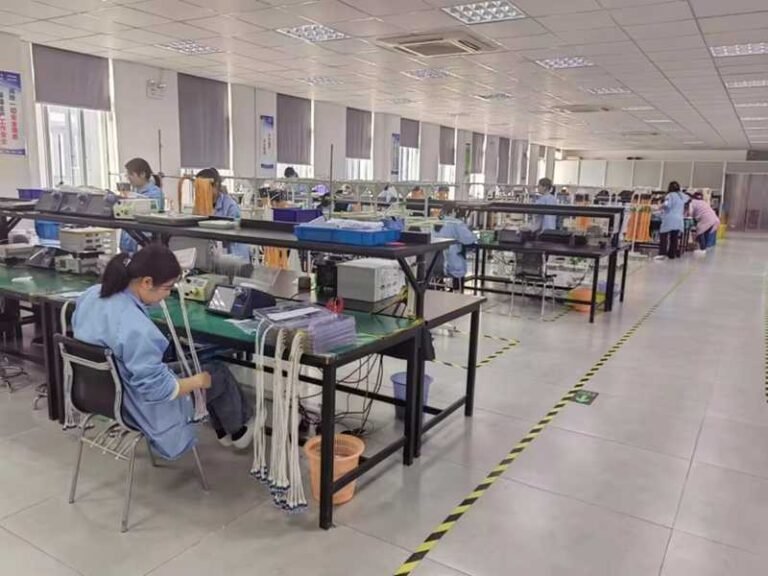
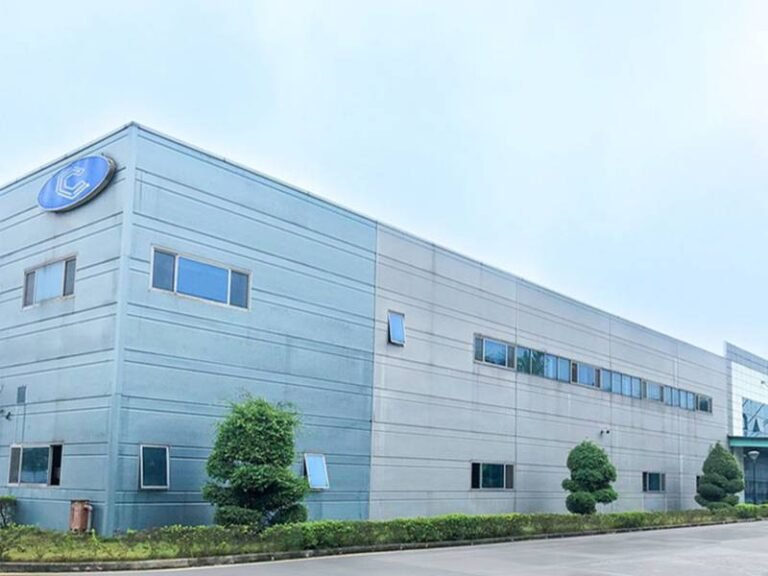
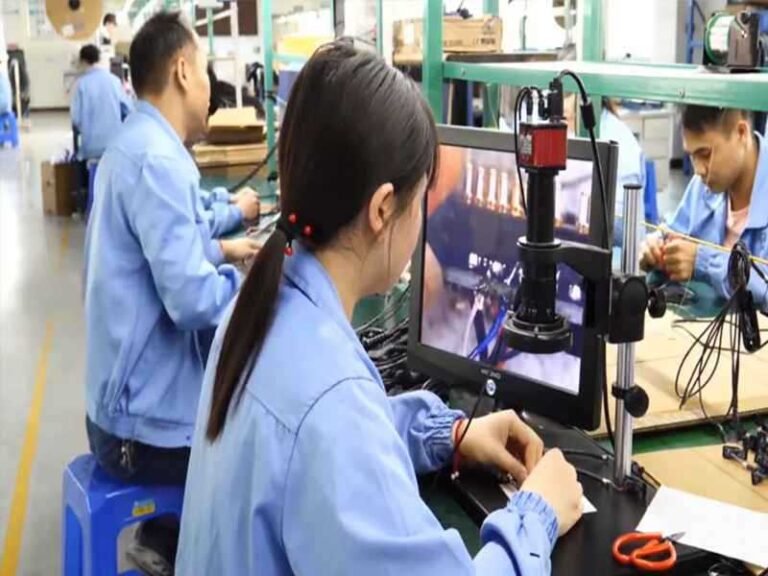
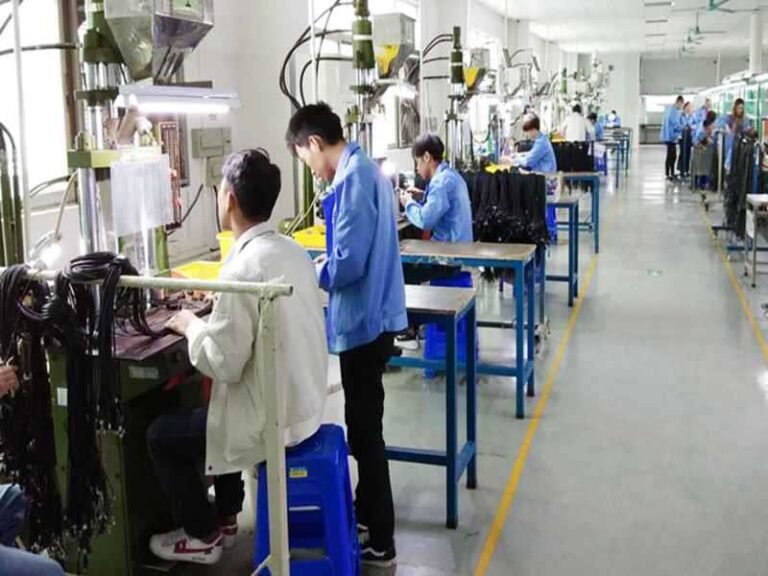
SINO-CONN supports custom PVC cable assembly manufacturing through dedicated engineering personnel, sample workshops, multiple assembly production lines and a coordinated supplier network covering cables, connectors, terminals, overmolding and auxiliary materials. This structure allows projects to move efficiently from prototype validation to recurring OEM production.

Dedicated Prototype And Sample Development Workshop
Many cable assembly suppliers focus primarily on volume production and struggle to support engineering-stage projects. However, most successful OEM programs begin with small sample quantities, design revisions and technical validation before moving into production.
SINO-CONN maintains dedicated sample development resources that allow engineering teams to evaluate cable structures, connector configurations, pin assignments, overmold designs and installation requirements before committing to production tooling or volume orders.
Prototype support helps customers:
- Validate Product Fit
- Verify Wiring Accuracy
- Evaluate Installation Routing
- Confirm Connector Compatibility
- Reduce Future Engineering Changes
- Accelerate Product Development
For urgent projects, sample production can often be arranged significantly faster than traditional production schedules depending on component availability and project complexity.
Flexible Assembly Production Supporting Diverse Product Types
PVC cable assemblies vary significantly between industries. A medical diagnostic device may require compact signal assemblies, while industrial automation equipment may require large multi-core harnesses with complex routing structures. Manufacturing systems must therefore remain flexible enough to support different assembly methods without sacrificing consistency.
SINO-CONN supports production of:
- Power Cable Assemblies
- Signal Cable Assemblies
- Shielded Cable Assemblies
- Multi-Core Harnesses
- Overmolded Assemblies
- Equipment Wiring Harnesses
This flexibility allows customers to consolidate multiple cable assembly requirements through a single manufacturing partner while maintaining standardized communication and project management processes.
Integrated Wire Processing And Assembly Operations
Consistent cable assembly production depends on controlling each stage of the manufacturing process. Wire preparation, termination quality and assembly accuracy all influence final product performance.
Production operations commonly include:
- Wire Cutting
- Wire Stripping
- Crimp Termination
- Solder Assembly
- Harness Bundling
- Heat Shrink Processing
- Label Installation
- Connector Assembly
By controlling these operations within a structured workflow, production teams can improve repeatability while reducing variation between batches. This becomes particularly important for products with complex wiring architectures or high conductor counts.
Multi-Conductor And Complex Harness Manufacturing Capability
Many OEM products require more than simple point-to-point cable assemblies. Industrial equipment, communication systems, testing devices and electronic platforms often depend on complex harness architectures connecting multiple modules within a single assembly.
SINO-CONN supports cable assemblies ranging from basic two-conductor structures to complex harness systems containing 20–512+ conductors. Multi-branch configurations, mixed circuit types and equipment-specific routing structures can be organized according to customer requirements and installation layouts.
This capability is particularly valuable for customers seeking to reduce installation complexity and improve manufacturing efficiency within their own products.
Coordinated Supply Chain Supporting Stable Production
Production consistency depends not only on factory operations but also on reliable component availability. A cable assembly may require wire, connectors, terminals, tubing, labels, overmold materials and packaging components sourced from different suppliers. Weak supply-chain coordination can quickly become a production bottleneck.
SINO-CONN works with long-term supply partners across cable manufacturing, connector systems, terminal production and molding operations to support stable project execution. This coordinated sourcing approach helps customers evaluate original-brand and compatible component options while improving production continuity and reducing procurement risk.
For OEM customers managing recurring production programs, supply-chain stability often becomes just as important as manufacturing capability itself.
A Structured Development Workflow Helps Transform Initial Ideas Into Production-Ready PVC Cable Assemblies
Many custom PVC cable assembly projects begin with incomplete information. Some customers provide detailed drawings and BOM files, while others only have a connector model, a sample cable or a product concept under development. Without a structured workflow, communication gaps can lead to engineering delays, unnecessary revisions and increased project costs.
SINO-CONN follows a step-by-step development process that helps engineering teams, procurement departments and OEM manufacturers move from technical evaluation to production release with greater clarity and efficiency. Each stage is designed to reduce uncertainty, improve communication and ensure that approved requirements are accurately transferred into manufacturing.

Requirement Review And Project Understanding
Every successful project starts with understanding the application. At this stage, customers typically provide drawings, wiring diagrams, connector part numbers, product photos, existing samples or performance requirements. Engineering teams evaluate the intended use of the cable assembly, installation conditions, electrical requirements and product constraints. This early review helps establish a clear technical direction before engineering resources are committed to design development.
Technical Evaluation And Feasibility Assessment
Once project requirements are collected, engineering teams evaluate whether the proposed design can be manufactured efficiently and reliably. Factors such as connector compatibility, cable routing, conductor requirements, shielding structures, overmold feasibility and installation constraints are reviewed. The goal is to identify potential risks early and recommend practical solutions before prototype development begins, helping customers avoid unnecessary redesign work later in the project.
Drawing Development And Engineering Documentation
Clear documentation serves as the foundation for every custom cable assembly. Based on customer requirements and engineering discussions, technical drawings are prepared to define cable length, connector orientation, pin assignments, branch layouts, labeling requirements and other critical details. SINO-CONN can support CAD and PDF drawing development, helping customers verify technical specifications before moving into the sampling stage.
Quotation Preparation And Project Planning
After technical requirements are confirmed, project costs and lead times can be evaluated more accurately. Quotation preparation considers cable materials, connector selection, assembly complexity, testing requirements, packaging specifications and expected order volume. This stage provides customers with a realistic understanding of project costs, sample schedules and production planning considerations before resources are committed to manufacturing.
Prototype Manufacturing And Functional Validation
Prototype development allows customers to physically evaluate the proposed cable assembly before approving production. During this stage, sample assemblies are manufactured according to the approved drawings and specifications. Engineering teams can verify cable routing, connector fit, wiring accuracy, installation convenience and overall product compatibility. Early prototype validation helps reduce the risk of costly changes after production begins.
Sample Review And Design Confirmation
Following prototype testing, customers often provide feedback regarding cable length adjustments, connector orientation, labeling preferences or other refinements. Engineering teams review these comments and update documentation as necessary. Once all technical details are verified and approved, the project configuration is formally confirmed. This approval stage creates a controlled baseline for future production activities and helps minimize confusion during repeat orders.
Production Release And Manufacturing Preparation
After final approval, the project enters production preparation. Approved drawings, BOM information, work instructions and testing requirements are transferred into manufacturing documentation. Production planning teams coordinate materials, assembly scheduling and quality requirements to ensure that manufacturing aligns with the approved sample. This structured handoff helps maintain consistency between development and production stages.
Delivery Coordination And Long-Term Project Support
Project completion extends beyond manufacturing. After production and inspection are completed, shipment arrangements, packaging requirements and delivery documentation are coordinated according to customer specifications. For recurring OEM programs, SINO-CONN continues supporting future revisions, demand planning, component sourcing reviews and ongoing production requirements. This long-term approach helps customers maintain continuity as products evolve and production volumes increase over time.
Multi-Stage Quality Control Designed To Support Consistent PVC Cable Assembly Production
For custom PVC cable assemblies, quality is not determined by a single final inspection. It is the result of controlled processes that begin before production starts and continue through assembly, testing and shipment preparation. Since every project may involve different connectors, wire structures, pin assignments and customer requirements, a structured inspection system helps ensure that approved samples and production orders remain aligned. SINO-CONN applies multiple verification stages throughout production to improve consistency and reduce the risk of wiring errors, assembly defects and shipment discrepancies.


Incoming Material Verification Before Production
The quality process begins before assembly work starts. Connectors, wires, terminals, tubing and other incoming materials are reviewed to verify that they match project specifications and approved documentation. This early verification stage helps prevent incorrect components from entering production and reduces the possibility of downstream assembly issues. For projects involving customer-specified materials or compliance-sensitive components, incoming inspection provides an additional layer of confidence before manufacturing activities begin.
Process Control Throughout Assembly Operations
During production, inspections are performed at key manufacturing stages to ensure assembly operations follow approved drawings and work instructions. Cable length, wire preparation, terminal attachment, connector positioning and labeling accuracy are continuously monitored throughout the production process. Rather than waiting until a batch is completed, process inspections allow potential issues to be identified and corrected immediately, helping maintain consistency between prototype samples and future production orders.
Electrical Testing For Wiring Accuracy
Electrical verification is one of the most important stages of cable assembly quality control. Even when an assembly appears visually correct, hidden wiring errors can affect product performance. Each assembly is tested according to approved wiring definitions to verify continuity and pin assignment accuracy. This testing process helps ensure that cables function correctly when integrated into customer equipment and reduces troubleshooting during installation, product validation and field operation.
Final Inspection Before Shipment
Before products are packaged and released for shipment, finished assemblies undergo a final review to confirm that they match approved specifications and customer requirements. Inspectors verify connector condition, cable appearance, identification markings, packaging accuracy and shipment quantities. This final verification stage serves as the last quality checkpoint before delivery and helps ensure that customers receive products that are consistent with approved samples, production documentation and order requirements.
Certifications And Compliance Documentation Support Supplier Qualification, Regulatory Requirements And Global Market Access
For many OEM manufacturers, a cable assembly supplier is evaluated not only on product quality and manufacturing capability, but also on its ability to support compliance, documentation and regulatory requirements. Before a new supplier is approved, engineering teams, quality departments and procurement managers often review certification records, material declarations and quality-management systems to determine whether the supplier can support both current and future projects.
SINO-CONN maintains a range of quality, environmental, medical and material-compliance certifications that help support customer qualification processes across industrial equipment, medical electronics, communication devices, security systems and other OEM applications. These certifications and compliance documents provide an additional layer of confidence when evaluating long-term manufacturing partners.
| Certification Category | Coverage Area |
|---|---|
| Quality Management | ISO 9001 |
| Environmental Management | ISO 14001 |
| Medical Device Manufacturing | ISO 13485 |
| Medical Material Evaluation | ISO 10993 |
| Cable Assembly Workmanship | IPC/WHMA-A-620 |
| Material Compliance | RoHS, REACH, PFAS |
| Component Compliance | UL-Recognized Materials |
| Export Documentation | COC, COO |
Quality, Environmental And Medical Management Certifications
A strong management system helps ensure that manufacturing processes remain organized, repeatable and continuously monitored. SINO-CONN supports customer qualification requirements through internationally recognized management standards including ISO 9001 for quality management and ISO 14001 for environmental management. For customers operating in medical and healthcare sectors, ISO 13485 and ISO 10993 related systems provide additional support for projects involving medical electronics, diagnostic equipment and healthcare devices. These certifications demonstrate a structured approach to manufacturing, documentation control, risk management and continuous improvement.
Product Compliance And Material Declaration Support
Many OEM products must comply with customer-specific, industry-specific or regional regulatory requirements before entering the market. SINO-CONN supports compliance documentation including RoHS, REACH and PFAS declarations to help customers evaluate material suitability and regulatory alignment. For North American projects, UL-recognized wire and component options can also be incorporated according to application requirements. By supporting compliance documentation at the material level, customers can simplify supplier approval, reduce compliance review time and improve confidence during product development and procurement.
International Trade Documentation And Customer Qualification Support
Beyond certifications, many purchasing departments require supporting documentation before releasing orders or approving suppliers. SINO-CONN can provide Certificate of Conformity (COC), Certificate of Origin (COO), material declarations and other project-specific compliance records when required. These documents help support customs clearance, internal audits, supplier qualification programs and customer documentation reviews. For long-term OEM programs, having organized compliance records and readily available documentation often becomes just as important as manufacturing capability itself, particularly for multinational companies operating across multiple regions and regulatory environments.




Reliable Global Delivery And Supply Chain Coordination Help Keep OEM Production Programs Running Without Interruption
For many OEM manufacturers, a successful cable assembly supplier is evaluated not only by product quality but also by its ability to deliver consistently across multiple production cycles. Delayed shipments, component shortages, packaging errors and incomplete documentation can create significant disruptions within customer production schedules. As a result, logistics execution and supply-chain stability often become as important as engineering and manufacturing capability.
SINO-CONN supports customers worldwide through coordinated shipping solutions, structured packaging systems and long-term supply-chain management practices designed to support both prototype projects and recurring OEM production programs. This approach helps customers reduce sourcing risks while maintaining production continuity throughout the product lifecycle.

Flexible Global Logistics Solutions For Prototype And Production Orders
Different stages of a project require different delivery strategies. Engineering samples often prioritize speed, while production orders may focus on transportation efficiency and overall logistics cost. SINO-CONN supports multiple shipping options including international express services, air freight, sea freight and customer-designated logistics providers, allowing customers to select transportation methods based on urgency, destination and budget requirements.
Customers across North America, Europe, Southeast Asia, Australia and other international markets frequently require varying shipment schedules and packaging standards. By coordinating transportation according to project priorities, prototype samples can move quickly for validation while larger production orders can be planned more strategically. This flexibility helps customers align delivery schedules with product development milestones and manufacturing plans.
Packaging, Identification And Export Documentation Management
Proper packaging plays an important role in protecting cable assemblies during international transportation and warehouse handling. Different customers may require individual packaging, grouped packaging, barcode labels, cable identification tags or customized carton labeling to match internal inventory and production processes. Well-organized packaging helps reduce handling mistakes while improving installation efficiency after delivery.
In addition to packaging management, international shipments often require supporting documentation such as commercial invoices, packing lists, certificates of origin and customer-specific compliance files. SINO-CONN coordinates these requirements as part of the shipment preparation process, helping customers simplify customs clearance procedures and reduce administrative workload during international procurement activities.
Long-Term Supply Chain Stability For Recurring OEM Programs
Many PVC cable assembly projects remain in production for years after the initial product launch. During this period, component availability, connector lead times and material sourcing conditions can change significantly. Long-term supply stability therefore requires proactive coordination rather than reactive purchasing.
SINO-CONN works closely with cable manufacturers, connector suppliers, terminal producers and auxiliary material partners to support ongoing production programs. For recurring OEM projects, supply-chain planning may include component availability reviews, alternative sourcing evaluations, demand forecasting discussions and inventory coordination strategies. This approach helps reduce supply disruptions and provides customers with greater confidence when planning future production schedules and product expansion activities.
Real-World PVC Cable Assembly Projects Supporting Product Development, Production Efficiency And Long-Term Supply Stability
Every custom cable assembly project presents unique engineering, sourcing and manufacturing challenges. Some customers need help solving space limitations inside compact devices, while others require supply-chain flexibility, faster prototypes or more reliable production support. The following examples illustrate how SINO-CONN works with OEM manufacturers to develop practical PVC cable assembly solutions tailored to real product requirements.
These cases represent common project types frequently encountered across industrial electronics, medical equipment and security systems, highlighting the importance of engineering support, manufacturing flexibility and long-term supply continuity.

United States Industrial Automation Manufacturer — Multi-Core Control Cable Assembly Project
Customer Background
A U.S.-based industrial automation company specializing in smart factory equipment was developing a new generation of automated packaging systems. The project required multiple control modules, sensors and communication devices to be integrated within a compact control architecture.
Project Challenge
The existing cable supplier could provide standard assemblies but struggled to support the customer’s evolving design requirements. Cable routing inside the equipment was becoming increasingly complex, and multiple individual cable assemblies created installation difficulties during final equipment assembly.
The customer required:
- Reduced Installation Time
- Simplified Internal Wiring
- Improved Cable Management
- Faster Engineering Response
- Consistent Production Quality
SINO-CONN Solution
After reviewing equipment layouts and wiring diagrams, SINO-CONN engineering teams proposed a custom multi-branch PVC cable harness that consolidated several individual assemblies into a single organized wiring system.
Engineering support included:
- Custom Cable Length Optimization
- Multi-Branch Harness Design
- Custom Pinout Development
- Identification Label Integration
- CAD Drawing Support
Results
The final harness reduced installation complexity while improving assembly consistency across production units.
Project outcomes included:
- 38% Reduction In Assembly Time
- 27% Fewer Internal Cable Components
- Prototype Approval In 2 Sample Iterations
- Annual Demand Exceeding 8,000 Assemblies
- Ongoing Supply Program Supporting Multiple Product Revisions
Germany Medical Electronics Manufacturer — Portable Diagnostic Equipment Project
Customer Background
A German medical technology company was developing a portable diagnostic device requiring compact internal wiring between sensors, display modules and control electronics. Space inside the enclosure was extremely limited, making cable routing a critical design consideration.
Project Challenge
The original cable design utilized standard assemblies that created excessive bending stress around internal components. The customer also required documentation support and stable manufacturing processes suitable for medical-sector procurement requirements.
The project required:
- Compact Cable Routing
- Flexible PVC Structures
- Reliable Signal Transmission
- Consistent Production Documentation
- Long-Term Product Support
SINO-CONN Solution
SINO-CONN reviewed the internal mechanical layout and proposed a customized PVC signal cable assembly optimized for limited installation space. Cable lengths, routing paths and connector orientations were adjusted to improve assembly efficiency and reduce mechanical stress.
Engineering support included:
- Flexible PVC Cable Configuration
- Compact Connector Integration
- Optimized Routing Layout
- Custom Label Identification
- CAD Documentation Support
Results
The revised cable structure improved installation consistency while reducing assembly challenges during production.
Project outcomes included:
- 31% Reduction In Internal Cable Space Usage
- 22% Faster Device Assembly Process
- Successful Product Qualification Testing
- Prototype To Production Transition Within 90 Days
- Stable Multi-Year Production Program
United Kingdom Security Equipment Manufacturer — Access Control System Upgrade
Customer Background
A leading UK security technology company was upgrading its access control product line for commercial buildings and smart facility management systems. The project involved integrating new controller boards, communication modules and outdoor interface devices.
Project Challenge
The customer faced recurring sourcing issues due to connector availability and inconsistent lead times from existing suppliers. Product launch schedules were becoming difficult to maintain because component shortages frequently delayed cable assembly deliveries.
The customer required:
- Stable Supply Chain Support
- Connector Availability Flexibility
- Waterproof Cable Solutions
- Faster Production Lead Times
- Consistent Global Delivery
SINO-CONN Solution
SINO-CONN evaluated the existing design and proposed a dual-sourcing connector strategy while maintaining functional compatibility. Custom PVC cable assemblies with waterproof connector integration and improved supply-chain coordination were implemented to support both engineering and procurement objectives.
Support included:
- Connector Supply Review
- Compatible Connector Alternatives
- Waterproof PVC Cable Assembly Design
- Export Documentation Support
- Long-Term Production Planning
Results
The project improved supply stability while supporting the customer’s international product rollout.
Project outcomes included:
- 45% Reduction In Lead-Time Variability
- 99% On-Time Delivery Performance
- Product Deployment Across 20+ Countries
- More Than 15,000 Assemblies Delivered
- Ongoing OEM Supply Relationship
Frequently Asked Questions About Custom PVC Cable Assemblies, Engineering Support, Production And Global Supply
Selecting a custom PVC cable assembly manufacturer often involves more than comparing prices. Engineers focus on technical feasibility, procurement teams evaluate supply stability, and OEM manufacturers need confidence that a supplier can support both development and long-term production. The questions below reflect some of the most common discussions SINO-CONN has with industrial equipment manufacturers, medical device companies, security system developers and electronic product OEMs worldwide.
1. Can SINO-CONN Manufacture A PVC Cable Assembly Based Only On A Sample Or Photo?
Yes. Many projects begin without complete engineering documentation. Customers often provide a physical sample, product photo, connector reference or an existing cable assembly that requires modification. Engineering teams can evaluate the structure, connector types, conductor configuration and overall assembly requirements before developing a proposed solution. For projects where drawings are unavailable, reverse-engineering support can help accelerate development while reducing the time required to create new specifications.
2. What Customization Options Are Available For PVC Cable Assemblies?
Most aspects of a PVC cable assembly can be customized according to application requirements. Common modifications include cable length, conductor count, pin assignment, connector selection, cable color, labeling, shielding structure, overmolding configuration and branch layout. Because different industries have different installation requirements, custom development often focuses on creating a cable assembly that fits the equipment rather than adapting the equipment to fit a standard cable.
3. Can Original Connector Brands And Compatible Alternatives Both Be Supported?
Yes. Many customers specify original connector brands such as JST, Molex, TE Connectivity, Amphenol, Hirose, JAE, Samtec or LEMO. Other customers prioritize shorter lead times, supply flexibility or cost optimization and may consider compatible alternatives. SINO-CONN supports both approaches and can review connector strategies based on project requirements, procurement objectives and long-term supply considerations while maintaining functional compatibility whenever possible.
4. How Long Does Prototype Development Usually Take?
Prototype lead time depends on project complexity, connector availability and documentation readiness. For many standard custom PVC cable assemblies, sample production can be completed within approximately two weeks. Urgent projects may be accelerated when materials are available and technical requirements have already been confirmed. Early engineering review often helps reduce delays by identifying design questions before sample production begins.
5. Is There A Minimum Order Quantity Requirement?
No strict minimum order quantity is required for most custom projects. Engineering validation often begins with very small quantities, particularly during product development. SINO-CONN supports prototype orders starting from a single piece, allowing engineers to verify fit, function and installation before committing to larger production volumes. This flexibility is especially valuable for R&D teams, pilot production programs and early-stage product development projects.
6. What Certifications And Compliance Documents Can Be Supported?
Certification requirements vary by industry and market. SINO-CONN supports quality and compliance documentation including ISO 9001, ISO 14001, ISO 13485, ISO 10993, IPC/WHMA-A-620, RoHS, REACH, PFAS and related material declarations. For projects targeting North American markets, UL-recognized wire and component options may also be supported depending on application requirements. Compliance documentation can be reviewed during supplier qualification and procurement processes.
7. Can Engineering Drawings Be Created Before Production?
Yes. Many customers require engineering documentation before approving samples or releasing production orders. SINO-CONN can support CAD and PDF drawing development based on customer requirements, samples, connector references or wiring information. Drawings typically define cable length, connector orientation, pin assignments, branch layouts, labels and other critical specifications. For some projects, preliminary drawing support can be provided shortly after technical requirements are received.
8. Can An NDA Be Signed Before Sharing Technical Information?
Yes. Confidentiality is an important consideration for many OEM manufacturers, particularly when projects involve proprietary technology, new product development or customer-owned intellectual property. Non-Disclosure Agreements can be signed before reviewing drawings, BOM files, wiring diagrams, prototypes or other technical documents. This helps create a secure foundation for engineering discussions while protecting sensitive project information.
9. Can SINO-CONN Support Long-Term OEM Production Programs?
Yes. Many projects begin with engineering prototypes and later transition into recurring production schedules. SINO-CONN supports both development-stage projects and long-term manufacturing programs, helping customers maintain continuity as product demand increases. Support may include engineering updates, revision control, supply-chain coordination, production planning and ongoing project management for multi-year product lifecycles.
10. How Are International Orders Packaged And Delivered?
Many service robot programs begin from small engineering samples before progressing into validation activities, pilot production, and recurring manufacturing. SINO-CONN supports connected workflow from prototype development through OEM production helping maintain continuity as hardware architecture and manufacturing requirements continue evolving.
Packaging and shipping arrangements can be tailored according to customer requirements and destination markets. Options may include individual packaging, barcode labeling, custom carton identification and export-ready documentation. International shipments can be arranged through express courier services, air freight, sea freight or customer-designated logistics providers. Supporting documents such as packing lists, COC, COO and compliance files can also be coordinated when required for customs clearance and procurement procedures.

Let's Build Your Custom PVC Cable Assembly
Send A Drawing, Sample Or Connector Part Number For Engineering Review And Quotation
Whether you need a prototype for product validation or a long-term OEM manufacturing partner, our engineering team can help evaluate your PVC cable assembly requirements and provide practical recommendations based on your application, specifications and production goals.
Information To Prepare
- Drawing Or Wiring Diagram
- Connector Part Number
- Cable Length
- Sample Photos
- Annual Quantity (Optional)