Skip to content
Custom Embedded FTDI Protocol Conversion Cable Assembly Manufacturer
USB to UART, RS232, RS485 & Embedded Communication Cable Solutions for Industrial Systems
SINO-CONN, established in Shenzhen in 2007, develops custom embedded FTDI protocol conversion cable assemblies for industrial automation, PLC systems, robotics, medical devices, and embedded electronics. From inline PCB integration and custom pin mapping to molded communication structures and OEM production support, engineering teams help customers move efficiently from prototype validation to recurring manufacturing.
- Embedded PCB integration
- USB protocol conversion expertise
- FTDI chipset support
- Custom pin mapping capability
- Fast prototype turnaround
- No MOQ requirement
About SINO-CONN
Engineering Manufacturing for Embedded Communication Cable Projects
Custom embedded FTDI protocol conversion cable assemblies are different from standard cable products because they combine electronic integration, communication architecture, and customized mechanical structures into one assembly. Development often begins long before a final product structure exists. Customers may arrive with interface requirements, communication goals, PCB files, firmware considerations, or reference samples rather than complete production drawings. For this type of project, engineering support and manufacturing coordination become part of the product itself.
Built Around Custom Embedded Development Projects
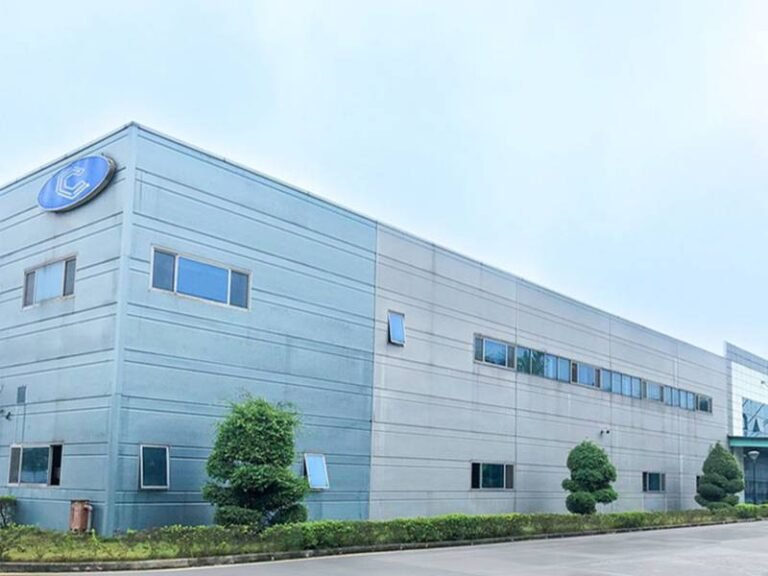
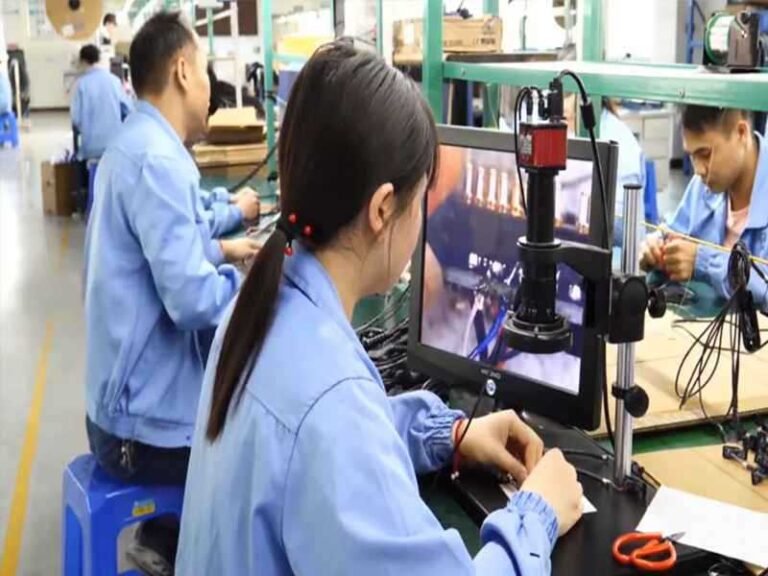
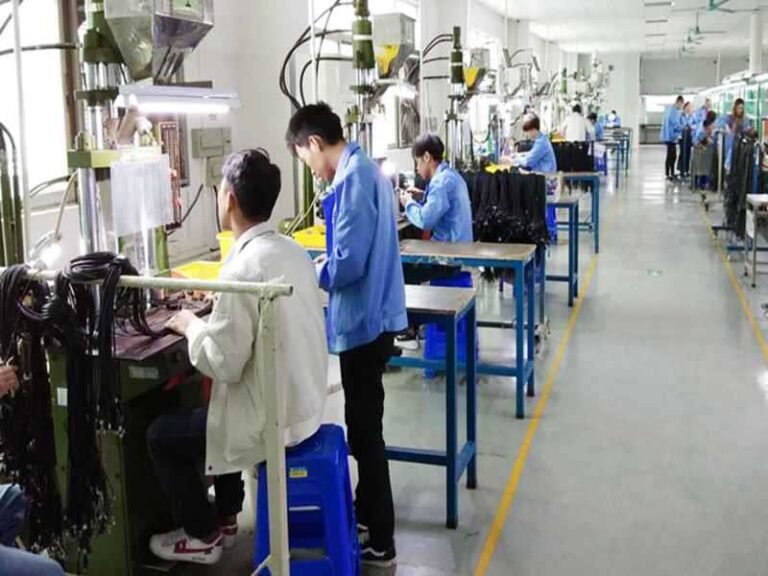
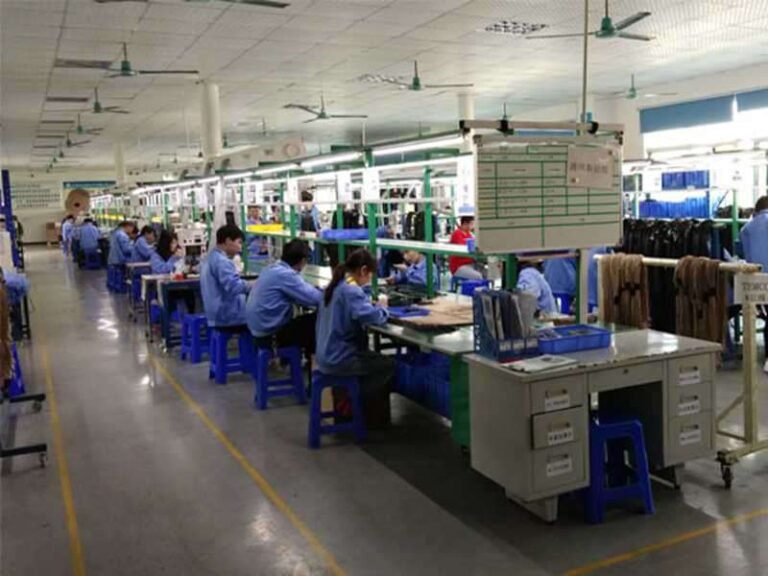
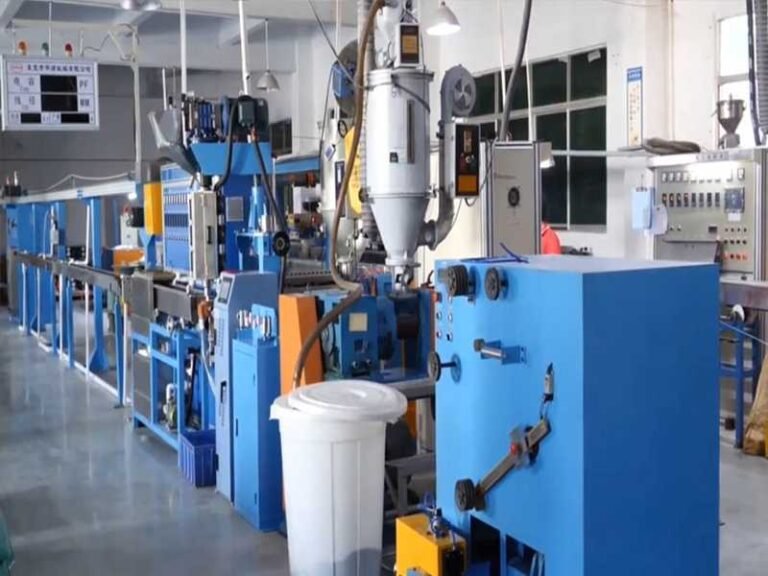
Founded in Shenzhen in 2007, SINO-CONN specializes in custom cable assemblies and wire harness manufacturing for industrial automation systems, medical devices, communication equipment, embedded electronics, UAV platforms, and other advanced electronic applications. Instead of focusing on catalog products, SINO-CONN mainly supports customized projects developed around customer drawings, interface definitions, signal structures, and application requirements. Many embedded communication projects begin with a development discussion rather than a purchase order because communication systems, cable exits, and interface structures frequently continue evolving during product design stages.
Engineering, Prototype & Manufacturing Under One Workflow
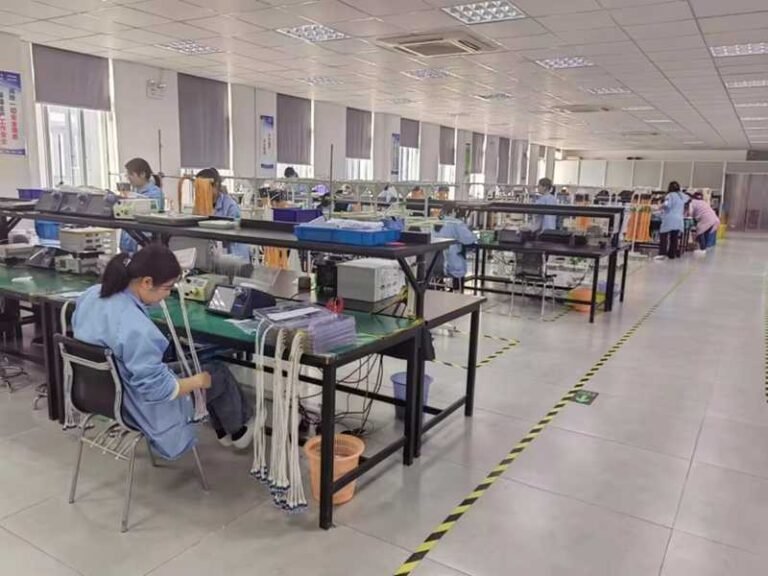
SINO-CONN operates with internal engineering teams, sample preparation capability, and multiple cable assembly production lines supporting projects from concept discussion through recurring OEM manufacturing. This structure helps reduce communication gaps between design and production stages and supports faster project execution. Engineering teams regularly assist with drawing evaluation, custom pin definitions, communication structure review, prototype preparation, and recurring revision support. Depending on project complexity, drawings and quotation support can sometimes be prepared within hours, while urgent sample projects may move into accelerated production schedules.
Shenzhen Supply Chain Integration for Complex Cable Structures
Embedded communication assemblies often require coordination across cable materials, miniature electronic components, connector systems, shielding structures, and molded mechanical parts. SINO-CONN maintains long-term cooperation with cable manufacturers, connector suppliers, overmolding facilities, precision processing partners, and material factories throughout Shenzhen’s electronics ecosystem. This integrated supply network supports cable structures ranging from compact 30 mm assemblies to systems exceeding 10 meters, with integration capability from 20 signal paths to more than 512 channels. Connector ecosystems commonly involve TE, Molex, JAE, Hirose, Samtec, I-PEX, KEL, waterproof systems, and custom communication interfaces according to project requirements.
Supporting Projects From Prototype to Recurring Production
Drone GPS cable assemblies frequently require routing revisions during flight validation because antenna position, shielding structure, connector direction, and cable geometry may change after aerial testing.
SINO-CONN supports rapid engineering coordination involving RF routing optimization, drawing updates, connector replacement, lightweight cable adjustment, and prototype revision support for UAV development projects requiring flexible engineering communication.
Common Challenges in Embedded FTDI Protocol Conversion Cable Development
Protocol conversion cable assemblies are often expected to function as simple interface accessories, but in industrial environments they frequently become critical communication components affecting equipment behavior, field maintenance, debugging efficiency, and long-term system reliability. Communication issues often appear only after equipment enters real operating environments where power systems, industrial machinery, software interaction, and installation limitations create additional complexity. During project discussions, SINO-CONN frequently receives inquiries after customers encounter communication instability, integration difficulties, or repeated field failures from previous solutions.

Communication Instability in Real Industrial Environments
Many communication systems perform normally during laboratory testing but begin showing unstable behavior after installation inside industrial environments. Equipment may operate close to motors, servo systems, switching power supplies, industrial controllers, and high-current devices that introduce electrical noise into nearby communication structures. Customers often report intermittent disconnection, random communication interruption, or data loss during equipment operation. SINO-CONN frequently reviews cable structure and communication architecture during development because signal stability becomes increasingly important in recurring production environments.
Protocol Compatibility Between Different Systems
Industrial equipment often combines hardware developed across different generations, software architectures, and communication standards. Embedded devices, PLC systems, industrial controllers, and maintenance tools may all require communication through different interfaces. Problems frequently appear when USB, UART, RS232, RS485, TTL, or other communication structures are expected to work together without considering protocol behavior or device compatibility requirements. Communication architecture review therefore becomes an important stage during custom embedded cable development.
EMI Interference & Signal Noise Problems
Industrial facilities contain numerous sources of electromagnetic interference capable of affecting communication consistency. Motors, inverters, switching devices, power cables, and heavy machinery may create noise conditions that are difficult to predict during early development stages. Communication instability caused by EMI often becomes more visible when cable routing distances increase or equipment operates continuously over long periods. SINO-CONN regularly supports projects requiring customized shielding structures and optimized cable layouts for communication environments exposed to industrial electrical noise.
Limited Space for Embedded Electronics Integration
Many protocol conversion cable assemblies require electronic functionality integrated directly inside cable systems or molded structures rather than external boxes. Development teams frequently encounter installation environments where available space is extremely restricted. Compact industrial controllers, handheld devices, portable equipment, and integrated electronics often leave very little room for PCB structures and cable routing. Mechanical structure review therefore becomes closely connected with electronic integration during embedded communication projects.
EEPROM Configuration & Device Recognition Issues
FTDI communication systems frequently require project-specific configuration settings before products enter production. Device identification behavior, USB descriptors, communication parameters, and software interaction settings may vary between customers and equipment platforms. Incorrect EEPROM configuration can create deployment issues where systems fail to recognize devices consistently after installation. SINO-CONN commonly supports communication projects involving custom VID/PID settings and project-specific device configuration requirements during development stages.
Prototype Revision Cycles During Product Development
Communication projects rarely move directly from concept to recurring production without revision. Interface definitions, connector structures, pin mapping, communication requirements, and internal routing frequently change throughout development. Customers often need repeated validation builds before final approval. SINO-CONN supports low-volume development programs and recurring engineering updates because many embedded communication projects evolve through multiple prototype stages before production structures become stable.
Why Industrial Equipment Manufacturers Choose SINO-CONN
Embedded FTDI protocol conversion projects often involve communication architecture changes, prototype revisions, and customized interface requirements before production becomes stable. Beyond manufacturing capability, many projects require fast engineering support, flexible development coordination, and long-term production continuity. SINO-CONN supports embedded communication programs through engineering responsiveness, custom integration capability, and recurring OEM manufacturing experience.

Fast Engineering Response
Development schedules often move faster than traditional sourcing cycles. SINO-CONN supports rapid technical communication involving drawing review, interface discussion, and project evaluation. For straightforward projects, drawings and quotations may be prepared within hours, while urgent technical feedback can sometimes be provided within approximately 30 minutes.
Flexible Prototype Support
Many embedded communication projects begin with only a few validation samples for testing or debugging. SINO-CONN supports prototype quantities from 1 piece with flexible scheduling for engineering samples, pilot production, and recurring manufacturing programs.
Custom Embedded Structure Capability
Embedded communication projects frequently require non-standard cable structures involving integrated electronics, custom pin mapping, compact routing, and unique mechanical layouts. SINO-CONN supports projects developed from drawings, samples, interface requirements, and installation environments.
Integrated Engineering & Manufacturing
Engineering, sample preparation, and production coordination operate under one workflow. Internal teams support smoother project transitions from early development through OEM production, helping reduce communication gaps during revisions and recurring manufacturing stages.
Flexible Supply Chain Support
Long-term cooperation with connector manufacturers, cable suppliers, overmolding facilities, and component partners across Shenzhen supports flexible sourcing structures. Both original and alternative component approaches can be coordinated according to project requirements.
OEM Production Scalability
Embedded communication projects often grow from development samples into recurring production programs. SINO-CONN supports transitions from low-volume builds to recurring manufacturing with structured scheduling and production continuity support.
FTDI Protocol Conversion Cable Types
SINO-CONN supports custom embedded FTDI protocol conversion cable assemblies developed for industrial systems, embedded electronics, PLC communication, medical devices, robotics platforms, and OEM equipment. Structures can be customized according to protocol architecture, PCB integration requirements, communication definitions, connector systems, and installation environments.

USB to UART FTDI Cable Assemblies
USB to UART cable assemblies are widely used for firmware updates, embedded communication, serial debugging, and controller access. These structures commonly support development systems and industrial communication environments requiring stable serial interaction.
Typical applications:
- Embedded controllers
- Firmware upload
- Device setup systems
- Development platforms

USB to RS232 Protocol Conversion Cables
USB to RS232 communication remains common in industrial systems and legacy equipment requiring serial interface compatibility.
Typical applications:
- PLC programming
- Industrial instruments
- Machine controllers
- Maintenance systems

USB to RS485 Communication Cable Assemblies
RS485 structures are widely used in factory automation and multi-device industrial environments requiring long-distance communication capability.
Typical applications:
- Modbus systems
- Industrial networks
- Factory automation
- Building control systems

USB-C to 3.5mm Embedded FTDI Communication Cable
SINO-CONN supports compact USB-C embedded FTDI communication cable assemblies integrating FT232R conversion PCB structures directly inside cable systems. One typical architecture combines USB-C interfaces with 3.5 mm stereo communication connectors for debugging, controller communication, and embedded device interaction. Custom signal definitions and molded embedded structures support compact device environments.
Typical applications:
- Portable controllers
- Embedded equipment
- Device diagnostics
- Field maintenance tools

FTDI Programming & Debug Cable Assemblies
Programming cable systems support firmware flashing, hardware debugging, and maintenance operations during product development and deployment.
Typical applications:
- JTAG systems
- Hardware debugging
- Firmware update tools
- Embedded development systems

Embedded PCB FTDI Cable Assemblies
Some communication systems require FTDI electronics integrated directly inside cable structures rather than external modules. SINO-CONN supports inline PCB integration and molded communication structures developed according to installation requirements.
Typical applications:
- Medical electronics
- Industrial equipment
- Compact embedded systems
- OEM communication platforms
Embedded PCB Integration Capability
Many FTDI protocol conversion projects require more than cable assembly alone. Communication functionality often depends on miniature electronics integrated directly inside cable systems. PCB dimensions, component placement, signal routing, thermal management, and packaging structures all influence long-term communication stability and installation performance. SINO-CONN supports embedded cable projects requiring compact electronic integration and customized internal structures for industrial communication environments.

Inline PCB Integration Structures
Many embedded communication projects require protocol conversion electronics integrated directly into the cable rather than using external converter modules. Inline PCB structures help simplify installation and reduce external hardware.
Typical support:
- FTDI embedded boards
- Communication control modules
- Compact electronic integration
- Internal signal management
Miniature PCB Layout Capability
Compact industrial systems and embedded devices often leave very limited installation space for communication electronics. PCB size and internal layout become important during development.
SINO-CONN supports:
- Small PCB structures
- Compact component placement
- High-density layouts
- Space-saving integration designs
Embedded Electronic Component Integration
Protocol conversion assemblies frequently combine electronic components and cable structures inside one compact architecture. Component location and internal organization affect assembly consistency.
Typical integration:
- FTDI chip modules
- Passive components
- Signal control devices
- Interface electronics
EEPROM Programming Support
Many embedded communication projects require customized configuration structures before production. Device recognition and communication behavior often depend on EEPROM preparation.
Supported configurations:
- VID/PID settings
- Device descriptors
- Product naming
- Communication parameters
Overmolded PCB Protection Structures
Electronic modules integrated inside cable assemblies often require additional mechanical protection and strain management during installation and operation.
Typical structures:
- Compact molded housings
- Strain relief support
- Internal component protection
- Reinforced cable transitions
Internal Signal Routing Coordination
Signal routing inside embedded cable structures directly affects communication performance and production consistency. Poor routing may create assembly complexity and communication variation.
SINO-CONN supports:
- Internal signal organization
- Compact routing layouts
- Structured cable paths
- Production-ready architecture
Protocol & Interface Capability
Communication cable assemblies are built around protocol behavior and interface architecture rather than connector shape alone. Different industrial systems use different communication standards depending on transmission distance, device structure, software interaction, and equipment environment. SINO-CONN supports custom embedded FTDI protocol conversion projects requiring protocol adaptation, custom interface structures, and integrated communication solutions for industrial and embedded applications.

USB to UART Communication Support
UART remains one of the most widely used communication structures in embedded systems and industrial electronics. It is commonly used for configuration, firmware interaction, diagnostics, and serial communication.
Typical applications:
- Embedded controllers
- MCU development boards
- Firmware communication
- Device setup systems
Supported customization:
- Custom baud settings
- Pin mapping definitions
- Communication layouts
Industrial RS232 Communication Integration
RS232 interfaces continue to be used in industrial control systems, laboratory instruments, and maintenance equipment because of long-term compatibility with legacy hardware.
Typical applications:
- PLC communication
- Machine controllers
- Industrial instruments
- Equipment maintenance tools
Supported customization:
- DB9 configurations
- Serial signal definitions
- Shielded communication structures
RS485 Multi-Device Communication Structures
RS485 is commonly used in industrial networking environments where long transmission distance and multi-device communication become necessary.
Typical applications:
- Factory automation
- Modbus communication
- Building systems
- Control networks
Supported customization:
- Twisted pair routing
- Shielded architectures
- Waterproof configurations
TTL Embedded Communication Capability
TTL communication remains common in compact electronic products where direct communication between modules and controllers is required.
Typical applications:
- IoT systems
- Embedded modules
- Sensors
- Development platforms
Supported customization:
- Voltage selection
- Compact interfaces
- Flexible cable structures
SPI & I2C Interface Structures
SPI and I2C communication protocols frequently appear inside embedded systems requiring communication between processors, displays, sensors, and electronic modules.
Typical applications:
- Sensor communication
- Embedded displays
- Internal system buses
- Electronic modules
Supported customization:
- Custom signal definitions
- Interface layouts
- Compact routing structures
Debug & Programming Interface Support
Development and maintenance environments often require dedicated communication structures for debugging, diagnostics, and firmware updates. SINO-CONN supports custom interface configurations according to equipment architecture and project requirements.
Typical applications:
- JTAG systems
- Firmware upload tools
- Hardware debugging
- Development platforms
Supported customization:
- Multi-pin structures
- Programming interfaces
- Compact cable exits
FTDI Chipset Capability
FTDI chipsets are widely used in industrial automation equipment, embedded electronics, medical devices, development tools, robotics systems, and communication platforms because of stable USB integration and broad operating system support. Different FTDI chipsets provide different communication capabilities depending on interface requirements, transmission complexity, and project architecture. SINO-CONN supports custom FTDI cable assemblies involving embedded PCB integration, communication configuration, EEPROM setup, and project-specific interface development.

FT232RL USB to UART Integration
FT232RL remains one of the most commonly used FTDI solutions for USB to UART communication. It is widely applied in embedded systems requiring stable serial communication and simple device integration.
Typical applications:
- MCU communication
- Embedded controllers
- Device configuration tools
- Serial communication systems
Supported capability:
- Inline PCB integration
- Custom communication layouts
- Embedded cable structures
FT2232 Multi-Channel Communication Structures
FT2232 supports multiple communication channels and is commonly used in applications requiring simultaneous communication functions within one platform.
Typical applications:
- Multi-interface debugging
- JTAG communication
- Embedded development tools
- Industrial diagnostics
Supported capability:
- Multi-channel integration
- Interface customization
- Compact embedded structures
FT4232 Industrial Communication Systems
FT4232 solutions support four serial communication channels and are suitable for more complex industrial communication environments.
Typical applications:
- Industrial controllers
- Equipment management platforms
- Automation systems
- Multi-port communication structures
Supported capability:
- Multi-port cable architectures
- Custom routing structures
- Industrial communication integration
FT232H High-Speed Interface Capability
FT232H supports high-speed communication and multiple interface standards used in advanced embedded systems and development environments.
Typical applications:
- SPI communication
- I2C integration
- Data acquisition systems
- Embedded development platforms
Supported capability:
- High-speed structures
- Compact PCB integration
- Signal routing optimization
EEPROM Configuration & VID/PID Support
Many embedded projects require customized communication behavior and device identification before entering production. EEPROM configuration often becomes part of deployment preparation.
Supported configuration:
- Custom VID/PID
- Device descriptors
- Product naming
- Communication parameters
SINO-CONN supports project-specific EEPROM preparation during development stages.
Embedded FTDI Cable Integration Capability
FTDI communication projects frequently require more than PCB design alone. Embedded electronics, cable structures, and installation geometry often need to function together inside compact systems.
Supported capability:
- Inline PCB integration
- Compact overmolding
- Internal signal organization
- Customized communication architecture
SINO-CONN supports embedded communication assemblies developed according to customer interface definitions and equipment requirements.
Cable & Connector Ecosystem
Embedded FTDI protocol conversion projects are influenced not only by communication architecture but also by connector compatibility, cable structure, installation environment, and long-term assembly reliability. Connector selection affects interface stability, while cable material and shielding structures can influence flexibility, routing performance, and communication consistency. SINO-CONN works with long-term connector and material partners across Shenzhen’s electronics manufacturing ecosystem, supporting customized embedded communication assemblies for industrial and OEM applications.

USB Interface Connector Structures
USB interfaces remain one of the most common connection standards in embedded communication systems. Different products use different interface structures depending on available installation space, mechanical requirements, and equipment design. SINO-CONN supports USB Type-A, Type-C, Mini USB, Micro USB, internal headers, and customized USB configurations developed according to communication architecture and installation requirements.
Industrial Connector Compatibility
Industrial equipment often uses connector systems designed around application environments rather than universal standards. Embedded communication assemblies may require compact connectors, locking systems, or high-density structures depending on equipment architecture. SINO-CONN regularly supports projects involving Molex, JST, Hirose, JAE, Samtec, KEL, I-PEX, waterproof connector systems, and customized industrial connection structures for communication devices and embedded platforms.
Communication Cable Material Selection
Cable material affects flexibility, routing behavior, durability, and installation performance. Different communication environments require different material characteristics depending on movement frequency and mechanical exposure. SINO-CONN supports cable structures involving PVC, TPU, Teflon, signal cable systems, communication cable materials, and specialized structures selected according to equipment requirements and installation environments.
Shielding Structures for Communication Stability
Industrial communication systems often operate around power equipment, motors, switching devices, and electrical systems where shielding performance becomes increasingly important. Communication reliability may depend heavily on shielding architecture and internal cable structure. SINO-CONN supports foil shielding, braided shielding, twisted-pair structures, and customized layered communication cable architectures designed according to application requirements.
Compact Cable Routing Structures
Embedded communication products frequently require cable assemblies installed inside compact electronic systems with limited available space. Cable diameter, flexibility, and routing geometry often become important factors during development. SINO-CONN supports cable assemblies ranging from miniature structures around 30 mm through larger integrated systems, including compact communication layouts developed for embedded and industrial equipment.
Overmolding & Mechanical Protection Systems
Many communication cable assemblies require more than electrical functionality. Mechanical protection becomes important where repeated movement, installation stress, or handling conditions affect long-term product stability. SINO-CONN supports customized overmolding structures, strain relief designs, cable transition protection, and integrated mechanical support systems developed around customer installation environments and product structures.
Factory Manufacturing Process for Embedded FTDI Protocol Conversion Cable Assemblies
Embedded FTDI protocol conversion cable assemblies require coordinated factory production because each product combines cable processing, embedded electronics, connector assembly, molded protection, configuration handling, and functional verification. SINO-CONN manages these projects through engineering confirmation, sample production, production line preparation, process control, inspection, and shipment coordination to support both prototype builds and recurring OEM manufacturing.

Production Order Review
Before production begins, SINO-CONN reviews customer-approved drawings, BOM information, connector models, cable specifications, PCB requirements, pin mapping, and expected delivery schedule. This step helps the factory confirm whether materials, tooling, production documents, and inspection requirements are ready for sample or batch manufacturing.
Material Preparation
The production team prepares cables, connectors, shielding materials, FTDI-related PCB modules, molded parts, labels, packaging materials, and any customer-specified components. Original branded parts or compatible alternatives can be arranged according to customer approval, lead time, and project cost requirements.
Cable Cutting & Wire Preparation
Cables are cut according to approved lengths and prepared for assembly. Depending on structure, production may include jacket stripping, conductor stripping, shielding trimming, drain wire preparation, twisted-pair handling, and pre-positioning for soldering, crimping, or PCB integration.
Connector Assembly
Connectors are assembled according to approved pin definitions and production drawings. The factory may process USB connectors, DB9 connectors, JST, Molex, Hirose, IDC, terminal structures, or customized industrial connectors depending on the embedded communication cable design.
Embedded PCB Assembly Integration
For embedded FTDI conversion cable assemblies, PCB modules are integrated into the cable structure. Production teams handle PCB positioning, wire-to-board connection, soldering, insulation protection, internal routing arrangement, and structure preparation before molding or final enclosure assembly.
EEPROM Configuration Handling
When required, FTDI-related configuration work is arranged according to customer-approved settings. This may include VID/PID, device name, USB descriptors, or other project-specific parameters. Configuration handling is managed as part of the production workflow before functional testing.
Overmolding & Mechanical Protection
Embedded PCB areas, connector exits, and cable transition points may require overmolding or protective structures. SINO-CONN coordinates molding, strain relief, enclosure assembly, or protective covering based on approved product structure to improve handling durability and installation consistency.
Production Line Inspection
During manufacturing, inspection is performed at key production stages. The team checks wire preparation, soldering quality, crimping condition, connector orientation, PCB positioning, cable length, appearance, and assembly consistency before products move into final testing.
Final Testing, Packing & Shipment
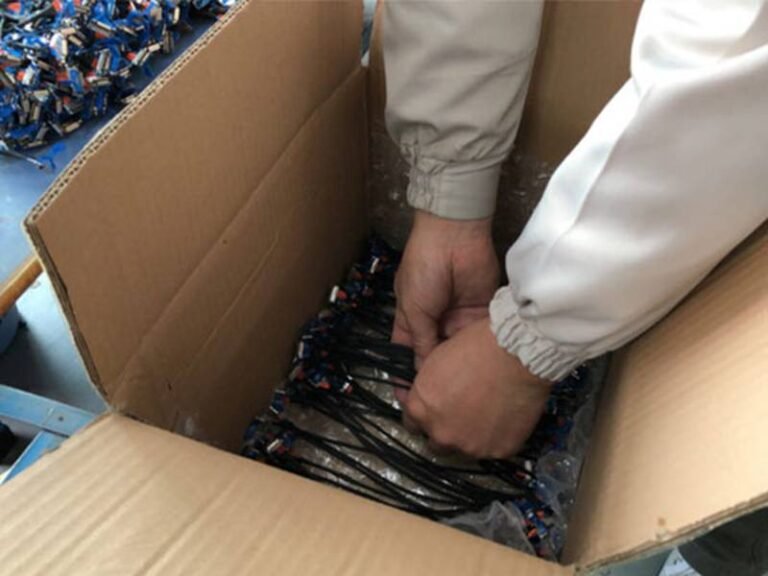
Completed assemblies go through final inspection and functional testing before shipment. SINO-CONN checks continuity, pin mapping, USB recognition, communication function, appearance, labeling, and packaging. After approval, products are packed according to prototype, small-batch, or recurring OEM delivery requirements.
Quality Control & Functional Testing
Embedded FTDI protocol conversion cable assemblies require more than visual inspection because communication performance depends on electrical consistency, configuration accuracy, and stable interaction between hardware and software. A cable may appear correctly assembled but still fail during device recognition, communication transfer, or field operation. SINO-CONN applies structured inspection and validation procedures throughout production to support recurring manufacturing consistency for industrial communication projects.


Incoming Material & In-Process Quality Control
Production quality begins before assembly starts. Connectors, cable materials, embedded PCB modules, shielding structures, FTDI components, and production accessories are reviewed before entering manufacturing. During assembly stages, production teams inspect wire preparation, soldering consistency, connector orientation, signal routing structures, and cable processing conditions. SINO-CONN follows process inspection procedures throughout manufacturing to reduce variation before products reach final stages.
Electrical & Communication Function Validation
Communication assemblies require functional confirmation beyond continuity testing. Depending on project requirements, products may undergo continuity inspection, pin mapping verification, open and short-circuit detection, USB recognition checks, serial communication validation, and communication behavior confirmation. For embedded FTDI projects involving EEPROM settings or custom device structures, configuration verification may also be included before shipment.
Three-Stage Inspection Before Shipment
Recurring industrial projects often require stable manufacturing results across multiple production batches. SINO-CONN applies a three-stage inspection structure including in-process inspection, finished product inspection, and pre-shipment verification. Products are reviewed during manufacturing rather than only after completion, helping maintain consistency for embedded communication assemblies developed for industrial automation equipment, control systems, and OEM communication platforms.
Certifications & Compliance Support
Embedded FTDI protocol conversion cable assemblies are frequently used inside industrial equipment, medical electronics, automation platforms, communication systems, and OEM products where documentation and compliance requirements become part of supplier evaluation. Beyond communication performance and manufacturing capability, many engineering teams and procurement departments require certification support before projects move into qualification or recurring production stages.
SINO-CONN maintains quality and manufacturing certifications supporting custom cable assemblies and embedded communication projects across different industries and application environments.
Quality Management System Certifications
Production consistency becomes increasingly important as projects transition from prototype stages into recurring manufacturing. SINO-CONN operates under quality management systems supporting standardized manufacturing and process control.
Current certifications include:
- ISO 9001
- ISO 14001
- IPC-620
- UL support capability
These systems help support manufacturing consistency and documented production procedures.
Medical & Specialized Industry Compliance Support
Some embedded communication assemblies are used inside medical electronics and specialized equipment where additional documentation requirements may apply during supplier qualification.
Available support includes:
- ISO 13485
- ISO 10993
- Material documentation
- Product traceability support
Project requirements may vary depending on end-use application environments.
Material & Environmental Compliance Documentation
Many OEM manufacturers require material and environmental documentation during supplier evaluation and product approval stages. SINO-CONN supports documentation requests for custom embedded cable projects according to customer requirements.
Common documentation support includes:
- RoHS
- REACH
- PFAS
- COC
- COO
- QBFA documentation
Documentation can be coordinated during sample development and recurring production programs.




Global Logistics & Delivery Support
Embedded FTDI protocol conversion cable projects often operate around development schedules, equipment launch timelines, engineering validation stages, and recurring OEM production planning. Delivery delays can affect debugging progress, pilot production, equipment assembly, and customer shipment schedules. Beyond manufacturing capability, many industrial customers evaluate whether a supplier can maintain predictable delivery coordination and support international project requirements. Since 2007, SINO-CONN has supported global customers across industrial automation, embedded electronics, medical devices, and OEM manufacturing environments through coordinated logistics and delivery support.

Fast Sample Delivery & Production Scheduling
Development-stage communication projects frequently require rapid turnaround because engineering teams often work around testing deadlines and product release schedules. SINO-CONN supports standard prototype production around two weeks for most embedded communication assemblies, while urgent projects may support accelerated sample preparation within approximately two to three days depending on material readiness and structure complexity. For recurring production programs, manufacturing schedules can be coordinated according to customer forecasts and project planning requirements to help maintain supply continuity.
Worldwide Shipping & Flexible Logistics Coordination
Different customers use different logistics structures depending on purchasing workflows, shipment urgency, and regional requirements. SINO-CONN supports international shipment coordination through express courier services, air freight, sea transportation, and customer-designated freight partners. Common shipment methods include DHL, FedEx, UPS, and project-specific logistics arrangements. Flexible shipping structures help support engineering samples, low-volume builds, and recurring OEM production shipments delivered across North America, Europe, Asia, and other industrial markets.
Export Documentation & OEM Delivery Support
International projects frequently require more than physical shipment coordination. Customs clearance, internal purchasing processes, and supplier qualification often require documentation support alongside product delivery. SINO-CONN can coordinate commercial invoices, packing lists, COO, COC, and project-related export documents according to customer requirements. For OEM manufacturing programs, delivery support may also involve recurring shipment schedules, batch coordination, labeling requirements, and long-term supply planning for stable project execution.
Industrial Application Scenarios
Embedded FTDI protocol conversion cable assemblies are used across many industries where communication between controllers, devices, software systems, and embedded electronics must remain stable and reliable. Different industries use different interface architectures and installation environments, creating unique requirements for cable structures, communication protocols, and integration methods. SINO-CONN supports customized embedded communication cable projects for industrial equipment manufacturers, OEM system developers, and engineering teams across multiple application environments.

Industrial Automation Equipment
Industrial automation systems often require communication interfaces connecting PLC controllers, HMIs, sensors, and production equipment during setup, operation, and maintenance stages. Embedded FTDI communication cable assemblies are commonly used for configuration access, diagnostics, and control integration. SINO-CONN supports communication cable structures developed for packaging equipment, assembly machines, factory automation systems, and production line control platforms.

PLC Communication & Control Systems
PLC systems continue to rely on communication interfaces for programming, maintenance, diagnostics, and system upgrades. Different brands and control architectures frequently require customized communication structures rather than standard cable products. SINO-CONN supports embedded protocol conversion cable assemblies developed around PLC environments requiring USB to RS232, USB to RS485, and project-specific communication structures.

Robotics & Motion Control Platforms
Robotics systems require stable communication during development, calibration, controller setup, and maintenance operations. Motion control environments often include compact installations where communication hardware and cable routing space are limited. SINO-CONN supports embedded FTDI cable assemblies designed for robot controllers, servo platforms, industrial robotic systems, and equipment integration projects requiring compact communication structures.

Medical Device Communication Systems
Portable medical equipment and embedded medical electronics often require communication interfaces for diagnostics, software updates, maintenance access, and internal system interaction. Space limitations and installation constraints frequently influence cable structure and embedded electronics design. SINO-CONN supports communication cable projects developed for diagnostic devices, monitoring systems, portable medical electronics, and embedded healthcare platforms.

IoT Devices & Embedded Electronics
IoT products and embedded electronic systems commonly require communication interfaces during firmware development, debugging, field maintenance, and device configuration stages. Communication architecture may involve compact modules, miniature electronics, and specialized cable layouts. SINO-CONN supports custom embedded communication cable assemblies developed for gateways, sensors, controllers, edge devices, and smart electronic systems.

CNC Equipment & Industrial Control Platforms
CNC systems and industrial control equipment often require dedicated communication interfaces during commissioning, diagnostics, software interaction, and equipment maintenance. These environments frequently combine legacy equipment with modern communication hardware. SINO-CONN supports embedded communication cable assemblies developed for industrial computers, CNC equipment, control cabinets, maintenance systems, and integrated manufacturing platforms.
Embedded FTDI Communication Cable Project Cases
The following anonymized project cases show how SINO-CONN supports embedded protocol conversion cable assemblies for industrial automation, robotics, and medical electronics customers.

United States — PLC Communication Cable Project
Region
Illinois, United States
Application Scenario
An industrial automation equipment manufacturer needed custom USB to RS485 FTDI cable assemblies for PLC configuration, machine diagnostics, and field maintenance tools used across packaging production lines.
Pain Points
The previous solution used a separate converter module and standard cable, creating messy installation, unstable communication near motor-driven equipment, and slow field setup.
SINO-CONN Solution
SINO-CONN developed an integrated embedded FTDI cable assembly with inline PCB integration, molded protection, custom pin mapping, and shielded communication cable structure.
Project Data
- Installation time reduced by about 35%
- Prototype cycle shortened from 18 days to 8 days
- More than 25 sample revisions supported
- Annual demand exceeded 15,000 assemblies
Result
The customer replaced the two-part converter structure with one integrated OEM cable assembly and continued recurring production cooperation.
Germany — Robotics Controller Debug Cable Project
Region
Stuttgart, Germany
Application Scenario
A robotics system manufacturer required custom FTDI programming and debug cable assemblies for motion controller setup, firmware updates, and maintenance access inside compact robotic control cabinets.
Pain Points
The original cable structure occupied too much internal space, and external converter modules increased assembly complexity during controller installation.
SINO-CONN Solution
SINO-CONN designed a compact embedded communication cable with smaller PCB layout, customized cable exits, molded strain relief, and project-specific signal routing.
Project Data
- Embedded PCB space reduced by about 28%
- Controller installation space reduced by about 32%
- More than 40 engineering revisions supported
- Pilot production exceeded 3,500 units
Result
The final cable assembly improved installation consistency and supported the customer’s transition from engineering validation to pilot production.
Japan — Medical Device USB Conversion Cable Project
Region
Osaka, Japan
Application Scenario
A medical electronics company needed compact embedded FTDI cable assemblies for portable monitoring equipment used for firmware maintenance, internal diagnostics, and device communication.
Pain Points
The previous communication cable was too bulky for the compact device housing, and the external conversion module created extra assembly steps.
SINO-CONN Solution
SINO-CONN developed a miniature molded FTDI cable assembly with embedded PCB integration, custom connector matching, reduced cable OD, and internal signal routing optimization.
Project Data
- Cable OD reduced from 4.2 mm to 2.3 mm
- Internal occupied volume reduced by about 38%
- Prototype delivery shortened from 15 days to 6 days
- Annual demand exceeded 8,000 assemblies
Result
The optimized structure improved device integration, reduced internal space pressure, and supported recurring OEM production.
Frequently Asked Questions
1. Can SINO-CONN customize FTDI protocol conversion cable assemblies according to project requirements?
Yes. Most embedded FTDI communication projects handled by SINO-CONN are custom-developed rather than selected from fixed catalog products. Many customers provide interface definitions, PCB files, connector models, communication requirements, reference samples, or drawings instead of part numbers. Development can be customized according to cable structure, pin mapping, communication architecture, embedded electronics layout, molded structure, and application environment requirements.
2. Which communication protocols and interfaces can be supported?
Embedded communication systems often involve different communication standards depending on equipment architecture and operating environments. SINO-CONN supports projects involving USB to UART, USB to RS232, USB to RS485, TTL communication, SPI interfaces, I2C communication, JTAG structures, programming systems, and customized interface configurations developed according to project requirements and embedded communication architecture.
3. Which FTDI chipsets can be integrated into cable assemblies?
Different projects require different communication capability depending on channel quantity, transmission requirements, and system complexity. SINO-CONN supports embedded communication projects involving FT232RL, FT2232, FT4232, FT232H, and other project-specific FTDI structures. Chipset selection is typically coordinated according to communication behavior, software interaction, and equipment integration requirements.
4. Can PCB modules be integrated directly inside cable assemblies?
Yes. Many communication systems require embedded protocol conversion electronics integrated directly inside cable structures instead of external modules. SINO-CONN supports compact embedded PCB integration involving miniature electronic layouts, inline communication structures, molded cable systems, and customized signal routing according to installation space and equipment design requirements.
5. Can VID/PID settings and EEPROM configuration be customized?
Yes. Different industrial systems may require specific device identification and communication behavior before deployment. SINO-CONN supports EEPROM preparation involving customized VID/PID settings, USB descriptors, product naming, communication parameters, and project-specific device configuration requirements according to customer software and hardware environments.
6. Can original and compatible components both be supported?
Yes. Different sourcing approaches may be used depending on project stage, production strategy, lead time requirements, and budget planning. SINO-CONN works with long-term supply partners across Shenzhen’s electronics ecosystem and can support original branded components, compatible alternatives, or flexible sourcing arrangements according to project requirements and customer approval.
7. What is the typical sample and production lead time?
Lead time depends on communication complexity, embedded structures, material availability, and customization requirements. Standard embedded communication samples commonly require around two weeks for development and production. Urgent sample projects may support accelerated schedules of approximately two to three days, while recurring batch manufacturing typically requires around three to four weeks depending on project volume.
8. Is there a minimum order quantity requirement?
No fixed MOQ applies for most embedded communication development programs. Many projects begin with engineering samples and validation quantities before entering recurring production stages. SINO-CONN regularly supports one-piece prototypes, low-volume engineering builds, pilot production programs, and scalable OEM manufacturing according to customer development requirements.
9. Can confidentiality agreements and NDA documents be signed?
Yes. Embedded communication projects often involve proprietary device architecture, software interaction structures, PCB layouts, and confidential engineering information. SINO-CONN commonly supports NDA agreements and customer confidentiality requirements during development and production stages to help protect project information and technical documentation.
10. Can SINO-CONN support long-term OEM manufacturing programs?
Yes. Many embedded communication projects evolve from prototype development into recurring manufacturing after engineering approval. SINO-CONN supports transitions involving engineering revisions, production scheduling, recurring batch coordination, and long-term OEM manufacturing programs designed to support product growth and stable supply continuity.

Start Your Custom Embedded FTDI Communication Project
From Interface Definition to Production-Ready Cable Assembly Support
Embedded FTDI protocol conversion projects often begin with communication requirements, connector information, PCB layouts, or debugging challenges rather than complete product drawings. SINO-CONN supports custom development for USB to UART, RS232, RS485, TTL, and embedded communication systems through engineering review, prototype support, embedded PCB integration, and recurring OEM manufacturing coordination. Technical teams can evaluate project feasibility and recommend suitable manufacturing approaches based on available project information.
Information Helpful for Project Evaluation
- Communication protocol or interface type
- Connector model or photos
- Pin mapping definition
- Cable length requirement
- PCB files or drawings
- Device voltage information
- Quantity forecast
- Application scenario
- Existing sample photos
- Technical requirements or notes