Skip to content
Custom Drone Gimbal Cable Assembly Manufacturer
Ultra-Flexible UAV Gimbal Cable Assemblies for Stabilized Camera Systems, EO/IR Payloads & Industrial Drone Imaging Platforms
Drone gimbal cable assemblies operate inside continuously moving camera systems where cable flexibility, compact routing, signal integrity, and lightweight structure directly affect stabilization performance and image transmission quality. SINO-CONN supports custom UAV gimbal cable assemblies involving micro coax integration, LVDS and MIPI signal routing, shielded video transmission, miniature connector systems, and prototype-to-OEM manufacturing for aerial imaging applications.
- Ultra-flex dynamic cable structures
- Micro coax capability down to 50AWG
- Lightweight low-OD routing systems
- LVDS / MIPI / RF signal integration
- Compact I-PEX / HRS / JAE connectors
- Fast prototype & engineering support
About SINO-CONN
Engineering Support for Custom Drone Gimbal Cable Assemblies
Drone gimbal cable assemblies require more than standard wire harness production because stabilized camera systems combine continuous movement, compact installation space, high-speed signal transmission, and lightweight structural requirements inside dynamic UAV payload environments. Cable routing must remain stable during repeated yaw, pitch, and roll movement without affecting image transmission or gimbal responsiveness.
SINO-CONN supports custom drone gimbal cable assemblies for FPV camera systems, industrial UAV payloads, thermal imaging platforms, mapping drones, EO/IR systems, and stabilized aerial imaging equipment requiring flexible signal routing and compact interconnect structures.
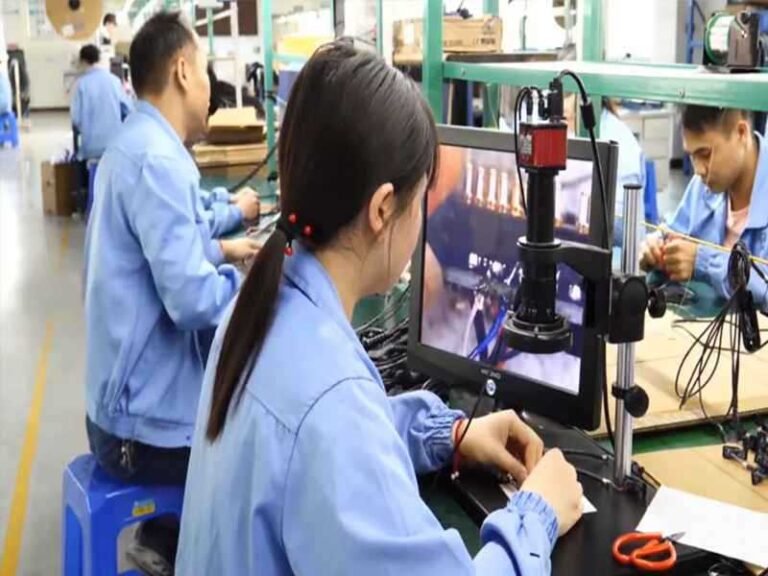
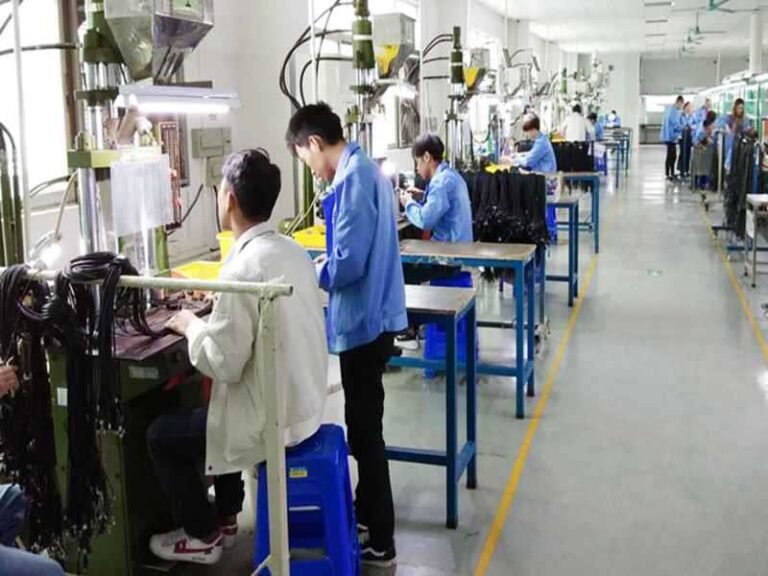
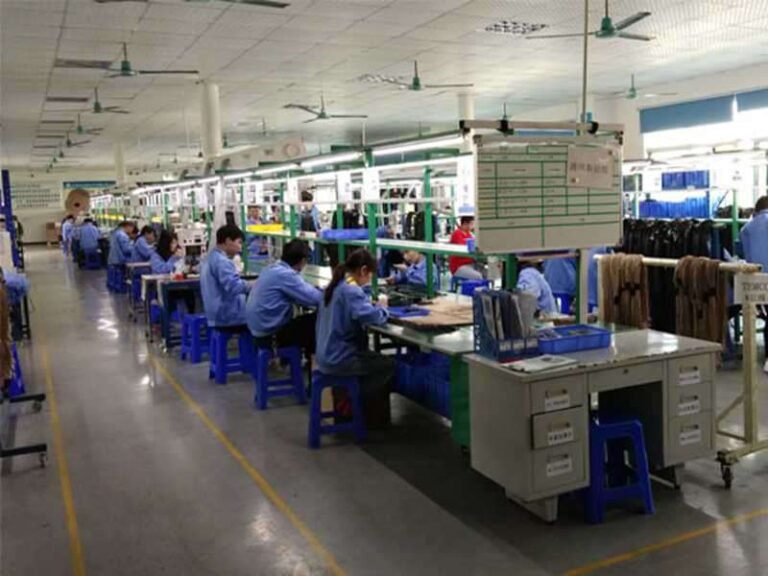
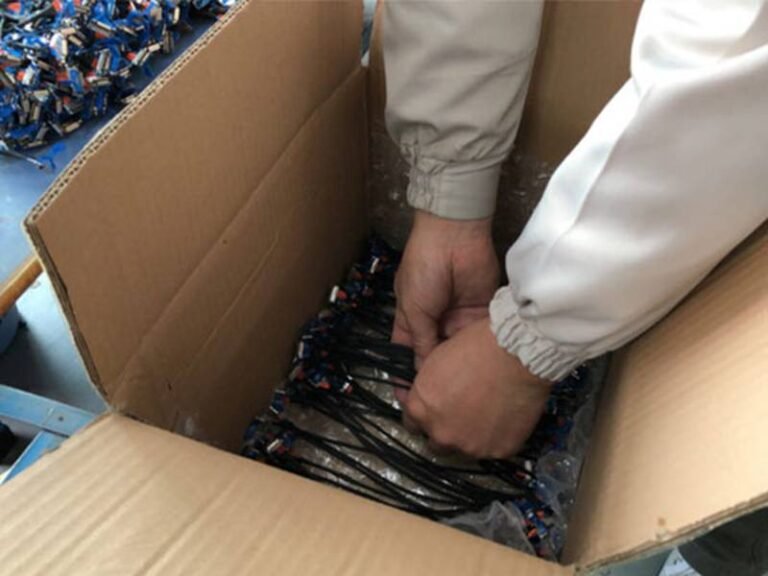
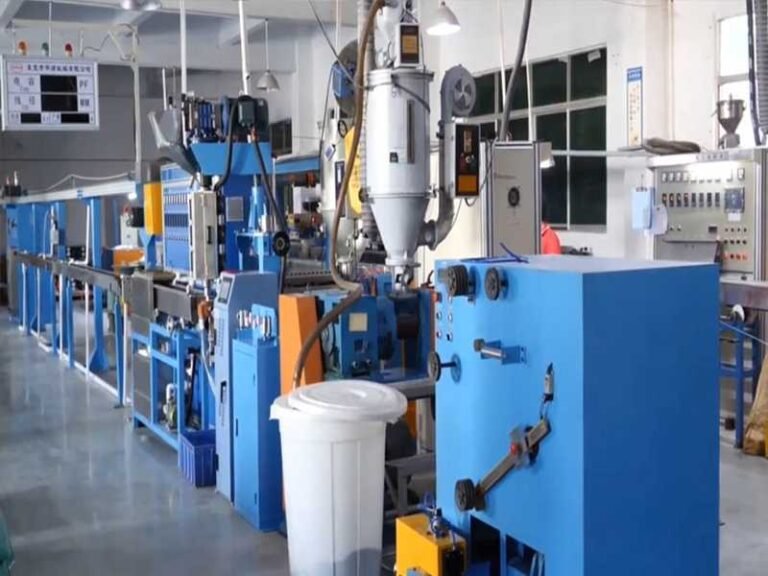
Dynamic Movement Cable Development
Many drone camera systems require cable structures capable of repeated movement during long-duration UAV operation. Cable stiffness, routing geometry, and connector positioning may directly influence stabilization smoothness and long-term movement durability.
SINO-CONN supports movement-oriented cable development involving ultra-flexible signal structures, compact routing layouts, lightweight harness organization, and optimized cable transition preparation for moving gimbal assemblies.
Micro Coax & High-Speed Signal Integration
Modern UAV camera payloads often integrate HD image transmission, RF communication, onboard processors, and sensor systems inside highly compact structures where stable signal transmission becomes critical.
SINO-CONN supports micro coax, LVDS, MIPI, RF, and shielded signal integration for drone gimbal cable assemblies requiring compact routing and stable transmission performance inside aerial imaging systems.
Compact Connector Ecosystem Support
Drone gimbal systems frequently use miniature connector structures because installation space near camera modules, stabilization motors, and onboard electronics is extremely limited.
SINO-CONN supports compact connector integration involving I-PEX, Hirose, JAE, KEL, JST, Molex, Samtec, RF coaxial connectors, and customized connector layouts for UAV camera payload systems.
Prototype-to-OEM Manufacturing Coordination
Drone gimbal cable assemblies often continue evolving during movement validation and flight testing stages. Small routing changes may significantly improve installation flexibility and movement behavior inside stabilized payload systems.
SINO-CONN supports prototype builds, engineering revisions, small-batch manufacturing, and recurring OEM production for UAV camera cable assemblies requiring flexible development coordination.
Common Engineering Challenges in Drone Gimbal Cable Assemblies
Drone gimbal cable assemblies operate inside highly dynamic stabilization systems where repeated movement, limited routing space, signal density, and lightweight design requirements create engineering complexity beyond conventional cable harness applications. Many UAV developers encounter reliability problems only after active flight testing begins.

Excessive Cable Stiffness Inside Moving Gimbal Structures
Standard cable structures may create routing pressure around yaw or pitch movement areas, gradually reducing stabilization smoothness during repeated operation.
Compact FPV gimbals and industrial UAV payloads often require low-resistance cable movement inside narrow installation paths where oversized or rigid cable structures become difficult to manage.
Fatigue Around Connector & Transition Areas
Continuous bending during UAV operation places repeated stress near cable exits, shield terminations, solder points, and miniature connector structures.
Cable assemblies designed for static electronics environments may later experience movement-related fatigue when installed inside stabilized aerial camera systems.
Signal Interference Near RF & Power Systems
Drone payload systems frequently integrate RF modules, wireless transmission equipment, ESC systems, onboard processors, and HD video signal routing inside highly compact electronics environments.
Poor shielding organization or unstable routing geometry may increase signal interference risks during long-duration aerial operation.
Limited Internal Routing Space
Modern drone payload systems combine stabilization motors, camera modules, processors, wireless systems, and sensors inside increasingly compact structures.
Cable routing geometry must remain organized without creating movement restriction or installation difficulty inside the gimbal frame.
Balancing Lightweight Design & Structural Stability
Reducing cable OD and overall harness weight is important for UAV stabilization efficiency, but overly aggressive weight reduction may weaken signal stability or movement durability.
Drone gimbal cable assemblies require balanced engineering between lightweight routing and stable long-term operation.
Why UAV Camera System Developers Work with SINO-CONN
Drone gimbal cable assemblies require flexible engineering coordination because routing geometry, signal structure, cable flexibility, and connector positioning frequently change during UAV payload development. Many conventional wire harness suppliers focus on static cable production rather than continuously moving aerial imaging systems.
SINO-CONN supports custom drone gimbal cable assemblies for UAV camera developers, industrial drone manufacturers, EO/IR system integrators, FPV payload platforms, and aerial imaging projects requiring compact routing and dynamic movement capability.

Motion-Oriented Engineering Review
Gimbal cable structures are reviewed according to actual movement behavior inside the stabilization system rather than only electrical specifications.
Cable routing paths, bend radius, connector direction, movement geometry, and transition positioning are evaluated before production preparation begins.
Flexible Prototype Revision Support
Drone camera systems often require several harness revisions during movement testing and payload integration stages.
SINO-CONN supports fast engineering updates involving cable OD adjustment, routing optimization, connector replacement, shielding modification, and movement-oriented structure refinement.
Advanced Micro Cable Capability
Modern aerial imaging systems frequently require ultra-fine signal routing and miniature connector integration inside limited installation space.
SINO-CONN supports micro coax structures down to 50AWG, lightweight shielded cable systems, compact harness layouts, and fine-pitch connector integration for UAV payload applications.
Practical Manufacturing Coordination
Some drone payload programs begin with only several engineering samples before later expanding into recurring OEM production.
SINO-CONN supports prototype builds from single-piece quantities through recurring manufacturing coordination for UAV camera systems requiring stable long-term production support.
Broad Connector & Material Ecosystem
Different drone camera projects require different sourcing strategies depending on signal architecture, lead time, budget, and installation structure.
SINO-CONN supports original branded connectors, compatible alternatives, shielded cable systems, lightweight signal structures, RF cable integration, and customized routing materials for complex UAV payload assemblies.
Custom Drone Gimbal Cable Assemblies for UAV Camera Payload Systems
Different UAV camera systems require different cable structures depending on stabilization architecture, signal density, payload size, movement range, and onboard electronics integration. Drone gimbal cable assemblies must support continuous movement while maintaining organized routing and stable transmission inside compact aerial imaging environments.
SINO-CONN supports custom drone gimbal cable assemblies for FPV drones, industrial UAVs, thermal imaging payloads, EO/IR systems, mapping platforms, and stabilized aerial camera equipment requiring lightweight routing and movement-oriented cable structures.

Micro Coax Drone Gimbal Cable Assemblies
Micro coax cable structures are widely used in UAV camera systems carrying HD image signals through highly compact routing paths inside moving gimbal assemblies.
SINO-CONN supports micro coax integration involving ultra-fine coax structures, shielded signal layouts, compact routing geometry, and lightweight movement-compatible harness systems for aerial imaging platforms.
Typical Applications
- HD FPV camera systems
- UAV imaging payloads
- Stabilized camera platforms
- Compact aerial vision modules
- Thermal imaging systems
- AI camera payloads

LVDS & MIPI Camera Signal Assemblies
Modern UAV payload systems frequently use LVDS and MIPI signal architectures where stable transmission must be maintained during repeated yaw, pitch, and roll movement.
SINO-CONN supports LVDS and MIPI drone gimbal cable assemblies involving shielded signal organization, lightweight routing layouts, and compact connector integration for dynamic UAV camera environments.
Typical Applications
- Mapping UAVs
- Industrial inspection drones
- AI imaging systems
- EO camera payloads
- Aerial surveying platforms
- Stabilized monitoring systems

HDMI Drone Gimbal Cable Structures
Some industrial drone camera systems require HDMI-related transmission structures for onboard image processing and video communication systems.
Traditional HDMI cable structures are often too rigid or oversized for compact gimbal environments.
SINO-CONN supports customized HDMI drone gimbal cable assemblies involving lightweight routing geometry, compact shielded structures, and flexible movement preparation for UAV payload integration.
Typical Applications
- Industrial monitoring drones
- Broadcast UAV systems
- Mobile imaging platforms
- Long-range aerial observation systems
- Stabilized HD camera payloads
- UAV transmission platforms

RF & Coaxial Signal Cable Assemblies
Drone payload systems integrating wireless transmission, telemetry communication, or RF-related electronics often require compact coaxial routing structures inside limited stabilization space.
SINO-CONN supports RF cable assemblies involving miniature coaxial connectors, compact shielded layouts, lightweight routing systems, and flexible cable preparation for UAV communication payloads.
Typical Applications
- RF-enabled UAV systems
- Wireless aerial payloads
- Communication drones
- Long-range telemetry systems
- Surveillance UAV platforms
- Industrial RF integration systems

Pan-Tilt-Yaw Flexible Gimbal Cables
Continuous movement inside pan-tilt-yaw stabilization systems creates repeated stress around routing paths, cable exits, and connector transitions during UAV operation.
SINO-CONN supports flexible drone gimbal cable assemblies involving movement-oriented routing geometry, reinforced transition layouts, lightweight signal structures, and compact cable organization for stabilized aerial systems.
Typical Applications
- 2-axis gimbal systems
- 3-axis UAV stabilization platforms
- Compact FPV gimbals
- Industrial payload systems
- Tracking camera assemblies
- Lightweight aerial imaging modules

Integrated Multi-Signal Gimbal Harnesses
Many UAV payload systems combine video transmission, control signals, RF communication, telemetry systems, and low-voltage power routing inside one compact moving harness structure.
SINO-CONN supports integrated multi-signal drone gimbal cable assemblies involving branch harness organization, mixed signal routing, shielded structures, and compact movement-compatible cable architecture.
Typical Applications
- EO/IR payload systems
- Industrial UAV camera platforms
- AI aerial imaging systems
- Mapping drone payloads
- Surveillance UAV systems
- Multi-function aerial electronics platforms
Dynamic Flex Engineering for Moving Drone Gimbal Systems
Drone gimbal cable assemblies function as moving components inside stabilized aerial payload systems rather than static wire harnesses. Continuous movement during yaw, pitch, and roll operation gradually affects cable routing geometry, transition stability, shield organization, and long-term signal performance. Small structural differences inside the harness may significantly influence movement smoothness and payload reliability during repeated UAV operation.
SINO-CONN supports movement-oriented cable engineering for drone gimbal systems requiring ultra-flexible routing structures, compact movement geometry, and stable signal transmission inside continuously rotating camera platforms.

Continuous Movement Routing Optimization
Cable routing inside drone gimbal systems must remain stable during repeated movement without introducing resistance around stabilization axes.
SINO-CONN supports routing optimization involving movement path evaluation, compact cable positioning, lightweight harness geometry, and low-pressure routing preparation for stabilized UAV payload systems.
Bend Radius & Fatigue Reduction
Repeated movement during UAV operation may gradually concentrate stress around sharp routing turns, connector exits, or fixed cable positions.
SINO-CONN supports bend radius optimization involving flexible cable structures, reinforced transitions, compact routing geometry, and movement-compatible signal layouts for long-duration aerial imaging systems.
Lightweight Movement-Oriented Cable Structures
Drone camera payloads require lightweight cable assemblies because excessive cable weight may increase stabilization motor load and reduce movement responsiveness.
SINO-CONN supports lightweight cable engineering involving low-OD signal structures, compact shielded layouts, fine conductor systems, and flexible routing preparation for aerial payload applications.
Dynamic Shielded Signal Structures
Shielded drone gimbal cable assemblies must maintain stable signal organization while operating near RF modules, onboard processors, ESC systems, and wireless transmission electronics.
SINO-CONN supports dynamic shielded cable integration involving foil shielding, braided structures, compact grounding layouts, and movement-compatible signal organization for UAV camera payload systems.
Connector Exit Direction Optimization
Connector orientation and cable exit geometry directly affect cable movement behavior inside compact stabilization structures.
SINO-CONN supports movement-oriented connector positioning involving low-stress exit angles, compact transition preparation, and routing-compatible miniature connector integration for drone gimbal assemblies.
Prototype Validation & Structural Revision
Many UAV camera projects require several routing revisions during stabilization testing before the final cable structure becomes optimized for movement and installation behavior.
SINO-CONN supports rapid engineering updates involving cable OD adjustment, routing revision, shield modification, connector replacement, and flexible prototype coordination for drone gimbal development programs.
Signal & Connector Architecture for Drone Gimbal Cable Assemblies
Drone gimbal cable assemblies often combine high-speed image transmission, RF communication, control systems, telemetry signals, and compact power routing inside highly integrated aerial payload environments. Different UAV camera systems require different connector ecosystems and signal architectures depending on bandwidth, shielding requirements, movement geometry, and installation limitations.
SINO-CONN supports custom signal and connector integration for drone gimbal cable assemblies requiring compact routing, stable transmission, and lightweight movement-oriented harness structures.

Micro Coax Signal Integration
Micro coax structures are commonly used in UAV camera systems carrying HD image transmission through narrow routing paths inside compact stabilization assemblies.
SINO-CONN supports micro coax integration involving fine coaxial structures, compact shielding systems, lightweight signal layouts, and movement-compatible cable organization for aerial imaging platforms.
LVDS & High-Speed Video Routing
Industrial drone payloads and stabilized imaging systems often require stable high-speed transmission capable of operating near RF electronics, motors, and onboard processing equipment.
SINO-CONN supports high-speed signal routing involving shielded layouts, compact harness geometry, lightweight cable structures, and stable movement-compatible transmission systems.
RF Coaxial Connector Integration
UAV payload systems integrating wireless communication and telemetry structures often require compact coaxial routing inside limited installation environments.
SINO-CONN supports RF cable integration involving miniature coaxial connectors, lightweight shielded routing, compact signal geometry, and customized cable preparation for aerial communication systems.
Miniature Connector Ecosystem Support
Modern drone payload systems frequently use compact connector structures because installation space near stabilization frames and onboard electronics is highly restricted.
SINO-CONN supports compact connector ecosystems involving I-PEX, Hirose, JAE, KEL, JST, Molex, Samtec, TE, Amphenol, and RF connector integration for UAV payload systems.
Mixed Signal Harness Integration
Many stabilized drone camera systems combine multiple signal types into one compact moving harness structure.
SINO-CONN supports mixed signal cable integration involving branch harness organization, shielded routing layouts, compact cable geometry, and movement-oriented signal separation for UAV imaging systems.
Flexible Connector Sourcing Coordination
Prototype development and recurring OEM production often require different sourcing strategies depending on lead time, budget, and connector availability.
SINO-CONN supports both original branded connectors and compatible alternatives for drone gimbal cable assemblies requiring flexible engineering and manufacturing coordination.
Drone Gimbal Cable Assemblies for Complex UAV Camera Applications
Different UAV camera platforms require different gimbal cable structures depending on payload architecture, stabilization movement, signal density, installation space, and operating environment. Some aerial systems prioritize ultra-lightweight routing for FPV responsiveness, while others require stable shielded transmission for thermal imaging, surveillance, industrial inspection, or long-duration mapping missions.
SINO-CONN supports custom drone gimbal cable assemblies for UAV camera manufacturers, aerial imaging companies, EO/IR payload developers, and industrial drone integrators requiring movement-compatible routing and compact signal integration.

FPV Camera Gimbal Systems
FPV drone platforms often operate inside extremely compact spaces where cable flexibility and low weight directly influence stabilization responsiveness and internal routing efficiency.
SINO-CONN supports lightweight FPV gimbal cable assemblies involving low-OD signal structures, ultra-flexible routing geometry, compact connector integration, and movement-compatible cable organization for high-mobility aerial systems.
Typical Requirements
- Ultra-lightweight cable structures
- Compact routing geometry
- Flexible yaw movement compatibility
- Stable HD video transmission
- Small-frame installation support
- Low-pressure cable organization

EO/IR Payload Systems
EO/IR aerial payloads integrate thermal imaging, optical zoom systems, stabilization electronics, RF modules, and onboard communication systems inside complex moving camera assemblies.
SINO-CONN supports EO/IR drone gimbal cable assemblies involving mixed signal routing, micro coax integration, shielded signal layouts, and compact harness organization for aerial surveillance platforms.
Typical Requirements
- Shielded signal structures
- Mixed signal integration
- RF cable compatibility
- Compact movement geometry
- Long-duration operational stability
- Stabilized payload routing support

Industrial Inspection Drone Platforms
Industrial inspection UAVs used in infrastructure, railway, utility, energy, and construction environments often operate under vibration-heavy conditions and repeated movement cycles.
SINO-CONN supports industrial drone gimbal cable assemblies involving reinforced routing layouts, compact connector positioning, lightweight signal structures, and movement-oriented harness preparation for industrial aerial imaging systems.
Typical Requirements
- Vibration-compatible routing
- Reinforced cable transitions
- Stable signal organization
- Compact payload installation
- Long-duration movement stability
- OEM production consistency

Mapping & Survey UAV Systems
Mapping drones frequently integrate high-resolution imaging systems, stabilization platforms, onboard processors, and GPS electronics requiring lightweight signal routing inside compact payload environments.
SINO-CONN supports mapping UAV gimbal cable assemblies involving LVDS structures, compact shielded routing, miniature connectors, and lightweight movement-compatible harness systems.
Typical Requirements
- High-speed image transmission
- Compact routing layouts
- Lightweight cable structures
- Stable stabilization movement
- Organized shielded signal systems
- Long-duration aerial mission support

Thermal Imaging Drone Payloads
Thermal imaging UAV systems often combine infrared sensors, stabilization modules, RF transmission equipment, and onboard processors inside limited installation space.
SINO-CONN supports thermal imaging drone gimbal cable assemblies involving compact RF routing, shielded signal integration, lightweight cable organization, and flexible movement structures for aerial thermal imaging systems.
Typical Requirements
- Flexible rotational routing
- RF signal compatibility
- Lightweight harness geometry
- Compact installation capability
- Stable movement performance
- Multi-axis stabilization support

AI Vision & Autonomous UAV Systems
AI-enabled drone platforms frequently integrate advanced imaging sensors, onboard processing modules, real-time transmission systems, and lightweight stabilized camera structures inside compact payload environments.
SINO-CONN supports AI vision drone gimbal cable assemblies involving mixed signal integration, compact routing systems, micro coax structures, and movement-compatible cable architecture for autonomous aerial systems.
Typical Requirements
- High-density signal integration
- Compact cable organization
- Stable data transmission
- Lightweight movement structures
- Miniature connector compatibility
- Flexible prototype development support
Manufacturing Process for Drone Gimbal Cable Assemblies
Drone gimbal cable assemblies require manufacturing coordination focused on movement flexibility, compact routing geometry, signal stability, and miniature connector integration. Unlike conventional wire harnesses, stabilized UAV camera systems require cable structures capable of continuous motion while maintaining organized routing inside narrow installation environments.
SINO-CONN supports manufacturing coordination for custom drone gimbal cable assemblies involving micro coax preparation, shielded signal integration, compact harness organization, lightweight routing systems, and recurring OEM production support.

Flexible Cable Preparation
Manufacturing begins after confirming cable structure, signal architecture, connector models, routing geometry, and movement requirements according to the UAV payload layout.
SINO-CONN supports flexible cable preparation involving ultra-flexible signal wire processing, lightweight cable organization, shielded routing systems, and movement-compatible harness layouts for stabilized aerial imaging systems.
Micro Connector Assembly
Drone gimbal cable assemblies frequently use miniature connector systems where pitch spacing, cable exit direction, and compact installation geometry directly affect routing stability inside moving payload structures.
SINO-CONN supports micro connector assembly involving I-PEX, Hirose, JAE, JST, KEL, Molex, Samtec, RF coaxial connectors, and compact signal systems commonly used in UAV camera payload integration.
Dynamic Harness Integration
Cable routing inside drone gimbal systems must remain organized during repeated yaw, pitch, and roll movement without introducing routing pressure around stabilization structures.
SINO-CONN supports dynamic harness integration involving lightweight signal organization, compact routing geometry, shielded cable separation, and movement-oriented harness layouts for UAV camera systems.
Shielded Signal Cable Assembly
Industrial aerial payload systems integrating RF communication, HD image transmission, telemetry electronics, and onboard processors often require organized shielded cable structures inside dense electronics environments.
SINO-CONN supports shielded signal cable manufacturing involving foil shielding, braided structures, compact grounding layouts, and stable signal routing systems for aerial imaging platforms.
Lightweight Routing Coordination
Drone camera payloads frequently require compact low-profile harness structures where oversized cable geometry may affect stabilization movement or installation efficiency.
SINO-CONN supports lightweight routing coordination involving low-OD signal structures, compact harness layouts, flexible cable positioning, and movement-compatible routing systems for stabilized UAV payloads.
Prototype & OEM Production Support
Many UAV camera projects begin with low-volume engineering samples before expanding into recurring OEM manufacturing after stabilization validation and flight testing become finalized.
SINO-CONN supports prototype builds, engineering revisions, pilot-run production, and recurring manufacturing coordination for drone gimbal cable assemblies requiring stable long-term production support.
Quality Control & Signal Testing for Drone Gimbal Cable Assemblies
Drone gimbal cable assemblies directly influence camera stabilization quality, HD video transmission consistency, RF communication stability, and long-term movement reliability inside UAV payload systems. Compared with conventional cable products, gimbal cable assemblies require stricter flexibility management, more stable connector integration, and higher routing consistency because repeated movement and compact aerial installation environments may gradually affect cable performance during flight operation.
SINO-CONN supports organized inspection and signal verification processes for custom drone gimbal cable assemblies involving movement-oriented cable evaluation, micro coaxial inspection, miniature connector verification, shielding review, and recurring OEM production coordination for industrial UAV camera systems.


Micro Coaxial Structure Inspection
Drone gimbal cable assemblies require highly organized micro coaxial preparation because unstable stripping geometry, routing inconsistency, or excessive cable deformation may affect movement smoothness and signal transmission stability during aerial operation.
SINO-CONN supports micro coaxial inspection involving cable preparation verification, compact routing confirmation, lightweight aerial structure evaluation, fine-pitch signal organization review, and flexible cable geometry management optimized for UAV camera systems.
Miniature Connector Verification
Compact UAV gimbal systems frequently use miniature RF connectors operating under repeated movement conditions where unstable connector positioning may gradually affect HD video transmission and camera communication reliability.
SINO-CONN supports miniature connector verification involving Hirose, I-PEX, MMCX, U.FL, JAE, and customized RF connector inspection focused on positioning consistency, compact integration accuracy, and lightweight aerial routing stability.
Flexible Movement Validation
Drone gimbal cable assemblies continuously move during aerial operation, requiring cable structures capable of supporting repeated bending and rotational movement without excessive routing resistance.
SINO-CONN supports flexible movement validation involving dynamic cable routing review, continuous bending evaluation, lightweight movement geometry confirmation, and low-torque cable performance inspection optimized for UAV stabilization systems.
Shielding & Signal Stability Inspection
Drone camera payload systems frequently operate near wireless transmitters, RF communication modules, ESC systems, and onboard electronics where electromagnetic interference may influence HD video stability and signal consistency.
SINO-CONN supports shielding inspection involving RF isolation review, compact shielding structure verification, lightweight aerial signal evaluation, coaxial organization confirmation, and stable high-frequency transmission inspection optimized for UAV imaging environments.
Lightweight Routing Consistency Review
Compact drone gimbal systems require highly organized cable geometry because oversized routing structures or unstable cable positioning may affect payload balancing and stabilization efficiency.
SINO-CONN supports lightweight routing verification involving compact aerial layout inspection, cable flexibility confirmation, miniature routing consistency evaluation, and movement-oriented cable positioning management optimized for UAV camera payload systems.
Multi-Stage Production Inspection
Industrial UAV manufacturers commonly require recurring OEM production where approved cable geometry, movement performance, connector structures, and signal layouts remain stable across future manufacturing batches.
SINO-CONN supports multi-stage production inspection involving process review, finished product verification, pre-shipment inspection, recurring production consistency management, and organized UAV cable assembly quality coordination.
Certifications & Compliance for UAV Gimbal Cable Assemblies
Drone gimbal cable assemblies used in industrial UAV systems frequently require stable manufacturing standards, compliant cable materials, organized production traceability, and controlled RF component sourcing. UAV camera payload systems are commonly integrated into mapping drones, surveillance platforms, thermal imaging equipment, autonomous aerial systems, and industrial inspection UAVs where cable assembly consistency directly influences long-term operational reliability.
SINO-CONN supports custom drone gimbal cable assembly production under organized quality management and compliance coordination systems involving micro coaxial traceability, connector sourcing management, production process organization, and recurring OEM documentation support.
IPC-Oriented Cable Assembly Standards
Drone gimbal cable assemblies require organized micro coaxial preparation, stable miniature connector integration, flexible routing consistency, and lightweight signal organization capable of supporting continuous aerial movement environments.
SINO-CONN supports IPC-oriented manufacturing coordination involving flexible cable preparation management, compact RF integration control, lightweight aerial routing consistency, and organized movement-oriented cable assembly processes optimized for UAV camera systems.
ISO Quality Management Systems
Industrial UAV manufacturers frequently require suppliers operating under stable production management systems capable of supporting recurring manufacturing coordination and organized quality traceability.
SINO-CONN supports drone gimbal cable assembly manufacturing under ISO 9001, ISO 14001, and ISO 13485 quality systems involving production organization, process consistency management, and recurring OEM manufacturing support.
RoHS, REACH & Environmental Material Compliance
Drone camera systems integrated into international UAV projects often require compliant cable materials, RF structures, shielding systems, and connector components depending on export market requirements and operating environments.
SINO-CONN supports environmental material coordination involving RoHS-compliant cable materials, REACH management support, PFAS-related material coordination, and organized RF component sourcing for UAV gimbal cable assemblies requiring international manufacturing compatibility.
UL Material & RF Component Traceability
Different UAV payload systems require different cable materials, micro coaxial structures, shielding layouts, and connector ecosystems depending on movement requirements and imaging system architecture.
SINO-CONN supports RF material coordination involving UL-recognized cable materials, miniature RF connector sourcing, coaxial structure traceability management, shielded component organization, and production material verification for industrial UAV camera systems.
OEM Documentation Coordination
Industrial UAV manufacturers commonly require engineering drawings, cable specifications, RF structure information, routing confirmation files, and manufacturing documentation before recurring OEM production begins.
SINO-CONN supports engineering documentation coordination involving cable assembly drawings, connector structure confirmation, movement layout management, material information support, production verification files, and organized OEM communication for UAV gimbal cable assemblies.
International UAV Manufacturing Support
Drone gimbal cable assemblies are frequently integrated into UAV systems exported to North America, Europe, Southeast Asia, South America, and industrial global markets where stable manufacturing coordination becomes increasingly important.
SINO-CONN supports international UAV manufacturing projects involving flexible cable production coordination, compliant material management, recurring OEM scheduling, stable supply support, and organized aerial camera cable assembly management.





Global Logistics & Delivery Support for UAV Gimbal Cable Assemblies
Drone gimbal cable assemblies are commonly used in time-sensitive UAV development programs where prototype validation schedules, aerial testing timelines, camera payload integration stages, and OEM production planning directly influence product launch progress. Industrial drone manufacturers often require suppliers capable of supporting organized international delivery coordination, flexible shipment scheduling, and stable long-term manufacturing support.
SINO-CONN supports global logistics coordination for custom drone gimbal cable assemblies involving prototype shipments, recurring OEM deliveries, engineering scheduling support, compact aerial packaging systems, and international UAV manufacturing coordination.

Fast Prototype Shipment Coordination
Drone gimbal cable assemblies frequently require rapid prototype delivery because UAV engineering teams often need immediate cable validation before flight testing and stabilization integration stages begin.
SINO-CONN supports fast prototype coordination involving lightweight cable preparation, compact packaging organization, engineering shipment scheduling, international courier coordination, and organized aerial cable assembly delivery support.
Flexible OEM Production Delivery
Industrial UAV manufacturers commonly operate under recurring production schedules where drone gimbal cable assemblies must be delivered according to payload assembly timelines and camera system integration planning.
SINO-CONN supports OEM delivery coordination involving recurring batch scheduling, production timeline management, flexible shipment planning, stable manufacturing organization, and international UAV delivery support.
International UAV Logistics Support
Drone gimbal cable assemblies are frequently shipped to UAV manufacturers, aerial payload integrators, mapping companies, industrial drone developers, and surveillance system providers across North America, Europe, Southeast Asia, South America, and global industrial markets.
SINO-CONN supports international logistics coordination involving global courier management, export shipment organization, engineering delivery scheduling, recurring manufacturing communication, and long-term UAV supply coordination.
Compact RF-Safe Packaging Systems
Drone gimbal cable assemblies often involve miniature RF connectors, lightweight micro coaxial structures, compact routing systems, and flexible aerial layouts requiring organized packaging protection during transportation.
SINO-CONN supports RF-safe packaging coordination involving connector protection structures, lightweight cable organization, compact aerial packaging systems, movement-oriented transportation management, and OEM shipment preparation optimized for UAV camera cable assemblies.
Engineering Communication Support
Industrial UAV development projects frequently involve continuous engineering communication during prototype validation, routing revision, production scheduling, and OEM manufacturing coordination stages.
SINO-CONN supports engineering communication coordination involving online project discussions, movement structure review support, prototype schedule management, production update coordination, and recurring OEM communication for UAV gimbal cable assembly projects.
Long-Term Manufacturing Coordination
Many UAV manufacturers require stable long-term production support after cable routing structures, stabilization geometry, and movement performance become validated during aerial testing stages.
SINO-CONN supports long-term manufacturing cooperation involving recurring cable production, stable supply management, engineering revision tracking, flexible scheduling coordination, and organized OEM support for industrial UAV gimbal cable assemblies.
Customer Case Studies for Drone Gimbal Cable Assemblies
Drone gimbal cable assemblies are closely connected to payload movement, routing geometry, signal stability, and installation efficiency inside aerial camera systems. Many UAV developers encounter cable-related problems only after stabilization testing or field operation begins, especially in compact payload environments where movement cycles continuously stress the routing structure.
SINO-CONN supports custom drone gimbal cable assemblies for UAV camera manufacturers, industrial drone developers, EO/IR payload companies, and aerial imaging system integrators requiring flexible engineering coordination and recurring OEM manufacturing support.

United States — Industrial Mapping UAV Manufacturer
Application Scenario
A U.S.-based mapping drone company developing stabilized aerial imaging systems required lightweight LVDS drone gimbal cable assemblies for long-duration surveying platforms used in infrastructure inspection and topographic mapping projects.
Initial Problems
The original shielded cable structure became too rigid near the pitch movement area during continuous operation. Flight testing later showed unstable routing pressure around the stabilization frame together with occasional image signal interruption during repeated movement cycles.
The customer additionally required a smaller cable structure because internal installation space near the onboard image processor was highly limited.
SINO-CONN Solution
SINO-CONN redesigned the cable routing geometry using lower-OD shielded signal structures and movement-oriented cable organization optimized for continuous yaw and pitch movement.
Connector exit direction and transition positioning were adjusted according to the actual stabilization path inside the payload system to reduce routing resistance during camera movement.
Results
- Cable OD reduced by approximately 18%
- Stabilization movement became smoother
- Signal interruption during movement eliminated
- Prototype revision completed within 4 working days
- Customer later expanded into recurring OEM production
Customer Feedback
“The revised cable assembly improved both movement flexibility and image transmission stability during field operation.”
Germany — EO/IR Payload Surveillance System Developer
Application Scenario
A German aerial surveillance equipment company developing EO/IR payload systems required mixed-signal drone gimbal cable assemblies integrating thermal imaging, RF communication, zoom camera control, and stabilization electronics for long-endurance UAV observation platforms.
Initial Problems
The original harness layout created routing congestion inside the payload housing because RF cable structures and image signal systems were positioned too closely together.
Payload assembly became increasingly difficult during engineering revisions, and the customer needed more stable recurring production coordination for future OEM manufacturing.
SINO-CONN Solution
SINO-CONN reorganized the harness architecture using separated signal routing structures for RF communication, thermal imaging, and stabilization systems.
Compact branch layouts, lightweight micro coax integration, and optimized connector positioning improved internal routing efficiency while simplifying payload assembly procedures.
Results
- Internal routing space improved by approximately 25%
- Payload assembly efficiency noticeably increased
- Cable installation time reduced during integration
- Stable recurring OEM production batches established
- Engineering revisions coordinated through online review meetings
Customer Feedback
“The optimized harness structure greatly simplified payload integration while maintaining stable signal organization.”
South Korea — FPV Camera Gimbal Manufacturer
Application Scenario
A South Korean FPV camera developer required ultra-lightweight drone gimbal cable assemblies for compact racing drone platforms where cable flexibility and movement smoothness directly affected stabilization responsiveness during aggressive flight operation.
Initial Problems
The original cable structure introduced excessive stiffness near the yaw movement area and occupied too much internal routing space inside the compact gimbal assembly.
Repeated high-speed movement during FPV testing gradually increased stress near the connector transition area.
SINO-CONN Solution
SINO-CONN developed a lightweight low-OD cable structure using ultra-flexible signal wire and compact miniature connector integration optimized for continuous movement inside FPV stabilization systems.
The revised routing geometry reduced cable resistance during rotational movement while improving internal harness organization.
Results
- Cable weight reduced by approximately 22%
- Smaller bend radius achieved
- Internal routing space improved
- Gimbal responsiveness became noticeably smoother
- Prototype samples delivered within 1 week
Customer Feedback
“The lightweight cable structure significantly improved routing flexibility and stabilization performance during FPV testing.”
Frequently Asked Questions About Drone Gimbal Cable Assemblies
1. Can custom drone gimbal cable assemblies be developed from drawings or samples?
Yes. Many UAV projects begin with CAD files, routing sketches, connector references, PCB layouts, existing cable samples, or payload structure drawings. SINO-CONN supports engineering review and custom cable development according to project-specific movement and signal requirements.
2. Can ultra-flexible cable structures be supported for moving gimbal systems?
Yes. Drone gimbal cable assemblies often require ultra-flexible signal wire, lightweight routing systems, and movement-oriented harness geometry capable of repeated yaw, pitch, and roll operation inside stabilized payload structures.
3. Do you support micro coax and high-speed image transmission systems?
Yes. SINO-CONN supports micro coax integration involving LVDS, MIPI, RF, HDMI-related structures, and shielded high-speed signal routing for UAV camera payload systems and aerial imaging platforms.
4. Which miniature connectors are commonly used in drone gimbal cable assemblies?
Common connector ecosystems include I-PEX, Hirose, JAE, KEL, JST, Molex, Samtec, TE, Amphenol, RF coaxial connectors, and customized miniature signal systems depending on payload structure and routing requirements.
5. Can routing structures be optimized for compact UAV payload systems?
Yes. Compact drone camera systems often require customized cable geometry, lightweight routing structures, low-profile layouts, and movement-oriented connector positioning to improve installation efficiency and stabilization behavior.
6. What information is helpful for engineering review and quotation?
Typical information includes cable drawings, connector models, signal architecture, routing paths, movement structure, cable length, shielding requirements, installation environment, and estimated prototype or OEM quantities.
7. Can both prototype quantities and recurring OEM production be supported?
Yes. SINO-CONN supports single-piece engineering samples, prototype development, pilot-run production, and recurring OEM manufacturing for drone gimbal cable assemblies.
8. Can original branded connectors and compatible alternatives both be coordinated?
Yes. Depending on project budget, lead time, and production stage, both original branded connectors and compatible alternatives may be coordinated for UAV payload development and recurring manufacturing programs.
9. Is NDA support available for confidential UAV projects?
Yes. Many aerial imaging projects and UAV payload systems involve confidential technical information. NDA agreements can be coordinated before engineering discussion and drawing review begins.
10. What is the normal lead time for drone gimbal cable assemblies?
Typical prototype lead time is approximately 1–2 weeks depending on cable complexity, material availability, connector sourcing, and routing structure requirements. Some urgent projects may support faster sample coordination after engineering confirmation.

Discuss Your Drone Gimbal Cable Assembly Project
Flexible Engineering Support for UAV Camera Systems, EO/IR Payloads & Stabilized Aerial Imaging Platforms
Drone gimbal cable assemblies often require routing revision, connector adjustment, shielding optimization, and movement validation before final payload integration becomes stable. Early engineering coordination helps reduce development delays during prototype testing and recurring UAV production preparation.
SINO-CONN supports custom drone gimbal cable assemblies involving micro coax integration, lightweight routing systems, miniature connectors, shielded signal structures, and prototype-to-OEM manufacturing coordination for stabilized aerial imaging platforms.
Information Helpful for Engineering Review
- Gimbal structure drawings or CAD files
- Connector model numbers
- Signal architecture information
- Cable length & target OD
- Routing path or movement structure
- Existing cable photos or samples
- Prototype or OEM quantity planning
- Shielding or flexibility requirements